Review · FISH MARKET TOURS
Tokyo: Tsukiji Fish Market Food and Walking tour
Tsukiji is easiest to enjoy when someone helps you cut through the maze of food stalls. This two-hour walking tour pairs a visit to the striking Tsukiji Hongwanji Temple with a guided tasting run through the market, where you can choose sushi, seafood, fruit, omelets, fried fish cakes, and other Japanese treats.
I like the choose-your-own-food format, since you pay only for what you actually want to eat. I also like the small-group size, with no more than 10 people, and the flexible pace. The main drawback is clear: food is not included, and the first 30 minutes at the temple may feel like time away from the market if you came mainly to eat.
Key points at a glance
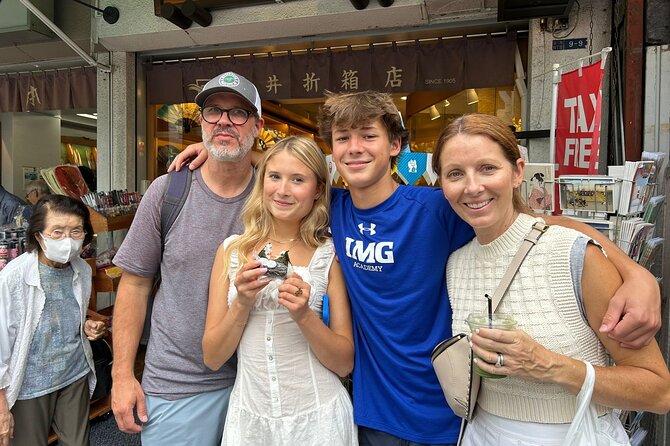
- Choose every bite yourself: There is no fixed tasting menu, so you control both the food and the extra cost.
- Start with Tsukiji Hongwanji Temple: The unusual temple architecture gives the tour a cultural opening before the market crowds.
- Eat beyond sushi: You might sample fresh seafood, Japanese omelets, fruit, fried fish cakes, wagyu beef, sea urchin, or eel.
- Get help in a confusing market: Guides such as Rie, Haydn, Minori, Jim, Sayaka, and Shino have been praised for food advice and smooth navigation.
- Bring Japanese yen: Food and drinks are separate from the $30 tour fee, and many stalls take cash.
- Expect a short, active outing: The tour lasts about two hours and includes walking and standing in a busy market setting.
Why a guide helps at Tsukiji
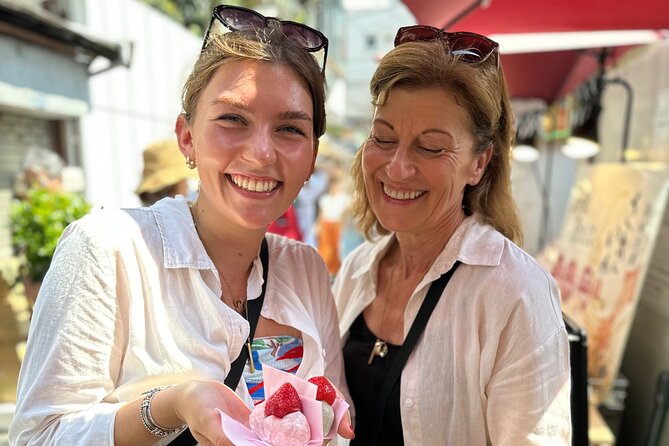
Tsukiji is not a single indoor fish market with a neat row of counters. The experience here centers on the market district and Tsukiji Jogai Market, a dense area of shops and small food counters. You will see stalls selling seafood and Japanese street food, but deciding what to buy can be hard when signs are unfamiliar and the walkways are crowded.
That is where this tour earns its keep. A good guide can point out what each stall sells, explain ingredients used in sushi and local dishes, and help you avoid spending too much on food that does not suit your taste. Guides have also helped groups find better prices for similar products, which matters in a market where attractive displays can tempt you into quick purchases.
The guides named in the feedback include Rie, Haydn, Minori, Jim, Nicolas, Yayoi, Sayaka, Shino, Joe, and Nicholas. The strongest pattern is not one particular guide, but the value of having a friendly local who can translate the market’s unwritten rules. Rie, for example, encouraged cautious eaters to try sea urchin and eel. Haydn was praised for knowing vendors and helping a family move through the market without stress. Shino brought a chef’s perspective to the food.
Your exact guide will depend on the date, but the experience is built around that personal contact rather than a lecture delivered to a large crowd.
More Fish Market Tours in Japan
- Tokyo Tsukiji Fish Market Food and Culture Walking Tour
★ 5.0 · 3,184 reviews - Tokyo: Tsukiji Fish Market Guided Walking Tour
★ 4.9 · 1,397 reviews - Tokyo Sushi Making Class in Tsukiji with Professional Chef
★ 5.0 · 1,177 reviews
Tsukiji Hongwanji Temple: an unusual first stop
The tour begins at Tsukiji Hongwanji Temple, where you spend about 30 minutes. The temple is known for its distinctive architecture, and it gives you an immediate reminder that Tsukiji is more than a place to buy breakfast.
This stop also helps set the cultural context for the market district. Your guide can explain the temple and the surrounding area before you head toward the food stalls. It is a calm start to what soon becomes a much more active walk.
Still, this is the part of the route that may divide people. If you enjoy architecture, local customs, and a little quiet before eating, the temple adds welcome variety. If your only goal is sushi and seafood, you may wish the tour began at the market. One person specifically felt the temple portion could have been skipped, and that is a fair point for a short two-hour experience.
I would think of the temple as a useful bonus rather than the main reason to book. It makes the tour more rounded, but the market remains the main event.
Tsukiji Fish Market: history before the first bite
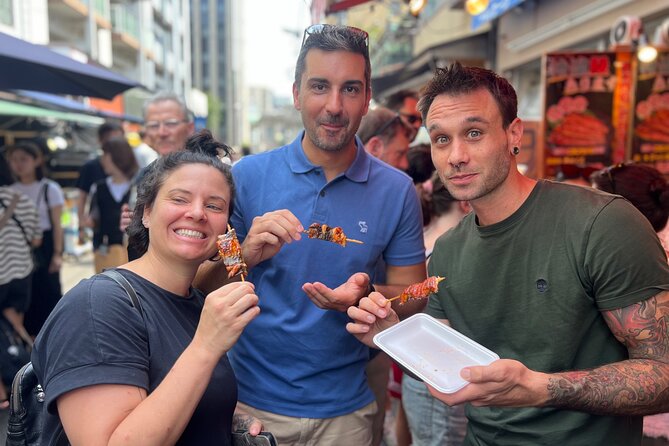
The next stop lasts about an hour and focuses on Tsukiji Fish Market. The area is famous for its role in Tokyo’s seafood trade and its former connection with celebrated tuna auctions. This tour is not presented as a tuna-auction viewing experience. Instead, you walk through the market area, learn about Tsukiji’s past and food culture, and stop at places that serve ready-to-eat dishes.
This is where a guide’s judgment matters most. You might see seafood prepared in several forms, along with ingredients that are familiar to Japanese cooks but less obvious to first-time visitors. Your guide can explain what you are looking at and suggest foods based on the group’s interests.
The no-set-menu arrangement keeps the tasting personal. You might choose a piece of sushi, some fresh seafood, fruit, a Japanese omelet, or a fried fish cake. Other possible choices mentioned by past participants include wagyu beef, sea urchin, and eel. You do not have to order every item, and you are not charged for food you do not want.
That freedom is especially useful for mixed groups. One person may want raw fish, another may prefer cooked food, and a child may be more interested in fruit or an omelet. The guide can adjust the route and recommendations instead of forcing everyone through the same menu.
The tradeoff is that the final food bill is yours. The $30 price covers the guide and market experience, not the dishes. If you want to taste several items, carrying about 10,000 Japanese yen is sensible. You may spend less if you are selective, but arriving with enough cash keeps you from having to choose between foods simply because you have run short.
Tsukiji Jogai Market: the main food walk
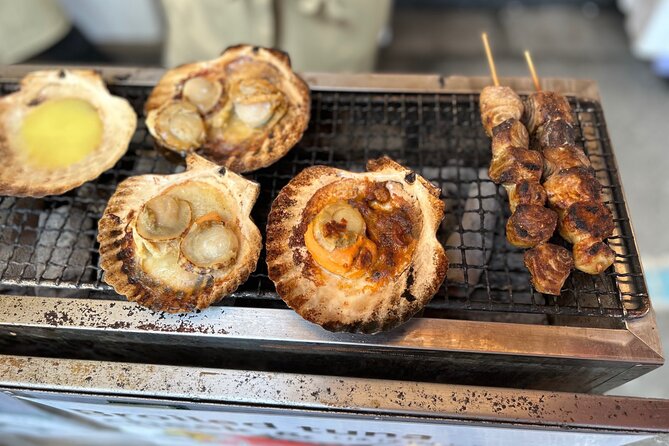
The final 30 minutes are spent in Tsukiji Jogai Market, an area filled with shops and stalls selling seafood, ingredients, and Japanese street food. This is the section most likely to match your picture of Tsukiji: narrow lanes, tempting displays, quick bites, and plenty to examine.
The word jogai refers to the outer market area. That distinction matters because people sometimes arrive expecting the old inner wholesale market and its auction atmosphere. This tour takes you through the accessible market district, where eating and browsing are the focus.
You may stop for fresh seafood, sushi, fruit, omelets, or fried fish cakes. The available choices depend on the day, the stalls open, and what your group wants to try. The guide can help you balance familiar foods with one or two less obvious choices.
I would not treat the final half hour as a race to collect as many samples as possible. The best use of the time is to ask questions and choose a few items that interest you. If you want a larger meal, you can select more food, but remember that the tour ends back at the original meeting point.
A practical note: expect to walk and stand. The activity is not described as strenuous, but market paths can be crowded and seating may not be part of every stop. Comfortable shoes will make the experience easier.
More Fish Market Tours in Tokyo
- Tsukiji Fish Market Guided Tour and Sushi Making with Pro Chef
★ 5.0 · 775 reviews - Tokyo: Tsukiji Fish Market Food and Culture Walking Tour
★ 4.7 · 757 reviews - Tsukiji Fish Market: Street Food & Culture Walking Tour
★ 5.0 · 669 reviews - Tsukiji Fish Market Small-Group Food Walking Tour
★ 5.0 · 621 reviews
How the food format affects the value
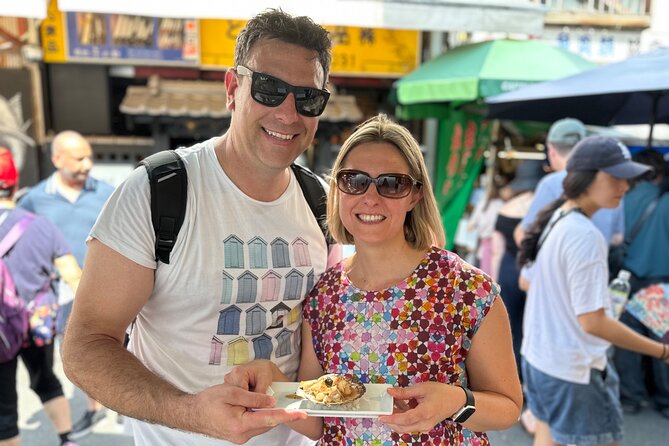
At $30 per person, the tour is priced as a guided introduction, not an all-inclusive food tour. That distinction makes the price easier to judge. You are paying for a local English-speaking guide, market orientation, cultural background, and help choosing food. You are then paying separately for whatever you eat.
This can be good value if you want control. You avoid the common problem of paying for a fixed menu filled with dishes you do not like. You can also spend more on one memorable item instead of spreading your budget across a list chosen by someone else.
It may feel less satisfying if you expect the tour price to cover a full breakfast. Before you book, set aside money for food and drinks. If you plan to try sushi, wagyu, sea urchin, eel, and several snacks, your total cost will be higher than the advertised fee.
The food choices also make this a better fit for curious eaters than for people seeking a formal culinary lesson. You will learn about ingredients and local food customs, but the experience is built around walking, choosing, tasting, and asking questions at the moment.
What the guides add to the experience
The best guides on this route do more than lead you from one stall to the next. They explain what you are seeing, answer questions about Japanese food and culture, and help the group make decisions without wasting time.
Rie is described as energetic and attentive, with a good eye for food stalls and prices. Haydn helped people find their way through the market and gave practical advice on what was worth buying. Minori mixed food suggestions with explanations of Japanese history and culture. Jim was praised for offering a distinctive perspective on Japanese culture while guiding the market walk.
Yayoi’s flexible approach was useful to someone with limited time, and Sayaka brought humor and warmth to the choose-your-own-food format. Shino’s experience as a chef added another angle to the food. These details matter because the quality of the outing depends heavily on who leads it.
There is one important caution. Not every guide will spend the same amount of time on market history. One dissatisfied participant felt the tour gave too little background on the fish market itself and that the group could have walked around alone. If your top priority is a detailed account of wholesale operations, confirm that expectation before booking. If your priority is finding good food and understanding what you are eating, the tour is better suited to you.
Meeting point, group size, and timing
You meet at the Starbucks Coffee near Tsukiji Station, at 2-chome 12-8, Daihiro Building 1F, in Chuo City. The activity returns to that same meeting point, which makes planning simple if you have another Tokyo stop afterward.
The tour lasts approximately two hours. That is long enough for the temple, a guided market walk, and several tastes, but not long enough for a slow, meal-sized exploration of every lane. Treat it as an introduction and orientation rather than a full morning at Tsukiji.
Groups are capped at 10 people. That is a useful limit in a crowded market. A small group makes it easier to hear the guide, stay together, and adjust the route when someone wants to try a particular food.
The schedule and pace can respond to the group’s interests. This does not mean every request can be guaranteed, but it gives the walk a more personal feel than a rigid food circuit. A mobile ticket is provided, and confirmation arrives at booking.
The tour is near public transportation, and service animals are allowed. Most people can take part, though you should be comfortable with walking and standing for the duration.
Who should book this Tsukiji walk?
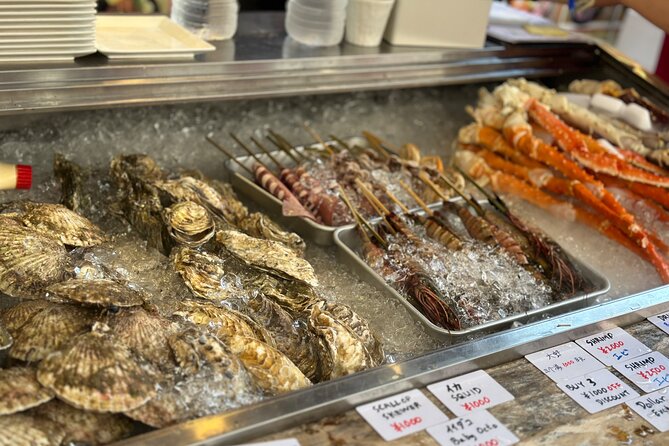
I would recommend it to first-time visitors who want to see Tsukiji but feel unsure about ordering from unfamiliar stalls. It is also a good match for families and mixed groups because everyone can choose different foods and control spending.
Food-focused visitors will appreciate the freedom to try items such as sushi, seafood, sea urchin, eel, wagyu beef, fruit, omelets, and fried fish cakes, depending on what is available. People who enjoy local culture will get more from the temple stop and the explanations of Japanese ingredients and customs.
You may not need this tour if you are comfortable navigating markets alone, reading food displays, and deciding what to order without help. You may also prefer a different type of experience if you want a set meal, guaranteed dishes, or a long lecture about the market’s history.
For most people, the strongest reason to book is not access. The market is open to explore. The reason is guidance: someone can help you choose wisely, avoid tourist-priced mistakes, and make sense of a place that can feel confusing on a first visit.
Final verdict: a useful first taste of Tsukiji
Book this tour if you want a friendly introduction to Tsukiji, prefer to choose your own food, and like having a local guide explain what is in front of you. The $30 fee is reasonable for the orientation, small group, and food advice, as long as you budget separately for what you eat.
Go in expecting a guided market walk rather than a full meal or a detailed behind-the-scenes look at fish auctions. The temple opening may not suit everyone, and the quality of the commentary can vary by guide. Still, guides such as Rie, Haydn, Minori, Jim, and Shino have shown the kind of practical help that makes this market easier to enjoy.
Bring cash, arrive ready to walk, and keep some appetite for foods you may not recognize at first glance. For a first visit to Tsukiji, that is a sound way to get your bearings and start eating with confidence.
FAQ
How much does the Tsukiji food and walking tour cost?
The tour costs $30 per person. Food and drinks are not included, so you pay separately for anything you choose to eat.
How long does the tour last?
The experience lasts approximately two hours. The route includes about 30 minutes at Tsukiji Hongwanji Temple, one hour at Tsukiji Fish Market, and 30 minutes at Tsukiji Jogai Market.
What food can I try?
You can choose from foods such as fresh seafood, sushi ingredients, fruit, Japanese omelets, fried fish cakes, wagyu beef, sea urchin, and eel. The exact choices depend on what you and the group select at the market.
Is there a fixed food menu?
No. There is no set menu. You choose the dishes you want and pay for them separately.
Should I bring Japanese yen?
Yes. Food purchases are not included, and practical information for the experience advises bringing cash. About 10,000 Japanese yen gives you room to sample several items, though your spending depends on what you order.
Where does the tour start?
The meeting point is Starbucks Coffee near Tsukiji Station, at Japan, 104-0045 Tokyo, Chuo City, Tsukiji, 2-chome 12-8, Daihiro Building 1F.
Where does the tour finish?
The activity ends back at the meeting point.
How large is the group?
The tour can have a maximum of 10 participants.
Can I cancel for a full refund?
Yes. You can cancel at least 24 hours before the experience start time for a full refund. Cancellations or changes made less than 24 hours before the start time are not accepted for a refund.
More Market Market Walking Tours in Tokyo
- Bangkok: City Highlights Temple and Market Walking Tour
★ 4.5 · 3,990 reviews - Marrakech: Ben Youssef, Secret Garden, & Souks Walking Tour
★ 4.6 · 2,802 reviews - Marrakech: Colorful Medina Souks Guided Walking Tour
★ 4.7 · 2,470 reviews - Air Raid Shelter + St. Nicholas Market Walking Tour
★ 5.0 · 1,950 reviews
More Market Walking Tours in Japan
- Tsukiji Fish Market: Street Food & Culture Walking Tour
★ 4.8 · 259 reviews - Tokyo: Guided Walking Tour of Tsukiji Market with Breakfast
★ 4.4 · 134 reviews - Tokyo: Tsukiji Market Walking Tour & Sushi Cooking Class
★ 4.6 · 122 reviews - Tokyo: Guided Walking Tour of Tsukiji Market with Lunch
★ 4.4 · 24 reviews
Just added around Tokyo
- Tokyo: Tsukiji Market Guided Tour & Sushi-Making Experience★ 4.4 · 11 reviews
- Tokyo: Private Tsukiji Street Food & Sake with Local Guide★ 5.0 · 3 reviews
- Tokyo: Tsukiji Market and Hama-rikyu Gardens Guided Tour★ 4.8 · 73 reviews
- Tokyo: Tsukiji Fish Market Culture Tour with Sashimi Tasting★ 4.6 · 54 reviews
- Tokyo: Tsukiji Fish Market Foodie and Educational Tour★ 5.0 · 4 reviews
- Tokyo : Tsukiji Fish Market Food Walking & Shrine Visit Tour★ 5.0 · 3 reviews
- Tokyo’s Kitchen: Tsukiji Market Food & Culture Walk★ 4.7 · 74 reviews
- Tokyo: Guided Walking Tour of Tsukiji Market with Lunch★ 4.4 · 24 reviews
Fish Market Tours, compared.
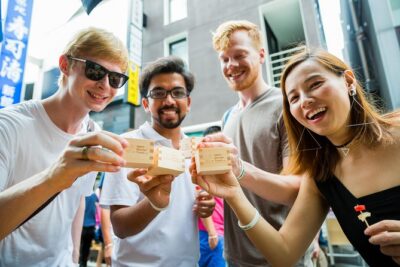
Tokyo Tsukiji Fish Market Food and Culture Walking Tour
Read our review →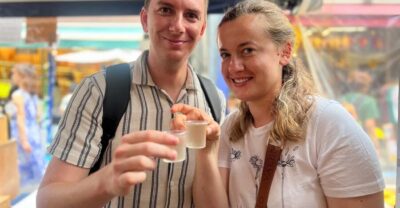
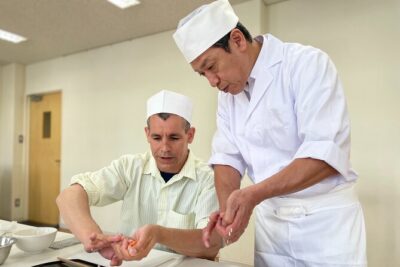
Tokyo Sushi Making Class in Tsukiji with Professional Chef
Read our review →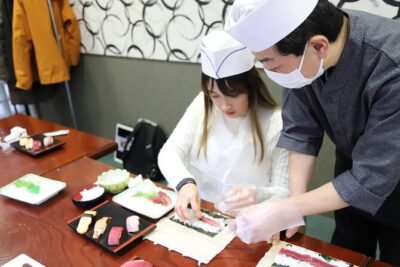
Tsukiji Fish Market Guided Tour and Sushi Making with Pro Chef
Read our review →Tsukiji Fish Market Food and Culture Walking Tour
Read our review →
Tsukiji Fish Market: Street Food & Culture Walking Tour
Read our review →
Tsukiji Fish Market Small-Group Food Walking Tour
Read our review →