
Review · FISH MARKET TOURS
Tokyo Sushi Making Class in Tsukiji with Professional Chef
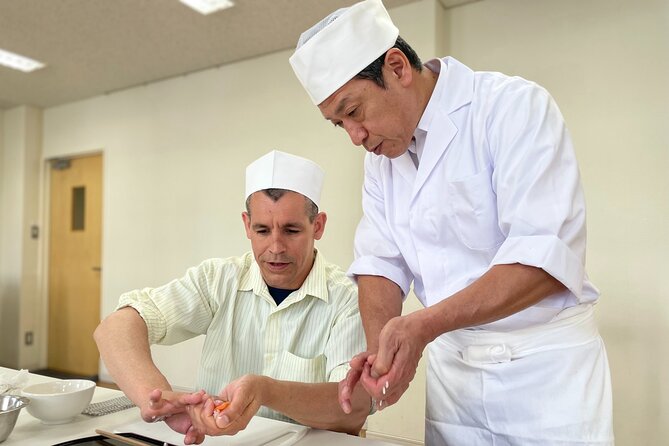
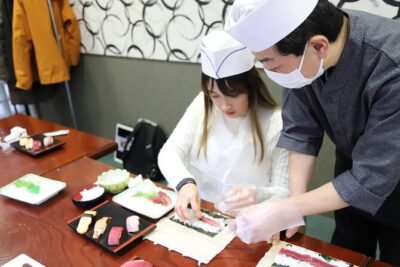
Tsukiji’s best souvenir may be a new skill, not another snack. In this compact class, a professional sushi chef shows you how fish is prepared, explains the tools, and guides you through five pieces of nigiri and one rolled sushi. Then you eat what you made for lunch.
I like the market setting and the clear, hands-on format. You get fresh ingredients, proper utensils, an English-speaking host, and plenty of help rather than a lecture from across the room. The main catch is simple: the classroom is on the third floor with stairs only, and the class may run past its planned 90 minutes.
- Fish-cutting demonstration: Watch the sushi master prepare fish and explain Japanese knives.
- Six pieces of sushi to make: Prepare five different nigiri and one rolled sushi.
- Tsukiji location: The class takes place near the Outer Market and fish port area.
- English support: A host translates and helps the chef explain each step.
- Lunch is included: You eat the sushi you make, with fresh wasabi prepared by the chef.
- Short but useful format: The 1-hour-30-minute session fits neatly into a day in Tokyo.
Making Sushi in a Traditional Tsukiji Classroom
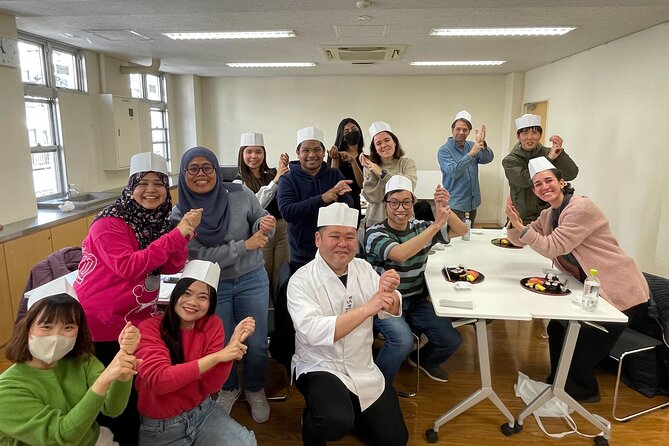
The class takes place in a local Japanese-style building near Tsukiji Market. It is not a large cooking studio designed for tourists. The room is on the third floor, reached only by stairs, which gives the setting a more local feel but makes it unsuitable for anyone who cannot manage stairs.
Your English-speaking host handles explanations and translation while the sushi chef demonstrates the techniques. Different sessions may feature staff such as Chef Tanaka, Chef Kate, Yuko, Yoko, Yugo, Emma, Kanon, or other team members. The staff’s roles are clear: the chef handles the technical work, and the host makes sure you understand what is happening.
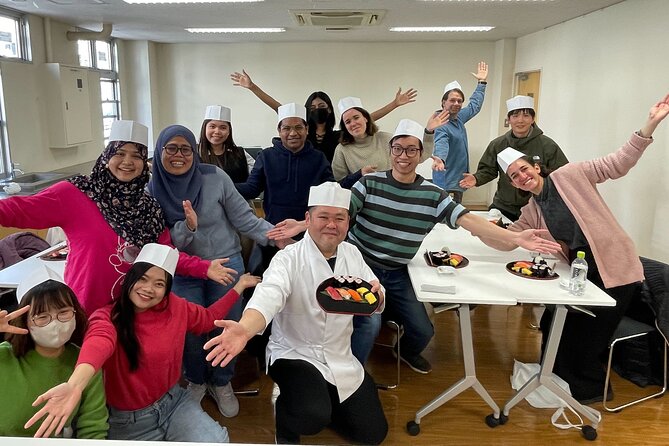
The group can include up to 20 people. That is large enough to create a friendly class atmosphere, though it is not a private lesson. The host and chef provide step-by-step help, and the many positive accounts of family groups and first-time sushi makers suggest that beginners are very much at home here.
What You Learn Before Touching the Rice
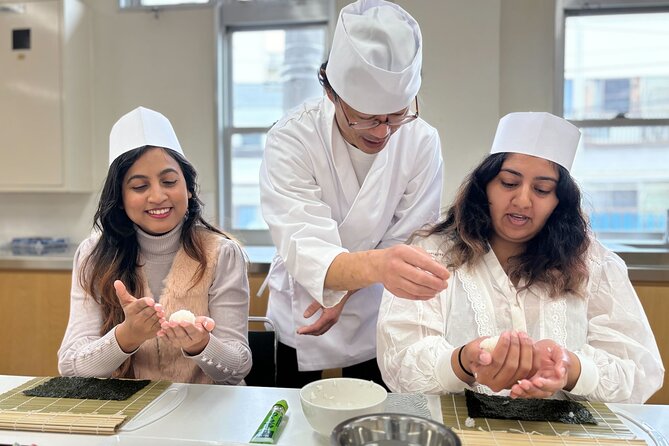
The opening fish demonstration is more useful than it may sound. You watch the chef take apart fish and explain the steps needed to prepare it for sushi. You also get an introduction to Japanese knives, including why the knife matters and how careful cutting affects the final piece.
This is not professional culinary training. You will not leave ready to work behind a sushi counter. But you will understand why sushi preparation takes control, patience, and clean technique. The demonstration also gives you a better eye for the craft when you later see a sushi chef working in Japan.
The chef explains different types of sushi before moving to the practical part. You learn the difference between nigiri and rolled sushi, then follow the proper order for shaping and assembling them.
For first-timers, that order matters. Sushi can look simple on the plate, but the rice, fish, seaweed, fillings, and pressure of your hands all need to work together. The class breaks the task into manageable steps, with the staff correcting you when needed.
More Fish Market Tours in Japan
- Tokyo Tsukiji Fish Market Food and Culture Walking Tour
★ 5.0 · 3,184 reviews - Tokyo: Tsukiji Fish Market Food and Walking tour
★ 5.0 · 1,724 reviews - Tokyo: Tsukiji Fish Market Guided Walking Tour
★ 4.9 · 1,397 reviews
Five Nigiri and One Rolled Sushi
The main activity is making five different nigiri sushi and one rolled sushi. Nigiri is the familiar hand-formed rice topped with fish or another ingredient. Rolled sushi uses seaweed and fillings, then gets shaped and cut into smaller pieces.
You do not simply watch the chef make a perfect plate. You handle the ingredients and build the sushi yourself. That makes the class a good choice if you want more than a food tasting. Your pieces may not look exactly like the chef’s, but that is part of the fun, and staff are there to help you improve the shape.
The class supplies proper sushi-making utensils and tableware sourced from local shops. Fresh ingredients come from the market area, giving the lesson a useful link to Tsukiji rather than making it feel like a generic cooking class in a hotel room.
The chef also prepares wasabi fresh for the meal. This adds a small but worthwhile lesson in flavor. Wasabi is not simply a green paste to spread heavily over everything. Used carefully, it can sharpen the fish without hiding its taste.
Eating Your Own Sushi for Lunch
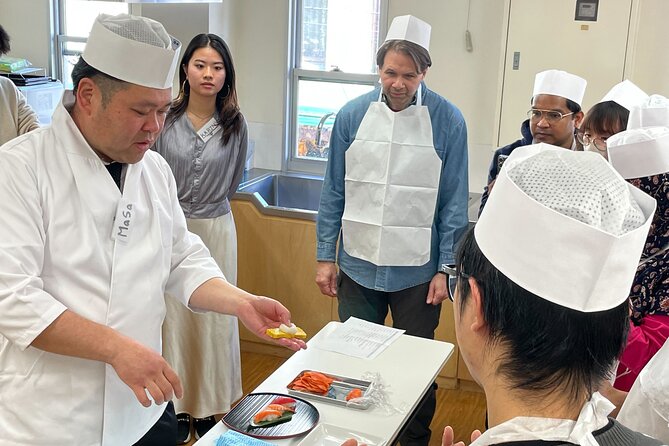
After the making comes the best part: you eat the sushi you prepared. The included meal consists of the five nigiri and one rolled sushi you make during class. You also get to watch the sushi master prepare another piece, giving you a direct comparison between your work and the professional version.
I recommend arriving with some appetite. The class is short, but the finished sushi is meant to serve as lunch, not just a tiny sample. Extra food and drinks are not included, so do not expect a larger restaurant-style meal beyond the sushi made in the workshop.
This meal also gives the lesson a satisfying finish. You immediately taste how the rice, fish, seaweed, and wasabi work together. Several people have found the food especially fresh and delicious, which makes sense given the setting near Tsukiji’s food markets.
Families may find the meal useful for another reason. Children who are unsure about sushi can become more willing to try it after making their own roll. The class has worked well for families with children from about 7 to 12, and some children have tried sushi and sashimi for the first time during the experience.
Tsukiji Fish Market, Outer Market, and Fish Port
The class itinerary identifies three Tsukiji areas: Tsukiji Fish Market, Tsukiji Jogai Market, and Tsukiji Nippon Fish Port Market. The classroom is located in the Tsukiji market district, so you are close to one of Tokyo’s best food-focused neighborhoods.
It is important to set your expectations correctly. This booking is chiefly a sushi-making class, not a long guided market tour. You make your own way to the meeting point, and the class ends back there. Still, the location gives you an easy chance to explore the Tsukiji Outer Market before or after your session.
The Outer Market is a practical place to browse food stalls, shops, and small eateries. You may find seafood, kitchen tools, snacks, and other Japanese ingredients nearby. Since the class uses market-sourced ingredients and utensils, the neighborhood adds useful context to what you learn inside.
For a fuller Tsukiji visit, schedule the class alongside free time in the area. Do not pack a major attraction immediately afterward, because the session may go beyond its scheduled end. That warning matters if you are trying to connect it with a timed museum entry, a restaurant reservation, or a train.
More Fish Market Tours in Tokyo
- Tsukiji Fish Market Guided Tour and Sushi Making with Pro Chef
★ 5.0 · 775 reviews - Tokyo: Tsukiji Fish Market Food and Culture Walking Tour
★ 4.7 · 757 reviews - Tsukiji Fish Market: Street Food & Culture Walking Tour
★ 5.0 · 669 reviews - Tsukiji Fish Market Small-Group Food Walking Tour
★ 5.0 · 621 reviews
Why the 90-Minute Format Works
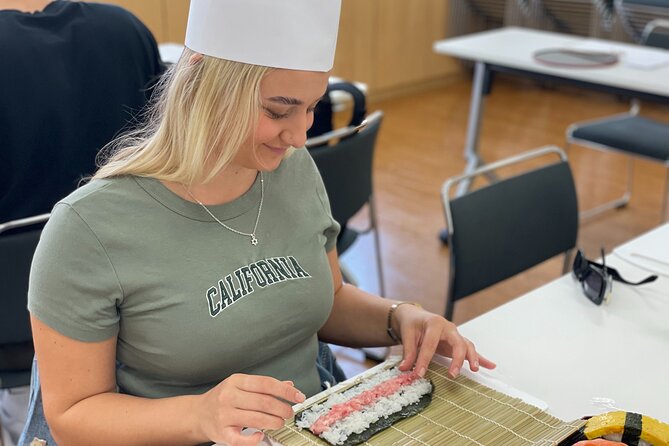
At about 1 hour and 30 minutes, this is an easy class to fit into a busy Tokyo itinerary. You get a demonstration, an explanation of sushi types, hands-on preparation, and lunch without giving up half a day.
That short length is also the tradeoff. You will learn the basics, not every detail of sushi-making. There is no indication that you will prepare a wide range of dishes or study advanced knife work. If you want a full culinary course, this will feel introductory.
For most visitors, the format is sensible. You learn enough to understand the craft and make several types of sushi, then return to sightseeing. It works particularly well on a Tsukiji morning or afternoon, when you can add market browsing around the class.
The class is also a useful rainy-day choice. The cooking takes place indoors, and the main activity does not depend on good weather. You still need to get to the meeting point yourself, but once inside, the weather is no longer the concern.
Is $49.74 Good Value?
At $49.74 per person, the price is reasonable for a 90-minute food experience in central Tokyo. You are paying for the chef’s demonstration, English-language assistance, fresh ingredients, use of utensils, and a meal of your own sushi.
The value is strongest if you would otherwise pay for both lunch and a casual cultural activity. Here, the food is part of the lesson, and the lesson gives the meal more meaning. You also receive practical knowledge you can try at home, especially the basic method for shaping nigiri and rolling maki.
The value is weaker if you dislike seafood, want a large meal, or already have advanced sushi-making skills. The class is built for beginners and curious eaters, not for serious culinary professionals.
The high overall rating and 99 percent recommendation point to a consistently well-received experience, but I would still read the practical details before booking. The stairs, possible schedule overrun, ingredient restrictions, and group size matter more than the headline rating.
Who Will Enjoy This Class Most?
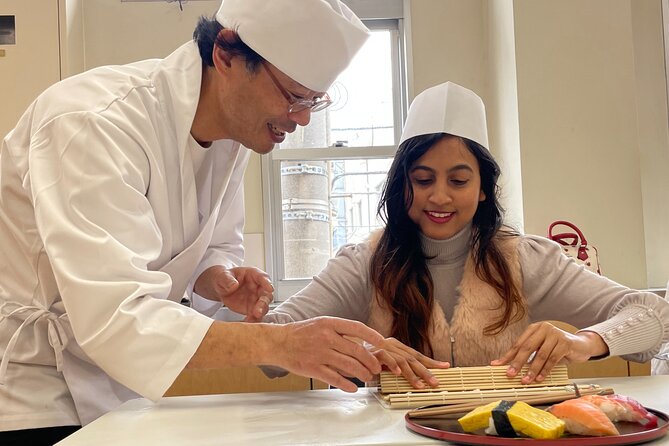
I would choose this class for sushi fans, first-time visitors to Tokyo, couples, families, and small groups of friends. It is especially useful for people who want a cultural activity with a clear result at the end. You learn something, eat lunch, and leave with photographs and a skill you can try at home.
It also suits hesitant sushi eaters. One participant with limited previous sushi experience found the history, ingredient explanations, and hands-on work a good introduction. Making your own food can make unfamiliar ingredients feel less intimidating.
Families should note that the class has worked well for children, but every child must be comfortable with the pace and the food. The activity includes raw fish ingredients, and the provider asks you to report allergies when booking.
This is not a good match for anyone seeking a private, quiet lesson. The group may reach 20 people, and the atmosphere is likely to be social. Nor is it suitable if you need step-free access.
Allergy, Dietary, and Practical Notes
Tell the provider about allergies when you reserve. The staff will try to accommodate allergy-related requests, but they cannot promise that every request can be met.
Halal and kosher requests are not accommodated. The same applies to kosher requirements specifically listed in the booking information. If food restrictions are central to your trip, contact the provider before paying rather than assuming substitutions will be available.
The meeting point is at 千社額棟 4-chōme-16-2 Tsukiji, Chuo City, Tokyo 104-0045. You make your own way there, and the experience returns to the same meeting point.
The activity is close to public transportation, but hotel pickup and drop-off are not included. Transportation to or from other attractions is also your responsibility.
A mobile ticket is provided, and confirmation arrives when you book. Cancellation is free up to 24 hours before the start time for a full refund. Within 24 hours, changes are not accepted and the payment is not refunded.
Should You Book the Tsukiji Sushi Class?
Book it if you want a short, hands-on Tokyo food experience with a professional chef, fresh ingredients, and lunch included. The fish-cutting demonstration, English support, and chance to make five nigiri plus one roll give the class more substance than a simple tasting.
I would especially recommend it for beginners and families. The staff, including hosts such as Yuko, Yugo, and Kanon and chefs such as Tanaka and Kate, have helped make the instructions clear for mixed-age groups and first-time sushi makers.
Skip it if you need step-free access, strict halal or kosher arrangements, or a guaranteed finish time. Also skip it if you want a large meal or an advanced cooking course.
For everyone else, this is a smart way to spend 90 minutes in Tsukiji. Plan a little extra time afterward for the Outer Market, arrive ready to eat, and keep your schedule flexible. You may leave with uneven sushi, but you will understand the craft far better than you did before.
FAQ
How long does the sushi-making class last?
The activity lasts approximately 1 hour and 30 minutes, though it may go beyond the scheduled ending time.
What sushi will I make?
You will make five different nigiri sushi and one rolled sushi.
Can I eat the sushi I prepare?
Yes. The sushi you make is included as lunch during the class.
Is the class taught in English?
An English-speaking host leads the explanations and assists with translation while the professional sushi chef teaches the preparation techniques.
Where does the class meet?
The meeting point is 千社額棟 4-chōme-16-2 Tsukiji, Chuo City, Tokyo 104-0045, Japan.
Does the class include hotel pickup?
No. Hotel pickup and drop-off are not included, and you must make your own way to the meeting point.
Is the classroom accessible without stairs?
No. The classroom is on the third floor of a traditional Japanese building and can only be reached by stairs.
Can the provider accommodate allergies?
You should report allergies when making your reservation. The provider will try to accommodate allergy-related requests, but accommodation cannot be guaranteed.
Can I request halal or kosher food?
No. Halal and kosher requests are not accommodated for this activity.
Just added around Tokyo
- Tokyo: Tsukiji Market Guided Tour & Sushi-Making Experience★ 4.4 · 11 reviews
- Tokyo: Private Tsukiji Street Food & Sake with Local Guide★ 5.0 · 3 reviews
- Tokyo: Tsukiji Market and Hama-rikyu Gardens Guided Tour★ 4.8 · 73 reviews
- Tokyo: Tsukiji Fish Market Culture Tour with Sashimi Tasting★ 4.6 · 54 reviews
- Tokyo : Tsukiji Fish Market Food Walking & Shrine Visit Tour★ 5.0 · 3 reviews
- Tokyo: Tsukiji Fish Market Foodie and Educational Tour★ 5.0 · 4 reviews
- Tokyo’s Kitchen: Tsukiji Market Food & Culture Walk★ 4.7 · 74 reviews
- Tokyo: Guided Walking Tour of Tsukiji Market with Lunch★ 4.4 · 24 reviews
Fish Market Tours, compared.

Tokyo Tsukiji Fish Market Food and Culture Walking Tour
Read our review →

Tsukiji Fish Market Guided Tour and Sushi Making with Pro Chef
Read our review →Tsukiji Fish Market Food and Culture Walking Tour
Read our review →
Tsukiji Fish Market: Street Food & Culture Walking Tour
Read our review →
Tsukiji Fish Market Small-Group Food Walking Tour
Read our review →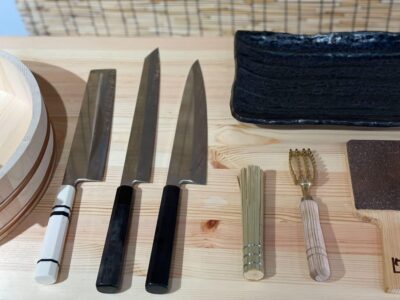
Tsukiji Fish Market Sushi Making Class with Pro Chef
Read our review →Browse the lists this tour appears in