
Review · FISH MARKET TOURS
Tokyo’s Kitchen: Tsukiji Market Food & Culture Walk
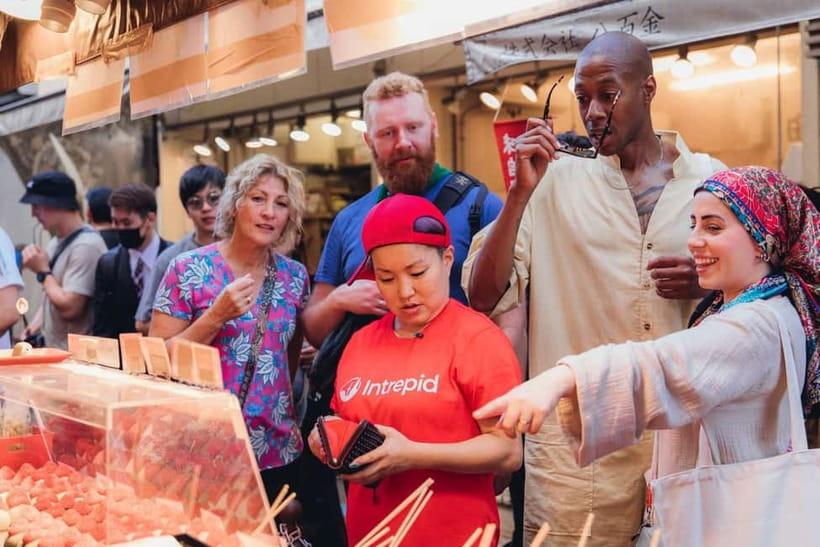
Tsukiji is most rewarding when you have someone to explain what you are seeing. This three-hour walk takes you past seafood stalls, sushi counters, tamagoyaki shops, sweets, tea, dashi, beef, and small craft stores, with tastings woven into the route. I especially like the six-person maximum and the way the tour connects food with Buddhist and Shinto customs. You are not just pointed toward lunch. You learn why the market works as it does.
I also like that the tour begins at Kabukiza Theatre and includes both Kabuki Inari Shrine and Namiyoke Inari Jinja, giving the morning a calmer rhythm. The main consideration is that Tsukiji can be wet, crowded, and noisy, and the tasting menu may not suit every diet. The market is still a working food district, not a quiet museum.
Key points at a glance
- Small groups make a real difference: With no more than six people, your guide can keep the group together and answer questions without shouting over the market.
- Come hungry, but not too hungry: Tastings can include sushi, sashimi, tamagoyaki, Kobe beef, snacks, tea, wagashi, and sake.
- Tsukiji is not Tokyo’s tuna-auction site anymore: The wholesale auction moved to Toyosu, but Tsukiji Outer Market remains a lively place for retail food, prepared dishes, ingredients, and kitchen goods.
- The shrine visits add useful context: You learn simple gestures for showing respect and how food, faith, and daily life connect in Japan.
- Guides can turn a confusing market into a friendly one: Guides including Oku, Mihori, Shino, Yumi, Mikki, and Kyou have been praised for explaining food clearly and helping people try unfamiliar dishes.
- Plan for practical market conditions: Wear closed-toe shoes, tell the operator about dietary needs in advance, and remember that alcoholic drinks are only for people aged 20 and over in Japan.
Starting at Kabukiza and Kabuki Inari Shrine
The meeting point is Higashi-ginza Station, Exit 3, at street level near the top of the escalator. Look for the front of Kabukiza Theatre on the Harumi Street side, beside the small torii gate. This is a useful meeting place because the theatre is easy to identify, but do not rush straight into the market if you arrive early. Make sure you are on the correct side of the station and look for the small shrine by the entrance.
The walk begins with Kabuki Inari Shrine. It is a brief stop, but it sets the tone for the morning. Instead of treating Tsukiji as a collection of food stalls, your guide begins to show you how commerce, performance, worship, and neighborhood life share the same streets.
You will learn basic shrine manners, including how to approach respectfully and take part in simple local rituals. You do not need prior knowledge of Shinto customs. The point is not to turn you into an expert, but to help you understand what you are seeing when people pause at a shrine, bow, or make an offering.
This is also a good moment to ask your guide about the difference between a shrine and a Buddhist temple. The tour links the market to both Buddhist beliefs and Shinto ideas about respect, purity, gratitude, and food. That context gives the tastings more meaning later.
More Fish Market Tours in Japan
- Tokyo Tsukiji Fish Market Food and Culture Walking Tour
★ 5.0 · 3,184 reviews - Tokyo: Tsukiji Fish Market Food and Walking tour
★ 5.0 · 1,724 reviews - Tokyo: Tsukiji Fish Market Guided Walking Tour
★ 4.9 · 1,397 reviews
Entering Tsukiji Outer Market after the tuna auction moved
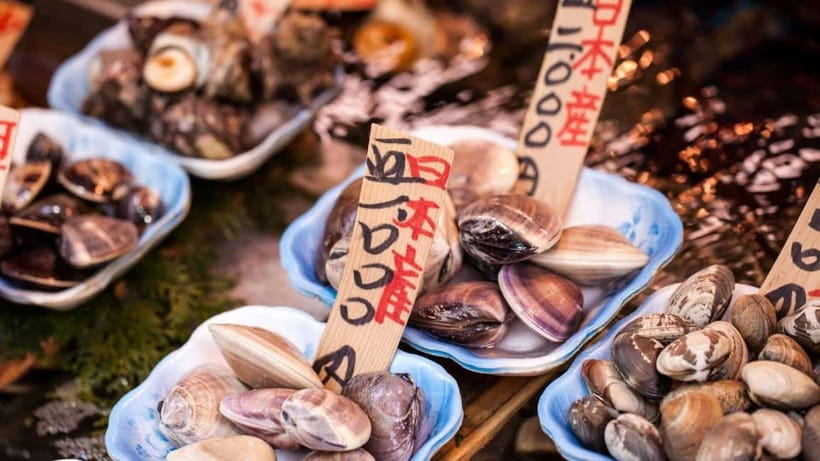
Tsukiji’s name still carries the fame of Tokyo’s old fish market, but the market you visit today is the Outer Market. The famous wholesale tuna auction moved to Toyosu, a point your guide explains as you walk. Tsukiji did not vanish with that move. Its retail lanes continue to sell seafood, prepared food, produce, seasonings, tea, sweets, knives, and other kitchen goods.
That difference matters when you choose this tour. If your main goal is to watch the wholesale auction or see the large auction halls, this is not the right experience. If you want to understand how food reaches Tokyo tables and sample what local shops sell, Tsukiji remains a strong choice.
The market can feel confusing at first. Streets are narrow, shop signs are busy, and the food is not always labeled in English. A local English-speaking guide helps you know what is worth stopping for, how to approach a stall, and what you are tasting. Guides also introduce you to vendors, which changes the mood from simply buying a snack to meeting the people who make or sell it.
The small group is especially useful here. With six people or fewer, the guide can gather everyone before crossing a lane, point out a detail without losing the group, and adapt the route to food preferences. Several guides have also used photos, maps, and models to explain how foods are made or where they come from.
Eating through the market, one small taste at a time
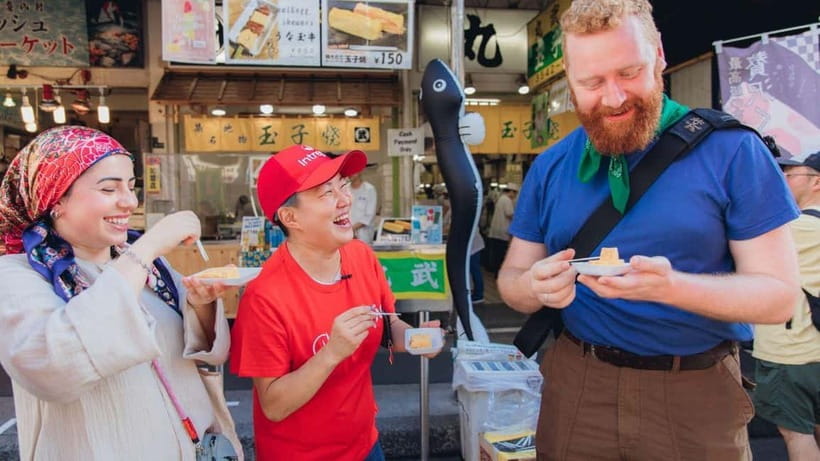
This is a food walk, not a single restaurant meal. You move between stalls and shops, tasting several foods in modest portions. That format lets you sample widely without committing to a full serving of something unfamiliar.
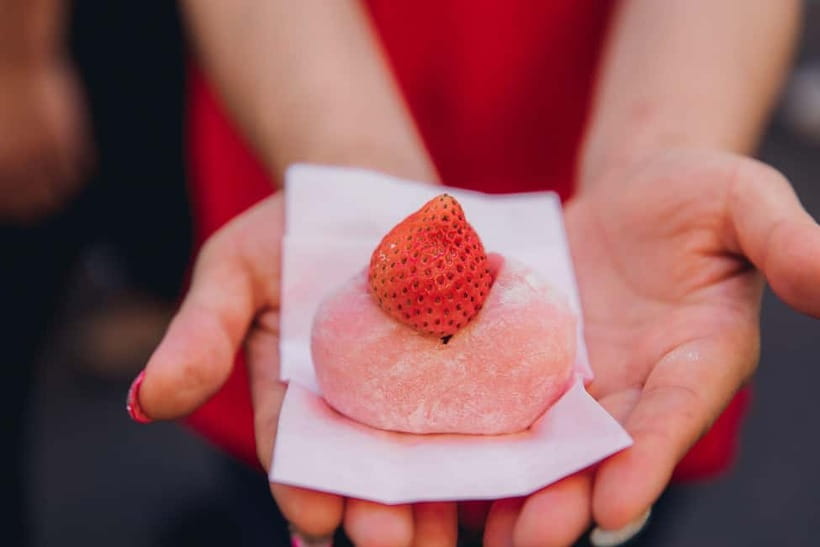
Sushi and sashimi are central to the experience, and the quality depends on the day’s offerings and the shops visited. You may also taste tamagoyaki, the sweet-savory rolled omelet often associated with fish-market breakfasts, along with seafood, dashi, soy products, matcha, strawberries, and other market items.
The tastings can extend beyond fish. One outing included Kobe beef, pepper cola tea, sake, green tea, mochi, and fresh sashimi. Another included grinding fresh wasabi before eating sushi. These details show why the route can feel different from simply ordering a plate at a restaurant. You get to compare ingredients, preparation methods, and the way vendors present their food.
Seasonal wagashi sweets add a gentler finish to the savory foods. Wagashi are traditional Japanese sweets, often made with ingredients such as rice, beans, or matcha and shaped to reflect the season. Your guide explains the connection between sweets, craft, tea, and daily customs rather than treating them as generic dessert samples.
You should arrive ready to eat, but do not assume you need to skip every meal beforehand. The amount can be substantial, and you may want room for additional food after the tour. The tastings are not necessarily served as one formal feast, though some guides have ended the walk with a generous sushi serving and sake.
Alcohol is not required. People under 20 receive non-alcoholic alternatives, and anyone who does not want sake can focus on tea, sweets, seafood, and other foods.
Meeting vendors and seeing how market food is made
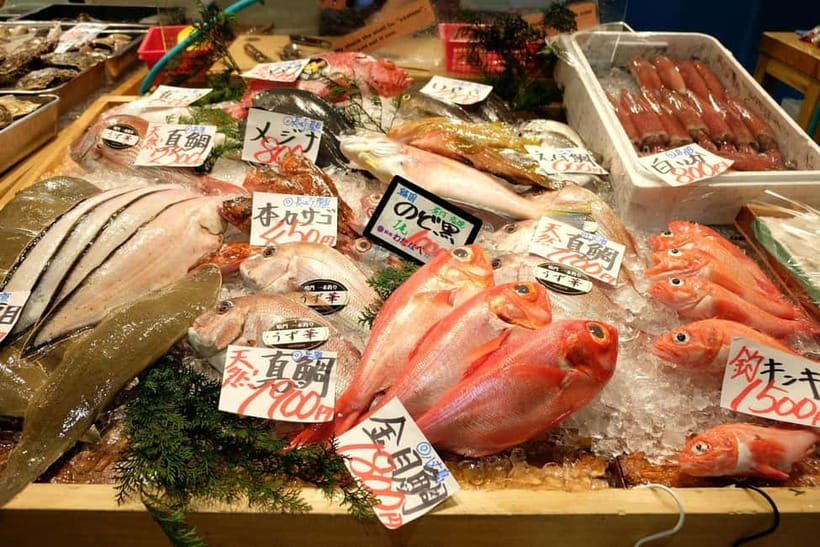
One of the better features of this walk is the human connection. The supplied details describe guides being greeted by name by vendors, which can make the market feel less like a parade of tourist stops. That relationship also helps your guide ask questions and explain products that you might otherwise pass without noticing.
You might see where tamagoyaki is prepared, learn how dashi is used, or get a closer look at ingredients such as soybeans, tuna, matcha, and wasabi. The exact stops can change, so do not expect a fixed behind-the-scenes tour of every working area.
That point is worth stressing. The experience gives you explanations and introductions, but it is not a full tour of the wholesale operations. One person wanted more access to the working side of the market and found the stalls began to look alike after a while. If you want loading areas, auction procedures, or a detailed look at wholesale logistics, you will need a different activity.
For most people, the retail focus is a benefit. You can stop, taste, ask questions, and buy something without being rushed through a large industrial site. The guide helps you notice the difference between an ingredient shop, a counter selling ready-to-eat food, and a store aimed at professional cooks.
More Fish Market Tours in Tokyo
- Tokyo Sushi Making Class in Tsukiji with Professional Chef
★ 5.0 · 1,177 reviews - Tsukiji Fish Market Guided Tour and Sushi Making with Pro Chef
★ 5.0 · 775 reviews - Tokyo: Tsukiji Fish Market Food and Culture Walking Tour
★ 4.7 · 757 reviews - Tsukiji Fish Market: Street Food & Culture Walking Tour
★ 5.0 · 669 reviews
Namiyoke Inari Jinja and the spiritual side of food
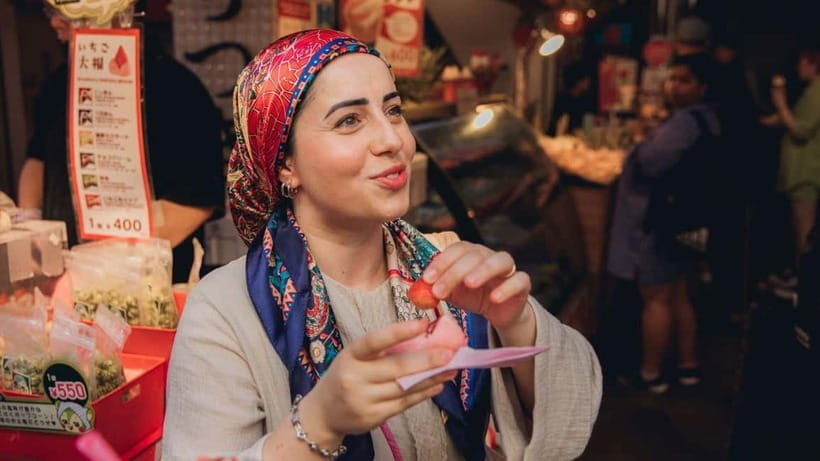
The walk continues to Namiyoke Inari Jinja, a small shrine near the market. Its location makes sense within the tour because the shrine is closely tied to the people and work of Tsukiji. Here, the market’s practical side gives way to a quieter explanation of respect, protection, and ritual.
Your guide teaches the simple gestures used at a shrine. You do not need to know Japanese or memorize a long set of rules. The lesson is short and practical, and it gives you confidence when you visit other shrines during your time in Tokyo.
This stop also connects back to the opening discussion of Buddhist and Shinto influences. Japanese food culture is not only about freshness and technique. It includes gratitude for ingredients, careful preparation, seasonal awareness, and respect for the people who handle food. The shrine visit helps tie those ideas together.
It is a welcome change of pace after the market lanes. Three hours of standing, walking, tasting, and listening can feel full, so the quieter stop keeps the morning from becoming one long food crawl.
What the $80 price covers
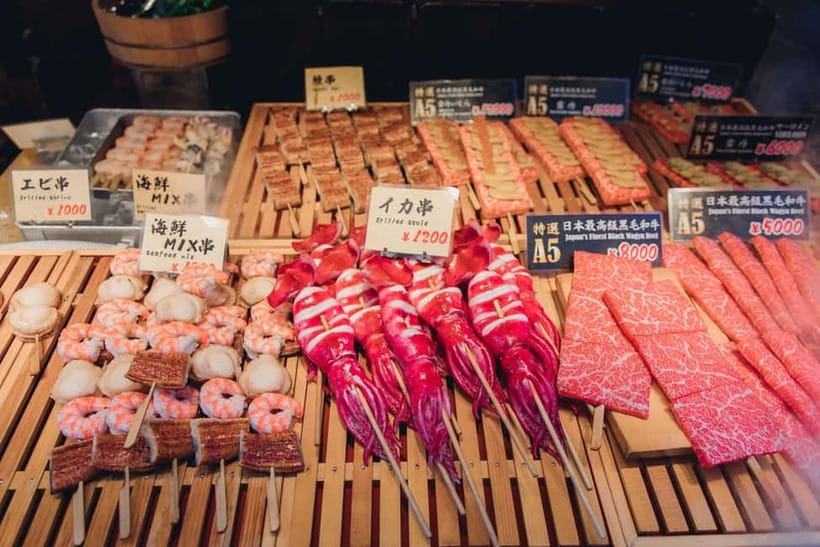
At $80 per person, this is not the cheapest way to eat in Tsukiji. You could buy individual snacks and sushi for less, especially if you already know where to go and can read enough Japanese to choose confidently.
The value comes from the combination of food, translation, context, and access to a very small group. You are paying for several tastings, an English-speaking local guide, introductions to vendors, explanations of sushi and market customs, and the time saved by not wandering from stall to stall guessing what to order.
The price makes more sense for a first morning in Tokyo. One person used this as the first activity of a trip and found it a useful introduction to both the city and its food. That timing is smart because you can use what you learn later when choosing sushi, sweets, tea, and market dishes on your own.
It is less worthwhile if you mainly want a large breakfast or if you already know Tsukiji well. The tour is about understanding and sampling, not maximizing the number of full-size dishes.
The operator also describes the tour as carbon neutral and run by a certified B Corp. That will matter to some people when comparing similar food walks. It does not change the route or the food, but it gives the booking a stated social and environmental purpose.
Group size, weather, and food restrictions
The advertised maximum is six people, though some departures can be smaller. One group had only two people, and another had three. A small group gives you more room to ask questions and lets the guide adjust the pace.
Several guides have received strong praise for their warmth and flexibility. Oku used photos, maps, and models while explaining the market. Mihori was noted for handling different food preferences. Shino helped make the food approachable and included a hands-on wasabi moment. Yumi, Kyou, Mikki, and other guides have also been praised for enthusiasm, humor, and clear explanations.
You should still remember that guides vary in style and that the exact tasting list can change. The experience depends partly on what is available in the market that morning.
Vegetarian and vegan options are available where possible, but choices may be limited because seafood is central to Tsukiji. Contact the operator before booking with dietary restrictions. Do not wait until the meeting point and expect the full route to change around you.
Rain is another practical concern. Market floors can be wet, and one person found the combination of rain and wind difficult. Wear closed-toe shoes with a good grip, bring suitable rain protection, and avoid delicate footwear. The tour is outdoors and on foot, so comfortable shoes matter more than stylish ones.
Who should book the Tsukiji food walk?
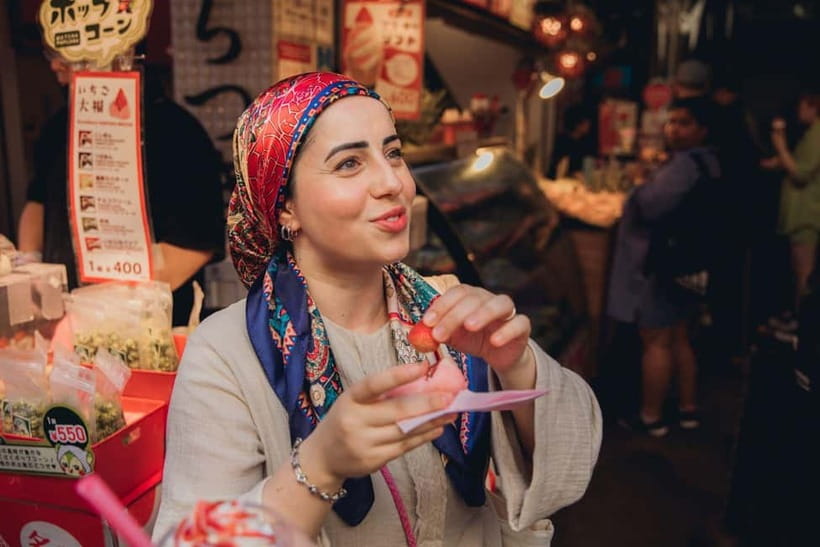
I would recommend this for first-time visitors to Tokyo who want a guided introduction to Japanese food without spending a full day on a formal cooking class. It also suits people who are curious about sushi but want help choosing and understanding unfamiliar ingredients.
Families can consider it too. Children aged five and under join free, though you should notify the operator when booking. Older children who enjoy trying small samples may have fun, but the wet floors, crowds, and food-centered pace may not suit a child who tires easily.
This is also a good match for people who like local stories along with meals. The shrine visits and explanations of market customs give the walk more substance than a simple snack route.
You may want to skip it if you need a completely vegetarian or vegan menu, dislike raw seafood, want a quiet morning, or expect access to the old wholesale tuna auction. You should also choose another plan if you prefer to browse alone and spend as long as you like at each shop.
Should you book it?
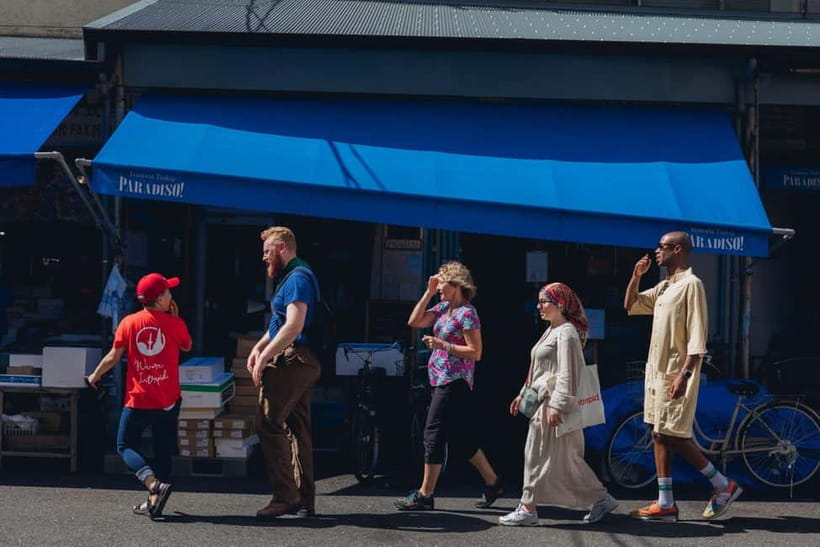
Book this tour if you want a friendly, well-explained introduction to Tsukiji and would rather taste widely than choose everything yourself. The strongest reasons are the tiny group, the generous range of samples, the vendor introductions, and the link between food and shrine customs.
I would schedule it early in your Tokyo stay, wear sturdy closed-toe shoes, and arrive with a light appetite. At $80, the walk asks more than a self-guided market visit, but it earns that difference when you want translation, background, and a guide who can turn a confusing morning into a clear picture of how Tokyo eats.
FAQ
Where does the Tsukiji food walk begin?
It begins at Higashi-ginza Station, Exit 3, serving the Tokyo Metro Hibiya Line and Toei Asakusa Line. Meet at street level near the top of the escalator, in front of Kabukiza Theatre on the Harumi Street side, beside the small shrine and torii gate.
Where does the tour finish?
The walk finishes at Tsukiji Fish Market.
How long does the experience last?
The tour lasts three hours. Starting times vary, so check availability when booking.
What food and drinks are included?
Included tastings can feature fresh sushi, sashimi, Japanese snacks, tamagoyaki, seasonal wagashi, tea, and other market foods. Some departures have also included sake, but people under 20 receive non-alcoholic alternatives.
Can the tour accommodate vegetarian or vegan diets?
Vegetarian and vegan options are available where possible, but choices may be limited because the market focuses heavily on seafood. Tell the operator about dietary restrictions in advance.
How many people can join the group?
The group is limited to six participants. Children aged five and under can join free, but you should notify the operator when booking.
More Food and Drink Trips in Tokyo
- Tsukiji Fish Market Small-Group Food Walking Tour
★ 5.0 · 621 reviews - Tokyo Food Tour Taste Fresh Delights at Tsukiji Market
★ 5.0 · 429 reviews - Tsukiji Fish Market: Street Food & Culture Walking Tour
★ 4.8 · 259 reviews - Inside Tokyo’s Kitchen: Tsukiji Market, Food & Culture Tour
★ 5.0 · 162 reviews
Just added around Tokyo
- Tokyo: Private Tsukiji Street Food & Sake with Local Guide★ 5.0 · 3 reviews
- Tokyo: Tsukiji Market Guided Tour & Sushi-Making Experience★ 4.4 · 11 reviews
- Tokyo: Tsukiji Market and Hama-rikyu Gardens Guided Tour★ 4.8 · 73 reviews
- Tokyo: Tsukiji Fish Market Culture Tour with Sashimi Tasting★ 4.6 · 54 reviews
- Tokyo : Tsukiji Fish Market Food Walking & Shrine Visit Tour★ 5.0 · 3 reviews
- Tokyo: Tsukiji Fish Market Foodie and Educational Tour★ 5.0 · 4 reviews
- Tokyo: Guided Walking Tour of Tsukiji Market with Lunch★ 4.4 · 24 reviews
- Tokyo Morning Tour: Meiji Shrine, Asakusa & Fish Market★ 4.9 · 44 reviews
Fish Market Tours, compared.
Tokyo Tsukiji Fish Market Food and Culture Walking Tour
Read our review →
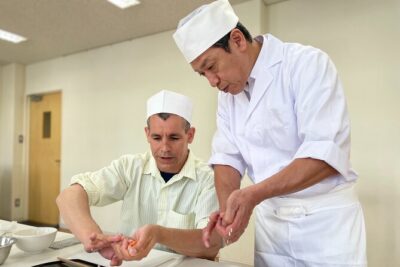
Tokyo Sushi Making Class in Tsukiji with Professional Chef
Read our review →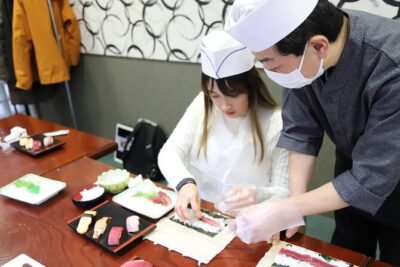
Tsukiji Fish Market Guided Tour and Sushi Making with Pro Chef
Read our review →Tsukiji Fish Market Food and Culture Walking Tour
Read our review →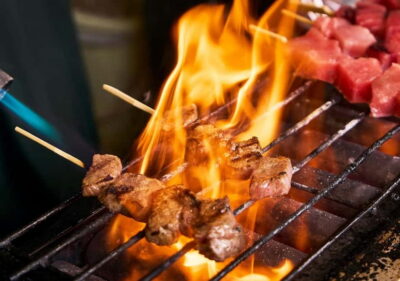
Tsukiji Fish Market: Street Food & Culture Walking Tour
Read our review →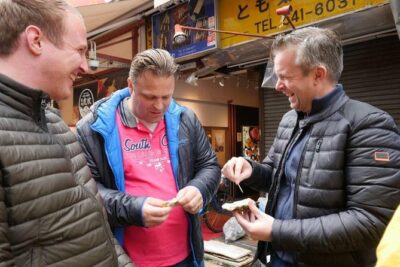
Tsukiji Fish Market Small-Group Food Walking Tour
Read our review →Browse the lists this tour appears in