Review · FISH MARKET TOURS
Tokyo: Guided Walking Tour of Tsukiji Market with Breakfast
Tsukiji is best understood through your appetite. This 150-minute walking tour takes you from the unusual Indian-inspired exterior of Tsukiji Hongwanji Temple into a maze of food stalls, shops, restaurants, and working market businesses. Along the way, you sample seven Japanese breakfast specialties, from grilled seafood and wagyu beef to tamagoyaki, tuna sandwiches, fish paste, tea, and dashi.
I like the small groups of up to 10 and the way the guides help you order, translate, and choose alternatives. I also like the cultural side, especially the link between food, Buddhism, religion, and daily life. The main drawback is that $85 is a fair but not cheap price, and the full spread can be a lot of food early in the day. One guide was also harder for some people to understand in English.
Key points at a glance
- Seven breakfast tastings included: Expect grilled seafood or beef skewers, Japanese omelette, tuna sandwiches, fried fish paste, a drink, tea, and dashi soup stock.
- The temple is part of the story: Begin outside Tsukiji Hongwanji Temple and learn how Japanese food culture connects with religion.
- Small groups make the market easier: A maximum of 10 people gives the guide room to adjust food choices and answer questions.
- Guides help with local ordering: Yumi, Nori, Minoko, Rico, and other guides have helped guests translate, choose dishes, and find later stops.
- Come hungry: The tastings add up, and some people found the breakfast generous.
- The tour leaves time afterward: It ends early enough for you to keep exploring Tsukiji Outer Market independently.
Starting at Tsukiji Hongwanji Temple
Your meeting point is in front of Tsukiji Hongwanji Temple, a useful location because it is easy to reach. From Tsukiji Station on the Hibiya Line, take Exit A1, turn left, and walk about 50 meters to the temple entrance.
Before you start eating, take a moment to look at the temple exterior. Its ancient Buddhist-inspired design has an Indian influence, giving it a very different appearance from the wooden temple buildings many people expect in Tokyo. The tour uses this stop to explain the connection between religion, food, and Japanese culture.
The temple visit is brief, but it gives the market some context. You are not simply being led from one snack to the next. You get an introduction to the beliefs and customs that shape Japanese meals, offerings, ingredients, and hospitality.
The meeting point also helps reduce one common Tokyo problem: losing time at the start. Tsukiji Station is close by, and the temple entrance is easy to identify. Still, arrive with a little time to spare. A late arrival caused one person to miss the tour entirely, so do not treat the nearby station as a reason to cut things close.
More Fish Market Tours in Japan
- Tokyo Tsukiji Fish Market Food and Culture Walking Tour
★ 5.0 · 3,184 reviews - Tokyo: Tsukiji Fish Market Food and Walking tour
★ 5.0 · 1,724 reviews - Tokyo: Tsukiji Fish Market Guided Walking Tour
★ 4.9 · 1,397 reviews
Entering Tsukiji Outer Market
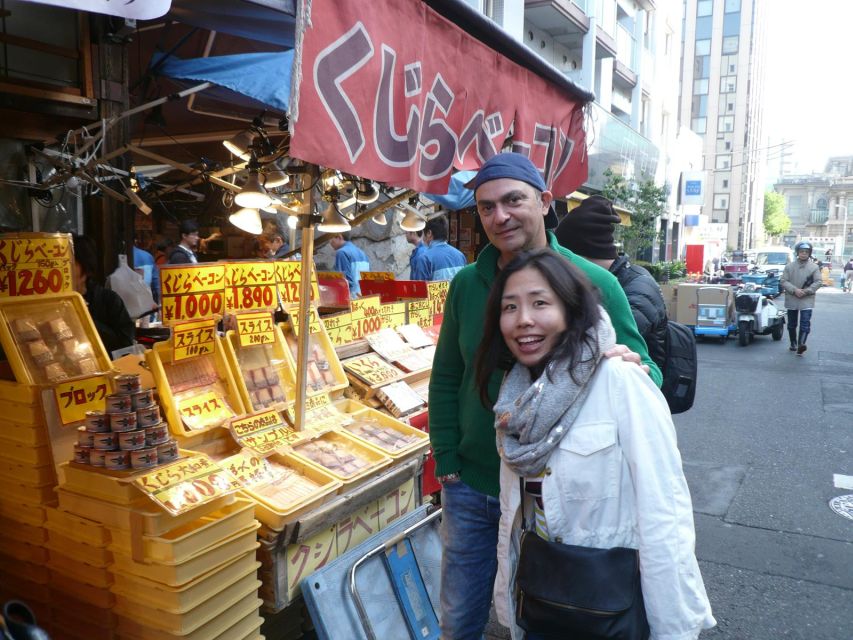
From the temple, you walk into Tsukiji Outer Market. This is the part of the experience that can be hard to handle alone, especially on a first visit. The market includes restaurants, small food shops, stalls, and businesses serving both the public and professional buyers.
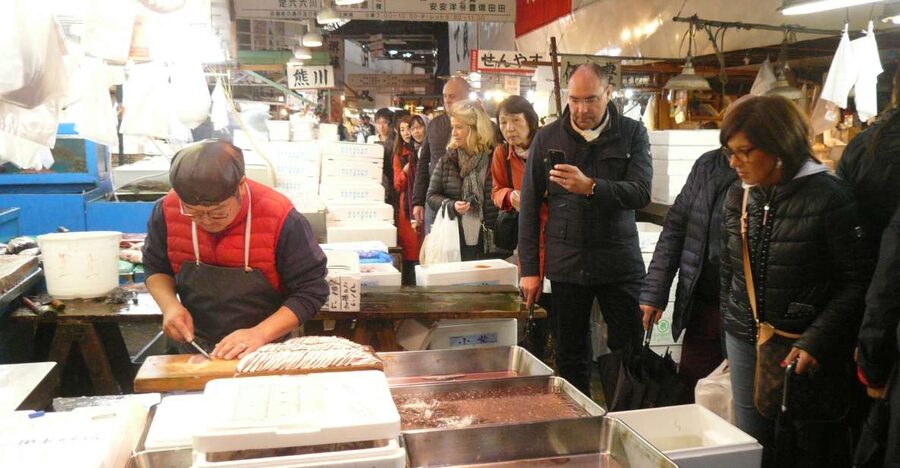
You will see workers moving goods, preparing food, and handling products while you make your way through the lanes. The market is not a polished food hall designed only for sightseeing. It is a working place, and that gives the walk much of its character.
Your guide helps you move through the crowds without wasting time trying to figure out which stalls are worth stopping at. Guides have also been able to speak with vendors and explain what you are looking at. That translation help matters when you want to understand a product, ask about an ingredient, or buy something beyond the included tastings.
The market can be crowded, so comfortable shoes are essential. You may be standing for much of the tour, moving through busy streets and stopping at counters. The activity is listed as wheelchair accessible, but the market environment can still feel tight and active. If access is a major concern, raise your needs when booking.
Seven tastes, from skewers to dashi

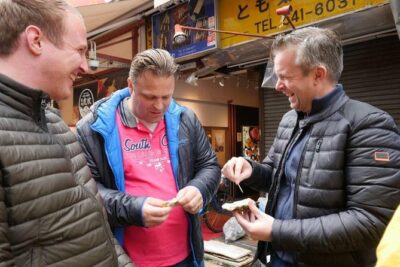
The food is the main reason to book this tour, and the seven tastings provide a useful introduction to Japanese market eating. The exact order can vary, and guides may adjust choices based on your preferences and what is available.
The included food covers a good range:
- Grilled seafood or wagyu beef skewers
- Japanese-style omelette
- Tuna sandwiches
- Fried fish paste skewers
- A drink
- Japanese tea
- Dashi soup stock
The skewers give you the most immediate market experience. Grilled seafood shows off the freshness associated with Tsukiji, while wagyu beef offers a richer, meatier contrast. If you are unsure about fish, the beef option can make the tour easier, though the guide may offer choices rather than a fixed decision.
The Japanese omelette, or tamagoyaki, is another useful stop. It looks simple, but its soft texture and lightly sweet taste can be very different from a Western breakfast omelette. The tuna sandwich brings the market into a more familiar form, while the fried fish paste skewer introduces a common Japanese preparation that some first-time visitors might not choose on their own.
Tea and dashi slow the pace. Dashi is a basic soup stock used in many Japanese dishes, often made from ingredients such as fish and seaweed. The small sample helps you notice the savory flavor behind many soups, sauces, and cooked dishes.
A drink is included as well. The food list is generous for a morning tour, and you should plan to arrive hungry. One person described the amount as more than expected, while another guide helped arrange a beer at 9 a.m. That sort of request may depend on the stall and the group, but the tour can be flexible about how you spend your food budget and what you taste.
A guide who adjusts the experience
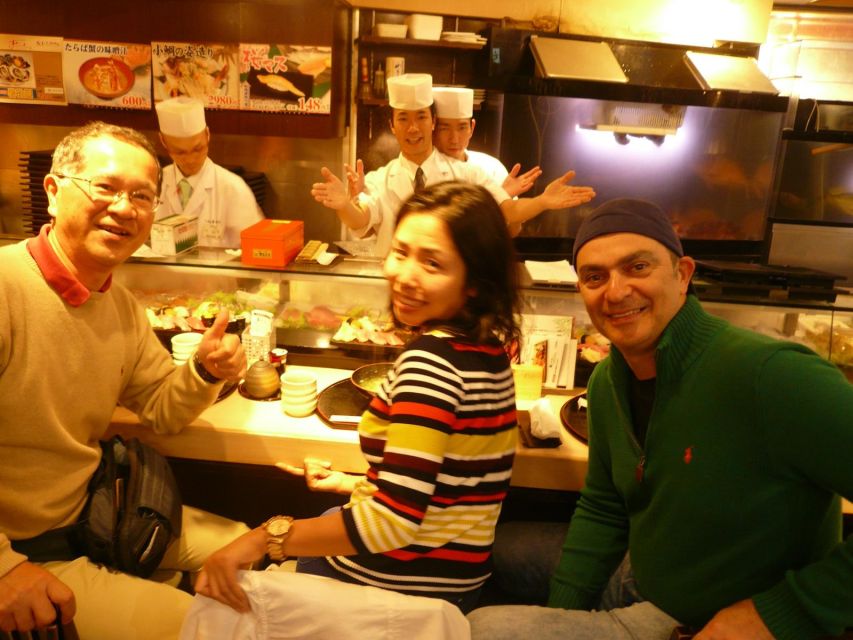
The strongest part of this tour is the human help. The guide is not just pointing out stalls. You get assistance with ordering, translation, food choices, and the pace of the walk.
Several guides have been singled out by name, including Yumi, Nori, Minoko, Rico, and other members of the team. Yumi has been praised for guiding the group through the crowded market while arranging tastings and explaining points of interest. Nori has helped with both food and getting back to a hotel. Minoko and another guide worked as a team, answering questions and sharing information about the area.
Guide quality can vary, as it does on any multilingual tour. Most of the feedback points to friendly, helpful guides, but one person found the English difficult to follow at times. You should be comfortable asking the guide to repeat or slow down if needed.
The best feature is the willingness to adapt. If you do not eat a certain food, tell the guide. Alternatives have been offered for picky eaters, and guides have adjusted tastings to suit personal preferences. This is especially useful for families, people who avoid seafood, and anyone with a limited appetite.
The small group limit of 10 supports that personal approach. Some departures have ended up being private or nearly private, while others have included several people. You should not count on having a private tour, but a small group gives you more room to ask questions than a large bus excursion.
More Fish Market Tours in Tokyo
- Tokyo Sushi Making Class in Tsukiji with Professional Chef
★ 5.0 · 1,177 reviews - Tsukiji Fish Market Guided Tour and Sushi Making with Pro Chef
★ 5.0 · 775 reviews - Tokyo: Tsukiji Fish Market Food and Culture Walking Tour
★ 4.7 · 757 reviews - Tsukiji Fish Market: Street Food & Culture Walking Tour
★ 5.0 · 669 reviews
Food, culture, and the working market
A good food tour should tell you why the food matters, not just hand you a snack. This one connects the market to Japanese culture and religion through the opening temple visit and the explanations along the route.
You learn by seeing the products in place. Fish, meat, prepared foods, tea, and soup stock are not presented as isolated museum pieces. They are part of a market where specialists work, vendors sell, and customers make choices every day.
The guide can also make unfamiliar products less intimidating. If you see an unusual fish, a preparation you do not recognize, or a shop selling an ingredient you have never used, you can ask about it. That is more useful than trying to identify everything from a sign written in Japanese.
I also like that the tour does not end when the last tasting is finished. It wraps up early enough for you to continue exploring the market. You can return to a stall, buy something to take away, or seek out a food shop the guide pointed out.
That extra time is part of the value. The tour gives you a map in human form, then lets you use it independently.
Is $85 a fair price?

At $85 per person, this is not the cheapest way to eat breakfast in Tokyo. You are paying for seven tastings, an English-speaking guide, help with ordering, cultural explanation, and the convenience of moving through a complicated market without having to plan every stop.
The price makes the most sense if you want to try several foods but do not know where to start. It also works well if language barriers make ordering stressful. The included food is substantial, so the cost is not simply for a few samples and a short explanation.
The value is weaker if you are already confident navigating Japanese markets, speak Japanese, or prefer to choose every dish yourself. You could spend less by walking through Tsukiji independently and buying only what appeals to you.
Still, the guide’s assistance adds real value for first-time visitors. Getting a vendor’s help, understanding what you are buying, and having someone adjust the tastings can save time and prevent an awkward or disappointing order. For many people, that support justifies the extra cost.
Timing, comfort, and practical details
The tour lasts 150 minutes, long enough to see several sections of the market without turning into an all-day commitment. Because it begins with breakfast, it also leaves the rest of your day open for other Tokyo sights.
Wear comfortable shoes. You will walk and stand, and the market lanes can be crowded. Bring an appetite, but do not force yourself to eat every item. Tell the guide early if you have foods you avoid or simply do not want to try.
English is the tour language. Most of the guide feedback is strongly positive, with people praising the explanations, warmth, and practical help. Even so, communication may not be equally smooth with every guide, so ask questions clearly and confirm details when you need to.
The activity is wheelchair accessible. The small-group format may also make it easier to explain access needs, though the market itself remains a busy working setting.
You can cancel up to 24 hours before the start for a full refund, and the reserve-now, pay-later option keeps you from paying at the time of booking. These policies are useful if your Tokyo plans are still shifting.
Who should book this Tsukiji tour?
I would recommend it most strongly to first-time visitors to Tokyo, people who want a guided introduction to Japanese food, and anyone who feels uneasy ordering at busy local stalls.
It is also a good fit for families with mixed appetites. The guide can adjust the tastings, offer alternatives, and help a picky eater find something suitable. Couples and small groups who like trying several foods without committing to full restaurant meals should also find the format useful.
You may want to skip it if you dislike crowded markets, have a very restricted diet, or prefer a quiet sit-down breakfast. It is also not ideal if you plan to arrive late or if you want complete control over every food purchase.
The tour is particularly useful at the start of a Japan trip. You get an introduction to market manners, ingredients, ordering, and local flavors, then have time to return later with more confidence.
Should you book it?
Book this Tsukiji tour if you want an easy, social way to understand the market and sample a broad range of Japanese breakfast foods. The temple setting, practical translation help, and seven tastings give the experience more substance than a simple food crawl.
At $85, it is best viewed as a guided introduction rather than a bargain breakfast. Come hungry, wear good shoes, arrive early, and tell the guide what you do not eat. If you prefer independent exploration, visit Tsukiji on your own. If you want someone to lead you through the choices and explain what you are seeing, this small-group tour is a solid start.
FAQ
Where does the Tsukiji Market tour meet?
The meeting point is in front of Tsukiji Hongwanji Temple. From Tsukiji Station on the Hibiya Line, take Exit A1, turn left, and walk about 50 meters to the temple entrance.
How long does the tour last?
The tour lasts 150 minutes.
What language is the tour conducted in?
The live tour guide speaks English.
How many people can join the group?
The tour is limited to 10 participants.
What food is included?
The seven tastings include grilled seafood or beef skewers, a Japanese-style omelette, tuna sandwiches, fried fish paste skewers, a drink, Japanese tea, and dashi soup stock.
Is the temple visit included?
Yes. The tour begins outside Tsukiji Hongwanji Temple, where you can view its distinctive Buddhist-inspired exterior and learn about the connection between religion and Japanese cuisine.
Is the tour wheelchair accessible?
Yes, the activity is listed as wheelchair accessible.
Can I cancel for a refund?
You can cancel up to 24 hours in advance for a full refund. A reserve-now, pay-later option is also available.
More Market Market Walking Tours in Tokyo
- Bangkok: City Highlights Temple and Market Walking Tour
★ 4.5 · 3,990 reviews - Marrakech: Ben Youssef, Secret Garden, & Souks Walking Tour
★ 4.6 · 2,802 reviews - Marrakech: Colorful Medina Souks Guided Walking Tour
★ 4.7 · 2,470 reviews - Air Raid Shelter + St. Nicholas Market Walking Tour
★ 5.0 · 1,950 reviews
More Market Walking Tours in Japan
- Tsukiji Fish Market Small-Group Food Walking Tour
★ 5.0 · 621 reviews - Tsukiji Fish Market: Street Food & Culture Walking Tour
★ 4.8 · 259 reviews - Tokyo: Tsukiji Market Walking Tour & Sushi Cooking Class
★ 4.6 · 122 reviews - Tokyo: Guided Walking Tour of Tsukiji Market with Lunch
★ 4.4 · 24 reviews
Just added around Tokyo
- Tokyo: Tsukiji Market Guided Tour & Sushi-Making Experience★ 4.4 · 11 reviews
- Tokyo: Private Tsukiji Street Food & Sake with Local Guide★ 5.0 · 3 reviews
- Tokyo: Tsukiji Market and Hama-rikyu Gardens Guided Tour★ 4.8 · 73 reviews
- Tokyo: Tsukiji Fish Market Culture Tour with Sashimi Tasting★ 4.6 · 54 reviews
- Tokyo : Tsukiji Fish Market Food Walking & Shrine Visit Tour★ 5.0 · 3 reviews
- Tokyo: Tsukiji Fish Market Foodie and Educational Tour★ 5.0 · 4 reviews
- Tokyo’s Kitchen: Tsukiji Market Food & Culture Walk★ 4.7 · 74 reviews
- Tokyo: Guided Walking Tour of Tsukiji Market with Lunch★ 4.4 · 24 reviews
Fish Market Tours, compared.
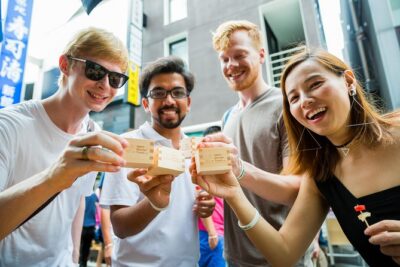
Tokyo Tsukiji Fish Market Food and Culture Walking Tour
Read our review →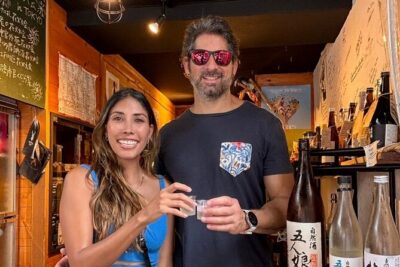

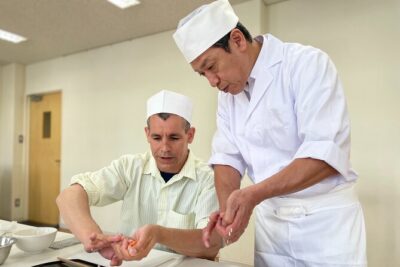
Tokyo Sushi Making Class in Tsukiji with Professional Chef
Read our review →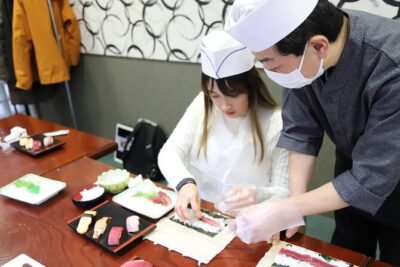
Tsukiji Fish Market Guided Tour and Sushi Making with Pro Chef
Read our review →Tsukiji Fish Market Food and Culture Walking Tour
Read our review →
Tsukiji Fish Market: Street Food & Culture Walking Tour
Read our review →