
Review · FISH MARKET TOURS
Tokyo: Tsukiji Market and Hama-rikyu Gardens Guided Tour
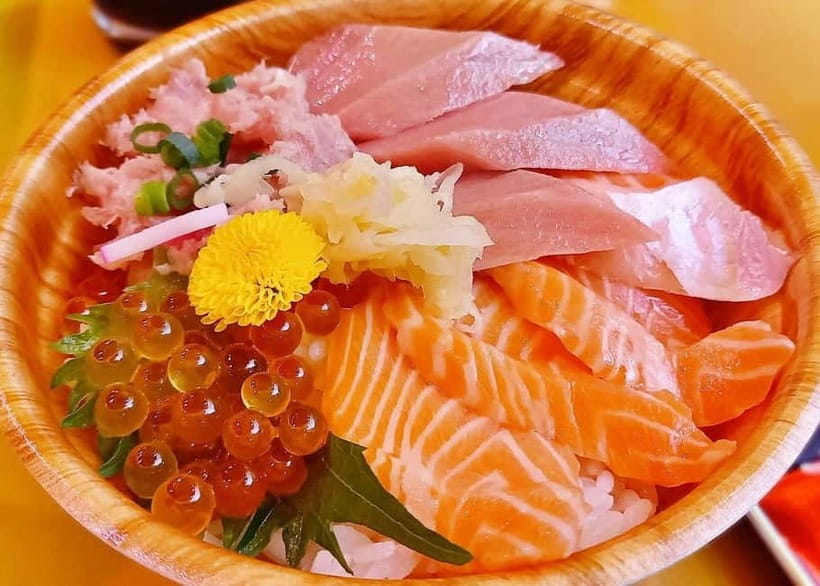
Tsukiji is at its best when you follow your appetite. Narrow lanes lead past seafood, produce, grilled scallops, tamagoyaki, sushi, wagyu skewers, and matcha sweets, while your guide explains how this famous food district works. I like the mix of hands-on tasting and useful local context, rather than simply looking at shop fronts.
I also like the change of pace at Hama-rikyu Gardens, where ponds, flowers, and old Edo-era design sit beside Tokyo’s modern towers. The main drawback is that food is not included, so the $31 price covers the guide and garden admission, but your snacks and any optional tea tasting cost extra. Expect plenty of walking on narrow market lanes and garden paths.
Key points at a glance
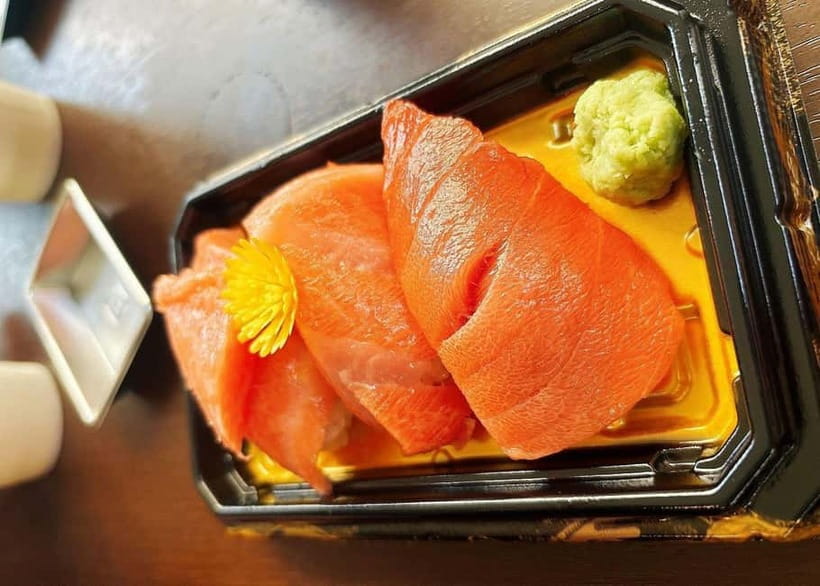
- Tsukiji food stops: Choose and pay for treats such as grilled scallops, sushi, tamagoyaki, wagyu skewers, and matcha sweets.
- Three very different sights: Visit Tsukiji Hongwanji Temple, the market, and a 370-year-old garden in one outing.
- A useful Tokyo introduction: Learn about Japanese food culture, the market’s past, and garden customs from a live guide.
- Optional tea and sweets: Taste matcha and wagashi in Hama-rikyu Gardens for about 1,000 yen, paid on site.
- An easy one-way walk: The tour begins near Tsukiji Station and ends at Hama-rikyu Gardens, with no transport included.
- Flexible timing: The advertised length ranges from 150 minutes to three hours, depending on the starting time and pace.
Why this walk works well in Tokyo

This experience links three places that feel surprisingly different despite being close together. You begin at Tsukiji Hongwanji Temple, move into the noisy and tempting Tsukiji Outer Market, then finish among clipped trees, ponds, flowers, and open views toward Tokyo’s skyline.
I like this order. The market gives you energy and color early in the walk, while Hama-rikyu provides a quiet finish. You are not spending the whole tour inside one attraction, and you get a better feel for how old Tokyo and modern Tokyo occupy the same small area.
The tour is priced at $31 per person. That is a fair rate for a guided walk that includes admission to Hama-rikyu Gardens, but it is not a food tour with a set tasting menu. Your guide supplies the explanations and route, while you decide what to buy and how much to eat.
That arrangement suits you if you prefer choice. You can try one small snack or build your own meal from several stalls. It is less suitable if you want every food sample included in the booking price.
More Fish Market Tours in Japan
- Tokyo Tsukiji Fish Market Food and Culture Walking Tour
★ 5.0 · 3,184 reviews - Tokyo: Tsukiji Fish Market Food and Walking tour
★ 5.0 · 1,724 reviews - Tokyo: Tsukiji Fish Market Guided Walking Tour
★ 4.9 · 1,397 reviews
Meeting your guide at Tsukiji Hongwanji Temple
Meet your guide in front of the Starbucks near Tsukiji Station. From there, the first stop is Tsukiji Hongwanji Temple, with about 15 minutes for a guided visit.
The temple is known for its unusual architecture and calm interior atmosphere. It gives you a quiet opening before the market, and your guide can explain the importance of the site as you take in the details. Fifteen minutes is not a long visit, but it is enough for a brief pause and orientation.
This stop also helps you get your bearings. Instead of being dropped straight into market lanes, you start with a clear meeting point and a short introduction to the area.
The temple is not the main reason to book this tour, but it adds cultural balance. If you only visit Tsukiji for food, you miss part of the neighborhood’s character. Here, the food district and the religious site are treated as parts of the same historic area.
Reading Tsukiji Market through food
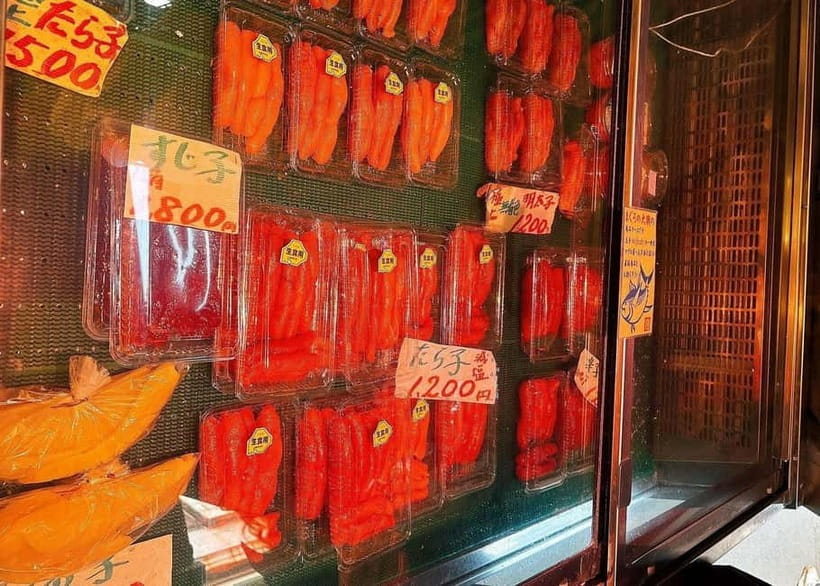
The main event is the 45-minute visit to Tsukiji Outer Market. The market has an 83-year history as one of Tokyo’s central wholesale markets and handles about 480 types of seafood and 270 types of produce.
Those numbers explain why the market can feel like a lot to take in. You will pass narrow lanes filled with ingredients, prepared food, and small shops. A guide is useful here because the experience is not only about eating. You also learn how the market developed and why it remains such a strong part of Tokyo’s food culture.
The market is best approached as a grazing stop, not a formal meal. Depending on what is available and what appeals to you, you might choose grilled scallops, tamagoyaki, sushi, wagyu skewers, or matcha sweets. The food is optional and paid directly to the stall holder.
I suggest arriving with a little room in your appetite. You do not need to buy everything, and you should not feel pressured to keep pace with the group. One or two small items may be enough, especially if you plan to eat later.
The 45-minute market visit includes guided time, free time, and shopping. That gives you some independence, though the schedule is not long enough for a leisurely meal at every stop. If you enjoy browsing slowly, photographing details, and comparing several foods, you may find the pace brisk.
You should also keep your manners in mind. The lanes are narrow, and this is a working market area rather than a large food court. Stay close enough to hear your guide, avoid blocking shop entrances, and follow any requests from vendors.
What to eat at Tsukiji
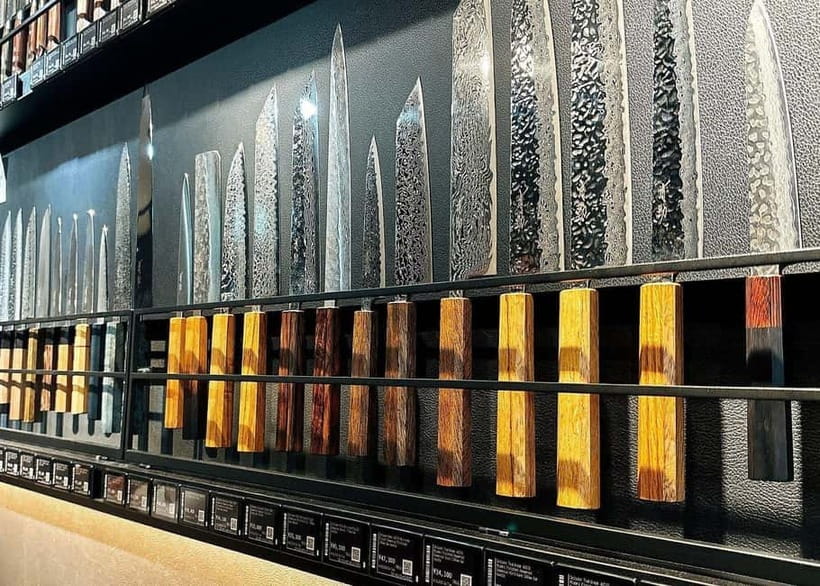
Tsukiji offers a useful introduction to familiar and less familiar parts of Japanese food culture. Tamagoyaki, a Japanese omelette, is a good choice if you want something mild and easy to eat. Grilled scallops and sushi give you a taste of the market’s seafood focus, while wagyu skewers offer a more filling option.
Matcha sweets provide a gentler finish. You can also save matcha for the later tea option in Hama-rikyu Gardens, though the garden tasting is a separate purchase.
Food prices are not given, so bring enough Japanese yen for snacks and shopping. The same applies to the optional tea service. The tour price does not include meals, and buying food is entirely your choice.
You can treat the market as lunch, but you should not count on a set meal. This works well for adventurous eaters, couples who want to share several bites, and anyone who prefers to choose food on the spot. If you have strict dietary needs, the supplied information does not describe allergy or ingredient arrangements, so you should ask the guide or vendors directly.
More Fish Market Tours in Tokyo
- Tokyo Sushi Making Class in Tsukiji with Professional Chef
★ 5.0 · 1,177 reviews - Tsukiji Fish Market Guided Tour and Sushi Making with Pro Chef
★ 5.0 · 775 reviews - Tokyo: Tsukiji Fish Market Food and Culture Walking Tour
★ 4.7 · 757 reviews - Tsukiji Fish Market: Street Food & Culture Walking Tour
★ 5.0 · 669 reviews
The 15-minute walk to Hama-rikyu
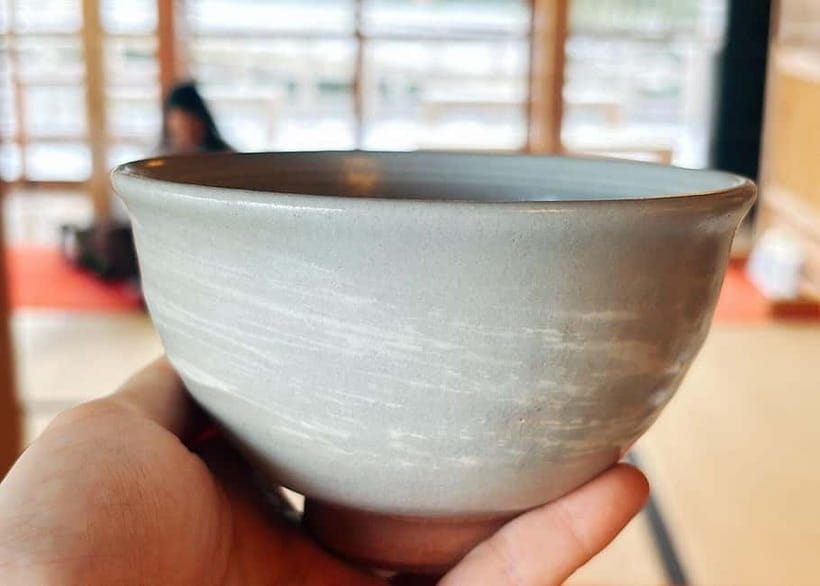
After Tsukiji, the group walks about 15 minutes to Hama-rikyu Gardens. There is no bus, train, or private vehicle included, so the route is simple but entirely on foot.
This short transfer is part of the appeal. You move from market lanes into a large historic garden without a complicated change of transport. Still, it adds to the total walking time, and you should wear shoes that remain comfortable for several hours.
The change in atmosphere is immediate. Tsukiji is close-up and full of food smells, shop displays, and tight passageways. Hama-rikyu opens things out with ponds, trees, flowers, and carefully arranged views. Tokyo’s skyline remains visible, creating the contrast that makes the garden memorable.
Hama-rikyu Gardens and its Edo setting
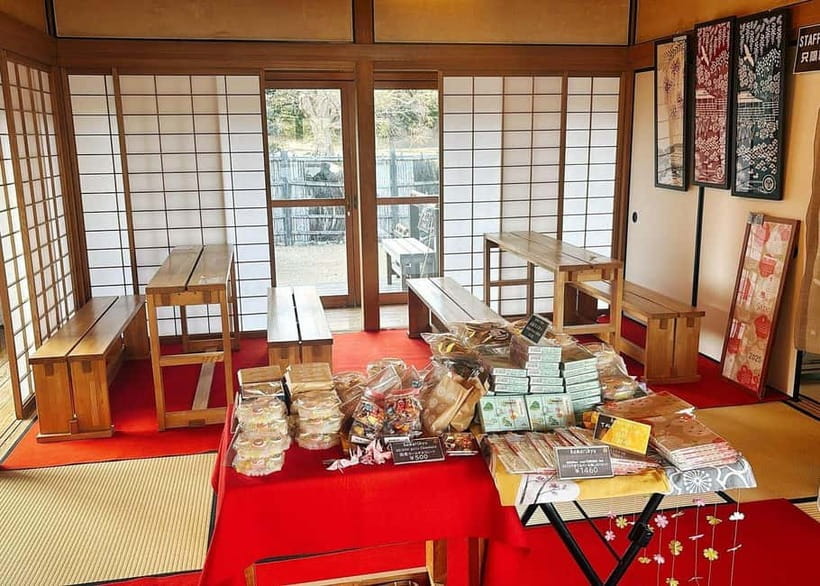
Hama-rikyu was created during the Edo period more than 370 years ago. The one-hour visit includes guided touring and free time, so you get both context and room to enjoy the garden at your own pace.
The garden is especially appealing if you want a break from central Tokyo’s hard edges. Depending on the season, you may see different flowers in bloom and a changing range of colors. The exact display cannot be guaranteed, but the garden gives you a chance to see how seasonal beauty is built into Japanese garden design.
Your guide can point out the relationship between the garden’s quiet paths and the high-rise skyline beyond them. That contrast is one of the strongest visual moments of the tour. You can take photographs, pause beside the water, or simply slow down after the market.
Do not expect a silent wilderness. Hama-rikyu is still a popular Tokyo sight, and the city remains close around it. Its value lies in the careful design and the pause it creates, not in complete isolation.
Optional matcha and wagashi tasting
Inside the gardens, you can add a matcha and wagashi tasting for about 1,000 yen. You pay on site, and the activity is optional.
This is a worthwhile extra if you want more than a quick snack. The guide can explain Japanese etiquette as you taste the tea and traditional sweets, giving the garden visit a more cultural focus. It also provides a pleasant way to sit down after walking through the market.
You should not assume the tea tasting is included in the $31 booking price. It is separate, just like the market food. If you are watching your spending, enjoy the garden without it. If you are curious about tea customs, the added cost is modest.
Timing, walking, and group comfort
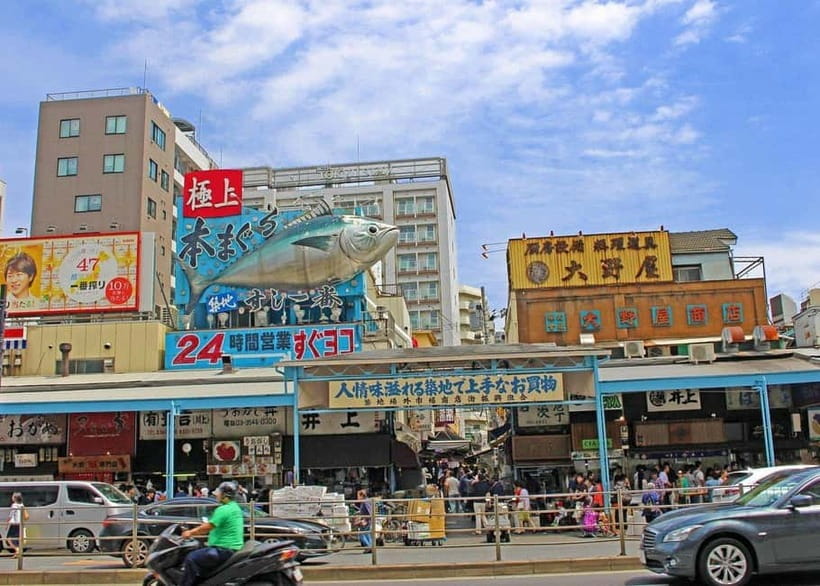
The stated duration ranges from 150 minutes to three hours. That broad range means you should check the available start time and allow room in your day, especially if you plan to buy food or add the tea tasting.
The formal stops add up to about two hours and 15 minutes: 15 minutes at the temple, 45 minutes at the market, 15 minutes walking, and one hour in the gardens. Extra time may come from the starting schedule, market pace, food purchases, or the optional tea service.
This is a walking tour, not a ride between attractions. Bring water and wear comfortable shoes. You will be on narrow market lanes, city sidewalks, and garden paths.
The information describes the activity as wheelchair accessible but also says it is not suitable for wheelchair users or people with mobility impairments. That is a clear inconsistency. If you use a wheelchair or have difficulty walking, contact the provider before booking and ask about the exact route, surfaces, and access arrangements.
Pregnant travelers are also listed as not suitable for this experience. Smoking is not allowed.
Guide languages and the style of the experience
Live guiding is available in English, Chinese, French, Korean, and Spanish. A live guide matters most at Tsukiji, where signs, products, and stall practices may not be immediately clear.
The guide also helps connect the stops. Without that explanation, the temple, food market, and garden might feel like three separate visits. With guidance, you get a simple story about worship, food, old Tokyo, and the city’s modern growth.
The tour ends at Hama-rikyu Gardens rather than returning you to the starting point. That is useful if you plan to continue sightseeing in the area, but you need to arrange your own transport afterward. Transportation to and from the attractions is not included.
Is $31 good value?
At $31, this is good value if you want an introduction to Tsukiji and Hama-rikyu without planning the route yourself. The price includes a local guide and admission to Hama-rikyu Gardens, which removes one small task from your day.
The value is strongest for first-time visitors who want explanations and a clear sequence. You also get freedom to choose your own food, instead of paying for dishes you may not want.
The value is weaker if you mainly want to eat. Since food is extra, your final cost depends on how much you buy. It is also less appealing if you already know Tsukiji well or prefer to spend a whole morning browsing at your own pace.
Free cancellation up to 24 hours before the start and the option to reserve now and pay later add useful flexibility. Still, check the exact duration and start time before you commit your day.
Who should book this Tokyo walk?
I would recommend this tour to first-time Tokyo visitors, food-curious travelers, couples, and families with older children who can manage a long walk. It is also a good choice if you want to see a temple, market, and garden in one compact outing.
You will get the most from it if you enjoy small food samples, short cultural explanations, and a mix of guided and independent time. Bring a camera, but leave room in your bag for nothing bulky, since the market lanes are tight.
I would skip it if you want a slow, sit-down food experience, dislike walking, or need a fully accessible route. I would also skip it if your schedule cannot absorb a tour that may last anywhere from two and a half to three hours.
For most visitors, the combination is the reason to book. Tsukiji gives you flavor and movement, Hama-rikyu gives you breathing space, and the temple adds a quiet cultural beginning. Just budget separately for food and tea, wear good shoes, and confirm accessibility if that matters to you.
FAQ
Where does the tour begin?
It begins in front of Starbucks Coffee near Tsukiji Station.
Where does the tour end?
The tour ends at Hama-rikyu Gardens, also called Hama-rikyu Onshi Garden.
How long does the experience last?
The stated duration ranges from 150 minutes to three hours. Check the available starting time when booking.
Is transportation included?
No. This is a walking tour, and transportation to and from the attractions is not included.
Is food included in the price?
No. Food bought from market stalls is optional and paid for separately on site.
What foods might I try at Tsukiji?
You might choose grilled scallops, tamagoyaki, sushi, wagyu skewers, or matcha sweets. Purchases are optional.
Is the matcha tasting included?
No. Matcha and wagashi tasting is optional and costs about 1,000 yen, payable on site.
Which languages are available?
Live guiding is available in Chinese, English, French, Korean, and Spanish.
Is admission to Hama-rikyu Gardens included?
Yes. The garden admission fee is included.
What should I bring?
Bring comfortable shoes, water, and a camera. Smoking is not allowed.
Just added around Tokyo
- Tokyo: Tsukiji Market Guided Tour & Sushi-Making Experience★ 4.4 · 11 reviews
- Tokyo: Private Tsukiji Street Food & Sake with Local Guide★ 5.0 · 3 reviews
- Tokyo: Tsukiji Fish Market Culture Tour with Sashimi Tasting★ 4.6 · 54 reviews
- Tokyo : Tsukiji Fish Market Food Walking & Shrine Visit Tour★ 5.0 · 3 reviews
- Tokyo: Tsukiji Fish Market Foodie and Educational Tour★ 5.0 · 4 reviews
- Tokyo’s Kitchen: Tsukiji Market Food & Culture Walk★ 4.7 · 74 reviews
- Tokyo: Guided Walking Tour of Tsukiji Market with Lunch★ 4.4 · 24 reviews
- Tokyo Morning Tour: Meiji Shrine, Asakusa & Fish Market★ 4.9 · 44 reviews
Fish Market Tours, compared.
Tokyo Tsukiji Fish Market Food and Culture Walking Tour
Read our review →

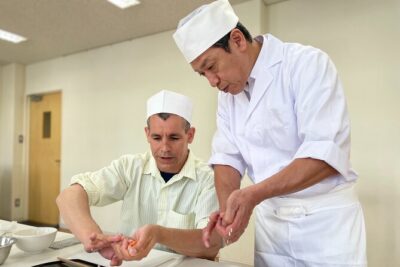
Tokyo Sushi Making Class in Tsukiji with Professional Chef
Read our review →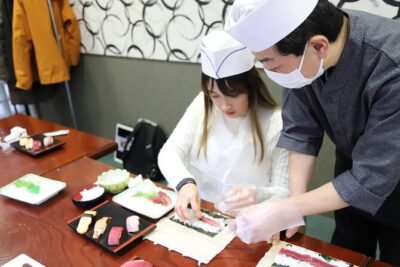
Tsukiji Fish Market Guided Tour and Sushi Making with Pro Chef
Read our review →Tsukiji Fish Market Food and Culture Walking Tour
Read our review →
Tsukiji Fish Market: Street Food & Culture Walking Tour
Read our review →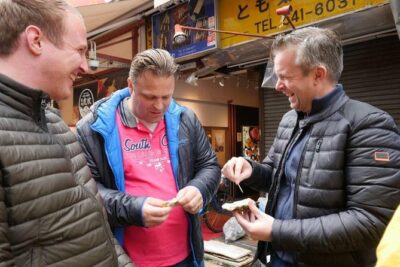
Tsukiji Fish Market Small-Group Food Walking Tour
Read our review →Browse the lists this tour appears in