
Review · FISH MARKET TOURS
Tokyo: Explore Authentic Japanese Food Culture at Tsukiji
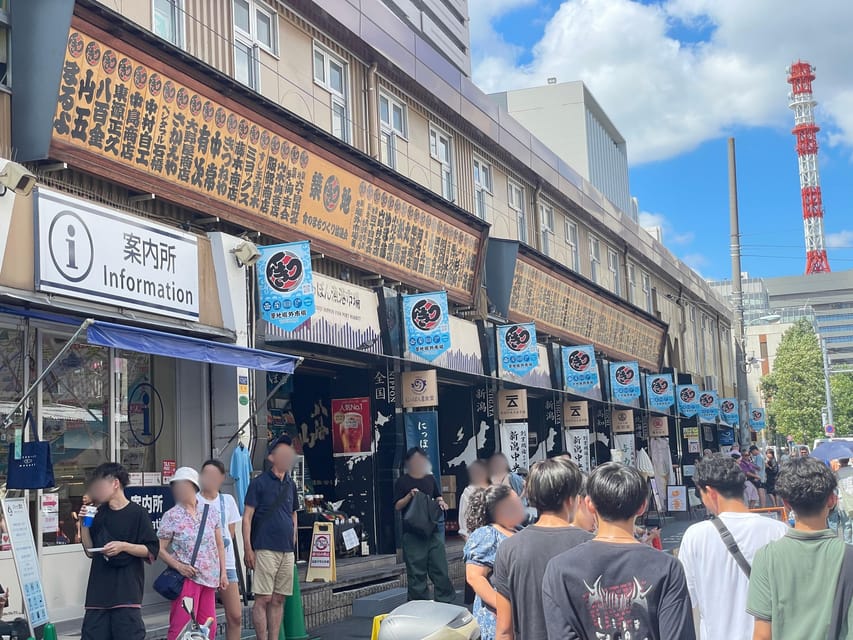
Tsukiji is far more than a fish market. This three-hour walk takes you through food stalls selling seafood, meat, snacks, and Japanese pantry goods, with a guide helping you make sense of the maze. The best part is the tasting list, which includes seasoned seaweed, dried fish, roast beef sushi, oysters or sashimi, and bean snacks.
I like the small group of no more than six, since that gives you a better chance to ask questions and stay with the guide in crowded lanes. I also like the stops at Tsukiji Honganji Temple and Namiyoke Shrine, which give the food market a cultural setting rather than treating it as a simple eating stop.
The main drawback is that the $99 price does not include lunch or your extra shopping. This is also a poor fit for vegans, people with food allergies, and wheelchair users.
Key points to know before you book
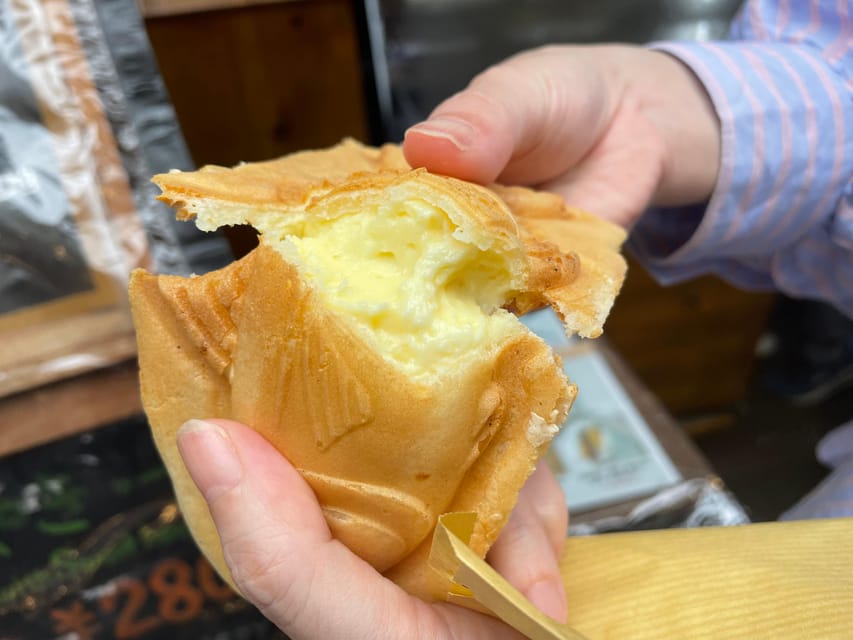
- The tasting menu covers seafood, meat, and Japanese snack foods, including oysters or sashimi and roast beef sushi.
- The group is limited to six people, a useful advantage in Tsukiji’s narrow, confusing market lanes.
- You visit both Tsukiji Honganji Temple and Namiyoke Shrine, adding religious and working-market context to the food tour.
- Lunch is bought separately, so bring extra money if you want a full meal after the included tastings.
- Guide Haruka has been praised for navigating the market, explaining the best stops, and helping participants try many different foods.
- The tour lasts three hours and finishes at Namiyoke Shrine, not back at the starting temple gate.
Why Tsukiji works as a food tour
If you want to understand how Japanese food reaches the table, Tsukiji gives you a useful starting point. The former central wholesale market has closed, but the Outer Market remains a major place to shop, eat, and see Japanese food culture in action.
That distinction matters. You are not touring the old wholesale market or watching the famous tuna auctions. Instead, you are walking through the public market area next to the former complex, where shops and small food businesses continue to serve cooks, residents, and tourists.
I like this format because the guide can point out more than fish. The route includes meat, dried goods, seaweed, sweets, prepared foods, and seafood that you can taste as you go. You get a sense of how broad Japanese food culture is, rather than reducing the country’s cuisine to sushi.
Tsukiji can be confusing on your own. Its shops sit close together, and a short lane can offer everything from raw seafood to a snack you have never seen before. A guide helps you use the three hours well, especially when you are trying to understand what is worth sampling and what is intended for cooking at home.
More Fish Market Tours in Japan
- Tokyo Tsukiji Fish Market Food and Culture Walking Tour
★ 5.0 · 3,184 reviews - Tokyo: Tsukiji Fish Market Food and Walking tour
★ 5.0 · 1,724 reviews - Tokyo: Tsukiji Fish Market Guided Walking Tour
★ 4.9 · 1,397 reviews
Starting at Tsukiji Honganji Temple
The meeting point is outside the main gate of Tsukiji Honganji Temple. This is a practical place to begin, but give yourself enough time to arrive, since the group does not meet inside the market itself.
The temple visit lasts about 20 minutes. You can expect a guided stop and time for photographs before moving toward the Outer Market. The temple is an important part of the Tsukiji area, and it gives you a calmer first look at the neighborhood before you enter the food stalls.
I like having this stop at the front of the tour. It prevents the morning from becoming one long sequence of purchases and tastings. You first get a sense of the area’s religious identity, then see how that setting changes as the market lanes take over.
The temple stop is still fairly short. If your main goal is architecture or religious history, this tour will not give you a full temple visit. Its purpose is to frame Tsukiji, not replace a dedicated temple tour.
Two hours inside the Outer Market
Most of the experience takes place in Tsukiji Outer Market, where the tour spends roughly two hours. This is the heart of the outing, and the guide leads you from shop to shop while explaining how to approach the food.
You will buy snacks at recommended stores, with some purchases included in the tour price and other items paid for separately. The included food list is unusually varied:
- Seasoned seaweed
- Dried fish
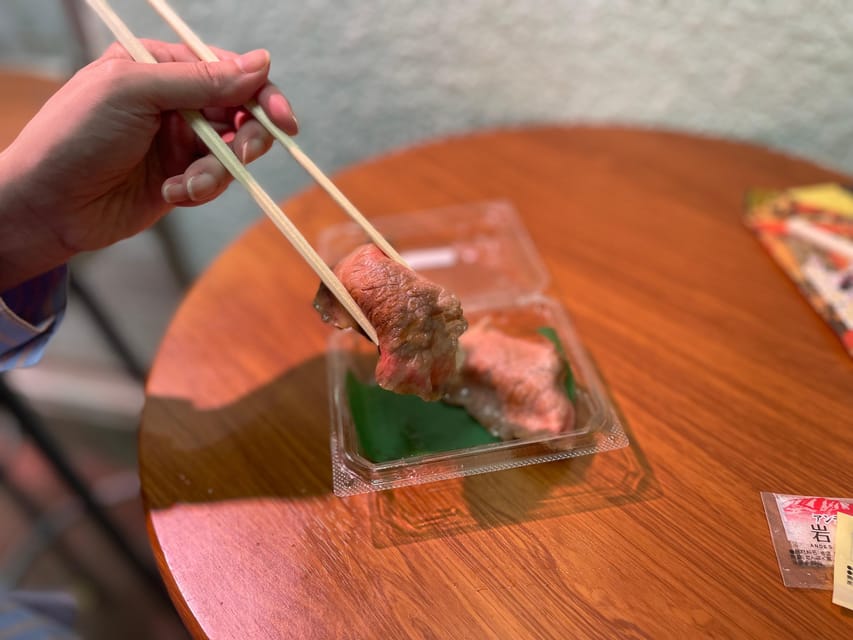
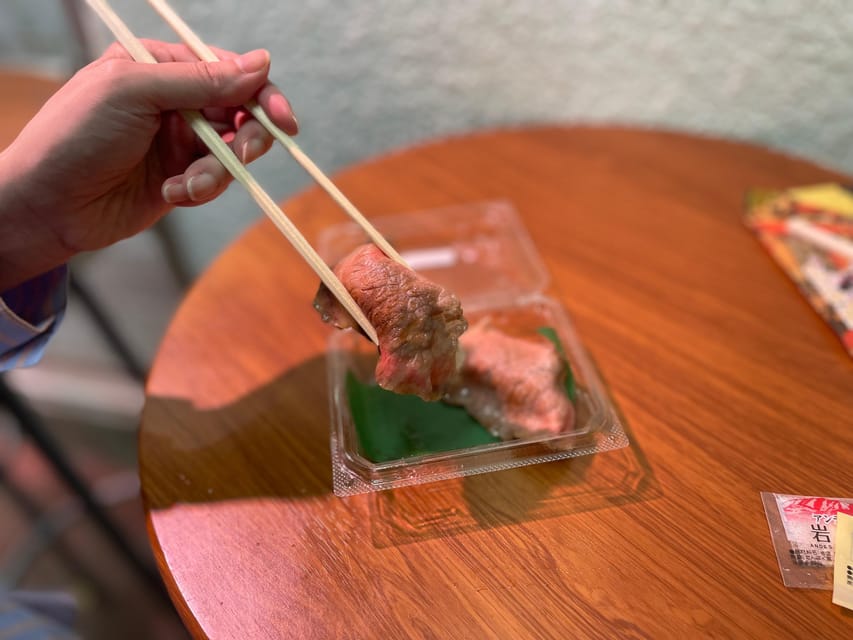
- Roast beef sushi
- Oysters or sashimi
- Bean snacks
That range is one of the tour’s best features. You get salty, dried, savory, seafood, meat, and sweet or bean-based tastes in one walk. It also means you should not assume the tour is only for sushi fans. If you like trying small portions of unfamiliar foods, the format should suit you well.
The seafood tastings may include oysters or sashimi, so you need to be comfortable with raw or lightly prepared seafood. Meat is also part of the snack selection, with roast beef sushi specifically included. This is not a vegetarian tasting route, and the tour is not suitable for vegans.
I would treat the shopping as part of the experience, not an obligation. You can buy additional food at the shops you visit, but the cost depends on what you choose. Since the tour price covers snacks but not general purchases, decide in advance how much you want to spend beyond the $99 fee.
What the included food means for value
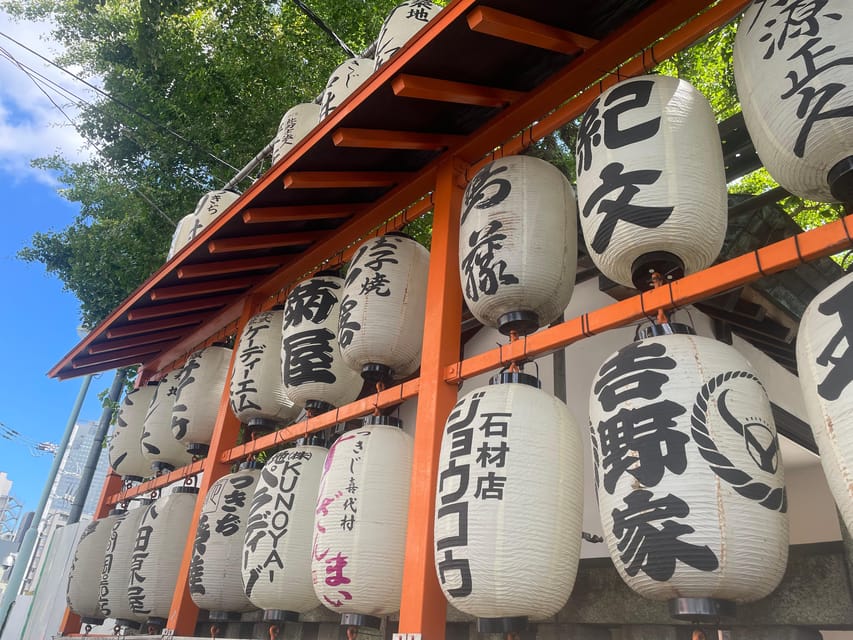
At $99 per person, this is not the cheapest way to eat in Tsukiji. You are paying for more than the food itself. The price includes a live English-speaking guide, a small group, the guided market route, and a selection of snacks that lets you sample several kinds of Japanese food.
I think the value depends on how comfortable you are exploring Tsukiji alone. If you already know the market and can easily choose dishes, you may prefer to spend the money directly on lunch and shopping. If the market feels confusing, the guide can save you time and reduce the guesswork.
The small group improves the value. With a maximum of six participants, the guide can explain foods without addressing a large crowd, and you have a better chance of staying close in the narrow lanes. One guide, Haruka, has been especially praised for leading people through the market maze, finding strong food stops, and explaining what they were eating.
You should still budget for lunch. The included snacks are described as light meals and tastings, not a complete lunch. Near the end of the market visit, you can buy your preferred lunch and eat it with the snacks already purchased, but that meal is your responsibility.
More Fish Market Tours in Tokyo
- Tokyo Sushi Making Class in Tsukiji with Professional Chef
★ 5.0 · 1,177 reviews - Tsukiji Fish Market Guided Tour and Sushi Making with Pro Chef
★ 5.0 · 775 reviews - Tokyo: Tsukiji Fish Market Food and Culture Walking Tour
★ 4.7 · 757 reviews - Tsukiji Fish Market: Street Food & Culture Walking Tour
★ 5.0 · 669 reviews
Choosing lunch after the tastings
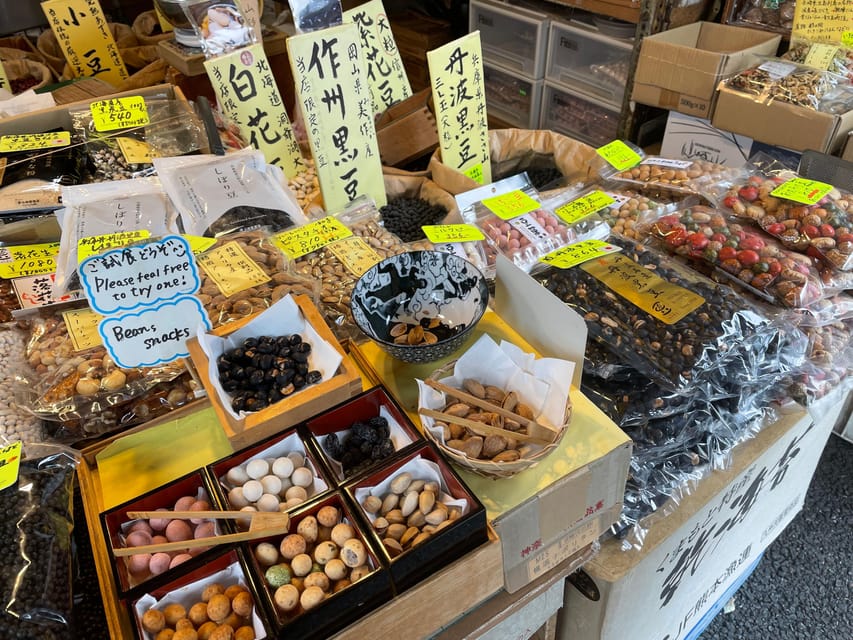
The tour gives you some freedom near the end. Rather than forcing everyone into the same restaurant, you can purchase lunch from a store you prefer. This is a good arrangement if your group has different appetites or if you want to choose between seafood, meat, or another market option.
It also makes the final part less predictable. The exact lunch depends on which shop you select and what you buy, so do not book this expecting a fixed restaurant menu. The guide can help you navigate the choices, but the food and cost of lunch are not included.
I like this flexibility because it leaves room for personal taste. You may want a larger portion after the tastings, while someone else may prefer another small item. Just remember that the $99 price does not cover this final meal or any extra shopping.
Namiyoke Shrine and the working side of Tsukiji
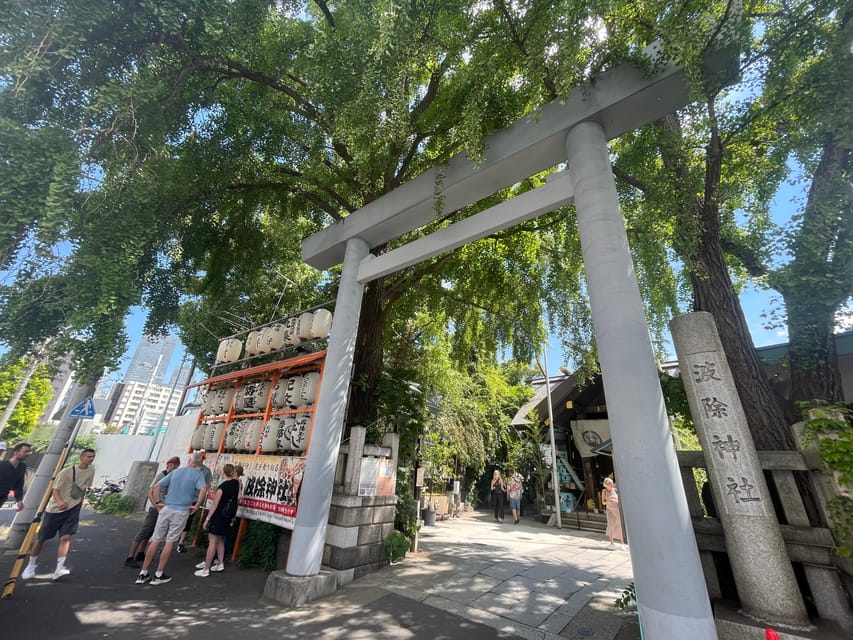
The tour finishes at Namiyoke Shrine, also called Tsukiji Namiyoke Shrine. The shrine supports workers in Tsukiji and is presented as an essential stop for understanding the market.
This ending gives the tour a clear sense of place. You have seen the food businesses, sampled their products, and then visited a shrine connected with the people who work in the area. It is a useful reminder that Tsukiji is not just a sightseeing district. It remains a working food neighborhood.
The route does not return to the temple gate, so plan your next move from Namiyoke Shrine. The finishing point is part of the design, not a problem, but it matters if you have a tight schedule afterward.
How the small group changes the experience
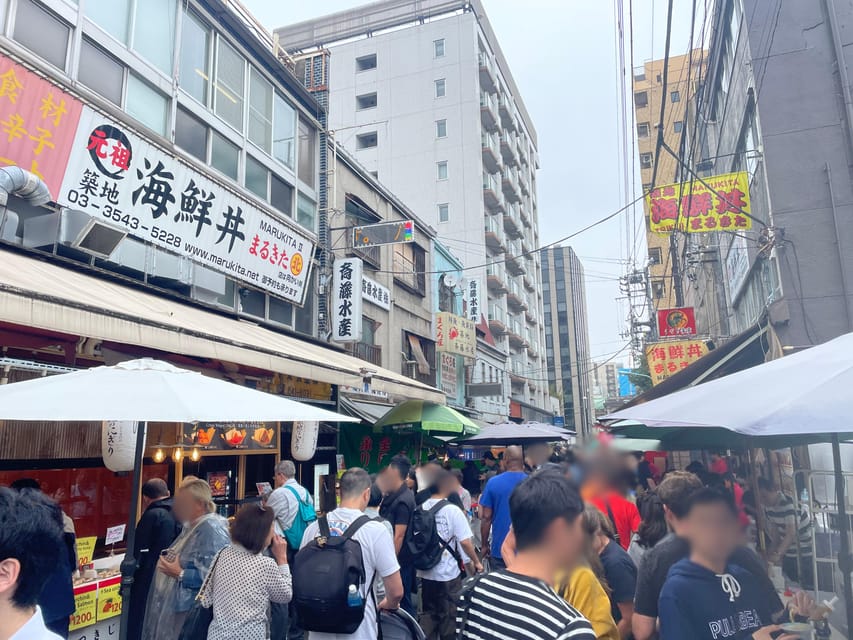
A six-person limit is particularly helpful here. Markets are easier to manage when you can hear the guide and move as a compact group. You may still encounter crowded lanes, but the group size gives the guide more control than a large coach-style excursion.
It also makes questions easier. You can ask about a food’s ingredients, how it is eaten, or why a shop is included without waiting through a long line of responses. The guide’s role is not simply to walk you from point to point. It is to help you understand what you are seeing and decide what you want to taste.
The English-language guiding is important if you do not read Japanese. Product labels and shop signs may not be clear to you, and the guide can provide the explanations that turn a quick purchase into a more useful cultural experience.
Food restrictions and mobility concerns
You should take the food conditions seriously. The included snacks contain seafood and meat, and the tour is specifically not suitable for vegans or people with food allergies. If you have another dietary concern, you are asked to tell the guide, but the supplied information does not promise that substitutions will be available.
I would not book this casually if cross-contamination or unknown ingredients could create a health risk. The tour moves through food shops and includes items such as dried fish, oysters, sashimi, and roast beef sushi, so careful planning is needed.
The route is also not wheelchair accessible. The market setting, shop entrances, and movement between stops may not work for wheelchair users. If you need an accessible route, this is not the right choice based on the available tour information.
Timing, meeting point, and cancellation
The experience lasts three hours, with starting times shown according to availability. Meet outside the main gate of Tsukiji Honganji Temple, not at Namiyoke Shrine or inside the market.
The tour is offered as a small-group activity with an English-speaking guide. You can reserve now and pay later, and cancellation is free up to 24 hours before the start time for a full refund. Those terms give you some useful flexibility if your Tokyo plans are still moving around.
Since the route includes food purchases and walking through a market, wear comfortable shoes and arrive ready to move at a steady pace. That is practical advice based on the format of the experience, though the tour information does not set a formal dress code.
Who will get the most from this tour
I would recommend this experience to first-time visitors who want a guided introduction to Tsukiji without spending a full day on food. It suits people who enjoy small tastings, market browsing, and learning why a neighborhood matters, not just checking off famous dishes.
It is also a good choice for solo visitors or couples who want a social outing but do not want to join a large group. The six-person limit keeps the experience personal, and the English guide removes much of the uncertainty around ordering and choosing food.
Food-focused visitors should find plenty to enjoy, especially if they are open to seafood, dried products, meat, and bean snacks. The tour has more range than a simple sushi walk, which is one reason I find it appealing.
I would skip it if you want a full sit-down lunch included, a private tour, a fully accessible route, or a plant-based menu. I would also look elsewhere if you prefer to explore quietly at your own speed, since the guide sets the route and timing.
Should you book the Tsukiji food tour?
Book it if you want a guided introduction to Tsukiji’s food culture, especially if the market looks confusing or you want to try several foods without choosing every stop yourself. The best reasons are the six-person limit, the broad tasting selection, and the added context from Tsukiji Honganji Temple and Namiyoke Shrine.
The $99 price is reasonable for a three-hour guided experience with included snacks, but only if you remember to budget for lunch and optional shopping. If you are comfortable with seafood and meat and do not need wheelchair access, this is a focused, well-balanced way to spend a morning in Tsukiji.
FAQ
Where does the Tsukiji food tour start?
The meeting point is outside the main gate of Tsukiji Honganji Temple at 3-chōme-15-1 Tsukiji.
Where does the tour finish?
The tour finishes at Namiyoke Shrine, also known as Tsukiji Namiyoke Shrine.
How long does the experience last?
The tour lasts three hours.
Is an English-speaking guide included?
Yes. The tour includes a live English-speaking guide.
How many people are in the group?
The group is limited to six participants.
What food is included?
Included snacks are seasoned seaweed, dried fish, roast beef sushi, oysters or sashimi, and bean snacks.
Is lunch included?
No. You can purchase your preferred lunch during the tour, but the lunch cost is not included.
Is the tour suitable for vegans or people with food allergies?
No. The tour is listed as unsuitable for vegans and people with food allergies. The included snacks contain seafood and meat.
Is the tour wheelchair accessible?
No. This tour is not wheelchair accessible.
More Food and Drink Trips in Tokyo
- Tsukiji Fish Market Small-Group Food Walking Tour
★ 5.0 · 621 reviews - Tokyo Food Tour Taste Fresh Delights at Tsukiji Market
★ 5.0 · 429 reviews - Tsukiji Fish Market: Street Food & Culture Walking Tour
★ 4.8 · 259 reviews - Inside Tokyo’s Kitchen: Tsukiji Market, Food & Culture Tour
★ 5.0 · 162 reviews
Just added around Tokyo
- Tokyo: Tsukiji Market Guided Tour & Sushi-Making Experience★ 4.4 · 11 reviews
- Tokyo: Private Tsukiji Street Food & Sake with Local Guide★ 5.0 · 3 reviews
- Tokyo: Tsukiji Market and Hama-rikyu Gardens Guided Tour★ 4.8 · 73 reviews
- Tokyo: Tsukiji Fish Market Culture Tour with Sashimi Tasting★ 4.6 · 54 reviews
- Tokyo: Tsukiji Fish Market Foodie and Educational Tour★ 5.0 · 4 reviews
- Tokyo : Tsukiji Fish Market Food Walking & Shrine Visit Tour★ 5.0 · 3 reviews
- Tokyo’s Kitchen: Tsukiji Market Food & Culture Walk★ 4.7 · 74 reviews
- Tokyo: Guided Walking Tour of Tsukiji Market with Lunch★ 4.4 · 24 reviews
Fish Market Tours, compared.
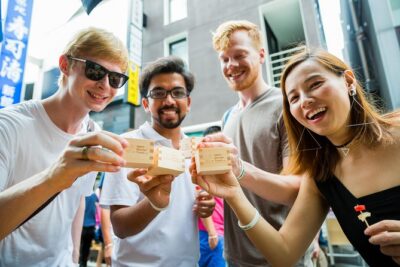
Tokyo Tsukiji Fish Market Food and Culture Walking Tour
Read our review →

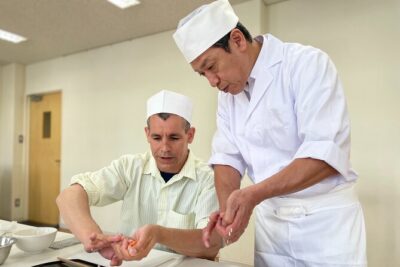
Tokyo Sushi Making Class in Tsukiji with Professional Chef
Read our review →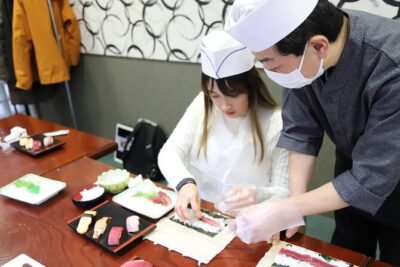
Tsukiji Fish Market Guided Tour and Sushi Making with Pro Chef
Read our review →Tsukiji Fish Market Food and Culture Walking Tour
Read our review →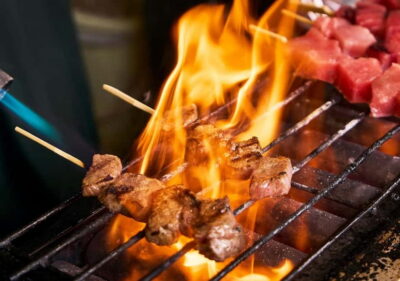
Tsukiji Fish Market: Street Food & Culture Walking Tour
Read our review →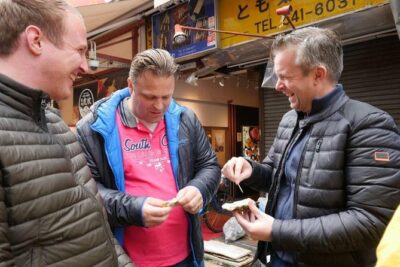
Tsukiji Fish Market Small-Group Food Walking Tour
Read our review →Browse the lists this tour appears in