
Review · OSAKA MARKET TOURS
Kuromon Market Tour: All inclusive 6~8 Dishes & 3~4 samplings
Kuromon Market is easiest to enjoy when someone helps you cut through the noise. This small-group walk turns a busy Osaka food arcade into a guided meal, with 6 to 8 dishes plus 3 to 4 samplings. You might taste sushi, oysters, fish cakes, okonomiyaki, fugu, sweets, and Japanese tea, depending on the day.
I like the close ties between guides and market sellers, and I like the broad menu, which can include everything from buttery otoro tuna to sea urchin and sakura-mochi. The main drawback is clear: vegetarians and vegans should not book this tour, and the two-hour route may feel short if you want to linger at every stall.
Key points before you book
- More than a snack stop: The food adds up to a proper meal, so arrive hungry.
- A small group of up to nine: You get more help ordering and more room to ask questions.
- Seafood is central: Sushi, oysters, tuna, sea urchin, fugu, and other market foods may appear.
- Guides shape the experience: Anna, Hikaru, Michael, Mico, and others explain customs, ingredients, and how to spot good food.
- Meet at 2pm at Nippombashi Station: The tour returns to the same meeting point after about two hours.
- Good value for serious eaters: At $63.43 per person, the price covers a large tasting menu and local guidance, not just a walk through the market.
Why Kuromon Market works so well for a food tour
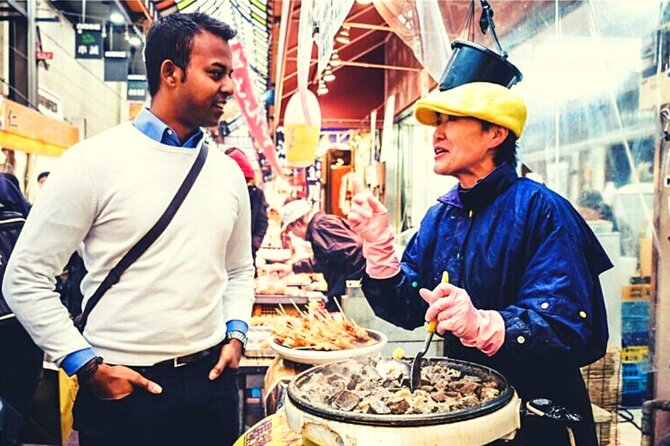
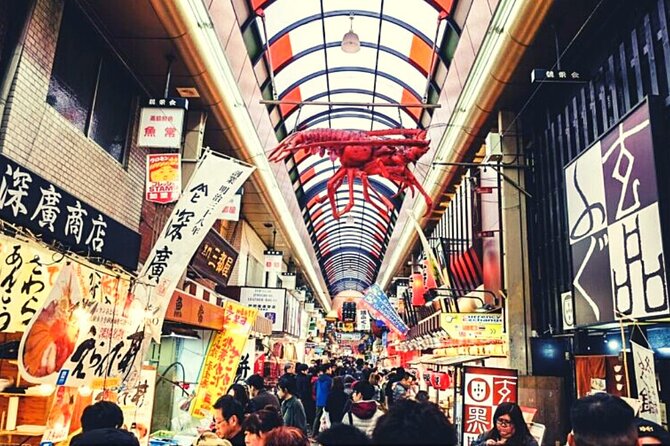
Kuromon Ichiba is a place of quick decisions. One stall sells seafood, another grills food to order, and another displays sweets or tea. Signs may not always make the choices clear to an English-speaking visitor. Portions, prices, and eating rules can also vary from one vendor to the next.
That is where a guide earns the fee. Instead of wandering past foods you cannot identify, you can ask what something is, how it is prepared, and whether it fits your tastes. The guide also handles the social side of stopping at small family-run shops.
I especially like that the tour is not built around a single Osaka dish. You get a sampling of the city’s food culture, with fresh seafood, local specialties, dessert, and tea. It gives you a wider picture of Osaka than a standard restaurant meal.
The market is also a useful first stop early in your Osaka stay. Guides have offered suggestions for later meals, nightlife, live music, Den-Den Town, kitchen shops, and places to buy good food in other cities. Those tips can help you plan the rest of your visit.
A few more market tours around Japan worth a look
- Tokyo Tsukiji Fish Market Food and Culture Walking Tour
★ 5.0 · 3,184 reviews - Tokyo: Tsukiji Fish Market Food and Walking tour
★ 5.0 · 1,724 reviews - Tokyo: Tsukiji Fish Market Guided Walking Tour
★ 4.9 · 1,397 reviews
What you eat during the two-hour walk
The advertised format includes at least six dishes and three food samplings. In practical terms, that means a series of small portions rather than one large sit-down meal. The total can reach more than ten different food items.
The exact selection is not fixed. Market stock, opening hours, holidays, and your group’s interests can affect the route. Foods associated with past visits include sushi, fish cakes, oysters, sea urchin, pufferfish, otoro tuna, whale, okonomiyaki, sakura-mochi, other sweets, and Japanese tea.
You should treat those examples as a guide to the range, not a guaranteed menu. If you have a strong interest in one item, tell your guide early. Hikaru has added samples based on group preferences, and the guides can point out foods you might otherwise miss.
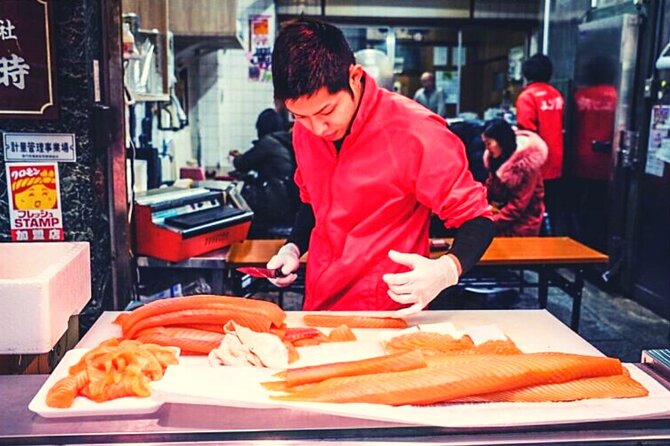
Seafood fans get the strongest reason to book. Otoro, the fatty part of tuna, has been described as especially buttery. Fugu can be a memorable tasting, but it is also the sort of food many people would hesitate to order without guidance. The point is not simply to collect unusual bites. You get context about what you are eating and how it fits into Japanese food culture.
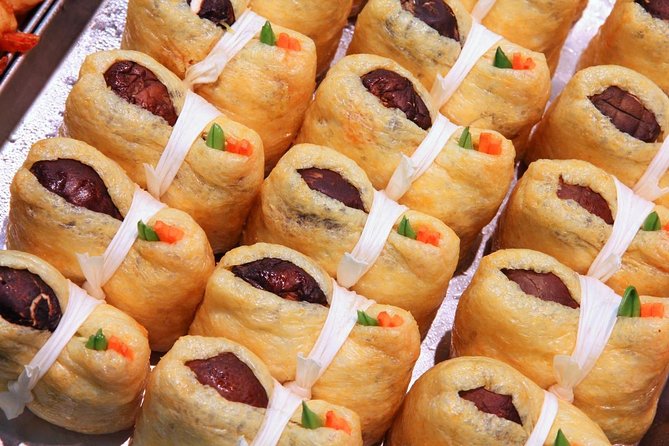
The tour can also work for people who do not want an all-seafood meal. Okonomiyaki, fish cakes, sweets, and tea broaden the experience. Still, seafood is a major part of the outing, and anyone who dislikes fish should think twice before booking.
The market route, one stop at a time
Starting at Nippombashi Station
The meeting point is at Nippombashi Station, at 1 Chome-5 Nipponbashi in Chuo Ward. The start time is 2pm. You will meet the guide and begin on foot toward Kuromon Market.
A station meeting point is useful in Osaka, where a familiar landmark can save time and confusion. Give yourself enough time to find the correct station exit and arrive ready to eat. The tour lasts about two hours and ends back at the meeting point.
The afternoon schedule has a practical advantage. You can spend the morning at another Osaka sight, have a light breakfast, and use this tour as a late lunch. Since the food is substantial, do not plan a full meal immediately before it.
Same place, a different set of stalls:
- Nishiki Market Brunch Walking Tour (7 Tastings + Brunch)
★ 5.0 · 1,355 reviews - Tokyo Sushi Making Class in Tsukiji with Professional Chef
★ 5.0 · 1,177 reviews - Tsukiji Fish Market Guided Tour and Sushi Making with Pro Chef
★ 5.0 · 775 reviews - Tokyo: Tsukiji Fish Market Food and Culture Walking Tour
★ 4.7 · 757 reviews
Entering Kuromon Ichiba
Once inside the market, the guide helps you read the scene. You are not just walking past seafood counters and snack stalls. You are stopping at selected vendors and trying foods chosen for freshness, local character, or simple enjoyment.
This is where the guide’s relationships matter. Anna, Hikaru, Michael, Mico, and other guides have been described as familiar with the vendors and comfortable introducing visitors to them. That connection can make a small stall feel less intimidating.
You also get help with food etiquette. Some market foods are meant to be eaten near the stall, while others are easier to carry. A guide can explain how to approach each stop and how to ask for what you want.
Seafood and Osaka specialties
The seafood portion is likely to be the center of the tour. Depending on supply and the day’s route, your group might try sushi, oysters, sea urchin, tuna, fish cakes, or fugu.
The value here is variety. You are not paying for one famous bite and a short explanation. You are sampling different textures and levels of richness, from delicate seafood to fatty tuna and prepared fish products.
The Osaka items add local flavor. Okonomiyaki is a useful example because it shows the city’s fondness for hearty, casual food. The tour may also include other foods that are difficult to identify or order without help.
If you are cautious about raw seafood, tell the guide before the tasting begins. The supplied details do not promise specific substitutions, so you should not assume every item can be replaced. This is a food tour for people willing to try a fairly wide range.
Sweets and Japanese tea
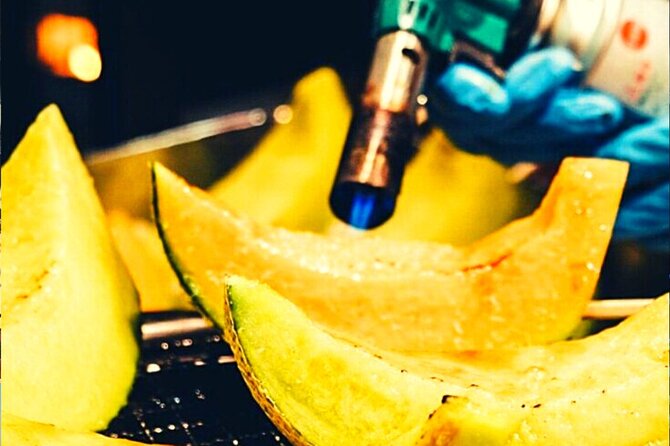
Dessert and tea keep the outing from becoming one long seafood course. Sakura-mochi and other Japanese sweets may appear, followed by tea that gives you a quieter pause in the middle of the market.
These stops matter because Japanese food culture is not only about sushi. Seasonal sweets, tea, presentation, and texture all play a role. A good explanation can help you understand why a small sweet deserves attention rather than treating it as a simple sugar break.
The balance also makes the tour more comfortable for families and mixed groups. A child may be curious about a sweet even when a seafood sample feels too unfamiliar. One family with a two-year-old found the guide patient and flexible, and the child tried several foods. That does not guarantee the same experience for every group, but it suggests that the pace can work well for families when you communicate your needs.
The guides make the difference
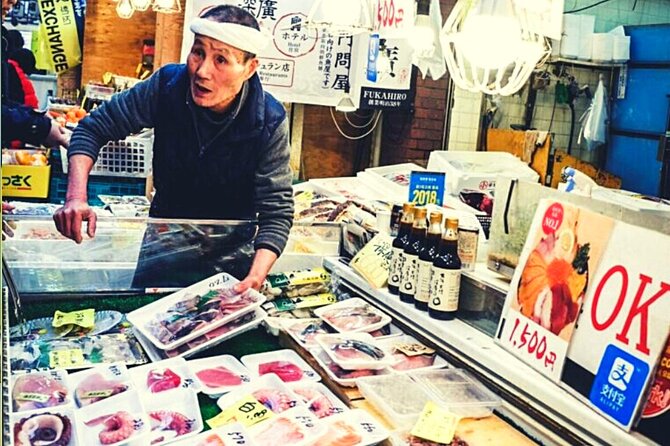
This tour depends heavily on the person leading it. The strongest guide comments center on clear explanations, warmth, patience, and personal connections with vendors.
Anna has been praised for her energy, humor, food knowledge, and ability to adjust the route. She has helped families with children and tailored tastings for private groups. Hikaru’s background as a chef adds useful detail about ingredients and preparation, while Michael has been valued for his easy manner and strong understanding of the market.
Mico has also been singled out for courteous service, clear English, and careful answers to questions. British Andy has been noted for explaining the market’s traditions and changes, while offering alternatives for picky eaters.
You cannot select a specific guide from the information provided, so the exact style may vary. That is worth keeping in mind. Still, the repeated pattern is encouraging: the guide is not merely pointing out stalls. The guide is helping you choose, taste, and understand.
What $63.43 buys you
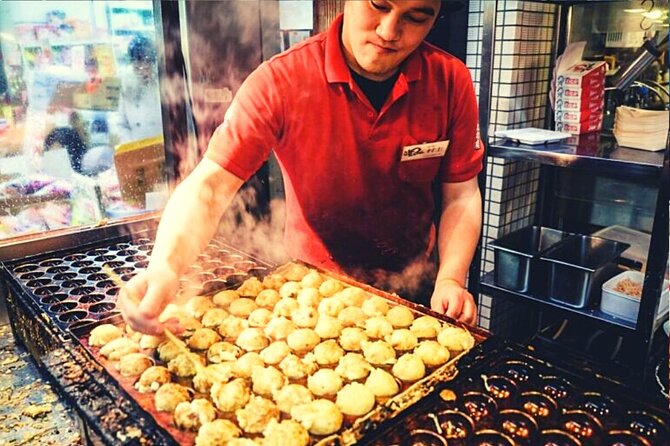
At $63.43 per person, this is not the cheapest way to walk through Kuromon Market. You could browse on your own for less money, especially if you only want one or two snacks.
The comparison changes once you count the food. The tour includes at least six dishes and three to four additional samplings, often totaling more than ten items. Several people have found the portions filling enough to leave satisfied, so the price functions partly as a meal.
You are also paying for access to judgment. A guide can steer you toward good choices, explain unfamiliar foods, and help you avoid wasting money on something that does not suit you. For a first visit to Osaka, that guidance has real value.
The tour is booked an average of 69 days ahead, which signals that you should plan early if your Osaka dates are fixed. A 96 percent recommendation rate and a 4.9 rating from 103 reviews also show strong customer satisfaction, though the food selection and guide assignment can still vary.
I would consider the price fair for a visitor who wants a large tasting menu and does not speak Japanese. It is less attractive for someone who enjoys independent market wandering, eats very little, or already knows exactly which Kuromon stalls to visit.
Group size, pace, and practical comfort

The maximum group size is nine people. That is small enough for questions and conversation, but it is still a group walk, not a fully private food crawl.
A smaller group helps at crowded counters. You can hear the guide more easily, move between stops with less delay, and get more direct help with food choices. Some bookings may be smaller than the maximum, but a private group is not guaranteed.
The pace is designed for eating and walking. You will not spend a long time at every shop, and the guide needs to keep the group moving. That is a good fit if you want many tastes in a limited time. It is less suitable if photography, shopping, or slow browsing is your main goal.
The experience is near public transportation, and most people can participate. Service animals are allowed. The tour ends where it starts, which makes it easier to plan your next Osaka activity without arranging a separate ride back.
Who should book this Kuromon Market experience
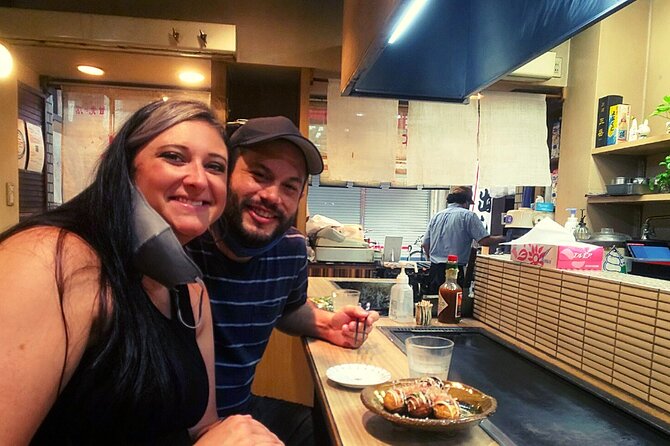
I would recommend this tour to first-time Osaka visitors, curious eaters, seafood fans, and anyone who finds Japanese market food hard to decode. It is also a strong choice for families, provided everyone is comfortable with the seafood focus and walking pace.
It works especially well near the beginning of a Japan trip. You can learn useful food terms, get ideas for later meals, and become less hesitant about ordering from small stalls.
I would not choose it for vegans or vegetarians. The tour specifically says it is not suitable for either group. People with strict allergies or major dietary limits should also ask questions before booking, since the included food is varied and substitutions are not promised.
Do not eat a heavy meal beforehand. The number of tastes can add up quickly, and the best value comes from arriving with room for the full selection.
Booking and cancellation details
You receive confirmation at booking, and the ticket is available on your mobile device. Free cancellation is available up to 24 hours before the local start time for a full refund.
Cancellations or changes made less than 24 hours before the 2pm start are not accepted for a refund. The experience also needs a minimum number of participants. If that minimum is not reached and the tour is canceled, you are offered another date or experience, or a full refund.
Should you book it?
Book this Kuromon Market tour if you want a guided meal rather than a simple market walk. The combination of seafood, Osaka specialties, sweets, tea, vendor connections, and a maximum of nine people gives you a lot to taste in two hours.
The best reason to choose it is the guide’s role. Anna, Hikaru, Michael, Mico, and the other guides have helped people try foods they would not have ordered alone, while explaining the culture behind each bite.
Skip it if you are vegetarian, vegan, very selective with seafood, or hoping to spend an afternoon shopping at your own pace. For everyone else, $63.43 is a reasonable price for a filling introduction to Kuromon Market, especially when you arrive hungry and book well ahead.
FAQ
How long is the Kuromon Market tour?
The tour lasts approximately two hours.
How much does the tour cost?
The listed price is $63.43 per person.
Where does the tour meet?
The meeting point is Nippombashi Station, at 1 Chome-5 Nipponbashi, Chuo Ward, Osaka, 542-0073, Japan.
What time does the tour start?
The tour starts at 2pm.
Where does the tour end?
The activity ends back at the meeting point.
How much food is included?
The tour includes 6 to 8 selected dishes and 3 to 4 additional samplings. The total may include more than ten food items.
Is the tour suitable for vegetarians or vegans?
No. The tour information states that it is not suitable for vegetarians or vegans.
How many people can join the tour?
The maximum group size is nine travelers.
Can I cancel for a full refund?
Yes. You can cancel at least 24 hours before the local start time for a full refund. Cancellations made less than 24 hours before the start are not refunded.
Just added around Japan
- Nagoya Super Market Tour & Home Cooking Class with a Local, Akiko★ 5.0 · 10 reviews
- Tokyo: Tsukiji Market Guided Tour & Sushi-Making Experience★ 4.4 · 11 reviews
- Tokyo: Private Tsukiji Street Food & Sake with Local Guide★ 5.0 · 3 reviews
- Tokyo: Tsukiji Market and Hama-rikyu Gardens Guided Tour★ 4.8 · 73 reviews
- Tokyo: Tsukiji Fish Market Culture Tour with Sashimi Tasting★ 4.6 · 54 reviews
- Tokyo: Sushi Making with Pro Chef & Tsukiji Fish Market Tour★ 4.6 · 49 reviews
- Tokyo : Tsukiji Fish Market Food Walking & Shrine Visit Tour★ 5.0 · 3 reviews
- Tokyo: Tsukiji Fish Market Foodie and Educational Tour★ 5.0 · 4 reviews
Osaka Market Tours, compared.
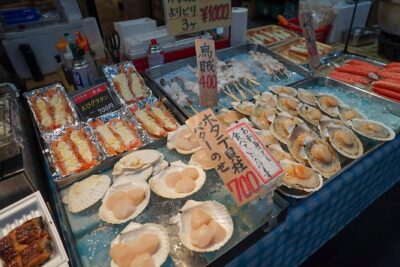
Kuromon Market Food Walking Tour in Osaka (6 stops, 6 tastes)
Read our review →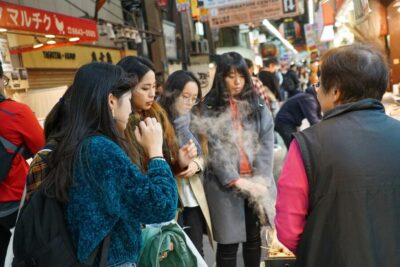
Kuromon Market Food Walking Tour (6 stops, 6 tastes)
Read our review →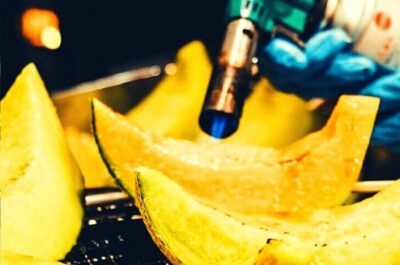
All Inclusive Kuromon Markets Tour: Flavors Of Osaka
Read our review →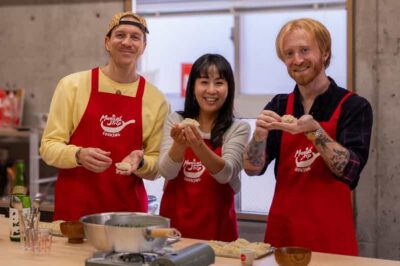
Cooking Class & Sake Tasting with Local Market Visit
Read our review →
Kuromon Market 1.5-Hour Seafood & Street Food Tour
Read our review →
Kuromon Market Street Food Tour with Pro Local Guide
Read our review →
Deep Dive: Osaka Food Markets from Local to Luxurious!
Read our review →Browse the lists this tour appears in