
Review · FOOD & DRINK
Deep Dive: Osaka Food Markets from Local to Luxurious!
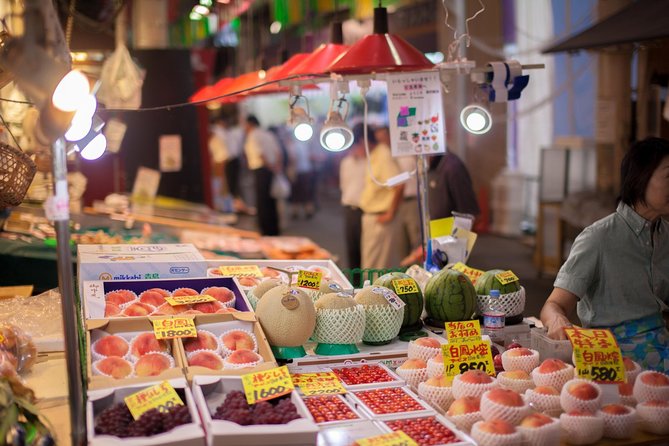
Osaka’s food story is bigger than a single market. This four-hour walk links upscale department-store counters, old shopping arcades, Korean food streets, and the famous Kuromon Ichiba, giving you a useful look at how locals buy, cook, and eat. You move from polished displays to practical neighborhood stalls, with plenty of meat, fish, produce, and ready-to-eat food along the way.
I like the small group of eight and the guide’s role as an interpreter of customs, not just a person pointing at stalls. I also like the range: Takashimaya shows Osaka’s polished side, while Tsuruhashi and Tenjinbashisuji feel more rooted in daily life.
The main consideration is cost at the stalls. The $59 fee covers the guide, but all snacks, samples, drinks, transport, and souvenirs are extra, so bring room in your budget and wear shoes made for steady walking.
Key points to know before you book
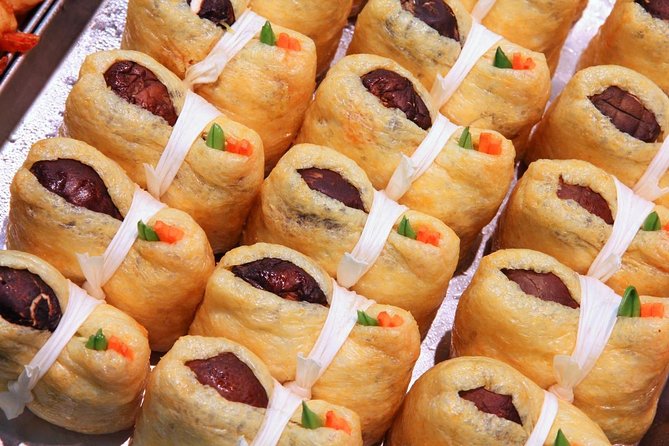
- Seven food-focused stops in four hours: Each listed stop receives about 25 minutes, with travel time between them.
- A useful contrast of Osaka markets: You see department-store presentation, neighborhood groceries, Korean specialties, cookware, and Kuromon’s famous food stalls.
- Small groups capped at eight: This should make it easier to ask questions and keep together in crowded market areas.
- Food purchases are separate: Snacks and samples are not included, so the final cost depends on your appetite.
- A guide who adds cultural context: Ferdinand, a French guide living in Japan, has explained market customs, history, and everyday life in response to questions.
- A practical meeting point: The tour begins at the McDonald’s directly in front of Tenma Station and ends in the Namba area.
Osaka’s food culture begins at Tenma Station
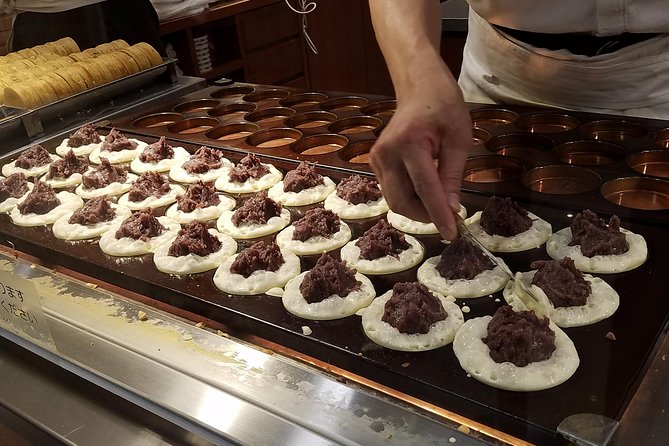
Meet at the McDonald’s directly in front of Tenma Station. That is a clear enough starting point, but arrive ready to walk because the route covers several districts rather than one compact market.
The tour’s appeal is its range. Osaka is often reduced to a few famous dishes and a noisy restaurant district. This route gives you a broader picture. You see where food is presented for luxury shoppers, where local households buy staples, where Korean and Japanese food traditions meet, and where visitors can pick up everything from seafood to kitchen tools.
The schedule allows about 25 minutes at each listed stop. That is enough for an introduction and a few purchases, but not enough for a leisurely meal at every market. I would treat this as a guided orientation with tasting opportunities, not a four-hour eating marathon.
More Food and Drink Trips in Japan:
- Tokyo Tsukiji Fish Market Food and Culture Walking Tour
★ 5.0 · 3,184 reviews - Tokyo: Tsukiji Fish Market Food and Walking tour
★ 5.0 · 1,724 reviews - Tokyo: Tsukiji Fish Market Food and Culture Walking Tour
★ 4.7 · 757 reviews
Takashimaya shows Osaka’s polished side
The first major stop is the Takashimaya Osaka marketplace, listed at the TUMI Takashimaya Osaka Store. A Japanese department-store food floor is a very different experience from an open-air market. Presentation matters here. Products are arranged with care, prices are clearly displayed, and the selection can range from daily staples to more luxurious food gifts.
This stop gives you a useful starting point because it shows how food is sold to shoppers who care about quality, appearance, and presentation. You can compare this controlled setting with the more informal markets later in the route.
The drawback is simple: department-store food halls can feel less spontaneous than a street market, and premium products may cost more. Still, the stop helps explain why Japanese food shopping is often treated as a form of craftsmanship, not just a quick chore.
Pulala Tenma and the Tenma market area
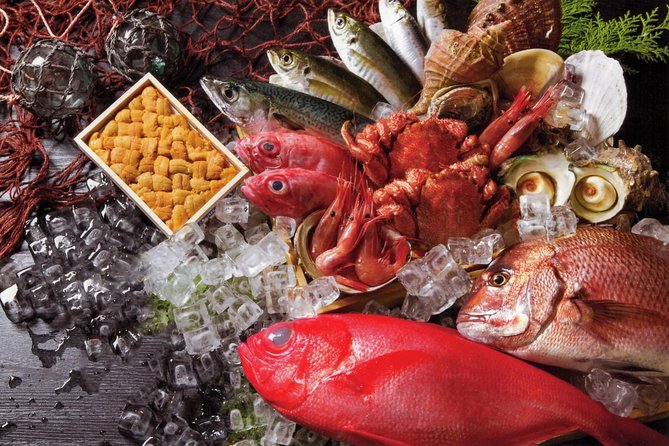
Pulala Tenma, also called Tenma Ichiba Market Building, brings the tour closer to ordinary neighborhood shopping. Here, the focus is on the ingredients people use at home, including meat, fish, produce, and other food staples.
The value of this stop is context. A visitor can easily look at a fish counter or a pile of vegetables and miss the small details that give the place meaning. A guide can explain what is being sold, how it fits into Japanese meals, and how the market differs from the polished department-store floor.
You should expect a working market rather than a staged attraction. That means the experience may be less tidy or photo-ready, but it also gives you a better sense of local routines. Keep your group moving and stay aware of shoppers who are there to buy dinner, not pose for pictures.
Tenjinbashisuji gives you a long look at local shopping
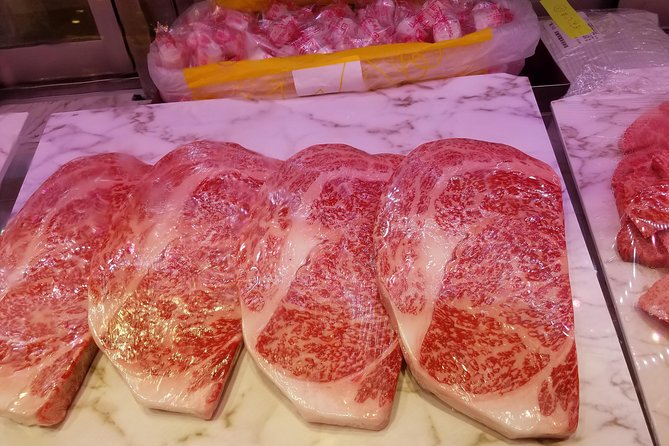
Tenjinbashisuji Shopping Street is one of the route’s strongest stops for seeing Osaka beyond the major tourist sights. The tour allows about 25 minutes here, so you will not cover every part of the shopping street. Instead, your guide can point out food shops and explain the role of the arcade in neighborhood life.
The food selection is likely to shift from raw ingredients to prepared foods and everyday purchases. You might find shops selling snacks, staples, and local specialties, but the exact choices available can change with the day and the individual businesses.
I like this part of the route because shopping streets tell you how a city works. You get a sense of what people buy regularly, how small businesses fit together, and how food sits alongside other daily needs. It is less about one famous bite and more about seeing the rhythm of an Osaka neighborhood.
A few more market tours around Japan worth a look
- Tokyo: Tsukiji Fish Market Guided Walking Tour
★ 4.9 · 1,397 reviews - Nishiki Market Brunch Walking Tour (7 Tastings + Brunch)
★ 5.0 · 1,355 reviews - Tokyo Sushi Making Class in Tsukiji with Professional Chef
★ 5.0 · 1,177 reviews - Tsukiji Fish Market Guided Tour and Sushi Making with Pro Chef
★ 5.0 · 775 reviews
Tsuruhashi brings Japanese and Korean food together
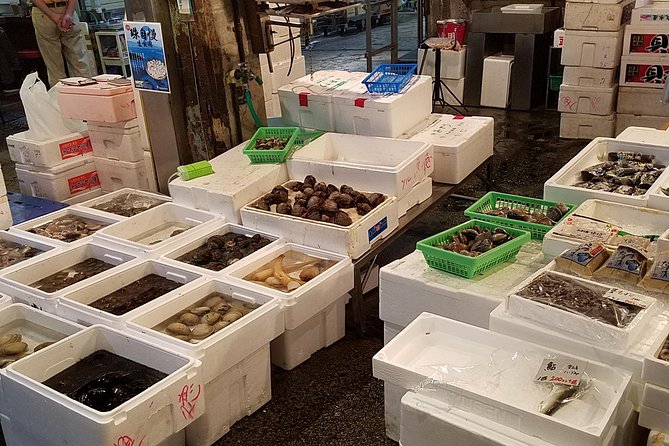
Tsuruhashi is the route’s clearest change of mood. The tour describes it as a Japanese-infused Korea Town, a district where Korean food traditions and Japanese city life meet.
This is one of the places where a guide adds real value. Without help, you can see signs, stalls, and displays, but you may not understand the history or customs behind them. Ferdinand, who guided a recent tour, has explained both the markets and his own life in Japan as a French resident. That personal angle can make the conversation more useful, especially if you ask about food habits and cultural connections.
The stop is also a good reminder that Osaka’s food identity is not one single thing. Korean ingredients, prepared foods, and cooking traditions sit alongside Japanese markets and local shopping streets. You may find this area more interesting than a standard sightseeing stop because it gives you a look at a part of the city many short-term visitors skip.
The 25-minute limit is the weak point. Tsuruhashi deserves time, and you may want to linger over a shop or buy something to take with you. If you are especially interested in Korean food, plan to return on your own after the tour.
Kuromon Ichiba is the best-known market stop
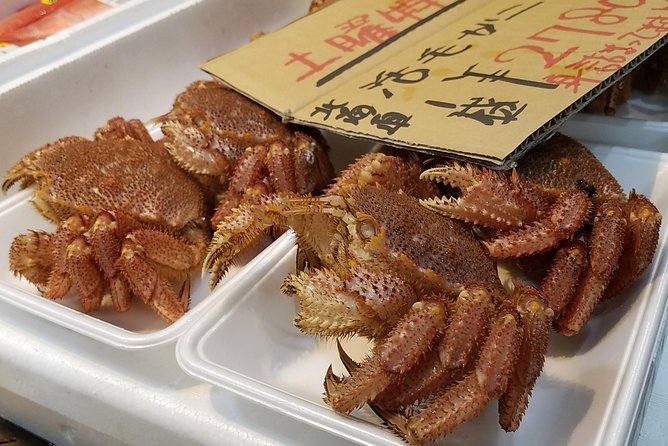
Kuromon Ichiba Market is the most famous name on the route, and it is also the place most likely to feel crowded. The market is known for seafood, produce, meat, and cooked foods sold for immediate eating.
This is where you can turn the tour into a tasting walk, but you pay for every bite yourself. Samples, food items, refreshments, and souvenirs are excluded from the $59 price. That arrangement gives you control: you can spend very little, or you can build a full meal from several stalls.
A guide helps you decide what you are looking at and how the market fits into Osaka’s food culture. You can ask about ingredients, preparation, and customs instead of guessing from a sign or photograph.
Keep your expectations practical. Kuromon is popular, and a 25-minute visit will pass quickly if you stop to buy food. If you want several tastings, avoid spending too long at the first stall. Also remember that eating while walking may not always be convenient in a crowded market, so follow local cues and your guide’s advice.
Sennichimae Doguyasuji is for the tools behind the food
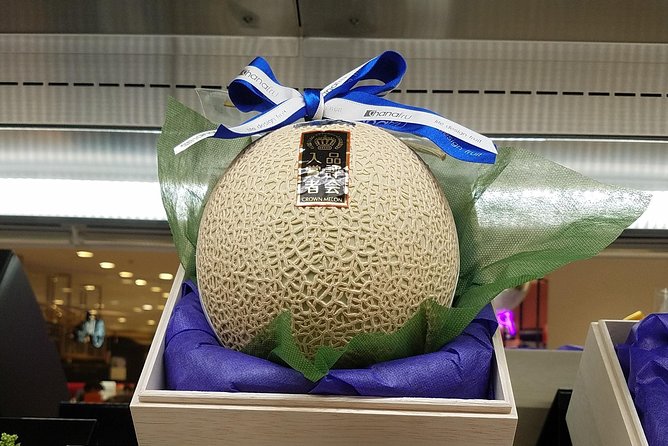
Sennichimae Doguyasuji Shotengai adds a useful change from ingredients to equipment. This shopping street is associated with kitchen goods, so it shows the practical side of Osaka’s food culture: knives, cooking tools, dishes, and supplies that support the meals sold and prepared elsewhere.
The stop makes sense even if you do not plan to buy anything. It helps connect the markets to the work behind them. Food does not appear by magic on a counter. Someone prepares it, serves it, stores it, and presents it, and this shopping street deals with the tools that make that possible.
For shoppers, this may be one of the most useful stops. You can look for a compact souvenir or simply compare the range of kitchen goods with what you see at home. Since purchases are not included, check your luggage space before buying anything large or delicate.
Namba finishes the route in a busy city center
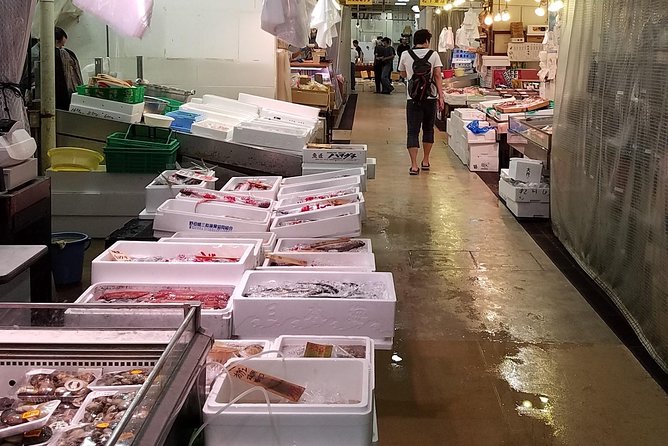
The tour finishes in Namba, one of Osaka’s best-known central areas. By this point, you have moved through food markets, neighborhood streets, Korean shopping areas, and kitchen-supply shops.
Namba is a practical ending because it gives you access to more restaurants and shops after the tour. It also lets you continue eating on your own if you have kept your appetite in reserve. The route does not promise a final included meal, so think of Namba as a convenient place to continue your Osaka plans rather than a formal closing course.
The sequence also means the tour is not just a market visit. It is a cross-city walk with several short stops. You get variety, but you do not get deep, unhurried time in each location.
What the $59 price really covers
At $59 per person, the main product is the guide and the structure of the route. You are paying for someone to connect seven food-related places, explain what you are seeing, and help you make sense of cultural details that are easy to miss.
The price does not include the food itself. It also does not include refreshments, souvenirs, or transportation during the tour. The listed transportation cost is 330 yen per adult. That means your final spending depends on how much you taste and buy.
I see the price as reasonable for visitors who want an introduction to several parts of Osaka and prefer not to work out the route alone. It is less attractive for someone who only wants to visit Kuromon Ichiba, because you could visit that market independently and spend your budget on food.
The value improves if you ask questions. A silent escort would not justify the cost as well as a guide who explains customs, local shopping habits, and the differences between each district.
Group size, language, and walking demands
The group is limited to eight people, which is a good size for narrow market streets. You should have a better chance of hearing the guide and asking about unfamiliar foods than you would in a large coach group.
Tours are available with guides speaking English, Spanish, or French. Ferdinand led a tour in French and explained market life, customs, some history, and his experience living in Japan. If you are assigned Ferdinand, you can ask about those subjects directly. Guide assignment may vary, so do not book solely on the assumption that he will lead your date.
Comfortable shoes are essential. The schedule includes repeated walking between stops, and the route connects several districts. The listed transportation charge suggests that not every transfer is on foot, but you should still expect plenty of time standing and walking.
There is no included meal to slow the pace. Eat beforehand if you need a full breakfast or lunch, then use the markets for optional snacks rather than relying on the tour to feed you.
Who will enjoy this most
I would recommend this experience to you if you:
- Want to see several sides of Osaka’s food culture in one morning or afternoon
- Like asking questions about customs, ingredients, and daily life
- Prefer a small group to a large organized tour
- Are comfortable paying separately for food and drinks
- Want to visit Tsuruhashi and local shopping areas, not only the most famous market
- Enjoy walking through ordinary commercial districts
It may not suit you if you want a long sit-down meal, a tightly focused Kuromon tasting tour, or a luxury food experience with all purchases included. It is also not ideal if you dislike crowded markets or need a slow pace.
The tour is available for four hours, with starting times depending on availability. Free cancellation is allowed up to 24 hours ahead, and you can reserve without paying immediately. Those terms help if your Osaka schedule is still changing.
Should you book this Osaka market tour?
Book it if you want a guided introduction to the way Osaka buys, sells, prepares, and enjoys food. The strongest feature is not one particular stall. It is the contrast between Takashimaya, Tenma, Tsuruhashi, Kuromon, Doguyasuji, and Namba.
Bring comfortable shoes, extra money for food, and a willingness to ask questions. If you do that, the tour can give you a useful first map of Osaka’s food districts and help you choose where to return later.
Skip it if you already know these neighborhoods well or prefer to spend four hours eating at your own pace. For a first visit, though, the small group, broad route, and cultural explanation make the $59 fee a fair way to get oriented.
FAQ
Where does the tour begin?
It begins at the McDonald’s directly in front of Tenma Station.
How long does the experience last?
The tour lasts four hours.
What languages are available?
Live guides are available in English, Spanish, and French.
Is food included in the price?
No. Samples, meals, snacks, drinks, and other food purchases are not included. You pay for anything you choose to buy during the tour.
Is transportation included?
Transportation during the tour is not included. The listed transportation cost is 330 yen per adult.
How large is the group?
The tour is limited to eight participants.
Just added around Japan
- Nagoya Super Market Tour & Home Cooking Class with a Local, Akiko★ 5.0 · 10 reviews
- Tokyo: Tsukiji Market Guided Tour & Sushi-Making Experience★ 4.4 · 11 reviews
- Tokyo: Private Tsukiji Street Food & Sake with Local Guide★ 5.0 · 3 reviews
- Tokyo: Tsukiji Fish Market Culture Tour with Sashimi Tasting★ 4.6 · 54 reviews
- Tokyo: Tsukiji Market and Hama-rikyu Gardens Guided Tour★ 4.8 · 73 reviews
- Tokyo: Sushi Making with Pro Chef & Tsukiji Fish Market Tour★ 4.6 · 49 reviews
- Tokyo : Tsukiji Fish Market Food Walking & Shrine Visit Tour★ 5.0 · 3 reviews
- Tokyo: Tsukiji Fish Market Foodie and Educational Tour★ 5.0 · 4 reviews
Food & Drink, compared.
Old Town, Creek, Museums, Souks, & Street Food Tour
Read our review →
Old Town, Souks, Street Food, Guided Tour & Abra Ride
Read our review →
Bangkok by Night: Temples, Markets and Food Tuk-Tuk Tour
Read our review →
Tokyo Tsukiji Fish Market Food and Culture Walking Tour
Read our review →
Markets, Temples and Food Night Tour by Tuk Tuk
Read our review →
Old Town, Souks, Street Food, Guided Tour & Abra Ride
Read our review →Browse the lists this tour appears in