
Review · FISH MARKET TOURS
Tokyo Tsukiji Fish Market Tour and Sushi Making Lesson
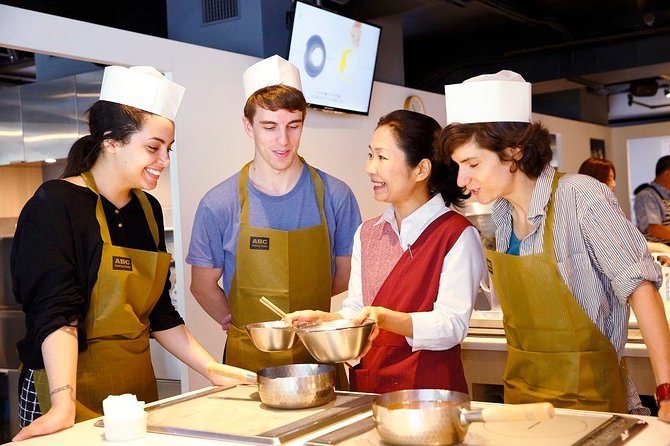
Tsukiji is best understood with a local guide, and this tour gives you more than a quick look at seafood stalls. You’ll walk through the Tsukiji Outer Market, taste items such as tamagoyaki and dried scallops, then learn to prepare sushi and other Japanese dishes in a bright professional kitchen.
I especially like the small maximum of six people and the helpful English support. Guides such as Akiko, Lucy, Nobu, Yoko, and Shitomi have helped visitors find samples and make sense of unfamiliar ingredients. The cooking class is also genuinely hands-on, with tamagoyaki, rolled sushi, nigiri, and miso soup appearing in different lesson versions.
The main drawback is value for experienced home cooks. The food lesson is aimed at beginners, and some of the market visit may feel familiar if you have already explored Tsukiji on your own. The cooking studio is also reached by transport, rather than sitting right beside the market.
Key points to know
- Tsukiji Outer Market, not the tuna auction: You explore the shopping streets and tasting areas, while tuna auction viewing is not included.
- A small six-person group: The limited size makes it easier to ask questions and get help at the stove.
- Beginner-friendly Japanese cooking: Expect sushi, tamagoyaki, miso soup, stock, and seasonal side dishes, with the exact menu subject to change.
- English-speaking guidance: Your guide helps explain ingredients, vendors, and Japanese food customs.
- A full three-hour morning or half-day: About one hour is spent around Tsukiji, followed by roughly 90 minutes at ABC Cooking Studio.
- Useful family limits: Children must be at least 9 years old and 130 centimeters tall. Strollers and luggage are not allowed.
Why Tsukiji and sushi making work well together
Many Tokyo food tours stop at a market and leave you with a handful of samples. This one adds a practical second act. You first see the ingredients in their commercial setting, then sit down and use Japanese cooking methods yourself.
That connection is the tour’s best idea. At Tsukiji, you may see sea urchin, octopus, giant tuna, dried seafood, beans, mochi, and other foods arranged for sale. At the cooking studio, those ingredients become part of a meal rather than a display behind a counter.
I also like the balance between eating and doing. You are not expected to spend three hours listening to a lecture. The market portion keeps you moving, while the class gives you time to practice with a knife, rice, egg, seaweed, and other ingredients.
The tour costs $99.49 per person. That is not the cheapest way to see Tsukiji, especially since the market itself is free to enter. The price makes more sense if you want an English-speaking guide, several tastings, transport to the cooking school, a structured class, an apron, drinks, and lunch made during the lesson.
More Fish Market Tours in Japan
- Tokyo Tsukiji Fish Market Food and Culture Walking Tour
★ 5.0 · 3,184 reviews - Tokyo: Tsukiji Fish Market Food and Walking tour
★ 5.0 · 1,724 reviews - Tokyo: Tsukiji Fish Market Guided Walking Tour
★ 4.9 · 1,397 reviews
Meeting at Tsukiji Hongwanji Temple
The tour begins outside Tsukiji Hongwanji Temple, at 3-chōme-15-1 Tsukiji. This is a sensible meeting point because the temple is close to the market and easy to identify.
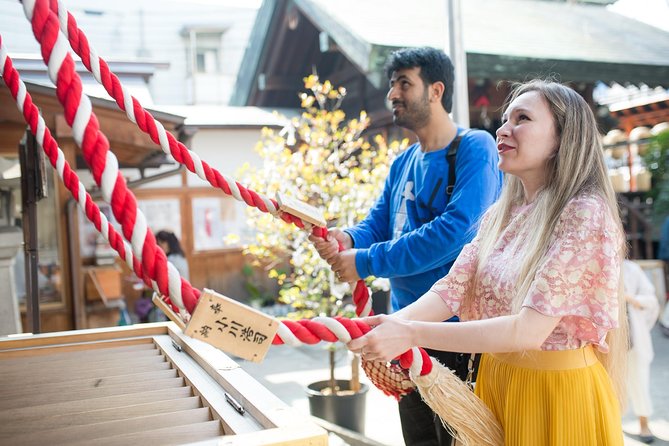
The temple deserves a short look before the food begins. Its exterior has South Asian and Indian design influences, while the interior has a different feel. The scheduled stop is only about five minutes, so think of it as an orientation point rather than a full temple visit.
That brief stop can help you recognize your guide and get settled before entering the market streets. The precise guide may vary. Past sessions have included Akiko, Lucy, Nobu, Yoko, Miho, and Shitomi, with cooking teachers such as Miwako, Miwa, Masayo, and Hiromi leading the kitchen work.
Your guide should be easy to identify through the booking details, but arrive with the meeting point clear. The activity uses a mobile ticket, and confirmation is provided when you book.
Walking through Tsukiji Outer Market
The market portion lasts about one hour, though the operator notes that some departures may spend around 70 minutes in the outer shopping market instead. This is the part where a guide earns the price of admission, because there is no admission charge to Tsukiji itself.
Tsukiji Outer Market is not the old wholesale market in its former form. The wholesale operation moved to Toyosu, but Tsukiji’s retail streets remain a useful place to see Japanese food culture at close range. The stalls sell seafood, produce, dried goods, kitchen tools, snacks, and prepared foods.
You may see large tuna, sea urchin, octopus, and other seafood laid out for sale. Some food can look unfamiliar or even puzzling at first. A guide can explain what you are looking at, how it is used, and which items are practical to taste during a short visit.
The strongest part of the market walk is the translation help. Without Japanese, you can still wander Tsukiji by yourself, but you may not know which stalls welcome sampling, what a package contains, or how to ask a vendor a simple question. Guides such as Akiko and Lucy have been praised for showing favorite stalls, interpreting conversations, and keeping the group moving without making anyone feel hurried.
Sampling is not identical on every departure. Past food stops have included tamagoyaki served on a stick, red bean mochi with strawberries, dried scallops, dried beans, small dried seafood, and other local bites. Seasonal supply and the day’s arrivals affect what is available, so do not book this expecting a fixed tasting menu.
Plan your breakfast carefully. If you eat a large meal before meeting the guide, you may have less room for the market samples. On the other hand, this is still a walking tour, so arriving with no food in you may not suit everyone.
One limitation is that you do not shop for the ingredients later used in class. The market and cooking session are connected by theme, but not in a literal farm-to-classroom way. If you want to buy fish for your own meal, schedule separate time at Tsukiji.
From the market to ABC Cooking Studio
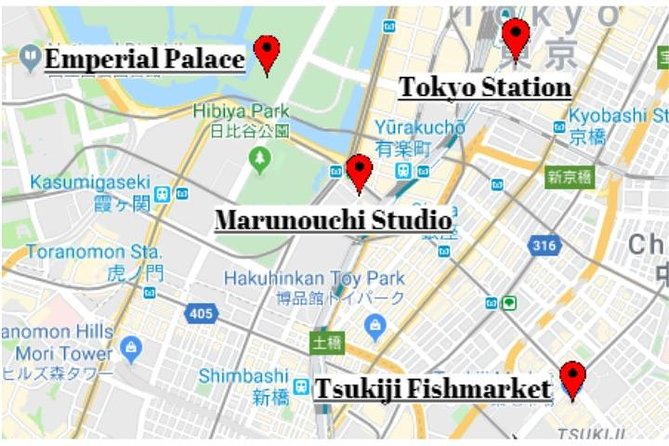
After Tsukiji, you travel with the guide to ABC Cooking Studio. Transportation between the market and studio is included, and past departures have used a short bus ride. Some groups also walk through the Ginza area on the way, depending on the route and timing.
The studio is part of a large Japanese cooking-school network with many locations. Its setting is modern, clean, and organized rather than rustic. That matters if you want a calm place to learn after navigating the narrow market lanes.
The move to the studio is also the tour’s one slightly awkward transition. The class is not next door to Tsukiji, so you lose some time getting there. Still, the transport keeps you from having to navigate Tokyo alone while carrying nothing but your appetite.
At the studio, you put on an apron and receive instruction from a cooking teacher. The guide may assist with translation and group support, while the teacher handles the kitchen technique. English ability can vary by guide and instructor, so the quality of explanations may depend partly on who leads your session.
More Fish Market Tours in Tokyo
- Tokyo Sushi Making Class in Tsukiji with Professional Chef
★ 5.0 · 1,177 reviews - Tsukiji Fish Market Guided Tour and Sushi Making with Pro Chef
★ 5.0 · 775 reviews - Tokyo: Tsukiji Fish Market Food and Culture Walking Tour
★ 4.7 · 757 reviews - Tsukiji Fish Market: Street Food & Culture Walking Tour
★ 5.0 · 669 reviews
What you actually cook in the 90-minute lesson
The class usually focuses on two washoku recipes, with side dishes. The exact menu changes with the season, ingredient supply, and the studio’s schedule, but the central items are often sushi and tamagoyaki.
Tamagoyaki is a Japanese rolled omelet made by cooking thin layers of seasoned egg and rolling them together. It looks simple until you try to keep the layers even. Learning the rolling motion is one of the more useful skills in the class, especially if you hope to repeat the dish at home.
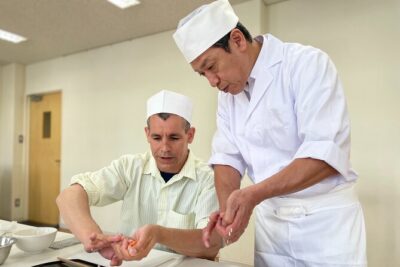
Sushi preparation may include maki rolls and nigiri. You may also prepare stock and miso soup, depending on the lesson. Some classes have included several kinds of rolled sushi, Japanese omelet, miso soup, and a sushi plate. You then sit down and eat what you made.
The lesson is hands-on, but the amount of direct practice can vary. Some sessions give you plenty to do, while others may feel basic if you already make sushi at home. The class is best for a first introduction to shaping rice, handling seaweed, rolling omelet, and following Japanese recipes in a group setting.
You are not signing up for an advanced sushi-chef apprenticeship. The instructor will not turn you into a fish cutter in 90 minutes, and the class is not centered on the specialist techniques of a high-end sushi counter. It is a friendly cooking lesson with food you can reasonably try again at home.
That makes it a good choice for families with older children. The reported age minimum is 9, with a minimum height of 130 centimeters. Children and teens can take part in the sushi-making steps, and the finished meal gives the class a clear reward.
Lunch, drinks, and the value of the meal
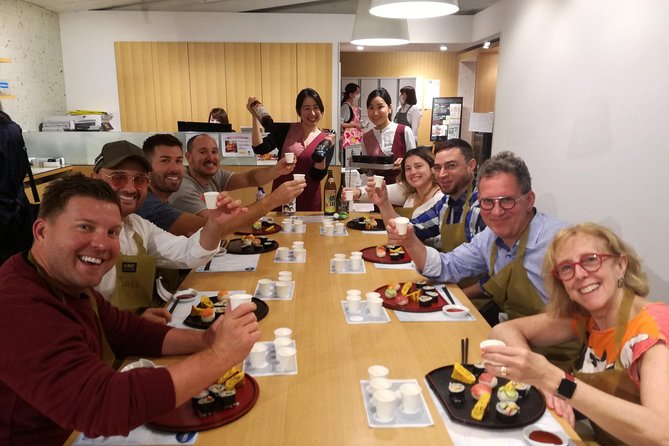
After cooking, you eat the dishes prepared during the lesson. Drinking water is included at the studio, and you can choose wine, plum sake, or soft drinks with the meal.
The final meal is not a separate restaurant lunch. It is the food you have just prepared, which makes the experience more satisfying if you enjoy the process as much as the plate. If you are looking for a large tasting menu or premium raw seafood, this may feel modest for the price.
The value comes from the combination. You receive food, instruction, translation help, market access, local context, and transport in one three-hour activity. You also leave with recipes and methods you can try at home, though the exact ingredients may differ from the photographs or from one season to the next.
The price is easiest to justify for a first-time visitor who wants a guided market visit and a structured activity. It is harder to justify for someone who already knows Tsukiji well, speaks Japanese, or has taken several sushi classes.
Group size, timing, and practical limits
The maximum group size is six people. That is small enough for the guide to answer questions and for the instructor to watch your technique. It also means that the experience can feel quite different from a large demonstration class.
At least two people are required for the tour to operate. If the minimum number is not reached, you should be offered another date or experience, or a full refund. Poor weather can also lead to a rescheduled date or full refund.
You must cancel at least 24 hours before the local start time for a full refund. Changes made later are not accepted, and cancellations within 24 hours are not refunded.
Leave luggage and strollers at your accommodation. Neither is allowed on the activity. The tour is near public transportation, but the meeting and ending locations are different, so do not plan to return to your hotel between the market and cooking class.
The operator may photograph the activity and use those images on its website, social media, or advertising. If that matters to you, keep it in mind before booking.
Who will get the most from this Tokyo food tour?
I would choose this for a first visit to Tokyo, especially if you want food to be the center of your morning. The guide gives you a better chance of understanding Tsukiji than a solo walk, and the class turns that food interest into something you can practice.
It also suits families with older children, couples, and small groups of friends. The 9-year-old minimum and 130-centimeter height rule exclude younger children, while the small group size helps keep the lesson personal.
You may want another activity if you are already an experienced sushi maker. The recipes are intentionally approachable, and the market explanation may feel too short if your main interest is detailed fish trade, knife work, or Japanese culinary history.
You should also skip it if you specifically want the tuna auction. Auction viewing is not included. This experience is about Tsukiji’s outer retail market, food samples, and a general Japanese cooking lesson.
Should you book the Tsukiji sushi class?
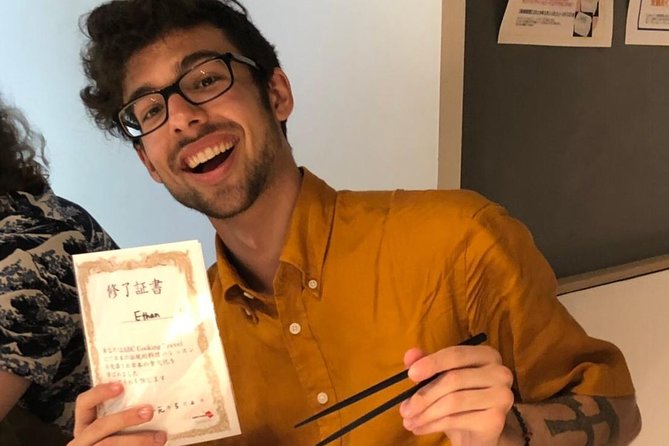
Book it if you want a convenient mix of market food, English guidance, and practical cooking. The best reasons are the small group, the chance to taste unfamiliar foods with help, and the opportunity to make tamagoyaki and sushi rather than simply watch someone else cook.
Think twice if you have already toured Tsukiji alone and want advanced instruction. In that case, the market may repeat ground you have covered, and the class may be too basic for your skill level.
At $99.49, this is a reasonable package for a visitor who values structure and translation, but not a bargain market tour. For many people, the real souvenir will be the ability to make rolled sushi or tamagoyaki back home, along with a clearer sense of how Japanese ingredients fit together.
FAQ
Where does the tour start?
It starts outside Tsukiji Hongwanji Temple at 3-chōme-15-1 Tsukiji, Chuo City, Tokyo 104-8435, Japan.
Does the tour include the tuna auction?
No. Tuna auction watching is not included. The activity visits Tsukiji Outer Market.
How long does the experience last?
The experience lasts approximately three hours. About five minutes is scheduled at Tsukiji Hongwanji Temple, about one hour at Tsukiji Fish Market, and about 90 minutes at ABC Cooking Studio.
What food will I make?
The lesson typically includes sushi and tamagoyaki, the Japanese rolled omelet, along with side dishes. Depending on the session, you may also make miso soup, stock, nigiri, or different rolled sushi. Ingredients and recipes can change with the season and availability.
Is transportation included?
Yes. Transportation between Tsukiji Market and the cooking studio is included.
Is the activity conducted in English?
An English-speaking guide is included. The guide helps with language support during the market visit and cooking activity.
What is the maximum group size?
The activity has a maximum of six participants. At least two guests are required for it to operate.
Can children join?
Children can join if they are at least 9 years old and at least 130 centimeters tall. Strollers are not allowed.
Can I cancel for a full refund?
Yes, if you cancel at least 24 hours before the experience start time. Cancellations within 24 hours are not refunded. If poor weather or an insufficient number of participants causes the operator to cancel, you are offered another date or experience, or a full refund.
Just added around Tokyo
- Tokyo: Tsukiji Market Guided Tour & Sushi-Making Experience★ 4.4 · 11 reviews
- Tokyo: Private Tsukiji Street Food & Sake with Local Guide★ 5.0 · 3 reviews
- Tokyo: Tsukiji Market and Hama-rikyu Gardens Guided Tour★ 4.8 · 73 reviews
- Tokyo: Tsukiji Fish Market Culture Tour with Sashimi Tasting★ 4.6 · 54 reviews
- Tokyo : Tsukiji Fish Market Food Walking & Shrine Visit Tour★ 5.0 · 3 reviews
- Tokyo: Tsukiji Fish Market Foodie and Educational Tour★ 5.0 · 4 reviews
- Tokyo’s Kitchen: Tsukiji Market Food & Culture Walk★ 4.7 · 74 reviews
- Tokyo: Guided Walking Tour of Tsukiji Market with Lunch★ 4.4 · 24 reviews
Fish Market Tours, compared.
Tokyo Tsukiji Fish Market Food and Culture Walking Tour
Read our review →
Tokyo Sushi Making Class in Tsukiji with Professional Chef
Read our review →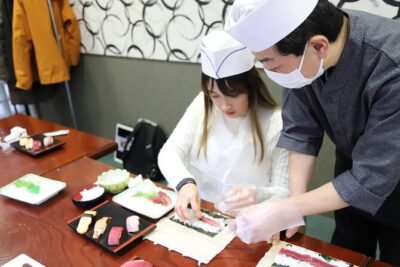
Tsukiji Fish Market Guided Tour and Sushi Making with Pro Chef
Read our review →Tsukiji Fish Market Food and Culture Walking Tour
Read our review →
Tsukiji Fish Market: Street Food & Culture Walking Tour
Read our review →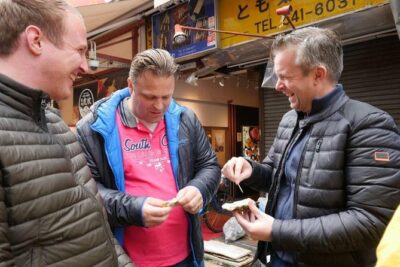
Tsukiji Fish Market Small-Group Food Walking Tour
Read our review →Browse the lists this tour appears in