
Review · FISH MARKET TOURS
Tsukiji Fish Market Guided Tour and Sushi Making with Pro Chef
Tsukiji’s famous inner market moved to Toyosu years ago, but the outer market remains a lively place to see Japanese food culture up close. This tour links the market to a hands-on class, so you can follow seafood from market stall to sushi plate, then eat what you make.
I like the temple introduction and the guides’ practical food advice, especially recommendations on what to buy and where quality meets price. I also like the calm, step-by-step sushi lesson. The main drawback is that the market walk includes no tastings, and the class venue may change, so the experience is less fixed than the title suggests.
Key points to know before booking
- The market is Tsukiji’s outer market: You visit food stalls, shops, utensils sellers, and a small wholesale area, not the former inner fish auction market.
- The class teaches six sushi forms: You make five types of nigiri and one rolled sushi, then eat your work with soup, tea, and wasabi.
- Temple customs are part of the tour: The opening visit to Tsukiji Honganji can include guidance on Buddhist etiquette and local history.
- The venue may change: The sushi class can take place in Tsukiji, Asakusa, or Yotsuya, and the final drop-off can vary.
- Bring walking shoes and arrive early: The group leaves sharply from the main gate, and the classroom may be on a third floor with stairs only.
- The food is not designed for every diet: Vegetarian, halal, gluten-free, kosher, and allergy requests are not guaranteed.
What this Tsukiji and sushi class really offers
This is a four-hour food and culture outing for people who want more than a quick sushi lunch. You begin at Tsukiji Honganji Temple, walk through the outer market, and then move into a Japanese-style classroom for a practical sushi lesson.
The useful idea behind the tour is the connection between the two halves. At the market, you see seafood, seasonings, kitchen tools, dried goods, and prepared foods in their working setting. In class, you handle ingredients and learn why sushi takes more care than simply placing fish on rice.
The experience costs $104.13 per person. That is fair if you value a guide, cultural context, and a full class with lunch. It is less attractive if you mainly want to browse stalls or eat street food, since food purchases in the market cost extra and the walk itself does not include tastings.
The group can reach 22 people. That keeps the price below a private tour, but it also means the market portion may feel less personal at busy times. The best guides, including Monami, Ko, Mari, Yuki, Tad, Sachi, and others named by participants, add real value by answering questions and helping you make sense of what you see.
More Fish Market Tours in Japan
- Tokyo Tsukiji Fish Market Food and Culture Walking Tour
★ 5.0 · 3,184 reviews - Tokyo: Tsukiji Fish Market Food and Walking tour
★ 5.0 · 1,724 reviews - Tokyo: Tsukiji Fish Market Guided Walking Tour
★ 4.9 · 1,397 reviews
Starting at Tsukiji Honganji Temple
Meet at the main gate of Tsukiji Honganji Temple, at 3-chome 15-1 Tsukiji. Do not follow map directions to the back side of the temple. The guide waits at the front with a Japan Wonder Travel sign, and the group leaves at the scheduled time.
The temple gives the tour a useful opening. Instead of rushing straight toward food stalls, you first get a little context about the area and Japanese religious customs. Guides may explain how to approach the temple and how to pray properly, which helps you take part respectfully rather than simply photograph the building.
This stop matters because Tsukiji is not only a shopping district. Food, religion, work, and neighborhood life sit close together here. The temple visit also gives you a quiet start before entering the market streets.
If you are focused only on seafood, you may find this part longer than expected. Some people book the tour for the market and sushi class, then discover that temple history and customs are a meaningful part of the morning. I would treat that as part of the cultural tour, not as filler.
Walking through the outer Tsukiji market
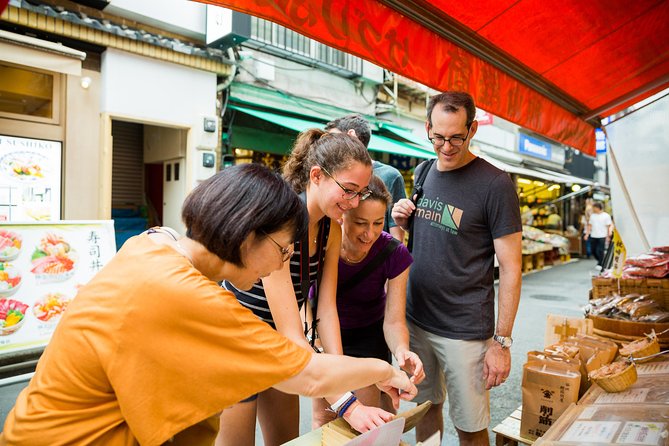
The market section covers Tsukiji’s outer market, the Jogai Market, and the Nippon Fish Port Market area. You are not visiting the former inner market. That business market moved to Toyosu after October 2018, so this tour does not include the famous auction floor or its wholesale trading area.
What you do see is still useful. The guide points out seafood sellers, prepared food stands, Japanese ingredients, kitchen tools, and small shops that can be hard to understand on your own. You might see products you have never used and learn how they fit into Japanese cooking.
The tour also explains how seafood moves from the ocean through distribution and selling. That background gives more meaning to the later class. You begin to see sushi as part of a larger food system, not just a restaurant dish.
Guides often offer practical advice on what is worth trying and which stalls offer good value. This is one of the strongest reasons to join a guided walk. A solo visit lets you browse, but you may not know what an unfamiliar item is, how to eat it, or if the price makes sense.
Still, set your expectations correctly. This is not a market tasting tour. You can buy snacks and seafood from individual vendors, but those purchases are your responsibility. Bring cash if you expect to shop, since one class participant advised budgeting for market food separately from the tour price.
The smaller wholesale area and market etiquette
The mini wholesale section adds a little working-market flavor, but the experience remains centered on the public outer market. You are not entering restricted business areas or following a fish auction before dawn.
A guide is especially helpful in a place where narrow passages, food displays, and active sellers can make casual wandering awkward. The group format also gives you a clear route through the main points without requiring you to research each shop.
The tradeoff is freedom. If you stop often to sample food or compare products, the group may limit how long you can browse. One participant found the group less flexible for trying many different foods. I would plan to return on your own if shopping is a major goal.
The walk is a good fit for first-time visitors who want an introduction rather than a serious buying expedition. It also suits families, since children and teenagers can see ingredients and cooking tools before working with sushi themselves.
More Fish Market Tours in Tokyo
- Tokyo Sushi Making Class in Tsukiji with Professional Chef
★ 5.0 · 1,177 reviews - Tokyo: Tsukiji Fish Market Food and Culture Walking Tour
★ 4.7 · 757 reviews - Tsukiji Fish Market: Street Food & Culture Walking Tour
★ 5.0 · 669 reviews - Tsukiji Fish Market Small-Group Food Walking Tour
★ 5.0 · 621 reviews
Learning sushi from a professional chef
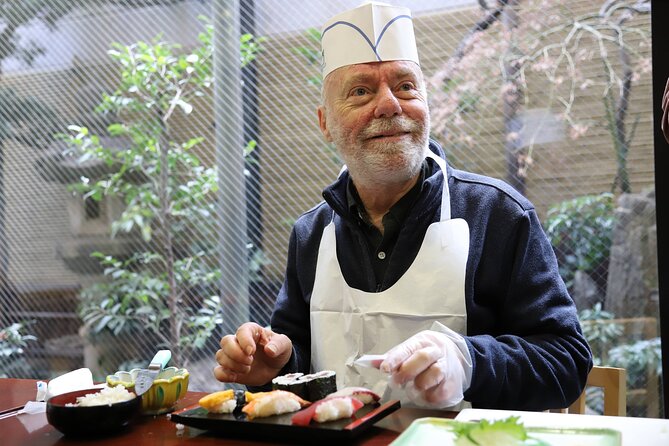
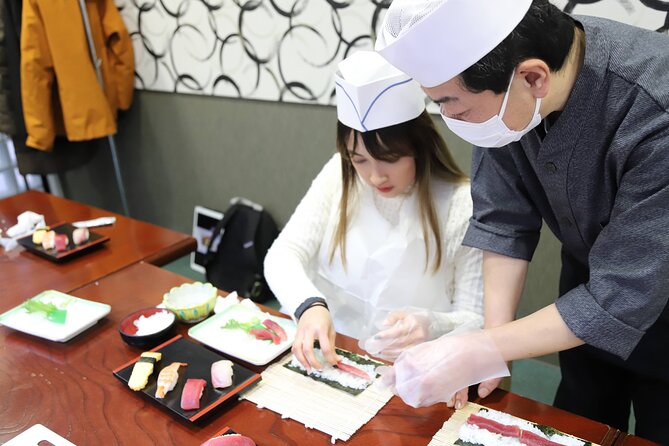
After the market, you enter a Japanese-style classroom in a traditional building. The class may be on the third floor, with stairs and no elevator. The setting is described as simple rather than luxurious, but the focus is on instruction and food preparation.
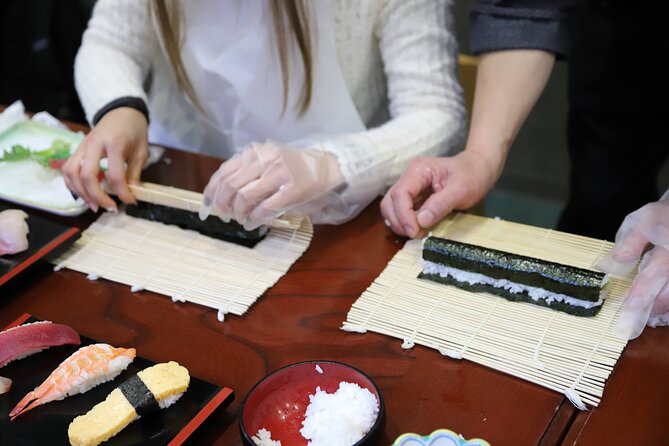
A professional sushi chef demonstrates the basic work before guiding you through your own preparation. You make five types of nigiri sushi and one rolled type. The demonstrations can include fish preparation and deboning, giving you a clearer idea of the knife skill behind a neat sushi counter.
You should not expect to become a sushi master in one sitting. The value is in learning the basic handling, shaping, and balance of rice and fish. Even simple nigiri requires more control than most people expect, and the lesson gives you a new respect for the craft.
The class is designed for beginners. Instructions are given step by step, and the experience can work well for families and older children. One family brought sons aged 12 and 16, while another participant took the class with an 18-year-old. The activity is interactive without requiring previous cooking skill.
Some details may vary by chef and venue. A useful improvement would be a fuller demonstration of slicing fish for sushi, since deboning and slicing are different skills. Cleanup can also happen quickly, so if you want to study ingredients or ask final questions, do it before the tables are cleared.
What you eat after making the sushi
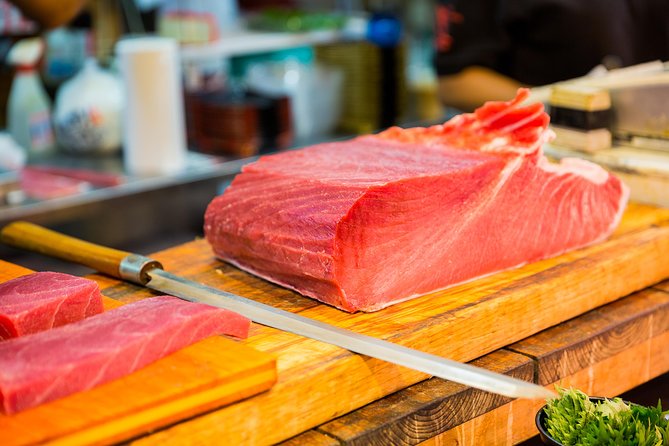
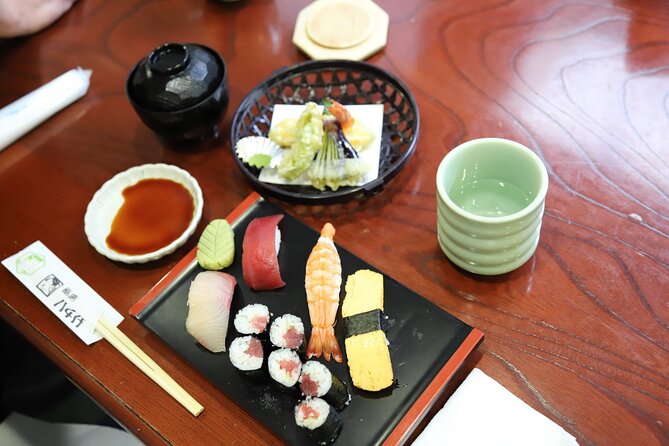
You eat the sushi you prepare for lunch, along with a piece made by the sushi chef. Traditional dashi soup and green tea round out the meal, and freshly prepared wasabi is included.
This meal is more satisfying than a simple demonstration because you have taken part in the process. You can compare your own shapes with the chef’s work and notice where technique affects texture and appearance.
The food is intended to be fresh, but this is not a luxury sushi counter experience. The classroom is practical, and one dissatisfied participant felt that the room was small and basic for the price. If you want polished surroundings and a long chef-led tasting, choose a restaurant-based sushi meal instead.
For a hands-on introduction, the simple setting makes sense. You have room to work at the tables, and several participants found the demonstrations clear and the class easy to follow. The combination of sushi, dashi, tea, and wasabi gives you a proper lunch rather than a tiny sample.
Timing, venue changes, and practical limits
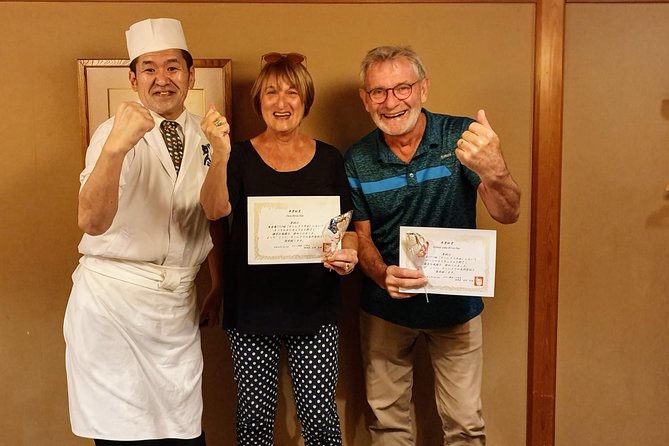
The advertised duration is about four hours, but allow some flexibility at the end. The activity can finish in Tsukiji, Shinjuku, Asakusa, or Yotsuya depending on the date and class venue. You are not told the final classroom location until the day of the tour.
That matters if you plan a train reservation, museum entry, airport transfer, or lunch appointment right afterward. Tell the operator in advance if you have a fixed plan, but do not schedule anything tight.
The fish market wholesale area closes on Wednesdays, Sundays, and other market closure days. Check the date carefully before booking. Comfortable walking shoes are essential, and you should be comfortable with stairs.
The mobile ticket is convenient, but arrival still requires care. Confirmation comes at booking, and late arrivals cannot be added to the end of the tour. There are no refunds for arriving late or canceling on the day.
Diet deserves special attention. The published information says vegetarian, halal, gluten-free, and kosher requests are not accommodated, while allergy requests may be considered but cannot be guaranteed. You can provide details when booking, but do not assume the menu can be changed.
Who gets the best value from this experience
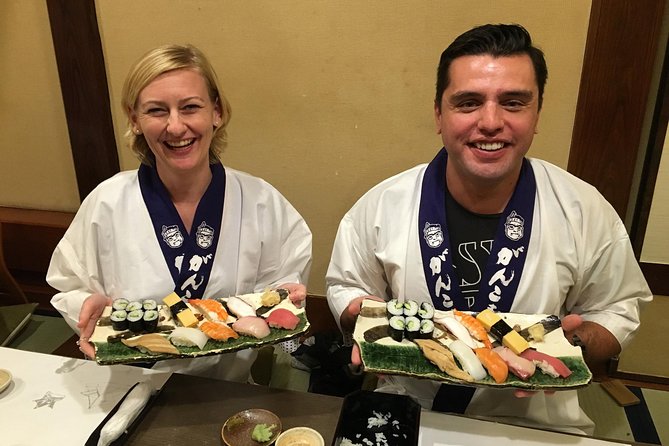
I would recommend this tour to a first-time Tokyo visitor who wants a guided introduction to Tsukiji and a meal with a practical activity attached. It is also a strong family choice, especially for children and teenagers who enjoy making food rather than only looking at it.
It suits you if you like local ingredients, food customs, and short cultural explanations. Guides such as Ko, Mari, Monami, Yuki, and Tad have been praised for clear English, patience, useful recommendations, and a relaxed manner. Those qualities matter in a market where the signs and ingredients may be unfamiliar.
I would be more cautious if your main goal is the inner fish market or a serious wholesale experience. That market is now in Toyosu, and this outing stays in Tsukiji’s public outer area.
I would also compare the cost with your plans if you are a strict vegetarian, have significant allergies, or want a highly polished cooking studio. The dietary limits and changing venue may make another class a better fit.
Should you book the Tsukiji sushi tour?
Book it if you want market context followed by hands-on sushi making. The temple, food stalls, ingredient explanations, chef demonstrations, and lunch form a well-paced introduction to Tokyo’s seafood culture.
Skip it if you want extensive tastings, private shopping time, or a visit to the former inner market. In that case, visit Tsukiji on your own and look for a class that clearly lists tastings or dietary substitutions.
For most first-time visitors who eat seafood and can manage four hours of walking and stairs, the combination is worth the $104.13 price. Arrive early at the correct temple gate, bring comfortable shoes and some spending money, keep your afternoon flexible, and you will be prepared for the tour’s variable parts.
FAQ
Where does the tour meet?
The meeting point is the main gate of Tsukiji Honganji Temple at 3-chome 15-1 Tsukiji, Chuo City, Tokyo. Meet at the front side, not the back side, and look for the guide holding a Japan Wonder Travel board.
How long does the experience last?
The experience lasts approximately four hours. The end may be delayed, so avoid scheduling a tight appointment afterward.
Does the tour visit the inner Tsukiji fish market?
No. The former inner market moved to Toyosu after October 6, 2018. This experience visits the outer market and a small wholesale area in Tsukiji.
What sushi will I make?
You will learn to make five types of nigiri sushi and one rolled type. You also receive sushi prepared by the chef, dashi soup, green tea, and fresh wasabi.
Can the tour accommodate dietary restrictions?
Vegetarian, halal, gluten-free, and kosher requests are not accommodated. You can provide allergy details when booking, but accommodation is not guaranteed.
Is cancellation free?
You can cancel for a full refund if you do so at least 24 hours before the local start time. Cancellations or changes made within 24 hours are not accepted, and late arrival on the day is not refundable.
Just added around Tokyo
- Tokyo: Tsukiji Market Guided Tour & Sushi-Making Experience★ 4.4 · 11 reviews
- Tokyo: Private Tsukiji Street Food & Sake with Local Guide★ 5.0 · 3 reviews
- Tokyo: Tsukiji Market and Hama-rikyu Gardens Guided Tour★ 4.8 · 73 reviews
- Tokyo: Tsukiji Fish Market Culture Tour with Sashimi Tasting★ 4.6 · 54 reviews
- Tokyo : Tsukiji Fish Market Food Walking & Shrine Visit Tour★ 5.0 · 3 reviews
- Tokyo: Tsukiji Fish Market Foodie and Educational Tour★ 5.0 · 4 reviews
- Tokyo’s Kitchen: Tsukiji Market Food & Culture Walk★ 4.7 · 74 reviews
- Tokyo: Guided Walking Tour of Tsukiji Market with Lunch★ 4.4 · 24 reviews
Fish Market Tours, compared.
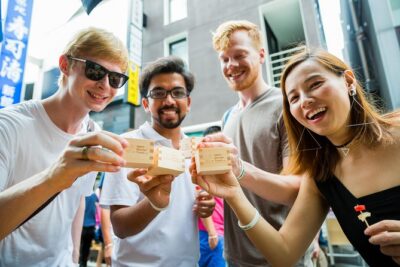
Tokyo Tsukiji Fish Market Food and Culture Walking Tour
Read our review →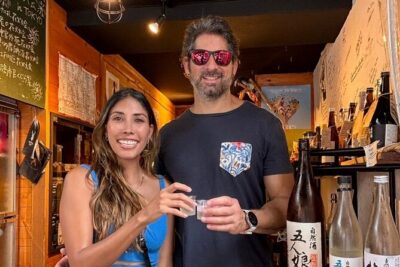
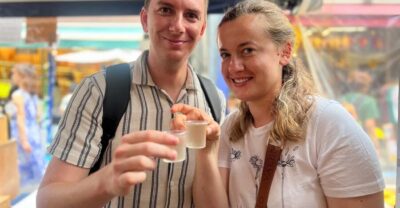
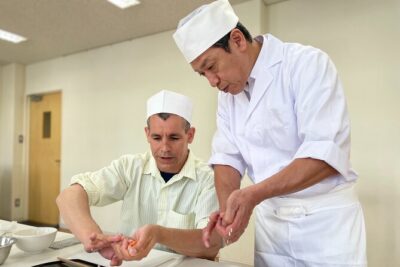
Tokyo Sushi Making Class in Tsukiji with Professional Chef
Read our review →Tsukiji Fish Market Food and Culture Walking Tour
Read our review →
Tsukiji Fish Market: Street Food & Culture Walking Tour
Read our review →
Tsukiji Fish Market Small-Group Food Walking Tour
Read our review →
Tsukiji Fish Market Sushi Making Class with Pro Chef
Read our review →Browse the lists this tour appears in