
Review · FISH MARKET TOURS
Inside Tokyo’s Kitchen: Tsukiji Market, Food & Culture Tour
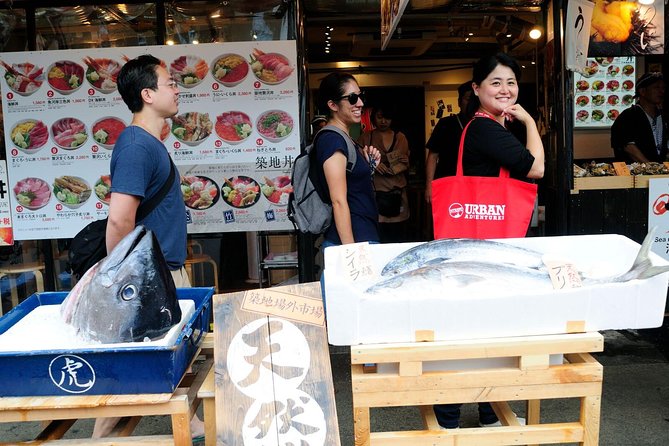
Tsukiji is easy to get wrong. The market’s narrow lanes, Japanese signs, busy food stalls, and tempting smells can turn a simple breakfast into a guessing game. This three-hour walk takes you through the outer market with a guide who can explain the fish, translate with vendors, and point out foods you might otherwise pass by.
I especially like the six-person group limit, which gives you room to ask questions and stay close to the guide. I also like the mix of market food and local culture, from freshly made sushi and wagashi sweets to Kabuki-za and two small shrines. The main consideration is food quantity and timing: the tastings can vary, and some food may be packaged or bought from nearby businesses rather than prepared directly in front of you.
Key points to know before you book
- Start with Kabuki-za: Meet at Kabuki Inari Shrine at 8 a.m., beside the famous Kabuki Theatre.
- Small means personal: The group is capped at six people, useful in crowded market lanes.
- Taste beyond sushi: Possible tastings include tuna sashimi, assorted nigiri, sea eel roll, tamagoyaki, fish cake, dried anchovies, wagashi, and seasonal sweets.
- The guide does the navigating: You do not need to decode every sign or decide which stall is worth your time.
- Finish at a quiet shrine: Namiyoke Inari Shrine provides a calm ending near Tsukiji Station.
- Bring sensible shoes: Closed-toe sneakers are recommended because market floors can be wet.
Why this Tsukiji tour works well for first-time visitors
Tsukiji’s wholesale inner market moved to Toyosu, but the outer market remains a lively food district packed with seafood shops, produce stalls, cooking tools, snacks, and small restaurants. It is still one of the best places in Tokyo to see how food fits into daily life.
The challenge is that Tsukiji is not a single neat attraction with a clear route. It is a web of alleys and storefronts. Some signs are easy to read only if you know Japanese, and the most interesting foods can be hidden behind counters or in small indoor passages.
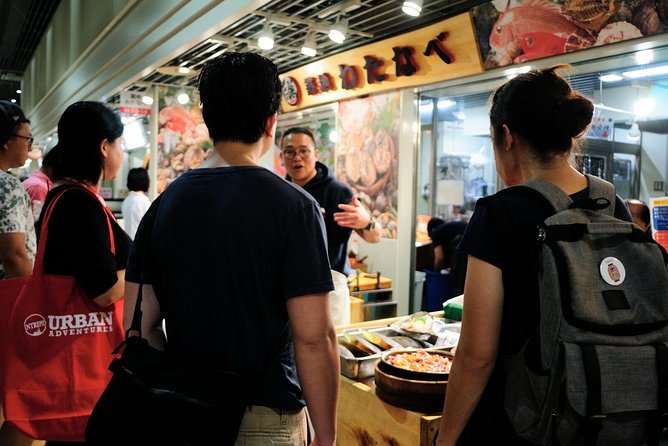
That is where this tour earns its keep. Your guide leads rather than simply points. You can ask what a particular fish is, how a Japanese snack is made, or which foods are worth trying. Translation also helps when you want to understand what you are eating instead of treating the market as a row of anonymous samples.
The group limit matters here. Six people is small enough for the guide to answer questions and keep everyone together without turning the walk into a flag-following exercise. It also makes it easier to pause at a stall without blocking a large group.
The experience has earned a 4.9 rating from 162 reviews, with 98 percent recommending it. That strong response appears to come mainly from the guides and the chance to taste a wide range of foods in a short morning. Still, you should book it for the guided introduction and food education, not as an unlimited breakfast.
More Fish Market Tours in Japan
- Tokyo Tsukiji Fish Market Food and Culture Walking Tour
★ 5.0 · 3,184 reviews - Tokyo: Tsukiji Fish Market Food and Walking tour
★ 5.0 · 1,724 reviews - Tokyo: Tsukiji Fish Market Guided Walking Tour
★ 4.9 · 1,397 reviews
Meeting Kabuki-za at Kabuki Inari Shrine
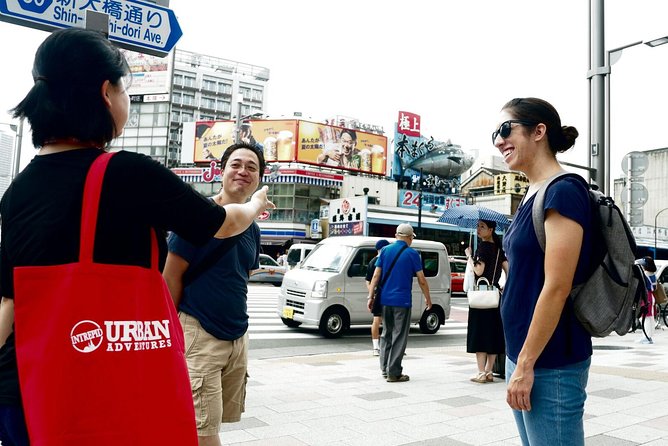
The morning begins at 8 a.m. in front of Kabuki Inari Shrine, at 4 Chome-12 Ginza, beside Kabuki-za. This is a useful starting point because you get a quick introduction to one of Japan’s distinctive performing arts before entering the market district.
Kabuki combines drama, dance, elaborate costumes, and stylized performance. You will not attend a performance on this tour, but the guide explains the connection to the theatre and points out Kabuki-za’s striking architecture.
The shrine itself is small, so do not expect a long sightseeing stop. The scheduled visit lasts about 10 minutes. Its value is as a cultural doorway into the morning. You begin with a bit of context instead of jumping straight into fish stalls.
The meeting point is near public transportation, but you should allow time to find the exact shrine. Tokyo’s streets can be confusing, and one person missed the start after walking past the meeting place. Save the meeting details on your phone and arrive early. The mobile ticket is convenient, but it will not help much if you are standing on the wrong side of the theatre.
Two hours in Tsukiji’s narrow food lanes
The main part of the tour lasts about two hours. You walk through the outer market while the guide explains seafood, vegetables, snacks, and the way Japanese food shops operate.
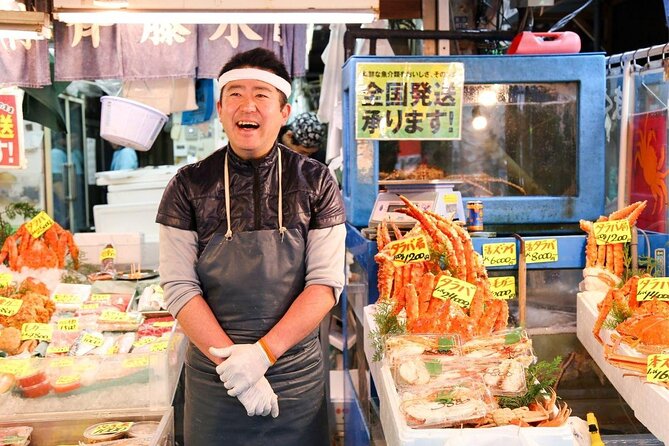
This is not only a fish tour. Fish lovers will find plenty to enjoy, but you do not need to be an expert or even a devoted seafood eater. The market includes sweets, omelettes, fish cakes, dried foods, and other small bites.
The best part is the variety. Depending on the day and the food available, tastings have included:
- Fresh sushi and tuna sashimi
- Lean, medium-fatty, and fatty tuna
- Assorted tuna nigiri
- Sea eel rolls
- Satsumaage, a Japanese fish cake
- Tamagoyaki, or Japanese omelette
- Fried tuna
- Dried anchovies
- Fish-broth omelette served on a stick
- White strawberries
- Wagashi, the delicate sweets often shaped for the season
- Sweetened rice balls
- Sake
One particularly enjoyable touch has been freshly grated real wasabi. A guide named Yuri brought a wasabi tool so the group could grate the root and taste it with sushi. That gives you a better sense of how fresh wasabi differs from the familiar green paste served in many restaurants.
Another group saw a tuna weighing more than 250 pounds being cut into sushi. You cannot count on seeing that every morning, but the market’s working character is part of the appeal. This is not a staged food museum. What happens around you depends on the day’s deliveries, vendors, and business activity.
Guides named Aya, Koz, Shino, Yuri, and Mihari have each received strong praise for making the walk informative and friendly. Mihari, in particular, has been described as happy to answer questions and willing to go beyond the basic route. Your guide will vary, but the small group gives a good guide the chance to shape the walk around your interests.
What the food is really like
The food is the heart of the experience, but it is important to set your expectations correctly. The tour includes tastings, local snacks, sushi, and wagashi, yet drinks and additional food are not included.
The amount can also vary. Some mornings feel like a full breakfast with repeated stops. Other visits include fewer samples, or food served at an unusual point in the route. One practical complaint concerned packaged tuna sushi and fried tuna rather than rolls made in front of the group. The operator addressed that concern, but it remains a useful warning: not every bite will come directly from an open market counter.
If you want a market walk that guarantees a specific restaurant, a particular cut of tuna, or an exact number of sushi pieces, this tour may feel less predictable. Food availability changes, and the guide has to work with what is open and suitable that morning.
On the other hand, that flexibility can produce a more interesting spread. You might find yourself trying foods you would not have ordered alone, such as fish cake, dried anchovies, or a Japanese sweet chosen for its shape and texture.
Vegetarian and vegan options are available, but the selection is limited. You should tell the operator about your needs when booking and keep your expectations modest. This is a market visit where seafood is central, not a plant-based tasting tour.
More Fish Market Tours in Tokyo
- Tokyo Sushi Making Class in Tsukiji with Professional Chef
★ 5.0 · 1,177 reviews - Tsukiji Fish Market Guided Tour and Sushi Making with Pro Chef
★ 5.0 · 775 reviews - Tokyo: Tsukiji Fish Market Food and Culture Walking Tour
★ 4.7 · 757 reviews - Tsukiji Fish Market: Street Food & Culture Walking Tour
★ 5.0 · 669 reviews
The cultural details make the food easier to understand
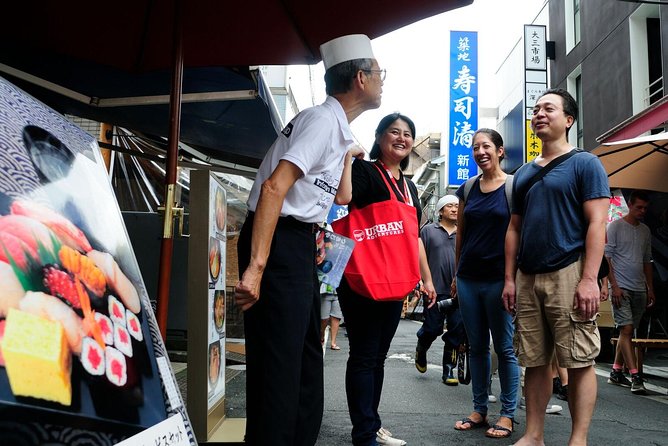
A good market tour does more than feed you. It explains why the food matters, how ingredients are treated, and what customs you are seeing.
At Tsukiji, the guide can explain the differences between types of tuna, introduce unfamiliar seafood, and help you understand why freshness and preparation matter so much. The value is not only the taste of the sushi. You leave with a better idea of what is on the plate.
The shrine stops add another layer. After the market, you visit Namiyoke Inari Shrine, a quiet site near the old fish-market area. The stop lasts about 10 minutes before a walk of roughly 10 minutes to the nearest station.
Namiyoke Inari is a welcome change of pace after the crowded lanes. It gives you a moment to slow down and consider the market as part of a working neighborhood, not just a food stop. The tour does not turn the shrine into a long history lecture, but the visit helps balance the morning with something calm and local.
The route also introduces Kabuki-za, so you see three sides of Tokyo in one compact outing: traditional performance, religious sites, and the everyday food trade.
Is $83.35 a fair price?
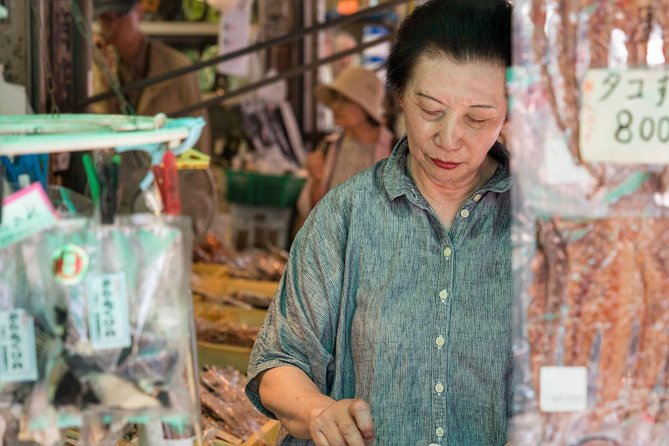
At $83.35 per person, this is not the cheapest way to wander through Tsukiji. You can enter the outer market on your own without paying an admission fee, and you can buy individual snacks as you go.
The price makes more sense if you value translation, route planning, and a set of included tastings. A local guide saves you from spending the first hour deciding which lane to enter or wondering what a Japanese label means. The guide also gives you cultural context that you would likely miss on a solo walk.
The small group improves the value. A six-person limit is far more useful in Tsukiji than a large coach group. You get a better chance to hear explanations, ask about food, and stay close to the person leading the route.
Still, consider what you want from the morning. If your main goal is to eat as much sushi as possible, you may get better value by choosing one restaurant and ordering a meal. If you want an introduction to many foods and a gentle cultural walk, the price is easier to justify.
The tour is usually booked about 38 days ahead, suggesting that you should reserve early if your Tokyo dates are fixed. Free cancellation is available up to 24 hours before the start time, but changes or cancellations inside that window are not refunded.
The practical details that affect your morning
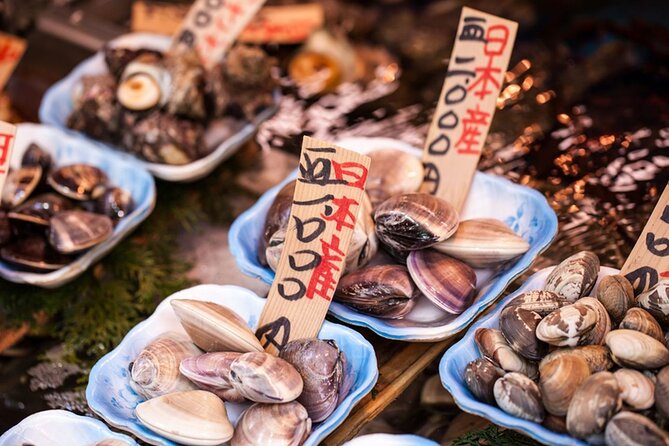
Wear closed-toe shoes, preferably sneakers. The inner market areas can have wet floors, and sandals are a poor choice around seafood stalls.
The tour lasts about three hours, beginning at 8 a.m. and ending around Tsukiji Outer Market, near Tsukiji Station on the Hibiya Tokyo Metro Line. The route includes walking through narrow alleys and a final walk to the station, so it is best suited to anyone comfortable with a morning on foot.
Children can join, and children under six participate free. Most people can take part, though the market’s tight spaces and wet floors are worth considering for very young children.
The mobile ticket makes entry simple, but the meeting point deserves attention. Kabuki Inari Shrine is at Kabuki-za in Ginza, while the tour ends near Tsukiji. These are close enough to combine in one morning, but they are not the same place. Check the start address carefully before leaving your hotel.
Who should book this food walk?
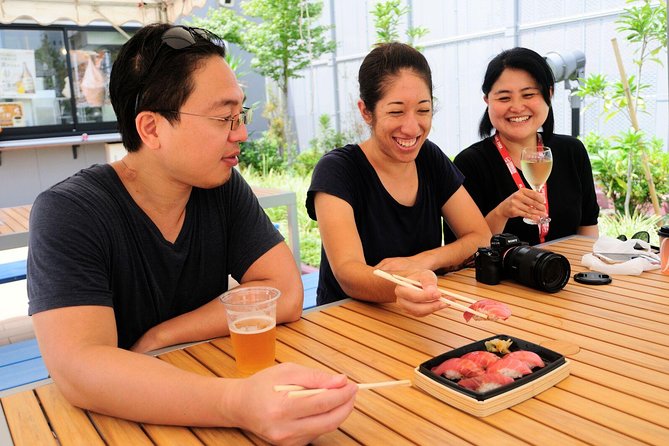
I would recommend it most strongly for a first visit to Tokyo, especially if you want a guided introduction to Japanese food without committing to a full-day tour.
It suits you if you:
- Want to sample several foods rather than order one large meal
- Feel unsure about navigating Tsukiji alone
- Enjoy asking questions about ingredients and customs
- Want a small group instead of a crowded bus tour
- Like combining food with shrines and Kabuki-za
- Eat seafood or are open to trying it
It is less suitable if you need a fully vegetarian or vegan menu, want unlimited tastings, or expect every item to be cooked directly in front of you. It may also disappoint you if you dislike early starts or prefer to explore independently.
Should you book Inside Tokyo’s Kitchen?
Book it if you want a friendly, focused first look at Tsukiji and value a guide who can translate, explain, and keep the food stops moving. The strongest part is the combination of small-group attention, varied tastings, and cultural stops.
Go in with flexible expectations. The exact food selection can change, the portions are tasting-sized, and some items may be packaged or purchased from nearby shops. Arrive early, wear sneakers, bring an appetite, and tell the guide about dietary needs in advance.
For a first morning in Tokyo, this is a practical way to make sense of Tsukiji without wandering past the best parts.
FAQ
Where does the Tsukiji food tour begin?
The tour begins at Kabuki Inari Shrine beside Kabuki-za, at 4 Chome-12 Ginza, Chuo City, Tokyo. The start time is 8 a.m.
Where does the tour end?
It ends at Tsukiji Outer Market near Tsukiji Station on the Hibiya Tokyo Metro Line. The final shrine stop is followed by about a 10-minute walk to the nearest station.
How long does the experience last?
The tour lasts approximately three hours. About two hours are spent walking through Tsukiji Outer Market, with shorter visits at Kabuki Inari Shrine and Namiyoke Inari Shrine.
How large is the group?
The group has a maximum of six people.
What food is included?
Included tastings can include freshly made sushi, tuna sashimi, Japanese snacks, and wagashi sweets. Examples from the food stops include tamagoyaki, fish cake, tuna nigiri, sea eel roll, dried anchovies, and sweetened rice balls.
Are vegetarian or vegan options available?
Vegetarian and vegan options are available, but the food selection is limited.
Can children join the tour?
Yes. The tour is child-friendly, and children under six can join for free.
What should I wear?
Wear closed-toe shoes. Sneakers are recommended because some market floors may be wet.
Are drinks and extra food included?
No. Drinks and additional food are not included in the tour price.
Can I cancel for a refund?
You can cancel up to 24 hours before the experience starts for a full refund. Cancellations or changes made less than 24 hours before the start time are not refunded.
More Food and Drink Trips in Tokyo
- Tsukiji Fish Market Small-Group Food Walking Tour
★ 5.0 · 621 reviews - Tokyo Food Tour Taste Fresh Delights at Tsukiji Market
★ 5.0 · 429 reviews - Tsukiji Fish Market: Street Food & Culture Walking Tour
★ 4.8 · 259 reviews - Tsukiji Food and Toyosu Market with Government-Licensed Guide
★ 5.0 · 158 reviews
Just added around Tokyo
- Tokyo: Tsukiji Market Guided Tour & Sushi-Making Experience★ 4.4 · 11 reviews
- Tokyo: Private Tsukiji Street Food & Sake with Local Guide★ 5.0 · 3 reviews
- Tokyo: Tsukiji Market and Hama-rikyu Gardens Guided Tour★ 4.8 · 73 reviews
- Tokyo: Tsukiji Fish Market Culture Tour with Sashimi Tasting★ 4.6 · 54 reviews
- Tokyo : Tsukiji Fish Market Food Walking & Shrine Visit Tour★ 5.0 · 3 reviews
- Tokyo: Tsukiji Fish Market Foodie and Educational Tour★ 5.0 · 4 reviews
- Tokyo’s Kitchen: Tsukiji Market Food & Culture Walk★ 4.7 · 74 reviews
- Tokyo: Guided Walking Tour of Tsukiji Market with Lunch★ 4.4 · 24 reviews
Fish Market Tours, compared.
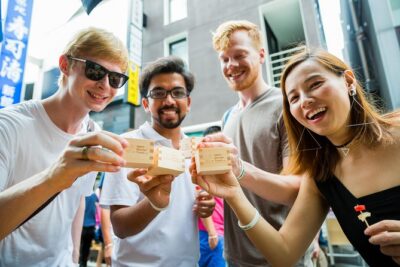
Tokyo Tsukiji Fish Market Food and Culture Walking Tour
Read our review →
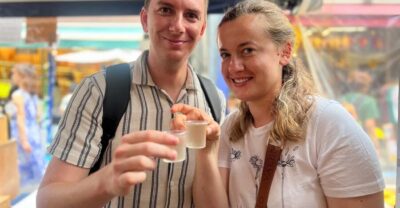
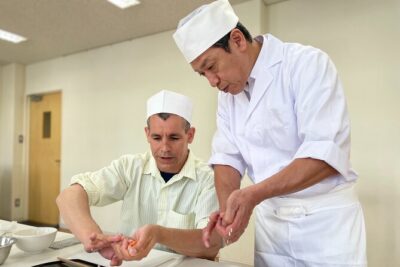
Tokyo Sushi Making Class in Tsukiji with Professional Chef
Read our review →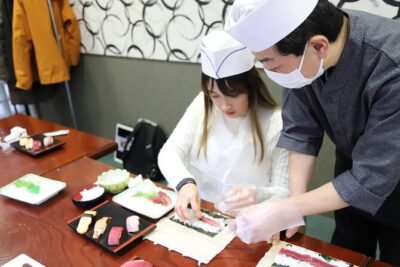
Tsukiji Fish Market Guided Tour and Sushi Making with Pro Chef
Read our review →Tsukiji Fish Market Food and Culture Walking Tour
Read our review →
Tsukiji Fish Market: Street Food & Culture Walking Tour
Read our review →
Tsukiji Fish Market Small-Group Food Walking Tour
Read our review →Browse the lists this tour appears in