
Review · FISH MARKET TOURS
Tokyo: Tsukiji Fish Market Sushi Making Class with Pro Chef
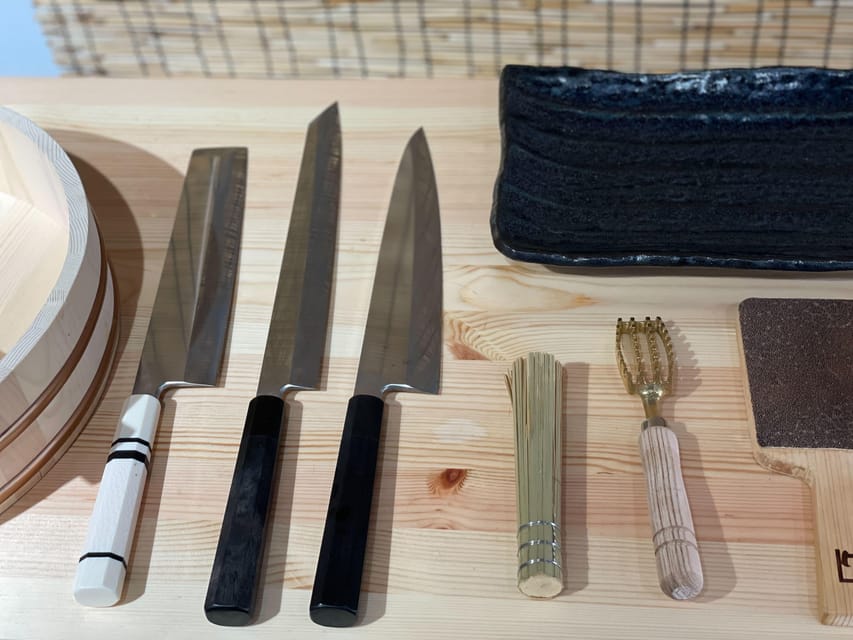
The best part of this Tsukiji experience is that you do not simply watch a chef work. You handle the rice, fish, knives, and bamboo tools yourself, then sit down to eat four nigiri and one maki that you made. I like the direct setting in Tsukiji, where you can explore the outer market before or after class, and I like the chance to see a sushi master prepare fish and demonstrate techniques that are hard to pick up from a restaurant meal.
I also like the small-group feel reported by several participants, with instructors such as Satoko, Yuko, AJ, and Ike helping people one step at a time. The main drawback is practical: the classroom is on the third floor of a traditional building with stairs only, and the exact duration can range from 90 minutes to four hours depending on the option you book.
Key points to know before booking
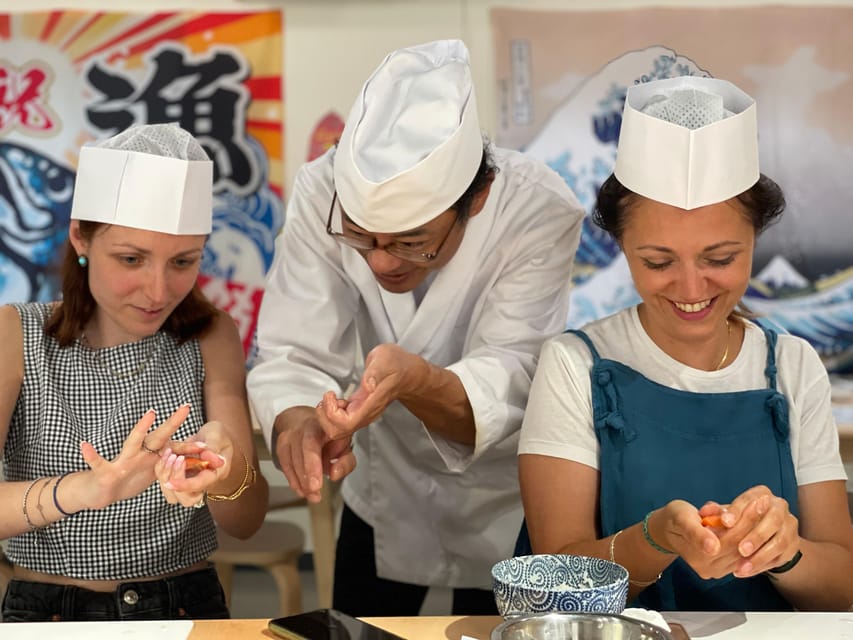
- Fish preparation comes first: You watch a professional chef break down fish and explain Japanese knives before making sushi.
- You make five pieces in two styles: The class includes four different nigiri sushi and one maki roll.
- Tsukiji is part of the setting: The classroom is in the outer fish market, so you can pair the lesson with market browsing.
- English support is built in: An English-speaking host interprets the chef’s instructions and helps you follow each step.
- The meal is part of the lesson: You eat your own sushi, plus additional sushi prepared by the master, with tea and dashi soup.
- Check the option carefully: Some versions last about 90 minutes, while others may run much longer and may include more market-related time.
A sushi lesson in the heart of Tsukiji
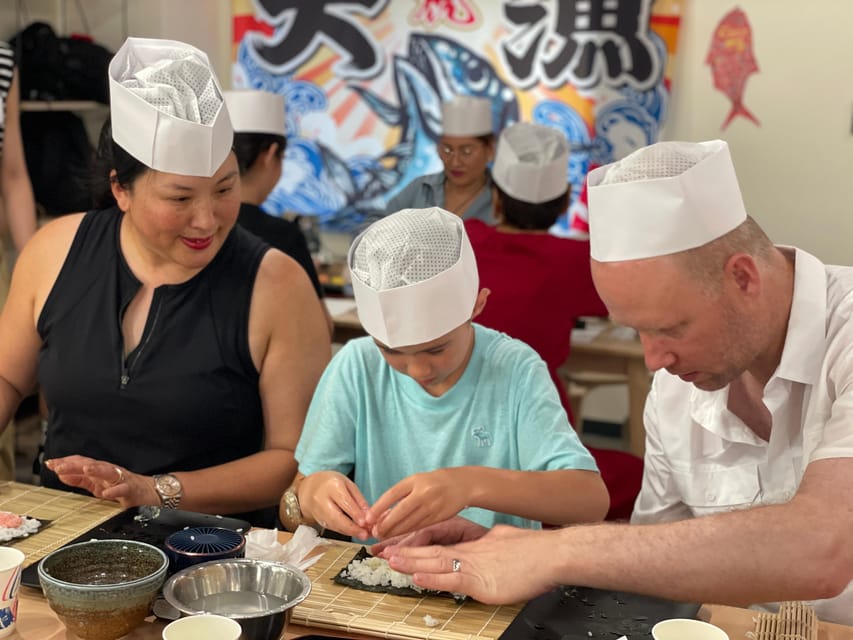
Tsukiji is no longer Tokyo’s main wholesale fish market, but its outer market remains a major place for seafood shops, small restaurants, kitchen stores, and food stalls. This class takes place right in that area, inside a traditional Japanese building rather than a modern cooking studio.
That location matters. You are not learning sushi in a generic room on the edge of Tokyo. You are surrounded by shops and businesses connected to the food trade, and the market gives the experience a useful sense of place. You can arrive early to look around, or stay afterward to browse for knives, snacks, tamagoyaki, seafood, and other market foods.
The meeting point can change with the option you choose, so read the booking details closely. The classroom itself is on the third floor, and you will need to use stairs. That makes the class unsuitable for wheelchair users and people with mobility impairments.
More Fish Market Tours in Japan
- Tokyo Tsukiji Fish Market Food and Culture Walking Tour
★ 5.0 · 3,184 reviews - Tokyo: Tsukiji Fish Market Food and Walking tour
★ 5.0 · 1,724 reviews - Tokyo: Tsukiji Fish Market Guided Walking Tour
★ 4.9 · 1,397 reviews
What happens before you touch the rice
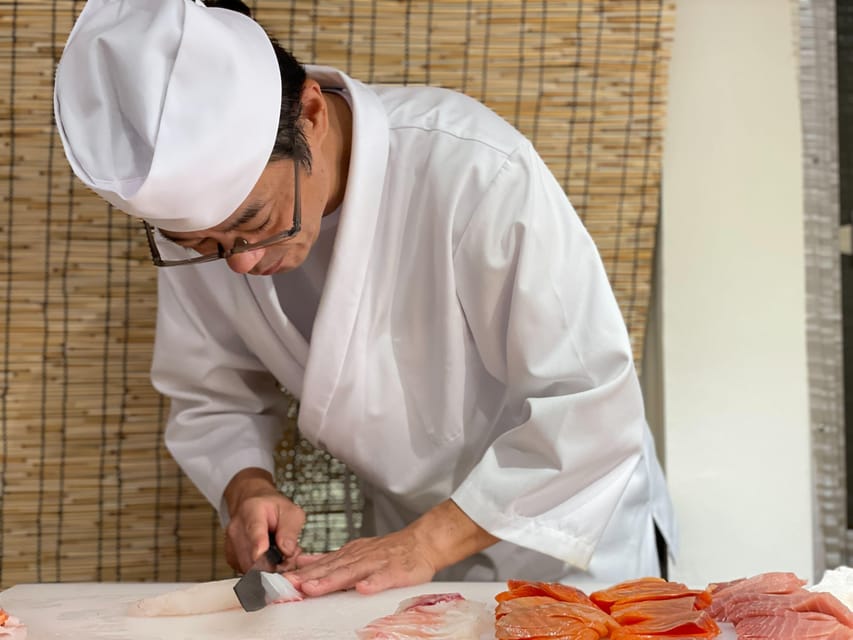
The class begins with a demonstration by the sushi chef. You watch the fish being prepared and learn how the chef approaches the cuts used for sushi and sashimi. This is one of the more useful parts of the session because it gives you a better idea of the skill behind the neat pieces you see at a sushi counter.
The chef also explains Japanese knives. You will not become a professional fish cutter in one class, but you will see why knife shape, sharpness, angle, and control matter. Several participants especially enjoyed learning how fish is prepared for sashimi, even though the main hands-on work focuses on nigiri and maki.
Your English-speaking host fills an important role. The host explains the chef’s instructions, answers questions, and keeps the pace comfortable for beginners. Names and staff can vary, but instructors including Satoko, Yuko, AJ, Ike, and Shoko have led or supported recent sessions. Chef Tanaka, Chef Kate, Chef Koro, and other sushi masters have also taught different classes.
That rotating team means your exact personality match may vary, but the format stays clear: a professional chef handles the technical demonstration while the host makes sure you understand what to do.
Making nigiri without making a mess
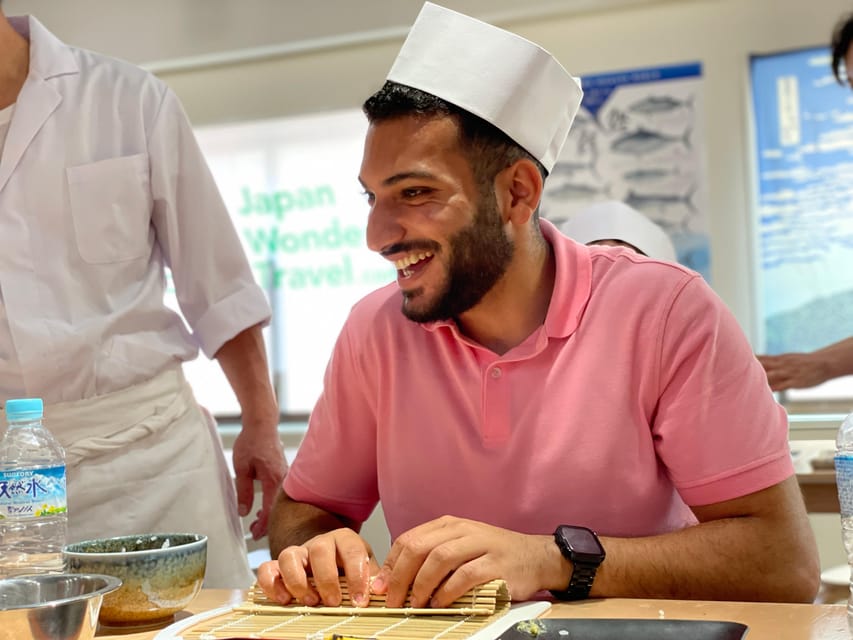
Nigiri looks simple. A small oval of seasoned rice, a slice of fish, perhaps a dab of wasabi. In practice, getting the rice to hold together without becoming a heavy lump takes some care.
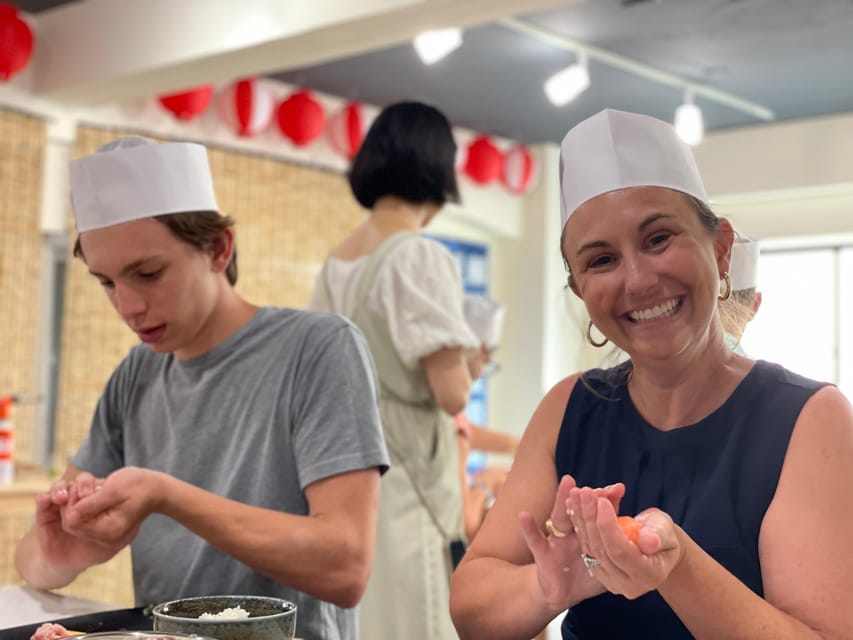
The chef shows you how to shape the rice, position the fish, and use the right amount of pressure. You then work through four different nigiri pieces. The host and assistants can correct your hand position and help you keep the pieces neat.
This is not a high-pressure cooking exam. You are there to learn and eat, and the instructors appear to keep the mood friendly. At the same time, the class gives you enough hands-on work to understand that sushi depends on control and repetition, not just expensive fish.
You also get to see the chef’s speed. After you make your pieces, the master prepares sushi for you. Watching the same motions performed quickly and cleanly makes the difference between a beginner’s attempt and professional sushi easy to see.
Fresh wasabi is part of that demonstration. The chef prepares it to serve with the sushi, allowing you to compare the sharp, fragrant flavor with the familiar prepared paste found in many restaurants. The supplied details do not promise a specific fish selection, since ingredients can change with availability, but the class uses fresh ingredients sourced from Tsukiji.
Rolling maki and learning the basic styles
The second main task is maki sushi, the rolled style wrapped in seaweed. You learn how to place the ingredients, use the rolling mat, and cut the finished roll into pieces.
Maki is often the easiest style to repeat at home, since the equipment and method are more familiar to many beginners. The class supplies proper utensils and tableware, so you can practice with the same kind of tools used for the lesson rather than improvising with kitchen equipment.
The included meal is four different nigiri sushi and one maki sushi. That is enough food to make the lesson feel like lunch or a substantial snack, but this is not an all-you-can-eat market tour. Extra food and drinks are not included, so you can plan to eat elsewhere if you want a larger meal afterward.
Several participants left feeling able to repeat the basics at home. That is a fair expectation. You will learn the sequence and hand movements, but perfect rice texture, knife work, and shaping will take practice.
More Fish Market Tours in Tokyo
- Tokyo Sushi Making Class in Tsukiji with Professional Chef
★ 5.0 · 1,177 reviews - Tsukiji Fish Market Guided Tour and Sushi Making with Pro Chef
★ 5.0 · 775 reviews - Tokyo: Tsukiji Fish Market Food and Culture Walking Tour
★ 4.7 · 757 reviews - Tsukiji Fish Market: Street Food & Culture Walking Tour
★ 5.0 · 669 reviews
The meal at the end is part of the teaching
Once your sushi is ready, you eat it in the classroom. This simple step makes the lesson more satisfying because you can immediately taste the result of your work.
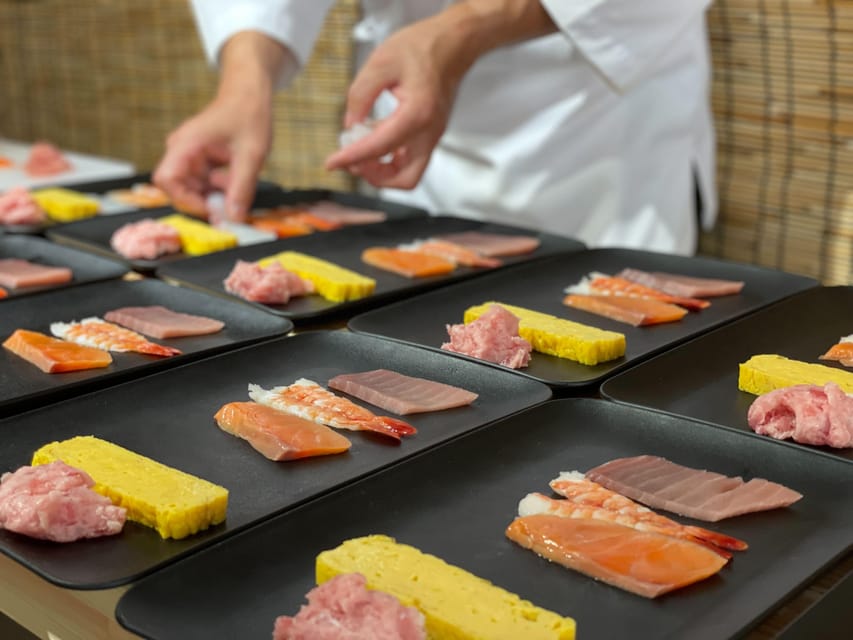
The chef also prepares additional sushi for the group. This gives you a direct comparison between your pieces and the master’s. Pay attention to the size, rice shape, fish placement, and clean edges. Those small details are where the chef’s years of practice show.
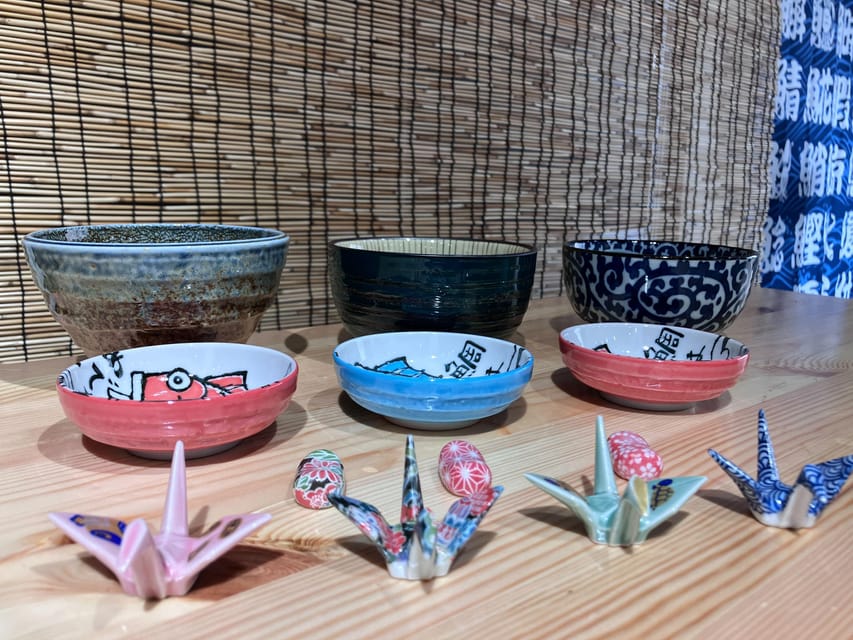
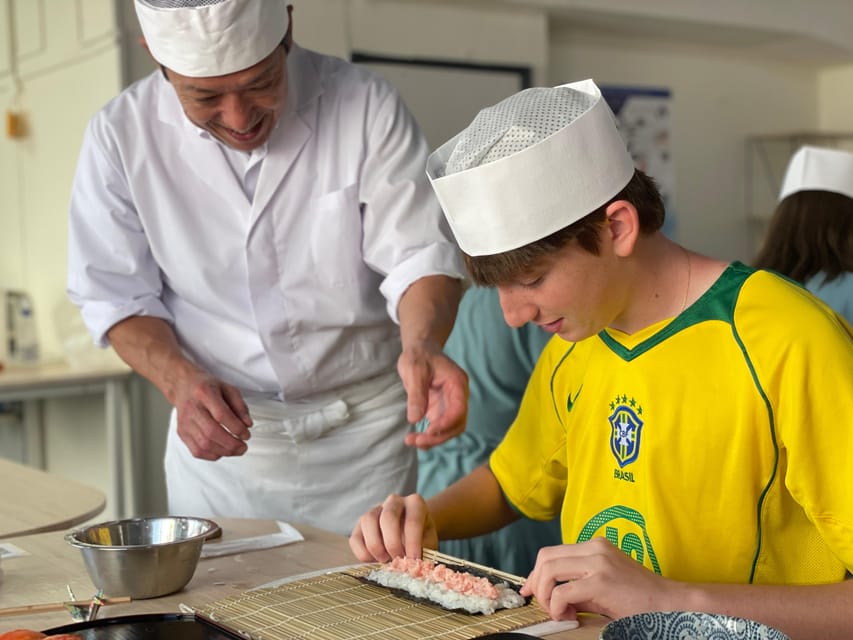
Tea and traditional dashi soup are included. They provide a proper pairing rather than leaving you with sushi alone. You also receive a hat for the workshop, which adds a small visual touch and helps make the session feel like a real kitchen activity.
The classroom is described as a classic Japanese-style space in a local building. Do not expect a polished restaurant dining room or a large cooking school with rows of modern stations. The appeal is the intimate, practical setting.
How much market time should you expect?
This point needs careful reading. The class is located in Tsukiji’s outer market, but market guidance is not included in the basic package. You should not assume that booking the sushi lesson automatically means you receive a full guided market tour.
Some available options and recent sessions have included guides who walked participants through Tsukiji or nearby shrines. Guides such as Tadashi, Tack, Sean, Shoko, and AJ have been praised for explaining seafood, local foods, and religious sites. Other descriptions focus only on the workshop itself.
Because the meeting point and duration may vary, check exactly what your selected option includes. If you want a guided market walk, choose the version that states this clearly. If you book only the class, allow time before or after to explore independently.
Tsukiji is a good place to do this because the class puts you near many food shops. Market browsing is best treated as an add-on to the lesson unless your booking specifically includes a guide.
Is $63 a fair price?
At $63 per person, this is not the cheapest way to eat sushi in Tokyo. You could buy a filling meal for less, especially if you choose a simple conveyor-belt restaurant or a market counter.
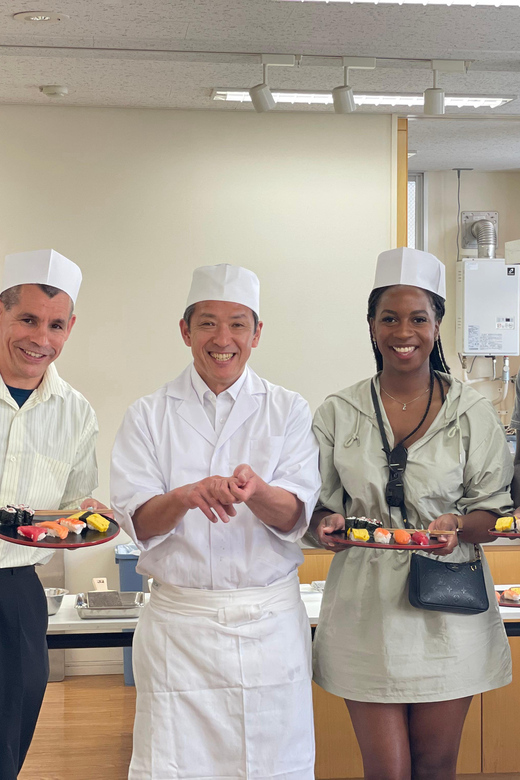
The value here comes from the instruction and access to a professional chef. You receive fresh ingredients, proper utensils, four nigiri, one maki, extra sushi from the chef, tea, soup, an English-speaking host, and a guided lesson. You also save the time and uncertainty of trying to learn sushi technique from a recipe alone.
For someone who already knows how to make sushi, the class may feel basic. For a first lesson, a family activity, or a food-focused introduction to Japanese culture, the price is easier to justify.
The small-group format also matters. A class of around six people has been reported, though group size can vary. A smaller group gives you more chances to ask questions and receive help with the rice and rolling. If the room is full, the host still provides guidance, but individual attention may be less frequent.
Who will enjoy this most?
This is a strong choice for first-time sushi makers, curious food lovers, couples, families, and small groups. Children can take part if they can pay attention and manage the hands-on work. The supplied age restriction excludes children under four, while one family described a 10-year-old enjoying the class and another included children aged nine and 13.
The class can also work for people who are unsure about raw fish. One participant who normally does not eat raw fish still enjoyed the fresh ingredients and the process. You should still tell the operator about allergies when booking, since fish and other common sushi ingredients are central to the lesson.
This is not suitable for vegans or vegetarians. Vegetarian, halal, kosher, and gluten-free requests are not generally accommodated, although allergy-related requests may sometimes be possible. If you have strict dietary needs, contact the operator before paying rather than hoping for a last-minute substitution.
People with limited mobility should skip this activity because of the stairs. The classroom is on the third floor, with no elevator mentioned.
Timing, pace, and what to bring
The advertised duration ranges from 90 minutes to four hours. That is a large spread, so check the starting time and exact option before building your day around it.
A basic sushi lesson can fit neatly into a morning or afternoon. An option that includes extra market time may take much longer. The activity can also run beyond its scheduled end, so avoid booking a tight appointment immediately afterward. If you have a train, restaurant reservation, or other fixed plan, allow a generous buffer.
You do not need to bring sushi tools. Proper utensils and tableware are supplied, along with the ingredients and a workshop hat. Wear clothes that are comfortable for a hands-on food class, and keep in mind that you will be climbing stairs.
The class is in English, with the host helping interpret the chef’s explanations. That makes it suitable for visitors who want more than a silent demonstration but do not speak Japanese.
How this compares with simply eating at Tsukiji
A sushi meal shows you the finished product. This class shows you the decisions behind it.
You learn why fish must be cut in a certain way, how rice is shaped, how maki is rolled, and how a chef handles wasabi and presentation. You also get to taste the chef’s work beside your own. That combination gives you a better sense of what you are paying for at a skilled sushi counter.
The tradeoff is time. A meal may take 20 or 30 minutes. This class can take 90 minutes or much longer. You are also eating a set selection rather than choosing freely from a menu.
I would choose the class if you want an activity you can talk about afterward and perhaps repeat at home. I would choose a restaurant instead if your main goal is to sample many kinds of premium fish or enjoy a quiet meal with no instruction.
Should you book the Tsukiji sushi class?
Book it if you want a practical introduction to sushi, especially if you are already planning to visit Tsukiji. The location, English support, professional demonstrations, and included meal make it more useful than a short rolling-only workshop.
It is a particularly good pick for families with attentive children, couples, small groups, and people who want to understand sushi culture through preparation rather than just eating. The strongest parts are the fish breakdown demonstration, the chance to work beside a sushi master, and the comparison between your pieces and the chef’s.
Skip it if you need vegetarian or vegan food, cannot manage three flights of stairs, or have a fixed appointment soon afterward. Also check the selected option carefully if a guided market walk matters to you. For most first-time visitors who can handle the stairs and eat seafood, $63 is a sensible price for a hands-on Tsukiji activity and a meal you helped create.
FAQ
How long does the sushi-making class last?
The available options range from 90 minutes to four hours. Check the specific option for its starting time and expected length, especially if you have plans afterward.
What sushi will I make?
You will make four different nigiri sushi and one maki sushi. The sushi master also prepares additional sushi for you to eat.
Is the class taught in English?
Yes. An English-speaking host guides and interprets throughout the activity, while the professional sushi chef demonstrates the techniques.
Is a market tour included?
Market guidance is not included in the basic activity information. Some options and sessions may include a guided walk, so check the details of the option you select. The classroom is located in Tsukiji’s outer market, allowing you to explore independently before or after.
Are tea and soup included?
Yes. Traditional dashi soup and green tea are included, along with the sushi you make and additional sushi prepared by the chef.
Can people with dietary restrictions join?
The activity does not accommodate vegan, vegetarian, halal, kosher, or gluten-free requests in general. You should report allergies when making a reservation, although an accommodation may not always be possible.
Just added around Tokyo
- Tokyo: Tsukiji Market Guided Tour & Sushi-Making Experience★ 4.4 · 11 reviews
- Tokyo: Private Tsukiji Street Food & Sake with Local Guide★ 5.0 · 3 reviews
- Tokyo: Tsukiji Market and Hama-rikyu Gardens Guided Tour★ 4.8 · 73 reviews
- Tokyo: Tsukiji Fish Market Culture Tour with Sashimi Tasting★ 4.6 · 54 reviews
- Tokyo : Tsukiji Fish Market Food Walking & Shrine Visit Tour★ 5.0 · 3 reviews
- Tokyo: Tsukiji Fish Market Foodie and Educational Tour★ 5.0 · 4 reviews
- Tokyo’s Kitchen: Tsukiji Market Food & Culture Walk★ 4.7 · 74 reviews
- Tokyo: Guided Walking Tour of Tsukiji Market with Lunch★ 4.4 · 24 reviews
Fish Market Tours, compared.

Tokyo Tsukiji Fish Market Food and Culture Walking Tour
Read our review →

Tokyo Sushi Making Class in Tsukiji with Professional Chef
Read our review →
Tsukiji Fish Market Guided Tour and Sushi Making with Pro Chef
Read our review →Tsukiji Fish Market Food and Culture Walking Tour
Read our review →
Tsukiji Fish Market: Street Food & Culture Walking Tour
Read our review →
Tsukiji Fish Market Small-Group Food Walking Tour
Read our review →Browse the lists this tour appears in