
Review · FISH MARKET TOURS
Tokyo: Toyosu Tuna Auction &Tsukiji Market Gourmet Adventure
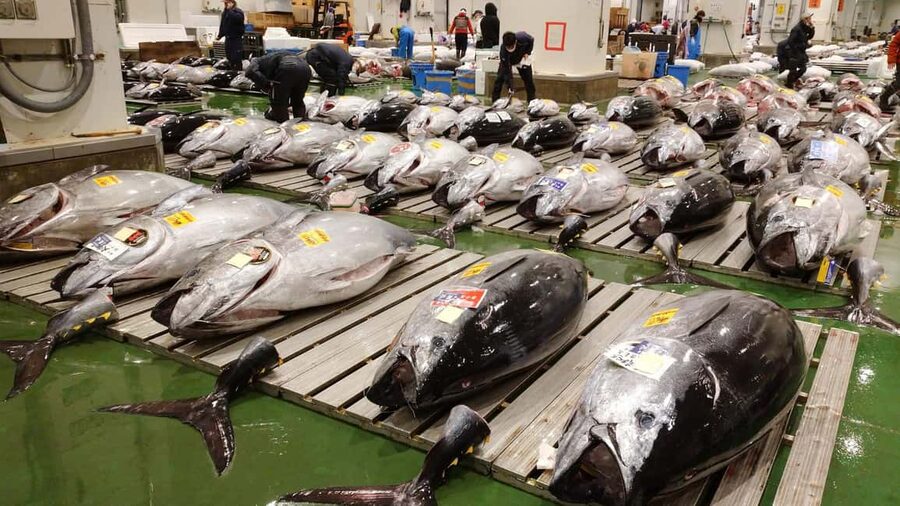
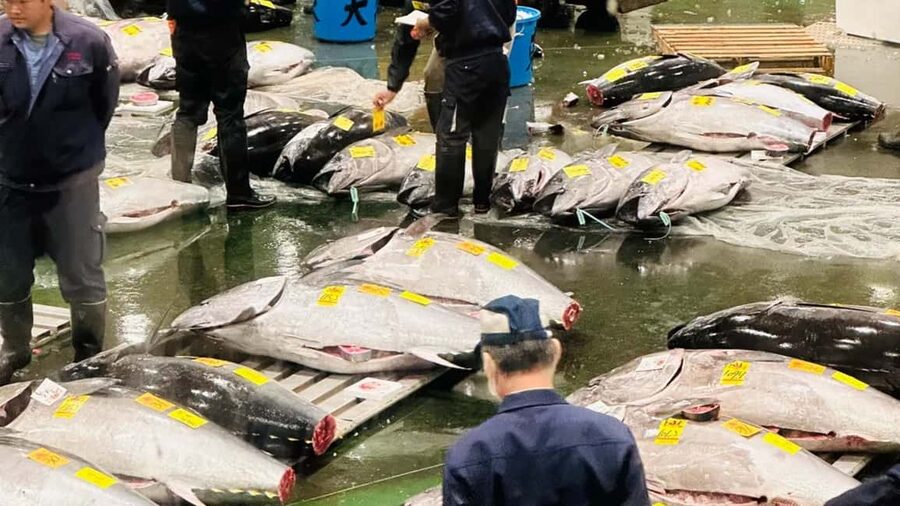
The morning begins before sunrise, with bluefin tuna laid out for inspection and buyers signaling across the auction floor. From Toyosu’s second-floor public viewing deck, your guide helps you read the gestures, prices, and grading process through a personal audio guide. It is less about simply seeing fish and more about understanding how Tokyo’s seafood trade works.
I like the clear auction commentary and the smart pairing of Toyosu with Tsukiji. Guides such as Tim, Lin, Eon, and Ethan are praised for making the early start easy, answering questions, and pointing out good places to eat. The main drawback is the viewing distance: unless you win the optional first-floor lottery, you watch through glass from above, so the auction may feel less dramatic than expected.
Key things to know before booking
- The auction starts early: Meet at Lawson Toyosu Market Senkyaku Banrai at 5:00 AM. Public transport may not be running, so plan on a taxi or Uber.
- Your audio guide matters: Each person receives a personal device, making the auction details easier to follow from the public viewing deck.
- Toyosu and Tsukiji feel very different: Toyosu is organized and modern; Tsukiji is a tighter maze of small food shops, seafood sellers, and kitchenware stalls.
- The first-floor view is not guaranteed: The lottery requires registration by the 5th of the preceding month, and December has no lottery.
- Breakfast is part of the appeal: Menus depend on the day’s supply and restaurant hours, with sushi, tuna, seafood ramen, and other market dishes possible.
- This suits seafood eaters who can walk: Vegetarian, halal, gluten-free, allergy-sensitive, wheelchair, and mobility needs cannot be accommodated.
Why the tuna auction is worth waking up for
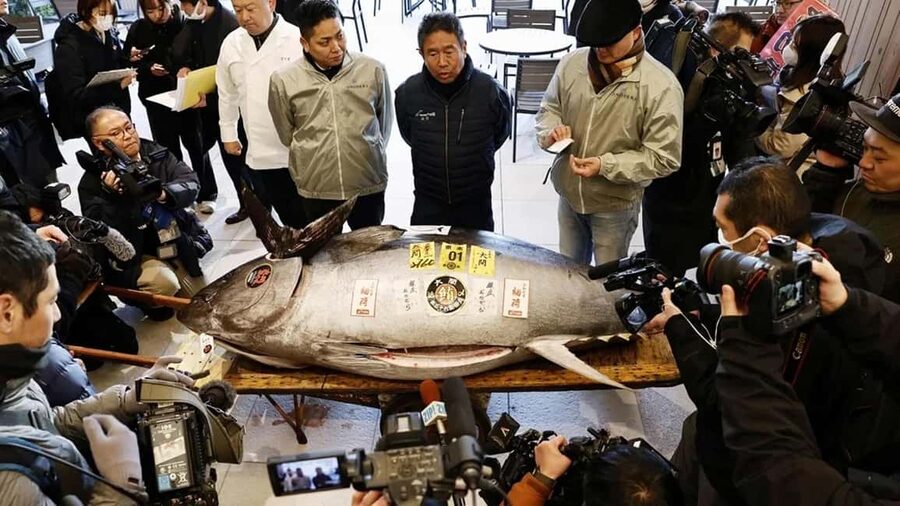
Tokyo’s tuna auction is not a theatrical show arranged for tourists. It is a working wholesale operation, and that is exactly why the timing matters. You arrive while the market is active, before most visitors have started sightseeing.
The auction itself is a lesson in quiet signals and quick decisions. Buyers inspect the fish, assess its quality, and use hand movements to place bids. Without help, you might see a line of huge tuna and a group of men gesturing across the room. With the guide’s explanation, those gestures begin to make sense.
You watch from Toyosu’s second-floor public observation deck. This is the standard arrangement for most participants, and it gives you a broad view of the auction area. The tradeoff is distance. Glass, viewing rules, and the height of the deck mean you are observing rather than standing beside the buyers.
The personal audio guide is one of the strongest practical features. Each participant can hear the professional commentary instead of trying to stay close to one guide in a crowded viewing area. It also helps when the auction floor is noisy or when the guide is explaining several things at once.
Keep your expectations realistic. This is not a close-contact food tour, and you cannot wander onto the trading floor. The first-floor viewing area has limited spaces, so the optional lottery is a bonus, not a promise. If you are selected, bring your passport or another accepted ID.
More Fish Market Tours in Japan
- Tokyo Tsukiji Fish Market Food and Culture Walking Tour
★ 5.0 · 3,184 reviews - Tokyo: Tsukiji Fish Market Food and Walking tour
★ 5.0 · 1,724 reviews - Tokyo: Tsukiji Fish Market Guided Walking Tour
★ 4.9 · 1,397 reviews
Toyosu at 5:00 AM: getting the start right
The meeting point is Lawson Toyosu Market Senkyaku Banrai. Arrive about five minutes early, but not much earlier, since the guide may not yet be there. The official start is 5:00 AM, and late arrivals or no-shows are not eligible for a refund.
This is the part of the tour that requires the most planning. Early-morning subways and buses may not be running, so you should arrange a taxi or Uber in advance. Optional hotel pickup is available for some accommodations in Chiyoda, Chuo, and Taito wards, with an extra fee and advance confirmation. Hotels in Toyosu, Tsukiji, or Ginza make the morning easier.
Ask the guide for transport advice before the tour and provide a WhatsApp number. Guides have used messages to confirm pickup details and meeting instructions, which is useful when you are trying to find a market entrance in the dark.
Wear warm or light layers depending on the season, and choose shoes for extended walking. The market morning can feel cold, and you will spend time moving between viewing areas, shops, restaurants, and transport points.
5:00 to 6:30 AM: reading the auction floor
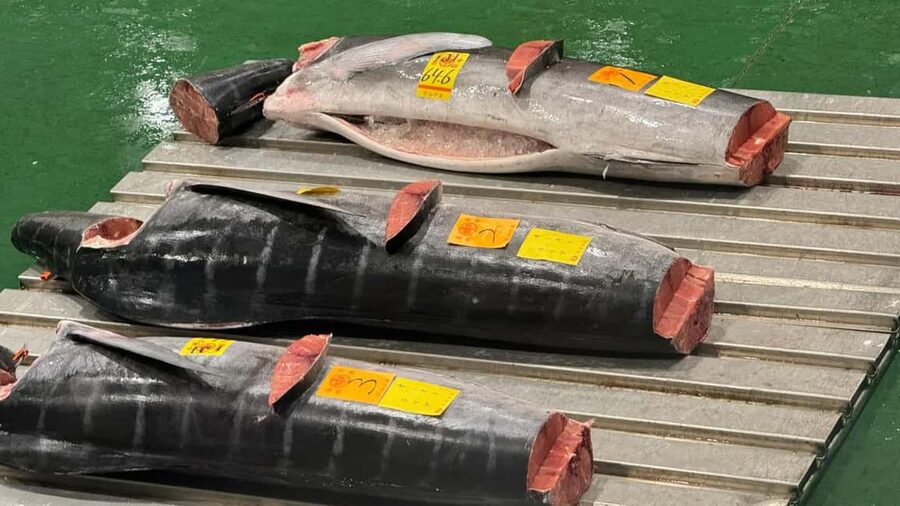
The main auction period lasts about 90 minutes. Your guide explains bluefin grading, seasonal patterns, auction cycles, and the role of different buyers. You also learn what can change during the year and which seafood may be a good alternative when tuna supply or auction activity is different.
The guide may point out where to stand for the best angle from the public deck. Arriving on time helps with this. One advantage of a small group is that you can move into position without the confusion of a large crowd, though the exact group size is not specified.
Photography and loud talking are not allowed during the viewing. That rule may frustrate anyone hoping to record the whole event, but it protects the working market and keeps the observation area orderly.
The auction can seem underwhelming if you expect a fast, noisy spectacle. You may not see every detail clearly, and the sound comes through the market system rather than from the buyers nearby. The guide is what turns the scene into an experience. Ask questions about grading, cuts, seasonality, and the difference between frozen and fresh tuna.
Several guides have been praised for their presentation style. Tim is often singled out for being organized, friendly, and good at explaining both the auction and Japanese customs. Lin has been valued for clear communication and keeping groups on track. Eon and Ethan have also led tours with strong explanations of the market system. Your guide is assigned by the operator, so a particular name cannot be guaranteed.
6:30 AM breakfast: tasting the market supply
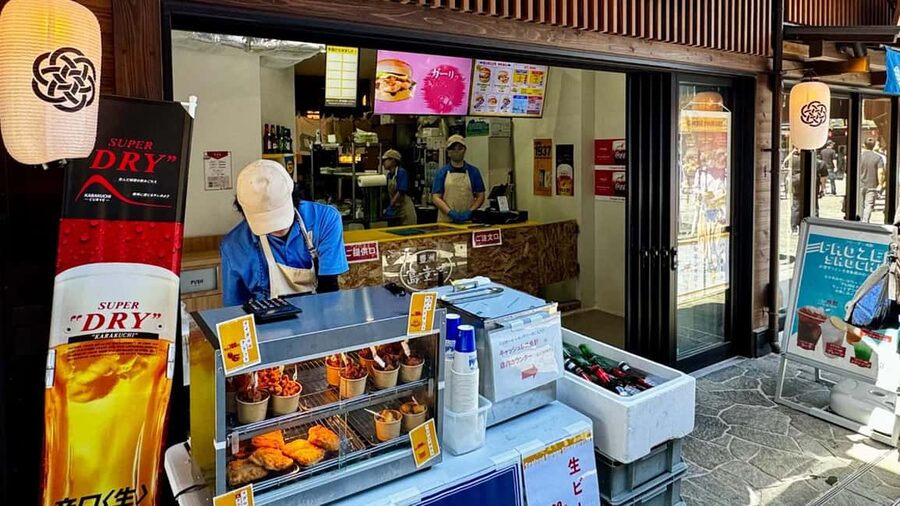
After the auction, you have about 45 minutes for breakfast at Toyosu. The menu changes with the day’s ingredients and restaurant hours, so there is no fixed dish guarantee. Possible choices include sushi, seafood ramen, shrimp, octopus, and different bluefin tuna cuts.
This meal gives the auction some context. You have just watched seafood being graded and sold, then you can taste the results in a market setting. Some tour arrangements include a chance to compare frozen and fresh tuna, which is especially useful if you are curious about why price and texture vary between cuts.
The breakfast is not simply a quick coffee stop. It is a central part of the morning, and the food recommendations are one reason many people find the tour good value. Guides have directed participants toward tuna restaurants and dishes they might otherwise miss.
Allow for variation. A daily market is not a restaurant with a set tourist menu, so the available food can shift. If you have a serious food allergy, or need vegetarian, halal, or gluten-free food, this tour is not suitable. Some tastings also have age restrictions, so ask before booking if that matters to your group.
Infant meals are not included. Cash is recommended, which is sensible for small food purchases and market stalls.
More Fish Market Tours in Tokyo
- Tokyo Sushi Making Class in Tsukiji with Professional Chef
★ 5.0 · 1,177 reviews - Tsukiji Fish Market Guided Tour and Sushi Making with Pro Chef
★ 5.0 · 775 reviews - Tokyo: Tsukiji Fish Market Food and Culture Walking Tour
★ 4.7 · 757 reviews - Tsukiji Fish Market: Street Food & Culture Walking Tour
★ 5.0 · 669 reviews
7:15 AM: seeing how Toyosu works
The next segment lasts about 30 minutes and focuses on Toyosu itself. Your guide explains fresh-food processing, the wholesale system, and the route seafood takes from arrival to sale.
Toyosu opened as Tokyo’s newer wholesale market, and its design feels more controlled and purpose-built than Tsukiji. You see a market built for hygiene, logistics, and large-scale trade. That order is helpful when you want to understand the business behind the food.
The downside is that Toyosu can feel less atmospheric than the old market. You are likely to see a working system rather than a maze of tiny stalls. That is why the second half of the tour matters. The two markets are not interchangeable, and comparing them is one of the best reasons to book this experience.
7:45 to 8:00 AM: the short transfer to Tsukiji
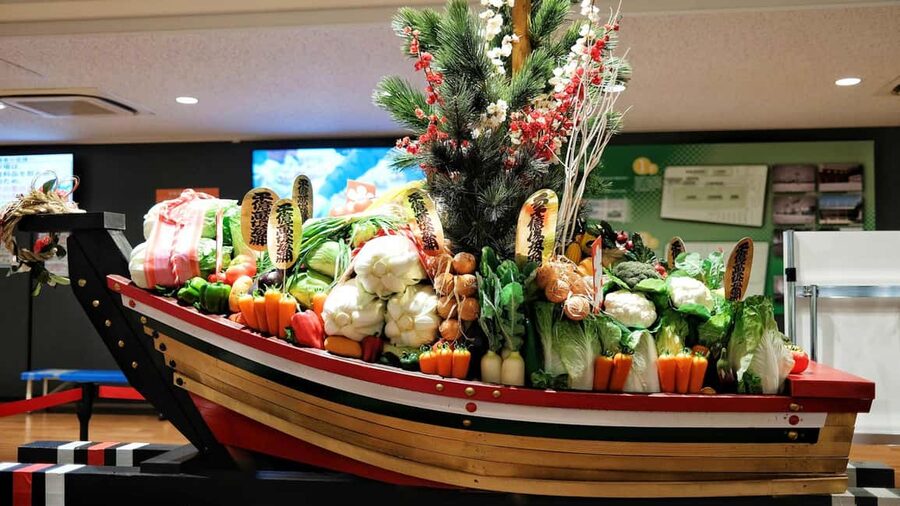
Transport from Toyosu to Tsukiji is arranged and included. The guide coordinates the move, so you do not need to work out the connection yourself after a very early start.
The transfer saves time, but the schedule is tight. You have only 30 minutes at Tsukiji, so this is an introduction rather than a full market morning. If you want to shop at length, eat several small dishes, or browse every kitchenware stall, you will need to return on your own after the tour.
8:00 to 8:30 AM: Tsukiji’s small shops and local character
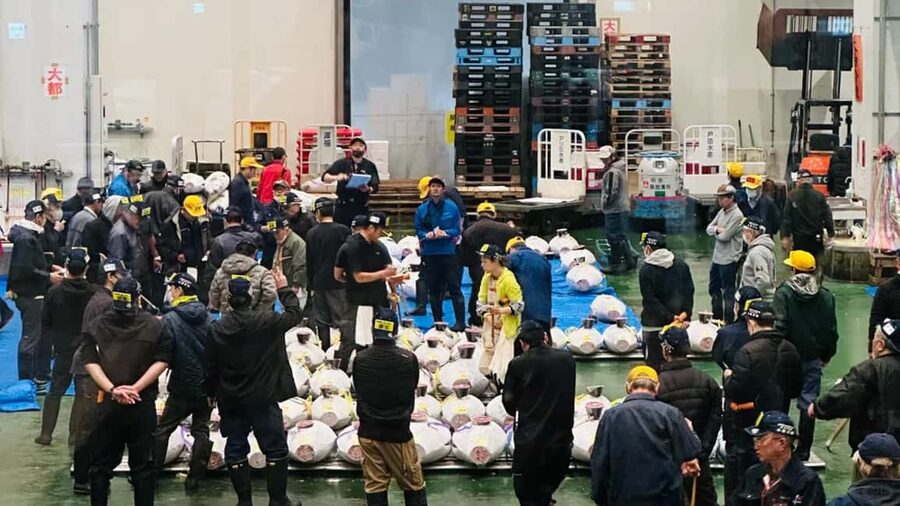
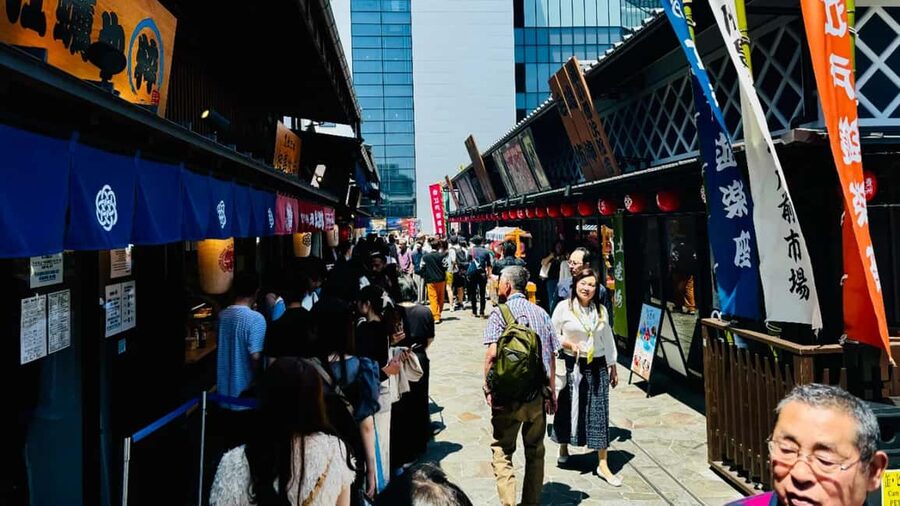
Tsukiji offers a sharp contrast to Toyosu. Here you find compact stalls selling fresh seafood, take-home products, kitchenware, snacks, and souvenirs. The appeal is the close-up browsing: you can look at knives, food items, and market goods while watching locals shop.
Your guide can point out useful places to eat and help you avoid poor-value tourist choices. That advice is particularly helpful at Tsukiji, where the short lanes and many food counters can make it hard to know where to start.
The time limit is the weak spot. Thirty minutes passes quickly, especially if you stop for food or want to browse. One suggested improvement would be spending less time on staged photo stops and more time in the shops, but the precise route is decided on the day.
If you plan to keep exploring Tsukiji after 8:30 AM, this tour works well as an orientation. You will already know which stalls caught your eye, and you can return without the pressure of keeping the group together.
Toyosu versus Tsukiji: what you are really comparing
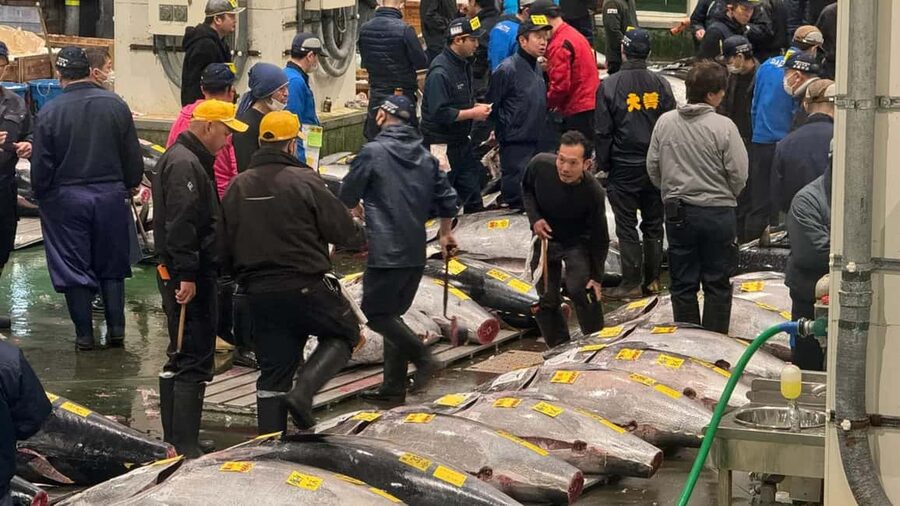
Toyosu is the place to understand scale, timing, auction procedures, and wholesale distribution. It feels clean, organized, and modern. The public viewing area gives you a controlled look at a major seafood trade, but not the freedom to wander through the working floor.
Tsukiji is better for browsing. Its smaller stalls offer more direct contact with food, tools, and market shopping. It has a more traditional feel, but the lanes can be crowded and the experience less structured.
I like the tour because you do not have to choose between the two. A visit to only Toyosu can leave you wanting more atmosphere, while Tsukiji alone may not explain where the seafood trade begins. Together, they show two parts of Tokyo’s market life.
Is the $122 price good value?
At $122 per person, this is not a cheap breakfast outing. You are paying for a professional guide, auction interpretation, a personal audio guide, the Toyosu to Tsukiji transfer, and a tightly planned morning that would be difficult to reproduce independently at 5:00 AM.
The value is strongest if you care about the auction and want help understanding what you are seeing. It is also useful if you are staying outside the market districts and do not want to solve early transport and market navigation alone.
The value is weaker if you mainly want to eat at Tsukiji. You receive only about 30 minutes there, and breakfast options vary. Someone comfortable arranging a taxi, using the public viewing deck, and exploring independently could spend less.
The optional first-floor lottery should not be part of your cost calculation. It has limited spaces and random selection. Register by the 5th of the preceding month if you want to try, but book the tour only if you are satisfied with the second-floor viewing experience.
Who should book this early morning tour?
I would choose this tour if you:
- Want to understand how tuna is graded and sold, not just take a market photo.
- Enjoy seafood and are happy with a breakfast based on the day’s supply.
- Prefer a guide who can explain Japanese market customs and recommend places to eat.
- Are staying near Toyosu, Tsukiji, or Ginza, or are willing to pay for early transport.
- Want to see both Tokyo’s modern wholesale system and Tsukiji’s smaller food stalls.
- Can walk for several hours and manage an early morning without public transport.
I would skip it if you need a relaxed start, have strict dietary restrictions, or expect to stand beside the auction buyers. It is also a poor fit for wheelchair users, people with mobility impairments, people over 70, and anyone with serious food allergies, based on the stated limits of the activity.
The tour is available in English and Chinese. Guides communicate through WhatsApp before the start, which is useful for meeting instructions and pickup coordination.
Practical details that affect your morning
The experience lasts 210 minutes, from 5:00 AM to about 8:30 AM. The advertised sequence is fixed, but market operations, auction times, restaurant hours, and menus can change. The guide decides the day’s exact arrangements.
No auction takes place on Wednesdays, Sundays, or Japanese public holidays. Check the market’s operating schedule before booking your date.
Bring cash and a passport or ID card. The ID becomes especially important if you win a first-floor lottery place. Do not count on using your phone for every purchase.
Free cancellation is available up to 24 hours before departure, and you can reserve now and pay later. Personal travel and accident insurance are not included.
Should you book it?
Book this tour if the tuna auction is a priority and you want the market explained rather than merely viewed. The personal audio guide, practical transport coordination, and experienced guides such as Tim, Lin, Eon, and Ethan add real value to a complicated early morning.
Do not book it for a guaranteed close-up auction encounter or a long Tsukiji food crawl. The public deck is the normal viewing position, the first-floor lottery is uncertain, and the Tsukiji stop is brief.
For seafood fans, first-time Tokyo visitors, and solo visitors who want an organized introduction, $122 is reasonable. Just arrange your taxi, dress for the weather, arrive early, and treat the lottery as a lucky extra rather than the main event.
FAQ
What time does the tour start and end?
The tour starts at 5:00 AM and ends at about 8:30 AM. Its total duration is 210 minutes.
Where is the meeting point?
Meet at Lawson Toyosu Market Senkyaku Banrai. Arrive about five minutes before the 5:00 AM departure.
How can I reach Toyosu that early?
Public transport may not be running at that time, so taxi or Uber is recommended. Optional paid pickup may be available from eligible hotels in Chiyoda, Chuo, and Taito wards.
Where do I watch the tuna auction?
The standard viewing location is Toyosu’s second-floor public observation deck. A limited first-floor viewing area is available only through a random lottery.
How do I enter the first-floor viewing lottery?
Complete your booking by the 5th of the preceding month and provide the full names of all participants. Selection is not guaranteed. There is no lottery in December.
Is breakfast included?
The tour includes a seafood breakfast at Toyosu, but the exact menu depends on daily ingredients and restaurant hours. Infant meals are not included.
Is the tour suitable for special diets or mobility needs?
The tour cannot accommodate vegetarian, halal, or gluten-free diets. It is also not suitable for people with food allergies, wheelchair users, people with mobility impairments, or people over 70.
Just added around Tokyo
- Tokyo: Tsukiji Market Guided Tour & Sushi-Making Experience★ 4.4 · 11 reviews
- Tokyo: Private Tsukiji Street Food & Sake with Local Guide★ 5.0 · 3 reviews
- Tokyo: Tsukiji Market and Hama-rikyu Gardens Guided Tour★ 4.8 · 73 reviews
- Tokyo: Tsukiji Fish Market Culture Tour with Sashimi Tasting★ 4.6 · 54 reviews
- Tokyo : Tsukiji Fish Market Food Walking & Shrine Visit Tour★ 5.0 · 3 reviews
- Tokyo: Tsukiji Fish Market Foodie and Educational Tour★ 5.0 · 4 reviews
- Tokyo’s Kitchen: Tsukiji Market Food & Culture Walk★ 4.7 · 74 reviews
- Tokyo: Guided Walking Tour of Tsukiji Market with Lunch★ 4.4 · 24 reviews
Fish Market Tours, compared.
Tokyo Tsukiji Fish Market Food and Culture Walking Tour
Read our review →
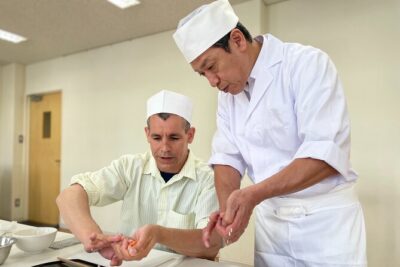
Tokyo Sushi Making Class in Tsukiji with Professional Chef
Read our review →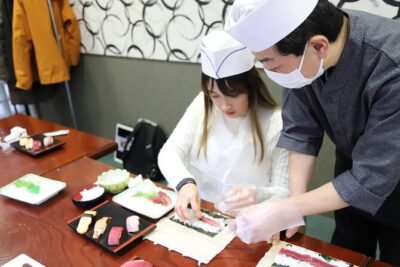
Tsukiji Fish Market Guided Tour and Sushi Making with Pro Chef
Read our review →Tsukiji Fish Market Food and Culture Walking Tour
Read our review →
Tsukiji Fish Market: Street Food & Culture Walking Tour
Read our review →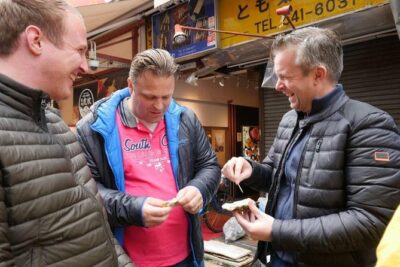
Tsukiji Fish Market Small-Group Food Walking Tour
Read our review →Browse the lists this tour appears in