
Review · FISH MARKET TOURS
Tokyo Morning Tour: Meiji Shrine, Asakusa & Fish Market
Tokyo wakes up in layers on this four-and-a-half-hour tour. You begin with the calm forest paths of Meiji Shrine, move on to sushi and sashimi at Tsukiji Outer Market, then finish among the temples, snacks, and old-town streets of Asakusa. I like the sharp contrast between Shinto calm and Tokyo food culture, and I like that the tour ends in Asakusa, where you can keep exploring on your own. The main consideration is pace: three major areas in 270 minutes leaves little room for wandering slowly.
I also like the human touch. Guides including Yosuke, Lax, Lex, Yo Yo, Remu, and Ken are praised for clear English, cultural explanations, and looking after families and solo guests. Bring extra money for food, since the listed price does not cover your market snacks, and set aside about 550 yen for public transportation.
Key points at a glance
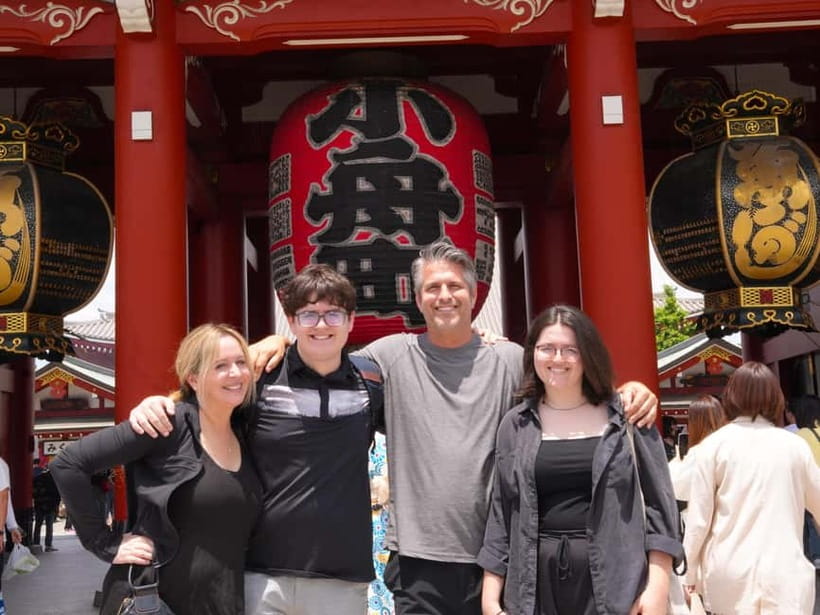
- Begin at IKEA Harajuku: The meeting point is easy to identify, but you should arrive ready to start on time.
- Meiji Shrine offers a quiet opening: Allow about an hour for the shrine grounds, customs, and explanations of Shinto.
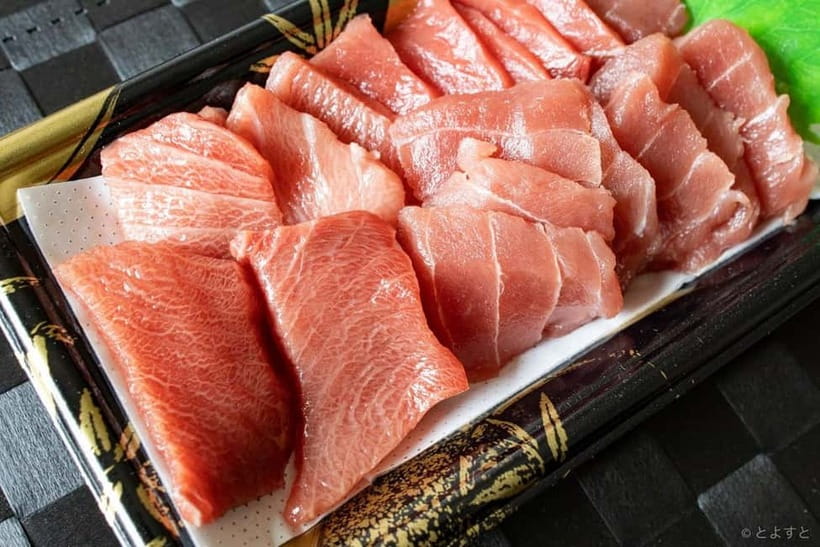
- Tsukiji gets the largest time block: With 110 minutes, you have time to browse stalls and buy sushi, sashimi, and other bites.
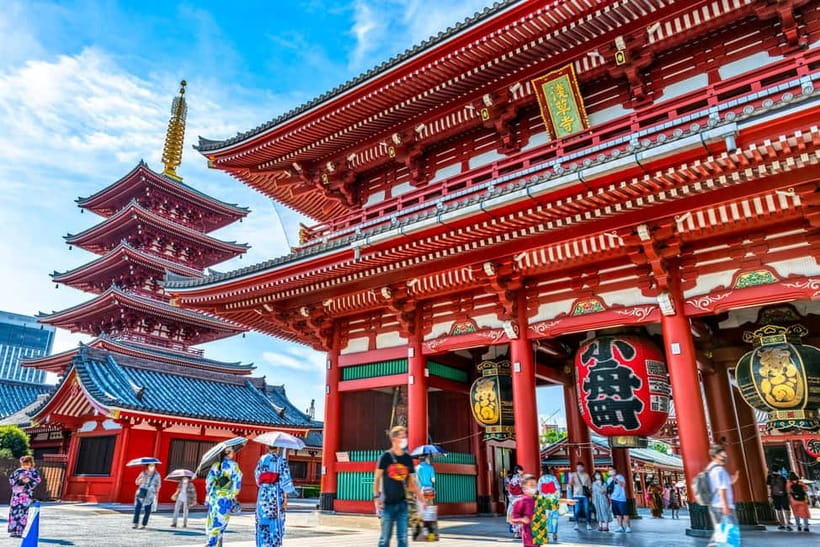
- Asakusa finishes the cultural arc: You walk, shop, eat croquettes and sweets, and visit Senso-ji.
- Guiding is a major part of the value: Yosuke, Lax, Lex, Yo Yo, Remu, and Ken are among the guides praised for strong English and thoughtful care.
- The tour is efficient rather than leisurely: It works well as a first Tokyo morning, but independent exploration is better if you want long meals or unhurried shopping.
Why this morning works so well
Tokyo can feel like several cities stitched together. One block gives you a quiet shrine, another gives you a row of seafood counters, and a short ride later you are in an old temple district. This tour takes advantage of that contrast without asking you to plan the connections yourself.
The route also has a sensible rhythm. Meiji Shrine gives you a calm start, Tsukiji supplies the food and movement, and Asakusa adds temples, sweets, and traditional streets. You are not simply ticking off monuments. You get a short lesson in how different parts of Japanese culture appear in daily life.
The tour lasts 270 minutes, or four hours and 30 minutes. That is long enough to make the morning worthwhile, but short enough to leave your afternoon open. You finish at Asakusa rather than returning to Harajuku, which is useful if you want to continue around Senso-ji, shop for souvenirs, or make your own way to another part of Tokyo.
More Fish Market Tours in Japan
- Tokyo Tsukiji Fish Market Food and Culture Walking Tour
★ 5.0 · 3,184 reviews - Tokyo: Tsukiji Fish Market Food and Walking tour
★ 5.0 · 1,724 reviews - Tokyo: Tsukiji Fish Market Guided Walking Tour
★ 4.9 · 1,397 reviews
Meeting at IKEA Harajuku
The day begins in front of IKEA HARAJUKU. This is the fixed starting point, so check the exact meeting instructions before you leave your hotel and allow enough time to reach Harajuku.
The location puts you close to one of Tokyo’s best-known areas, but the tour itself quickly shifts away from shopping streets and toward Meiji Shrine. You should arrive with comfortable shoes, a light bag, and enough room in your budget for food and transport.
Public transportation costs about 550 yen and is not included. That is a modest extra, but it is worth knowing in advance because the tour connects Harajuku, Tsukiji, and Asakusa rather than staying in one walkable neighborhood.
Meiji Shrine: a quiet lesson in Shinto
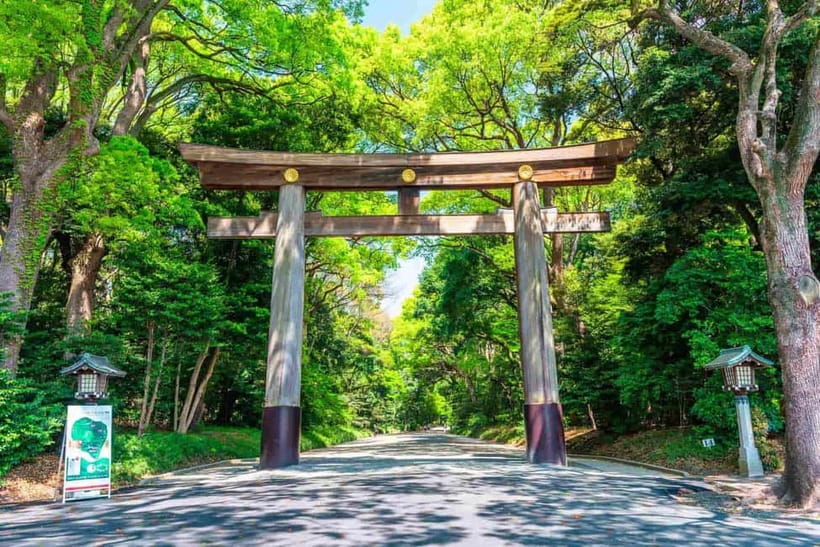
Meiji Shrine is the first major stop, with about one hour set aside for a visit. Its appeal is not a single spectacular building. The experience comes from the approach, the wooded setting, the broad paths, and the shift in mood from city noise to a more measured pace.
This is where a good guide matters. You can look at a torii gate or a shrine offering without knowing what it means. An English-speaking guide can explain the basic customs, the role of Shinto, and how to behave respectfully. Several guides associated with this experience, including Yosuke, Lex, Remu, and Yo Yo, have been praised for explaining religion and Japanese culture in a clear, friendly way.
The tour gives you context rather than asking you to memorize facts. You might learn how Shinto differs from Buddhism, why shrine rituals matter, and how Japanese religious traditions can exist side by side. That background becomes useful later in Asakusa, where Senso-ji brings Buddhist traditions into the same morning.
Some departures have also featured a fire ceremony connected with the spiritual side of the visit. Because ceremonies can depend on timing and local schedules, you should treat this as a possible extra, not a guaranteed part of every departure. If it happens, the flames and drums add a memorable sensory moment to an otherwise peaceful stop.
The drawback is that one hour goes quickly. You will see the main setting and hear the key explanations, but you will not have unlimited time for quiet reflection or detailed photography. If Meiji Shrine is your main reason for visiting Tokyo, return later on your own.
Tsukiji Outer Market: Tokyo on a plate
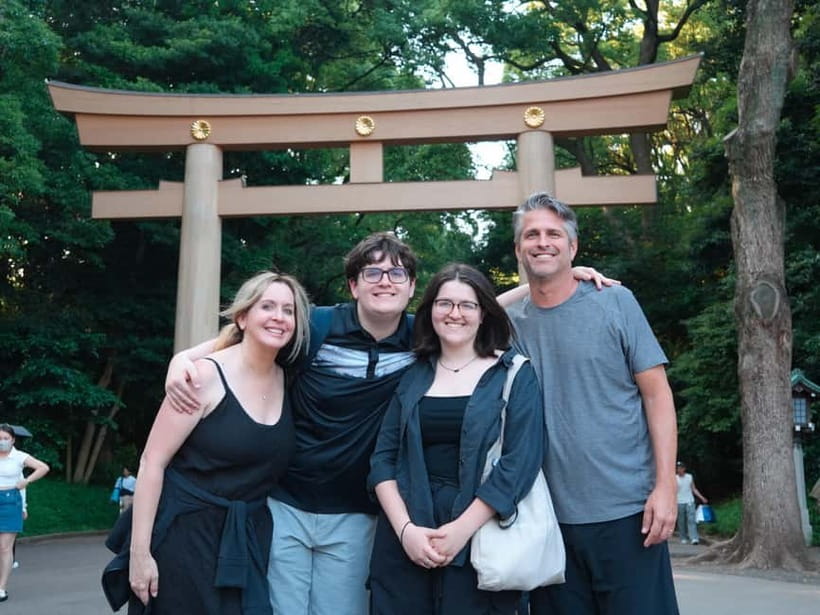
Tsukiji Outer Market receives about 110 minutes, the longest stop of the morning. That is the right choice for a food-centered tour. You need time to look, decide what appeals to you, stand in line when needed, and eat without turning the visit into a rushed photo stop.
This is an outer market experience rather than a guided visit to a wholesale auction. The focus is on stalls, small food shops, seafood, and ready-to-eat items. The tour highlights fresh sushi and sashimi, so you can expect the market to be a place for tasting rather than only sightseeing.
You should budget separately for anything you eat. Sushi, sashimi, croquettes, sweets, and other purchases are not included in the stated tour price. That is actually useful for many people because you choose what you want and how much you want to spend, but you should not arrive assuming the $83 fee covers lunch or a full tasting menu.
This is one of the places where a guide can save you time. A guide can point out what is worth trying, explain unfamiliar seafood, and help you understand why the market matters. Martin specifically praised Yosuke’s explanations of Tsukiji, while other guests singled out guides for taking them to less obvious stops. You should still expect some freedom to choose your own bites rather than a fixed restaurant meal.
The food stop also gives you a practical view of Tokyo. Instead of reading a general description of Japanese cuisine, you see how seafood is displayed, sold, prepared, and eaten. Freshness is part of the appeal, but so is the market’s social energy and compact layout.
There are two practical cautions. First, food stalls may have different opening patterns, and the tour description does not promise a particular vendor. Second, eating several small items can cost more than expected. Decide early whether you want one substantial serving or several small tastes.
More Fish Market Tours in Tokyo
- Tokyo Sushi Making Class in Tsukiji with Professional Chef
★ 5.0 · 1,177 reviews - Tsukiji Fish Market Guided Tour and Sushi Making with Pro Chef
★ 5.0 · 775 reviews - Tokyo: Tsukiji Fish Market Food and Culture Walking Tour
★ 4.7 · 757 reviews - Tsukiji Fish Market: Street Food & Culture Walking Tour
★ 5.0 · 669 reviews
Asakusa and Senso-ji: temples, sweets, and old Tokyo
The final stop is Asakusa, where you spend about an hour walking, shopping, sightseeing, and visiting Senso-ji. This gives the tour a different feel from Meiji Shrine. Meiji offers a forested Shinto setting, while Senso-ji brings Buddhist tradition, temple architecture, and a more commercial street life.
The tour highlights croquettes and traditional Japanese sweets. These small foods are a good fit for a walking stop because you can try something without committing to a long meal. They also make the visit more personal. A temple district is easier to remember when you connect it with a snack, a shop, or a smell from the street.
Your guide can explain the difference between the two religious settings and show how Buddhism and Shinto are not simply interchangeable labels. Margaret’s account of the fire ceremony and the relationship between the two religions points to the kind of cultural explanation this tour aims to provide. The value is not just seeing Senso-ji, but understanding why the site feels different from Meiji Shrine.
An hour is enough to see the main sights and get a taste of the area. It is not enough for a long shopping session, a careful temple visit, and a full meal. Since the tour ends here, you have the option of staying on after the guide leaves. That makes the short scheduled visit less limiting than it might first appear.
Asakusa is also a practical ending point. You do not have to travel back across Tokyo with the group. If you want more temple time, additional sweets, or a slower walk through the district, you can continue at your own speed.
The guides are part of the experience
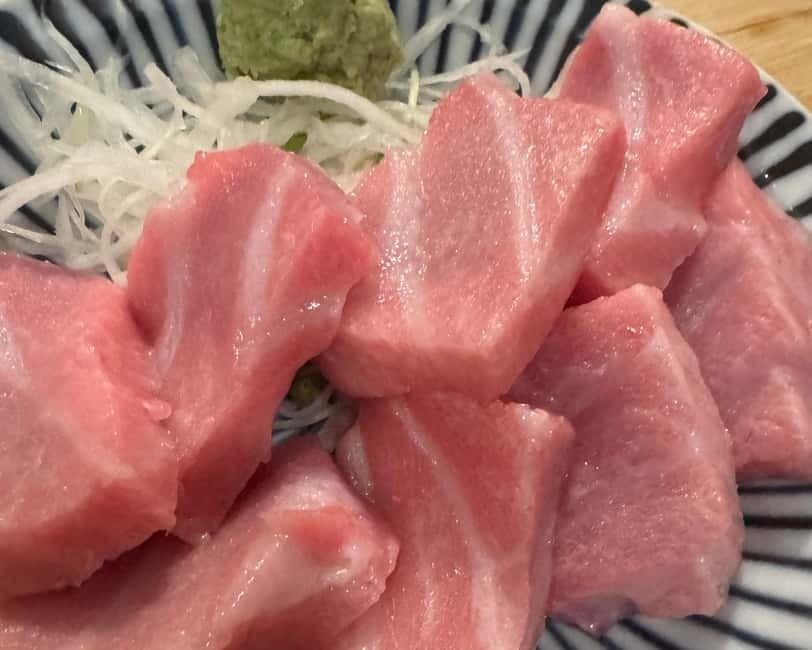
The strongest praise centers on the guides. Lax is described as thoughtful, engaging, patient, and well prepared. Yosuke is praised for his English, positive energy, and understanding of Japanese history, culture, and religion. Yo Yo receives repeated praise for warmth, care, and the way she looked after families.
Lex is noted for making Meiji Shrine both informative and enjoyable. Remu is praised for explaining Shinto and Buddhism and for bringing attention to the fire ritual. Ken is also singled out for making the cultural side accessible.
That variety matters because this is not a tour where the guide simply points at buildings. Much of the experience depends on explanations, questions, and small choices at the market. You can expect an English-speaking guide, but the exact guide may vary.
The personal care also appears useful for families. One account describes a guide checking that a parent and child were comfortable throughout the morning. If you are traveling with children, older relatives, or anyone who dislikes navigating Tokyo’s transit alone, that support adds real value.
At the same time, a strong guide cannot change the basic schedule. You will still be moving between three districts in one morning. If your ideal day means sitting for an hour at one market stall or studying every temple detail, book a slower independent visit instead.
Is $83 a fair price?
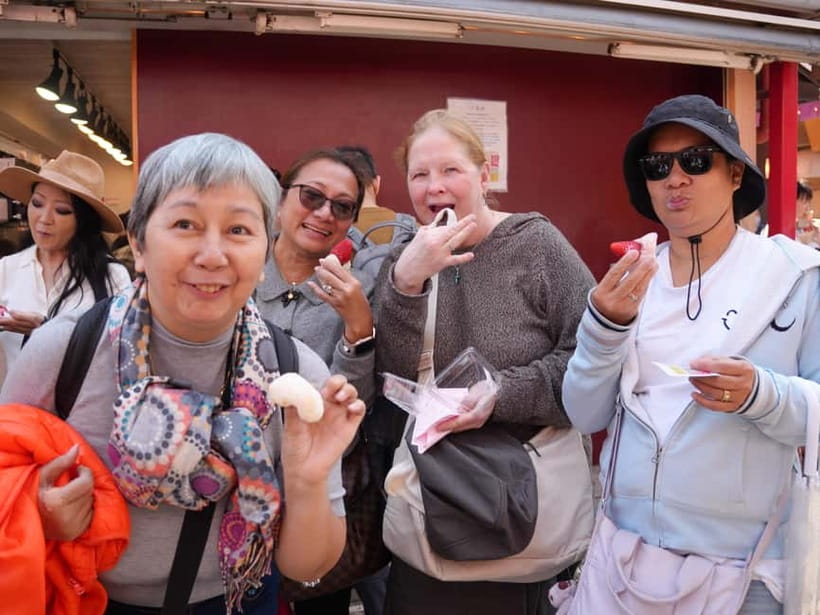
At $83 per person, this is not the cheapest way to see these neighborhoods. You could use Tokyo’s public transportation system and visit the sites independently for much less in guide fees. Your food purchases are also extra, and the approximately 550 yen transport cost is separate.
The price begins to make more sense if you value structure and explanation. You are paying for a live English-speaking guide, historical and religious context, help moving between districts, photos taken during the tour, and admission to Meiji Jingu Shrine, Tsukiji Fish Market, and Senso-ji Temple as listed.
The route would take planning on your own. You would need to choose the order, navigate the connections, decide where to eat, and work out what you are looking at once you arrive. For a first morning in Tokyo, that convenience can be worth more than the cost difference.
I see this as a good value for first-time visitors who want orientation rather than a luxury food tour. It is less attractive for repeat visitors who already know Harajuku, Tsukiji, and Asakusa, or for people who prefer to spend their money on a longer meal.
The included photos are a small but useful extra. You can focus on the walk and the explanations instead of asking a companion to take every picture. Still, the main value is the guide, not the photographs or admission fees.
Who should book this Tokyo morning?
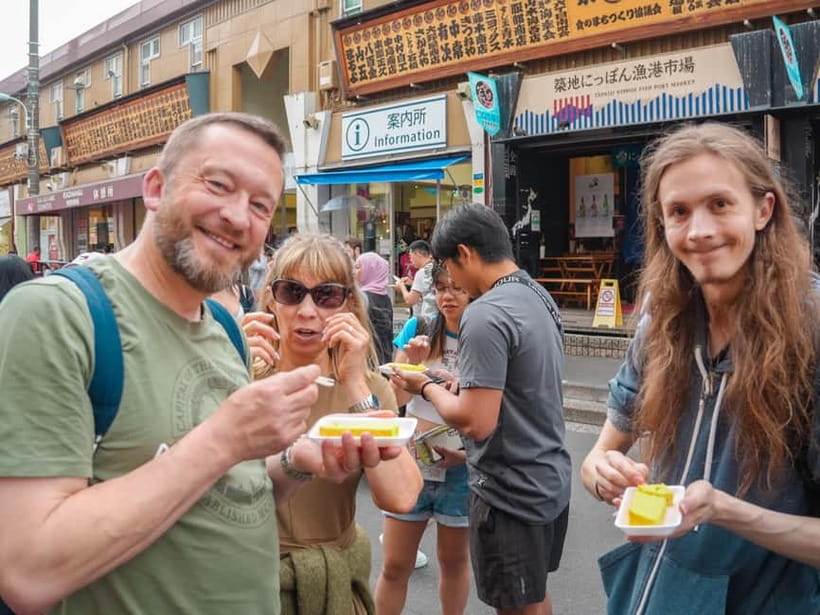
You should consider this tour if you want three major Tokyo experiences in one organized morning. It suits first-time visitors, families, solo visitors who prefer company, and anyone curious about Japanese religion as well as food.
It is especially useful early in a trip. The route gives you a working sense of Tokyo’s neighborhoods, public transportation, food culture, Shinto, and Buddhism. You can then decide which area deserves a longer return visit.
Food lovers should book with a flexible budget and an open mind. The market is not a formal tasting course, so you choose your own seafood and snacks. That freedom is a plus, but it means your final cost and meal depend on your appetite.
You may want a different plan if you dislike walking, have a very tight food budget, or want a deep visit to just one site. The schedule is full, and the three stops are more about variety than complete coverage.
Free cancellation up to 24 hours before the tour and the option to reserve now and pay later make it easier to fit into a changing Tokyo plan. Check the available start time before booking, since the tour is specifically designed around the morning.
Should you book it?
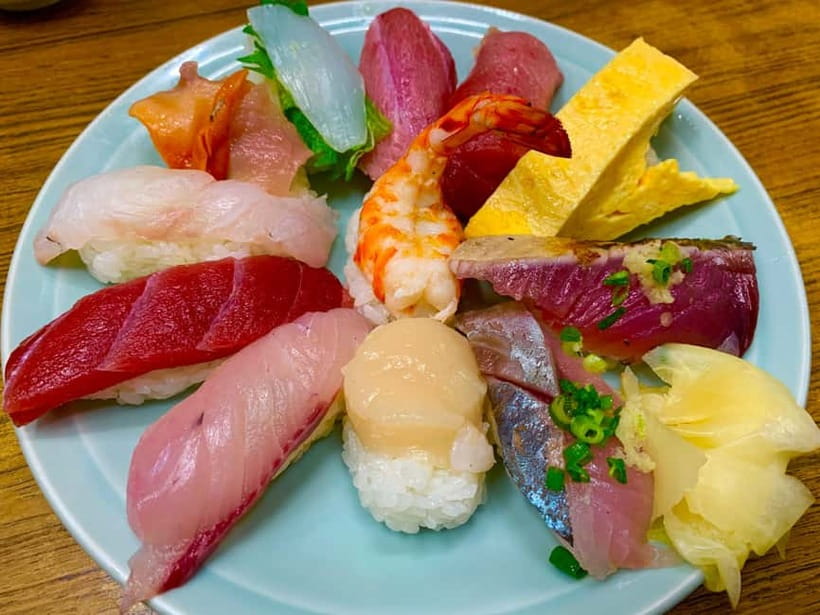
Book this tour if you want a well-shaped introduction to Tokyo, with shrine calm, market food, temple culture, and an English-speaking guide who can connect the pieces. The clearest strengths are the thoughtful guiding, the 110-minute Tsukiji stop, and the finish in Asakusa.
Skip it if you want to linger, eat a full meal, or explore each district at your own pace. For most first-time visitors, though, the $83 price is defensible when you value cultural explanation and easy morning logistics. Bring comfortable shoes, extra yen for food and transit, and enough curiosity to ask questions.
FAQ
How long does the Tokyo Morning Tour last?
The tour lasts 270 minutes, or four hours and 30 minutes.
Where does the tour begin?
The meeting point is in front of IKEA HARAJUKU.
Where does the tour finish?
The tour finishes in Asakusa.
Which areas are included?
The route includes Meiji Shrine, Tsukiji Outer Market, and Asakusa, including Senso-ji Temple.
Is an English-speaking guide included?
Yes. The experience includes a live English-speaking guide.
Is food included in the tour price?
Food is not listed among the included services. You should plan to pay separately for sushi, sashimi, croquettes, sweets, and any other market purchases.
Is public transportation included?
No. Public transportation is separate and costs around 550 yen.
Are admission fees included?
The listed inclusions cover entry to Meiji Jingu Shrine, Tsukiji Fish Market, and Senso-ji Temple.
Can I cancel for a full refund?
Yes. You can cancel up to 24 hours in advance for a full refund.
Just added around Tokyo
- Tokyo: Tsukiji Market Guided Tour & Sushi-Making Experience★ 4.4 · 11 reviews
- Tokyo: Private Tsukiji Street Food & Sake with Local Guide★ 5.0 · 3 reviews
- Tokyo: Tsukiji Market and Hama-rikyu Gardens Guided Tour★ 4.8 · 73 reviews
- Tokyo: Tsukiji Fish Market Culture Tour with Sashimi Tasting★ 4.6 · 54 reviews
- Tokyo : Tsukiji Fish Market Food Walking & Shrine Visit Tour★ 5.0 · 3 reviews
- Tokyo: Tsukiji Fish Market Foodie and Educational Tour★ 5.0 · 4 reviews
- Tokyo’s Kitchen: Tsukiji Market Food & Culture Walk★ 4.7 · 74 reviews
- Tokyo: Guided Walking Tour of Tsukiji Market with Lunch★ 4.4 · 24 reviews
Fish Market Tours, compared.
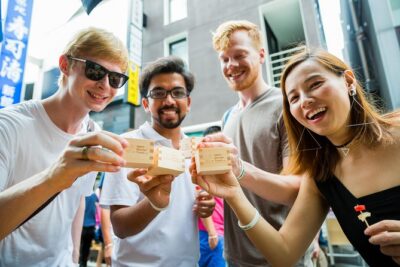
Tokyo Tsukiji Fish Market Food and Culture Walking Tour
Read our review →
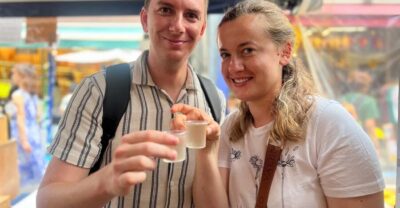
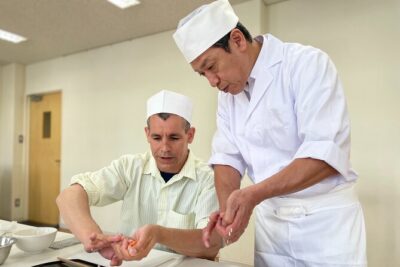
Tokyo Sushi Making Class in Tsukiji with Professional Chef
Read our review →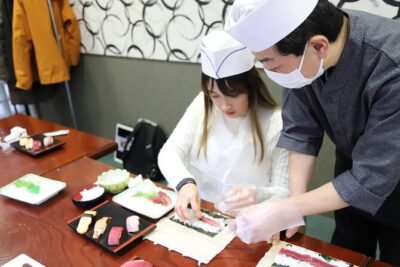
Tsukiji Fish Market Guided Tour and Sushi Making with Pro Chef
Read our review →Tsukiji Fish Market Food and Culture Walking Tour
Read our review →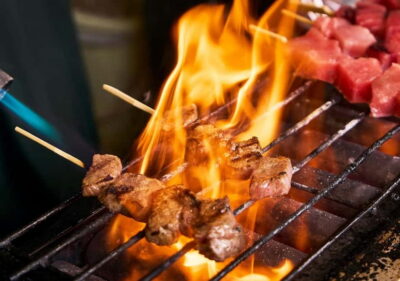
Tsukiji Fish Market: Street Food & Culture Walking Tour
Read our review →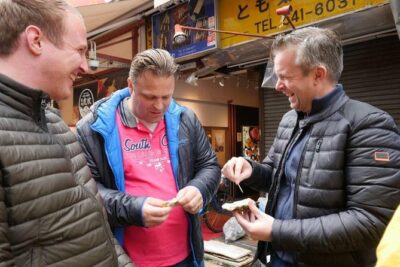
Tsukiji Fish Market Small-Group Food Walking Tour
Read our review →Browse the lists this tour appears in