
Review · JAPAN MARKET TOURS
Naha Makishi Public Market : Sushi making experience
Makishi Public Market is one of the few places in Naha where you can connect the fish market to your lunch table in a single outing. You tour the stalls, see the seafood selected for the class, then learn to shape eight pieces of sushi before eating what you made.
I like the market-to-meal format, and I like the patient, friendly teaching reported by past participants. The international group setting adds a pleasant social touch, with English or Chinese interpretation arranged for each event. The catch is the $161 price, which is high for eight pieces of sushi, especially since sake and beer cost extra.
Key points to know before booking
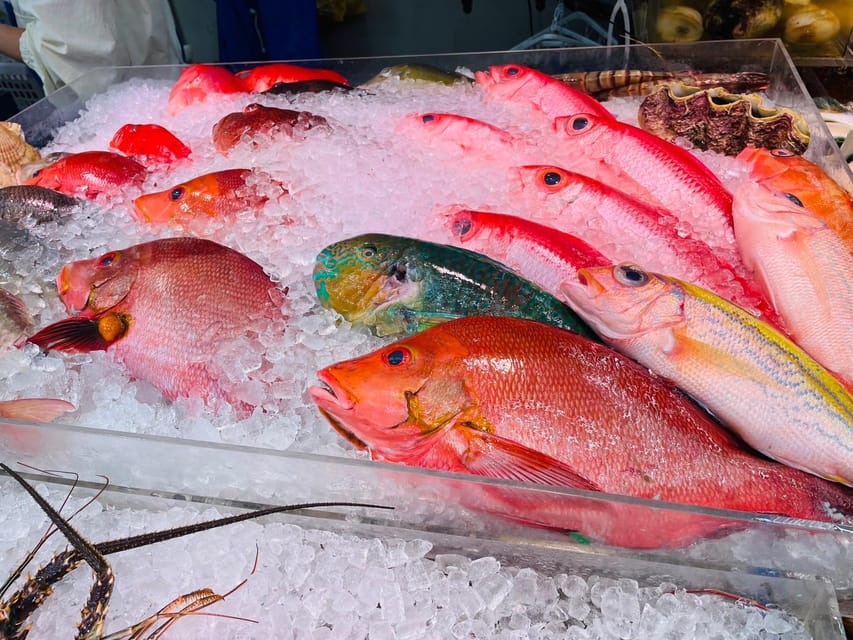
- The market visit comes first: You tour the fresh-fish shops inside Makishi Public Market before the lesson begins.
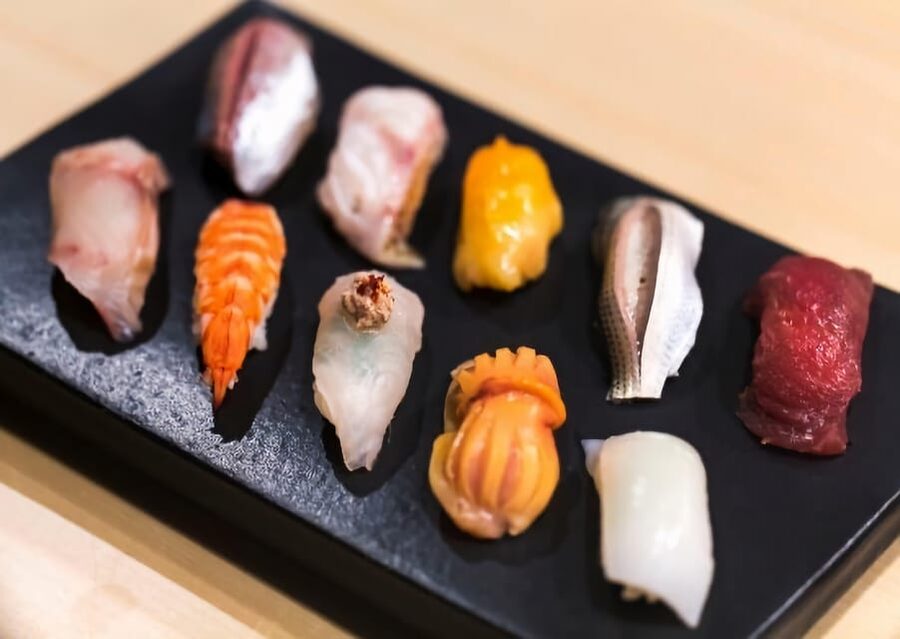
- You make eight pieces: Fish may include local bonito, tuna, mibai, red machi, irabucha, stew machi, kubushimi, or salmon, depending on the season.
- Two start times fit different days: Choose the 11:00 session or the 17:00 session, both lasting 150 minutes.
- An interpreter is provided: English and Chinese support are available, and other language arrangements may be possible through the operator.
- The meal includes more than sushi: You also receive red soup stock, gari, green tea, and an original tenugui towel.
- This suits families and mixed groups: Children can participate, but vegans and vegetarians should choose another activity.
From Makishi Market stalls to your own sushi plate
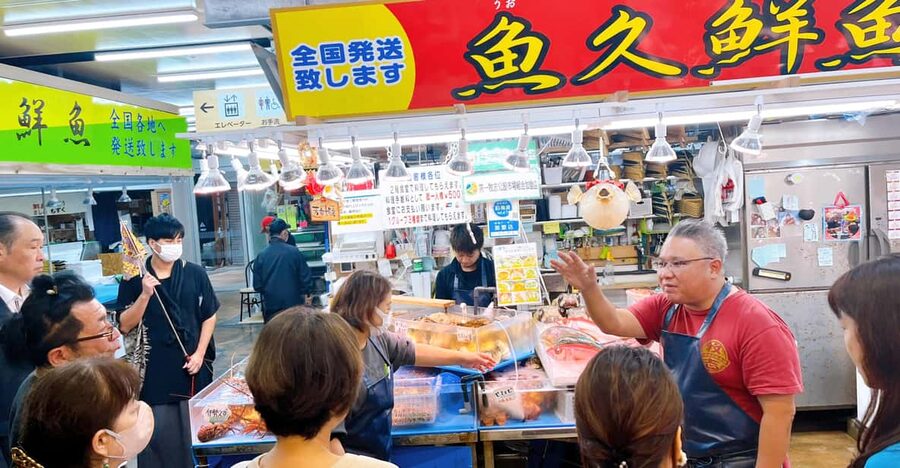
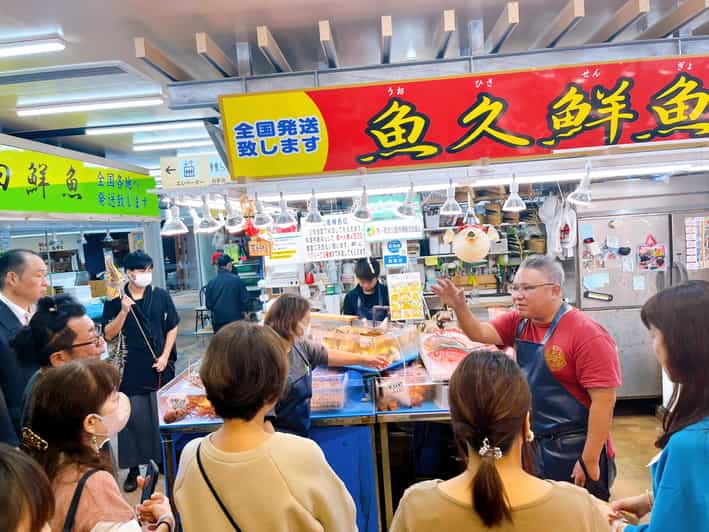
The appeal here is the order of events. You do not simply sit at a counter and watch a chef prepare lunch. First, you walk through Makishi Public Market and see where the fish used for the class is sold. Then you take that market connection into the lesson.
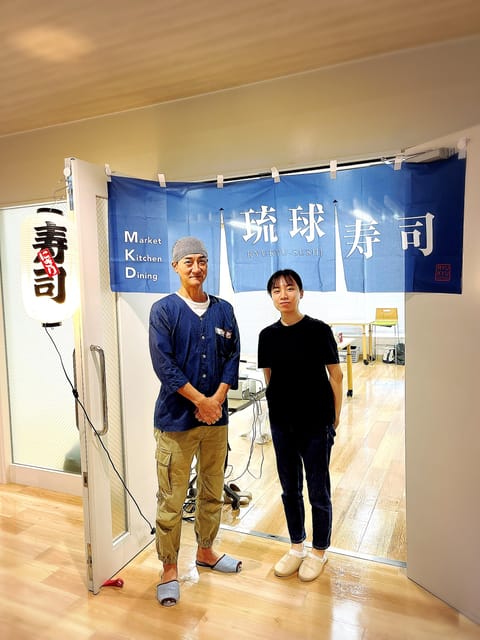
The activity begins with reception on the third floor of Makishi Public Market. For the 11:00 session, reception runs from 11:00 to 11:30, followed by the market tour from 11:30 to noon. The 17:00 session follows the same pattern, with reception from 17:00 to 17:30 and the market visit from 17:30 to 18:00.
You should arrive about 10 minutes before the event begins. Reception opens 30 minutes ahead, so you have time to find the third floor and settle in without making a hurried entrance.
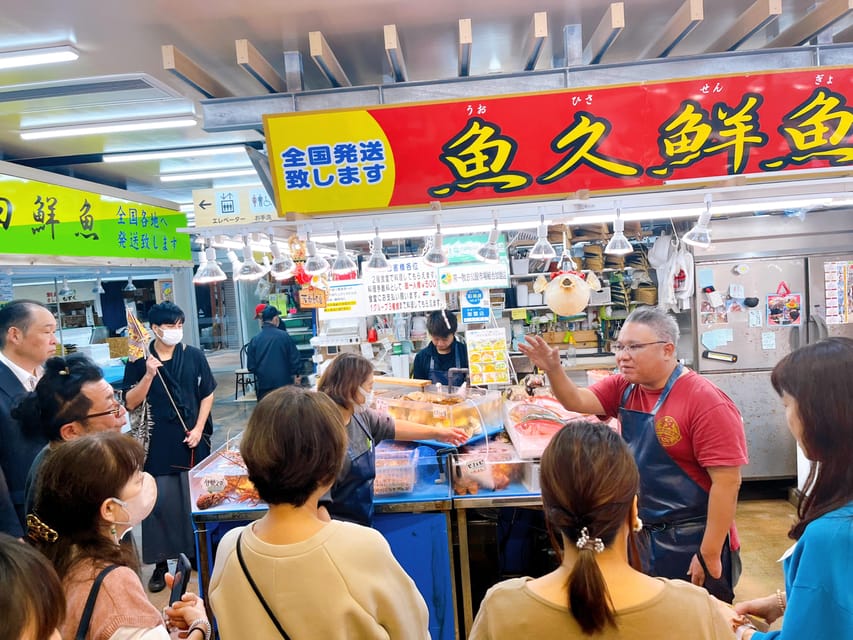
The market walk is short, but it gives the meal a sense of place. You see the fresh fish shops where ingredients are purchased rather than receiving anonymous pieces of seafood in a classroom. The selection can change with the season, so the exact fish is not fixed. That is a plus if you want a taste of Okinawa as it is available, though it means you should not book expecting one particular fish.
The fish list may include local bonito, local tuna, mibai, red machi, irabucha, stew machi, kubushimi, and salmon. Some of these names may be unfamiliar, which makes the market visit useful. You get a chance to connect the names and colors of the fish with the food placed in front of you later.
A few more market tours around Japan worth a look
- Tokyo Tsukiji Fish Market Food and Culture Walking Tour
★ 5.0 · 3,184 reviews - Tokyo: Tsukiji Fish Market Food and Walking tour
★ 5.0 · 1,724 reviews - Tokyo: Tsukiji Fish Market Guided Walking Tour
★ 4.9 · 1,397 reviews
What the 45-minute sushi lesson is like
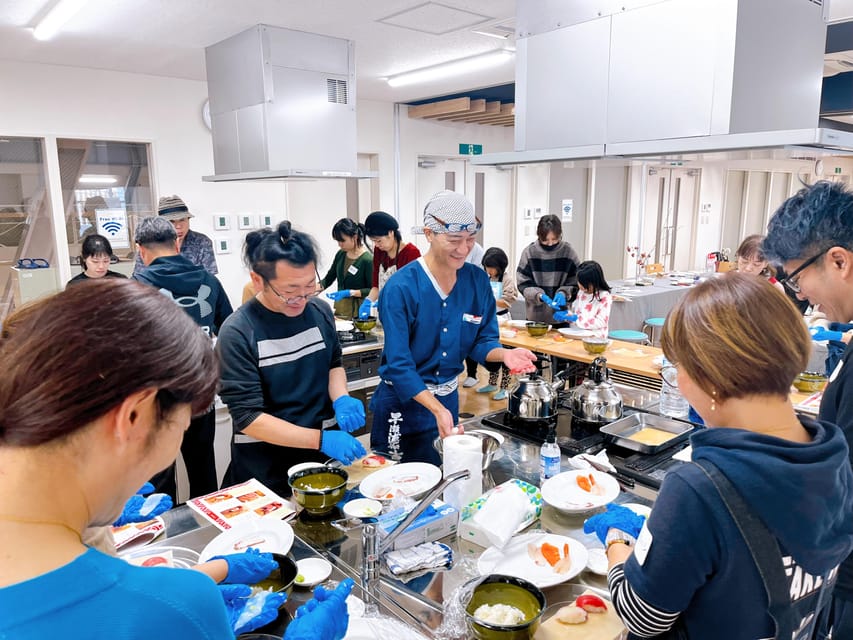
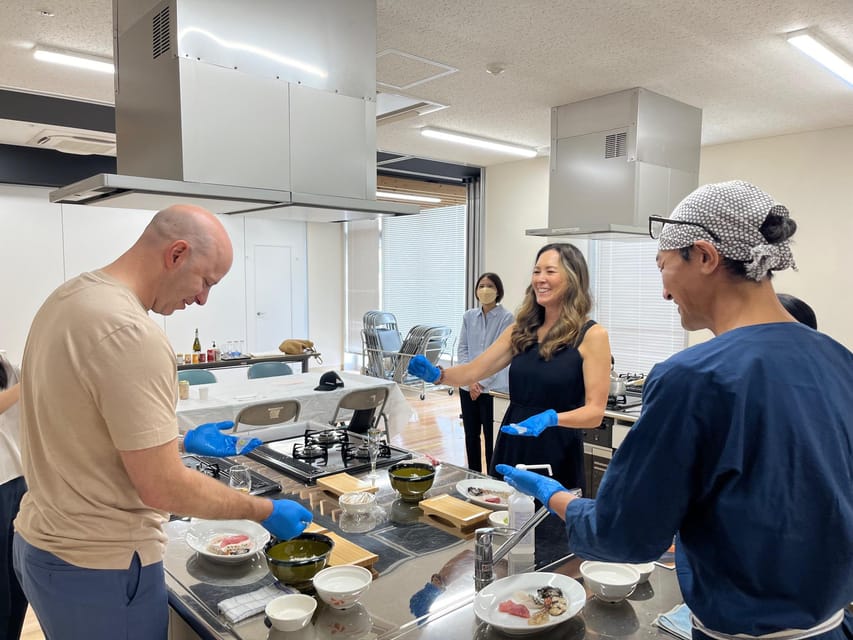
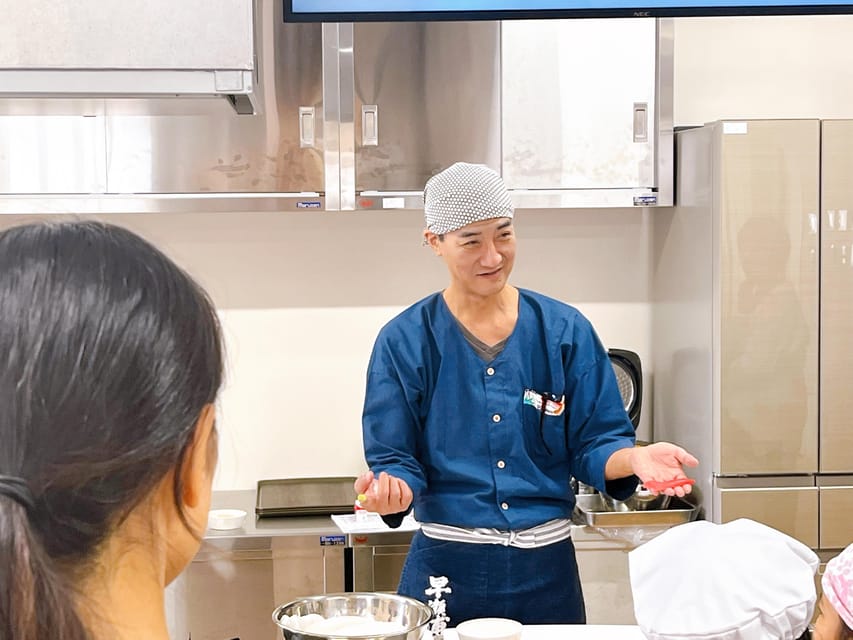
After the market tour, the sushi-making portion lasts about 45 minutes. An instructor shows you how to handle the rice and fish, then you make your own pieces with guidance.
This is a hands-on lesson, not a demonstration where you sit back and watch a professional do everything. That matters if you want a practical souvenir from the experience. You may not leave ready to work behind a sushi counter, but you will understand more about the basic handling and presentation of sushi.
A past participant specifically praised the teacher’s patience, skill, and clear explanations. Another said the instructor was friendly and explained both sushi making and Okinawa well. Those comments point to the strongest part of the experience: the teaching seems designed for beginners rather than people who already know how to prepare sushi.
The format also works well for families. Children are allowed to participate, giving them something active to do instead of simply waiting for a meal. Parents should still consider the raw-fish focus and the need to follow instructions carefully. The activity is not suitable for vegans or vegetarians.
Aprons are not supplied, so dress with that in mind. The information provided does not specify a dress code or whether protective clothing is available. If you are concerned about spills or rice sticking to clothing, bring an apron or wear something easy to wash.
Eight pieces, local fish, and a relaxed shared meal
The final 75 minutes are set aside for eating. In the 11:00 session, the meal runs from 12:45 to 14:00. In the 17:00 session, it runs from 18:45 to 20:00.
You eat the sushi you made alongside the other people in the class. The serving is eight pieces per person, with the fish changing according to the season. That is a modest meal, but it is paired with red soup stock, gari, and green tea.
The shared table is part of the point. The activity is built around international communication, and the group may include people from several countries. The atmosphere should suit you if you enjoy a social meal and a little conversation. If you want a quiet, private sushi lesson, this is not the right format.
Sake and beer are available for an additional fee. This can make the evening session more appealing, especially if you want to turn the class into a casual dinner. Still, remember that drinks are not included in the $161 price. The same applies to anyone expecting a generous tasting menu. The confirmed inclusion is eight pieces of sushi, soup, gari, tea, and the towel.
The original tenugui towel is a useful extra. A tenugui is a traditional Japanese cotton cloth that can serve as a hand towel, wrap, or small travel cloth. It is not a major part of the meal, but it gives you a physical reminder of the market and class without adding another bulky souvenir to your luggage.
The guide and language setup
The activity lists English and Chinese as available languages. One interpreter is dispatched for each event, which is important for a practical lesson involving food handling and timing. You should be able to follow the instructions without relying only on gestures.
No individual instructor or guide names are supplied, so I would not book this expecting a particular named teacher. What is clear is that the instructor handles the sushi lesson, while language support is arranged for the event.
The language setup also helps with the social side of the class. You are not only learning a food skill. You are eating with people from around the world, and a common language makes that exchange easier. The past feedback repeatedly points to friendly staff and clear communication before and during the activity.
The experience is listed as wheelchair accessible. Because the meeting point is on the third floor of the market, you may want to confirm the exact route and elevator access when booking if you need specific assistance. The available information does not describe the facilities in detail.
Same place, a different set of stalls:
- Nishiki Market Brunch Walking Tour (7 Tastings + Brunch)
★ 5.0 · 1,355 reviews - Tokyo Sushi Making Class in Tsukiji with Professional Chef
★ 5.0 · 1,177 reviews - Tsukiji Fish Market Guided Tour and Sushi Making with Pro Chef
★ 5.0 · 775 reviews - Tokyo: Tsukiji Fish Market Food and Culture Walking Tour
★ 4.7 · 757 reviews
Is $161 a fair price?
This is the most important question. At $161 per person, the class is expensive if you judge it as a meal. Eight pieces of sushi, soup, tea, and gari would not normally justify that amount on their own. One past participant gave the experience a poor value rating for exactly this reason, while others felt the friendliness, teaching, and full activity made the price worthwhile.
I see the cost as payment for a package: a market tour, an instructor-led lesson, an interpreter, a shared meal, and an international group experience. You are also paying for the convenience of having the market visit and lesson arranged together in central Naha.
The value improves if you actively want all those parts. If you are curious about Okinawan fish, enjoy learning by doing, and like meeting other people over food, the price may feel reasonable for a special holiday activity. If your main goal is simply to eat good sushi, you can likely find better value elsewhere.
Drinks are extra, and aprons are not included. Those are small details, but they reinforce the need to see this as a cultural activity with food rather than an all-inclusive sushi dinner.
The four available ratings summarized for the activity average 4.5 out of 5. Three participants gave full marks, praising the teaching, staff, and communication. The lower score focused on cost rather than poor instruction. That distinction is useful: the main risk is value, not the basic quality of the class.
Choosing the 11:00 or 17:00 session
The daytime session runs from 11:00 to 14:00. It works well if you want a structured lunch and still have the afternoon open for Naha sightseeing.
The evening session runs from 17:00 to 20:00. It may suit you better if you want to spend the day exploring Okinawa and finish with a hands-on dinner. Since sake and beer are sold separately, the later time also gives the activity a more natural dinner setting.
Both sessions follow the same structure:
- Reception takes 30 minutes.
- The market tour takes 30 minutes.
- Sushi making takes 45 minutes.
- Eating takes 75 minutes.
The total duration is 150 minutes. Do not schedule a tight appointment immediately afterward. The meal itself is planned to last more than an hour, and a shared group activity is not the place to rush away after the first few bites.
The class runs every day, but advance reservations are required. The supplied information says the reservation and cancellation deadline is one week before the participation date. It also says free cancellation is available up to 24 hours ahead, so confirm the exact booking terms for your date before paying. If fewer than five people are booked, the event may be canceled and a full refund issued.
The maximum group size is 20 people. That is large enough for an international social setting, but small enough for a structured lesson if the class fills. The minimum of five is more important to note because it affects whether the event will operate.
Who will enjoy this most
I would recommend the class to you if you fit several of these descriptions:
- You want a food activity tied to a real Naha market.
- You are happy eating seafood and do not need a vegetarian menu.
- You prefer hands-on lessons to passive sightseeing.
- You are comfortable sharing a meal with an international group.
- You need English or Chinese language support.
- You are traveling with children who can follow simple instructions.
- You value a distinctive activity more than a low-cost meal.
Families may find it a good change of pace from temples, beaches, and sightseeing walks. Couples and solo participants can also enjoy it, especially if they like meeting people over food.
I would be more cautious if you are on a strict budget, dislike group activities, or already have plenty of sushi-making opportunities at home. The price is hard to defend for the food alone. Vegetarians and vegans should skip it entirely because there is no suitable menu stated.
Smoking, intoxication, littering, excessive noise, and nudity are not allowed. Those rules are basic, but they matter in a shared food setting. You should also expect to follow the instructor’s directions closely during the preparation period.
Should you book the Makishi Market sushi class?
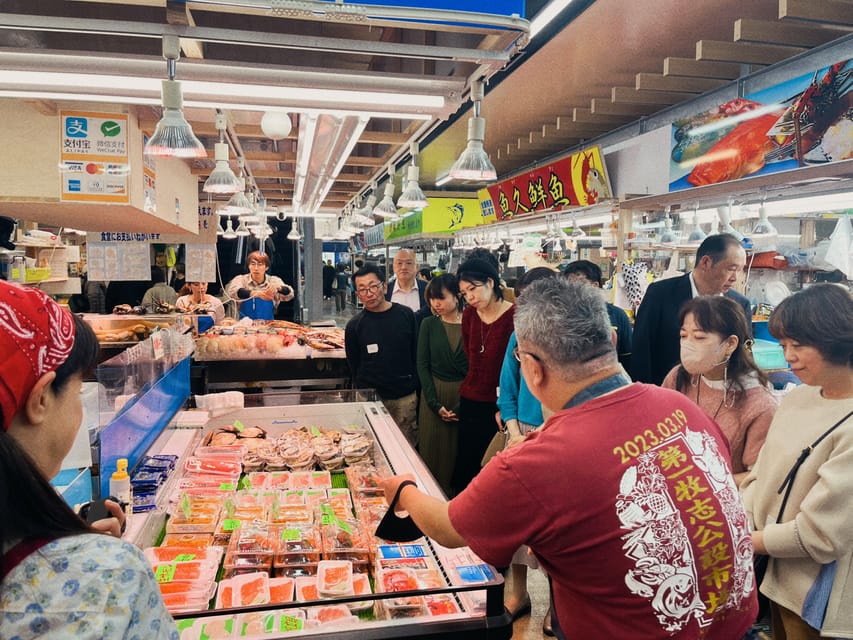
Book it if the market visit and the lesson are the main attraction. You will see the fish being sold at Makishi Public Market, learn from an instructor with language support, make eight pieces, and sit down to eat them with soup, tea, and gari. The market-to-plate connection is the part that makes this more than a standard sushi meal.
Skip it if $161 feels too high for a small serving or if you mainly want to sample Okinawan food without taking a class. The strongest case for booking is the teaching, friendly staff, responsive communication, and unusual market setting. The weakest case is the price, especially once you add sake or beer.
For the right person, this is a memorable Naha activity. Just book it for the experience, not for the quantity of sushi.
FAQ
Where does the sushi-making experience meet?
Meet on the third floor of Makishi Public Market in Naha, Okinawa.
How long does the activity last?
The experience lasts 150 minutes. The 11:00 session runs until 14:00, and the 17:00 session runs until 20:00.
What does the activity include?
It includes the market tour, sushi instruction, eight pieces of sushi, red soup stock, gari, green tea, and an original tenugui towel.
Are drinks included?
No. Sake, beer, and other beverages are sold separately for an additional fee.
Is the activity available in English?
Yes. English and Chinese are listed as available languages, with one interpreter dispatched for each event.
Can children, vegetarians, and wheelchair users participate?
Children can participate, and the activity is listed as wheelchair accessible. The experience is not suitable for vegans or vegetarians.
Just added around Japan
- Nagoya Super Market Tour & Home Cooking Class with a Local, Akiko★ 5.0 · 10 reviews
- Tokyo: Private Tsukiji Street Food & Sake with Local Guide★ 5.0 · 3 reviews
- Tokyo: Tsukiji Market Guided Tour & Sushi-Making Experience★ 4.4 · 11 reviews
- Tokyo: Tsukiji Market and Hama-rikyu Gardens Guided Tour★ 4.8 · 73 reviews
- Tokyo: Tsukiji Fish Market Culture Tour with Sashimi Tasting★ 4.6 · 54 reviews
- Tokyo: Sushi Making with Pro Chef & Tsukiji Fish Market Tour★ 4.6 · 49 reviews
- Tokyo : Tsukiji Fish Market Food Walking & Shrine Visit Tour★ 5.0 · 3 reviews
- Tokyo: Tsukiji Fish Market Foodie and Educational Tour★ 5.0 · 4 reviews
Japan Market Tours, compared.
Tokyo Tsukiji Fish Market Food and Culture Walking Tour
Read our review →
Nishiki Market Brunch Walking Tour (7 Tastings + Brunch)
Read our review →
Tokyo Sushi Making Class in Tsukiji with Professional Chef
Read our review →
Tsukiji Fish Market Guided Tour and Sushi Making with Pro Chef
Read our review →Tsukiji Fish Market Food and Culture Walking Tour
Read our review →
Tsukiji Fish Market: Street Food & Culture Walking Tour
Read our review →Browse the lists this tour appears in