
Review · FISH MARKET TOURS
Dar es salaam Fish Market Adventure
The best part of this Dar es Salaam outing is that you do not simply sit down to a seafood meal. You choose the fish yourself, watch it move from market table to cleaning station to frying area, then eat the result at a modest local restaurant. The market runs on quick deals, loud voices, and sharp eyes, with a feel closer to a stock exchange than a quiet food shop.
I like the hands-on buying process, and I like the chance to add fruit and spices from nearby markets before lunch. The main drawback is simple: this is a working fish market, not a polished food tour. Expect crowds, strong smells, wet floors, heat, and plenty of activity. Comfortable shoes and a relaxed attitude matter.
Key points to know before you book

- A live fish auction starts the day: You choose seafood directly from the catch and take part in the buying process.
- Your meal follows your market choices: The selected fish or seafood is cleaned, cooked, and served later that day.
- Traditional preparation is part of the show: You watch local cleaning methods passed down through generations.
- Nearby produce markets add range: The experience can include shopping for fruit and spices to accompany the seafood.
- Three named team members may assist: Almasi Rajab, Ashrafu Ramadan, and Hassan the driver are associated with the guiding team.
- The six-hour tour includes practical extras: Transport, bottled water, lunch, a tour guide, and museum entrance are included.
Why this fish market feels different from a normal food tour

Many food tours keep you on the outside. You follow a guide, taste a few prepared items, and move on. Here, you are involved at the point where the food enters the meal.
At the Dar es Salaam fish market, fishers sell their catch to restaurant buyers and local households. The action can feel fast and competitive. Fish are laid out on tables, buyers inspect what is available, and the auction gives the market its pulse.
You are not expected to know the difference between every fish or seafood item. Your guide helps you move through the market and take part in the purchase. The important thing is that you get to make the choice instead of receiving a fixed menu with no explanation.
That makes the experience useful for anyone who wants to understand how a local seafood meal begins. It also gives you a better sense of the daily trade that supports restaurants and homes in Dar es Salaam.
The setting is practical rather than decorative. This is a place where people come to buy and sell food, so the atmosphere may be noisy, crowded, wet, and strongly scented. If you prefer air-conditioned restaurants and carefully staged tastings, this may feel rough around the edges. If you enjoy seeing food at its source, that roughness is part of the appeal.
More Fish Market Tours in the world:
- Tokyo Tsukiji Fish Market Food and Culture Walking Tour
★ 5.0 · 3,184 reviews - Tokyo: Tsukiji Fish Market Food and Walking tour
★ 5.0 · 1,724 reviews - Tokyo: Tsukiji Fish Market Guided Walking Tour
★ 4.9 · 1,397 reviews
Starting with the auction and choosing your catch
The auction is the heart of the outing. You move among the tables, look at the available catch, and select what you want to eat later.
The guide’s role matters here. An English or French-speaking guide can help you understand the process, keep you oriented, and assist as you decide what to buy. The supplied details list English and French guiding, giving you a useful choice if you are not comfortable in one language.
The auction is also where the tour feels most active. Fishers are selling, restaurant buyers are shopping, and homemakers are making their own choices. You are surrounded by people who know what they want and are trying to secure it at the right price.
A previous booking specifically chose tuna caught right off the water. That detail gives you a good idea of the experience: the fish is not an abstract menu item. You see the catch, make a decision, and later receive that same purchase at the table.
I would keep your expectations flexible. The exact seafood available is not specified, and market stock changes. Your choice depends on what is being sold that day. That is part of the point, but it means you should not book this expecting one particular species or a fixed seafood platter.
Wear clothes you can move in and shoes that you do not mind using in a wet market. Sunglasses, a sun hat, sunscreen, and bottled water are sensible additions for the outdoor portions.
Watching generational cleaning techniques

After the purchase, the seafood goes through the cleaning stage. This is more than a quick preparation step. It shows how local workers turn a market purchase into something ready for the pan.
The cleaning methods are described as techniques passed down through generations. Watch closely, because the skill is in the speed and precision. The process gives you a practical lesson in how the catch is handled before cooking.
This stop also adds cultural value that a standard restaurant meal misses. You see the work behind the food. The person cleaning the fish is not putting on a performance for tourists. They are using a familiar local method that serves the market every day.
There is a sensory side to this part of the tour. You may see scales, knives, water, fish remains, and busy workers operating in close quarters. If you are sensitive to strong smells or raw seafood, prepare yourself. This is not the most comfortable stop for everyone.
For me, that is also why it is worth including. The experience does not hide the less glamorous work involved in getting seafood onto a plate. It shows the full chain in a direct, easy-to-understand way.
Adding fruit and spices near the market
The day can also include shopping at nearby fruit and spice markets. This broadens the outing beyond fish and gives you ingredients that can round out the meal.
The exact purchases are not fixed, so you might find different produce or seasoning options depending on what is available. The appeal is the contrast: after choosing seafood from the water, you help gather some of the ingredients that make the final meal more complete.
This part is especially helpful if you want to understand how local shopping works. You are not only looking at finished dishes. You are seeing the raw materials being selected, carried, and prepared for cooking.
The fruit and spice stop also breaks up the fish market visit. Six hours is a fair amount of time for a market-focused activity, and moving between different food stalls keeps the day from becoming one long seafood scene.
Do not expect a formal cooking class. The main focus is buying, observing, and eating. You get a close look at the process, but the chef handles the actual preparation.
A few more market tours around the world worth a look
- Bangkok: Damnoen Saduak Market and Maeklong Railway Market
★ 4.5 · 26,723 reviews - The Old Siam: Damnoen Saduak and Maeklong Railway Market
★ 4.5 · 10,992 reviews - Dubai: Old Town, Creek, Museums, Souks, & Street Food Tour
★ 4.8 · 10,816 reviews - Bangkok: Train Market & Floating Market with Boat Ride
★ 4.7 · 9,547 reviews
From market catch to frying area
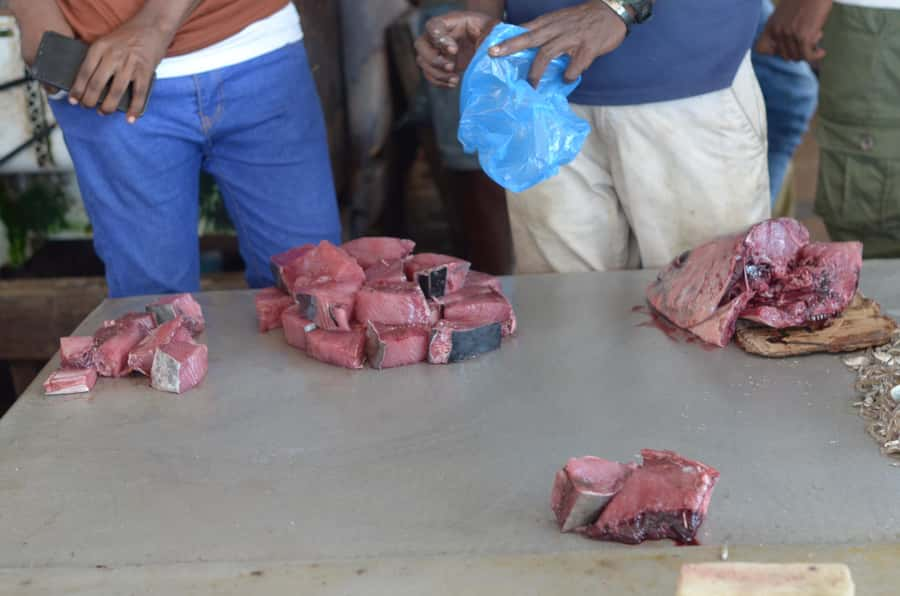
Once your seafood is cleaned, it moves to the frying area. This is where the market purchase becomes lunch.
Local chefs prepare and cook your chosen fish or seafood. You can watch the work as the food hits the heat, listen to the sizzle, and follow the change from raw catch to finished dish. The chef’s role is important because the meal is based on what you selected earlier.
That connection gives lunch more meaning. You remember the table where you found the fish, the decision to buy it, and the cleaning process. The final plate is not just something handed to you by a restaurant. You have followed it through several stages.
The food is prepared at a local restaurant described as modest. That wording is useful. You should expect an informal place focused on serving food, not luxury surroundings or elaborate design.
The tradeoff is clear. You get a more local setting and a direct link to the market, but comfort and presentation may be basic. This experience is strongest for people who value the story and process behind lunch more than a refined dining room.
Lunch is included in the $110 price, along with transport, bottled water, a tour guide, and museum entrance. Since the seafood purchase is central to the activity, you should confirm with the provider how the market purchase itself is handled and what amount is covered. The supplied information says you choose and secure your catch, but it does not give a separate seafood allowance or exact buying procedure.
The guiding team and how the day works
The named guiding team includes Almasi Rajab and Ashrafu Ramadan, with Hassan serving as the driver. Having several people involved can be useful during a busy market visit. One person can help you stay oriented while another handles transport or keeps the day moving.
Do not assume all three people will be with every booking. The experience details identify them as the team connected with the activity, but they do not promise a fixed guide arrangement for every departure.
Transport is included, which makes a difference in Dar es Salaam. You are not left to arrange your own way between the market, nearby food areas, restaurant, and final drop-off. At the end, you can be taken back to your hotel or dropped at a central location for more exploring.
Starting times depend on availability. Because a fish auction is part of the plan, timing can affect the energy and selection you encounter. Check the available departure time before booking rather than treating the six-hour schedule as completely flexible.
A live guide is available in English or French. That is one of the more important practical features, since the market experience depends on conversation and explanation, not just sightseeing.
Is $110 good value for six hours?
At $110 per person, this is not the cheapest way to eat seafood in Dar es Salaam. You could likely find a less expensive meal on your own. The value here comes from the full chain: transport, guided market access, auction participation, seafood selection, cleaning demonstration, cooking, lunch, bottled water, and museum entrance.
You are paying for access and structure as much as for food. Without a guide, a first visit to a large fish market could be confusing. You might not know how the auction works, how to judge the catch, or where to take your purchase for cleaning and cooking.
The experience also saves you the trouble of arranging transport between several parts of the day. For a visitor with only a short stay in Dar es Salaam, that convenience can justify the price.
Still, the value depends on your interests. If you mainly want a big seafood lunch, $110 is a lot. If you want to understand local food buying and spend six hours seeing the process from catch to plate, the price is easier to defend.
The included museum entrance is a useful extra, but the supplied details do not identify which museum or how much time is spent there. Treat it as an added inclusion rather than the main reason to book.
Who will enjoy this and who may not
I would recommend this for adults and older children who are curious about food, markets, and everyday trade. It suits people who prefer direct contact with local life over polished attractions.
It is also a good fit for seafood fans who want more than a restaurant recommendation. You select the main ingredient and see how it is prepared, which makes the meal personal without requiring you to cook it yourself.
The outing is not suitable for children under six, wheelchair users, or people over 95. The market setting, walking, wet surfaces, and active working areas may also be difficult for anyone who needs a smooth, quiet, or highly controlled environment.
Bring comfortable shoes, comfortable clothes, sunglasses, a sun hat, and sunscreen. A passport is required, though a copy is accepted. The tour includes bottled water, but carrying only what you need will make moving through the market easier.
The activity has a five-star rating from two verified bookings, so that score is encouraging but based on a very small sample. The strongest praise centers on the amount happening during the day, the fresh tuna bought at the market, the extra fruit and spice shopping, the chef-prepared meal, and the helpful three-person team.
Should you book the Dar es Salaam Fish Market Adventure?
Book it if you want a six-hour food experience built around participation, not just eating. The auction, your own seafood choice, traditional cleaning, nearby produce shopping, and chef-prepared lunch give the day a clear story from market to plate.
Skip it if you dislike raw fish, strong smells, crowds, wet floors, or informal restaurants. This is not a luxury culinary excursion, and the exact catch depends on the market that day.
For the right person, the $110 cost buys a useful look at how seafood moves through Dar es Salaam. You leave with a meal, but also with a better understanding of the people and work behind it.
FAQ
How long does the Dar es Salaam Fish Market Adventure last?
The experience lasts six hours. Starting times vary, so check availability when selecting a date.
What languages are available for the guide?
Guiding is available in English and French.
Is lunch included?
Yes. Lunch at a local restaurant is included, along with the seafood preparation and cooking experience.
Is transport included?
Yes. Transport is included, and at the end you can choose a hotel drop-off or a central location.
Can I choose the seafood I eat?
Yes. You participate in the market auction and choose your fish or seafood directly from the available catch.
What should I bring?
Bring comfortable shoes, sunglasses, a sun hat, sunscreen, comfortable clothes, and your passport. A passport copy is accepted.
Who cannot join this activity?
The experience is not suitable for children under six, wheelchair users, or people over 95 years old.
Just added around the world
- 3-Hour Herbal Wholesale TCM Market and a Local Wet Market Tour★ 5.0 · 4 reviews
- Half-day Dandan Noodles Cooking Class with a Local Market Visit★ 5.0 · 8 reviews
- Chania Old Town, Public Market and Chrisopigi Monastery Tour★ 4.5 · 6 reviews
- Charleston International Sweet Treats & Historic City Market Tour★ 5.0 · 22 reviews
- Chania: Old Town, Public Market, Hill of Prophet Elias, Agia Triada★ 5.0 · 35 reviews
- Food Tasting & Market Shopping: Private Guided Tour in PORT LOUIS★ 4.5 · 9 reviews
- Moroccan Cooking Class with a Local Family & Market Visit★ 5.0 · 16 reviews
- Private Market Tour & Cooking Class in Casablanca with Transfers★ 5.0 · 20 reviews
Fish Market Tours, compared.

Tokyo Tsukiji Fish Market Food and Culture Walking Tour
Read our review →
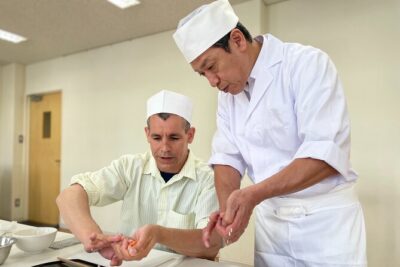
Tokyo Sushi Making Class in Tsukiji with Professional Chef
Read our review →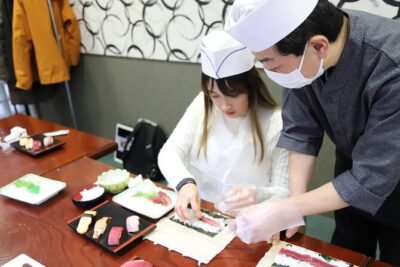
Tsukiji Fish Market Guided Tour and Sushi Making with Pro Chef
Read our review →Tsukiji Fish Market Food and Culture Walking Tour
Read our review →
Tsukiji Fish Market: Street Food & Culture Walking Tour
Read our review →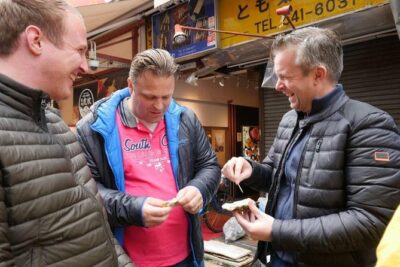
Tsukiji Fish Market Small-Group Food Walking Tour
Read our review →Browse the lists this tour appears in