
Review · FISH MARKET TOURS
Essaouira: Sqala du Port, Citadel, Fish Market & Medina Tour
Essaouira reveals itself best on foot, and this tour takes you from cannon-lined sea walls to the fish market and narrow Medina lanes in three focused hours. You get the city’s main historical sights, plus the everyday side of port life that is easy to miss when you wander alone.
I like the strong mix of maritime history and local life, especially the Sqala du Port and the fish market. I also like that the guide may continue even with only one booking, as happened for Florence and Fatna, giving a solo visitor a more personal walk. The main drawback is pace: three hours covers a lot, but you will not have time for a slow shop-by-shop look at every souk.
Key points to know before you book
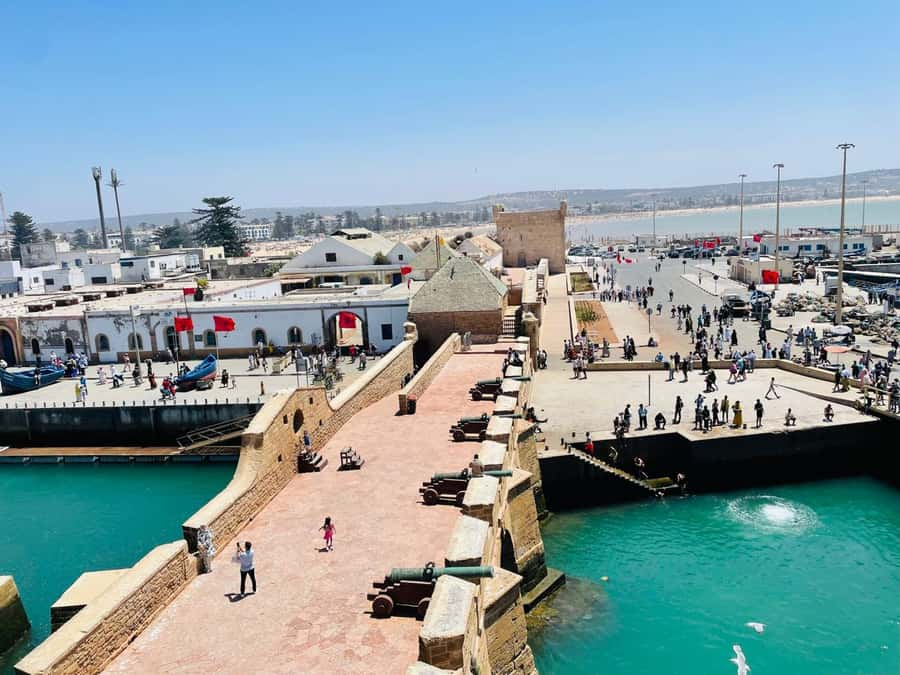
- The port ramparts are the visual high point: Original cannons and Atlantic views give the tour its best photo stop.
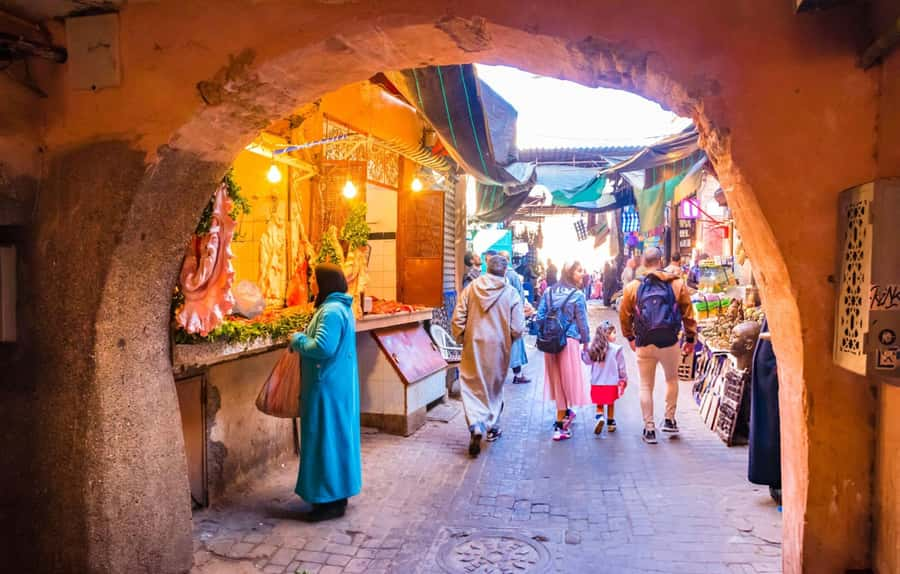
- The Medina walk lasts about an hour: Expect whitewashed walls, blue shutters, woodcarving, weaving, and working souks.
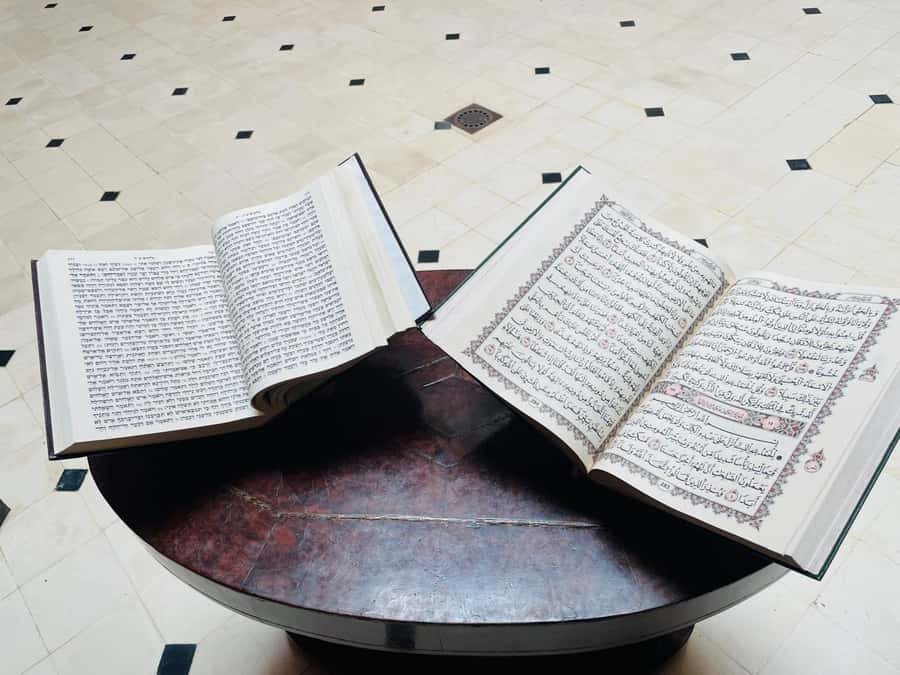
- The Mellah adds a different layer: The old Jewish Quarter shows how Jewish and Muslim communities shaped Essaouira together.
- The fish market feels most local: You finish among fresh Atlantic catch and daily trade rather than at another monument.
- Guides make the difference: Ahmed, Zaid, Said, Rachid, Youness, and Ayoub have all led highly praised walks.
- At $23, the value is strong: You get a licensed guide, monument access arrangements, and free time without paying for hotel transport.
Starting at Bab Sbaa and finding your bearings
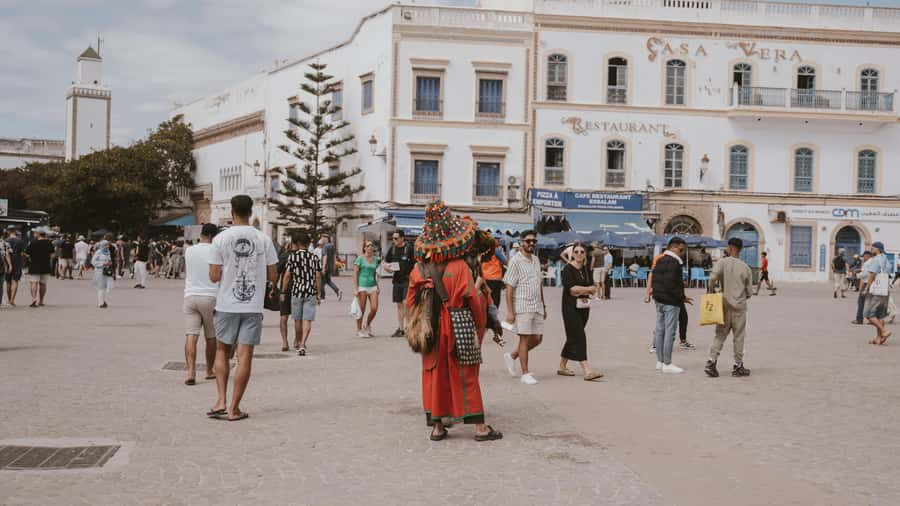
The meeting point is in front of Bab Sbaa, the gate at the edge of Essaouira’s old town. The booking information also refers to an orientation at Café Vera in Moulay Hassan Square, so check the WhatsApp message sent the day before for the final meeting details and your guide’s name.
That message matters. The operator sends confirmation with the guide’s name and meeting location, and the guide may arrive five to ten minutes late if part of the group is delayed. You should not treat a short wait as a missed tour, but do arrive ready to walk.
The route begins with a short introduction to Essaouira’s maritime past. The city’s position on Morocco’s Atlantic coast made it a port of trade, defense, and cultural exchange. The tour also explains the Portuguese influence and the later development of the fortified town, so the walls and gates you see are not just photo backdrops.
This is a walking tour, not a bus tour with brief stops. Wear shoes that handle uneven Medina streets, and keep your phone or camera ready. The route includes free time at several stops, but the guide remains the main source of context.
More Fish Market Tours in Morocco:
- Essaouira: Sqala du Port, Medina Ramparts & Fish Market Tour
★ 4.7 · 212 reviews - Tokyo Tsukiji Fish Market Food and Culture Walking Tour
★ 5.0 · 3,184 reviews - Tokyo: Tsukiji Fish Market Food and Walking tour
★ 5.0 · 1,724 reviews
Sqala du Port, where the Atlantic meets the cannons
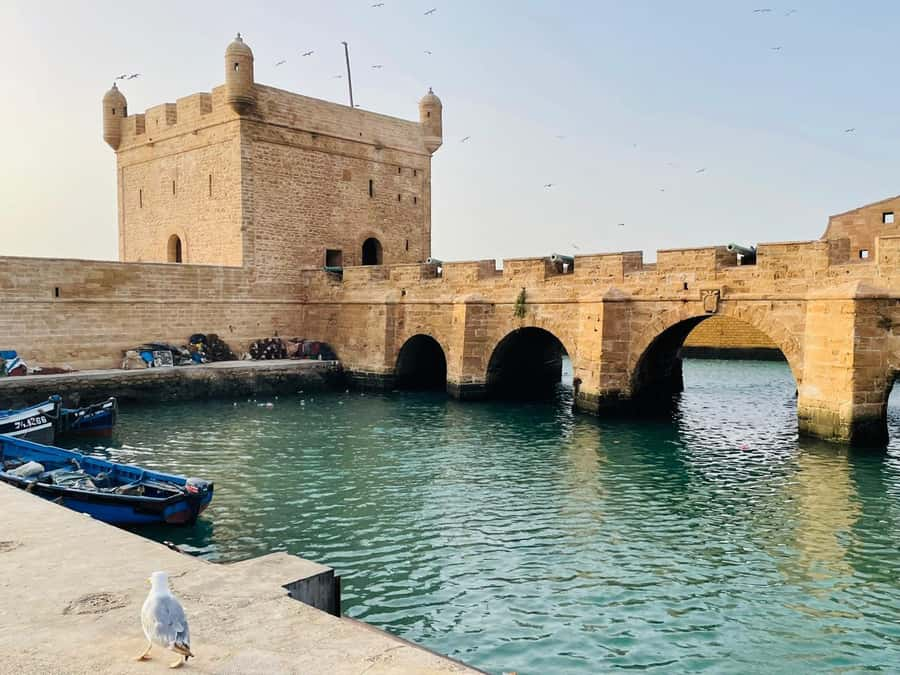
The Sqala du Port is the tour’s most dramatic stop. This seafront bastion faces the Atlantic and carries original cannons along its fortified edge. From here, you can look toward the harbor and understand why Essaouira needed such a strong defensive position.
Allow about 40 minutes for the Sqala du Port, including the guided explanation, photos, and time to look around. That is a useful amount of time because the site works on two levels. First, it gives you broad sea views. Second, it helps you picture Essaouira as a defended trading port rather than simply a pleasant coastal town.
The guide explains the bastion’s military purpose and the city’s role as a Portuguese-built stronghold on the Atlantic coast. You will hear about colonial influence, trade, and the mixture of cultures that shaped the town’s character.
This is also where a local guide adds real value. A quick solo visit can leave you with cannons and a view but little sense of why the fortification was placed there. Guides such as Ayoub, Ahmed, and Zaid have been praised for connecting the stonework to local stories and symbols.
The Sqala is a photo-friendly stop, but remember that the Atlantic setting can make the area feel exposed. Give yourself time to listen before moving on. The best experience here is not just taking a picture of a cannon, but understanding the port system the cannon protected.
The Essaouira Citadel and the city’s defensive story
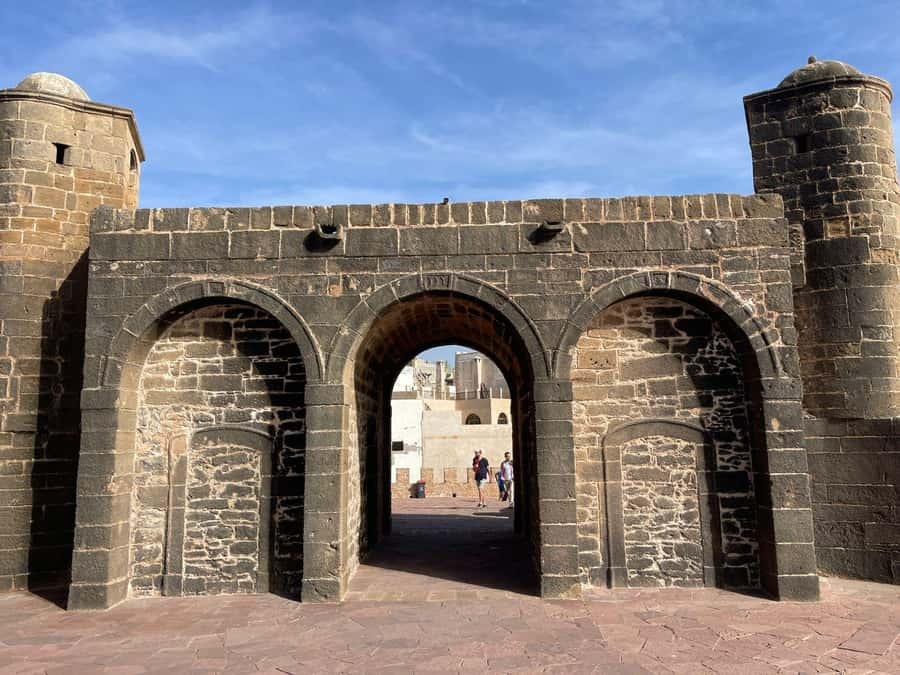
The next stop is the Essaouira Citadel, reached after the port bastion. The scheduled visit lasts about 20 minutes, with time for explanation, photos, and sightseeing. The citadel represents the more formal defensive side of the city, while the Sqala du Port shows how that defense met the sea.
Entry is described as optional, and the activity includes skip-the-line entry to the monuments. Since the exact entrance arrangement can depend on the option you select, check that your booking says what you expect, especially if you choose the shared tour rather than the private option.
Do not expect a long museum visit here. This is a short stop within a larger walk, so the guide focuses on the fortification, trade routes, colonial connections, and the way different communities influenced Essaouira.
That short timing is both useful and limiting. You get a clear introduction without spending half the morning inside one monument, but visitors who want detailed military architecture may wish for more time. The tour works best if you see the citadel as part of a connected story: port, walls, market, and Medina.
The Mellah, Essaouira’s old Jewish Quarter
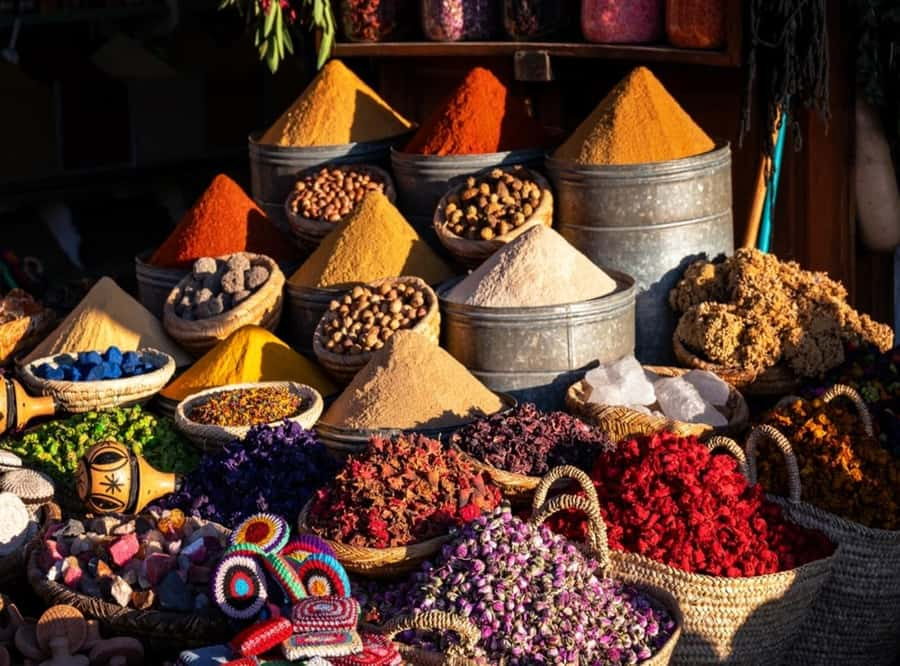
From the defenses, the route continues into the Mellah, the old Jewish Quarter. The stop lasts about 15 minutes, so this is a compact introduction rather than a full architectural survey.
The Mellah matters because it shows that Essaouira’s identity was shaped by more than one community. The guide discusses the long coexistence of Jewish and Muslim residents and points out the quarter’s distinctive architecture. That context helps you read the old streets with more care.
For me, this is one of the tour’s most worthwhile stops because it adds social history to the forts and trade stories. A walk focused only on walls can make Essaouira feel like a preserved military town. The Mellah shows how people lived, worked, worshipped, and traded within that fortified setting.
You should keep your expectations measured. Fifteen minutes is enough to see the character of the area and hear the main explanation, but not enough for every lane or building. If the Mellah interests you most, note the places your guide points out and return later at your own pace.
A few more market tours around Morocco worth a look
- Marrakech: Bahia Palace, Saadian Tombs, Souk and Medina Tour
★ 4.7 · 4,974 reviews - Marrakech: Ben Youssef, Secret Garden, & Souks Walking Tour
★ 4.6 · 2,802 reviews - Marrakech: Colorful Medina Souks Guided Walking Tour
★ 4.7 · 2,470 reviews - Marrakech: Traditional Moroccan Cooking Class & Market Visit
★ 4.8 · 1,861 reviews
One hour inside the Medina
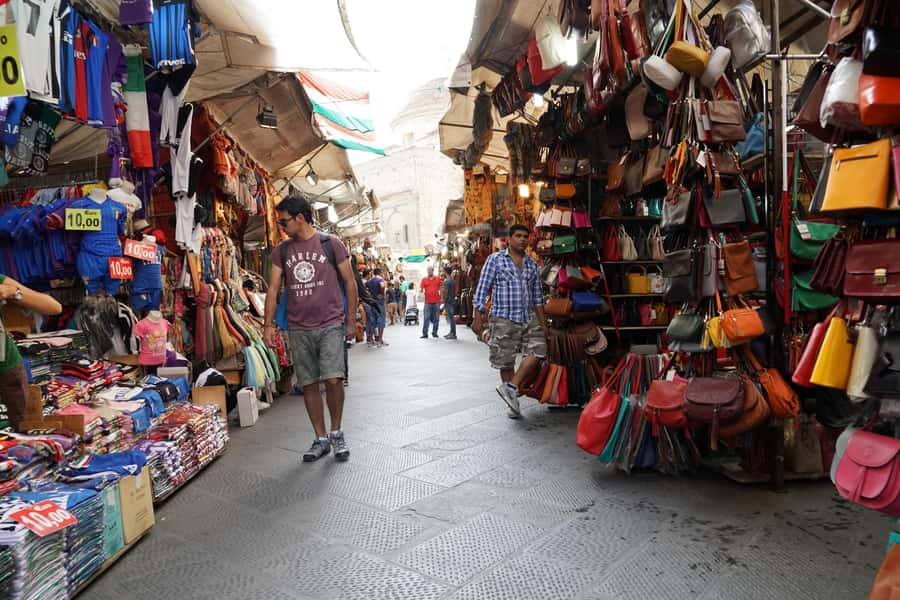
The Medina receives the longest scheduled section, about one hour. This is where the tour shifts from major defensive monuments to daily street life.
Essaouira’s UNESCO-listed Medina is known for whitewashed buildings, blue shutters, artisan shops, and narrow lanes. The guide helps you understand how the souks fit together and points out traditional crafts, including woodcarving and weaving.
An hour gives you a practical first orientation. You can learn the basic layout, notice the difference between main shopping streets and quieter lanes, and identify places you may want to revisit. This is especially useful if you take the tour near the start of your stay. Tatiana found that the walk helped her feel more comfortable navigating the Medina afterward.
The guide’s local knowledge is important here. Ahmed has grown up in the Medina, and that kind of background can turn an ordinary turn through the lanes into a lesson in how the quarter functions. The guides do not simply point at buildings. They can explain local customs, crafts, fishing, and the way Essaouira’s neighborhoods connect.
The pace should suit most first-time visitors, but it will not suit everyone. Shoppers who want to bargain slowly or inspect silver, woodwork, and textiles will need extra time after the tour. Fatna received recommendations from Ahmed about where to buy silver and fish, which is the sort of practical advice that can make the rest of your stay easier.
Do not feel obliged to buy anything during the guided walk. Use the tour to learn what interests you, then return independently if you want to compare pieces or prices. That keeps the history portion from becoming a rushed shopping trip.
Moulay Hassan Square and the route back to Bab Sbaa
Moulay Hassan Square provides the final open space on the route. The square offers views toward the Atlantic and helps connect the old city to the port area. It is also the place linked with Café Vera, so it may be part of your opening orientation depending on the meeting instructions you receive.
This stop works well near the end because you have already seen the fortifications, Mellah, and Medina. The square gives you room to pause and put the city together. You have seen the defensive edge, the trading streets, and the fishing economy, and now you can look back toward the coast with that context in mind.
The tour then returns to Bab Sbaa. There is no hotel pickup or drop-off, so you must make your own way to and from the meeting point. That is not a serious drawback for anyone staying in or near Essaouira’s old town, but it matters if you are arriving from outside the center.
What $23 gets you
At $23 per person, this is a good-value introduction to Essaouira. You are paying for a licensed guide, a planned route through the main historic areas, monument entry arrangements, and free time at key stops. You are not paying for transport, meals, or hotel service.
The price makes particular sense if this is your first visit. Finding the Sqala du Port, citadel, Mellah, Medina, and fish market on your own is possible, but the order and context would be less clear. A guide also gives you a point of reference for returning to the places you like.
The value rises if you are alone. The tour can go ahead with a single booking, as it did for several people who booked on their own. That does not guarantee a private tour every day, but it shows that solo visitors may receive a highly personal experience rather than being left without a departure.
You can choose a private group or a small shared tour, and you must select the correct option when booking. A private format should suit families, couples, and friends who want to control the pace. A shared group usually costs less and can work well if you mainly want orientation and history.
The tour has a reported rating of 4.6 from 73 reviews, with repeated praise for guide clarity, local insight, friendliness, and good English. English, French, and Arabic are available. Names that have received particularly warm attention include Zaid, Ahmed, Said, Rachid, Youness, and Ayoub.
One small caution: guide quality can shape the experience more than the route itself. The route is solid, but your guide determines how much detail you hear, how much time you get for questions, and how personal the walk feels.
Who will get the most from this walk
I would recommend this tour to a first-time visitor who wants a clear introduction without spending a full day on sightseeing. It suits people who enjoy history but also want to see a working market, local neighborhoods, crafts, and the port.
It is a good choice for solo visitors because the guide handles orientation and may still operate when only one person books. It also suits couples and families who want to cover the main sights before returning to shop, eat, or explore independently.
You should think twice if your priority is slow photography, extended shopping, or a detailed study of every fortification. The three-hour schedule has a steady rhythm. You will stop for photos and free time, but you will also move on.
The tour is listed as wheelchair accessible, which makes it worth considering for visitors who need that feature. Since the route passes through historic fortifications and Medina streets, confirm the precise access needs with the operator before booking.
Cancellation is free up to 24 hours before the start, and you can reserve now and pay later. Those terms are useful if your Morocco schedule is still moving, but the key practical step remains checking the selected tour option and the final WhatsApp meeting details.
Should you book the Essaouira walking tour?
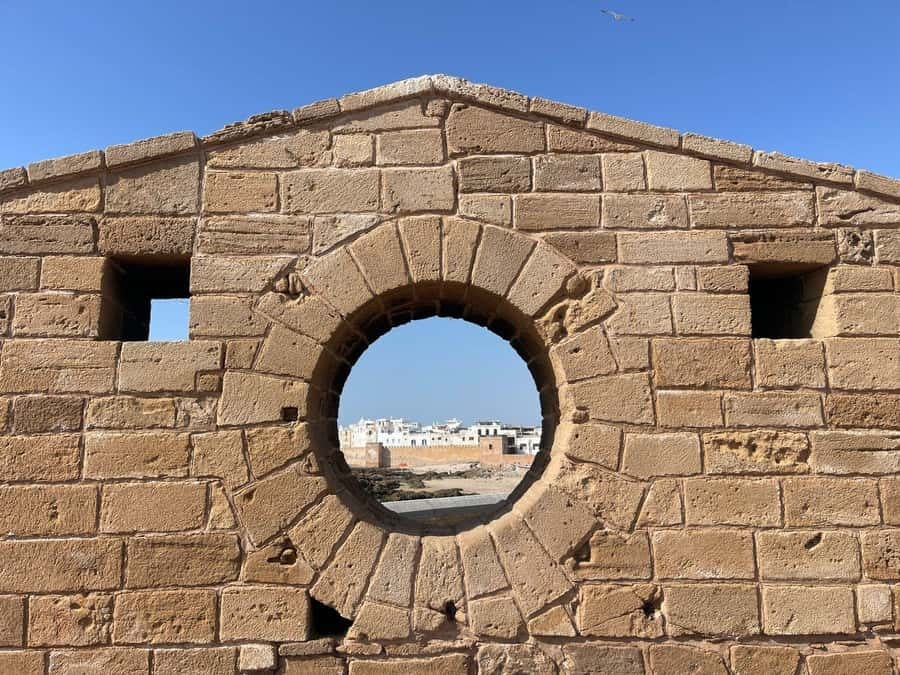
Book it if you want a well-planned first look at Essaouira rather than a loose wander. The Sqala du Port delivers the strongest views, the Medina supplies the texture, the Mellah adds important social context, and the fish market keeps the tour tied to present-day port life.
At $23, the tour earns its price through local explanation and a sensible route. I would especially choose it early in a stay, then use the remaining days to return to the Medina, shops, fish stalls, and waterfront at a slower pace.
Skip it only if you already know Essaouira well or want to spend the entire morning shopping and taking photos. For most first-time visitors, the combination of history, architecture, and everyday coastal life makes this a practical and fairly priced introduction.
FAQ
How long does the Essaouira walking tour last?
The tour lasts three hours. The listed route includes about 40 minutes at the Sqala du Port, 20 minutes at the citadel, 15 minutes in the Mellah, and about one hour in the Medina, with additional time around Moulay Hassan Square and the walk between stops.
Where does the tour meet?
Meet your English guide in front of Bab Sbaa, the gate at the edge of the old town. The operator sends a WhatsApp message the day before with the guide’s name and meeting details, so check that message carefully.
What languages are available?
The live tour guide service is available in Arabic, English, and French.
Is hotel pickup included?
No. Hotel pickup and drop-off are not included. You must make your own way to Bab Sbaa and return independently after the tour.
Is entrance to the citadel included?
The Essaouira Citadel visit is described as optional. The activity includes skip-the-line entry to the monuments, but you should select the correct booking option and confirm the entrance details before paying.
Can I book a private tour?
Yes. A private group option is available, alongside a small group shared tour. Make sure you select the option you want when booking.
Can I cancel or pay later?
You can cancel up to 24 hours before the tour for a full refund. Reserve now and pay later is also available, which lets you hold a place without paying at the time of booking.
Just added around Morocco
- Moroccan Cooking Class with a Local Family & Market Visit★ 5.0 · 16 reviews
- Private Market Tour & Cooking Class in Casablanca with Transfers★ 5.0 · 20 reviews
- Casablanca Market and Street Food Walking Tour★ 5.0 · 3 reviews
- 5 am in Casablanca: Mosque, Medina, Beach , Souks , Coffee and more★ 5.0 · 11 reviews
- Market Tour & Moroccan Cooking Class in Casablanca with Transfers★ 5.0 · 18 reviews
- High Atlas Mountains And The Local old Market Private Day Tour★ 3.5 · 5 reviews
- Paradise Valley & Gorge Adventure with Souk & Transfer★ 4.0 · 5 reviews
- Agadir city Tour with big Souk Elhad★ 5.0 · 5 reviews
Fish Market Tours, compared.

Tokyo Tsukiji Fish Market Food and Culture Walking Tour
Read our review →


Tokyo Sushi Making Class in Tsukiji with Professional Chef
Read our review →
Tsukiji Fish Market Guided Tour and Sushi Making with Pro Chef
Read our review →Tsukiji Fish Market Food and Culture Walking Tour
Read our review →
Tsukiji Fish Market: Street Food & Culture Walking Tour
Read our review →
Tsukiji Fish Market Small-Group Food Walking Tour
Read our review →Browse the lists this tour appears in