
Review · FISH MARKET TOURS
Sydney Fish Market Behind the Scenes Tour
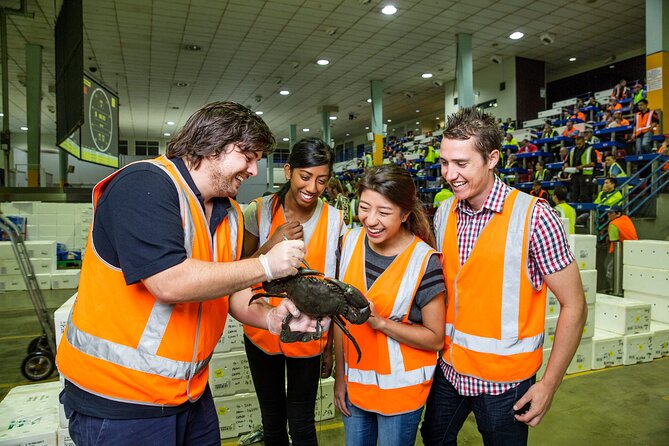
At 6:00 am, Sydney Fish Market is not a place for a lazy browse. It is a working seafood operation, and this tour takes you into the wholesale auction floor, normally closed to the public. You see seafood being graded, sorted, packed, and sold before most of Sydney has had breakfast.
I like two things in particular. First, you watch the Dutch auction system at work instead of hearing a dry explanation in a museum. Second, the small group, capped at 15 people, gives you a better chance to ask questions. Guides Tom and Mike bring useful practical experience, with Mike drawing on his background as a fisherman.
The main drawback is the early start and the narrow age rule. You must be at the meeting point at 6:00 am, and children under 13 cannot join. The tour also lasts about 90 minutes to two hours, so it suits curious food lovers more than anyone looking for a quick market stroll.
Key points before you book
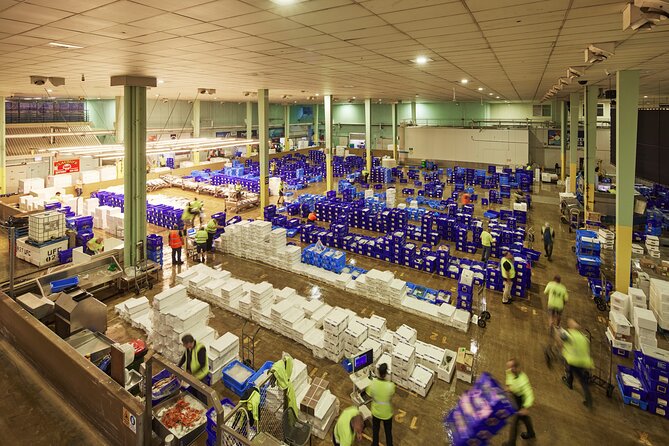
- See the auction before the public arrives: The tour enters wholesale and auction areas that are normally off-limits.
- Watch a Dutch auction: You learn how seafood is graded and sold through this distinctive system.
- Meet live seafood: Lobsters, mud crabs, and giant tuna are among the creatures and products you may see.
- Get a working fishmonger’s view: The tour follows seafood from Australian waters to restaurant kitchens.
- Small groups help: A maximum of 15 people makes questions and conversation easier.
- Plan for 6:00 am: The early start is essential, and children under 13 are not permitted.
Inside Sydney Fish Market before breakfast
The appeal here is simple: you see Sydney Fish Market as a workplace, not just a place to buy lunch. The public areas show the finished product, but the behind-the-scenes route focuses on what happens before seafood reaches the display counters or a restaurant plate.
You meet at 1 Bridge Road in Glebe, New South Wales. The tour begins at 6:00 am and returns to the same meeting point. Transportation is not included, so you need to arrange your own way there and allow enough time to arrive ready for an early start.
Once the tour begins, you are fitted out with a high-visibility vest and boots for use during the visit. Those items are practical rather than decorative. You are entering an active working area, where the focus is on safety, movement, and seeing the operation at close range.
The route stays within Sydney Fish Market, described as the site of the world’s second-largest wholesale fish auction. The exact pace can vary because this is a working market rather than a staged show. That is part of the value, but it also means you should expect an operational visit instead of a polished sightseeing performance.
More Fish Market Tours in Australia
- Sydney Fish Market Behind the Scenes Tour
★ 5.0 · 10 reviews - Sydney Fish Market Discovery Tour
★ 4.2 · 10 reviews - Sydney Harbour & Fish Market Sightseeing Cruise
★ 4.5 · 4 reviews
Watching the Dutch auction in action
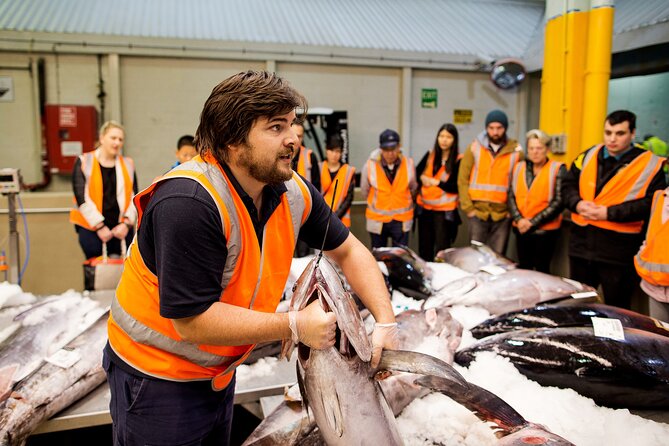
The auction is the heart of the experience. You learn about the Dutch auction system, a method in which bidding moves through changing prices rather than following the familiar pattern of bids rising higher and higher.
That system matters because it connects the catch with buyers quickly. Seafood is perishable, so speed, grading, and clear decisions are central to the market. Seeing the process on the auction floor gives you a better sense of how seafood moves through the trade.
You also learn how products are assessed before sale. The tour covers grading, sorting, and packing, showing the steps between a catch arriving and the seafood being ready for a restaurant or retailer.
I like this part because it turns a familiar meal into a chain of decisions. A tuna dish or plate of prawns can seem simple at the table. Here, you begin to see the work behind it: the species must be identified, the quality assessed, the product handled, and the sale completed.
The auction area is normally closed to the public, which makes this more than a standard market visit. You are not simply looking at seafood in a case. You are seeing a commercial system at work, with a guide explaining what you are watching as it happens.
There is one practical limitation. The available details do not promise that every auction action will unfold at exactly the same pace on every date. Since the market is a working operation, you should book this for access and explanation, not for a guaranteed theatrical display.
Learning the route from sea to restaurant
The Seafood Educator helps connect the physical market to Australia’s fishing and food industries. You learn about the journey seafood takes from Australian waters to the plates of Sydney restaurants.
That wider context gives the tour its purpose. A fish market can otherwise be reduced to a colorful collection of species and price tags. Here, you get a picture of how the supply chain works, from sourcing through grading, sale, sorting, and packing.
The tour also covers Australia’s role in sustainable fishing and aquaculture. That is useful for anyone who wants to understand not only what is being sold, but how seafood production can be managed over time.
The information is practical rather than academic. You are shown the products and processes that make the market function, then given the background needed to understand them. If you ask plenty of questions, the small group should make it easier to get useful answers.
Tom has been praised for explaining the fishing industry and where seafood comes from. Mike brings hands-on experience as a fisherman and can discuss fish, crabs, and related subjects. Guide quality matters on a tour like this because the market itself can be busy and visually confusing. A good guide helps you notice what has meaning.
Lobsters, mud crabs, and giant tuna
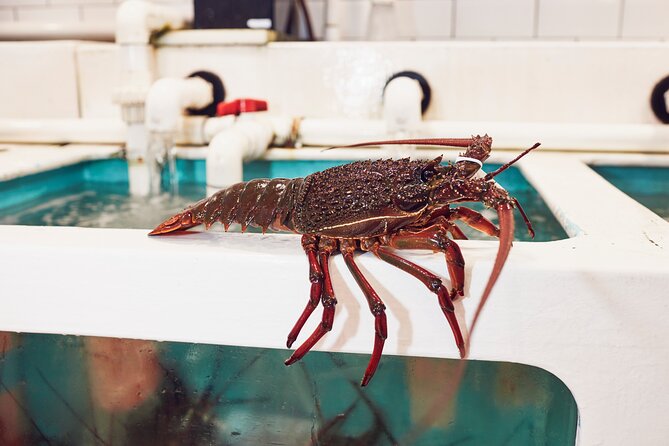
The seafood itself gives the tour plenty to look at. You may meet live lobsters and mud crabs, and see giant tuna among the many species available on the auction floor.
These encounters are not just photo opportunities. They help you compare the seafood in its live or whole form with the cleaned and prepared products you usually see in a shop or restaurant. That difference is part of learning how species are handled and sold.
The variety also makes the tour useful for people who enjoy food but do not know much about seafood. You can ask about different fish, crabs, and other products while standing in the place where buyers assess them.
The experience has a working edge. You should not expect a quiet aquarium visit or a hands-on cooking class. The emphasis is on observation, explanation, and the trade itself. The supplied vest and boots reinforce that this is a working area, not a themed attraction.
For children, the minimum age is 13. That rule removes the tour as an option for younger families, but it also signals the nature of the visit. This is an early morning workplace tour, with active wholesale areas and a focus that may suit teenagers and adults better than small children.
Same place, a different set of stalls:
- Queen Victoria Market Ultimate Foodie Tour
★ 5.0 · 295 reviews - Adelaide Central Market Discovery Tour
★ 5.0 · 203 reviews - Sunshine Coast Hinterland and Noosa Day Trip from Brisbane Incl Eumundi Markets
★ 4.5 · 189 reviews - Multicultural Markets Food Tour – Melbourne’s Global Tastes
★ 5.0 · 75 reviews
Why the small group matters
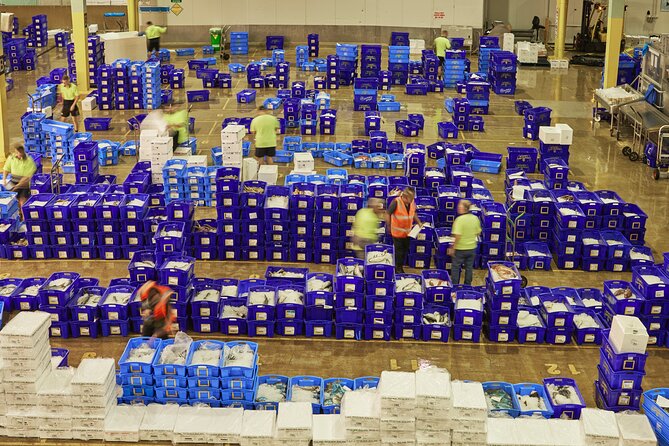
The group limit is 15 people. That is a useful size for a tour in a working market. You are less likely to be lost in a large crowd, and it is easier to hear the guide or ask a question when the group pauses.
A small group also helps with the educational side. You can ask about a species you do not recognize, the auction system, sustainable fishing, or the work of a fishmonger. Mike’s fishing background, for example, is most useful when the group can engage with his practical knowledge rather than simply listen to a fixed speech.
The tour is led by a licensed guide, with a Seafood Educator explaining the market and the seafood trade. That combination gives you both structure and subject knowledge.
Still, a small group does not guarantee a private tour. The maximum is 15, not one or two people, and the market remains a real workplace. If you want a completely quiet, personal lesson, this may feel active and fast-moving. If you want access to areas normally closed to the public, the group size is a fair trade.
What the 90 minutes to two hours feels like
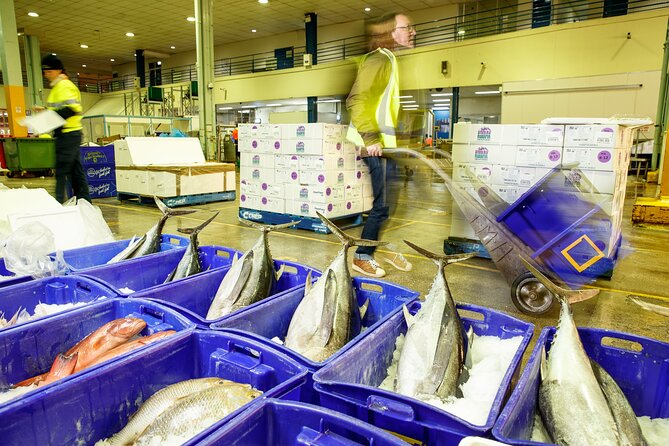
The stated duration is approximately one hour and 30 minutes to two hours. That range is useful to know when planning the rest of your morning. Do not schedule a tight breakfast reservation immediately after the tour, especially if you need to arrange transportation afterward.
The core visit takes place at Sydney Fish Market, with the wholesale fish auction as the main stop. The route covers the auction and wholesale spaces, the species on the floor, live seafood, and the processes of grading, sorting, and packing.
The first part is likely to orient you to the working market and the role of the fishmonger. From there, the guide can explain the auction and the seafood available for sale. The exact sequence may vary because the tour operates within an active commercial setting.
The final part brings the various pieces together: the catch, the auction, sustainable fishing and aquaculture, and the route to Sydney restaurants. You finish back at the meeting point rather than at a separate drop-off location.
The length is about right for a focused introduction. You get enough time to understand the operation without turning the visit into a half-day commitment. If you are already an industry expert, you may want even more technical detail. For most food-focused visitors, the mix of access and explanation should feel substantial.
Is the $57.38 price good value?
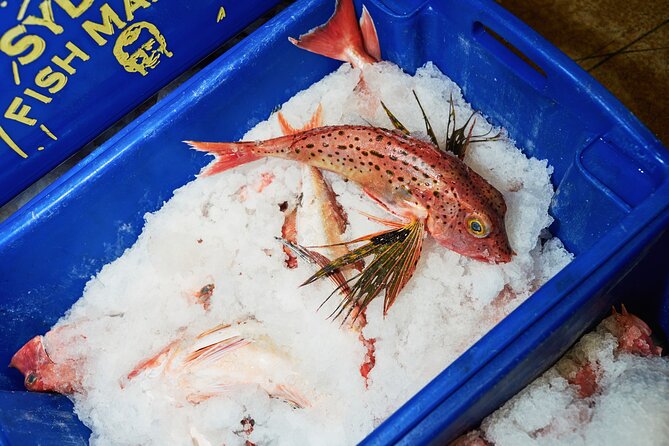
At $57.38 per person, this is not simply a paid walk through a public market. You are paying for early access to wholesale areas, a licensed guide, market equipment, and an explanation of auction and seafood-handling practices.
The value depends on your interests. If you only want to eat seafood or browse public stalls, you can visit the market without booking this tour. If you want to understand how the seafood trade works and enter spaces normally closed to the public, the price is easier to justify.
I see the strongest value in the combination of access and interpretation. Watching an auction without knowing what is happening could be confusing. Hearing a guide explain grading, sorting, packing, and the Dutch auction turns the visit into a lesson in how food reaches the city.
The small group adds value too. A 15-person maximum is not intimate in the same way as a private tour, but it is far more manageable than a large coach group. The ability to ask about fish, crabs, fishing, and aquaculture helps make the cost feel more worthwhile.
This is not the best choice if you are comparing every activity by minutes of sightseeing. The tour requires a very early start and has no transportation included. You should book it because you want the working-market access, not because you need another general Sydney attraction.
Who should take this tour?
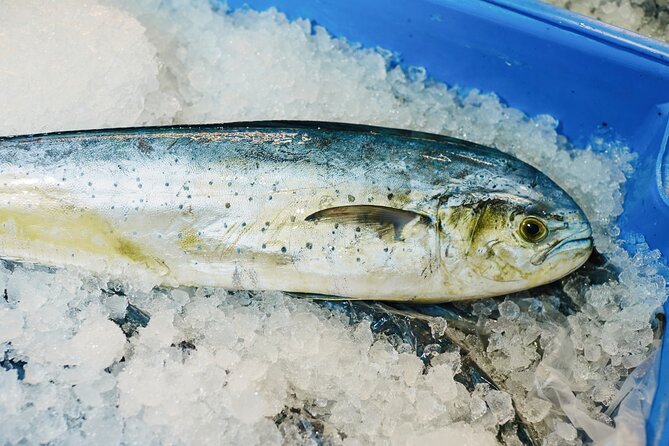
I would recommend it most strongly to seafood lovers, food-focused visitors, and anyone curious about how restaurants source their ingredients. It also suits people who enjoy markets when they are functioning as workplaces, not only when they are arranged for shoppers.
The tour could be a good fit for older teenagers and adults. The minimum age is 13, and the early start may be tiring for younger members of a family. Anyone interested in fishing, sustainability, aquaculture, or food supply chains should find plenty to discuss.
It may also appeal to people who have visited Sydney Fish Market before but only saw the public side. The wholesale auction and packing areas offer a different view of the same institution.
I would be more cautious if you dislike early mornings, working environments, or tours built around explanation. There is no transportation included, and the visit is not designed as a relaxed brunch outing. You need to be ready at 6:00 am and comfortable following a guide through an active market.
Timing, clothing, and practical planning
Your starting point is 1 Bridge Road, Glebe NSW 2037, and the tour ends there. The market is near public transportation, but the booking does not include transportation, so check your route before the morning of the visit.
The supplied high-visibility vest and boots are included. You do not need to bring those items, but you should plan for an early start and a practical visit rather than a polished city tour.
Confirmation is provided at booking. The activity accepts most participants, with the stated exception of children under 13. The group maximum is 15 people.
Free cancellation is available if you cancel at least 24 hours before the local start time. Cancellations or changes made less than 24 hours before the start are not accepted for a refund, so this is worth considering before you commit to the early appointment.
The experience is often booked about 28 days ahead. That does not guarantee that every date will sell out, but it suggests you should not leave it until the last minute if the tour is important to your Sydney plans.
Should you book the Sydney Fish Market tour?
Book it if you want to see the working side of Australian seafood, learn how a Dutch auction functions, and ask questions in a small group. The strongest parts are the restricted wholesale access, the grading and packing process, the live seafood, and guides such as Tom and Mike who can explain the trade from practical experience.
Skip it if you want a late-morning activity, a family outing for children under 13, or a simple market meal. The early start is real, transportation is your responsibility, and the visit is built around learning rather than leisurely shopping.
For the right reader, $57.38 buys more than a look at fish counters. It gives you a clearer picture of how seafood moves from Australian waters through a working auction and onto Sydney plates.
FAQ
Where does the tour start?
The tour starts at 1 Bridge Road, Glebe NSW 2037, Australia, and finishes back at the same meeting point.
What time does the tour begin?
The tour starts at 6:00 am.
How long does the experience last?
The approximate duration is one hour and 30 minutes to two hours.
Are children allowed to join?
Children under 13 are not permitted. Most other participants can take part.
What areas of Sydney Fish Market will I see?
You will be guided through the wholesale fish auction and related areas, including spaces normally closed to the public.
What is included in the price?
The tour includes a licensed guide, a high-visibility vest, and boots for use during the visit. Transportation is not included.
Can I cancel for a full refund?
Yes. You can cancel for a full refund up to 24 hours before the experience start time. Cancellations or changes made less than 24 hours before the start are not accepted for a refund.
Just added around Australia
- Port Douglas Sunday Markets Day Tour★ 4.0 · 25 reviews
- Rusty’s Market Foodlovers Tour★ 5.0 · 18 reviews
- Noosa Heads and Eumundi Markets Private Tour from Brisbane★ 5.0 · 2 reviews
- Noosa, Eumundi Markets, Glass House Mountains from Brisbane★ 5.0 · 4 reviews
- Adelaide Central Market Food Tour★ 5.0 · 13 reviews
- A Taste of Adelaide Central Markets Food Tour★ 5.0 · 5 reviews
- Sydney Fish Market: Tide to Table Seafood Tour with Drink★ 5.0 · 2 reviews
- Sydney: Fish Market Food Tour★ 5.0 · 2 reviews
Fish Market Tours, compared.

Tokyo Tsukiji Fish Market Food and Culture Walking Tour
Read our review →
Tokyo Sushi Making Class in Tsukiji with Professional Chef
Read our review →
Tsukiji Fish Market Guided Tour and Sushi Making with Pro Chef
Read our review →Tsukiji Fish Market Food and Culture Walking Tour
Read our review →
Tsukiji Fish Market: Street Food & Culture Walking Tour
Read our review →
Tsukiji Fish Market Small-Group Food Walking Tour
Read our review →Browse the lists this tour appears in