
Review · FISH MARKET TOURS
Sydney Fish Market Discovery Tour
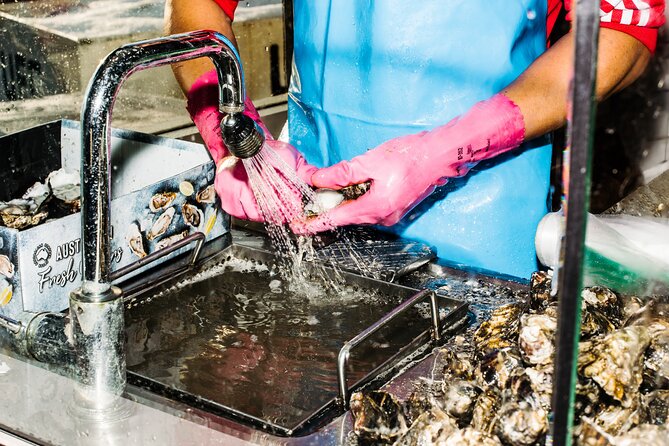
The most revealing part of this tour is the Dutch auction, where seafood pricing moves in a very different direction from the usual auction. You’ll also get close to oyster shucking, fishing boats, commercial wharves, and the working parts of the market that most shoppers pass without understanding.
I like the practical seafood advice, especially learning how to choose seasonal and sustainable fish. I also like the guide-led look at the new building and the market’s future, since it gives the famous food hall more context than a simple lunch stop.
The main drawback is value. At $35 for one hour, you pay for access and explanation rather than a meal, and food and drink are not included in the stated price. If you mainly want fish and chips, you may find the tour costly.
Key points
- The Dutch auction is the star lesson: Learn how auction pricing works at the market and why speed matters in the seafood trade.
- You go beyond the retail counters: The walk includes commercial wharves, fishing vessels, and auction areas.
- Oyster shucking happens up close: Watch skilled shuckers work in real time.
- The new building gets proper attention: Hear how its design supports the market’s next chapter.
- Seasonal seafood advice is useful: Learn what to look for when buying fish and how sustainability affects your choices.
- It is short and focused: The one-hour format suits a first visit, but it leaves no room for a long meal or an unhurried market wander.
Sydney Fish Market is more than a place to eat

Many people come to Sydney Fish Market with one goal: buy seafood or sit down with a plate of it. That is perfectly sensible. But the market makes more sense when you know what happens before the fish reaches the display counter.
This one-hour walking tour gives you that working view. A Seafood Educator leads you through the market, explaining the route from ocean to plate. You are not simply shown the most photogenic counters. You are introduced to the auction system, the wharves, the vessels, the fishmongers, and the choices behind the seafood you buy.
That distinction matters. Without guidance, the market can feel like a large collection of counters and signs. With context, you can see the connection between fishing, wholesale trade, retail selling, cooking, and sustainability.
The tour is in English and uses a live guide. Michael is one named guide associated with the experience, and his passion for seafood and the market has been singled out in the feedback. The quality of any guided visit depends on the person leading it, but this is the kind of subject where a good educator can make a major difference.
More Fish Market Tours in Australia
- Sydney Fish Market Behind the Scenes Tour
★ 5.0 · 10 reviews - Sydney Fish Market Behind the Scenes Tour
★ 5.0 · 9 reviews - Sydney Harbour & Fish Market Sightseeing Cruise
★ 4.5 · 4 reviews
Starting at the Information Hub on Bridge Road
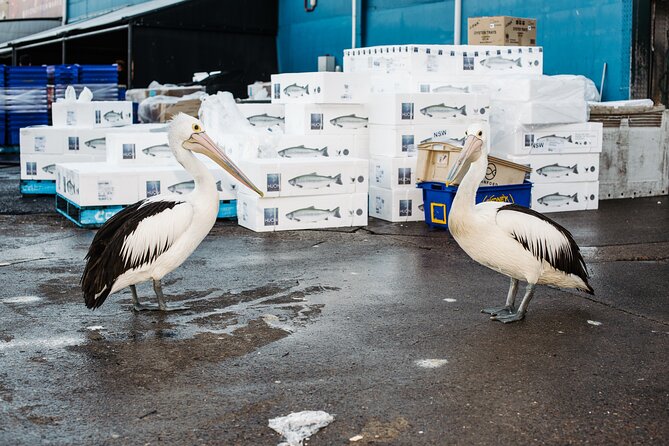
The meeting point is the Information Hub on the ground level, on the side of the building closest to the city. The listed starting address is 1 Bridge Road, and the tour returns there after the walk.
Give yourself enough time to locate the correct side of the building. The meeting point is not described as a restaurant counter or retail stall, so arrive ready to find the information area rather than wandering straight toward lunch.
You need closed-toe shoes. That is a sensible rule for a working seafood market, where wet surfaces and active commercial areas are part of the setting. Pets and smoking are not allowed.
The tour lasts 60 minutes. That makes it easy to fit into a morning or afternoon, and it works well as your first activity at the market. You can learn how the place operates, then decide where to eat or shop afterward.
Transport to and from the market is not included. You are responsible for reaching 1 Bridge Road and returning from there. The tour itself is wheelchair accessible, which is useful for visitors who want a guided introduction without needing to navigate the building alone.
Seeing the Dutch auction in action
The auction stands are one of the most valuable parts of the walk. You learn how the Dutch auction operates, a system in which the price moves in a set direction and buyers respond quickly.
This is not just a bit of market trivia. The auction helps explain why seafood trading requires timing, judgement, and a good sense of value. A buyer has to assess the product and decide when the price is right. Wait too long and someone else may claim it. Move too soon and the price may not be at its best.
The tour does not present seafood as a simple product that appears on ice by magic. It shows the decisions that shape what is available and what it costs. That is useful if you plan to buy seafood later in your trip, since you gain a clearer sense of why season, supply, and demand matter.
Do not expect the auction visit to function like a full shopping session. This is a guided introduction, not a promise that you will purchase fish at the wholesale level. The value comes from understanding the process and seeing the auction area in context.
Walking past commercial wharves and fishing vessels

The route also includes the commercial wharves and different types of fishing vessels. This is where the seafood supply chain becomes easier to picture.
At a retail counter, you see the finished product. At the wharf, you can connect it with boats, landing areas, and the work involved in bringing seafood to market. The tour explains how those parts fit together, giving you a clearer idea of what happens before the fishmonger receives the catch.
For me, this is the sort of detail that makes a short tour worthwhile. You are not only hearing about seafood in the abstract. You are being taken to parts of the market that shoppers may overlook while choosing prawns or oysters.
The wharves also give the market a more industrial character than the dining areas suggest. This is a working place, not only a food attraction. Conditions can be active and practical rather than polished, so closed-toe shoes are important and comfortable clothing is wise.
Same place, a different set of stalls:
- Queen Victoria Market Ultimate Foodie Tour
★ 5.0 · 295 reviews - Adelaide Central Market Discovery Tour
★ 5.0 · 203 reviews - Sunshine Coast Hinterland and Noosa Day Trip from Brisbane Incl Eumundi Markets
★ 4.5 · 189 reviews - Multicultural Markets Food Tour – Melbourne’s Global Tastes
★ 5.0 · 75 reviews
Learning what a fishmonger actually does
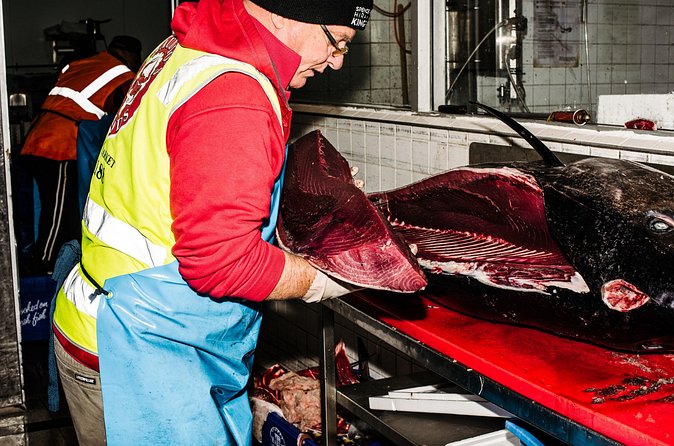
A fishmonger does much more than place fish on ice and take payment. The tour explains what it means to work in that role and how seafood moves through the market before reaching the customer.
That helps you look at the retail counters with sharper eyes. You can think about freshness, season, species, preparation, and sustainability rather than choosing only by appearance. The guide also helps connect the market’s wholesale side with the shops where you eventually buy food.
You may already know which seafood you like. The useful lesson here is learning how to make better choices beyond personal taste. The tour aims to explain how to pick seasonal and sustainable seafood, giving you information that can carry over to fish markets and restaurants elsewhere.
Since the activity is only an hour, the advice will be an introduction rather than a full seafood course. Still, practical information is a strong part of the experience, especially if you are unfamiliar with Australian seafood or unsure how to judge what is in season.
Watching oysters get shucked
Oyster shucking is the most immediate demonstration on the tour. You get to see experts open oysters up close and in real time.
That sounds simple, but the technique matters. The shucker has to work quickly and carefully, protecting the oyster while opening the shell. Seeing the process makes the food on the retail counter feel less anonymous and gives you a better sense of the skill involved.
This is also one of the tour’s more entertaining moments. The auction and fishing information require concentration, while the shucking demonstration gives you something to watch as the guide explains the work.
Food and drink are not included in the stated tour price. One account of the experience described food being tasted, but you should not book this expecting a guaranteed fish and chip meal or a full seafood lunch. Check the current details if a tasting is important to you, and keep room in your budget for a separate meal.
Understanding the new building and the market’s next chapter
The Seafood Educator also discusses the new building’s design features and the market’s future. This adds a useful layer to the visit because the building is not just a container for seafood stalls.
The design is part of the market experience, and the tour helps you notice how the new site shapes the way people move, shop, work, and eat. You get an explanation of what the building is trying to do rather than simply looking at its most dramatic features.
The guide also places the market in its wider development. You hear stories from its past and learn about plans for the future. This gives the visit a sense of change: the market is both a long-running seafood institution and a modern food destination.
If you are interested only in eating, this section may feel less urgent. If you want to understand why the market looks and functions as it does, it is worthwhile. It also gives you better context for the commercial areas, since the building serves workers, retailers, diners, and the public at the same time.
How much value do you get for $35?
The price is $35 per person for one hour. That is reasonable if you want a guided introduction to the market’s working side, but it is less attractive if you see the activity mainly as a way to reach lunch.
You are paying for an educator, access to areas and explanations you might not seek out alone, and a structured route through a large market. The auction, wharves, vessels, oyster shucking, seafood advice, and building information give the hour a clear purpose.
The price feels harder to justify for visitors who expect food to be part of the package. Food and drink are not included, and the tour does not promise a finishing meal. Add the cost of your own lunch and the total outing becomes more expensive than a casual market visit.
I would compare it with the price of a self-guided visit. If you are happy to browse the retailers, watch the public activity, and choose your own food, you can spend less. If you want someone to explain how the seafood trade works and show you the market’s less obvious parts, the extra cost buys useful context.
The reserve-now-and-pay-later option also helps if your schedule is uncertain. You can hold a place without paying at the time of booking. Free cancellation is available up to 24 hours before the tour for a full refund, which makes planning easier.
Who should book this one-hour walk?
I would recommend it to first-time visitors who want to understand the market before eating there. It is also a good choice for people interested in seafood, fishing, food supply chains, or sustainable buying.
Families and mixed-age groups may like the combination of walking, boats, auctions, and oyster shucking. The hour is short enough to hold attention, and the subject offers more variety than a standard food tasting.
It also suits visitors who prefer a clear introduction rather than wandering without a plan. The guide gives you a route and a framework, then you can explore the retailers on your own.
I would hesitate if your priority is a generous meal, a long tasting session, or a relaxed market lunch. The activity is educational first. The food is the setting, not the full package.
Practical tips before you go
Wear closed-toe shoes, as required. You will be walking through a working seafood site rather than only sitting in a dining area.
Arrive at the Information Hub on the city-facing side of the ground level. The meeting point is at 1 Bridge Road, and the tour returns there after 60 minutes.
Plan your meal separately. Food and drink are not included in the stated price, so decide in advance how much extra time and money you want to spend at the market afterward.
Keep your schedule flexible enough for the guide’s explanations. The hour is not long, and rushing off halfway through would weaken the value of the experience.
The tour is wheelchair accessible. It is conducted in English, with a live guide, and pets and smoking are not permitted.
Should you book the Sydney Fish Market Discovery Tour?
Book it if you want the market to make sense, not just feed you. The Dutch auction, commercial wharves, fishing vessels, oyster shucking, and seafood-buying advice give you a useful view of how the industry works.
At $35, the tour is best judged as a short educational experience. It is not a bargain meal and should not be treated as one. If you are willing to pay for explanation and access to the market’s working side, it offers a focused first visit.
My practical choice would be to take the tour early in your visit, then stay for lunch and browse the retailers afterward. That way, you get the background first and can put the seafood lessons to use while choosing what to eat.
FAQ
How long does the Sydney Fish Market Discovery Tour last?
The guided tour lasts one hour, or 60 minutes.
Where does the tour meet?
You meet the guide at the Information Hub on the ground level, on the side of the building closest to the city. The listed address is 1 Bridge Road.
What does the tour include?
It includes a 60-minute tour hosted by an experienced Seafood Educator. The route covers the market, auction stands, commercial wharves, fishing vessels, oyster shucking, the building, and seafood practices.
Is food included in the ticket price?
Food and drink are not included in the stated price. Plan and budget for any meal or refreshments separately.
Is the tour wheelchair accessible?
Yes, the activity is wheelchair accessible.
What should I bring, and what is not allowed?
You should wear closed-toe shoes. Pets and smoking are not allowed.
Just added around Australia
- Rusty’s Market Foodlovers Tour★ 5.0 · 18 reviews
- Port Douglas Sunday Markets Day Tour★ 4.0 · 25 reviews
- Noosa Heads and Eumundi Markets Private Tour from Brisbane★ 5.0 · 2 reviews
- Noosa, Eumundi Markets, Glass House Mountains from Brisbane★ 5.0 · 4 reviews
- Adelaide Central Market Food Tour★ 5.0 · 13 reviews
- A Taste of Adelaide Central Markets Food Tour★ 5.0 · 5 reviews
- Sydney Fish Market: Tide to Table Seafood Tour with Drink★ 5.0 · 2 reviews
- Sydney: Fish Market Food Tour★ 5.0 · 2 reviews
Fish Market Tours, compared.

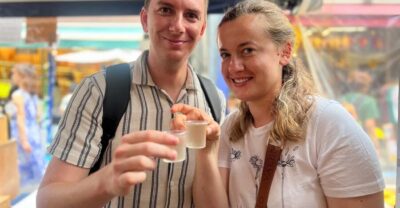
Tokyo Tsukiji Fish Market Food and Culture Walking Tour
Read our review →
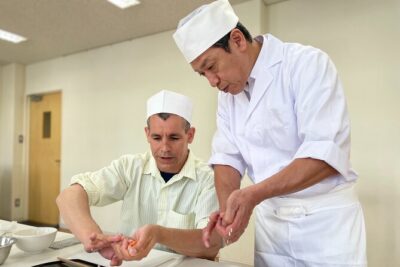
Tokyo Sushi Making Class in Tsukiji with Professional Chef
Read our review →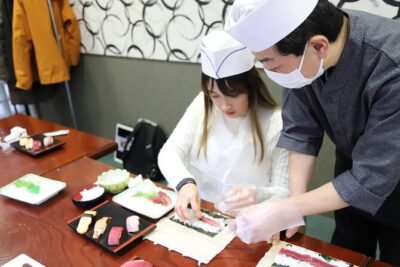
Tsukiji Fish Market Guided Tour and Sushi Making with Pro Chef
Read our review →Tsukiji Fish Market Food and Culture Walking Tour
Read our review →
Tsukiji Fish Market: Street Food & Culture Walking Tour
Read our review →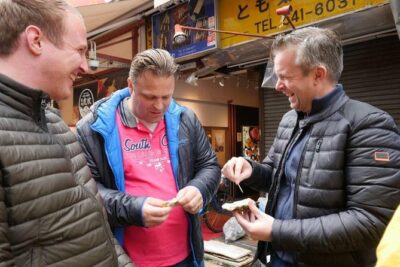
Tsukiji Fish Market Small-Group Food Walking Tour
Read our review →Browse the lists this tour appears in