
Review · MARKET WALKING TOURS
Kyoto Nishiki Market Food and Culture Walking Tour
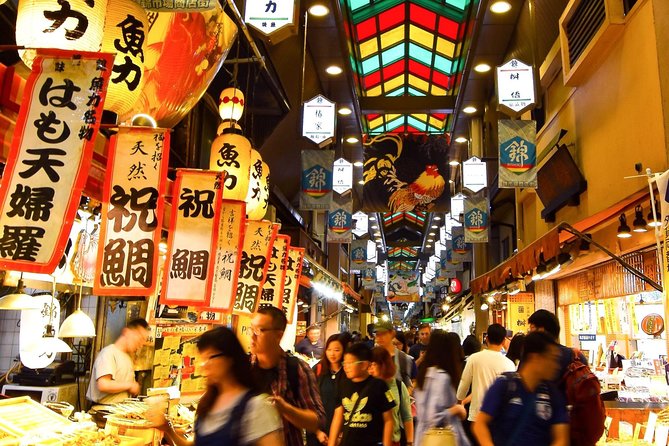
Kyoto’s famous Nishiki Market is easy to enter and surprisingly hard to understand. The narrow arcade is packed with food stalls, long-running shops, samples, souvenirs, and unfamiliar ingredients. This tour gives you a local guide to explain what you are seeing, what is worth tasting, and how to move through the crowd without wasting half your morning.
I like two things here. First, the small maximum of six people gives the guide room to answer questions and adjust the pace. Second, the route connects food with daily religious life, taking you from the market to Nishiki Tenmangu, a Buddhist temple, and Kyoto’s shopping arcades. The main caution is price: at $80.92 per person, this is worthwhile when the guide and tastings matter to you, but less so if you only want the cheapest way to eat your way down the street.
Key points at a glance
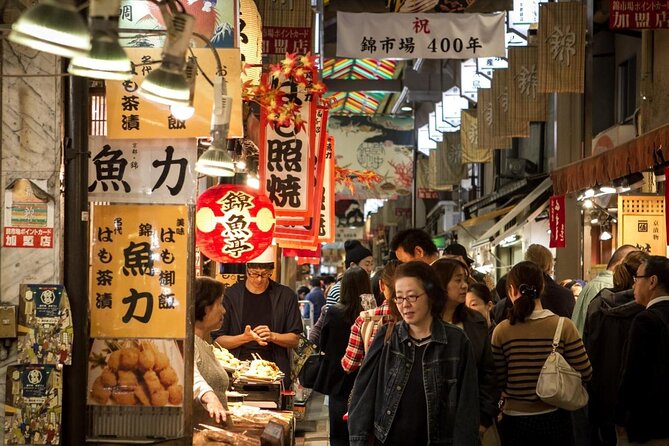
- A compact Kyoto food lesson: You explore the 400-year-old Nishiki Market with explanations of local ingredients, customs, and eating habits.
- A group capped at six: The small size can feel nearly private, especially on a quiet day.
- More than a market walk: The route includes Nishiki Tenmangu, Takoyakushido Eifukuji Temple, Shinkyogoku, and Teramachi-dori.
- Food in place of a meal: Tastings are intended to fill you up, though the number and size of samples can vary.
- Strong guide record: Guides named in guest comments include Keiko, Takuma, Miku, Toshi, Naoko, Annie, Atsu, Saeko, Nagi, Taisei, Taka, Yasuko, Yoko, Chizuko, and others.
- Important dietary warning: Vegetarian, halal, kosher, gluten-free, and allergy-related requests cannot be accommodated.
Why Nishiki Market makes a good first food stop
Nishiki Market runs along a narrow, five-block street lined with about 130 shops. It is called Kyoto’s Kitchen for good reason, but that nickname does not mean it is a simple indoor food court. You will find ingredients, prepared foods, sweets, pickles, seafood, seasonings, and shops that have served local customers for generations.
The market can feel crowded and confusing, particularly if this is your first visit to Japan. Signs may be unfamiliar, samples are not always obvious, and some foods are best understood with a little context. A guide helps you see the market as part of Kyoto’s food culture rather than just a row of snacks.
I especially like the way this tour uses the market as a starting point, not the whole story. You get time to look at food, ask what something is, and learn how people use it. You also have a chance to buy ingredients or souvenirs, including items such as matcha salt and drink concentrates that can be hard to identify on your own.
The tradeoff is that the market itself is free to enter. You can walk through it without paying for a tour, and you can buy food independently. The tour’s value comes from the guide’s explanations, selected tastings, language help, and the confidence of having someone lead you through the choices.
More Market Walking Tours in Japan
- Nishiki Market Brunch Walking Tour (7 Tastings + Brunch)
★ 5.0 · 1,355 reviews - Taste of Nishiki Market Walking Food Tour with Local guide
★ 5.0 · 17 reviews - Kyoto: Wholesale Fish Market Walking Tour
★ 5.0 · 2 reviews
What the three hours feel like
The experience lasts about three hours, with roughly one hour and 40 minutes listed for Nishiki Market. The remaining time is spread across the shrine, temple, and shopping streets nearby. You are walking, standing, stopping to taste, and occasionally sitting, so it is not a nonstop march.
That balance matters. One person specifically found the combination of walking and sitting comfortable even with back problems. The tour can also run longer than expected, so do not schedule a train connection or formal meal immediately afterward.
The group limit is six people. That is a major advantage in Nishiki’s tight passageways. A guide can answer a question without holding up a large crowd, and you have a better chance of being heard when asking about ingredients or customs. On a slow day, the experience may function almost like a private tour.
Guides have also adjusted the walk to personal interests. Saeko, for example, was able to recommend places based on the foods a group wanted to try. Chizuko connected the walk to a visitor’s interest in culinary shopping and even offered a short look at a nearby shopping area before the official start.
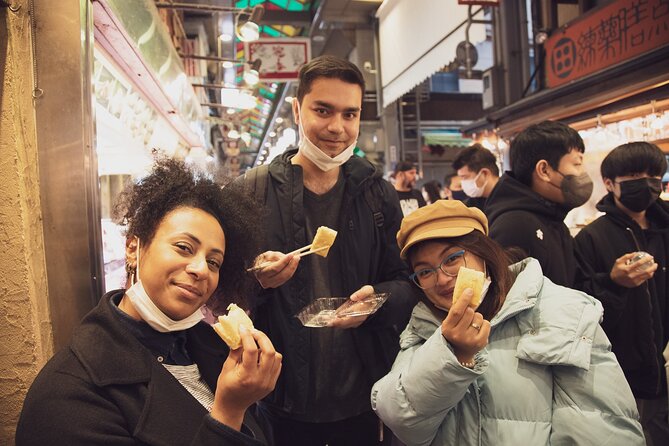
Do not expect every guide to offer exactly the same food lineup. The comments describe tastings ranging from yuba, soy doughnuts, omelette, pickled cucumber, gyoza, wheat starch, yuzu lemonade, minced meat sandwiches, and eel tempura to Kobe-style minced meat pies, fruit, strawberries, and other market specialties. The selections depend on the shops, the day, and the guide.
Nishiki Market: tasting Kyoto one stop at a time
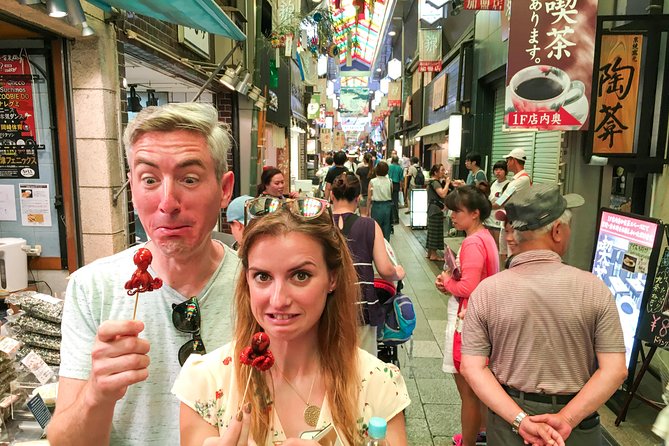
This is the heart of the experience. Your guide leads you through the narrow market street, pointing out foods and shops that are easy to pass without noticing. You may sample several items and receive small explanations about preparation, local habits, and the place of each food in Kyoto life.
The best part is not simply eating. It is having somebody tell you what to look for. A guide can help distinguish a souvenir ingredient from a snack meant to be eaten immediately, explain how a product is used, and suggest what to buy for the trip home.
The amount of food is the biggest variable. The tour description says the tastings are enough to replace a meal, and many people have finished full. One detailed account included a long list of foods and ended with a very full stomach. Another person, however, received only a few market items plus several restaurant samples and felt the price was high for the quantity.
That difference is important. Think of this as a guided food introduction, not an unlimited tasting pass. You may receive many bites, and free samples from market vendors can add to the meal, but you should not assume a fixed number of dishes or full-size portions.
The market is also a shopping stop. Leave room in your bag for seasonings, sweets, or drink concentrates. If you are uncertain about what to buy, ask the guide. Annie helped one person locate matcha salt, while Chizuko directed a visitor toward food products they were unlikely to find without help.
Mind the crowd. Nishiki can be tight, and a stroller may be difficult to manage. If you are bringing one, contact the operator in advance. The market portion is not the place for a relaxed, wide-open stroll.
Nishiki Tenmangu and the basics of Shinto worship
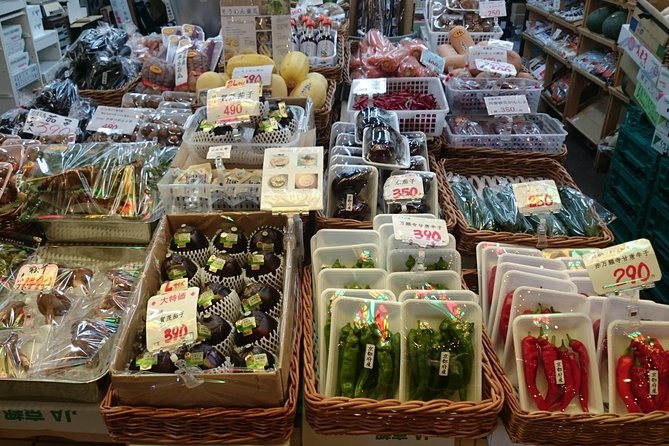
After the food stalls, the route visits Nishiki Tenmangu, a local Shinto shrine. The stop lasts about 15 minutes, so this is an introduction rather than a full temple or shrine tour.
You learn what you are likely to see at a shrine and how to pray. That makes the stop useful for first-time visitors who want to behave respectfully but are unsure about the order of actions. You also hear about worship in Japanese life, which adds context to the small details you pass throughout Kyoto.
This short pause changes the pace. Instead of moving from one bite to the next, you get a moment to consider how food, neighborhood life, and religion share the same city center. It is a modest stop, but a useful one.
Do not expect a large landmark with hours of sightseeing. The value is practical instruction and cultural context. If you want a major shrine visit with gardens and extensive grounds, this tour is not designed for that.
More Market Market Walking Tours in Kyoto:
- Bangkok: City Highlights Temple and Market Walking Tour
★ 4.5 · 3,990 reviews - Tokyo Tsukiji Fish Market Food and Culture Walking Tour
★ 5.0 · 3,184 reviews - Marrakech: Ben Youssef, Secret Garden, & Souks Walking Tour
★ 4.6 · 2,802 reviews - Marrakech: Colorful Medina Souks Guided Walking Tour
★ 4.7 · 2,470 reviews
Shinkyogoku: Kyoto’s modern shopping side
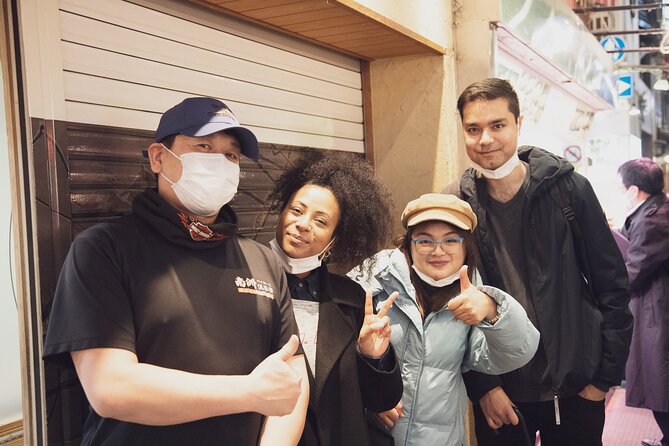
The walk continues to Shinkyogoku Shopping District, a pedestrian arcade that mixes older Kyoto character with modern retail. The listed visit is about 20 minutes.
This is a good contrast with Nishiki. The market focuses on food and ingredients, while Shinkyogoku shows how local shopping has changed into a more commercial, visitor-friendly experience. You can see the everyday retail side of central Kyoto and compare it with the market’s long-running food businesses.
The stop may also help you get your bearings. Nishiki, Shinkyogoku, and Teramachi are close together, but the arcades can blur into one another when you are navigating alone. A guide keeps the route simple and points out where the different shopping streets fit together.
The limitation is time. Twenty minutes is enough for a look and perhaps a quick purchase, not a serious shopping session. If you want to browse every shop, you will need to return later.
Takoyakushido Eifukuji Temple: an everyday religious stop
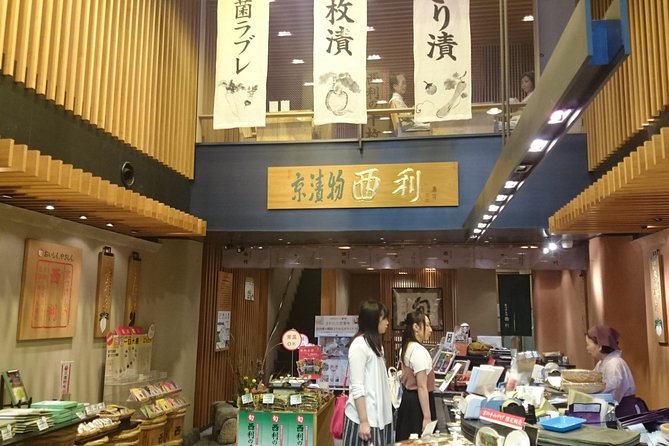
The route pauses for about 10 minutes at Takoyakushido Eifukuji Temple, a small Buddhist temple at the corner of the shopping street.
This stop is valuable because it shows religion in an ordinary setting. Kyoto has major temples that draw crowds from around the world, but small neighborhood temples can be part of daily life in a much quieter way. Here, you see how a religious site can sit directly beside shops and pedestrian traffic.
The visit is brief, so expect a simple explanation rather than an extended temple experience. It is another example of the tour’s main idea: Kyoto’s food, shopping, history, and religious customs are close together and often share the same streets.
Teramachi-dori and time to shop
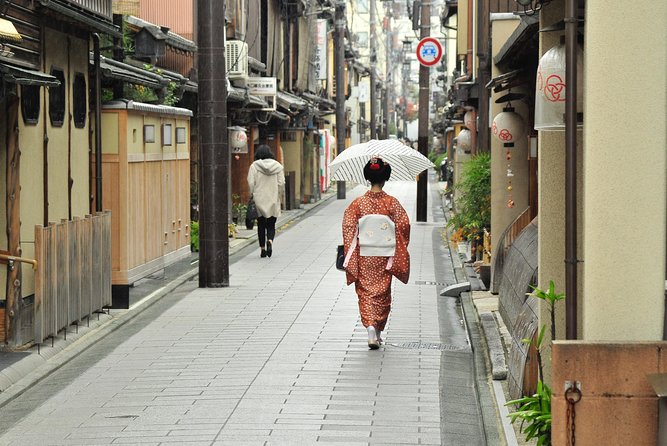
Teramachi-dori completes the walking portion. This local shopping street includes long-established businesses alongside newer shops, giving you another look at central Kyoto beyond the market stalls.
This is where the tour can be especially useful for a visitor on a tight schedule. You are already in the area, and the guide can help you understand the differences among the nearby streets instead of leaving you to wander without a plan.
There is usually some room to shop along the way. Several people appreciated being able to buy food or ingredients after receiving suggestions from their guides. Still, remember that personal purchases are not included in the tour price.
The guides make the biggest difference
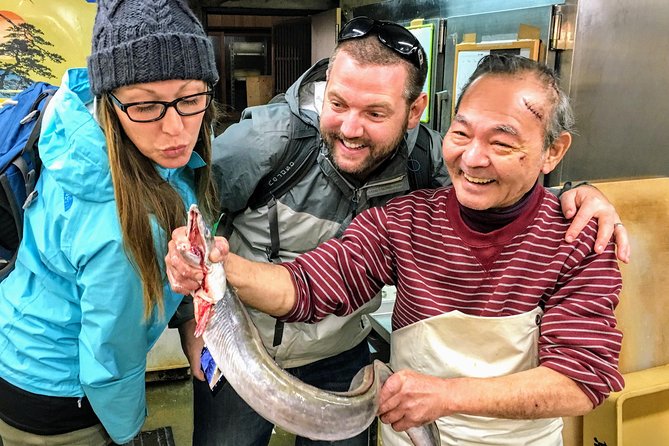
The strongest part of this experience is the guide. Many named guides received praise for clear English, patience, warmth, and the ability to explain both food and culture.
Takuma was noted for explaining Japanese customs and language while keeping the food stops at a comfortable pace. Toshi combined market information with cultural and religious instruction. Miku brought enthusiasm to the fish, fruit, and wagyu displays. Naoko was especially helpful to a solo visitor, while Atsu handled a multigenerational group well.
Other guides brought their own strengths. Yoko made a family group feel comfortable trying new foods. Yasuko paired a long tasting list with explanations of shrines and local products. Taisei added fun facts and recommendations. Chizuko’s enthusiasm extended to an early, informal look at the surrounding shopping area.
The exact guide is not guaranteed, so you should book for the structure of the experience rather than one particular person. Still, the consistent pattern is encouraging: the guide is not only there to point at food but to connect it to Kyoto’s customs, language, and daily routines.
Is $80.92 a fair price?
At $80.92 per person, this tour costs more than walking through Nishiki Market alone. That comparison is unavoidable because the market has no admission charge and you can buy individual snacks as you go.
I think the price makes sense for three kinds of visitors. First, you get enough samples to potentially replace lunch. Second, you receive explanations that are hard to get from signs or guidebooks. Third, the group is limited to six, which gives the experience a personal feel and reduces the stress of navigating the crowded street.
The value is weaker if your only goal is volume. A confident food explorer could spend less by choosing individual dishes and staying longer at favorite stalls. Some people have felt that the number of tastings did not match the price, especially when only a few market items and restaurant samples were included.
Consider the cost as a food-and-culture lesson, not just a meal. If you want help choosing unfamiliar foods, learning how to pray at a shrine, understanding the shopping districts, and finding useful souvenirs, the fee is easier to justify. If you already know Nishiki or prefer complete control over what and how much you eat, go independently.
Group discounts are available, and a mobile ticket makes arrival simple. The experience is near public transportation, though the operator has had at least one reported problem with confusing meeting-point information. Check the starting location carefully before leaving, and contact the operator directly if anything looks unclear.
Food restrictions and other practical matters
This tour cannot accommodate vegetarian, halal, kosher, gluten-free, or allergy-related requests. If you have a severe dietary restriction, the operator says it may not be possible to arrange food for you. This is the most important booking issue, and you should not assume substitutions will be available.
The tour is advertised as taking place rain or shine, but the cancellation terms also say that poor weather may lead to a different date or a full refund. If weather threatens the outing, confirm the day’s status with the operator.
Most people can take part, and the route is near public transportation. Hotel pickup, transportation to and from attractions, extra food and drinks, and personal purchases are not included. Japan’s legal drinking age is 20, though alcohol is not presented as the focus of this experience.
You can cancel for a full refund up to 24 hours before the start time. Cancellations or changes inside that window are not refunded or accepted.
Who should book this Kyoto food walk?
I would choose this tour if you are visiting Kyoto for the first time, feel unsure about Japanese food, or want a guide to turn a confusing market into a readable place. It is also a good fit for solo visitors, couples, families, and mixed-age groups who want food with some cultural explanation.
It suits people who like tasting several small items, asking questions, and shopping for ingredients. The walking is moderate, with sitting mixed in, but you should still expect three hours on your feet and in crowded streets.
I would skip it if you need a fully vegetarian or allergy-safe experience, want a fixed menu, or mainly care about getting the maximum amount of food for your money. You may also prefer exploring alone if you are already comfortable with Japanese markets and do not need help choosing what to eat.
Should you book it?
Book this Nishiki Market tour if you want a friendly guide, a small group, and a broader look at Kyoto than a snack crawl alone can provide. The best moments come from the explanations: how to approach the market, how to understand shrine customs, and how to spot food and ingredients you might otherwise pass by.
Before booking, accept two facts. The tastings are not perfectly fixed, and the $80.92 price carries a premium for guidance rather than sheer quantity. With that understood, this is a useful first-day Kyoto experience, especially for anyone who wants to eat well without guessing their way through Nishiki Market.
FAQ
How long does the Kyoto Nishiki Market food tour last?
The experience lasts approximately three hours. About one hour and 40 minutes is allocated to Nishiki Market, with the remaining time spent at nearby religious and shopping sites.
How many people can join the tour?
The group has a maximum of six participants. On a quiet day, the small group may feel nearly private.
Is enough food included for a full meal?
The tour is designed to include enough samples to replace a meal. The exact amount and selection can vary, so you should not expect a fixed menu or identical tastings on every departure.
Can the tour accommodate dietary restrictions?
No. Vegetarian, halal, kosher, gluten-free, and allergy-related requests cannot be accommodated. If you have severe dietary restrictions, the operator says arranging food may not be possible.
What places are included besides Nishiki Market?
The route includes Nishiki Tenmangu Shrine, Shinkyogoku Shopping District, Takoyakushido Eifukuji Temple, and Teramachi-dori Street.
What is the cancellation policy?
You can cancel at least 24 hours before the start time for a full refund. Cancellations or changes made less than 24 hours before the start time are not accepted for a refund. If poor weather causes the experience to be canceled, you will be offered another date or a full refund.
More Food and Drink Trips in Kyoto
- Kyoto: Local Food Tasting Tour at the Nishiki Market
★ 4.7 · 135 reviews - Kyoto: Nishiki Market and Depachika Food Tour with a Local
★ 4.7 · 76 reviews - Nishiki Market Food Tour with Cooking Class
★ 4.9 · 42 reviews - Kyoto: Nishiki Market Food Tour
★ 4.9 · 21 reviews
Just added around Kyoto
- Taste of Nishiki Market Walking Food Tour with Local guide★ 5.0 · 17 reviews
- Kyoto: Nishiki Market Tour with a Local Foodie & Tastings★ 4.5 · 67 reviews
- Golden Pavilion, Nijo Castle, & Nishiki Market Half day tour★ 5.0 · 29 reviews
- Kyoto: Nishiki Market and Depachika Food Tour with a Local★ 4.7 · 76 reviews
- Kyoto: Nishiki Market Food Tour with Local Guide★ 4.6 · 5 reviews
- Kyoto: Wholesale Fish Market Walking Tour★ 5.0 · 2 reviews
- Kyoto: Enjoy Sushi & Market Tour! Best for Family & Couple!★ 4.8 · 20 reviews
- Kyoto: Nishiki Market Food Tour★ 4.9 · 21 reviews
Market Walking Tours, compared.
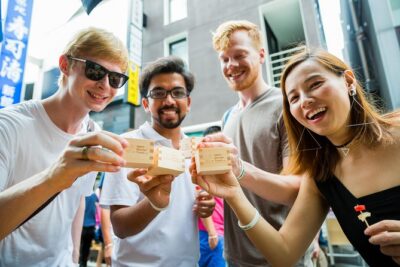
Tokyo Tsukiji Fish Market Food and Culture Walking Tour
Read our review →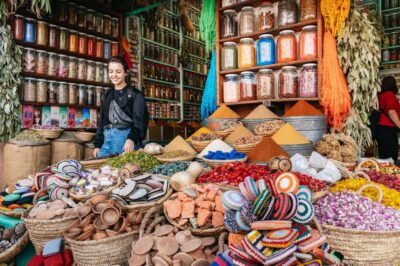
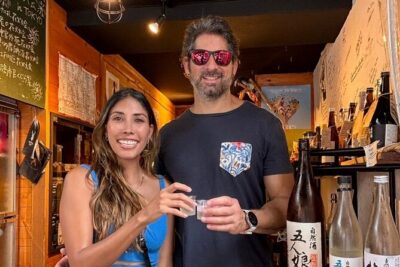

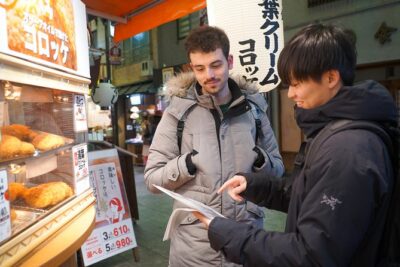
Nishiki Market Brunch Walking Tour (7 Tastings + Brunch)
Read our review →Tsukiji Fish Market Food and Culture Walking Tour
Read our review →
Tsukiji Fish Market: Street Food & Culture Walking Tour
Read our review →
Tsukiji Fish Market Small-Group Food Walking Tour
Read our review →Browse the lists this tour appears in