
Review · MARKET AND COOKING CLASS TOURS
Nishiki Market Food Tour with Cooking Class
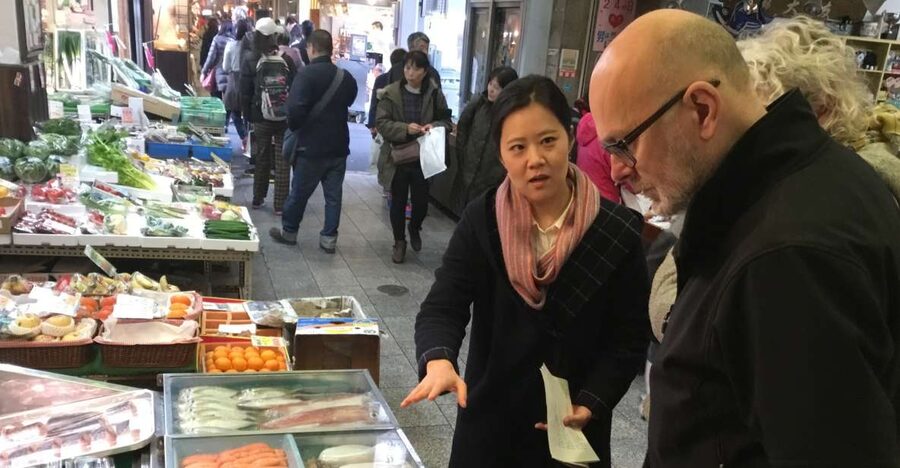
Nishiki Market makes far more sense when someone can explain what you are seeing. On this private tour, your English-speaking guide points out historic stalls, translates questions, offers pickle samples, and helps you choose ingredients for a donburi cooking class afterward. You then prepare your own seafood, tempura, or chicken-and-egg rice bowl.
I like the way the market walk turns a crowded food street into a place you can actually understand. I also like the private format: you can ask about unfamiliar foods, request a substitution such as tofu instead of chicken, and set the pace. The main consideration is time. About an hour in the market is useful for orientation, but it may feel short if you want to stop at every stall or do much private shopping.
Key points at a glance
- Three donburi choices: Choose kaisen-don with seafood, ten-don with tempura, or oyako-don with chicken and egg.
- A guide who translates: Ask questions at market stalls and get help understanding foods, sauces, customs, and shop specialties.
- Private cooking studio: After the market, you cook and eat your own meal in a dedicated kitchen setting.
- Small food tastings: Try Japanese pickles and other sample foods during the market walk, with three sake tastings available as an option.
- Personal adjustments: Different people in the same group can choose different bowls, and substitution requests may be possible.
- Useful local etiquette: You learn practical rules, including why eating while walking through Nishiki Market is not appropriate.
Why Nishiki Market is better with a guide
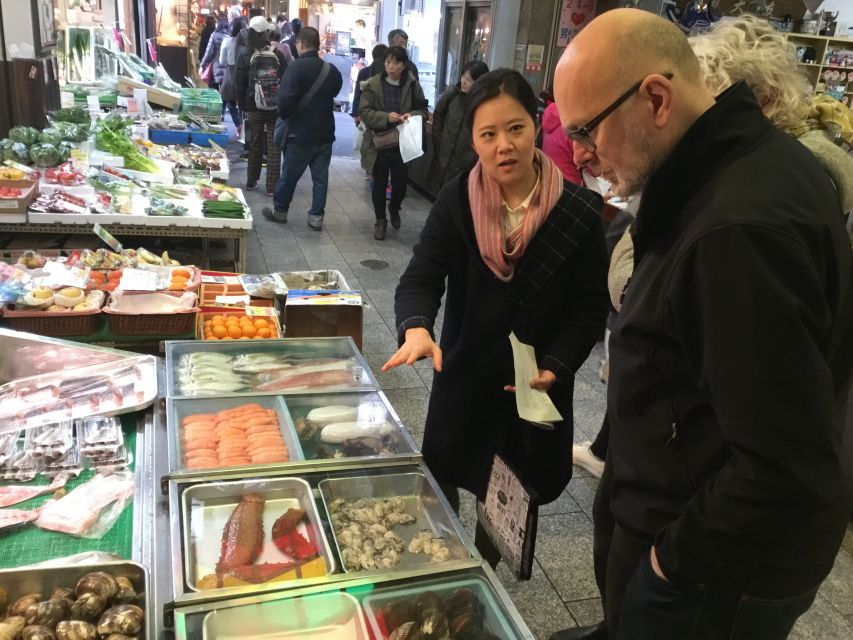
Nishiki Market is easy to enter and easy to misunderstand. You can walk through its length in about 15 minutes if you simply follow the crowd. Slow down with a guide, though, and the market becomes a lesson in Kyoto food culture.
Your guide explains which stalls are long-established, what each shop is known for, and how particular ingredients are used. That context matters because many displays are not self-explanatory. Pickles, spices, seafood, prepared side dishes, and unfamiliar sauces can look tempting but leave you guessing about what you are buying or how to eat it.
The English-speaking guides, including Chie, Momo, Mio, and Mae on different departures, have been praised for friendly instruction and strong communication. Names may vary, but the structure stays the same: meet at the western entrance, receive a short briefing, and begin the market walk at an unhurried private-group pace.
I especially like the translation help. You can ask about something you have never seen, and your guide can help communicate with shop staff. That turns the market from a photo stop into a place where you can make informed choices.
More Market and Cooking Class Tours in Japan
- Tokyo: Tsukiji Market Walking Tour & Sushi Cooking Class
★ 4.6 · 122 reviews - Osaka: Cooking Class & Sake Tasting with Local Market Visit
★ 4.8 · 31 reviews - Private Market Tour and Cooking Class with Kanae, a Sapporo Local
★ 5.0 · 29 reviews
The one-hour market walk
Plan on roughly an hour in Nishiki Market. This is long enough to cover key food areas and sample a few items, but not long enough to inspect every stall in detail.
The guide points out stalls with a connection to Kyoto food traditions and helps separate the market’s original character from newer, more visitor-focused offerings. That distinction is useful. Some stands are built for quick sampling, while others sell ingredients locals use at home. Your guide can direct your attention to the shops worth returning to later.
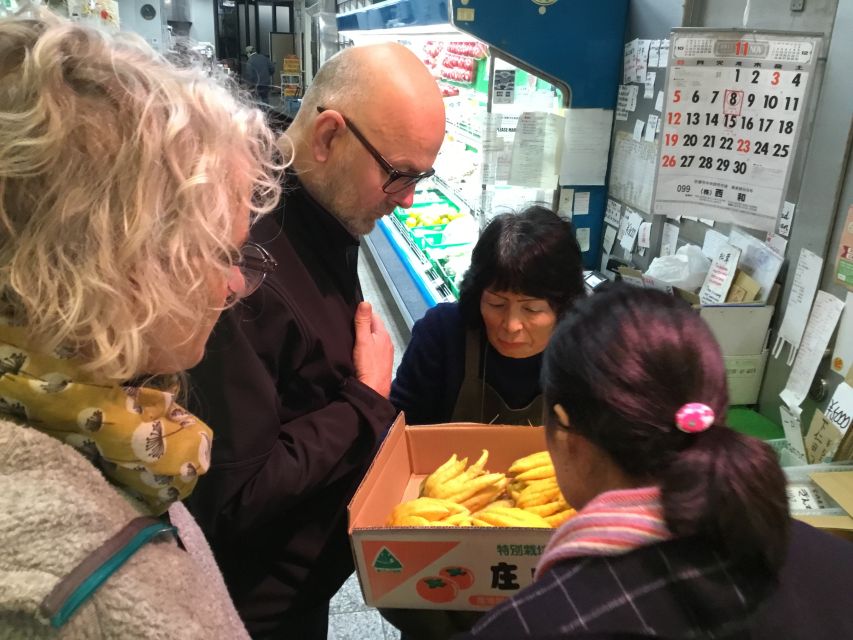
Pickle tastings are one of the simple pleasures of the walk. Japanese pickles vary in taste and texture, and sampling them gives you a better idea of the range than looking at jars behind a counter. You may also receive other sample foods as the tour moves along.
The tour also includes an optional tasting of three different types of sake. Since the sake tasting is optional, you can decide if it suits your interests and the group. The ingredients for the later meal are included, but anything extra you want to eat or buy for yourself is not.
A useful point about Nishiki Market etiquette comes early enough to shape the rest of your visit: eating while walking is not considered appropriate. Food should generally be eaten near the stall where it was purchased. That is exactly the kind of small rule that is easy to miss on your own and valuable to learn before you start sampling.
Choosing your donburi meal
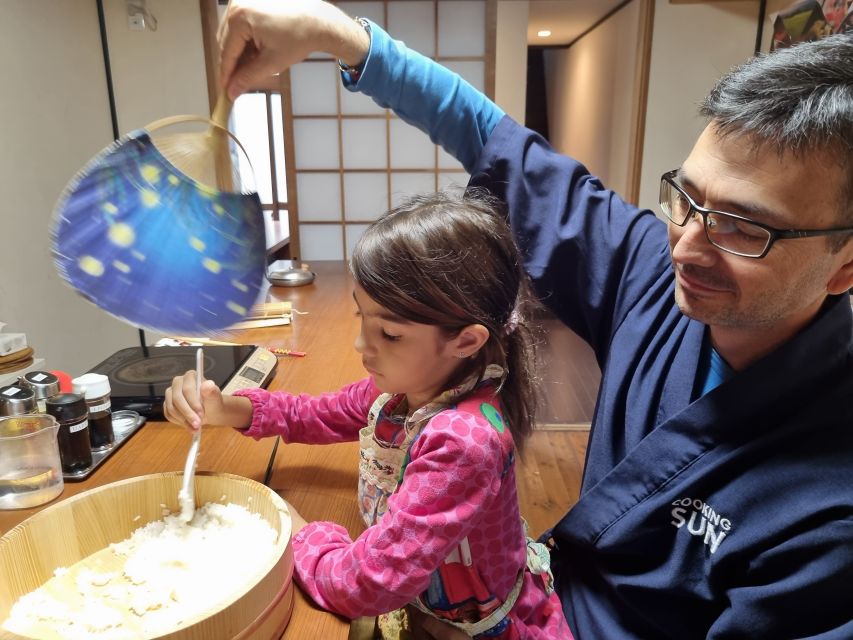
The cooking portion centers on donburi, a Japanese rice bowl topped with a prepared main ingredient. You choose from three options:
- Kaisen-don: A seafood bowl, usually the best fit if you want a taste of fresh market ingredients with minimal cooking.
- Ten-don: A tempura bowl, suited to anyone who enjoys a hands-on preparation and crisp fried toppings.
- Oyako-don: A comforting chicken-and-egg bowl with familiar ingredients and a straightforward method to repeat at home.
The choice is not simply a menu decision. It shapes how active the cooking class feels. Kaisen-don focuses more on ingredient quality, presentation, and the proper use of sauces. Ten-don gives you a more practical cooking task. Oyako-don teaches a home-style dish that many people can recreate without unusual equipment.
Different people in the same private group can choose different dishes. That is a strong feature for families or couples who do not want to eat the same thing. A group has also prepared all three choices at once, allowing everyone to compare the results.
Substitutions may be possible if you ask in advance or discuss them with your guide. One participant requested tofu instead of chicken and was accommodated. I would still treat this as a request rather than a guarantee, since the listed choices are the three standard dishes.
What happens in the cooking studio
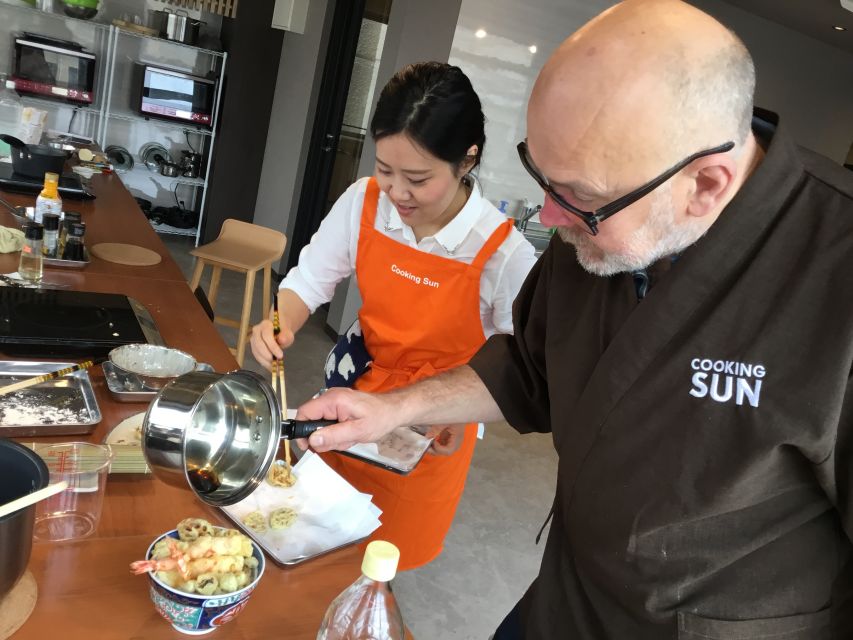
After the market, an included taxi takes you to the cooking studio. This saves you from figuring out the transfer and protects the limited time of a 150-minute experience.
The kitchen is described as clean, well stocked, and intended for cooking classes. The setting is cozy rather than large or showy, which suits a private lesson. You start preparing the dishes soon after arrival, instead of sitting through a long demonstration.
Expect your guide to explain each step, from handling ingredients to using sauces and making the final bowl look appealing. The instruction covers not only what to do, but why certain brands, seasonings, and methods work. That detail is useful if you already cook and want to improve your Japanese dishes, but it is also clear enough for beginners.
The class has worked well for families. Children can take part in the preparation, and the different dishes help keep the group involved. Cooking your own lunch also gives the meal a purpose. You are not just eating a bowl made by someone else, you are learning a process you can repeat at home.
The recipe is included, so you leave with more than a full stomach. Dashi preparation and the use of Japanese sauces have been especially useful takeaways. If you enjoy cooking, ask about proportions, substitutions, and which ingredients are easy to find outside Japan.
More Street Food Market Tours in Japan
- Kyoto: Local Food Tasting Tour at the Nishiki Market
★ 4.7 · 135 reviews - Kyoto: Nishiki Market and Depachika Food Tour with a Local
★ 4.7 · 76 reviews - Kyoto: Nishiki Market Tour with a Local Foodie & Tastings
★ 4.5 · 67 reviews - Kyoto: Nishiki Market Food Tour
★ 4.9 · 21 reviews
Eating the meal you prepared
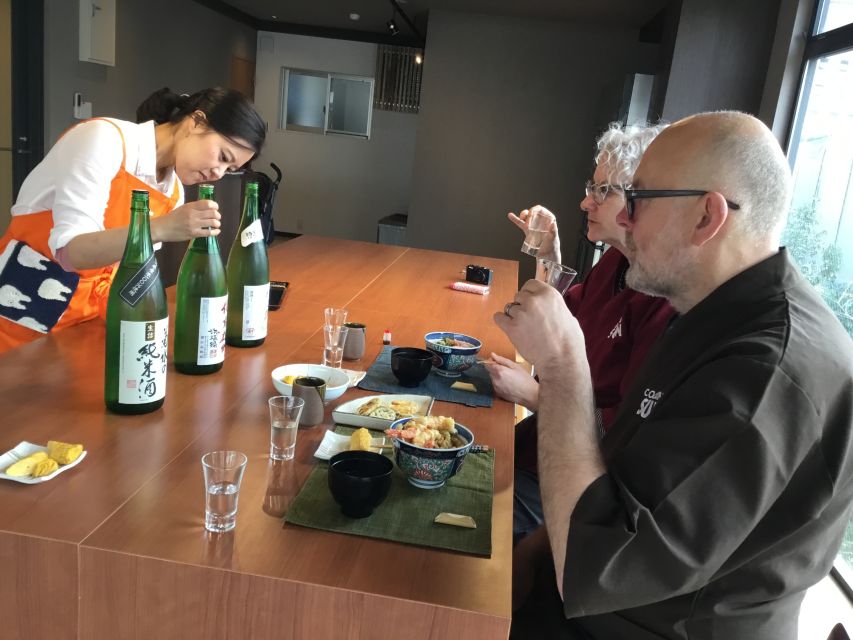
The cooking class and meal take about an hour. Once the bowls are ready, you eat them at the studio.
This is the satisfying part of the experience. You have seen the ingredients in their market setting, discussed their uses, and then worked with them yourself. The finished meal connects those pieces in a way a standard restaurant lunch cannot.
Presentation receives attention too. The guide can show you how to arrange toppings and sauces so the bowl looks inviting, not merely functional. That may sound minor, but it is part of Japanese cooking: texture, color, and order matter alongside flavor.
Ingredient quality can vary. One participant found the fatty tuna disappointing, so seafood lovers should keep expectations sensible. The market walk gives you useful context, but it cannot guarantee that every individual ingredient will be perfect on every day.
Is $109 good value?
At $109 per person, this is not a cheap market stroll. The price makes more sense when you count what is bundled into the 150 minutes: a private English-language guide, market interpretation, sample foods, donburi ingredients, a recipe, the cooking lesson, the meal, and the taxi from the market to the studio.
A public food walk might cost less, but it would not offer the same chance to ask unlimited questions or cook a dish selected by each person. A separate cooking class could also involve its own transportation and ingredient costs. Here, those practical pieces are handled in one booking.
The value is strongest for you if you want context and participation, not just snacks. If your main goal is to eat your way through as many Nishiki Market stalls as possible, the tour’s fixed cooking schedule limits your grazing time. You will need to save extra shopping and personal eating for before or after the activity.
The private format also changes the value calculation. A family or small group can ask specific questions, accommodate different food preferences where possible, and move at its own pace. Solo participants may find the cost harder to justify unless the cooking lesson is a major priority.
Timing, meeting point, and practical details
Meet at the western entrance of Nishiki Market. The tour begins with a briefing, followed by about one hour in the market and about one hour cooking and eating. The complete activity lasts 150 minutes, including the transfer to the studio.
Wear comfortable shoes. Nishiki Market can be crowded, and the group needs to stay together while moving between food stalls. Keep your hands free for listening, tasting, and looking rather than planning a large shopping haul during the guided portion.
Personal purchases and extra food are not included. If a shop catches your eye, make a note of it and return later, since the cooking class takes up the second half of the experience. One practical improvement would be to clarify at the start how much time is available for private shopping, so ask your guide before buying.
Free cancellation is available up to 24 hours before the activity, and you can reserve now and pay later. Starting times vary, so check availability for your date.
Who should book this experience?
I would recommend it to first-time visitors who want a clear introduction to Kyoto food culture without spending a full day on a formal food tour. It also suits families, couples, and small groups with mixed interests, since each person can choose a different donburi bowl.
It is a particularly good match for home cooks. The lesson covers sauces, dashi, presentation, and ingredient choices, rather than stopping at a simple recipe demonstration. You can ask the guide to explain how to adapt the dish once you return home.
This may be less suitable if you want a long, free-form market visit or a large number of tastings. The market portion is an introduction, not an exhaustive crawl. You also need to be comfortable with the three main dish choices, although substitutions may be discussed.
Should you book the Nishiki Market cooking tour?
Book this tour if you want Nishiki Market explained by a local guide and like the idea of turning what you see into lunch. The strongest parts are the private questions, translation help, practical etiquette, and cooking lesson with ingredients from the market.
Skip it if you would rather spend your entire visit browsing stalls independently or if $109 feels high for a short activity. For everyone else, this is a well-balanced way to make Nishiki Market more understandable and leave Kyoto with a recipe you can actually use.
FAQ
Where does the tour begin?
Meet at the western side entrance of Nishiki Market in Kyoto.
How long does the experience last?
The activity lasts 150 minutes. The schedule typically includes about one hour in Nishiki Market and about one hour cooking and eating, with taxi transfer time included.
What donburi dishes can I choose from?
You can choose kaisen-don with seafood, ten-don with tempura, or oyako-don with chicken and egg.
Can people in the same group choose different dishes?
Yes. People in one private group can choose different donburi options.
Are the cooking ingredients included?
Yes. The ingredients used for the donburi cooking class are included in the tour price.
Is sake tasting included?
Three types of sake are available as an optional tasting. Pickle samples and other sample foods are included during the market walk.
Is transportation included after Nishiki Market?
Yes. The taxi cost from the market to the cooking studio is included. Personal food purchases and extra foods you want to buy are not included.
More Market and Cooking Class Tours in Kyoto
- Hanoi Cooking Class: Culture, Local Market & Meaning CSR Impact
★ 5.0 · 5,147 reviews - 5 Traditional Dishes Hanoi Cooking Class with Market Trip
★ 5.0 · 4,890 reviews - Cooking Class and Lunch at a Tuscan Farmhouse with Local Market Tour from Florence
★ 5.0 · 4,831 reviews - Chiang Mai: Cooking Class, Market & Thai Herbs Garden Tour
★ 4.9 · 4,824 reviews
More Street Food Market Tours in Kyoto
- Taste of Nishiki Market Walking Food Tour with Local guide
★ 5.0 · 17 reviews - Kyoto: Nishiki Market Food Tour with Local Guide
★ 4.6 · 5 reviews - Dubai: Old Town, Creek, Museums, Souks, & Street Food Tour
★ 4.8 · 10,816 reviews - Dubai: Old Town, Souks, Street Food, Guided Tour & Abra Ride
★ 4.9 · 7,170 reviews
Just added around Kyoto
- Taste of Nishiki Market Walking Food Tour with Local guide★ 5.0 · 17 reviews
- Kyoto: Nishiki Market Tour with a Local Foodie & Tastings★ 4.5 · 67 reviews
- Golden Pavilion, Nijo Castle, & Nishiki Market Half day tour★ 5.0 · 29 reviews
- Kyoto: Wholesale Fish Market Walking Tour★ 5.0 · 2 reviews
- Kyoto: Nishiki Market and Depachika Food Tour with a Local★ 4.7 · 76 reviews
- Kyoto: Nishiki Market Food Tour with Local Guide★ 4.6 · 5 reviews
- Kyoto: Enjoy Sushi & Market Tour! Best for Family & Couple!★ 4.8 · 20 reviews
- Kyoto: Nishiki Market Food Tour★ 4.9 · 21 reviews
Market and Cooking Class Tours, compared.
Hanoi Cooking Class: Culture, Local Market & Meaning CSR Impact
Read our review →
5 Traditional Dishes Hanoi Cooking Class with Market Trip
Read our review →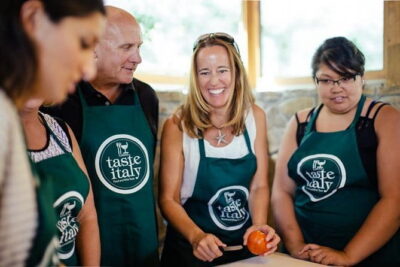
Cooking Class and Lunch at a Tuscan Farmhouse with Local Market Tour from Florence
Read our review →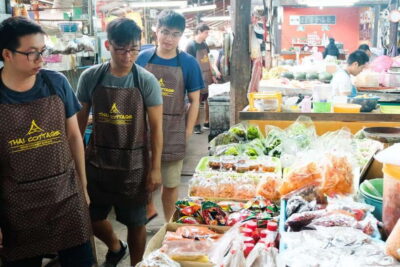
Cooking Class, Market & Thai Herbs Garden Tour
Read our review →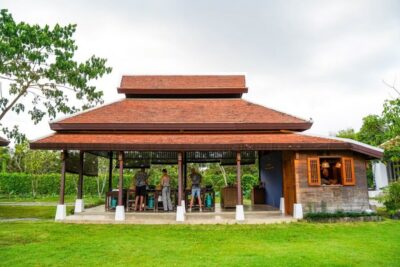
Authentic Cooking Class with Market & Farm Visit
Read our review →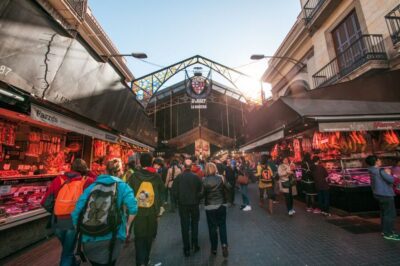
Paella Cooking Experience & Boqueria Market Tour
Read our review →
Cooking Class Hoi An:Local Market, Basket Boat, Fishing & Cooking
Read our review →
Hoi An Cooking Class(Market,BasketBoat Crabfishing&Cooking Class)
Read our review →Browse the lists this tour appears in