
Review · MARKET WALKING TOURS
Walking Tour in Dubai. Souks, museums, Local Food Testing
The best part of this three-hour Old Dubai walk is the change of scene. You move from wind towers and old walls to the scent of cardamom and spices, then cross Dubai Creek by a small wooden abra before reaching the glittering Gold Souk. It gives you a quick, useful look at the Dubai that existed before the skyscrapers.
I like the mix of walking, water travel, and food tasting, since each part keeps the tour moving. I also like the human touch: guides such as Abdullah and Ikram have been praised for their warmth, patience, and ability to answer questions about Dubai’s past and present.
The main consideration is the pace. You cover several districts in three hours, much of it on foot, and the tour is not suitable for wheelchair users or people with mobility impairments. Wear proper walking shoes and leave large bags behind.
Key points at a glance
- Abra crossing included: Ride a traditional water taxi across Dubai Creek rather than simply viewing the water from the shore.
- Three historic markets: See the textile, spice, and gold souks, with time to browse and ask questions.
- Old Dubai architecture: Walk through Al Seef and Al Fahidi, including wind towers, old houses, the Old Mosque, and remnants of Dubai’s old wall.
- Small food touches: Try camel milk tea, camel milk chocolate, street food, and bottled water at no extra charge.
- A strong guide makes the difference: Abdullah and Ikram are named in past tour feedback for their friendly approach and detailed answers.
- Simple city logistics: Start at Sharaf DG Metro Station Exit 4 and finish near Al Ras Metro Station.
Why this tour is useful in modern Dubai
Dubai can make you feel as if the city began with glass towers and shopping malls. This walk corrects that picture in a few well-chosen hours. You see the creekside neighborhoods, trading streets, religious buildings, and old homes that formed the center of Dubai long before the present skyline.
I like this format for a first visit or a stopover. You do not need to plan a complicated route between Al Fahidi, the markets, and the creek. The guide links the places together and explains why they matter, while the abra ride gives your feet a short break.
At $24 per person, the tour is priced as an accessible introduction rather than a full-day cultural program. The value comes from having the guide, the water taxi, tastings, and a route through several areas covered in one booking. You still pay for anything you buy in the souks, but the tour itself does not require a major outlay.
More Market Walking Tours in Dubai
- Historic Old Dubai & Souk Small Group Walking Tour
★ 5.0 · 156 reviews - Dubai Souks, Food & Culture Walking Tour
★ 5.0 · 132 reviews - Private Old Dubai Walking Tour: Forts, Souks, and Boats
★ 5.0 · 116 reviews
Starting at Sharaf DG Metro Station Exit 4
The meeting point is Sharaf DG Metro Station Exit 4. That gives you a clear public transport starting point, but check the exact meeting instructions before setting off so you are waiting at the correct exit.
From there, the group walks for about five minutes toward Al Seef. This opening stretch is short, but it is worth arriving ready to walk. Comfortable shoes matter more here than fashionable footwear, and sunglasses are useful in Dubai’s strong light.
The tour ends at Al Ras Metro Station after the Gold Souk. That is practical because you finish near the creek and the traditional markets instead of having to retrace the entire route back to the starting point.
Al Seef: a gentle introduction to the creek
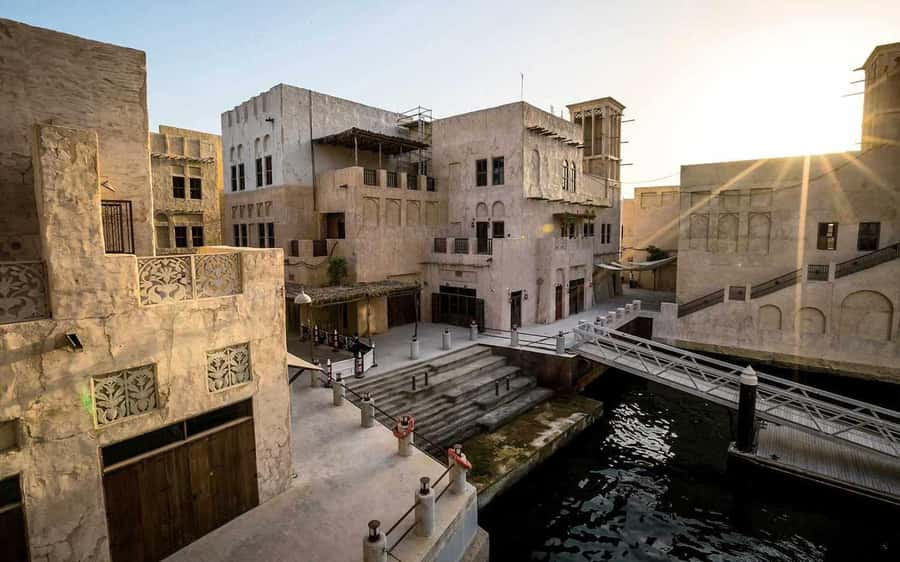
The first main stop is Al Seef, with about 30 minutes for a guided visit and photographs. It introduces the creekside setting and begins the contrast between Dubai’s older architectural style and its newer commercial face.
You can expect a relaxed start here rather than a long museum visit. The guide sets the scene, points out architectural details, and helps you understand why the creek was central to trade and daily life. It is also a useful place to take photos before the tighter streets of Al Fahidi and the souks.
Do not expect Al Seef to feel like an untouched old quarter. The stop works best as a bridge between modern Dubai and the older neighborhoods ahead. If you want a detailed architectural study, the time is brief. If you want a quick sense of place before entering the historic district, it does the job.
Al Fahidi and Dubai’s wind-tower homes
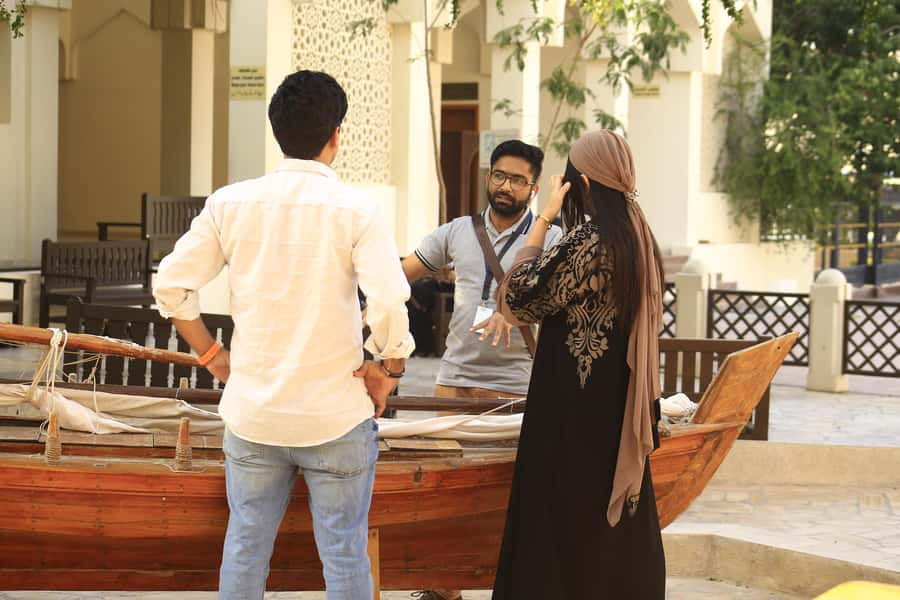
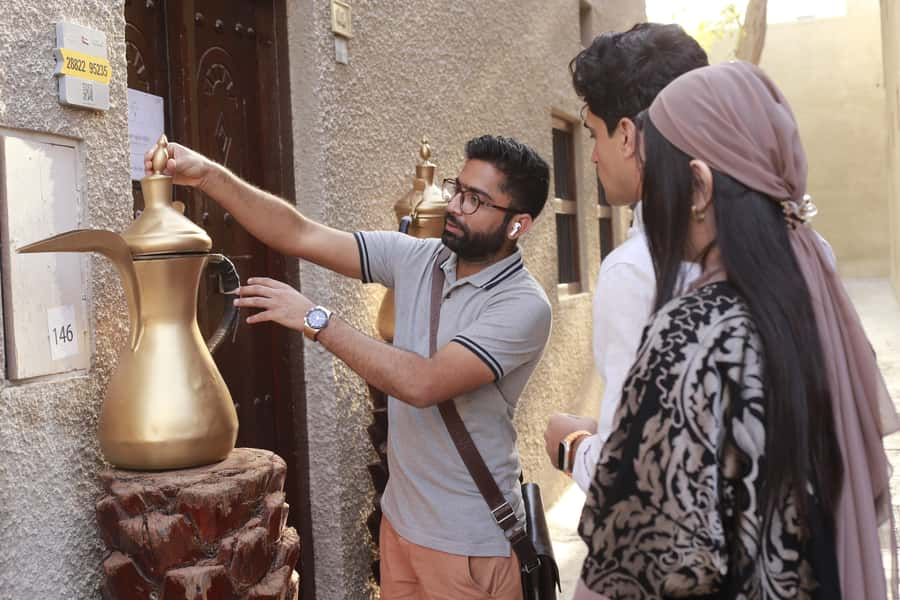
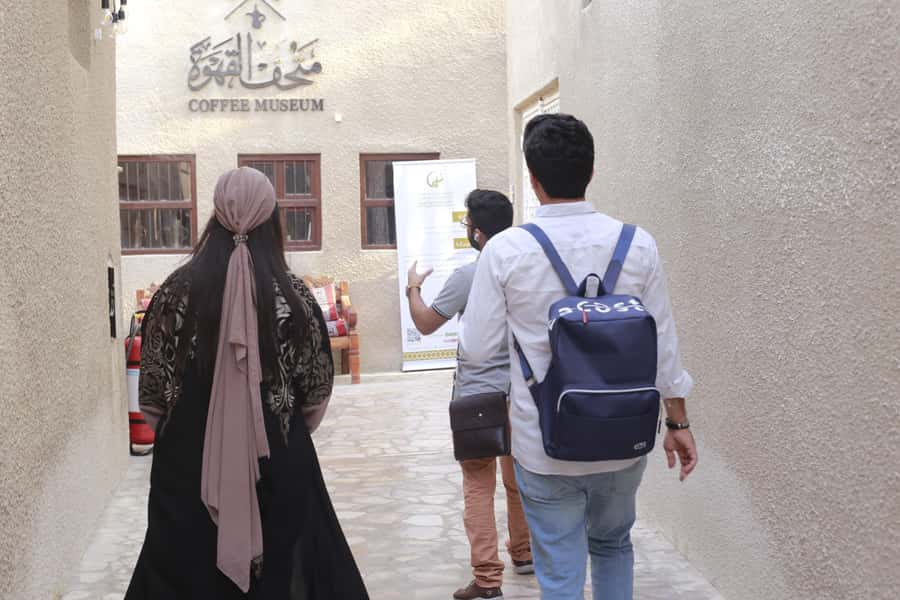
The tour then spends about 50 minutes in Al Fahidi, the heart of the walking portion. This is where the experience gains its character. You pass old-style buildings with wind towers and shaded passages, and some of the restored structures now house museums, galleries, event spaces, and cultural venues.
The architecture is the main reason to slow down here. The wind towers were designed to catch and direct air, offering a practical response to the hot climate before modern cooling systems. Your guide can give these details a local setting instead of leaving you to admire the walls without context.
The area also includes the Old Mosque and narrow lanes that feel far removed from Dubai’s large roads and high-rise districts. I would use this part to ask questions. The guides named in the tour’s feedback, Abdullah and Ikram, are noted for explaining Dubai’s past and handling questions well, though the guide assigned to your departure may differ.
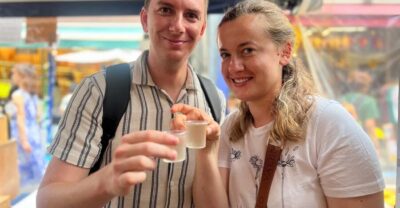
The food tastings also begin to add interest. Camel milk tea and camel milk chocolate are included, giving you a chance to try products closely linked with the region’s food culture without ordering a full meal.
More Market Walking Tours in the UAE
- walking tour in old dubai, souks, abra boat, old town
★ 5.0 · 89 reviews - Private Historic Old Dubai and Souks Walking Tour featuring Hidden Gems
★ 5.0 · 27 reviews - Dubai Old Town Walking Tour with Abra ride, Spice and Gold Souk
★ 5.0 · 11 reviews - Dubai: Guided City Walking Tour to Spice and Gold Souk
★ 5.0 · 3 reviews
Al Fahidi Fort and the old city walls
After Al Fahidi, the route continues to Al Fahidi Fort for a 15-minute photo stop. The schedule suggests a brief exterior-focused visit rather than an extended museum session, so keep your expectations in line with the timing.
The fort helps anchor the city’s story in a physical landmark. Nearby, the route also passes the remains of Dubai’s old enclosure wall, built around 1800 AD. These pieces of older Dubai are easy to miss when you explore alone, especially in a city where new construction often draws the eye first.
The stop is short, but that is part of the tour’s design. You are not spending the whole afternoon at one site. Instead, you collect several small clues about the city, then continue toward the markets where Dubai’s trading identity is easier to feel.
Al Souq Al Kabeer and the textile market
A five-minute walk brings you to Al Souq Al Kabeer for a 10-minute photo stop. The name means the big market, and this section helps connect the residential quarter with the commercial streets that follow.
The Old Textile Market comes next, with about 10 minutes to visit and take photos. Look for fabrics in many colors and patterns, and ask the guide about the goods being sold rather than treating the stop as a quick shopping corridor.
Ten minutes is enough to get a taste of the market, but not enough for a leisurely search through every shop. If you want to buy fabric, scarves, or other items, you may need to choose quickly. Keep personal spending separate from the tour price, and remember that bargaining and product checking are part of the shopping experience, not included services.
The five-minute abra ride across Dubai Creek
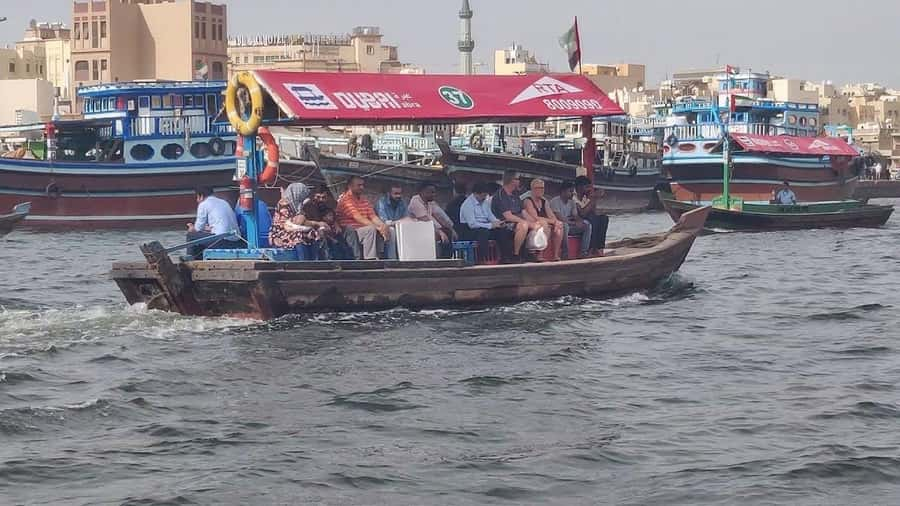
The water taxi ride is one of the tour’s most memorable transitions. The crossing takes about five minutes, but it changes the mood at once. You leave the lanes of Bur Dubai and head toward Deira, with the creek providing a simple view of the two historic sides of the city.
This is a traditional abra ride, not a sightseeing cruise. That is precisely why it works. You get a short, practical trip that reflects how people move across the creek, rather than a polished boat excursion built only for sightseeing.
The crossing also saves you from walking around to the other side. Have your camera ready, but keep the ride in perspective. It is brief, and the main value is the link between the two market districts.
Spice Souk: use your nose before your camera

The Dubai Spice Souk receives about 30 minutes, including a guided visit and time for photos. Here, the experience becomes more sensory. You can expect the smell of spices and coffee, displays of regional ingredients, and vendors offering products from across the Middle East.
This is a good place to ask what you are seeing. Some spices may be familiar, while others may be harder to identify from appearance alone. The included street-food tasting adds another way to approach the market, although the supplied details do not specify the exact food served on each departure.
The tasting is best viewed as a sample, not lunch. If you arrive hungry, plan your meal separately. The tour gives you a few flavors and introductions, but its purpose is to connect food with the market rather than replace a full restaurant stop.
The spice market can also be a shopping stop. You might find blends, dried ingredients, coffee, or other items to take home. Check prices and quantities carefully, and buy only what you genuinely want to carry.
Gold Souk and the final half hour
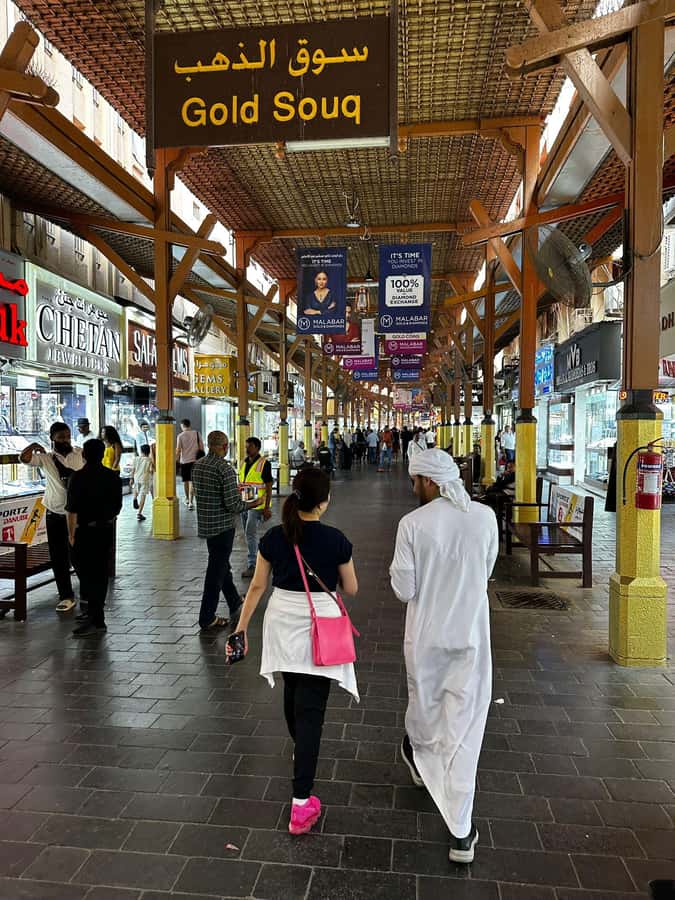
The last major stop is the Dubai Gold Souk, with about 30 minutes for a guided visit and photographs. This is one of the world’s largest gold retail markets, with more than 350 tax-free gold retailers described along the route.
Even if you have no plan to buy jewelry, the scale makes the visit worthwhile. Shop windows filled with gold create a sharp contrast with the earth-toned lanes of Al Fahidi and the aromatic spice stalls. It is a strong final scene because it shows Dubai as a trading city in a very direct way.
If you do shop, remember that the tour price covers neither purchases nor other personal expenses. The guide can help you understand the market setting, while the final decision on quality, price, and design remains yours. One useful point from the tour feedback is that a participant found good buys such as Dubai chocolate and spices in the markets. That is a reminder that the best-value purchases may not be gold.
The tour ends at Al Ras Metro Station. Since the Gold Souk can be busy and visually intense, the guide’s help with orientation is useful before you continue on your own.
Food tastings and what they really add
Camel milk tea and camel milk chocolate are included, along with a street-food taste and bottled water. These are modest inclusions, but they make the walk feel more connected to local food than a tour that only points at buildings.
I especially like the camel milk tasting because it gives you something specific to discuss and remember. It is not presented as a full culinary experience, and the tour does not promise a long list of dishes. Think of it as a handful of samples placed into a broader cultural walk.
If you have dietary restrictions, the supplied information does not explain the ingredients or provide alternatives. Ask the guide before tasting anything if that matters to you. The same applies if you are looking for a complete meal. Bring that expectation down, and the food portion should fit the tour well.
What the guide adds to the route
The route is easy to follow on a map, but the guide is what turns it from a market walk into a cultural tour. You can see old buildings and stalls by yourself. A local guide helps connect them, explain the old wall, identify architectural features, and answer questions about Dubai and Emirati life.
Abdullah is named in the tour feedback as a friendly guide who made the walk enjoyable, while Ikram is praised for his politeness, care with the group, and detailed answers about Dubai and its past. These comments suggest the best version of the experience is conversational rather than rushed from stop to stop.
The language offered is English. Since the itinerary includes several short stops, do not hesitate to ask questions while you are in each area. A question about a spice, a wind tower, or the creek may give you more useful context than a long memorized speech.
Pace, comfort, and practical limits
Three hours is enough to sample Old Dubai, but the route is active. You walk between the main stops, with sections listed at five and ten minutes, plus time in the districts and markets. The tour is not suitable for people with mobility impairments or wheelchair users.
Wear comfortable shoes, bring sunglasses, and avoid large bags or luggage. The markets are easier to navigate when you are carrying very little. Bottled water is included, though you should still dress for the heat and plan your energy around the walking time.
The tour is conducted in English and includes a live guide. Starting times vary, so check availability for your chosen date. You can cancel up to 24 hours in advance for a full refund, and the reserve-now, pay-later option gives you some flexibility when your Dubai plans are still changing.
Who should book this Old Dubai walk?
I would recommend it to a first-time visitor who wants a clear introduction to the city’s older districts without spending a full day on one museum or neighborhood. It also suits anyone interested in markets, architecture, local snacks, and a short traditional boat ride.
It is a good fit for a stopover if you can reach the starting point and have three hours free. The metro access at both ends makes the route easier to combine with the rest of a Dubai visit.
I would think twice if you dislike walking, shopping areas, or busy market streets. The tour is also not the right choice for wheelchair users or anyone who needs a slower, more accessible route. And if your main goal is buying gold, you may want more time at the Gold Souk than this schedule allows.
Should you book it?
Book this tour if you want a low-cost, well-packed introduction to Old Dubai, especially if the idea of crossing the creek by abra appeals to you. The combination of Al Fahidi architecture, old walls, textile stalls, spices, gold, and small food tastings gives you more variety than the price suggests.
Skip it if you want a long, quiet museum visit, a full meal, or an unhurried shopping session. For most able walkers, though, $24 is a fair price for three hours of guided sightseeing and included tastings. Go with comfortable shoes, a small bag, and enough curiosity to ask questions.
FAQ
How much does the walking tour cost?
The tour costs $24 per person.
How long does the tour last?
The walking tour lasts three hours.
Where does the tour start?
The meeting point is Sharaf DG Metro Station Exit 4.
Where does the tour finish?
The tour finishes at Al Ras Metro Station.
What language is the tour conducted in?
The live tour guide speaks English.
Is the abra water taxi ride included?
Yes. The traditional abra water taxi crossing is included in the tour.
What food and drink are included?
The tour includes camel milk tea, camel milk chocolate, a street-food taste, and bottled water.
Can I cancel for a full refund?
Yes. You can cancel up to 24 hours in advance for a full refund.
Is the tour suitable for wheelchair users?
No. The tour is not suitable for wheelchair users or people with mobility impairments.
More Food and Drink Trips in Dubai
- Dubai: Old Town, Creek, Museums, Souks, & Street Food Tour
★ 4.8 · 10,816 reviews - Dubai: Old Town, Souks, Street Food, Guided Tour & Abra Ride
★ 4.9 · 7,170 reviews - Dubai: Old Town, Souks, Street Food, Guided Tour & Abra Ride
★ 5.0 · 1,664 reviews - Dubai: Old Town, Street Food, Creek, Souks, & Emirati House
★ 4.9 · 1,496 reviews
More Market Market Walking Tours in Dubai
- Dubai Old Town, Creek, Abra boat, Souks Guided walking Tour
★ 4.7 · 3 reviews - Bangkok: City Highlights Temple and Market Walking Tour
★ 4.5 · 3,990 reviews - Tokyo Tsukiji Fish Market Food and Culture Walking Tour
★ 5.0 · 3,184 reviews - Marrakech: Ben Youssef, Secret Garden, & Souks Walking Tour
★ 4.6 · 2,802 reviews
Just added around Dubai
- Old Dubai Heritage Tour: Souks, Mosques & more hidden gems!★ 4.3 · 72 reviews
- Old Dubai Guided Tour With Photographer: Souks & Street Food★ 4.9 · 74 reviews
- Dubai Tour: Haritage Walking Guide, Gold & Spice Souq, Creek★ 4.5 · 11 reviews
- Dubai: Discover Dubai Old Town, Souks, Museum & Street Food★ 4.9 · 25 reviews
- Dubai:Private Frame Entry, Mosque, Souks, Tastings& transfer★ 4.8 · 9 reviews
- Dubai: Guided City Walking Tour to Spice and Gold Souk★ 5.0 · 3 reviews
- Dubai Food Tour: 4 Cuisines, Souks & Street Bites★ 3.0 · 3 reviews
- Dubai Old Town, Creek, Abra boat, Souks Guided walking Tour★ 4.7 · 3 reviews
Market Walking Tours, compared.
Tokyo Tsukiji Fish Market Food and Culture Walking Tour
Read our review →

Nishiki Market Brunch Walking Tour (7 Tastings + Brunch)
Read our review →Tsukiji Fish Market Food and Culture Walking Tour
Read our review →
Tsukiji Fish Market: Street Food & Culture Walking Tour
Read our review →
Tsukiji Fish Market Small-Group Food Walking Tour
Read our review →Browse the lists this tour appears in