
Review · MARKET WALKING TOURS
walking tour in old dubai, souks, abra boat, old town
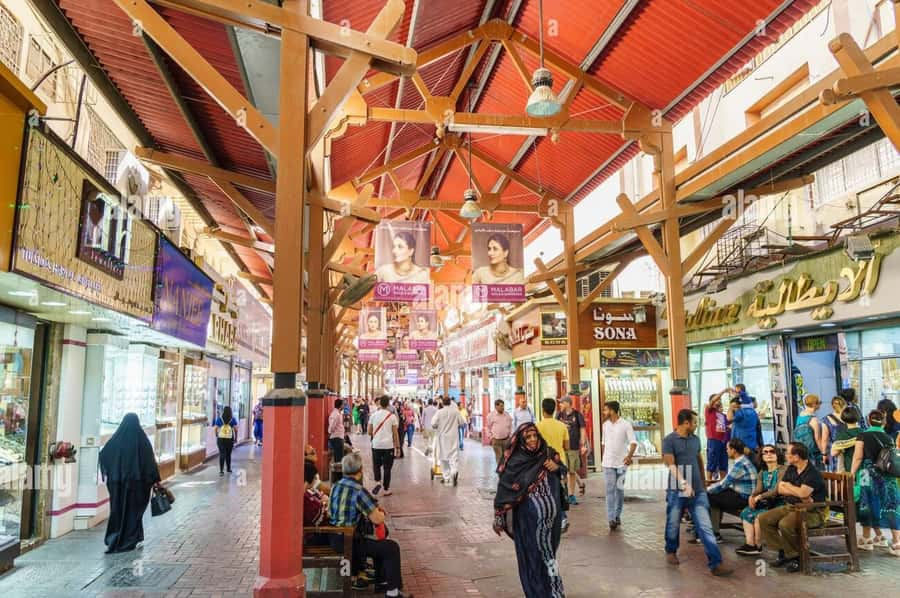
Old Dubai comes into focus when you leave the skyscrapers behind and follow the lanes of Al Fahidi, where wind towers, courtyards, spice stalls, and creek boats tell the story of a much older city. The abra crossing is the tour’s simple star: a short ride, but a fine way to see Dubai as a trading town rather than a glass-and-steel showpiece.
I like the mix of local food and historical context, especially the camel milk tea, camel milk chocolate, Arabic coffee, dates, and chicken wrap described by guests on different departures. I also like the guides’ personal approach. Muhammad, Abdullah, Ikram, Shahzad, Mazher, and others are praised for answering questions, adjusting the pace for families, and explaining how Dubai changed so quickly.
The main drawback is practical: this is a walking tour in heat, through crowded market lanes, with no room for large bags or strollers. The schedule can also shift with opening hours, so you should treat individual indoor stops as less certain than the outdoor neighborhoods and souks.
Key points to know before booking
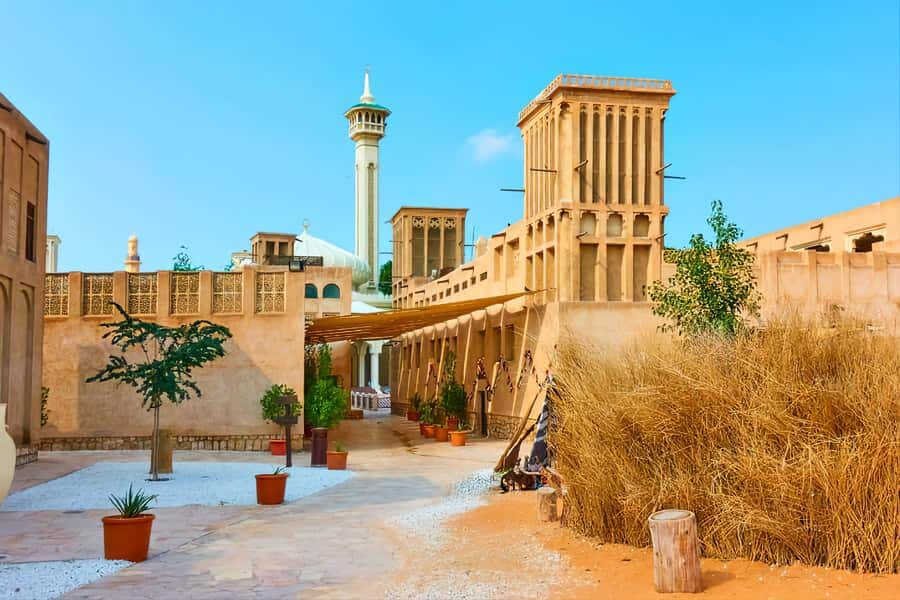
- Al Fahidi sets the tone: Spend about 45 minutes among restored Arabian-style buildings now used for museums, galleries, cultural events, and cafés.
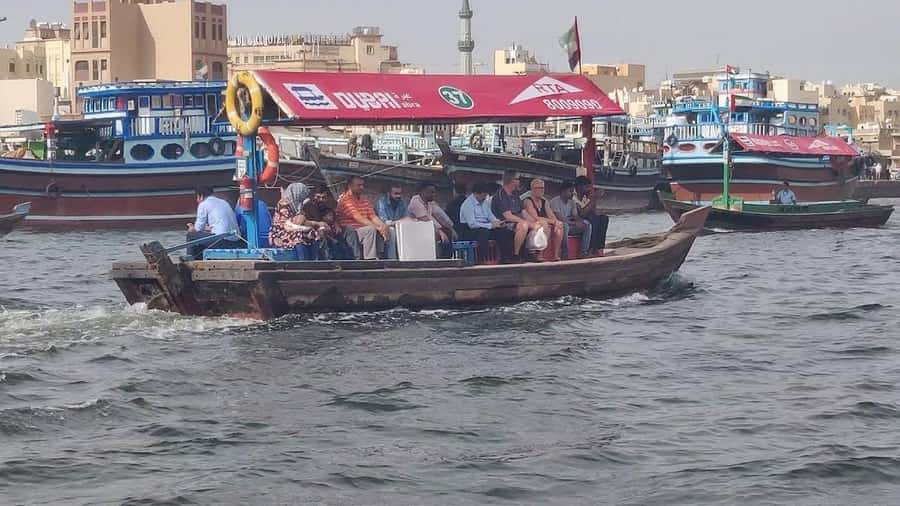
- The abra is included: Your 15-minute water taxi ride across Dubai Creek is part of the tour price, not an optional extra.
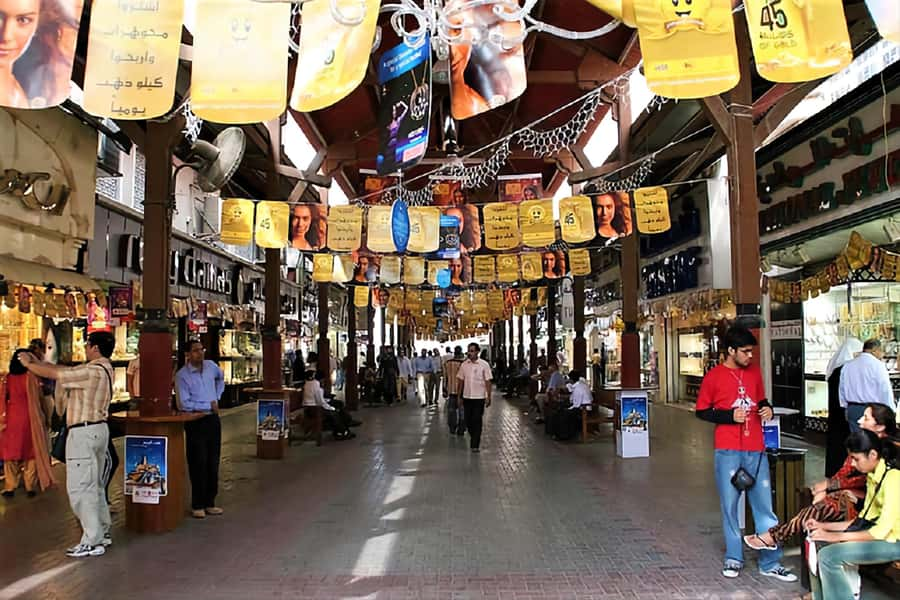
- The souks are the main event: Visit the textile, spice, and gold markets, with time to look, taste, ask questions, and browse.
- The guides get personal praise: Muhammad, Abdullah, Ikram, Shahzad, Mazher, Hassan, and Ehsan are among the guides singled out for warmth, clear explanations, and family-friendly help.
- Food is part of the experience: Expect water, local food, camel milk tea, and camel milk chocolate.
- Bring very little: Wear comfortable shoes and light clothing, and leave luggage and large bags behind.
Why Old Dubai is the right place to begin
Dubai is easy to misunderstand if you see only Downtown, the malls, and the high-rise districts. This tour starts in the older quarters, where the scale drops to narrow lanes and low buildings. You get a useful counterpoint to the modern city: trade, fishing, religion, architecture, and family life come before luxury towers.
The meeting point is Sharaf DG Metro Station, Exit 4, which is reachable by metro or taxi. Your guide waits there wearing a tour guide license. If you select the private option, pickup and drop-off can be arranged from locations in Dubai, including hotels and Dubai Airport. The standard option does not include hotel transport, so check the selected package carefully before you pay.
The tour lasts three hours. That is enough time for a proper introduction to Old Dubai without taking up an entire day. You should still expect a fair amount of walking, outdoor heat, market traffic, and standing. People with mobility impairments and wheelchair users may find the route unsuitable.
More Market Walking Tours in Dubai
- Historic Old Dubai & Souk Small Group Walking Tour
★ 5.0 · 156 reviews - Dubai Souks, Food & Culture Walking Tour
★ 5.0 · 132 reviews - Private Old Dubai Walking Tour: Forts, Souks, and Boats
★ 5.0 · 116 reviews
Al Fahidi and the old wind towers
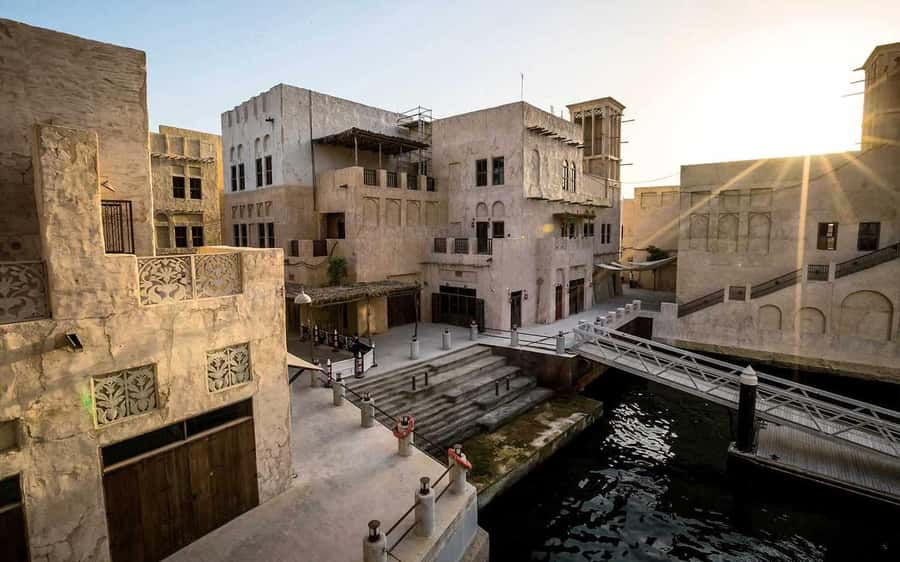
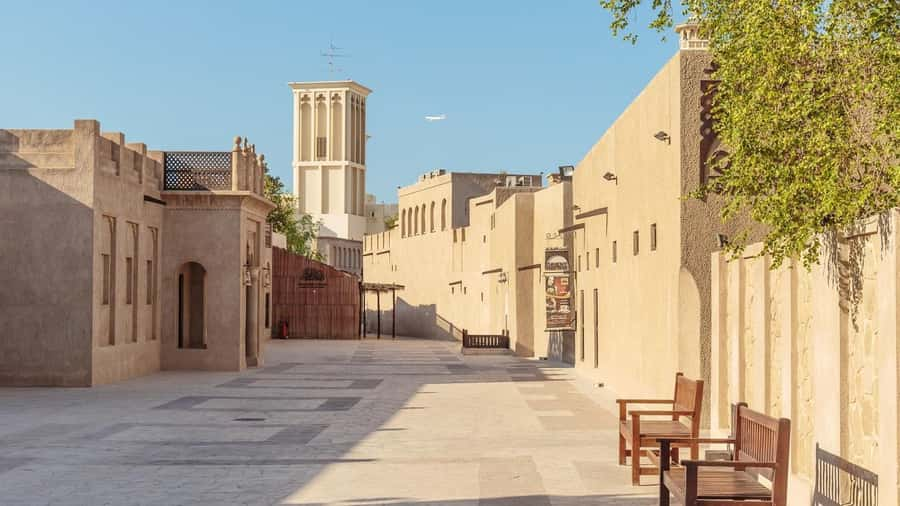
The first major stop is Al Bastakiya, also known as the Al Fahidi Historical Neighborhood. The tour allows about 45 minutes here, including a guided visit and photo stops. This is where Dubai’s older architectural character is easiest to see.
The buildings use Arabian-style forms, with shaded courtyards and wind towers designed to move air through the houses. These structures are not simply decorative ruins. Many now hold cultural venues, art galleries, event spaces, museums, and the Coffee Museum. Your guide can help connect the architecture with the way people lived before Dubai’s rapid modern growth.
This is one of the strongest parts of the walk because you are not just looking at old walls. You are seeing a neighborhood that has been adapted for present-day use while keeping its older shape. The narrow lanes also provide some relief from direct sun, though you should not count on shade for the entire route.
The Old Mosque comes next. The stop is brief, but the building gives you another look at local design and religious life. Your guide may also point out the remains of Dubai’s old enclosure wall, built around 1800 AD. It is a modest sight compared with the city’s famous towers, yet it helps mark how small and defensible the early settlement once was.
Al Fahidi Fort and the Dubai Museum stop
The route passes Al Fahidi Fort, with around 20 minutes listed for a photo stop and exterior viewing. The fort is tied to the city’s early defenses and is an important reference point as you consider Dubai before oil wealth and large-scale construction.
The itinerary also takes you toward the Dubai Museum and its artifacts connected with Emirati civilization. The available information does not promise a full museum visit at every departure, so treat this part as a stop near the fort and museum area rather than assuming every interior gallery will be open. One guest specifically noted that a house was closed at 4 p.m. on a Sunday. Opening times can affect what you see.
That small warning is useful. The outdoor route through Al Fahidi, the fort area, and the markets is the dependable core of the experience. Indoor access may depend on the day and time. If a museum or house is especially important to you, confirm current opening arrangements before booking.
Textile Market and Al Souq Al Kabeer
The walk continues through the Old Textile Market, with about 15 minutes to pass through and look around. Expect colorful fabrics and traditional materials displayed in close-packed shopfronts. This stop is more about atmosphere and browsing than a formal museum visit.
You then spend about 30 minutes around Al Souq Al Kabeer. The old-market setting gives the tour a more active feel. Shops, covered lanes, sales pitches, and local products replace the quiet courtyards of Al Fahidi. The market can be enjoyable if you take it as part of the culture of commerce, but it may feel tiring if you dislike shopping areas.
Your guide matters here. Hassan is praised for helping people find fairly priced gift shops and friendly shopkeepers, which is useful in a market where prices and sales approaches may vary. You are free to look without treating every shop as a required purchase. A good guide can explain what you are seeing while helping you avoid paying too much for a souvenir.
The tour includes local food, and one account describes a chicken wrap before the creek crossing. Other included tastings listed for the activity are camel milk tea and camel milk chocolate. Exact food service can vary by departure, but the point is clear: this is not a walk where you go three hours with only a bottle of water.
More Market Walking Tours in the UAE
- Private Historic Old Dubai and Souks Walking Tour featuring Hidden Gems
★ 5.0 · 27 reviews - Walking Tour in Dubai. Souks, museums, Local Food Testing
★ 5.0 · 11 reviews - Dubai Old Town Walking Tour with Abra ride, Spice and Gold Souk
★ 5.0 · 11 reviews - Dubai: Guided City Walking Tour to Spice and Gold Souk
★ 5.0 · 3 reviews
Crossing Dubai Creek by abra
The 15-minute abra ride is the natural bridge between the two halves of the tour. An abra is a traditional water taxi, and this short crossing gives you a different view of the creek, its banks, and the movement of the old trading district.
I like this part because it changes the pace without turning into a long boat excursion. You have been walking through lanes and shops, then suddenly you are on the water, watching the city from a low open boat. It is a small experience, but it makes the geography of Old Dubai easier to understand.
The ride is included in the $23 price. That improves the value, especially for anyone who wants more than a standard walking route. It is also one reason the tour works well for a first visit: you see the old neighborhood on foot, then connect it to the creek that helped make Dubai a trading center.
Spice Souk: scent, color, and practical browsing
On the Deira side of the creek, the group visits the Spice Souk for about 45 minutes. This is likely to be one of the most sensory parts of the route. You can expect the smell of spices and coffee, sacks or displays of ingredients, and vendors selling products from around the region.
The guide helps turn the market from a collection of stalls into a lesson in food and trade. You can ask about flavors, recipes, and how spices are used in Middle Eastern cooking. Tastings may help you decide what you actually like before buying anything.
Market time needs the right attitude. You may receive sales suggestions, and the route is designed partly to show you traditional shopping districts. You do not need to purchase anything to enjoy the stop. Keep your budget in mind, compare prices, and ask your guide for help if a shop feels too aggressive.
The 45-minute allocation is generous enough to take photos, taste selected items, and browse without being rushed. It can also feel long if you are not interested in food shopping, but the guide’s explanations give the stop more purpose than a quick walk past spice stalls.
Gold Souk and the final stretch
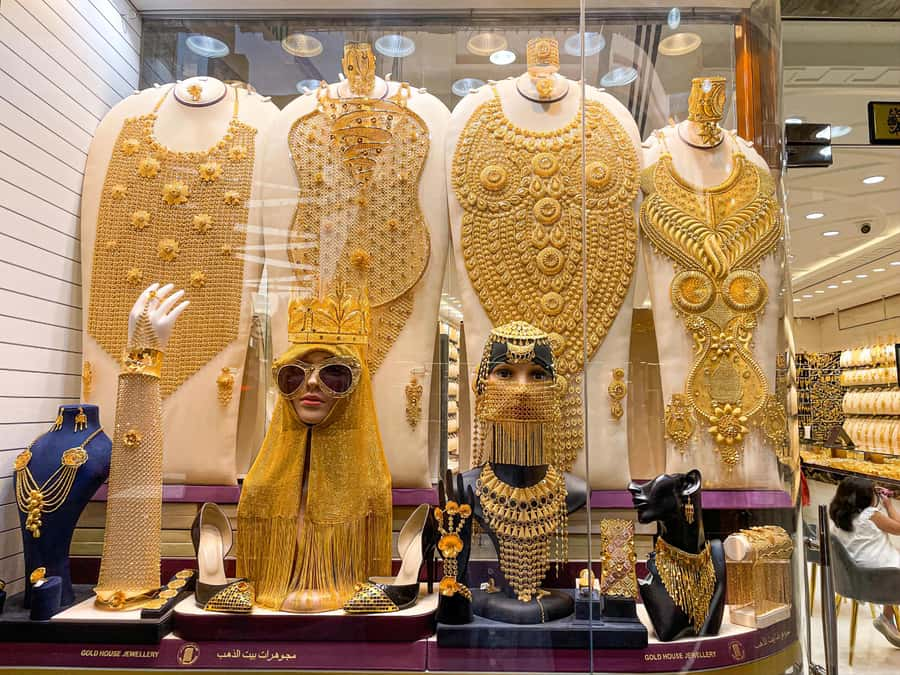
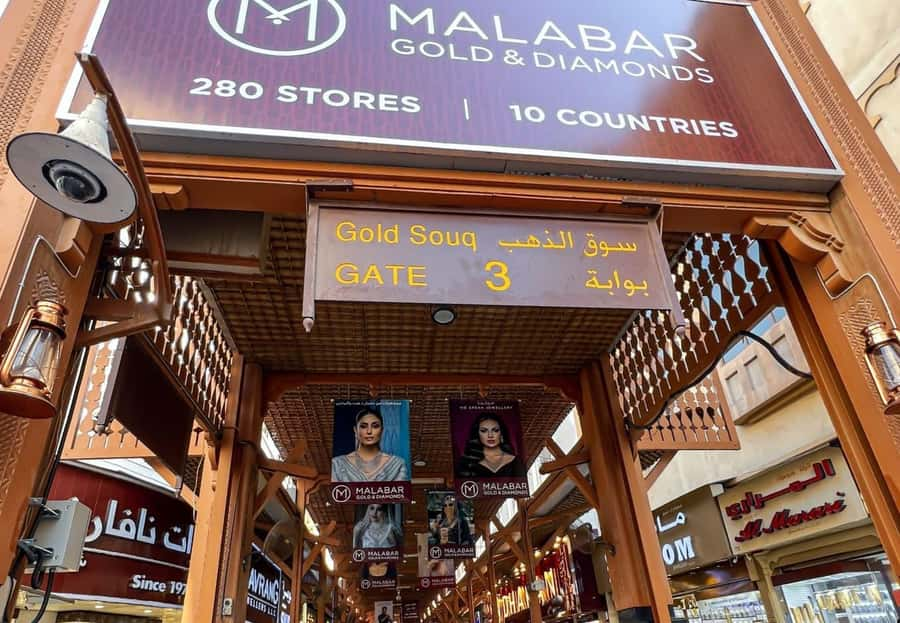
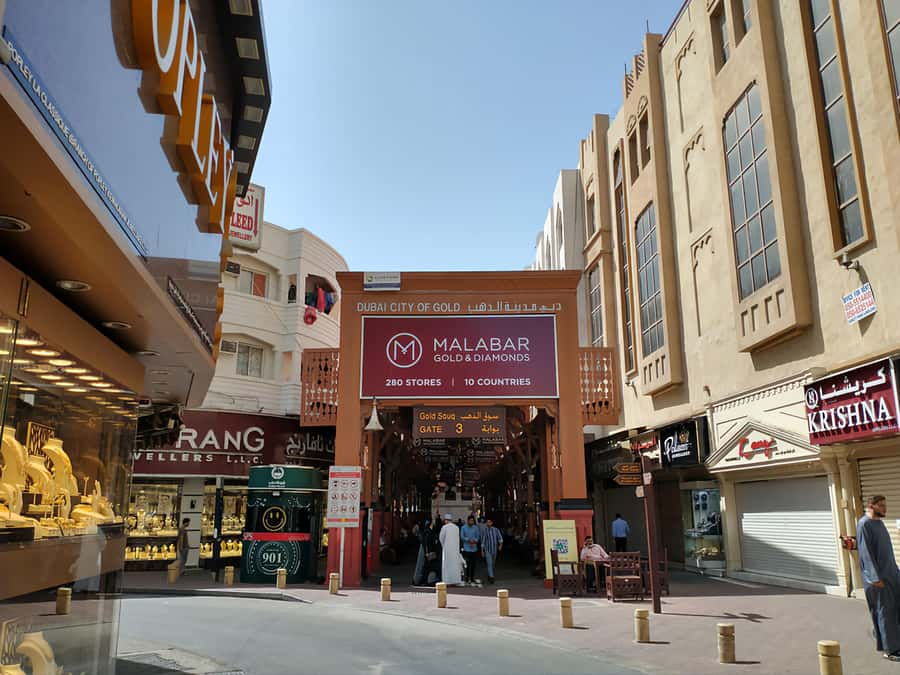
The final major stop is the Dubai Gold Souk, also allotted about 45 minutes. The market is famous for its concentration of gold retailers, with more than 350 tax-free shops described for the area. Even if you have no plan to buy jewelry, the displays and scale make the stop worth seeing.
This is a place where the guide’s role is practical. You can learn how the market works, see traditional designs, and understand why gold remains such a visible part of Dubai’s commercial identity. You should not feel obliged to shop. Enjoy the window displays, ask questions, and keep purchases separate from the sightseeing value of the visit.
Gold prices and shop terms can change, so do not rely on a casual conversation as a buying decision. The tour gives you a useful introduction, not a guarantee of the lowest price or a private shopping service.
The standard finish is near Al Ras Metro Station, which makes it easy to continue exploring Deira or return by public transport. Pickup and drop-off are available only when you choose the appropriate private option.
What the guides add
The strongest pattern across the experience is the guide quality. Muhammad is praised for lively historical stories and for making a small mixed group, including two families and a solo participant, feel well cared for. Abdullah is repeatedly described as friendly, clear, and able to answer questions about Dubai’s past, culture, religion, and present life.
Ikram appears especially suited to families. He adjusted the pace for an older father, helped a family with children, and was praised for speaking clear English and explaining Dubai’s growth and ruling family. Shahzad is noted for explaining old customs and answering questions during the souk visits and abra ride.
Mazher, Ehsan, Hassan, and Aqib Abbas also receive strong personal praise for warmth, professionalism, and helpful explanations. Guides can vary by departure, but the repeated pattern suggests that the human element is central to the experience. This is not a self-guided route with a few facts added on top. The quality depends heavily on who leads your group, and the available guide reports are encouraging.
English and German tours are available. You can join a shared group or choose a private experience. A private tour should suit families, older relatives, or anyone who wants more control over pace and questions.
Is $23 good value?
At $23 per person, the tour offers a lot for a three-hour introduction. You get a licensed guide, the abra crossing, water, local food, camel milk tea, and camel milk chocolate, plus guided time in Al Fahidi, the textile market, the spice market, and the gold market.
The value is strongest if you want several Dubai experiences joined together. Booking separate transport, finding the old neighborhood yourself, learning the background, crossing the creek, and locating the souks would take more effort. The tour gives you a clear route and a person who can explain what you are seeing.
The price does not include hotel pickup in the standard package. You also need to allow for your own purchases in the markets. If you want a private group and transportation from your hotel or the airport, expect the selected private option to differ from the basic $23 rate.
Who should book this Old Dubai walk?
I would recommend it to first-time visitors who want Dubai beyond malls and skyscrapers. It also suits solo visitors, couples, families with older children, and anyone interested in architecture, food, local commerce, or the city’s rapid change.
Families should consider the private option if they need a slower pace. One guide adjusted the route for an elderly family member, but the standard tour still involves walking, standing, heat, and uneven market conditions.
This is not the right pick if you need a wheelchair-accessible route, want a relaxed air-conditioned outing, or plan to bring luggage. Baby strollers and large bags are not allowed. Wear comfortable shoes, sunglasses, a sun hat, and comfortable clothes, and carry only what you need.
You can cancel up to 24 hours ahead for a full refund, and reserve now while paying later. Those terms help if your Dubai schedule is still changing.
Should you book it?
Book this tour if you want a compact, good-value introduction to the older side of Dubai, with a real water crossing and plenty of guide-led context. The best features are the Al Fahidi lanes, the abra ride, the spice and gold souks, and the guides’ willingness to answer questions and adjust their approach.
Skip it if you prefer to explore markets alone, dislike sales areas, or need a fully accessible route. For most able-bodied visitors with three free hours, though, this is a sensible way to connect Dubai’s past with the city you see today.
FAQ
Where does the tour start?
The standard meeting point is Sharaf DG Metro Station, Exit 4. It is accessible by metro or taxi, and the guide waits there wearing a tour guide license.
Is hotel pickup included?
Hotel pickup and drop-off are not included in the standard option. They are available when you select the private option, including pickup from hotels, Dubai Airport, and other locations in Dubai.
How long does the tour last?
The walking tour lasts three hours. The itinerary includes about 15 minutes on the abra water taxi and guided time in Al Fahidi, Al Souq Al Kabeer, the spice market, and the gold market.
What is included in the price?
The price includes a licensed tour guide, the abra water taxi ride, water, local food, camel milk tea, and camel milk chocolate.
Which languages are available?
The tour is available with a live guide in English or German.
Is the tour suitable for wheelchair users or strollers?
No. The activity is not suitable for wheelchair users or people with mobility impairments. Baby strollers and luggage or large bags are also not allowed.
More Market Market Walking Tours in Dubai
- Dubai Old Town, Creek, Abra boat, Souks Guided walking Tour
★ 4.7 · 3 reviews - Bangkok: City Highlights Temple and Market Walking Tour
★ 4.5 · 3,990 reviews - Tokyo Tsukiji Fish Market Food and Culture Walking Tour
★ 5.0 · 3,184 reviews - Marrakech: Ben Youssef, Secret Garden, & Souks Walking Tour
★ 4.6 · 2,802 reviews
Just added around Dubai
- Walking Tour in Dubai. Souks, museums, Local Food Testing★ 5.0 · 11 reviews
- Old Dubai Heritage Tour: Souks, Mosques & more hidden gems!★ 4.3 · 72 reviews
- Old Dubai Guided Tour With Photographer: Souks & Street Food★ 4.9 · 74 reviews
- Dubai Tour: Haritage Walking Guide, Gold & Spice Souq, Creek★ 4.5 · 11 reviews
- Dubai: Discover Dubai Old Town, Souks, Museum & Street Food★ 4.9 · 25 reviews
- Dubai:Private Frame Entry, Mosque, Souks, Tastings& transfer★ 4.8 · 9 reviews
- Dubai: Guided City Walking Tour to Spice and Gold Souk★ 5.0 · 3 reviews
- Dubai Food Tour: 4 Cuisines, Souks & Street Bites★ 3.0 · 3 reviews
Market Walking Tours, compared.
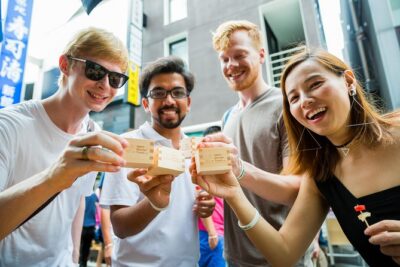
Tokyo Tsukiji Fish Market Food and Culture Walking Tour
Read our review →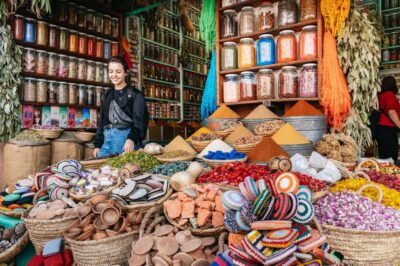

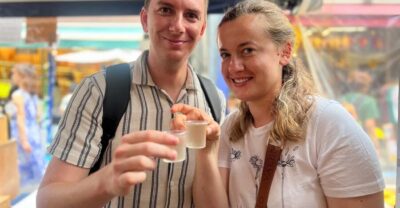
Nishiki Market Brunch Walking Tour (7 Tastings + Brunch)
Read our review →Tsukiji Fish Market Food and Culture Walking Tour
Read our review →
Tsukiji Fish Market: Street Food & Culture Walking Tour
Read our review →
Tsukiji Fish Market Small-Group Food Walking Tour
Read our review →Browse the lists this tour appears in