Review · GRAND BAZAAR & SPICE MARKET TOURS
Dubai Old Town Walking Tour with Abra ride, Spice and Gold Souk
Dubai’s polished towers tell only part of the story. This private Old Dubai walking tour takes you into the older quarters around Dubai Creek, where wind towers, narrow lanes, temples, ferries, and souks reveal how the city worked before oil wealth reshaped it. The short abra ride is the star: cheap, practical, and far more atmospheric than crossing the creek by road.
I like the way the route links several different parts of local life, from Al Fahidi’s restored courtyard buildings to the working markets in Deira. I also like the small touches, including dates with chocolate, dry fruits, nuts, oil perfumes, coffee, tea, and bottled water. The main consideration is pace: with six stops in roughly two to three hours, you will get an excellent introduction, but not much time for careful shopping or long visits inside every site.
Key points to know before booking
- Traditional abra crossing: Ride across Dubai Creek between Bur Dubai and Deira in a small wooden ferry used as everyday transport.
- Six compact stops: The route includes Al Fahidi Historical Neighbourhood, Shiva Temple, Textile Souk, Spice Souk, and Gold Souk, with the creek crossing between them.
- Private guiding: Only your group participates, giving you room to ask questions and request a slower or faster pace.
- Market advice included: Your guide can explain spices, perfumes, textiles, and jewelry, and help you approach bargaining with more confidence.
- Flexible timing may be possible: A 5 p.m. start worked well for one booking, offering cooler walking conditions before dinner.
- Ends at the Gold Souk: The guide can point you toward the nearest metro station or taxi stop after the tour.
Why Old Dubai deserves your time
Dubai is often presented through huge malls, modern towers, and indoor attractions. Those are easy to reach, but they do not explain the city’s earlier life. Around Al Fahidi and Dubai Creek, the scale drops to walking speed. You see shaded lanes, old-style building materials, market stalls, religious sites, and boats that still serve a useful purpose.
I find this kind of tour especially helpful near the beginning of a Dubai visit. A guide gives you the basic map of the city and explains the difference between Bur Dubai, on the western side of the creek, and Deira, on the eastern side. The tour begins in Bur Dubai and finishes in Deira, so you get a one-way introduction rather than retracing your steps.
The activity costs $86.53 per person. That is not the cheapest way to see the souks, since you could visit the markets independently for little money. The value comes from the private guide, the historical explanation, the included abra ride, and help making sense of places that can otherwise feel confusing. It makes the strongest financial sense for couples, families, or small groups who want personal attention and plan to ask plenty of questions.
More Market Walking Tours in Dubai
- Historic Old Dubai & Souk Small Group Walking Tour
★ 5.0 · 156 reviews - Dubai Souks, Food & Culture Walking Tour
★ 5.0 · 132 reviews - Private Old Dubai Walking Tour: Forts, Souks, and Boats
★ 5.0 · 116 reviews
Starting among wind towers in Al Fahidi
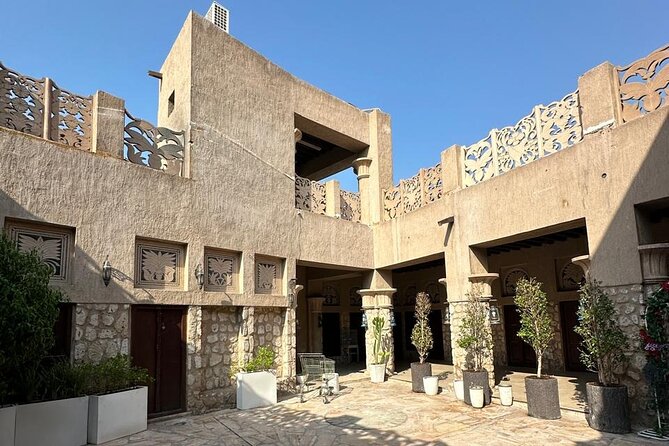
The meeting point is Local House Restaurant on Al Fahidi Street, in the Historical Neighbourhood. From there, you walk into an area built in a traditional style that was common from the mid-19th century through the 1970s.
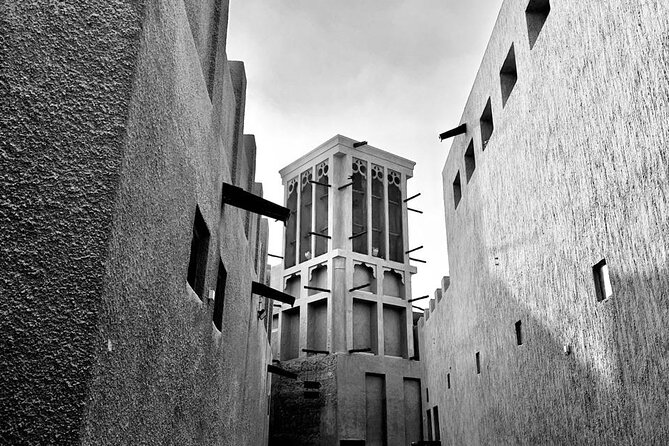
Look up as you walk. The old buildings use features such as barjeel wind towers, which helped move air through homes before modern cooling systems. Stone, gypsum, teak, sandalwood, palm fronds, and palm wood appear in the traditional construction. The narrow paths and small public squares break up the buildings and create shade.
You are scheduled to spend about 20 minutes here. That is enough for an orientation walk and photographs, but it is not a full museum visit. The charm is in the layout: buildings sit close together, alleys turn unexpectedly, and the district feels far removed from downtown Dubai.
Your guide’s explanation matters here. Without context, the neighborhood can look like a carefully restored heritage set. With context, you begin to see how its design answered practical needs, especially heat, privacy, and limited building materials.
A brief look at Al Fahidi Fort
The route also identifies the oldest building in Dubai, dating from the 1780s, and describes it as a former fortress and center of political life. This is Al Fahidi Fort, an important marker of the city’s earlier authority and defense.
The stop is brief in the supplied schedule, so set your expectations accordingly. You are likely to receive an outside explanation or a concise historical account rather than spend a long period inside exhibits. If the fort is a priority for you, ask at the start how much time the guide plans to give it.
This is one reason a private format helps. You can tell the guide whether you prefer more history, more photography, or more time in the markets. The route is fixed in broad outline, but the conversation can be adjusted.
Seeing another side of Dubai at Shiva Temple
The Shiva Temple is a small but important stop in Bur Dubai. The Hindu temple serves Dubai’s large Hindu community, and the complex was first established in 1958. It originally included the Shiva Mandir, Krishna Mandir, and a Gurudwara.
You are allocated around 10 minutes here. That makes this more of a cultural and architectural glimpse than an extended religious visit. Dress and behave respectfully, and follow any instructions given at the temple.
I like this stop because it widens the picture of Dubai. The city is not only Arab, Islamic, and modern. Its neighborhoods also reflect the many communities that have built lives and businesses here. A short visit can add useful context before you enter the commercial streets around the creek.
More Market Walking Tours in the UAE
- walking tour in old dubai, souks, abra boat, old town
★ 5.0 · 89 reviews - Private Historic Old Dubai and Souks Walking Tour featuring Hidden Gems
★ 5.0 · 27 reviews - Walking Tour in Dubai. Souks, museums, Local Food Testing
★ 5.0 · 11 reviews - Dubai: Guided City Walking Tour to Spice and Gold Souk
★ 5.0 · 3 reviews
Browsing the Textile Souk without losing your patience
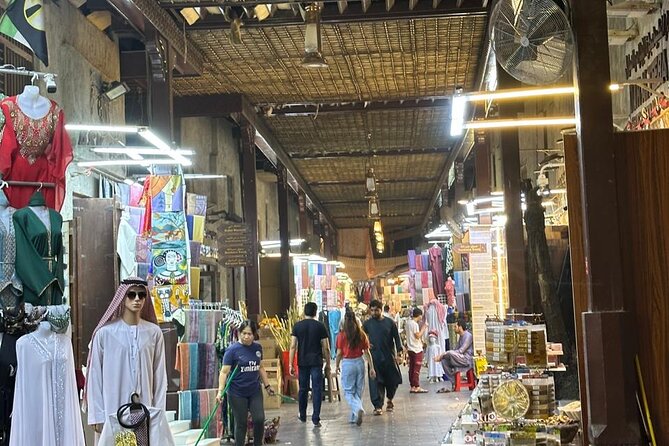
The Textile Souk is your first proper market stop. Expect rows of colorful fabrics, shawls, embroidery, and souvenir items. The selection draws on textiles from different parts of the world, with bright colors and varied textures competing for your attention.
You have about 20 minutes, which is enough to browse and get a feel for prices. It is not enough to inspect every stall or negotiate a major purchase at leisure. If you see something you like, ask your guide how to compare quality and price.
Bargaining is part of the experience. The first price is not necessarily the final price, but you should bargain politely and know when to walk away. A guide can help you understand the tone of the exchange, though you should still make your own buying decision.
Do not feel obliged to purchase. The souk is worth visiting for the colors, shop displays, and sense of place alone. If you want textiles, carry a little patience and leave room in your luggage.
Crossing Dubai Creek by abra
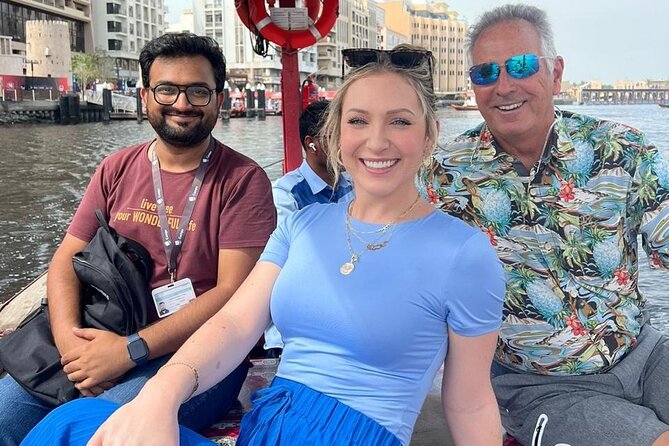
At Bur Dubai Abra Station, you board a traditional abra for the short crossing to Deira. This is the most memorable part of the route for many people because the boat is both a sightseeing experience and a working form of transport.
The crossing separates two historic parts of the city, but it also gives you a fresh view of the creek. From the water, you can watch the old waterfront activity and see how closely trade, transport, and daily life have always been tied together here.
The ride takes about 10 minutes in the planned schedule. That is short, but it is long enough to break up the walking and give you a chance to take photographs. Keep your camera ready, but also watch the movement around you. The appeal is not luxury or comfort. It is the simple fact that you are crossing the creek in a boat closely linked to Old Dubai.
The tour includes the abra fare, bottled water, coffee or tea, and snacks. The food element may include dates with chocolate, dry fruits, nuts, and oil perfumes as you move through the route. These are small extras, but they make the experience feel more connected to local products than a standard sightseeing walk.
Following the aromas into the Spice Souk
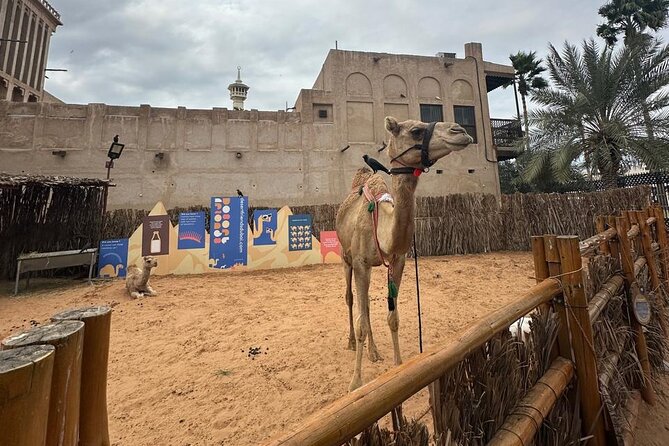
Once you reach Deira, the Spice Souk brings a sharp change in mood. The route allows about 20 minutes, and the aromas arrive before the market fully comes into view. You may see sacks, jars, and displays of spices and dried goods arranged for browsing.
A guide is useful here because market products can be unfamiliar, and sales conversations may move quickly. You can ask what an item is used for, how it is prepared, or how to judge an appropriate amount to buy. The experience description presents this as one of Dubai’s oldest markets, so the value is not limited to shopping. It is also a quick lesson in the trading culture around the creek.
Again, bargain with care. Be clear about what you want, ask the price before accepting a package, and avoid buying simply because a seller is enthusiastic. You do not need to purchase spices to enjoy the stop.
The 20-minute limit keeps the visit lively, but it can feel short if you are interested in food and cooking. Tell your guide early if this is one of your main reasons for booking.
Finishing beneath the Gold Souk signs
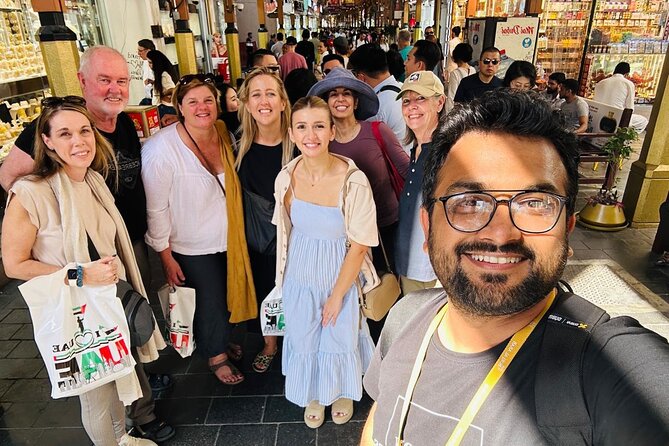
The Gold Souk is the final stop, with roughly 20 minutes set aside. It is one of the world’s major gold markets, with many jewelry shops close together and displays designed to catch the eye.
You can expect a concentrated look at jewelry rather than a relaxed shopping session. If you want to buy, take your time before agreeing to anything. Ask about the weight, workmanship, and pricing, and make sure you understand exactly what is included. Your guide can help you find your way around and may offer general assistance with bargaining, but the final purchase remains your responsibility.
This is also a practical ending point. The tour finishes in Al Ras, near the Gold Souk, and the guide will assist you with directions to the nearest metro station or a taxi stop. That makes it easy to continue your evening in Deira or head elsewhere for dinner.
The route description also refers to the Grand Mosque of Dubai and Temple Lane. These landmarks may form part of the walk or be viewed along the way, but the scheduled stops focus on the six main locations above. If either site is essential to you, confirm the exact route with the guide before setting out.
What the private format changes
This is a private activity, so only your group participates. That can make a major difference in an old neighborhood where narrow lanes, market stalls, and boat stations are easier to handle with a small party.
You can ask direct questions about religion, architecture, trade, food, and modern Dubai without waiting for a large group to catch up. You can also request help with photographs. One guide named Tamour was specifically praised for taking pictures and helping with city navigation, while Mansoor Ali was described as friendly, courteous, and useful when discussing jewelry prices.
Several guide names appear in the experience information, including Tamur or Tamour, Sarfaraz or Sarfarz, Mansoor Ali, and Ali Kumail. The spelling of some names varies, and the assigned guide may depend on the date. The consistent point is that the guide is a local, licensed professional who leads the walk and explains the sites.
The private setup also helps solo visitors. A solo booking can otherwise feel like a lot of money for a short activity, but a one-on-one conversation gives you a chance to ask more personal questions about culture and daily life.
Timing, heat, and what to wear
The planned duration is two to three hours. The stop times add up to about 100 minutes, with the rest used for walking, transitions, explanations, and the creek crossing.
Heat is an important practical factor. A 5 p.m. start has worked well because it places much of the walking in cooler conditions before dinner. Earlier starts may suit your schedule, but the tour is mostly outdoors, with some time in open market areas.
Wear comfortable shoes and light clothing suitable for walking. Bring water even though a bottle is included. The souks are active commercial spaces, so keep personal belongings secure and stay close enough to hear the guide at crossings and boat stations.
This is not presented as a difficult walk, and most people can participate. Still, the route includes uneven lanes, standing, and time on your feet. If you need a slower pace, say so at the beginning.
Who should book this Old Dubai walk
I would choose this tour if you want a short, guided introduction to the older side of Dubai and prefer conversation over a large bus group. It suits first-time visitors, families, couples, solo visitors, and anyone who wants help understanding the souks before shopping.
It is also a good choice for a stopover. The route begins in Bur Dubai and ends in Deira, so you see two historic districts in one compact outing. The end point near public transport makes it practical to continue your evening.
I would be more cautious if your main goal is serious shopping. The 20-minute market stops give you an overview, but not enough time for detailed comparisons across many stores. Likewise, anyone wanting long museum visits or extensive photography may find the schedule brisk.
Free cancellation is available if you cancel at least 24 hours before the start time. Changes or cancellations inside that window are not refunded, so check your plans before booking.
Should you book it?
Book this tour if you want the human scale of Dubai: old lanes, wind towers, a working creek crossing, religious landmarks, and markets filled with textiles, spices, and gold. The private guide is the main value, especially if you want stories, local context, help with directions, or advice before buying.
Skip it if you already know Al Fahidi, the creek, and both souks well, or if you want a slow shopping day. For everyone else, the route offers a useful first look at Dubai’s older core in a manageable two to three hours, with the abra ride providing the trip’s most distinctive moment.
FAQ
How long does the Dubai Old Town walking tour last?
The tour lasts approximately two to three hours. The planned route includes several stops, walking between locations, and the abra crossing over Dubai Creek.
Where does the tour begin?
The tour begins at Local House Restaurant, 65 Al Fahidi Street, in Al Fahidi, Bur Dubai, Dubai.
Where does the tour end?
The tour ends at the Dubai Gold Souk in Al Ras, Deira. The guide can assist with directions to the nearest metro station or taxi stop.
Is the abra ride included?
Yes. The traditional abra ride across Dubai Creek is included in the tour price.
Is this a private tour?
Yes. Only your group participates in the activity. Group discounts are also available.
What happens if I cancel?
You receive a full refund if you cancel at least 24 hours before the experience start time. Cancellations or changes made less than 24 hours before the start time are not refunded.
More Spice Market and Bazaar Tours in Dubai
- Cairo: Local Markets & Khan el Khalili Private Shopping Tour
★ 4.6 · 614 reviews - Cairo VIP Guided Tour to Khan El-Khalili Market with Lunch
★ 5.0 · 431 reviews - Istanbul Grand Bazaar: From Rooftops to the Secret Passages
★ 4.8 · 337 reviews - Old Delhi Food-Spice Market-Temples Tour Soon Featured on NETFLIX
★ 5.0 · 304 reviews
More Spice Market and Bazaar Tours in the UAE
- Dubai Half-Day City Tour with Visit to Dubai Gold Souk
★ 4.0 · 1,741 reviews - Old Dubai Gold Souk and Water Taxi
★ 4.0 · 26 reviews - Dubai City Tour Old Town, Abra Taxi Boat, Gold & Spice Market
★ 4.5 · 8 reviews
Just added around Dubai
- Walking Tour in Dubai. Souks, museums, Local Food Testing★ 5.0 · 11 reviews
- Old Dubai Heritage Tour: Souks, Mosques & more hidden gems!★ 4.3 · 72 reviews
- Old Dubai Guided Tour With Photographer: Souks & Street Food★ 4.9 · 74 reviews
- Dubai Tour: Haritage Walking Guide, Gold & Spice Souq, Creek★ 4.5 · 11 reviews
- Dubai: Discover Dubai Old Town, Souks, Museum & Street Food★ 4.9 · 25 reviews
- Dubai:Private Frame Entry, Mosque, Souks, Tastings& transfer★ 4.8 · 9 reviews
- Dubai: Guided City Walking Tour to Spice and Gold Souk★ 5.0 · 3 reviews
- Dubai Food Tour: 4 Cuisines, Souks & Street Bites★ 3.0 · 3 reviews
Grand Bazaar & Spice Market Tours, compared.
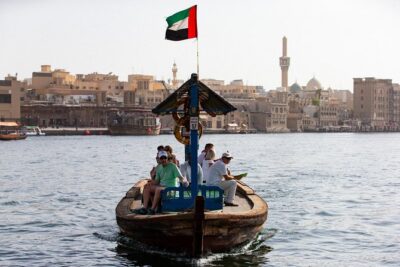
Dubai Half-Day City Tour with Visit to Dubai Gold Souk
Read our review →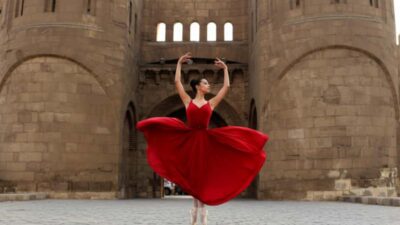
Local Markets & Khan el Khalili Private Shopping Tour
Read our review →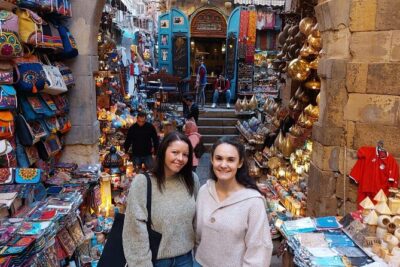
Cairo VIP Guided Tour to Khan El-Khalili Market with Lunch
Read our review →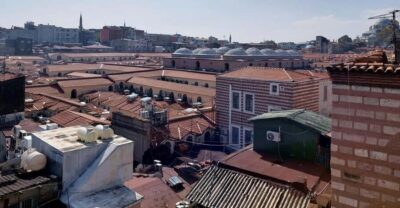
Istanbul Grand Bazaar: From Rooftops to the Secret Passages
Read our review →
Old Delhi Food-Spice Market-Temples Tour Soon Featured on NETFLIX
Read our review →Old Delhi Odyssey: A Tour of Religion, Spice Market, & Best Food
Read our review →
Old Cairo and Khan El Khalili Bazaar: Private Half-Day Tour
Read our review →