
Review · MARKET WALKING TOURS
Tel Aviv: Carmel Market & Neighborhood Guided Walking Tour
Carmel Market is where Tel Aviv’s modern image gives way to spice stalls, bakeries, produce tables, and narrow streets with a strong Yemenite flavor. This 90-minute walk connects the food on the counter with the immigrant communities that helped shape it, then continues into nearby Nachalat Binyamin.
I like the short, focused route of about 1 kilometer, which gives you a useful introduction without eating half a day. I also like the choice between a basic walking tour and a food-tasting upgrade. The main consideration is that the $39 price does not include food or drinks unless you choose the upgrade, and the market can be hot, crowded, and demanding underfoot.
Key points at a glance
- Carmel Market’s food story: Learn how immigrant communities brought dishes such as malawach and sabich to Tel Aviv.
- A compact 90-minute route: Cover about 1 kilometer through the market and nearby streets.
- Nachalat Binyamin add-on: See street art, local crafts, pastel-colored buildings, and Bauhaus details.
- Food tasting choice: Add tastings that amount to roughly a lunch portion, or buy items yourself.
- Small-group feel: The maximum group size is 15 people, with an English-speaking guide.
- Practical market timing: Bring water, sunscreen, a hat, and comfortable shoes, since the walk runs rain or shine.
Why Carmel Market is the right place to start
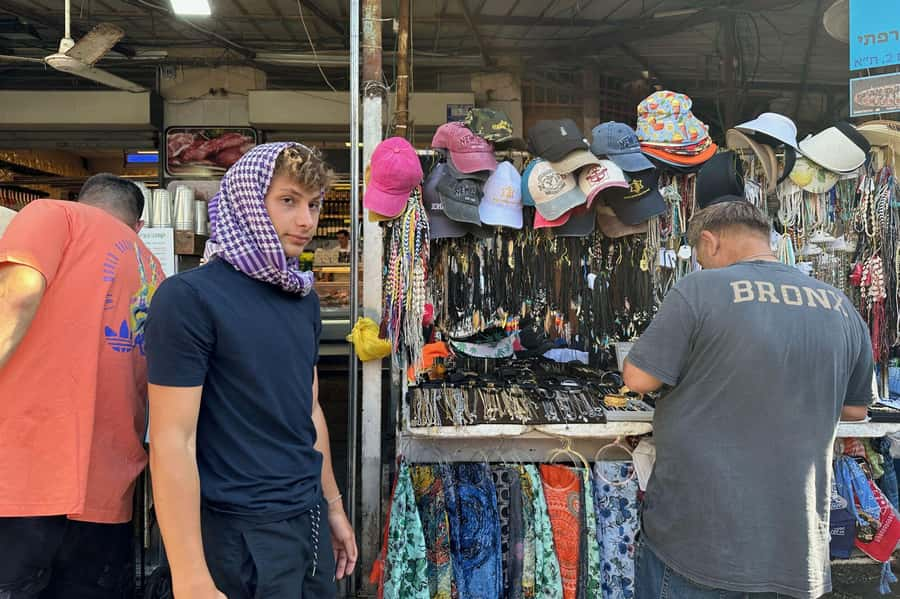
Carmel Market, or Shuk HaCarmel, is not a museum display of Tel Aviv’s past. It is a working market. People shop here, eat here, pass through on errands, and sell the ingredients that fill kitchens across the city.
That makes it a useful first stop for understanding Tel Aviv. The city is often presented through its beaches, nightlife, and modern architecture. At Carmel Market, you see another side: food traditions carried by Jewish immigrants from different parts of the Middle East and beyond.
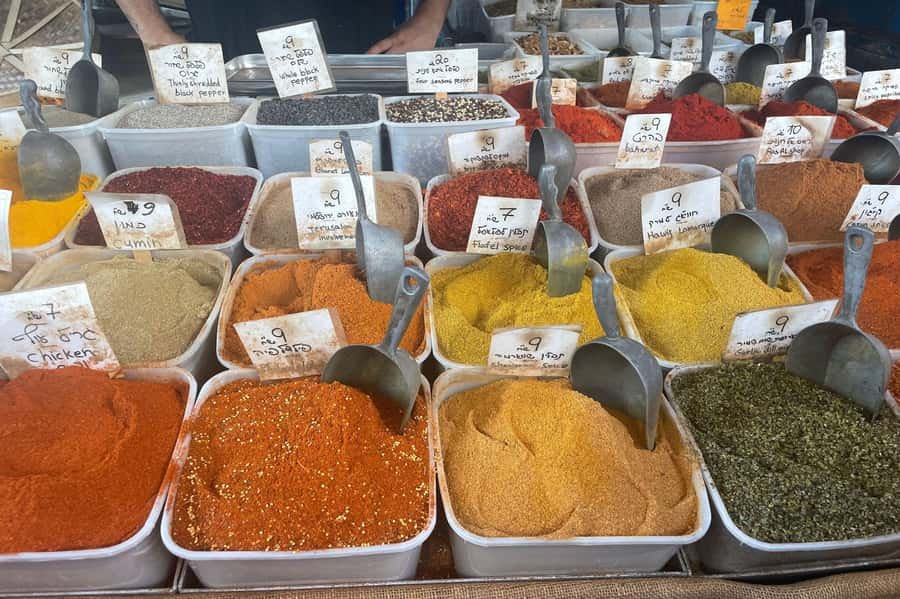
Your guide leads you through narrow market lanes lined with street vendors, shops, and bakeries. You can expect colorful produce, spices, prepared dishes, and the steady movement of a central city market. The point is not simply to look at food. It is to understand why particular foods are here and what they say about the people who brought them.
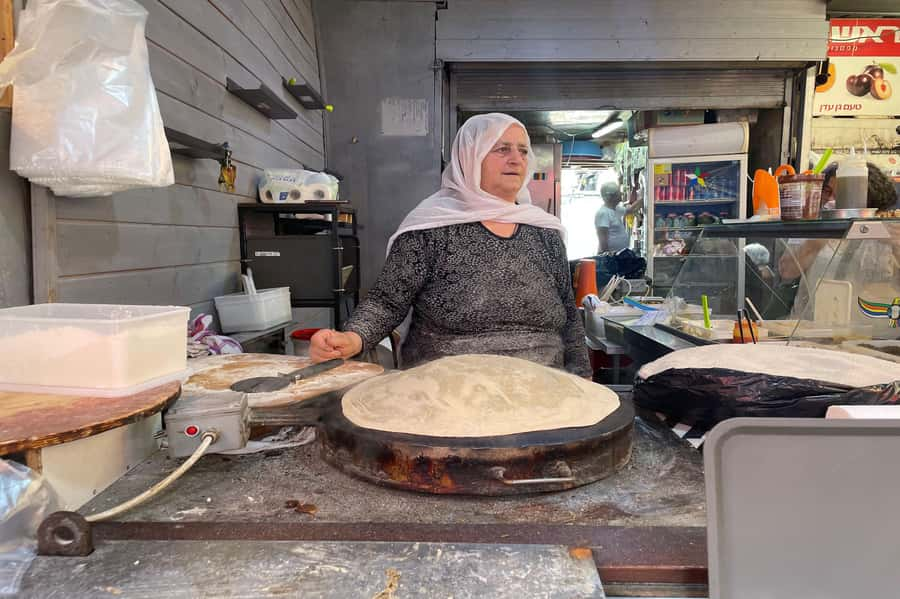
I especially like the focus on the Yemenite influence. Dishes such as malawach, a flaky Yemenite bread, and sabich, a pita dish associated with Iraqi Jewish cuisine, give the discussion something concrete. You are not just hearing a broad story about immigration. You are connecting that story to things you can see and, with the tasting option, eat.
The market is also a good place to ask questions. The guide can help with translations while you shop, which matters when you want to understand a product or make a purchase but do not speak Hebrew. You receive some free time for buying local products, so the walk is not a rigid lecture from beginning to end.
More Market Market Walking Tours in the world:
- Bangkok: City Highlights Temple and Market Walking Tour
★ 4.5 · 3,990 reviews - Tokyo Tsukiji Fish Market Food and Culture Walking Tour
★ 5.0 · 3,184 reviews - Marrakech: Ben Youssef, Secret Garden, & Souks Walking Tour
★ 4.6 · 2,802 reviews
The food lesson behind malawach and sabich
Food is the strongest reason to choose this tour. Carmel Market gives your guide a natural setting for explaining how Tel Aviv’s food culture developed through immigration.
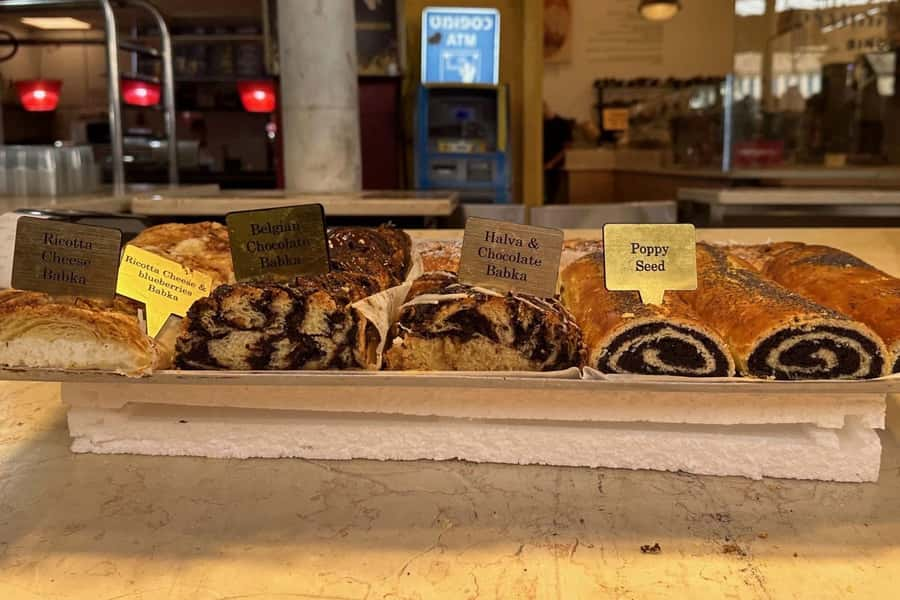
You may see ingredients in their raw form before hearing how they appear in familiar dishes. Spices, vegetables, breads, and prepared foods help make the story easier to follow. A guide can point out the difference between simply sampling something popular and understanding where it came from.
Malawach and sabich are useful examples because they reflect different migration stories. Malawach connects the market to Yemenite Jewish traditions. Sabich reflects Iraqi Jewish influence. Together, they show why Tel Aviv’s food cannot be reduced to one national or regional style.
The food-tasting upgrade is worth considering if you want the market to be more than a visual stop. The tastings are described as equivalent to a lunch portion, so this is not just a token bite. It could replace a separate midday meal, though the basic $39 option leaves food and drinks out.
If you prefer to choose your own food, book the walking tour without tastings and use the shopping time. That option gives you more control over what you buy and how much you spend. The tradeoff is that you may miss some of the structured sampling and the guide’s explanation of each item.
I would choose the tasting option for a first visit when you want an easy introduction to local dishes. I would choose the standard tour if you already have restaurant plans or prefer to browse at your own pace.
From market lanes to Nachalat Binyamin
The walk does not end with the food stalls. It also takes in the nearby Nachalat Binyamin district, where street art, local crafts, and older buildings change the mood.
This part helps place Carmel Market within the wider center of Tel Aviv. You move from crowded commercial lanes to cobblestone streets and pastel-colored buildings. The guide also points out Bauhaus architecture, an important part of the city’s visual identity.
Do not expect a full architecture tour. The walk lasts only 90 minutes and covers a short distance. Bauhaus is one thread in a larger story that includes food, immigration, daily life, and the development of this central neighborhood.
Still, the combination works well. The market shows you how people shop and eat. Nachalat Binyamin shows you the streets and buildings that frame that life. Street art and local crafts add a creative, present-day layer without taking the focus away from the district’s older character.
I like this mix because it keeps the tour from becoming a simple market crawl. You get a little food history, a little urban history, and a look at local craft culture. The route is compact enough that you do not spend the whole time marching between distant sights.
What the 90-minute walk feels like
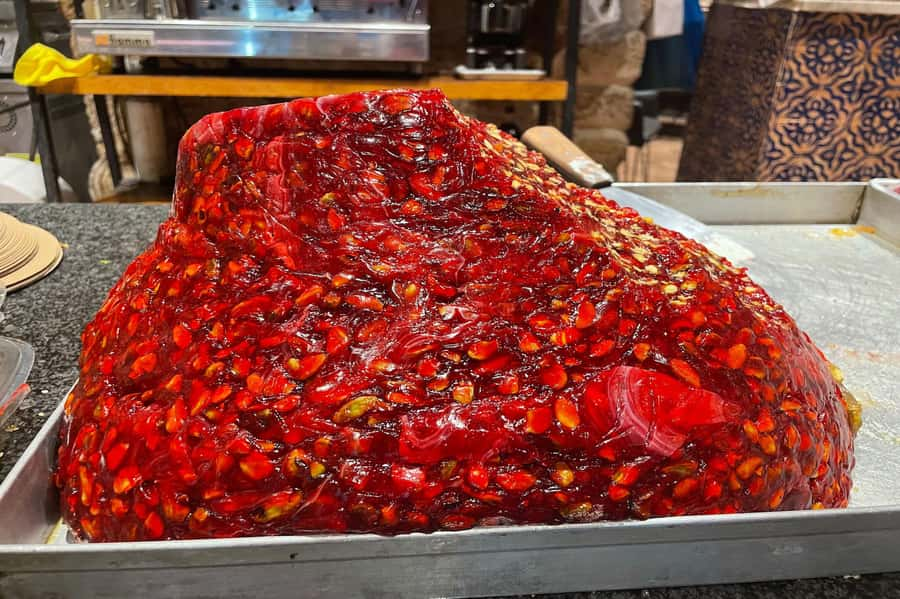
The itinerary is short, but the market environment can make the experience feel full. A kilometer does not sound demanding, yet you will likely pause often for stalls, food, architecture, and explanations.
The route begins at the corner outside the Poli House hotel, where Carmel Market meets Allenby Street. This is a practical meeting point because it places you directly beside the market rather than requiring a long transfer to reach the first sight.
From there, the guide takes you into the market area. Expect narrow passages, vendor displays, bakeries, produce, spices, and prepared food. The exact order of stops can vary with the guide and market conditions, but the main themes remain the same: what is being sold, who brought these foods to Tel Aviv, and how the area works as part of daily city life.
The walk then includes surrounding streets and Nachalat Binyamin. Along the way, you have a chance to ask questions and spend some time shopping. The guide can assist with translations if needed.
At 90 minutes, this is best viewed as an introduction. It will not cover every corner of Carmel Market or give you time to stop at every stall. That is a benefit if you want orientation before exploring alone, but a limitation if you hope for a slow, meal-sized food tour with long tastings at many places.
The maximum group size is 15. That is small enough for a guide to keep the group together in tight market lanes, though the experience will feel more personal with fewer people. You should also stay alert to the group’s pace, especially when stopping near busy stalls.
More Guided Market Trips in the world:
- Dubai: Old Town, Souks, Street Food, Guided Tour & Abra Ride
★ 4.9 · 7,170 reviews - Dubai: Frame Tickets, Creek, Souks & Blue Mosque Guided Tour
★ 4.8 · 5,980 reviews - Chef Guided Food Tour of Pike Place Market
★ 5.0 · 3,733 reviews - Marrakech: Colorful Medina Souks Guided Walking Tour
★ 4.7 · 2,470 reviews
The guide makes the difference
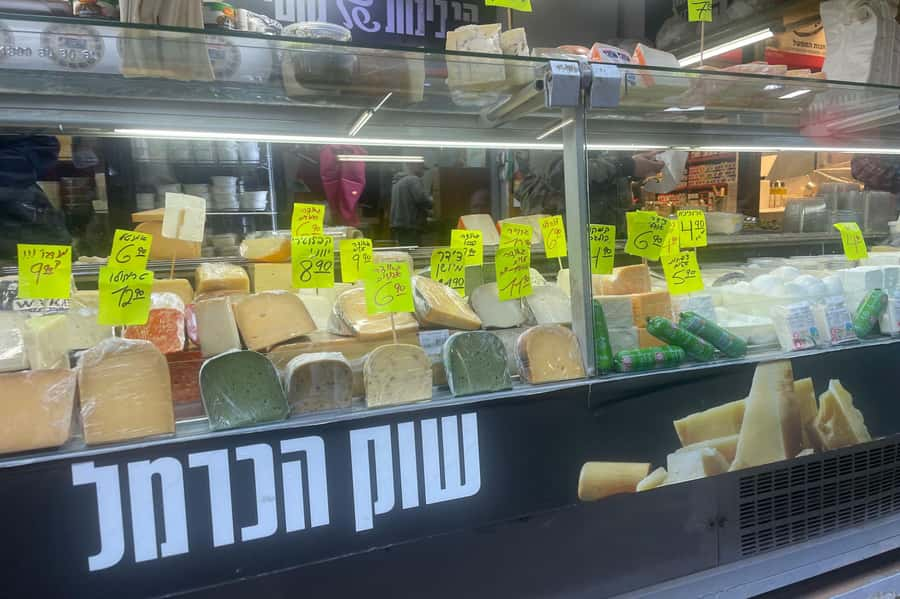
A market tour depends heavily on the person leading it. The stalls are easy enough to see on your own. The value comes from learning what you are looking at and why it matters.
Katya is named as one of the guides associated with this experience. Her approach has been described as lively and closely connected to Israeli history. That is exactly the kind of style that suits Carmel Market, where a dry lecture would quickly lose its grip among the noise, smells, and movement.
With a strong guide, you should come away with more than a list of dishes. You should understand how immigration shaped the food scene, how the market fits into Tel Aviv life, and why nearby buildings and streets look the way they do.
English is the listed tour language. If you are hoping for another language, this is not the right choice based on the available information. The guide’s help with translations during shopping is useful, but it does not change the fact that the organized tour is conducted in English.
Is $39 good value?
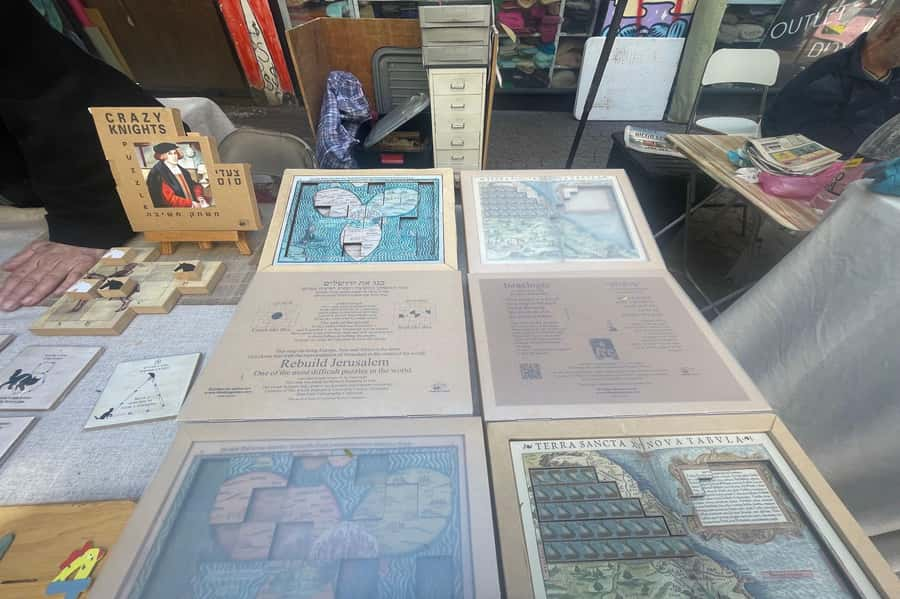
At $39 per person, the tour is priced as a guided introduction rather than a simple stroll. The value depends on how much explanation you want.
If you walk through Carmel Market alone, you can see the produce, spices, bakeries, and street life for free. You can also buy food on your own. What you are paying for here is context: the connection between immigration, food, architecture, and daily life.
The price becomes easier to justify if you are visiting Tel Aviv for the first time, want help choosing food, or enjoy asking questions while you walk. A local guide can also save you from spending your limited time looking at stalls without knowing what deserves attention.
The food is not included in the standard price. Drinks are also extra, though you are welcome to buy them during the walk. If you select the tasting upgrade, the portions are described as equal to a lunch serving. That may give the upgrade solid value, especially if it replaces a separate meal.
Pricing is lower per person when two or more people book together. This makes the tour more appealing for couples, friends, and families traveling together. Infants aged zero to one are free, but children and infants must be accompanied by at least one paying adult.
Practical details that affect your day
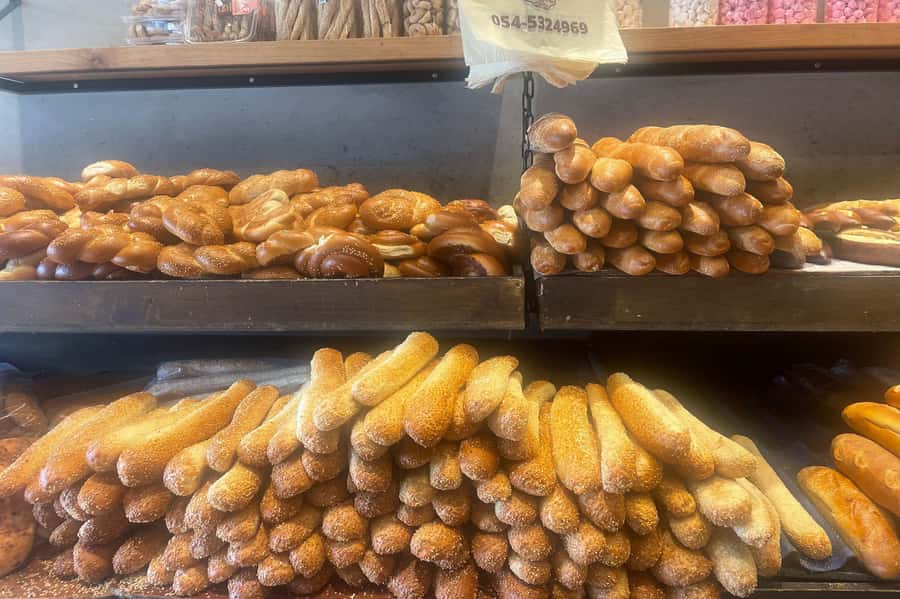
Wear comfortable shoes. The walk covers about 1 kilometer, but the market includes narrow lanes and cobblestone streets. You will also spend time standing near stalls and moving with the group.
Bring water, sunscreen, and a hat. Tel Aviv can be sunny, and the tour runs rain or shine. The open market offers some cover in places, but you should not count on shade throughout the route.
The meeting point is outside the Poli House hotel at the junction of Carmel Market and Allenby Street. Arrive with enough time to identify the corner and find the guide before the group moves into the market.
The tour is suitable for people who can manage the route with an active companion. Anyone with mobility issues must be accompanied by such a companion. The short distance helps, but short does not always mean effortless in a market setting, where surfaces and crowd movement can be uneven.
You can cancel up to 24 hours in advance for a full refund. The reserve-now-and-pay-later option also helps if your schedule is still shifting. Starting times vary, so check availability before building the rest of your day around the walk.
Who should book this tour?
I would recommend it to a first-time visitor who wants a quick introduction to Tel Aviv’s food culture. It also suits anyone interested in migration, Jewish communities from the Middle East, neighborhood history, and the connection between food and identity.
Food-focused visitors should seriously consider the tasting upgrade. You will get more from the market when you can pair the explanation with the food itself, and the lunch-sized portion may make the extra cost easier to accept.
This is also a good choice for people who dislike long day tours. The walk is only 90 minutes and covers a compact area. You can schedule it before a beach visit, an independent market exploration, or another activity in central Tel Aviv.
You may want to skip it if you prefer complete independence or already know Carmel Market well. The route is short, and the basic ticket does not include food. If you want a long, sit-down culinary tour with many courses, this experience may feel too brief.
Should you book the Carmel Market walk?
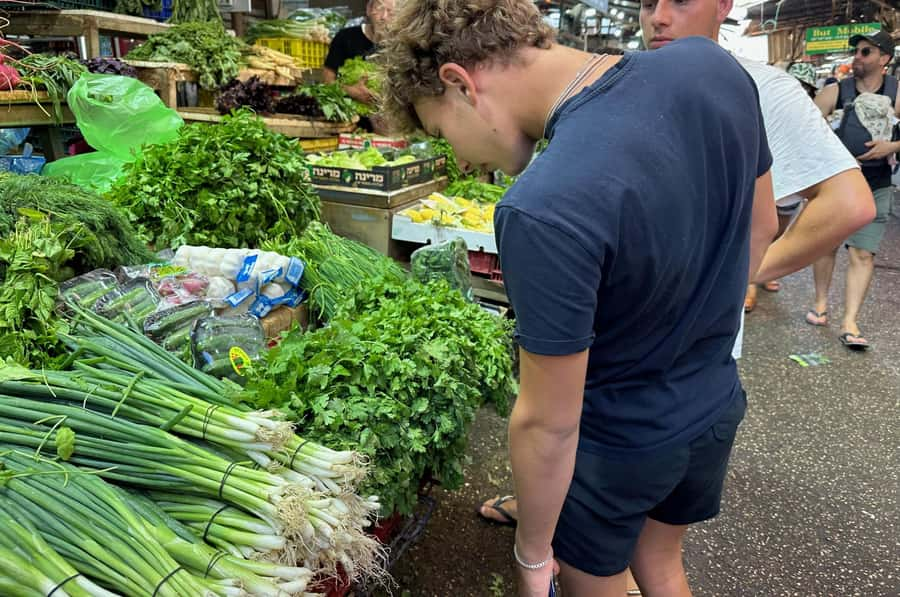
Book it if you want the market to make sense, not just look colorful. The best parts are the link between immigrant communities and local dishes, the move from Carmel Market into Nachalat Binyamin, and the chance to shop with a guide who can help with translations.
Choose the tasting upgrade if food is central to your plans. Keep the standard option if you mainly want history, architecture, and orientation before exploring on your own.
At $39, the tour earns its value through the guide’s interpretation rather than the walking distance. For a compact, English-language introduction led by a local guide, it is a sensible way to get your bearings in one of Tel Aviv’s most characterful districts.
FAQ
How long does the Carmel Market walking tour last?
The tour lasts 90 minutes.
How far does the tour walk?
The route covers about 1 kilometer, or 0.6 miles.
What language is the tour conducted in?
The live tour guide speaks English.
Where is the meeting point?
Meet on the corner outside the Poli House hotel, at the junction of Carmel Market and Allenby Street.
Is food included in the $39 price?
Food is not included unless you purchase the food-tasting upgrade. Drinks are also not included, but you may buy them during the tour.
How much food comes with the tasting upgrade?
The food tastings are equivalent to a lunch portion.
Can I buy products during the tour?
Yes. You have free time to purchase local products, and the guide can provide translation help if needed.
What should I bring?
Bring comfortable shoes, a hat, sunscreen, and water.
Can children and infants join?
Infants aged zero to one are free. Children and infants must be accompanied by at least one paying adult. People with mobility issues must have an active companion.
Just added around the world
- 3-Hour Herbal Wholesale TCM Market and a Local Wet Market Tour★ 5.0 · 4 reviews
- Half-day Dandan Noodles Cooking Class with a Local Market Visit★ 5.0 · 8 reviews
- Chania Old Town, Public Market and Chrisopigi Monastery Tour★ 4.5 · 6 reviews
- Charleston International Sweet Treats & Historic City Market Tour★ 5.0 · 22 reviews
- Chania: Old Town, Public Market, Hill of Prophet Elias, Agia Triada★ 5.0 · 35 reviews
- Food Tasting & Market Shopping: Private Guided Tour in PORT LOUIS★ 4.5 · 9 reviews
- Moroccan Cooking Class with a Local Family & Market Visit★ 5.0 · 16 reviews
- Chania: Morning Bites and Market Delights Food Tour★ 5.0 · 11 reviews
Market Walking Tours, compared.

Tokyo Tsukiji Fish Market Food and Culture Walking Tour
Read our review →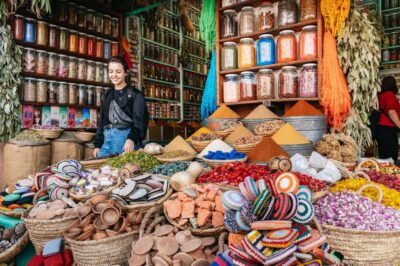

Nishiki Market Brunch Walking Tour (7 Tastings + Brunch)
Read our review →Tsukiji Fish Market Food and Culture Walking Tour
Read our review →
Tsukiji Fish Market: Street Food & Culture Walking Tour
Read our review →
Tsukiji Fish Market Small-Group Food Walking Tour
Read our review →Browse the lists this tour appears in