
Review · MARKET WALKING TOURS
Small-group Kowloon Markets Walking Tour
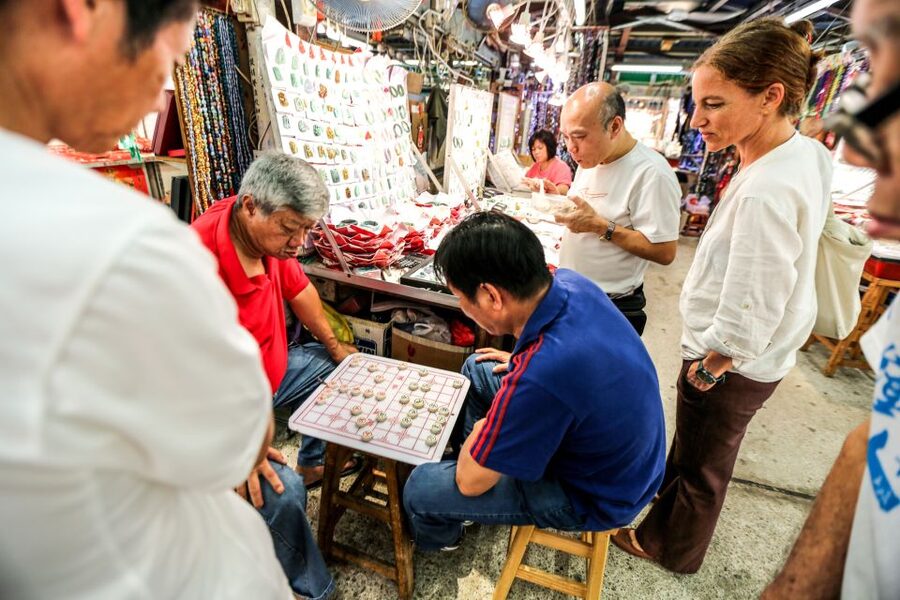
Kowloon’s markets show Hong Kong at street level: flower sellers opening shop, men carrying songbirds, tropical fish in tiny tanks, food stalls, jade counters, and elderly locals playing Chinese checkers. This is a busy, tightly packed side of the city, far removed from the harbor views and glossy malls.
I like the small maximum of eight people, which makes it easier to hear your guide and stop at a market stall without losing the group. I also like the route itself: the Flower Market, Bird Garden, Pet Street, Tin Hau Temple, and Jade Market give you several different windows into daily life.
The main drawback is the pace. Three hours covers a lot, but you will not have time to linger at every market or shop at length. Expect plenty of walking, crowds, stairs or uneven surfaces, and little time to rest, so this is not a good match for people with mobility impairments.
Key points for your Kowloon market day
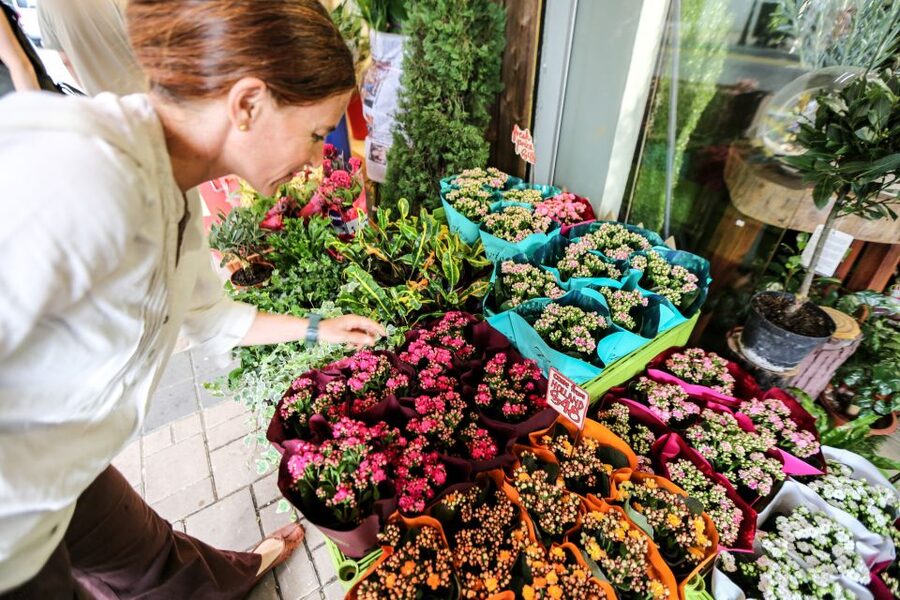
- The Flower Market begins the walk: See wholesale and retail stalls filled with cut flowers, bonsais, potted plants, and other greenery.
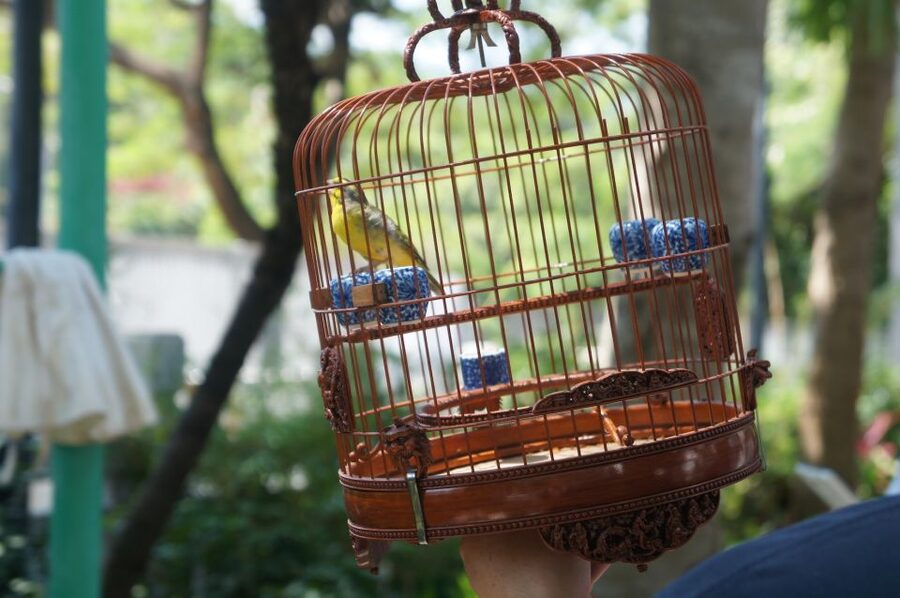
- The Bird Garden offers a very local scene: Men gather with traditional bird cages, creating one of the tour’s most distinctive stops.
- The route links several different markets: You move from flowers and birds to clothes, fruit, pets, fresh food, and jade rather than seeing one market in isolation.
- Tin Hau Temple adds cultural context: Learn about the Goddess of the Sea while incense coils burn nearby and local elders play Chinese checkers.
- Public transport is part of the experience: The tour includes a short bus or subway connection, helping you see how the districts fit together.
- The group stays intimate: No more than eight people join, with English and German available.
Why this three-hour walk feels different
Many Hong Kong sightseeing plans stay around Victoria Harbour, Central, or the Peak. This walk takes you into Mong Kok and Yau Ma Tei, two of Kowloon’s most crowded districts, where shops and homes press close to the pavement.
That setting is the point. You are not simply being shown a market as a tourist attraction. You are moving through working streets where flowers, food, pets, clothing, religious life, and neighborhood routines all share a few compact blocks.
The route also gives you useful context. A flower stall tells you something about Hong Kong’s shopping culture. A bird cage points to an older pastime. A fresh food market shows how people buy ingredients in a city where many homes have limited kitchen space. The guide helps connect these sights to Chinese food culture and local customs.
The tour costs $65 per person. That is not a bargain basement price for a three-hour walk, but the value is fairly strong if you want interpretation rather than a self-guided shopping trip. Public transport and food samples are included, and the eight-person limit means you are paying for a more personal experience.
If you already know Kowloon well and mainly want time to shop, you can cover many of these places alone for less. If you are new to Hong Kong, the guide’s explanations and the carefully linked route make the fee easier to justify.
More Market Market Walking Tours in the world:
- Bangkok: City Highlights Temple and Market Walking Tour
★ 4.5 · 3,990 reviews - Tokyo Tsukiji Fish Market Food and Culture Walking Tour
★ 5.0 · 3,184 reviews - Marrakech: Ben Youssef, Secret Garden, & Souks Walking Tour
★ 4.6 · 2,802 reviews
Starting at the Flower Market in Mong Kok
The walk begins at the Mong Kok Flower Market, reached from the meeting point at the Hong Kong Tourist Board Shop near the Star Ferry Terminus in Tsim Sha Tsui. The transfer takes about 15 minutes by public transport, and that short ride is included.
The Flower Market is a strong opening because it is colorful without feeling staged. Vendors sell cut flowers, potted plants, bonsais, and other plants for homes, businesses, celebrations, and religious use. You can expect narrow passages lined with displays, plenty of close-up photo opportunities, and a quick lesson in how flowers move through Hong Kong’s trade.
The guide spends about 30 minutes here. That is enough to understand the market’s purpose and see its main displays, but not enough for a slow shopping session. If you are looking for a particular plant or want to compare prices, you may need to return later on your own.
Hearing the birds at Yuen Po Street
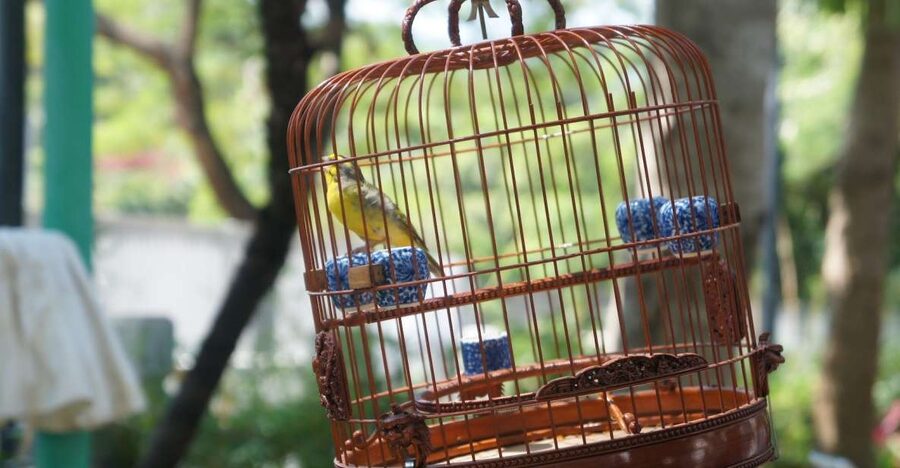
A short walk leads to Yuen Po Street Bird Garden. This small area has a very different feel from the flower stalls. Men bring their bird cages, talk, and spend time around a traditional hobby that remains visible in the city.
The cages themselves are part of the scene. The guide can explain why the garden matters and help you read the social side of the place, not just point out the birds. You get around 15 minutes here, so think of it as a focused visit rather than a long stop.
This is one of the more unusual parts of the route. It gives you something you are unlikely to understand from a shopping map alone. It also rewards a respectful approach. The garden is a real neighborhood space, so your guide’s direction is useful when it comes to where to stand and what to photograph.
From Fa Yuen Street to Pet Street
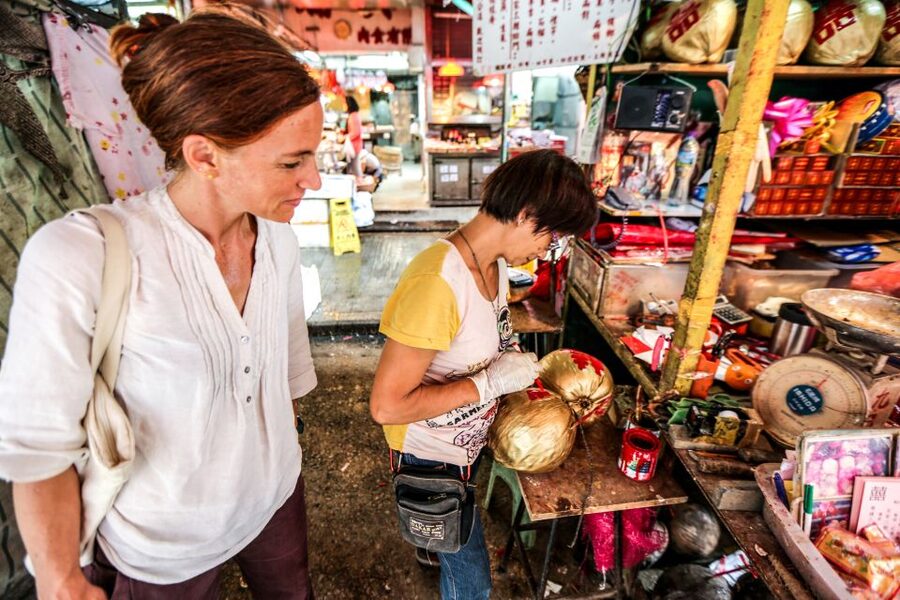
The next section through Mong Kok takes about 45 minutes and packs several kinds of shopping into one walk. Fa Yuen Street Market sells clothing, accessories, household items, fruit, and other everyday goods. It is the kind of place where you see what people actually buy, not only what is displayed for sightseeing.
You may find inexpensive clothing, small gifts, bags, and useful household items. Prices and stock change, so do not arrive with a fixed shopping list. Bring cash if you plan to buy things, as one past participant specifically advised, and leave room in your bag.
Pet Street adds another change of pace. Bright tropical fish and other pets appear in and around the shops, giving the area a distinctive look. The stop can be interesting for adults and children, though the narrow shopfronts and live-animal displays may not appeal to everyone.
The guide helps keep this section from becoming a blur of storefronts. You get to see how different types of trade sit beside one another in a dense district. Still, the market portion is active and crowded, and you should wear comfortable walking shoes and dress for the weather.
A few more market tours around the world worth a look
- Bangkok: Damnoen Saduak Market and Maeklong Railway Market
★ 4.5 · 26,723 reviews - The Old Siam: Damnoen Saduak and Maeklong Railway Market
★ 4.5 · 10,992 reviews - Dubai: Old Town, Creek, Museums, Souks, & Street Food Tour
★ 4.8 · 10,816 reviews - Bangkok: Train Market & Floating Market with Boat Ride
★ 4.7 · 9,547 reviews
Bargains and people-watching at Ladies Market
The Ladies Market is one of the best-known stops in Mong Kok. Here, stalls sell bargain clothes, bags, souvenirs, and small trinkets. It is a good place to practice casual browsing and comparison shopping.
Do not treat this stop as a guaranteed shopping bonanza. The value depends on what you want, your patience, and your ability to compare items before buying. The guide can help you understand the setting, but shopping choices and price negotiations remain your responsibility.
You will probably have to keep moving with the group, which is the tradeoff for seeing so much in one morning or afternoon. If you find a souvenir you truly want, note the stall or ask the guide how much time you have. The tour is designed to show the market, not give you an open-ended shopping period.
The quiet pause at Tin Hau Temple
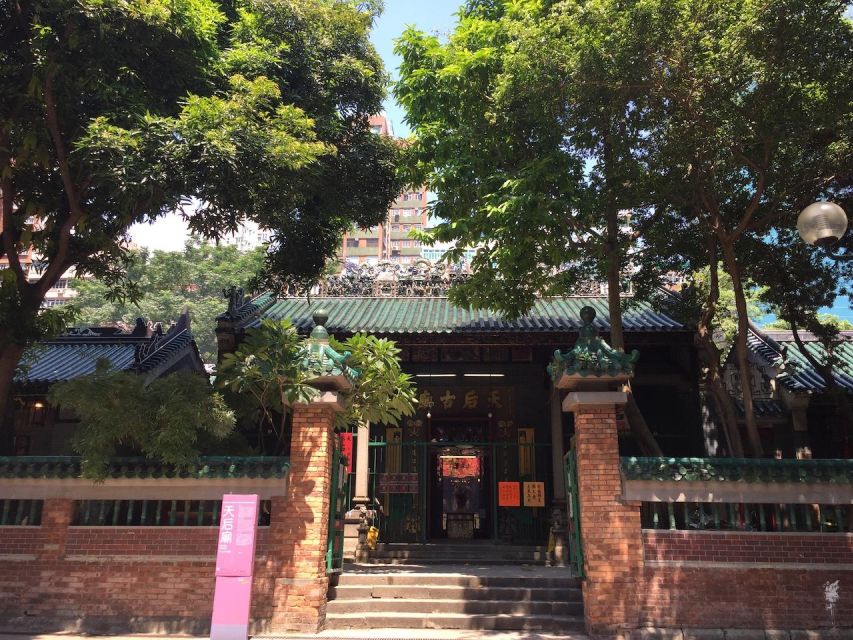
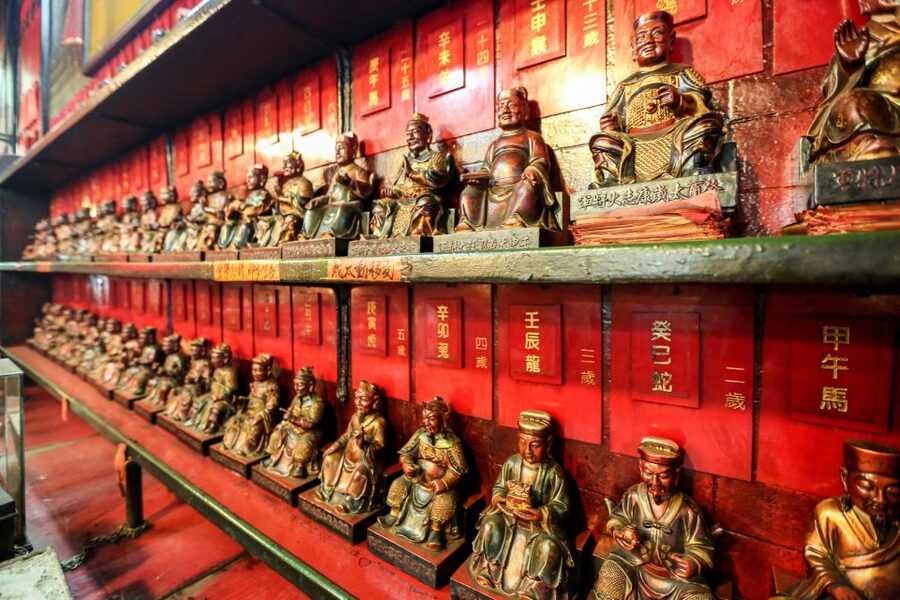
After the market noise, Tin Hau Temple offers a change in mood. The temple is linked to Tin Hau, the Goddess of the Sea, one of the most popular deities in Southern China. Burning incense coils create a distinctive atmosphere, and the guide explains the temple’s local history and religious role.
The temple sits beside Banyan Tree Park. Local elders play Chinese checkers there, adding an ordinary neighborhood detail to the visit. This is a useful reminder that religious sites in Hong Kong are not isolated monuments. They can sit beside parks, shops, food stalls, and daily social life.
You have about 15 minutes at this stop. That is enough for an introduction and a respectful look, but not a long meditation or detailed architectural study. Dress and behave with care inside the temple, and follow your guide’s instructions about where to stand.
I especially like this part of the route because it keeps the market walk from becoming only a shopping tour. The temple gives you a little cultural background, while the park shows how local people use the surrounding space.
Jade Market and the fresh food streets
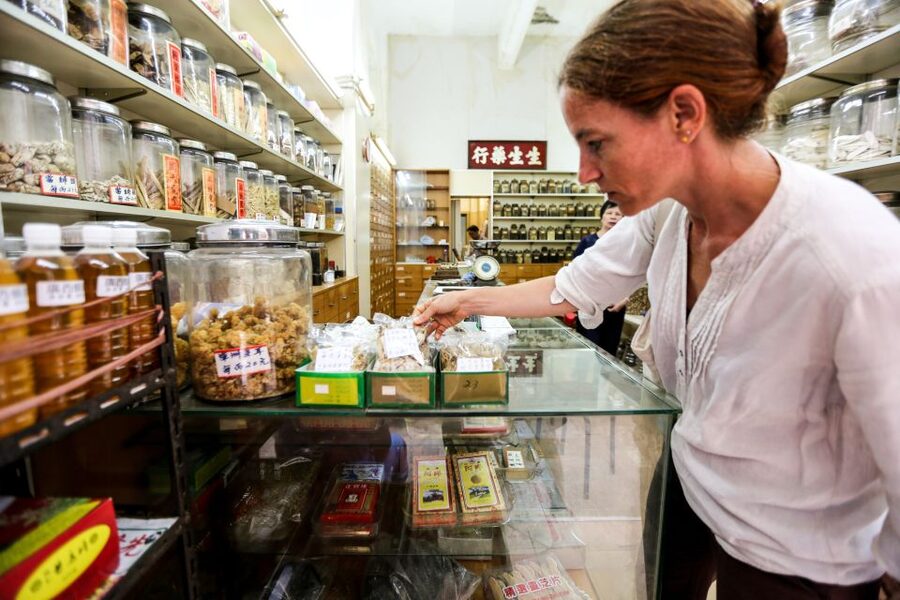
The final major section takes you to the Jade Market, followed by a walk through the district’s fresh food market. The Jade Market is filled with counters selling jade pieces and related items. You can look at pendants, beads, ornaments, and other small objects, but you should buy only if you feel comfortable with the price and quality.
A guided introduction is helpful here because jade can be confusing for a first-time shopper. The tour does not promise expert appraisal or a purchase guarantee, so keep your expectations sensible. Treat the market as a chance to see an important part of Hong Kong’s trade culture rather than a sure route to a valuable find.
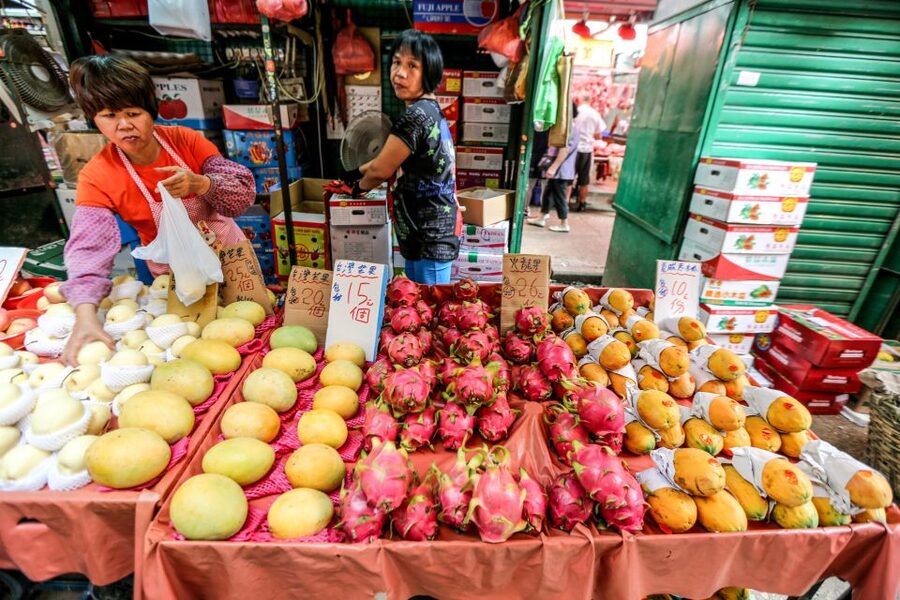
The fresh food market adds a stronger connection to everyday cooking. You may see fruit, meat, fish, and other ingredients used in local meals. Food samples are included, but extra food and water are not, so carry some cash and bring water if you need it.
This is also where the tour’s food theme makes the most sense. You are not only looking at prepared dishes. You are seeing how ingredients are selected and sold, and how markets remain part of food culture in a dense city.
Ending near Temple Street in Jordan
The walk ends at Temple Street in Jordan, just as stall owners are preparing for the evening. That timing gives you a useful preview of the night market without requiring you to stay for the full evening scene.
From there, the guide accompanies you to the next subway station or takes you back to the starting area by bus. The stated drop-off options include Star Ferry Pier, Hong Kong Island, and Kowloon, so you have a practical way to continue your day.
Temple Street is also a good place to extend the outing independently. The tour itself ends after the market walk, but you can remain in Jordan if you want more food or shopping. The guide’s help with the onward connection is particularly useful if you are still finding your way around Kowloon.
What the small group changes
The group is limited to eight people. That number matters on narrow market streets, where a large crowd would be awkward and a guide could easily become hard to hear.
With eight or fewer people, you can ask questions about food, religion, shopping, and transport without turning the walk into a formal lecture. The guide can also keep the group together more easily when crossing busy streets or entering compact market areas.
Past guides have included Alexandra and Gabi. Alexandra led a group through the different markets and helped shape a strong overview of Kowloon, while Gabi has also guided the walk. Guide assignments can vary, but English and German are the stated languages.
The tour earns a 4.9 rating from 44 ratings, with especially strong praise for the guides and for the amount seen in three hours. That fits the design of the experience: its value comes from linking many small, specific places rather than spending a long time at one major sight.
Practical advice before you book
Wear your most comfortable walking shoes. One three-hour route includes several market districts, public transport, and busy streets, so this is not the day for stiff footwear.
Dress for the weather. Hong Kong’s outdoor market streets can feel crowded and warm, and the walk does not include a dedicated rest period. Bring water, since it is not included, and bring cash if you want to shop or buy extra food.
Do not bring luggage or large bags. They are not allowed on the tour, and bulky items would be awkward in the narrow market passages anyway.
The experience is not suitable for people with mobility impairments. The route includes a lot of walking through crowded districts, and the details provided do not promise an accessible route.
The meeting point is in front of the Hong Kong Tourist Board Shop at the Star Ferry Terminus in Tsim Sha Tsui. Check the selected starting option carefully, since the pickup point can depend on the booking choice.
You can cancel up to 24 hours before the start for a full refund, and you can reserve now while paying later. Those terms are useful if your Hong Kong plans are still shifting.
Who should book this Kowloon walk?
I would choose this tour if you want to understand how several Kowloon districts fit together and prefer a guide to wandering alone. It suits first-time visitors, food-curious sightseers, photographers, shoppers who want local context, and anyone who enjoys seeing ordinary city life at close range.
It also works well early in a Hong Kong visit. After three hours, you will know where the Flower Market, Bird Garden, Ladies Market, Jade Market, fresh food streets, and Temple Street sit in relation to one another. You can then return later to shop or eat at your own speed.
I would skip it if you want a slow morning, a polished sightseeing route, or a long meal. You will move often, share the streets with crowds, and see many places in short visits. The tour is about range and explanation, not comfort or extended free time.
Should you book the Small-group Kowloon Markets Walking Tour?
Book it if the idea of Hong Kong’s everyday markets appeals more than a checklist of grand monuments. For $65, you get a compact introduction to flowers, birds, pets, clothing, food, jade, religion, and public transport, all within a small group of eight.
Do not book it expecting a full shopping day or an expert jade appraisal. You will have to keep walking, carry your own water, and accept that some stops are brief. For a first look at Mong Kok and Yau Ma Tei, though, this is a well-planned way to see a lot of real Kowloon in three hours.
FAQ
How long does the Kowloon Markets Walking Tour last?
The tour lasts three hours.
How much does the tour cost?
The listed price is $65 per person.
Where does the tour meet?
The meeting point is in front of the Hong Kong Tourist Board Shop at the Star Ferry Terminus in Tsim Sha Tsui, Hong Kong. The selected option can affect the starting location.
Which markets are included?
The route includes the Mong Kok Flower Market, Fa Yuen Street Market, Ladies Market, Jade Market, and a fresh food market in Yau Ma Tei.
What other places will I see?
You will visit Yuen Po Street Bird Garden, Pet Street, Tin Hau Temple, Banyan Tree Park, and Temple Street near the end of the walk.
Is public transport included?
Yes. Public transport is included, with about 15 minutes of travel near the start and about 10 minutes near the end.
Are food samples included?
Yes, food samples are included. Extra food and water are not included.
What languages are available?
The live tour guide is available in English or German.
How large is the group?
The group is limited to a maximum of eight participants.
Just added around the world
- 3-Hour Herbal Wholesale TCM Market and a Local Wet Market Tour★ 5.0 · 4 reviews
- Half-day Dandan Noodles Cooking Class with a Local Market Visit★ 5.0 · 8 reviews
- Chania Old Town, Public Market and Chrisopigi Monastery Tour★ 4.5 · 6 reviews
- Charleston International Sweet Treats & Historic City Market Tour★ 5.0 · 22 reviews
- Chania: Old Town, Public Market, Hill of Prophet Elias, Agia Triada★ 5.0 · 35 reviews
- Food Tasting & Market Shopping: Private Guided Tour in PORT LOUIS★ 4.5 · 9 reviews
- Moroccan Cooking Class with a Local Family & Market Visit★ 5.0 · 16 reviews
- Chania: Morning Bites and Market Delights Food Tour★ 5.0 · 11 reviews
Market Walking Tours, compared.
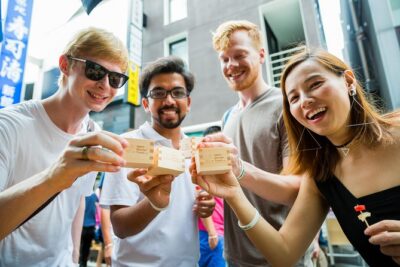
Tokyo Tsukiji Fish Market Food and Culture Walking Tour
Read our review →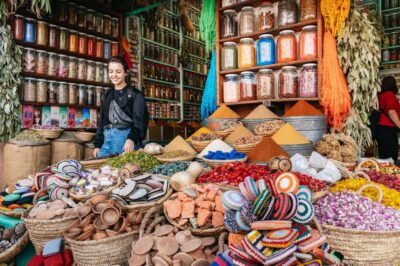
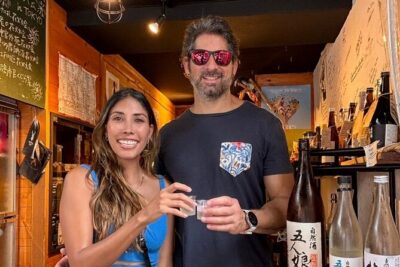
Nishiki Market Brunch Walking Tour (7 Tastings + Brunch)
Read our review →Tsukiji Fish Market Food and Culture Walking Tour
Read our review →
Tsukiji Fish Market: Street Food & Culture Walking Tour
Read our review →
Tsukiji Fish Market Small-Group Food Walking Tour
Read our review →Browse the lists this tour appears in