
Review · MARKET WALKING TOURS
Markets of Mumbai Walking Tour
Mumbai’s market life is the main event here. You’ll walk from CSMT through crowded streets where vendors sell spices, masala tea, dry fruits, fabrics, accessories, household linens, and plenty more. This is a close look at everyday commerce in South Bombay, not a quick photo stop beside a market entrance.
I like the small group of five, which makes shopping advice practical rather than generic. I also like that Namrta is a fashion designer, so you can ask about Indian textiles, fabric quality, and prices while you browse. The main consideration is the length: five and a half hours on foot, in Mumbai heat, can feel demanding if you are not comfortable with crowds or extended shopping.
Key points to know before you go
- Starts at CSMT and finishes at Kala Ghoda, giving the tour a clear South Bombay route.
- Visits two major market areas, including Mumbai’s oldest spice market and largest wholesale fabric market.
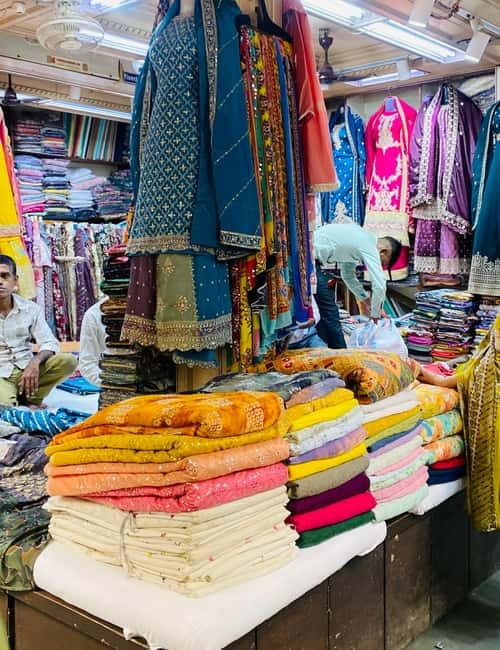
- Covers shopping beyond food, with textiles, clothing, jewelry, accessories, home goods, and linens.
- Led by Namrta, a fashion designer who can help explain Indian textiles and local prices.
- Includes a local snack or masala tea, served at the end of the tour.
- Keeps the group to five people, with English, Hindi, and Gujarati available.
CSMT is your doorway into Mumbai’s market world
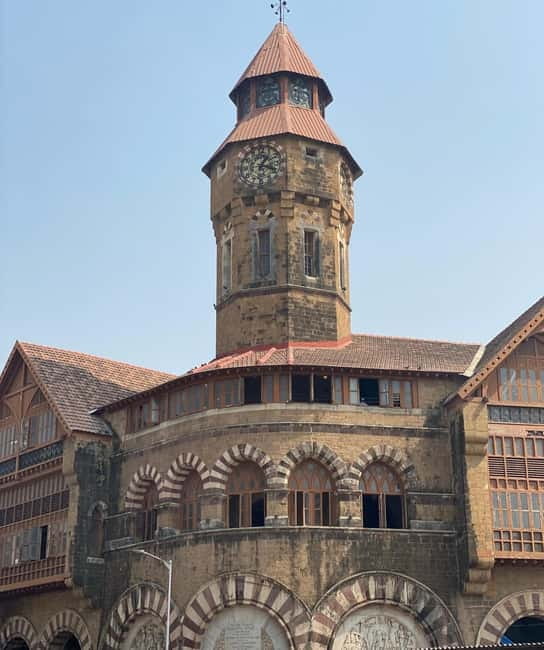
The tour begins at Namah Sleeping Pods near CSMT, with the meeting point described as the viewing gallery directly across from the station. This is useful because CSMT is a major South Bombay landmark, but it is also a busy place. Give yourself enough time to identify the gallery and gather before the walk begins.
From there, you set off on foot. The first walk is listed as about 10 minutes, but the real value is not the distance. It is the quick change from a major transport hub to streets shaped by trade, small shops, and constant buying and selling.
I would wear comfortable shoes with a firm sole. This is a walking tour through busy commercial streets, not a gentle promenade. You’ll want your hands free for browsing, and a lightweight shopping bag is worth carrying if you expect to buy anything.
The tour lasts 5.5 hours, although the listed walking and stop times account for only part of that period. That leaves room for moving through the markets, asking questions, comparing goods, and shopping at your own pace. Do not treat the schedule as a tightly timed museum visit. The experience depends on time spent looking closely and making choices.
More Market Walking Tours in India
- Mumbai Heritage, Street Food & Bazaar Walking Tour
★ 5.0 · 4 reviews - Private Heritage Walking Tour in Jaisalmer Fort and Old Bazaar
★ 5.0 · 306 reviews - Jaipur Bazaar & Food Walking Tour
★ 5.0 · 281 reviews
The spice market brings Mumbai’s trade close to your nose
One of the central stops is Mumbai’s oldest spice market. The information provided does not give the market’s formal name, but it does make clear that this is one of the main food markets on the route and that it operates under one roof with another major market area.
This is where the tour’s sensory side comes through. You can expect sacks, packets, and displays of spices, masala tea ingredients, and dry fruits. The opportunity is not simply to buy a souvenir. You can ask what you are looking at, compare prices, and get help understanding how Indian spices and tea are sold.
The guide’s role matters here. Namrta is introduced as a fashion designer, but her job on this tour also includes helping you with prices and other aspects of Indian textiles. Her practical advice may be especially useful when the market moves from food products to fabric and clothing.
You should still decide in advance how much you want to carry. Small purchases can add up over several hours. A shopping bag is specifically recommended, and sunscreen is also important because Mumbai can be hot, even when part of the route is indoors or shaded.
The wholesale fabric market is the tour’s strongest shopping stop
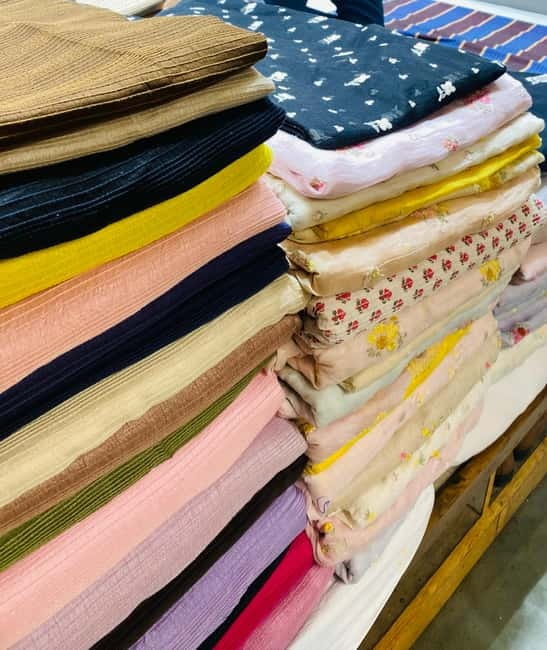
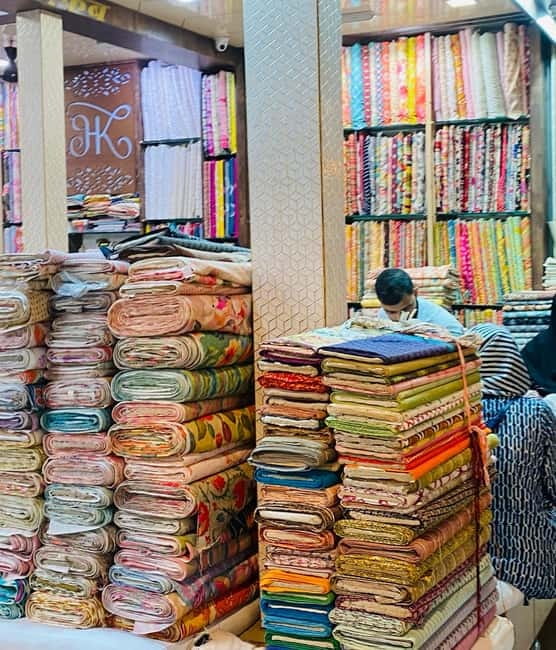
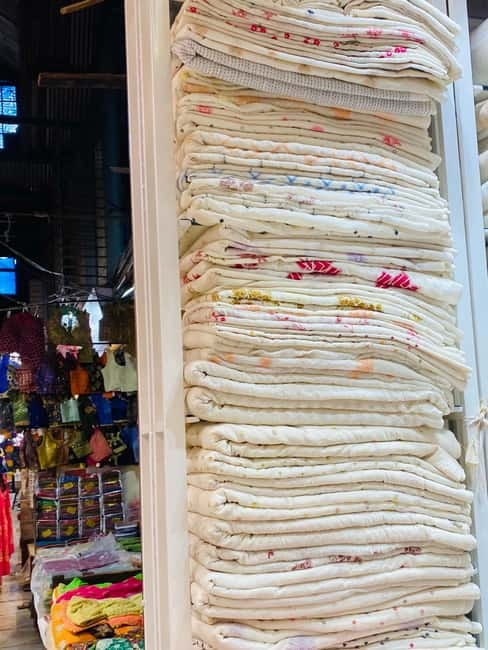
The second major market is Mumbai’s largest wholesale fabric market. This is likely to be the most useful stop for anyone interested in clothing, sewing, Indian dress, or home textiles.
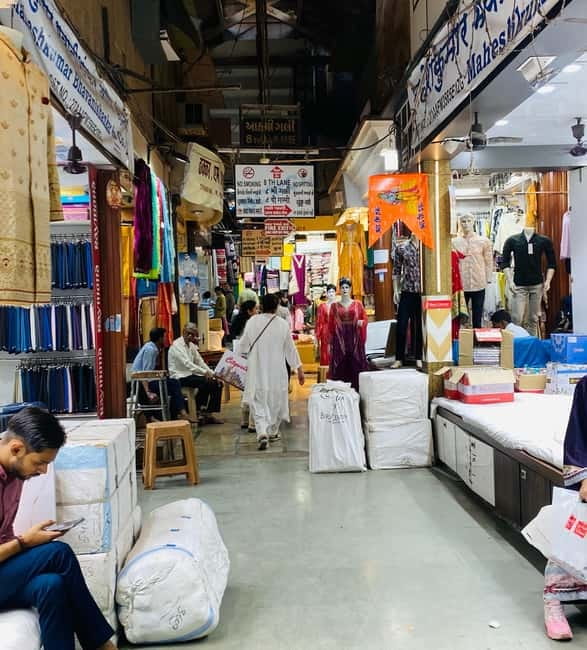
You’ll have the chance to see fabrics sold in a wholesale setting, rather than only in polished retail stores. That distinction matters. Wholesale areas can be practical and crowded, with more attention on goods and prices than on displays made for casual browsing.
The tour is designed to help you make sense of this setting. Since Namrta works as a fashion designer, you can ask about Indian textiles and pricing as you shop. That gives the fabric stop more purpose than simply walking past rolls of cloth. You can look for material, learn what the seller is offering, and decide if it suits your needs.
The tradeoff is that wholesale shopping can feel less relaxed than a boutique visit. You may need patience, attention, and a willingness to compare. If you are hoping for a quiet, carefully arranged shopping experience, this part may feel intense. If you want to see where clothing and fabric trade actually happens, it is one of the tour’s most useful features.
Street vendors show the everyday side of Mumbai
A major theme of the walk is Mumbai’s street commerce. You’ll see vendors selling goods from A to Z, along with stores focused on accessories, jewelry, designer items, clothing, home goods, and linens.
This variety gives the tour a broader reach than a food market visit. You may start by looking at spices and dry fruits, then find yourself comparing textiles or browsing accessories. The range also makes the walk suitable for different shopping interests. You do not need to be a dedicated fabric buyer to find something relevant.
At the same time, you should expect a busy setting. The route takes you through some of Mumbai’s busiest streets, so you will need to stay alert and keep personal items secure. The tour description does not promise a specific number of shops or guaranteed purchases, so think of it as guided market access rather than a fixed shopping list.
I like this format because it leaves room for curiosity. You can follow your interests instead of moving through a series of unrelated sights. The guide can help you understand what you are seeing, while you decide what deserves your time and money.
More Market Market Walking Tours in Mumbai:
- Bangkok: City Highlights Temple and Market Walking Tour
★ 4.5 · 3,990 reviews - Tokyo Tsukiji Fish Market Food and Culture Walking Tour
★ 5.0 · 3,184 reviews - Marrakech: Ben Youssef, Secret Garden, & Souks Walking Tour
★ 4.6 · 2,802 reviews - Marrakech: Colorful Medina Souks Guided Walking Tour
★ 4.7 · 2,470 reviews
A short black-cab ride breaks up the walking
After the two market visits, the route includes a 15-minute black-cab ride toward Kala Ghoda. This is a useful break in a long walking day, especially if you have been carrying purchases or moving through crowded streets.
The cab is part of the planned route, but pickup is not included as a separate service. You meet the group at the CSMT location and follow the route from there. The experience finishes at Kala Ghoda rather than returning you to your starting point, so plan the rest of your day from South Bombay.
The end point is convenient for anyone who wants to continue exploring that area independently. The tour itself, however, finishes at the Kala Ghoda statue, and you should not assume that transport back to your hotel is included.
Kala Ghoda adds polished Indian design to the route
The final section takes place around Kala Ghoda, with time for a guided visit, shopping, sightseeing, and walking. The stated stop lasts about 40 minutes.
This area gives the tour a different feel from the wholesale markets. Earlier stops focus on the trade of spices and fabrics. Kala Ghoda brings you to creative stores associated with Made in India textiles, clothing, accessories, jewelry, and home products.
That contrast is one of the tour’s best features. You see both the practical market side of buying goods and the more design-focused side of Indian retail. If you are shopping for gifts, clothing, or textiles, this final stop may help you compare the look and feel of goods sold in different settings.
The time is limited, though. Forty minutes is enough for a focused visit, but not for a long, unhurried shopping session across many stores. I would arrive with a short list of what interests you most. That keeps the final stop from becoming a rushed scramble.
What the guide adds to the shopping experience
Namrta is identified as the guide for the day and as a fashion designer by profession. That background is important because the tour is not only about finding attractive products. It is also about understanding fabrics, clothing, pricing, and the difference between market shopping and more polished retail.
The group size is limited to five participants. That is a strong practical feature. In a small group, you have a better chance of asking about a fabric, pausing at a shop, or getting help with a purchase without holding up a large crowd.
The available languages are English, Hindi, and Gujarati. The tour information also names Purvi as the experience provider. If you need to clarify the exact guide before booking, note that the activity description names Namrta as the guide while Purvi is listed as the provider.
You should not expect a formal lecture about Mumbai. The focus is direct and practical: walk, look, shop, ask questions, and understand the setting around you. That works well for people who prefer local shopping and street life to a long sequence of historical explanations.
How much value do you get for $43?
At $43 per person, the price covers a 5.5-hour guided experience, a small group, the planned black-cab transfer within the route, and a local snack or masala tea at the end. Your shopping costs are separate, as is any transport you arrange after the tour.
The value depends on how much help you want while shopping. If you already know Mumbai’s markets well and are comfortable judging prices and fabrics on your own, you may find the cost harder to justify. If this is your first visit, the guide’s presence can save time and make a busy market easier to understand.
The small group improves the value. You are not paying for a large coach operation or a distant guide. You are paying for several hours of personal attention in places where it can be difficult to know which shops, goods, and prices deserve your attention.
The included snack or masala tea is a pleasant finish, but it is not the reason to book. The main purchase is access and guidance in major markets, plus the chance to connect wholesale fabric shopping with more design-oriented stores in Kala Ghoda.
Who will enjoy this market walk most?
I would recommend this tour to you if you like shopping with context. It suits people interested in Indian fabrics, clothing, spices, tea, dry fruits, jewelry, accessories, and home textiles.
It also works for curious visitors who want to see the working side of Mumbai. The streets are busy, the focus is practical, and the route includes real market activity rather than a staged demonstration.
You should think twice if you dislike crowds, heat, walking, or making quick decisions in shops. The tour provides sunscreen and a shopping bag as clear practical reminders, but it does not remove the physical demands of the day.
It may also be less suitable if you want a short market visit. At 5.5 hours, this is a substantial half-day commitment. The small group and shopping focus make the length worthwhile for the right person, but the tour is not designed as a quick introduction.
Simple preparation makes the day easier
Wear light, comfortable clothing and sturdy shoes. Carry sunscreen, water if needed, and a shopping bag. Since purchases are not included, bring a payment method that suits your plans, but the supplied information does not specify accepted payment types.
Keep your belongings close in crowded streets. You will be moving through busy commercial areas, and it is easier to browse when your hands are not full of loose items.
Think about your shopping priorities before you arrive. You may find spices, masala tea, dry fruits, fabrics, accessories, jewelry, clothing, and linen goods. A short list will help you use the limited time at Kala Ghoda and avoid buying more than you can comfortably carry.
The tour offers free cancellation up to 24 hours before departure for a full refund. You can also reserve now and pay later, which is useful if your Mumbai schedule may change.
Should you book the Markets of Mumbai Walking Tour?
Book it if you want Mumbai through its markets, especially if fabrics, Indian-made clothing, spices, or practical shopping interest you. The combination of an old spice market, a major wholesale fabric market, street vendors, creative stores, and Kala Ghoda gives the day a useful range.
I would be most likely to choose it for Namrta’s fashion background, the five-person limit, and the chance to ask direct questions about textiles and prices. I would skip it if you want a relaxed sightseeing walk with little shopping or if five and a half hours in busy streets sounds tiring.
For the right visitor, $43 is a fair price for guided access to a part of Mumbai that can be hard to read on your own. Bring sunscreen, leave room in your bag, and expect the city to make you work a little for its best finds.
FAQ
Where does the Markets of Mumbai Walking Tour start?
The tour starts at Namah Sleeping Pods near CSMT. The meeting point is described as the viewing gallery directly across from CSMT station.
Where does the tour finish?
The tour finishes at the Kala Ghoda statue in South Bombay.
How long does the tour last?
The tour lasts 5.5 hours.
How much does the tour cost?
The listed price is $43 per person.
Which markets are included?
The route includes Mumbai’s oldest spice market and its largest wholesale fabric market.
What can I shop for?
You can shop for spices, masala tea, dry fruits, fabrics, clothing, accessories, jewelry, designer goods, home products, and linen items.
Who guides the tour?
Namrta is named as the guide for the day, and she is a fashion designer by profession. Purvi is listed as the experience provider.
What languages are available?
The tour is offered in English, Hindi, and Gujarati.
Is food or tea included?
A local snack or masala tea at the end of the tour is included. Shopping costs are not included.
Just added around Mumbai
- Mumbai: Local Markets & Temples Tour★ 4.6 · 45 reviews
- Night Tour: Mumbai’s Nights & Buzzing Bazaars★ 5.0 · 7 reviews
- Mumbai Market Tour★ 4.6 · 12 reviews
- Mumbai Market and Temple Tour With Cow Shelter Visit★ 4.3 · 3 reviews
- Mumbai Morning Market Tour of Flowers, Fish, and More★ 5.0 · 100 reviews
- Mumbai: Evening Street Food Tasting & Cultural Market Tour★ 4.7 · 11 reviews
- Mumbai:Dhobi Ghat Laundry,Dharavi Slum & Flower market Tour★ 5.0 · 12 reviews
- Mumbai: Magical Markets Tour★ 4.5 · 23 reviews
Market Walking Tours, compared.
Tokyo Tsukiji Fish Market Food and Culture Walking Tour
Read our review →

Nishiki Market Brunch Walking Tour (7 Tastings + Brunch)
Read our review →Tsukiji Fish Market Food and Culture Walking Tour
Read our review →
Tsukiji Fish Market: Street Food & Culture Walking Tour
Read our review →
Tsukiji Fish Market Small-Group Food Walking Tour
Read our review →Browse the lists this tour appears in