
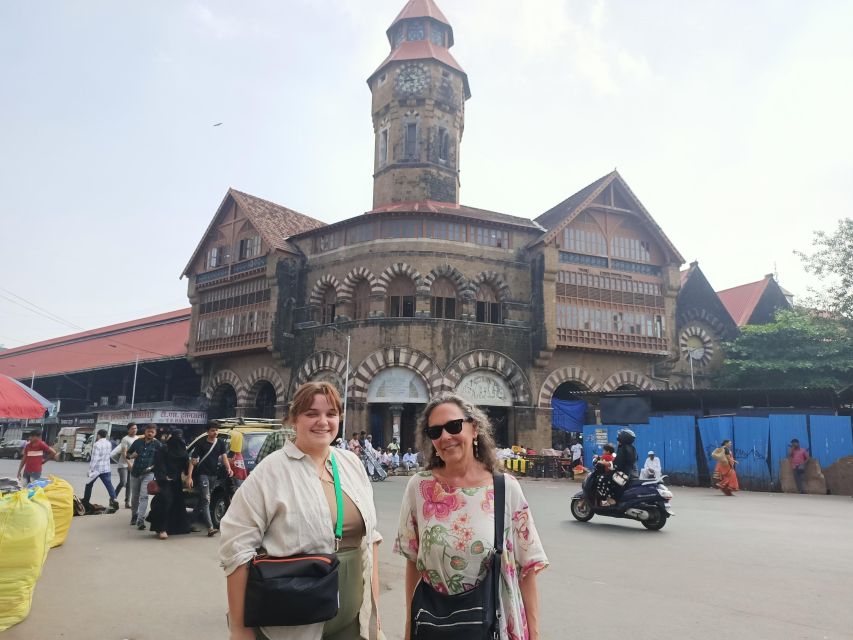
Review · MUMBAI MARKET TOURS
Mumbai Market Tour
South Mumbai’s markets are where the city makes its living, not just where it shops. On this tour, you move through streets lined with colonial buildings, temples, mosques, carts, and small stalls selling spices, flowers, fabrics, snacks, jewelry, and household goods. Crawford Market and Mangaldas Market give you two very different looks at the city’s trading life.
I like the chance to learn how to bargain, and I like that guides such as Dinesh and Kieran have been praised for explaining the markets clearly and keeping a comfortable pace. The main caution is important: the tour description promises temples and historic markets, but one unhappy customer found the outing focused mainly on shops selling pashminas, spices, and clothing. Ask at the start how much time will be spent browsing, shopping, and visiting cultural sites.
Key points
- Crawford Market combines food, household goods, and colorful street life in one of south Mumbai’s best-known market areas.
- Mangaldas Market focuses on fabrics and clothing, making it useful if you enjoy textiles or want material for a custom outfit.
- Spice, jewelry, and flower stops show different sides of local commerce, from fragrant powders to marigold garlands and precious stones.
- Jama Masjid, Mumba Devi Temple, and Madhav Baugh add religious and historic context to the shopping route.
- English-speaking guides can help with bargaining, explain customs, and adjust the experience around your interests.
- The $23 price is reasonable for a guided introduction, but less attractive if you want a pure sightseeing walk with no store visits.
Why south Mumbai’s markets are the real attraction
Mumbai’s famous buildings are worth seeing, but the city’s daily character is easier to understand in its markets. Here, shopping is not tucked away in a quiet store. It spills into lanes, sidewalks, carts, and courtyards.
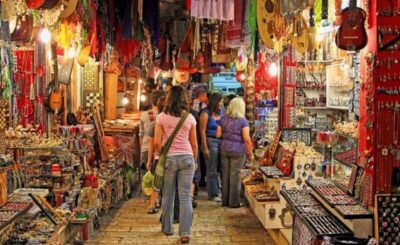
You can expect wide streets near colonial buildings and narrower lanes where vendors call out from crowded stalls. One stand may sell colorful birds, another flowers, another Indian clothing or spicy snacks. The point is not simply to buy something. It is to see how goods move through the city and how people negotiate, chat, compare, and work.
I would choose this tour if you want an introduction to Mumbai that feels more connected to ordinary life than a landmark-only outing. It gives you a way to look at the city through its goods: fabric, fruit, spice, flowers, gold, silver, and everyday accessories.
The tour is offered in English, which matters when you are trying to understand what you are seeing rather than just pass through it. A good guide can explain what is worth noticing, help you judge a price, and keep the market experience from becoming confusing.
A few more market tours around Mumbai worth a look
- Mumbai: Street Food and Night Markets Tour
★ 4.9 · 719 reviews - Mumbai Street Food & Night Markets
★ 5.0 · 225 reviews - Mumbai Street Food and Evening Bazaar Tour
★ 5.0 · 172 reviews
Crawford Market, the broadest introduction
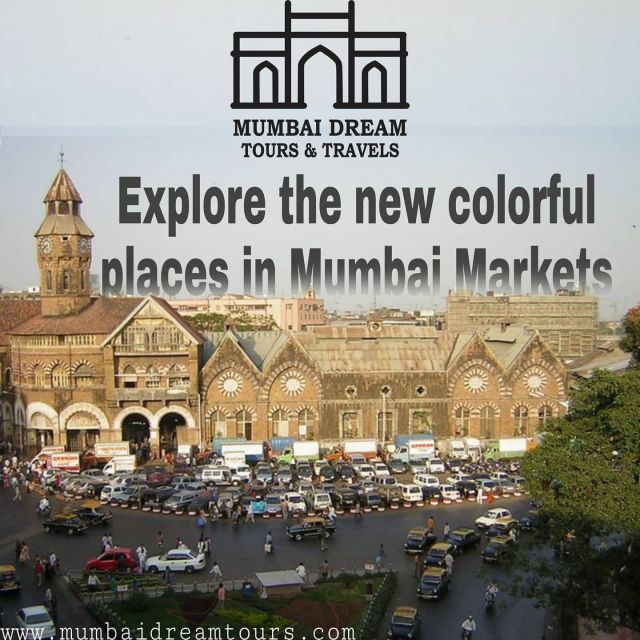
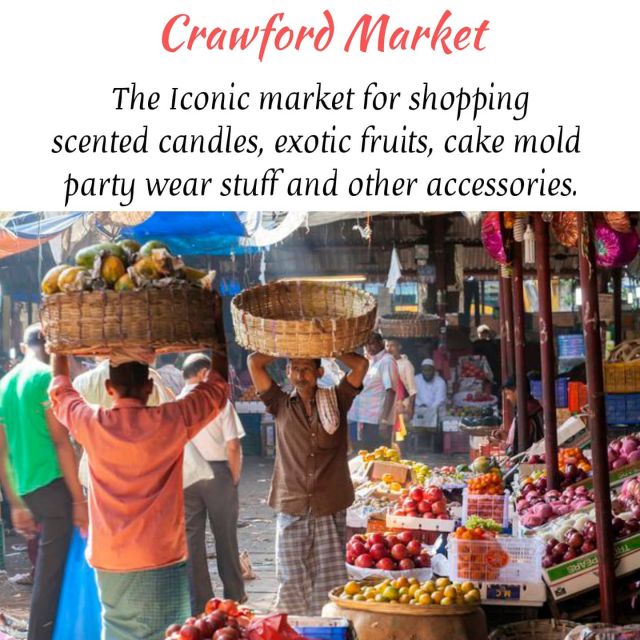
Crawford Market is the anchor of the outing. It is described as one of Mumbai’s oldest and largest markets, and its range is wide enough to give you a quick lesson in how varied Indian shopping can be.
You may find fresh produce, exotic fruits, spices, scented candles, cake molds, party goods, clothing accessories, and other household items. That mix is part of the appeal. Crawford is not a single-theme market where every stall looks alike. It is a place to browse and observe.
The produce and spice sections are especially useful for first-time visitors. Colors and smells do much of the work here. Cumin, coriander, turmeric, and cardamom are among the spices you might see, along with other ingredients used in Indian cooking.
I would not treat Crawford Market as a quiet photo stop. The value comes from watching the activity and noticing the details. You may need to keep your attention on the route, your belongings, and the people moving around you. A guide is helpful because you can focus on what is being sold instead of trying to work out the market’s layout alone.
If shopping is not your main goal, tell your guide. You can still enjoy Crawford for its atmosphere, goods, and social rhythm without buying anything.
Mangaldas Market and the challenge of choosing fabric
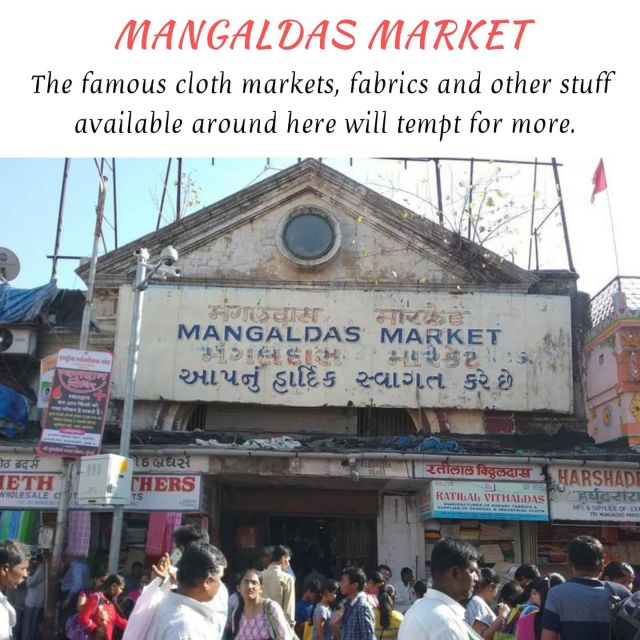
Mangaldas Market is the textile portion of the tour. It is known for fabrics and clothing, and it can be one of the most useful stops if you are interested in Indian dress, colors, patterns, or sewing materials.
This is also the stop where patience matters. Fabric shops can offer a great many choices, and it may take time to compare materials, colors, and prices. One positive account specifically praised the guide’s patience in the textile market. That is a useful clue for anyone who expects to browse rather than make a quick purchase.
You might find yourself handling several fabrics before deciding that you do not need any of them. That is fine. The shopping process is part of the visit, but you should not feel forced to buy. Ask the guide for help with bargaining and make your budget clear before negotiations begin.
A less positive experience described the shopping stops as too central to the tour and felt that prices were excessive. That does not mean every shop will be unsuitable, but it does mean you should treat the tour as a combination of market visit and shopping opportunity, not as a formal museum-style tour.
If you love textiles, Mangaldas Market may be the highlight. If you dislike shopping or sales pressure, ask for a clear plan at the beginning.
Spices, jewelry, and flowers
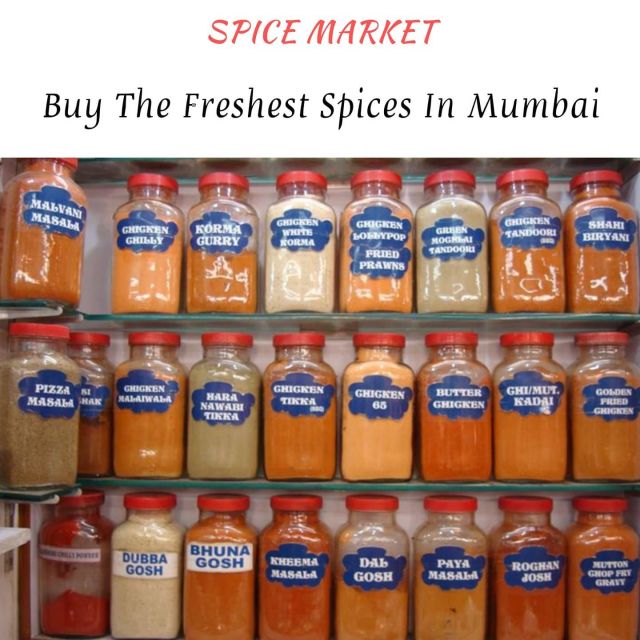
The spice market adds another sensory layer. The listed examples include cumin, coriander, turmeric, and cardamom, but the wider point is the way spices connect the market to home cooking and daily life.
A guide can make this stop more useful by explaining what you are looking at and how bargaining works. Without that help, a row of similar powders may be hard to distinguish. With guidance, you can pay attention to color, scent, presentation, and the way goods are measured and sold.
The jewelry market offers a different experience. It is described as one of Mumbai’s oldest and busiest shopping areas for gold, silver, diamond jewelry, and precious or semi-precious stones. You do not need to plan a major purchase to appreciate the stop. Even a quick look can show how different the market feels from the produce or textile sections.
Use sensible caution around expensive goods. The supplied information does not promise certification, guarantees, or independent buying advice, so I would treat this part as an introduction rather than a recommendation to make a major jewelry purchase.
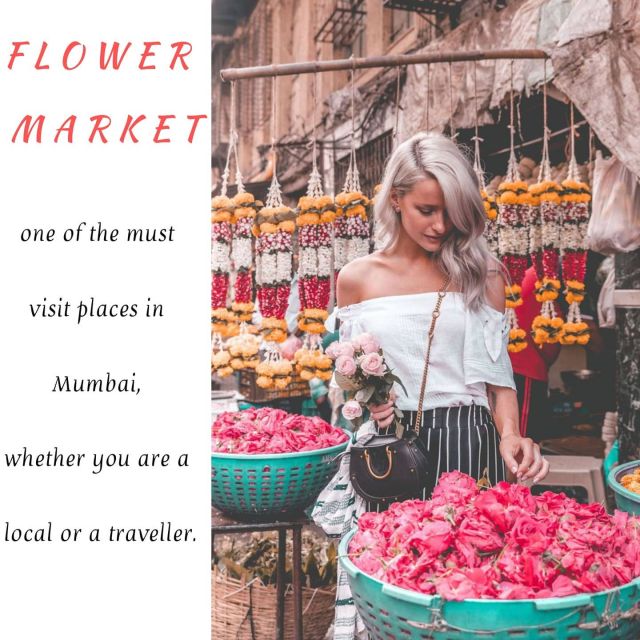
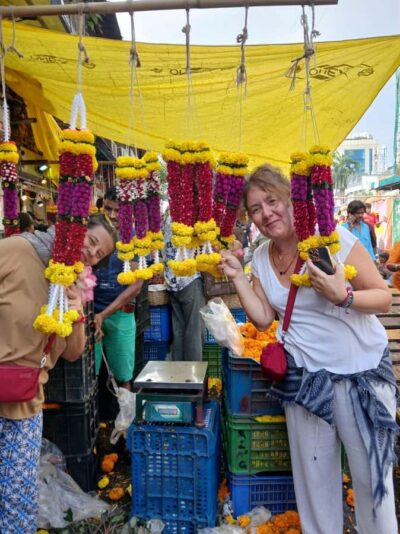
The flower market is likely to be the most photogenic stop. It is described as Mumbai’s largest flower market, with marigolds, roses, lilies, orchids, and other blooms. Flowers may be sold for homes, ceremonies, religious offerings, or decoration.
This stop also helps explain why the tour includes religious sites. Flowers are not only decorative merchandise. In Mumbai, they can form part of daily worship and community traditions. Even if you do not buy anything, the color and variety make this a memorable part of the route.
Same place, a different set of stalls:
- Mumbai Morning Market Tour of Flowers, Fish, and More
★ 5.0 · 100 reviews - Mumbai Street Food Tour with Evening Bazaar Walk
★ 4.9 · 79 reviews - Mumbai: Local Markets & Temples Tour
★ 4.6 · 45 reviews - Mumbai: Magical Markets Tour
★ 4.5 · 23 reviews
Jama Masjid, Mumba Devi Temple, and Madhav Baugh
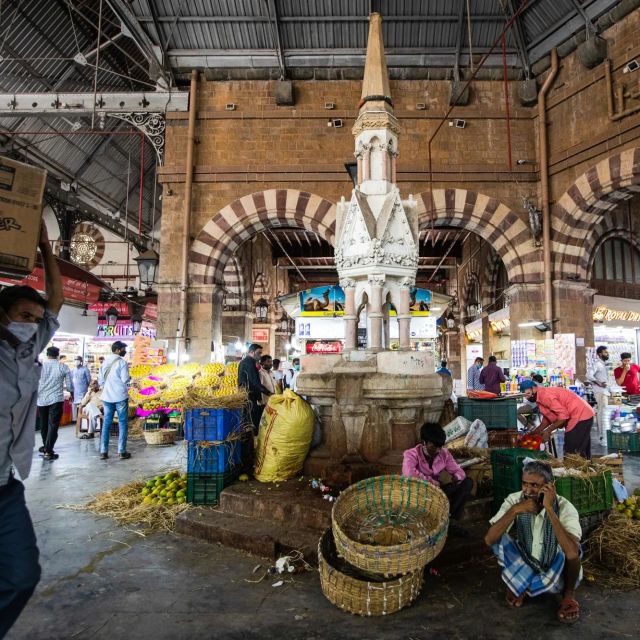
The tour includes Jama Masjid, Mumba Devi Temple, and Madhav Baugh, placing market life beside religious and community spaces.
Jama Masjid brings a mosque into the story of the neighborhood. Mumba Devi Temple connects the city to its religious identity, while Madhav Baugh adds another historic stop to the route. The supplied details do not specify how long you spend at each place, so do not assume that this is a full architectural or religious tour.
That distinction matters. One disappointed customer expected cultural visits at the temples and felt that the route passed them without enough attention. If these sites are important to you, ask the guide whether you will enter, stop for an explanation, or simply pass by.
You should also follow the guide’s instructions about respectful behavior at religious locations. The available information does not provide a formal dress code or entry procedure, so the safest approach is to listen carefully and avoid treating places of worship as ordinary shopping stops.
For me, the value of including these locations is the contrast. A market shows commerce and movement. A temple or mosque shows devotion and community life. Seeing them close together gives you a more useful picture of south Mumbai than either subject would provide alone.
What the guides add to the walk
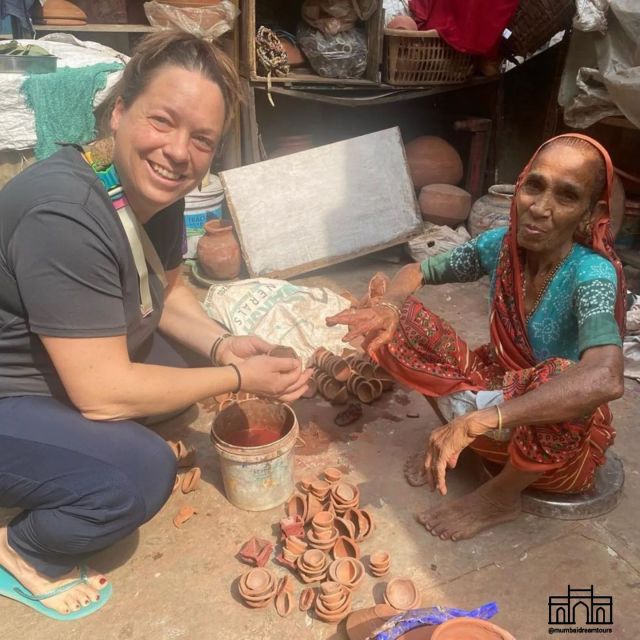
The strongest part of the experience depends on the guide. Dinesh is specifically praised for knowing the markets and setting a relaxed pace. Kieran is praised for giving a clear look at market culture and city life, and for showing patience in the textile area.
Another guide’s name was remembered as beginning with A, but the full name was not clear. The consistent qualities described across the experience are explanation, friendliness, enthusiasm, and a willingness to show extra places along the way.
You can also expect help with bargaining. That is valuable because bargaining customs are difficult to judge when you are new to a city. A guide can demonstrate when to negotiate, how to ask about a price, and when it is better to walk away.
The route may also be adjusted around your interests. If you care more about fabrics than jewelry, or more about food and spices than clothing, say so early. Do not wait until the final stop to explain what you hoped to see.
The pace has been described as relaxing, which is welcome in a market setting. A rushed visit would reduce every stop to a quick glance. A slower walk gives you time to notice details, ask questions, and decide if you want to browse.
Shopping tour or cultural walk?
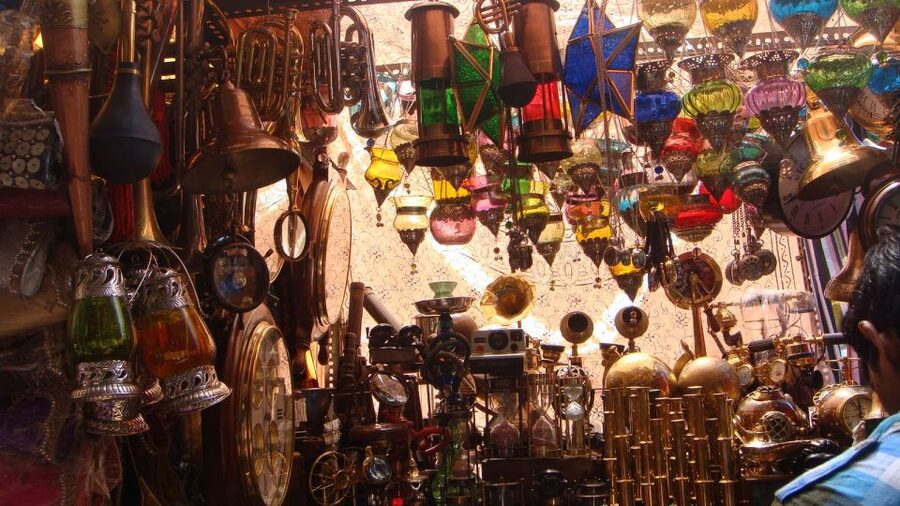
This is the key decision before booking. The experience is presented as a tour of historic markets with temples, mosques, colonial buildings, and local vendors. It also includes several shopping-focused stops.
That combination will suit you if you enjoy browsing and want context while you shop. It may not suit you if you want a strictly cultural walking tour with no commercial stops.
There is a real difference between visiting a market and visiting shops selected along a route. A market visit lets you observe many kinds of trade and choose your own level of engagement. A shopping-focused route may take you to particular sellers, where the experience feels more directed toward buying.
One negative account described stops at a pashmina shop, a spice shop, and a women’s clothing shop, with a sense that the guide knew the sellers. That concern is worth taking seriously, especially because it also raised the issue of high prices and limited temple visits.
At the same time, other accounts describe a tour that was informative, pleasant, flexible, and enjoyable. The best way to protect your expectations is to ask direct questions before setting off:
- How much time will we spend in the open markets?
- Which religious sites will we enter?
- Are the shops optional?
- Can we skip a purchase stop?
- How much time is planned for fabrics, spices, flowers, and jewelry?
These questions do not make the tour less spontaneous. They make sure you and the guide agree on what the outing is meant to be.
Is $23 a fair price?
At $23 per person, the tour is priced as an accessible introduction to south Mumbai. The value is strongest if you want an English-speaking guide, explanations of local commerce, bargaining help, and an organized route through several market areas.
You are not paying only to walk past stalls. You are paying for interpretation and assistance in a setting that can be hard to understand alone. The guide’s ability to explain goods, answer questions, and keep the pace comfortable adds real value.
The price is less attractive if the tour becomes mainly a sequence of sales stops or if you already know the markets well. In that case, you may prefer to explore independently and spend your money directly on food, flowers, fabric, or souvenirs.
No duration is provided, so you cannot judge the hourly value precisely. The booking terms allow you to reserve and pay later, and cancellation is available up to 24 hours in advance for a full refund. Those terms make it easier to keep your plans flexible.
Who will enjoy this Mumbai market tour?
I would recommend it to first-time visitors who want help understanding the city’s markets. It is also a good match for anyone interested in textiles, spices, flowers, jewelry, street commerce, or bargaining.
Food and shopping enthusiasts should find plenty to examine at Crawford Market and the spice areas. Visitors interested in religious and cultural settings may appreciate the inclusion of Jama Masjid, Mumba Devi Temple, and Madhav Baugh, but should confirm how much time will be spent at each.
The tour may be less suitable for you if you dislike shopping, avoid sales conversations, or want a detailed architectural tour. It may also frustrate you if you expect every religious stop to include a long visit and explanation.
Families and mixed-interest groups could find the variety useful, since one person can enjoy flowers and food while another looks at fabrics or jewelry. Still, the group should agree in advance about buying and browsing.
Practical advice before you go
Wear comfortable footwear. The route includes historic markets, wide streets, and narrow alleyways, and the experience is built around walking between different kinds of stalls and sites.
Keep your plans flexible. The booking allows you to reserve now and pay later, and you can cancel up to 24 hours ahead for a full refund. Since no tour duration is provided, leave enough room in your day rather than scheduling a tight connection afterward.
Bring a clear shopping budget if you plan to buy fabric, clothing, spices, jewelry, or accessories. Bargaining can be part of the fun, but a budget helps you avoid impulse purchases.
Use the guide’s help rather than treating every quoted price as final. Ask questions, compare options, and remember that browsing is allowed even when you decide not to purchase.
Should you book the Mumbai Market Tour?
Book it if you want a guided introduction to south Mumbai’s trading streets and you enjoy the possibility of shopping along the way. The combination of Crawford Market, Mangaldas Market, spices, jewelry, flowers, religious sites, and colonial surroundings gives you plenty to look at for $23.
Before booking, accept that the experience may lean toward shopping. If you want temples and markets explained in equal detail, confirm that expectation with the guide at the start. If you do, this can be a friendly, useful way to understand Mumbai through the places where people buy, sell, worship, and work.
FAQ
Where does the Mumbai Market Tour take place?
The tour takes place in south Mumbai, in Maharashtra, India, and passes through historic markets and nearby religious and architectural sites.
How much does the tour cost?
The listed price is $23 per person.
What language is the tour offered in?
The tour is offered in English.
Which market is included?
Crawford Market is included, along with Mangaldas Market, a spice market, a jewelry market, and a flower market.
What can I find at Crawford Market?
You might find scented candles, exotic fruits, cake molds, party goods, clothing accessories, fresh produce, and spices.
What is Mangaldas Market known for?
Mangaldas Market is known for fabrics, clothing materials, and other textile-related goods.
Are religious sites included?
Yes. The listed sites are Jama Masjid, Mumba Devi Temple, and Madhav Baugh.
Can the guide help with bargaining?
Yes. The experience includes help learning how to bargain at the markets.
Can I reserve now and pay later?
Yes. You can reserve your place and pay nothing today.
What is the cancellation policy?
You can cancel up to 24 hours in advance for a full refund.
Just added around Mumbai
- Mumbai: Local Markets & Temples Tour★ 4.6 · 45 reviews
- Night Tour: Mumbai’s Nights & Buzzing Bazaars★ 5.0 · 7 reviews
- Mumbai Market and Temple Tour With Cow Shelter Visit★ 4.3 · 3 reviews
- Mumbai Morning Market Tour of Flowers, Fish, and More★ 5.0 · 100 reviews
- Mumbai: Magical Markets Tour★ 4.5 · 23 reviews
- Mumbai: Evening Street Food Tasting & Cultural Market Tour★ 4.7 · 11 reviews
- Mumbai:Dhobi Ghat Laundry,Dharavi Slum & Flower market Tour★ 5.0 · 12 reviews
- Mumbai Heritage, Street Food & Bazaar Walking Tour★ 5.0 · 4 reviews
Mumbai Market Tours, compared.

Mumbai Morning Market Tour of Flowers, Fish, and More
Read our review →
Mumbai Street Food Tour with Evening Bazaar Walk
Read our review →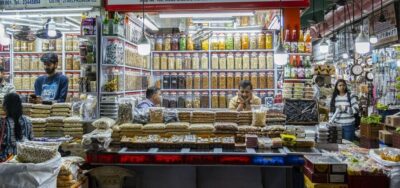
Dhobi Ghat Laundry,Dharavi Slum & Flower market Tour
Read our review →Browse the lists this tour appears in