
Review · MARKET WALKING TOURS
Makola Market Walking Tour
Makola Market gives you the Ghanaian capital in its most direct form: food sellers, fabric merchants, cosmetics stalls, electronics, used clothing, and everyday conversations all packed into one walking experience. The food section alone can introduce you to bush meat, giant snails, edible cow hide, palm oils, gari, spices, and produce you may not recognize.
I like the local guide and the chance to speak with sellers without trying to find your way through the market alone. I also like the practical side: guides such as Ben and Prince have helped visitors locate specific goods, negotiate prices, and even find a replacement suitcase.
The main thing to consider is the market’s crowded, busy setting. Two hours can pass quickly, and the full route may be tiring if you want to reach the artisan, timber, Agblobloshie, and used-clothing sections. Tell your guide what you want to see early.
Key points to know before you go
- Food first: Learn about palm oils, gari, local spices, giant snails, fish, bush meat, fruits, and vegetables.
- A guide makes a real difference: Ben, Benjamin, and Prince are named guides praised for navigation, explanations, shopping help, and price negotiation.
- More than groceries: The route can include textiles, jewelry, cosmetics, pharmaceuticals, electronics, and household goods.
- Optional extensions: With enough time and energy, you may continue to the artisan and timber market, Agblobloshie vegetable market, or the used-clothing area.
- Private and English-speaking: The experience lasts 2 to 3 hours and is arranged as a private group with an English-speaking guide.
- Useful value for shoppers: At $58 per person, the tour is most worthwhile if you want context, help finding products, and a smoother first visit rather than a quick look from the edge.
Why Makola Market is worth your time
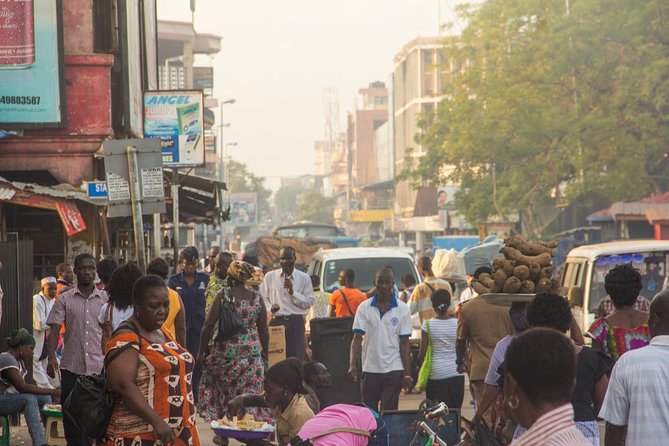
Makola is not a polished attraction designed for quick photographs. It is a working market where people buy food, clothing, household supplies, cosmetics, building materials, and many other daily necessities. That is exactly what makes the visit useful for understanding Accra.
You are not simply walking past stalls. You can ask what an ingredient is used for, see how Ghanaian cooking begins at the market, and compare the different parts of the city’s shopping system. The market shows how food, fashion, medicine, construction, and household trade fit together.
The tour costs $58 per person. That is more than you would pay to walk through a market on your own, but the price includes water and a local guide for a private group. I see the value in it if you are new to Accra, want to shop for particular items, or prefer not to lose time finding the right section.
The strongest reason to pay for a guide is orientation. Makola is large, and its sections are not arranged like a department store with clear signs and a simple route. A guide can take you to the part of the market that matches your interests, explain what you are seeing, and help with conversations at the stalls.
More Market Market Walking Tours in the world:
- Bangkok: City Highlights Temple and Market Walking Tour
★ 4.5 · 3,990 reviews - Tokyo Tsukiji Fish Market Food and Culture Walking Tour
★ 5.0 · 3,184 reviews - Marrakech: Ben Youssef, Secret Garden, & Souks Walking Tour
★ 4.6 · 2,802 reviews
Starting with Ghanaian ingredients
The tour begins in the food market section, which is probably the best place to start. Food tells you more about daily life than a row of souvenirs ever could.
You can learn about ingredients used in a typical Ghanaian kitchen, including gari made from cassava, palm oil in red and white forms, local spices, fruits, vegetables, fish, and meats. Some products may be familiar, while others, such as giant snails, bush meat, and edible cow hide, offer a very different picture of local food traditions.
I like this part because the guide can connect the product to its use instead of leaving you to guess. A sack of gari is not just a display of dried cassava. It is part of the food system you will encounter across Ghana. The same goes for the oils, spices, and produce arranged through the market.
This section is also where the tour feels most grounded in ordinary life. You are seeing what people buy and cook, not just what is put on display for visitors. If you are curious about Ghanaian food, ask your guide to slow down here and explain the ingredients before moving on.
From food stalls to fabrics and cosmetics
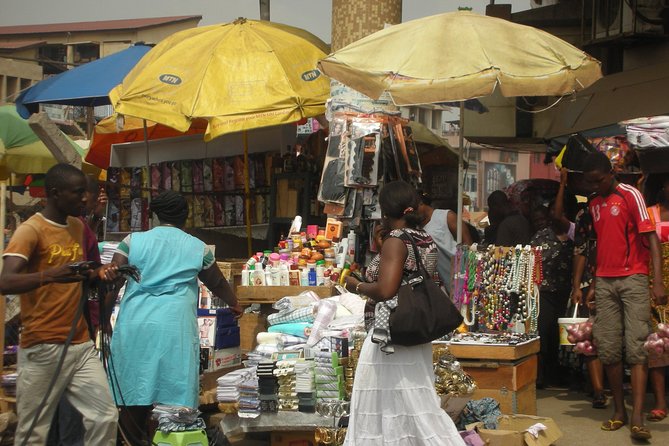
After the food section, the route can continue through cosmetics, jewelry, textiles, pharmaceuticals, groceries, and electronics. This change in scenery helps you see how broad Makola really is.
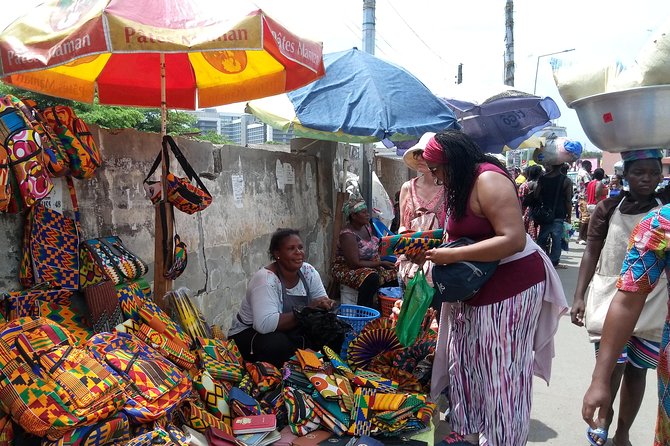
The textile section may appeal to you if you are looking for Ghanaian fabric or want to understand the role of clothing and design in local commerce. The jewelry stalls offer another kind of browsing, while cosmetics and pharmaceuticals show how many different shopping needs the market serves.
The electronics and grocery sections are less traditionally picturesque, but they are important. They remind you that this is a practical shopping center, not a museum. You may see goods that look familiar, but the way they are sold and grouped within the market gives you a better sense of how Accra’s trade works.
This is a good point to tell your guide what you want to buy. One visitor used Ben’s help to find needed items and secure a better price. Another visitor advised knowing what you want in advance so the guide can direct you to the right part of the market. That is sound advice. A short list can make two hours much more productive.
Letting the guide handle the navigation
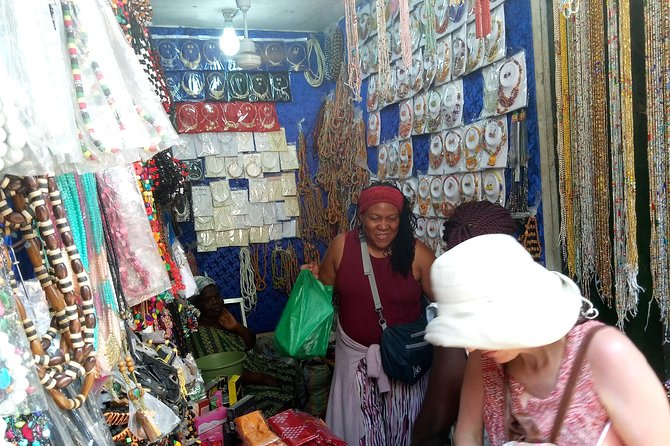
A private guide is the heart of this activity. You can enter a market alone, but you may spend much of your time trying to work out where each section begins and ends. A guide can help you move through the market with a clearer purpose.
Ben is specifically praised for explaining the history of the markets, locating goods, helping with prices, and giving extra time to find a replacement for a broken suitcase. Benjamin is also praised for taking good care of his group and providing a strong overview of the different sections. Prince has guided visitors through the market and added broader context about Accra, including an extra drive past Jubilee House during a combined day of tours.
Those details matter because guide quality changes the character of the visit. You are not only paying for directions. You are paying for someone who can explain what you are seeing, help you ask for an item, and make the market feel less confusing.
Price negotiation is another practical benefit. You should not assume that every price will be inflated, but a local guide can help you understand the buying process and negotiate when needed. That is especially helpful if you want to purchase textiles, food products, clothing, or other goods and are unfamiliar with local prices.
A few more market tours around the world worth a look
- Bangkok: Damnoen Saduak Market and Maeklong Railway Market
★ 4.5 · 26,723 reviews - The Old Siam: Damnoen Saduak and Maeklong Railway Market
★ 4.5 · 10,992 reviews - Dubai: Old Town, Creek, Museums, Souks, & Street Food Tour
★ 4.8 · 10,816 reviews - Bangkok: Train Market & Floating Market with Boat Ride
★ 4.7 · 9,547 reviews
Optional routes for more time and energy
The basic experience is planned for about two hours within a total duration of 2 to 3 hours. If you still have energy, the guide can take you farther into other sections.
The artisan and timber market is known for skilled makers and building materials. This section is useful if you are interested in craft, carpentry, or the raw materials used for construction. It is also a reminder that Makola is tied to the wider work of the city, not only to food and clothing.
Agblobloshie market, described as Ghana’s largest vegetable market, can also be visited. This extension makes sense if produce is your main interest or if you want to see another major part of Accra’s food trade.
The used-clothing area is known locally as Broni wawu, a phrase meaning the white man died, or as a bend-down boutique. You may find everything from underwear and shirts to shoes. The name and the range of goods make this one of the more distinctive stops, but it may not suit you if you are looking for a tidy shopping environment.
You should not expect to cover every section in depth during one short visit. The best plan is to choose your priorities. Ask for food and textiles, for example, or focus on produce and used clothing. Trying to see everything can turn a useful tour into a rushed walk.
The sounds, smells, and pace of the market
Makola is a sensory experience. You hear sellers and shoppers, see goods stacked in different sections, and move from food smells to fabrics, cosmetics, and other products. The sound and pace are part of the point, though they can also be tiring.
The market may feel crowded, particularly if you are not used to large open markets. Your guide can help you keep moving and can pay attention to your comfort. One visitor specifically valued a guide who was thoughtful about the pace and surroundings.
Wear comfortable shoes and bring only what you need. The tour is on foot, and even the shorter version can feel full because you are looking, listening, asking questions, and stopping to shop. Water is included, which is useful, but you should still plan for a warm, active outing.
Photography should be handled with care. The information provided does not set out a formal photography policy, so ask your guide before photographing people or individual stalls. A quick question is more respectful and can also lead to a friendly conversation.
What you can realistically buy
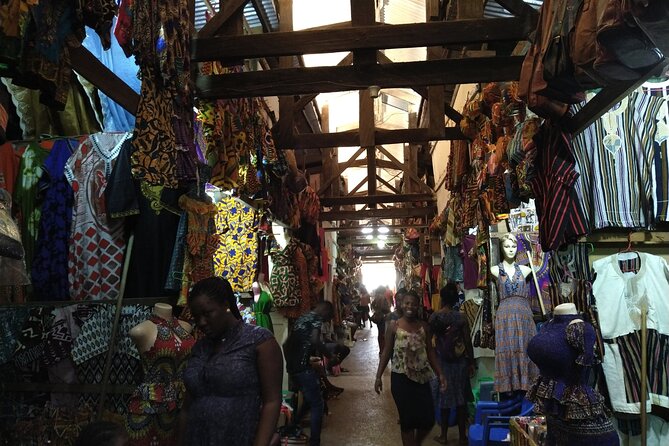
The market covers enough ground that your shopping options depend on your interests. You may look for textiles, jewelry, cosmetics, groceries, clothing, shoes, electronics, or local food products. The guide can help you locate the correct section rather than leaving you to search at random.
The tour is especially useful if you have a particular purchase in mind. A replacement suitcase, for example, was found with extra help from the guide. That kind of practical assistance is hard to measure in a standard tour description, but it can save a great deal of time.
You should not treat the tour as a guaranteed shopping trip with fixed products. Market stock changes, and the available information does not promise any particular item or price. Think of the guide’s role as helping you search, compare, and communicate.
If you buy food or other goods, ask about the product and how it is normally used. That turns shopping into part of the cultural experience rather than a separate task at the end.
Is $58 good value?
At $58 per person, this is not the cheapest way to see Makola Market. The value depends on what you want from the visit.
If you only want to walk through for a few minutes and take in the scene, you may find the price high. If you want a local person to guide you through many sections, answer questions, help you shop, and negotiate when appropriate, the cost is easier to justify.
The private-group format is another advantage. You are not tied to the pace of a large group, and you can spend more time in the food section, textiles, or another area that interests you. The exact pickup location depends on the option you choose, and the activity ends with drop-off in Accra Metropolis or at the Accra Metropolitan Assembly.
Water and guiding services are included. The tour is conducted in English, and free cancellation is available up to 24 hours before the activity for a full refund. You can also reserve now and pay later, which helps if your Accra plans are still shifting.
Who should book this Makola experience?
I would choose this tour if you are visiting Accra for the first time, want a direct look at daily commerce, or feel unsure about entering a large market alone. It is also a good fit if you like food, textiles, local shopping, and conversations with people who work in the market.
It suits curious shoppers more than people seeking a quiet historical walk. The emphasis is on the present-day market and Ghanaian culture as seen through food, trade, clothing, and everyday purchases.
Families and older visitors should consider the walking time and crowded setting before booking. The tour is private, which helps with pacing, but the market itself remains active and busy. If you have limited time, tell the guide your top interests at the start.
The activity has a 5 out of 5 rating from 16 reviews, with repeated praise for the guides’ help with navigation, shopping, explanations, and prices. Names that appear in the feedback include Ben, Benjamin, and Prince. Your assigned guide may differ, but those examples show the kind of practical support you should expect from a strong guide.
Should you book the Makola Market Walking Tour?
Book it if you want more than a quick look at Accra’s biggest market areas. The food section, textiles, cosmetics, jewelry, electronics, used clothing, artisan stalls, timber market, and vegetable market offer plenty to see, but the route is much easier to manage with a local guide.
I would especially recommend it if you have specific items to find or if this is your first visit to Makola. Make a short shopping list, wear comfortable shoes, and tell the guide what matters most to you. Skip it if you prefer to wander alone, dislike crowded markets, or only have time for a brief stop.
FAQ
Where does the Makola Market Walking Tour take place?
The tour takes place at Makola Market in Accra, Ghana. The supplied location is listed as Ghana Central Region, with pickup depending on the option selected.
How long does the tour last?
The activity lasts 2 to 3 hours. The guided market visit itself is listed as about 2 hours.
What language is the tour offered in?
The live tour guide speaks English.
Is this a private tour?
Yes. The activity is arranged for a private group.
What can I see at Makola Market?
You can see food ingredients, local meats and fish, giant snails, palm oils, gari, spices, fruits, vegetables, cosmetics, jewelry, textiles, pharmaceuticals, groceries, and electronics. With enough time and energy, you may also visit artisan and timber stalls, Agblobloshie vegetable market, and the used-clothing section.
Is water included?
Yes. Water and guiding services from a local expert are included.
What is the cancellation policy?
You can cancel up to 24 hours in advance for a full refund. You can also reserve now and pay later.
Just added around the world
- 3-Hour Herbal Wholesale TCM Market and a Local Wet Market Tour★ 5.0 · 4 reviews
- Half-day Dandan Noodles Cooking Class with a Local Market Visit★ 5.0 · 8 reviews
- Chania Old Town, Public Market and Chrisopigi Monastery Tour★ 4.5 · 6 reviews
- Charleston International Sweet Treats & Historic City Market Tour★ 5.0 · 22 reviews
- Chania: Old Town, Public Market, Hill of Prophet Elias, Agia Triada★ 5.0 · 35 reviews
- Food Tasting & Market Shopping: Private Guided Tour in PORT LOUIS★ 4.5 · 9 reviews
- Moroccan Cooking Class with a Local Family & Market Visit★ 5.0 · 16 reviews
- Chania: Morning Bites and Market Delights Food Tour★ 5.0 · 11 reviews
Market Walking Tours, compared.
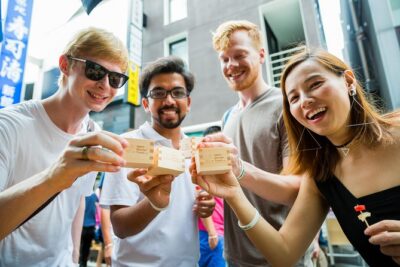
Tokyo Tsukiji Fish Market Food and Culture Walking Tour
Read our review →
Nishiki Market Brunch Walking Tour (7 Tastings + Brunch)
Read our review →Tsukiji Fish Market Food and Culture Walking Tour
Read our review →
Tsukiji Fish Market: Street Food & Culture Walking Tour
Read our review →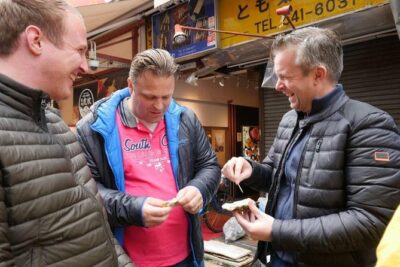
Tsukiji Fish Market Small-Group Food Walking Tour
Read our review →Browse the lists this tour appears in