
Review · MARKET WALKING TOURS
Makola Market Walking Tour
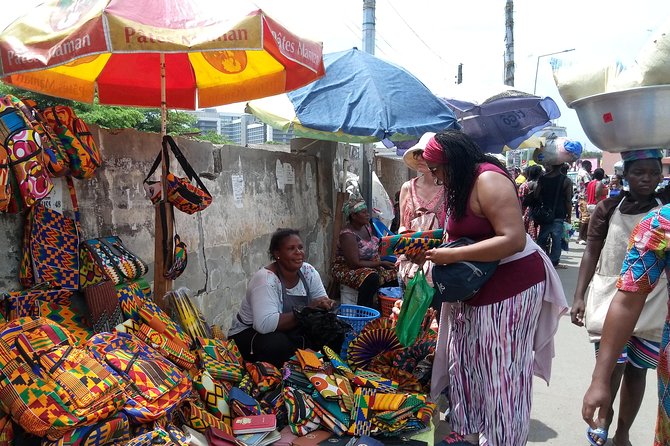
Makola Market is not a tidy row of souvenir stalls. It is a sprawling trading district where textiles, secondhand clothing, food, electronics, groceries, and household goods spill into a maze of lanes. A local guide helps you see more of it without spending the whole visit trying to work out where you are.
I like the practical help with bargaining and shopping, especially when you want fabric, clothing, handicrafts, or a particular item. I also like the personal attention of a group capped at 15 people. Guides such as Prince, Ben, and Obeng have helped visitors find specific goods, reach less obvious parts of the market, and keep a solo visit from feeling so stressful.
The main drawback is the setting itself: heat, crowds, traffic, and noise are part of the experience. This is a walking tour through an active market, not a calm museum visit, and you need a moderate level of fitness.
Key points to know before you go
- You enter one of Accra’s largest markets: Makola is divided into sections for textiles, used clothes, electronics, food, groceries, and other goods.
- A guide matters here: Prince, Ben, and Obeng have each helped visitors navigate the market and locate particular items.
- Bargaining is part of the visit: Your guide can assist with negotiating, though no fixed saving or final price is promised.
- The group is limited to 15 people: That gives you a better chance to ask questions and stay close to your guide.
- Plan on about two hours: The advertised duration is one to two hours, with the market visit itself listed at two hours.
- You meet in central Accra: The tour begins and ends at Accra Central, and private transport and lunch are not included.
Makola Market is a working market, not a staged attraction
The appeal of this tour begins with the place itself. Makola Market is Accra’s busiest trading center, and its size can be hard to grasp until you are inside it. The market is divided into sections, so the experience is not simply a stroll past similar stalls. One lane may focus on fabric, another on used clothing, another on electronics, and another on food or groceries.
That variety gives the walk its purpose. You are not just looking at goods. You are seeing how people buy, sell, compare prices, call out to customers, move stock, and manage business in a crowded urban setting. The guide explains the local way of trading while helping you move through the different areas.
This matters because Makola can be difficult to read at first. The market does not present itself like a department store with clear signs and wide aisles. You might find what you want quickly, or you might pass it several times without realizing it. A guide who knows the layout can turn the market from a confusing maze into a series of recognizable sections.
More Market Market Walking Tours in the world:
- Bangkok: City Highlights Temple and Market Walking Tour
★ 4.5 · 3,990 reviews - Tokyo Tsukiji Fish Market Food and Culture Walking Tour
★ 5.0 · 3,184 reviews - Marrakech: Ben Youssef, Secret Garden, & Souks Walking Tour
★ 4.6 · 2,802 reviews
What the two-hour walk covers
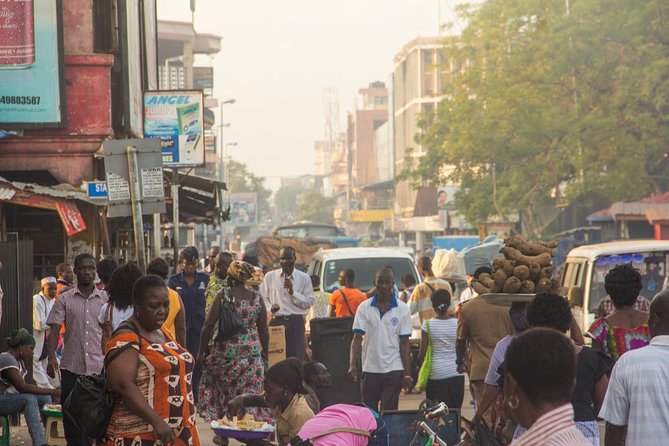
The tour focuses on Makola Market rather than a list of separate city sights. That is a strength if you want time inside the market instead of a quick photo stop. The usual plan is a guided walk through the textile, used-clothing, electronics, food, and grocery sections, with explanations of how trade works in each area.
Textiles are likely to be a major draw for shoppers looking for local prints and fabric. The information provided does not promise a particular brand, pattern, or stock on the day of your visit, but the guide can help you locate the right section and communicate with sellers. One especially useful possibility is help finding a seamstress. Obeng took one visitor to have purchased prints sewn, which shows how the tour can sometimes extend beyond simply buying fabric.
The used-clothing section offers a different view of the market. Here, the interest is less about polished presentation and more about the volume and variety of goods moving through Accra. Electronics, food, and groceries add still more contrast. You may find yourself shifting from questions about prices and quality to questions about what a product is used for and how it fits into daily life.
The tour is listed as lasting one to two hours, while the itinerary gives two hours for the market visit. Allow the full two hours so you do not feel rushed. In some cases, the guide may spend longer helping with a purchase or locating something specific, but extra time is not guaranteed.
Why a local guide changes the experience
The clearest value here is orientation. Several visitors found Makola difficult to manage alone, especially because of its size, crowds, and moving traffic. That is not a minor concern. If you spend your visit watching for the correct turn, you have less attention for the products, people, and trading customs around you.
Prince is named repeatedly as a guide who knows the market’s layout, answers questions, helps with purchases, and checks that the pace feels comfortable. Ben is also praised for taking visitors to less obvious areas and patiently making sure they saw the things they wanted. Obeng helped one visitor move through the markets, negotiate with sellers, visit a seamstress, and return for an item that had been forgotten.
Those examples point to an important difference between a guide who merely leads a route and one who responds to your interests. Tell the guide early if you want fabric, clothing, souvenirs, food products, or electronics. You will get more from the walk if your guide knows what you hope to see.
The guides also provide a useful buffer in a busy place. That does not mean you can hand over every decision. You should still inspect goods, agree on prices, and decide what to buy. But having someone nearby to explain the process can make bargaining less awkward and help you avoid wandering into the wrong section.
Bargaining help, with sensible expectations
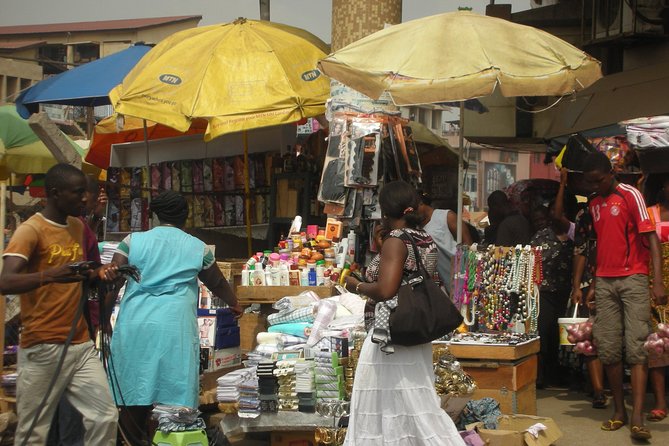
Learning how to get a good price is one of the tour’s main promises. Your guide can explain the local approach to trading and help you negotiate with vendors. This is especially useful if you are not used to markets where the first price may not be the final one.
Still, do not treat the guide as a guarantee of the lowest possible price. One visitor appreciated the help but was not sure exactly how good a deal had been. That is a sensible way to view bargaining anywhere: the goal is a fair exchange, not necessarily winning every negotiation.
I recommend deciding what you are comfortable paying before the discussion becomes complicated. Ask the guide about the item, compare prices when possible, and do not feel obliged to buy simply because you have asked to see something. The guide’s role is to reduce confusion and help you communicate, not to make the purchase for you.
Bargaining can also be part of the cultural lesson. The guide can explain how sellers and buyers interact and how trade works in the market. That context makes the shopping more meaningful than simply collecting souvenirs.
A few more market tours around the world worth a look
- Bangkok: Damnoen Saduak Market and Maeklong Railway Market
★ 4.5 · 26,723 reviews - The Old Siam: Damnoen Saduak and Maeklong Railway Market
★ 4.5 · 10,992 reviews - Dubai: Old Town, Creek, Museums, Souks, & Street Food Tour
★ 4.8 · 10,816 reviews - Bangkok: Train Market & Floating Market with Boat Ride
★ 4.7 · 9,547 reviews
The real conditions: heat, crowds, and traffic
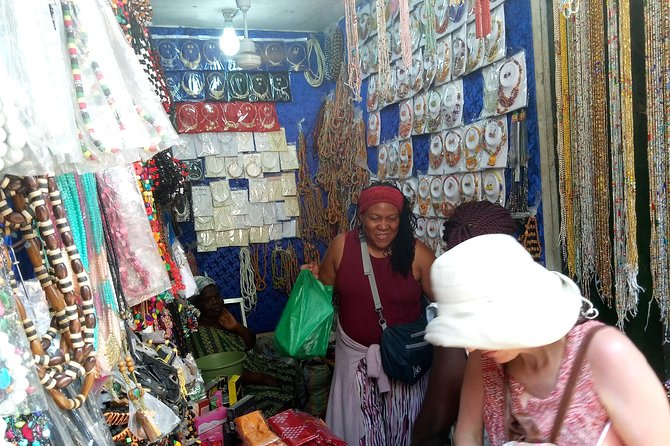
The market’s energy is also its challenge. It can be hot, crowded, noisy, and hard to cross. People and vehicles share busy spaces, and you may need to keep moving while paying attention to your guide. This is why the tour requires a moderate level of physical fitness.
Wear comfortable shoes and bring patience. The supplied tour details confirm that bottled water is included, which is welcome in a hot market, but you should still dress for walking and outdoor heat. Since lunch is not included, plan your meal separately rather than assuming the tour includes a food stop.
The experience may suit you less if you want a quiet, highly organized attraction or a relaxed shopping afternoon. It suits you well if you want to see a working market and accept that the setting will be busy and unpredictable.
A small group helps. The maximum is 15 people, which is not a private tour, but it is small enough to make questions possible and keep the guide from disappearing entirely into the crowd. If you want the most personal attention, ask your questions early and stay close as the group moves between sections.
Meeting in Accra Central
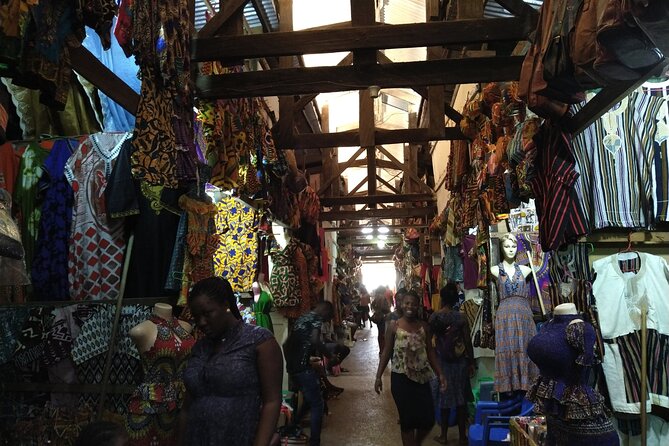
The meeting point is Accra Central at HQ3R+8MX, Tudu Road, Accra, Ghana. The tour ends back at the same meeting point. There is no private transportation included and no hotel pickup listed, so you are responsible for reaching central Accra and arranging your onward transport.
That setup works best if you are already staying or sightseeing in central Accra. It is less convenient if you expect a door-to-door excursion. One visitor booked the evening before and received the requested start time, but that kind of flexibility should not be treated as a fixed promise. Confirm the meeting details and start time when booking.
Because several tour times are available, you can fit the walk around other plans. The exact times are not provided here, so check the options before paying. The tour is often booked about 25 days ahead, suggesting that popular dates may need planning, even though one visitor was accommodated at short notice.
Is $41.03 good value?
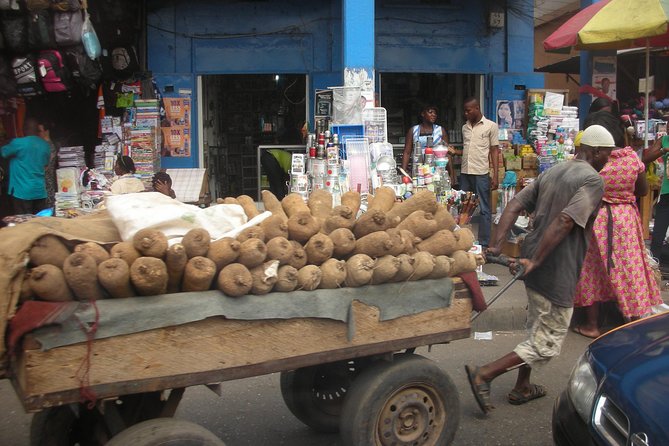
At $41.03 per person, the price is reasonable if you want guidance inside Makola rather than simply a short look from the edge. The value comes from the guide’s local orientation, shopping help, bargaining assistance, and explanations of how the market works. You are paying for access to a more manageable experience, not for transport, lunch, or an expensive collection of included attractions.
The price looks strongest for solo visitors. A person alone has more to gain from a guide who can help with directions, communication, and safety in a crowded place. It can also be worthwhile for a first visit to Ghana, when the market’s scale and trading customs may be unfamiliar.
Groups should compare the cost with the available group discount before booking. The tour advertises group discounts, but the exact reduction is not provided. For a party interested in shopping, the cost may also save time and reduce the chance of missing the sections or products you came to find.
The value is weaker if you already know Makola very well, speak comfortably with vendors, and have a local friend who can guide you. In that case, you may prefer to explore on your own. For a first visit, though, the guide provides practical help that is hard to measure in dollars.
Who will enjoy this Makola visit most?
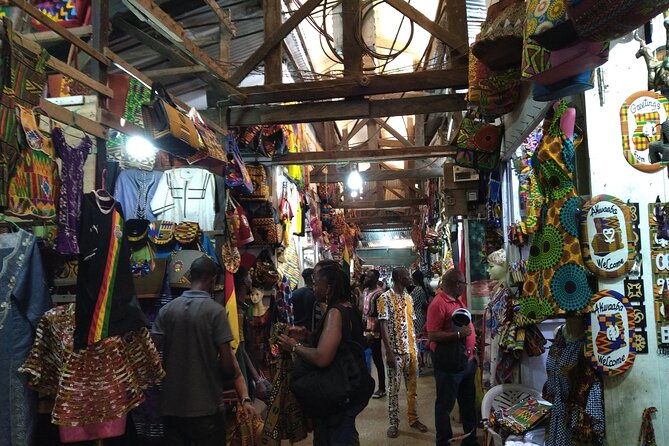
I would choose this tour if you want an active cultural experience and do not mind the market’s rough edges. It is particularly suitable for:
- Solo visitors who do not want to navigate alone
- First-time visitors to Accra
- Shoppers looking for textiles, clothing, handicrafts, souvenirs, food, or electronics
- Anyone curious about bargaining and local trading customs
- Visitors who prefer a small group to a large coach tour
- People with enough fitness for roughly two hours of walking in heat and crowds
It is less suitable if you need private transport, a quiet route, a fixed shopping list with guaranteed stock, or a fully private guide. The market changes from day to day, and the tour cannot promise that a particular product or vendor will be available.
Booking, cancellation, and practical details
Confirmation is provided at the time of booking. Free cancellation is available if you cancel at least 24 hours before the local start time, with a full refund. Within 24 hours, cancellations and changes are not accepted and the payment is not refunded.
Bottled water and all fees and taxes are included. Lunch and private transportation are not. The activity accepts a mobile ticket, and the maximum group size is 15 people.
Bring a clear idea of what you want to see, but leave room for the guide to show you something unexpected. Prince, Ben, and Obeng have each been described as helpful with directions, questions, purchases, and the market’s less obvious corners. Ask for the guide’s name when you meet, then explain your priorities before the walk gets busy.
Should you book the Makola Market Walking Tour?
Book it if Makola is high on your Accra plans and you want more than a quick, uncertain wander. The guide is the key reason to choose it. Prince, Ben, and Obeng have helped visitors navigate the market, bargain, find specific items, and understand the trading culture.
Skip it if you already have a trusted local companion or strongly dislike heat, crowds, and active street commerce. For most first-time visitors, however, $41.03 is a fair price for two hours of direction and context in a place that can be difficult to handle alone. Go with comfortable shoes, a flexible attitude, and a clear shopping goal, and Makola is far more likely to feel fascinating than frustrating.
FAQ
Where does the Makola Market Walking Tour start?
It starts at Accra Central, at HQ3R+8MX, Tudu Road, Accra, Ghana.
Where does the tour finish?
The activity ends back at the same meeting point in Accra Central.
How long does the tour last?
The stated duration is one to two hours, and the market itinerary is listed as two hours.
What parts of Makola Market does the tour visit?
The walk covers the textile, used-clothing, electronics, food, grocery, and other market sections.
Is transportation included?
No. Private transportation is not included, and the tour does not list hotel pickup.
Is lunch included?
No. Lunch is not included in the tour price.
What is the cancellation policy?
You receive a full refund if you cancel at least 24 hours before the local start time. Cancellations or changes made within 24 hours are not accepted and are not refunded.
Just added around the world
- 3-Hour Herbal Wholesale TCM Market and a Local Wet Market Tour★ 5.0 · 4 reviews
- Half-day Dandan Noodles Cooking Class with a Local Market Visit★ 5.0 · 8 reviews
- Chania Old Town, Public Market and Chrisopigi Monastery Tour★ 4.5 · 6 reviews
- Charleston International Sweet Treats & Historic City Market Tour★ 5.0 · 22 reviews
- Chania: Old Town, Public Market, Hill of Prophet Elias, Agia Triada★ 5.0 · 35 reviews
- Food Tasting & Market Shopping: Private Guided Tour in PORT LOUIS★ 4.5 · 9 reviews
- Moroccan Cooking Class with a Local Family & Market Visit★ 5.0 · 16 reviews
- Private Market Tour & Cooking Class in Casablanca with Transfers★ 5.0 · 20 reviews
Market Walking Tours, compared.
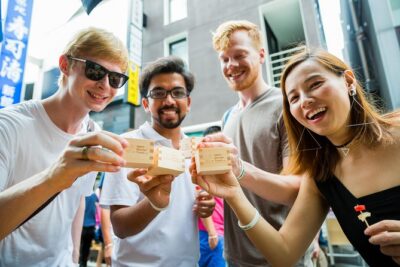
Tokyo Tsukiji Fish Market Food and Culture Walking Tour
Read our review →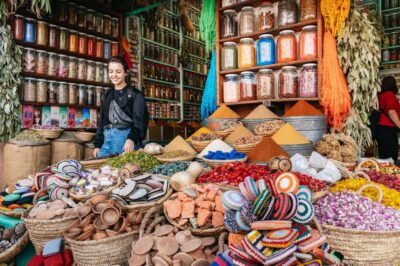

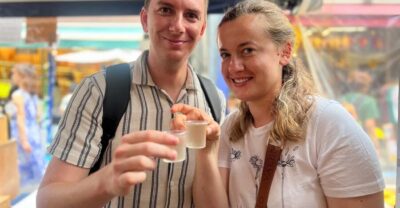
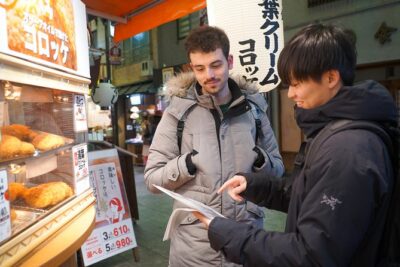
Nishiki Market Brunch Walking Tour (7 Tastings + Brunch)
Read our review →Tsukiji Fish Market Food and Culture Walking Tour
Read our review →
Tsukiji Fish Market: Street Food & Culture Walking Tour
Read our review →
Tsukiji Fish Market Small-Group Food Walking Tour
Read our review →Browse the lists this tour appears in