
Review · FISH MARKET TOURS
Guided visit to the Pasaia fish market
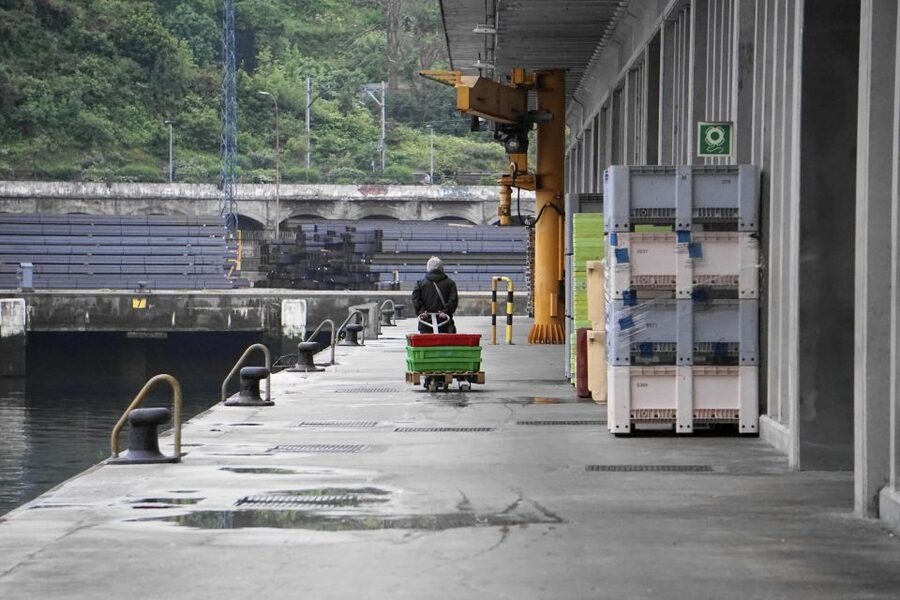
The most revealing part of this Pasaia visit is the fish auction, where the catch moves from fishing boat to fishmonger in the early morning. You are not watching a staged show. You are entering a working area, so the pace, rules, wet floor, and careful group movement matter.
I like two things here: the tour explains both the building and the people’s working system, including inshore fishing gear and Fishermen’s Guilds. I also like the simple breakfast beside the market, which gives the visit a friendly finish. The main drawback is that the tour is in Spanish, and photography is tightly limited.
Key points
- See the fish market from inside: Learn how the building supports the local fishing trade.
- Follow the catch: Understand the route from unloading at the market to sale at the fishmonger.
- Watch a real auction: See fishmongers, sellers, and wholesalers working in the early morning.
- Learn local fishing customs: Hear about inshore fishing gear and how Fishermen’s Guilds operate.
- Finish with breakfast: Sit down beside the market after the working visit.
- Keep your footing: Wear comfortable, non-slip hiking shoes because the floor is usually wet.
Inside Pasaia’s working fish market
This is not a market visit built around browsing stalls or posing for photographs. It takes you inside the fish market building to explain how the local fishing trade functions.
That difference matters. You get to see the market as a workplace, not just as a cultural backdrop. The guide explains the building itself, then places it in the chain that begins when fishermen unload their catch and ends when fish reaches the fishmonger.
You should expect practical information rather than a broad sightseeing tour. The focus is narrow and useful: fish, fishing, auction procedures, and the people who keep the trade moving. If you want to understand a working side of the Basque Country that is easy to miss on a normal town visit, this short tour gives you a direct look.
The experience lasts about 90 minutes, which is enough time to cover the main process without turning into a long technical lecture. Since the group is limited to 10 people, it should be easier to stay with the guide and hear the explanation in a busy work setting.
More Fish Market Tours in Spain:
- Tokyo Tsukiji Fish Market Food and Culture Walking Tour
★ 5.0 · 3,184 reviews - Tokyo: Tsukiji Fish Market Food and Walking tour
★ 5.0 · 1,724 reviews - Tokyo: Tsukiji Fish Market Guided Walking Tour
★ 4.9 · 1,397 reviews
From unloading to the fishmonger
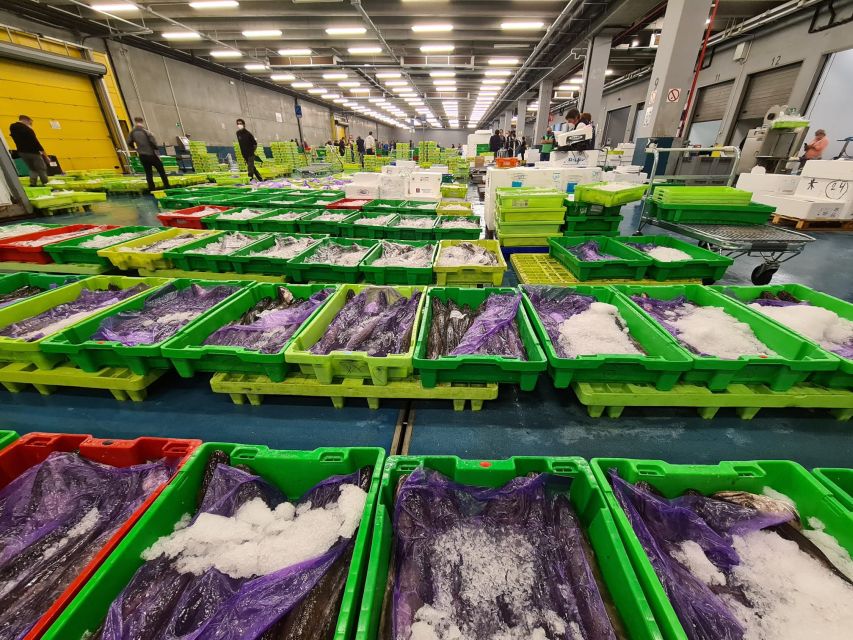
The central story is the route taken by the catch. You learn what happens after the fishermen bring the fish in and unload it at the market.
The guide connects each stage so you can understand the market as a chain of work. Fish arrives, it is handled through the market system, and it then moves toward fishmongers, sellers, and wholesalers. That makes the visit more useful than simply seeing fish laid out for sale.
I like this kind of explanation because it puts ordinary shopping into context. When you buy fish from a fishmonger, you usually see only the final step. Here, you are shown the earlier work and the decisions that move the catch through the market.
The visit also explains the different roles involved. Fishmongers, sellers, and wholesalers are all part of the early-morning activity, and the auction is where those roles become easiest to see. You will need to pay attention to the guide, since the visit is in Spanish and the work around you can be distracting.
Understanding the early fish auction
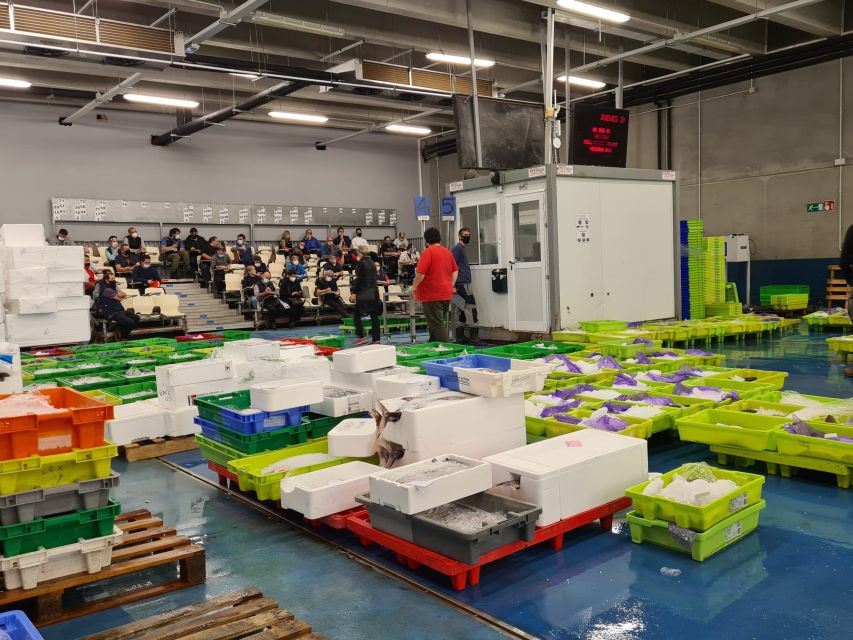
The auction is likely to be the most unusual part of the experience. You see the fish trade being negotiated and organized while the people who work there get on with their jobs.
This is a working auction, not a performance arranged for visitors. That creates a useful tension. You get a more genuine look at the market, but you also have to accept restrictions. The group must stay together, stop where the guide directs, and avoid causing accidents.
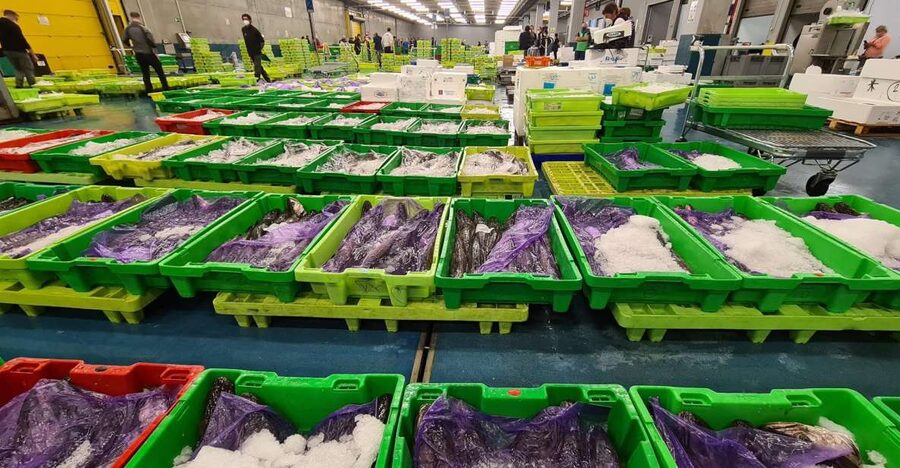
You are not allowed to photograph the auction screens or the people working there. Photos and videos are limited to fish and general views of the area. If taking pictures is a major reason you book tours, this may feel restrictive. If you are happy to watch carefully and listen, the rule helps protect the privacy and concentration of the people doing their jobs.
Do not touch the fish. This is both a stated rule and plain good manners in a food workplace. The market is not a hands-on attraction, and the guide will keep the group moving through the permitted areas.
The early timing also shapes the experience. The information points to the early hours of the morning, when fishmongers, sellers, and wholesalers are active. You should check the available starting time before booking, then plan around it rather than treating this as a flexible midday activity.
The fishing gear and the Fishermen’s Guilds
The tour goes beyond the auction to explain inshore fishing. You learn about the main fishing gear used by local fishermen and the way that smaller-scale fishing operates.
That context is important. It helps you understand that the fish market is connected to a particular type of fishing, not just to a generic seafood trade. The gear tells part of the story: different tools reflect different ways of working close to the coast.
You also hear about the Fishermen’s Guilds and how they function. This is one of the most distinctive subjects in the visit because it introduces the organization behind the fishing community. Instead of viewing fishermen as isolated individuals, you learn about the shared system that helps manage their work and market activity.
The guide from Mater Itsasontzi Ekoaktiboa provides the explanation in Spanish. If you understand Spanish well, you can follow the details directly. If you do not, this activity may be difficult to enjoy fully because no other tour language is listed.
More Guided Market Trips in Spain:
- Barcelona Food Tour: Market & Gothic Quarter with Expert Guide
★ 4.5 · 85 reviews - Alicante: Central Market Guided Food Tour with Tapas Bars
★ 5.0 · 5 reviews - Marbella: Guided Market Tour with Tapas and Wine Pairings
★ 4.8 · 4 reviews - Dubai: Old Town, Souks, Street Food, Guided Tour & Abra Ride
★ 4.9 · 7,170 reviews
Breakfast beside the market
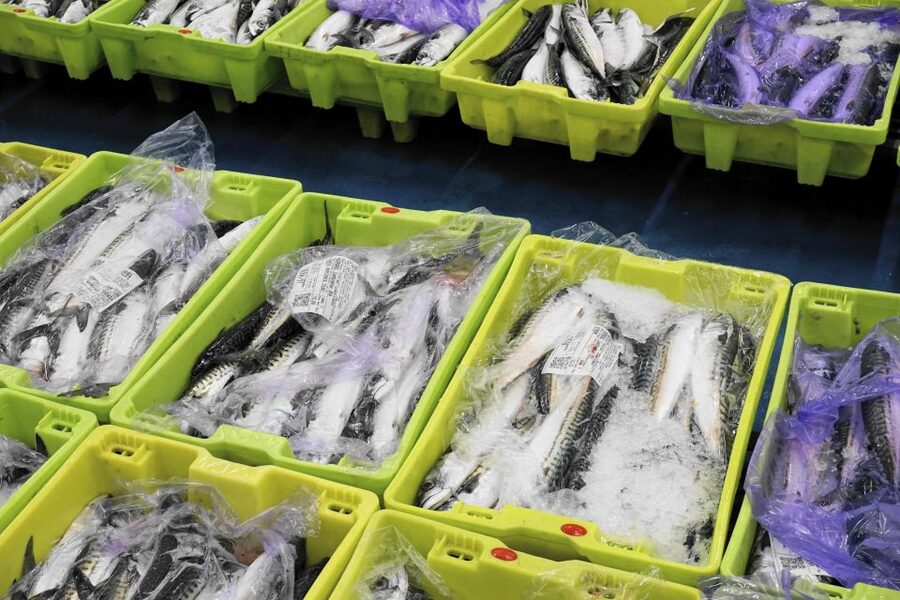
After the market visit, you enjoy breakfast next to the fish market. It is a modest detail, but it changes the tone of the experience.
The auction and market section ask you to watch, listen, and stay alert. Breakfast gives you time to pause after the working visit. It also keeps the experience tied to the market rather than sending you immediately away to another sightseeing stop.
The supplied information does not specify the breakfast menu, so do not book this expecting a particular dish or a full culinary workshop. Think of it as a pleasant included meal at the end of a focused morning activity.
I like the balance. You get the practical side of the fish trade first, then a chance to sit down nearby. The food is not presented as the main attraction, and that is probably the right emphasis. The market remains the reason to book.
What the small group changes
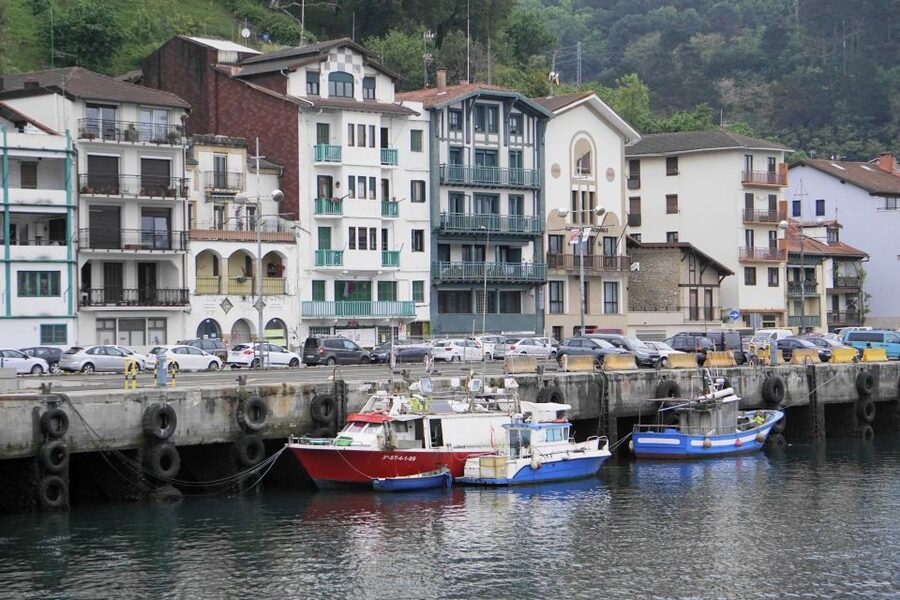
The group is limited to 10 participants. That is a useful size for a working market, where a large crowd could get in the way.
A small group also makes it easier to follow instructions. You will be asked to remain together and stop where the guide says. In a market with wet floors, moving people, and active workers, this is not unnecessary fuss. It helps keep the visit safe and respectful.
The format will suit you if you prefer a guide-led visit with clear explanations. It will not suit you if you want to wander freely, take many photos, or move at your own speed.
Because this is an active work area, the experience demands some restraint. Do not block routes, touch the fish, photograph workers, or aim your camera at the auction screens. The best approach is to treat the market as someone’s workplace first and a visitor attraction second.
Shoes, safety, and access
Bring comfortable, non-slip hiking shoes. The floor is usually wet, and slipping should be avoided. This is the most practical packing advice for the activity, so take it seriously.
You should also wear clothing that lets you move comfortably and remain with the group, though the only stated requirement is suitable footwear. The guide will tell you where to stop and how to move through the space.
The activity is not suitable for people with mobility impairments. The wet floor, working environment, and need to stay with the group make this an important point to consider before booking.
The visit is also not a good fit for anyone wanting a relaxed market stroll. Its setting calls for attention and care. You are there to observe a functioning trade, not to handle products or explore every corner independently.
Is $17 a fair price?
At $17 per person, the price is reasonable if you value access and explanation rather than a long list of attractions.
The visit lasts 1.5 hours, includes the guide, and includes breakfast. More importantly, it takes you inside a working fish market and explains the auction, fishing gear, and Fishermen’s Guilds. Those are specific subjects that would be difficult to understand from a casual walk past the building.
The value is strongest for people who enjoy local industries, food systems, and working communities. You are paying for a guided look at a part of Pasaia that most visitors would not understand simply by seeing the outside.
The price is less attractive if you want a photo-heavy activity, an English-language tour, or a broad introduction to Pasaia. The experience is short and tightly focused. It gives you one subject in some detail rather than a general tour of the town.
You can reserve now and pay later, which keeps your plans flexible. Free cancellation is available up to 24 hours in advance for a full refund. Those terms are helpful if your morning schedule may change, but you still need to check the starting time before committing.
Who will enjoy this Pasaia visit?
I would recommend it to you if you like seeing how places work behind the scenes. It is particularly suited to people interested in fishing, seafood, local food networks, working ports, and community organizations.
It should also suit curious families with older children who can listen, follow instructions, and respect the rules. The fish auction may offer a more memorable lesson than a standard museum display, though the wet floor and working environment mean adults must keep an eye on younger participants.
Spanish speakers will get the most from the guide’s explanations. If you do not speak Spanish, you may still observe the market activity, but the main value of the tour comes from understanding the process and local systems.
You should skip it if you have mobility limitations, dislike early-morning activity, need unrestricted photography, or want to touch and examine the fish. Those are not minor details here. They shape the visit from beginning to end.
Should you book the fish market tour?
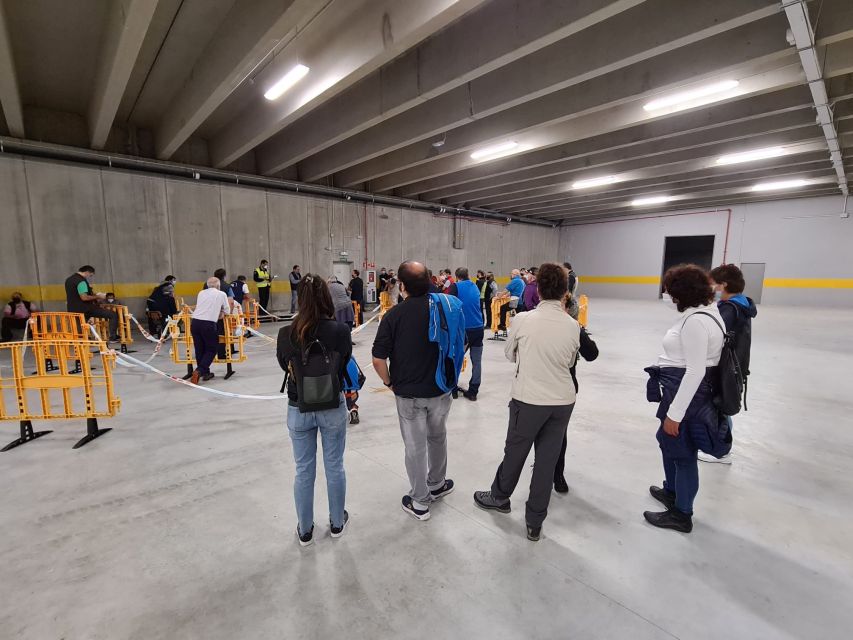
Book this experience if you want a close look at Pasaia’s fishing trade and are comfortable entering a real work area. The combination of auction, inshore fishing information, Fishermen’s Guilds, and breakfast gives the 90 minutes a clear purpose.
I would especially choose it for a Spanish-speaking visitor who has already seen the main sights and wants a more local subject. Wear non-slip shoes, leave your camera expectations modest, and follow the guide’s instructions.
Do not book it for a casual photo stop or a general Pasaia introduction. For the right visitor, $17 buys a focused and unusual morning. For everyone else, the language, access, and workplace rules may outweigh the appeal.
FAQ
Where does this activity take place?
The visit takes place inside the Pasaia fish market building in the Basque Country of Spain.
How long does the visit last?
The guided visit lasts 1.5 hours.
What language is the tour conducted in?
The visit is conducted in Spanish, and the live tour guide speaks Spanish.
How much does the activity cost?
The listed price is $17 per person.
Is breakfast included?
Yes. Breakfast next to the fish market is included.
How large is the tour group?
The group is limited to 10 participants.
Can I take photos inside the fish market?
You may photograph fish and take general shots of the area. You may not photograph or record people working or the auction screens.
Can I touch the fish?
No. Touching the fish is not allowed.
What should I wear?
Wear comfortable, non-slip hiking shoes because the floor is usually wet. The activity is not suitable for people with mobility impairments.
Just added around Spain
- Explore Bilbao’s Flavors Mercado de la Ribera and Old Town★ 4.5 · 3 reviews
- CERTAL Exclusive Tour: LA RIBERA Market + GASTROBARS Bilbao (3h)★ 4.5 · 12 reviews
- Spanish Oysters, Cava and Ibérico Ham at Barcelona’s La Boqueria Market★ 5.0 · 8 reviews
- Taste of Barcelona: Boqueria Market, Tapas & History Tour★ 4.5 · 22 reviews
- Private Barcelona Market Tour & Paella Cooking Class with Josh★ 5.0 · 4 reviews
- Barcelona La Boqueria & Sant Antoni Private Food Experience★ 5.0 · 7 reviews
- Cook Paella & Tapas + Market Tour in Barcelona (4-Course Meal)★ 5.0 · 2 reviews
- Market Gourmet Visit and Spanish Culinary Experience in Barcelona★ 5.0 · 34 reviews
Fish Market Tours, compared.
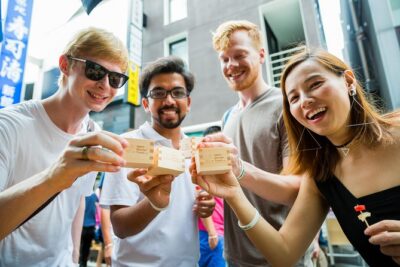
Tokyo Tsukiji Fish Market Food and Culture Walking Tour
Read our review →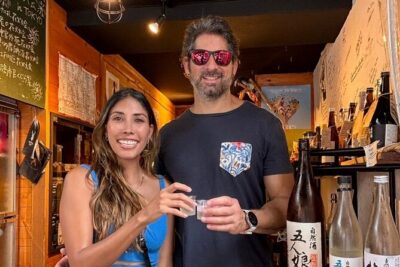
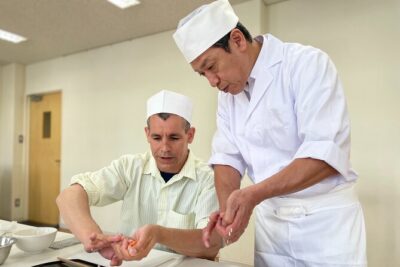
Tokyo Sushi Making Class in Tsukiji with Professional Chef
Read our review →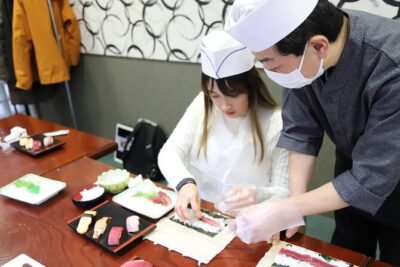
Tsukiji Fish Market Guided Tour and Sushi Making with Pro Chef
Read our review →Tsukiji Fish Market Food and Culture Walking Tour
Read our review →
Tsukiji Fish Market: Street Food & Culture Walking Tour
Read our review →
Tsukiji Fish Market Small-Group Food Walking Tour
Read our review →Browse the lists this tour appears in