
Review · FISH MARKET TOURS
Busan: Food Crawl with Fish Market, Soju Tents & Local Snacks
Busan’s best food stories are found around its docks, not on a polished restaurant strip. This evening crawl takes you from Bupyeong Kkangtong Market to Jagalchi’s seafood stalls, then into small harbor-side soju tents where locals eat beside the boats. The food is the main event, but the setting gives the night its character.
I like two things here. First, the guide handles the ordering and market navigation, so you can try places you might skip on your own. Second, the price includes dinner, snacks, beer, soju, and soft drinks. The main drawback is that the evening is built around seafood and alcohol, so it may not suit young children, cautious eaters, or anyone wanting a quiet sit-down meal.
What makes this Busan food crawl worth considering
- Three distinct food settings: Move from a traditional market to Jagalchi seafood stalls and then to dockside pojangmacha tents.
- Seafood at its source: Eat grilled, sautéed, or raw local seafood near Busan’s working harbor.
- A small group of up to 10: The size is useful in narrow market lanes and crowded food spots.
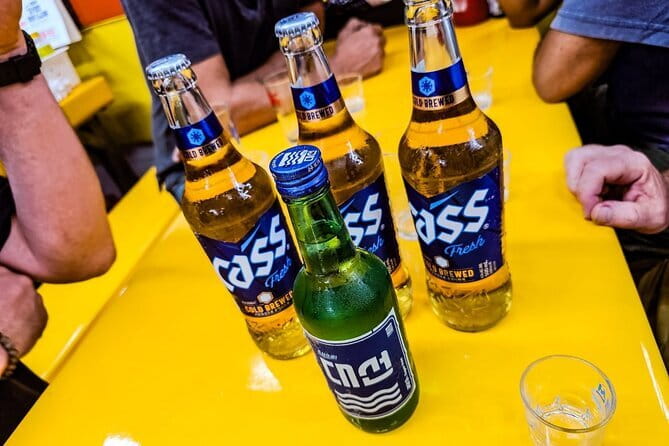
- Drinks are included: Beer, soju, and soft drinks are part of the booking, along with the food.
- A guide-led local night: Conor is one guide associated with the experience, and his role includes making market and tent dining easier to manage.
- A four-hour evening route: Plan on one hour at each main stop, plus walking and time passing other sights.
Starting with noodles at Bupyeong Kkangtong Market
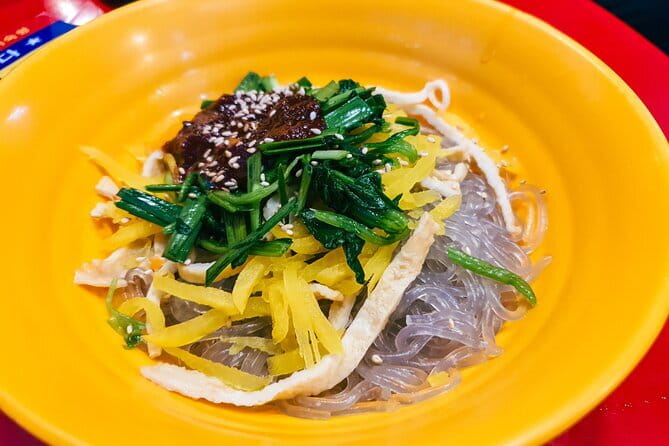
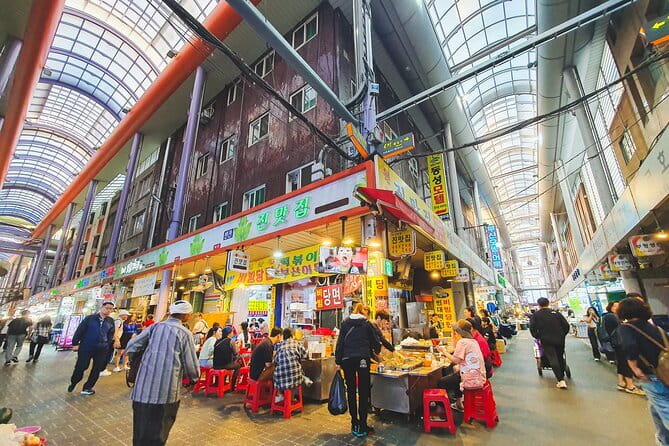
The evening begins at a small odeng shop on Gudeok-ro 84beon-gil in Nampo-dong. From there, you head into Bupyeong Kkangtong Market, a practical starting point for Busan food because it gives you small portions, quick service, and plenty of local atmosphere before the seafood arrives.
The first hour centers on Busan-style noodles and street foods paired with cold Korean beer. This is a good format for a food crawl. You get to sample rather than commit to one large dish, and the guide can help keep the meal moving.
Bupyeong Kkangtong Market has an unusual past. It began with refugees from the Korean War selling imported and smuggled goods. Today, it is one of Korea’s large traditional markets, with food stalls and small shops packed into a compact area.
You also pass the original site of the Busan International Film Festival. That adds a small film-city footnote to the evening, though this is a passing point rather than a full cinema visit. The useful thing is the contrast: one moment you are eating noodles in a market, and soon after you are walking through a place tied to Busan’s modern cultural life.
I like this first stop because it eases you into Korean market eating. You are not expected to understand every sign or know which stall is worth trying. The limitation is that the market portion lasts about an hour, so you should not expect a long, unhurried meal at every stop.
More Fish Market Tours in South Korea
- Gamcheon Culture Village, Jagalchi fish market story telling Tour
★ 4.5 · 63 reviews - Noryangjin Fish Market Dinner
★ 5.0 · 21 reviews - Autumn Foliage-Mt. Seorak, Sokcho Fish Market, Sokcho Beach
★ 5.0 · 10 reviews
Finding the working side of Jagalchi Fish Market
From Bupyeong Kkangtong Market, the route continues to Jagalchi Fish Market. Jagalchi is not simply a seafood hall built for sightseeing. It serves local customers and fishermen, and the food here makes the harbor connection clear.
The route includes both the newer and older parts of the market. That matters because the experience is not confined to one modern indoor space. You get a look at the market’s different sides, then sit down for seafood prepared grilled, sautéed, or raw.
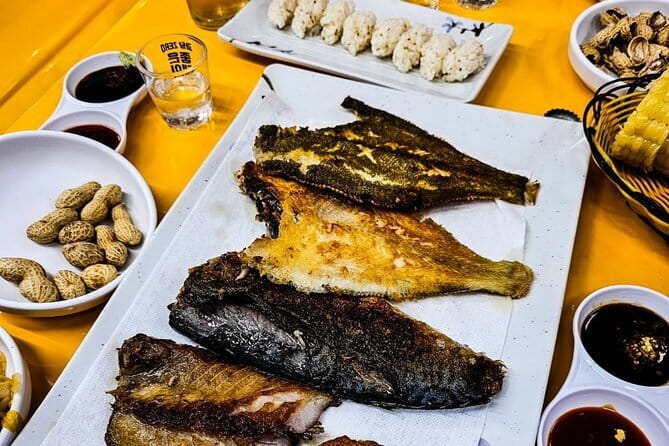
The exact seafood choice can depend on the option you book. The experience describes freshly grilled fish or grilled eel, while the included dinner may also feature other local seafood. One version specifically mentions mackerel galbi later in the evening, along with beef short ribs and other dishes.
A guide is especially useful here. Fish markets can be noisy, crowded, and full of unfamiliar choices. Conor has been praised for making the market and soju-tent route easy to manage, which is exactly the kind of help that makes a food walk more than a succession of random tastings.
You should also set your expectations correctly. This is not a formal cooking lesson, and it is not designed around a single signature dish. It is a guided meal in places that tourists may have trouble selecting on their own. If you enjoy seafood and want to see how Busan eats around its harbor, this is the strongest part of the route.
If you do not eat raw seafood, do not assume every course will be raw. Grilled and sautéed seafood are included as well. Still, the crawl is clearly seafood-led, so ask about your preferred option when booking if you have a strict dietary need. The supplied information does not promise vegetarian, vegan, allergy-specific, or seafood-free substitutions.
Crossing Yeongdodaegyo Bridge toward the soju tents
The route then reaches Yeongdodaegyo Bridge, where you walk toward one of Busan’s oldest areas. This is the point where the evening shifts from market browsing to drinking culture.
Pojangmacha are small tent-style drinking spots, and here they sit beside docked boats. The setting is informal. You eat traditional drinking dishes, sip soju, and watch the harbor activity nearby. It is a very different experience from ordering a cocktail in a hotel bar.
The food may include mackerel galbi, beef short ribs, and other local delicacies. The menu is part of the fun, but the real value comes from being shown how these small tent restaurants work. Ordering can be confusing when you cannot read the menu, and a guide can also help the group share dishes without slowing the night down.
This final stop explains why the experience is more than a standard restaurant tour. You are not just tasting Busan food. You are seeing how food, strong drinks, boats, and conversation fit together in a harbor neighborhood.
The soju tent portion also has the clearest age and suitability issue. Alcoholic drinks are included, and one direct warning is that the experience may not suit young children. Most participants can take part, and service animals are allowed, but this is still an adult-leaning evening rather than a family activity built around soft drinks.
What you actually get for $152.90
At $152.90 per person, this is not a cheap snack walk. The price makes more sense if you plan to use the included meal and drinks fully.
Included items are:
- Local seafood, served grilled, sautéed, or raw
- Busan-style noodles and other street foods
- Alcoholic drinks
- Soda and other soft drinks
You are paying for more than ingredients. The guide leads you through three food settings, handles the flow between stops, and helps you choose places that are difficult to identify from the street. A small group of no more than 10 also gives the guide a better chance to keep everyone together in crowded market lanes.
Still, value depends on your appetite and drinking habits. If you eat lightly, avoid alcohol, or prefer to choose every dish yourself, the price may feel high. If you want one evening that combines dinner, snacks, beer, soju, and local context, it can replace several separate decisions and meals.
Private transportation is not included. That is not a serious problem for this route because the experience is designed as a walking food crawl, but you need to get to the starting point yourself. At the end, the host takes you to Nampo Station.
More Fish Market Tours in Busan:
- Tokyo Tsukiji Fish Market Food and Culture Walking Tour
★ 5.0 · 3,184 reviews - Tokyo: Tsukiji Fish Market Food and Walking tour
★ 5.0 · 1,724 reviews - Tokyo: Tsukiji Fish Market Guided Walking Tour
★ 4.9 · 1,397 reviews - Tokyo Sushi Making Class in Tsukiji with Professional Chef
★ 5.0 · 1,177 reviews
Timing, walking, and the shape of the evening

The published timing can look confusing. The overview describes the activity as about three hours, while the detailed schedule gives one hour at each of three locations plus another hour for walking and passing other sights, for a total of about four hours.
Use four hours when planning your night. That gives you room for the three main food stops, movement between them, and the short sightseeing moments along the way. Do not schedule a tight theater booking or late train immediately afterward.
The start point is 범전동 오뎅집, 6-3 Gudeok-ro 84beon-gil, Nampo-dong, Jung-gu, Busan. The end point is the red bean taiyaki stall at 4 Taejong-ro, also in Jung-gu, with a walk to Nampo Station provided by the host.
You receive confirmation when you book, and the experience is offered with a mobile ticket. It is near public transportation, and group discounts may be available. Cancellation is free if you cancel at least 24 hours before the local start time. Changes or cancellations inside that window are not accepted, and the experience needs a minimum number of participants to run.
Wear shoes that are comfortable for walking and standing. The route moves through markets, streets, a bridge, and informal food venues. The supplied details do not give a total walking distance, so I would not treat this as a short, seated dinner.
Who will enjoy this night most
I would choose this crawl if you want a guided introduction to Busan’s harbor food culture and prefer several shared tastings to one restaurant reservation. It works particularly well early in a Busan visit, when you want help understanding what to order for the rest of your stay.
It is also a good fit if you are curious about soju-tent culture but do not feel comfortable walking into one alone. The guide provides structure, and a group capped at 10 is small enough for the meal to remain manageable.
Food-focused couples, solo visitors, and friends are likely to get the most from it. Solo visitors in particular can benefit from a hosted dinner because the dishes are shared and the route has a social rhythm.
I would think twice if you need strict control over ingredients, dislike seafood, do not drink, or want a quiet evening. The experience includes soft drinks, but alcohol is a central part of the final stop. It is also not presented as a children’s food tour.
Practical strengths and limits

The strongest feature is the access. You can find Bupyeong Kkangtong Market, Jagalchi Market, and Yeongdodaegyo Bridge without a guide, but knowing where to stop and how to order is another matter. The experience is built around that difference.
The food coverage is also broad. You start with noodles and street food, continue to market seafood, and finish with dishes meant to accompany soju. That gives you a better sense of Busan’s eating habits than a single specialty tasting would.
The main limit is predictability. Fish, eel, raw seafood, grilled dishes, and market snacks are all part of the plan, but the exact plates can vary by option and availability. If you need a fixed menu, this may feel loose.
The other limit is price. At $152.90, you should book it for the access, guide, and drinks as well as the food. It is not the right choice if your only goal is to find the least expensive market meal.
Should you book this Busan food crawl?
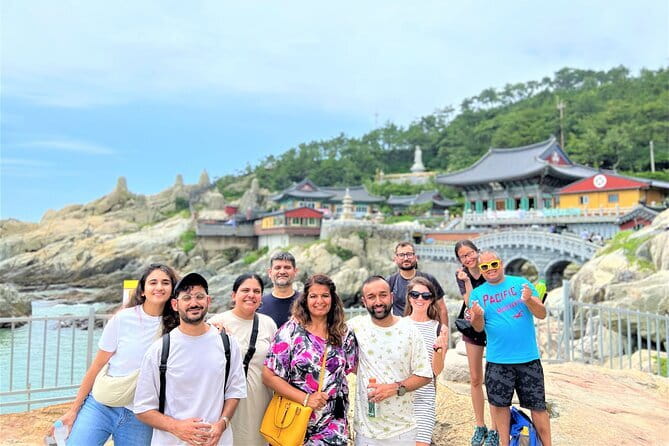
Book it if you want a hosted night that connects markets, seafood, and harbor drinking culture in one route. The combination of Bupyeong Kkangtong Market, Jagalchi, and the soju tents gives the evening a clear sense of place, and the small-group format makes crowded food areas easier to handle.
Skip it if you want a family-first activity, a non-seafood menu, or a short dinner with no walking. For everyone else, come hungry, keep your schedule open for four hours, and treat the included drinks as part of the experience rather than an optional extra.
FAQ
How long does the Busan food crawl last?
Plan on approximately four hours. The detailed schedule allows about one hour at each of three main locations, plus another hour for walking and passing other sights.
Where does the experience begin?
It begins at 범전동 오뎅집, 6-3 Gudeok-ro 84beon-gil, Nampo-dong, Jung-gu, Busan, South Korea.
Where does the experience end?
The route ends at a red bean taiyaki stall at 4 Taejong-ro, Jung-gu. The host takes you to Nampo Station after the tour.
What food and drinks are included?
The booking includes local seafood served grilled, sautéed, or raw, along with Busan-style noodles and other street foods. Alcoholic drinks, including beer and soju, plus soda and other soft drinks are included.
Is transportation included?
Private transportation is not included. The experience is a walking route, and the host takes you to Nampo Station at the end.
How many people can join the group?
The activity has a maximum of 10 participants.
Can I cancel for a full refund?
Yes. You can cancel at least 24 hours before the local start time for a full refund. Cancellations or changes made less than 24 hours before the start are not accepted for a refund, and the activity may also be rescheduled or fully refunded if its minimum number of participants is not reached.
More Food and Drink Trips in Busan
- Busan: Food Market Tour, Smash Seafoods and Street Foods
★ 4.8 · 80 reviews - Busan history and market food tour with local chef
★ 5.0 · 58 reviews - Busan Local Food Cooking Class with Market Tour
★ 5.0 · 53 reviews - Busan: Gukje and Jagalchi Market Food Tour with Tastings
★ 4.6 · 27 reviews
Just added around Busan
- Visit Busan night market and enjoy the night view of Busan harbor★ 5.0 · 6 reviews
- Gamcheon Cultural Village & Skywalk & Markets★ 4.5 · 2 reviews
- Busan Local Food Cooking Class with Market Tour★ 5.0 · 53 reviews
- Busan history and market food tour with local chef★ 5.0 · 58 reviews
- Colors of Busan: Sky Capsule, Jagalchi Market & Night Views★ 4.5 · 6 reviews
- Jagalchi Sunset Cruise and Night Market Tour in Busan★ 3.5 · 2 reviews
- Busan Food Market Tour Seafoods and Street Foods★ 5.0 · 8 reviews
- Busan: Night Tour with Jagalchi Market and Skywalk★ 4.7 · 17 reviews
Fish Market Tours, compared.
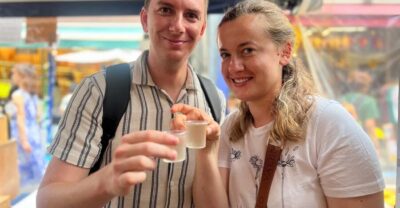
Tokyo Tsukiji Fish Market Food and Culture Walking Tour
Read our review →
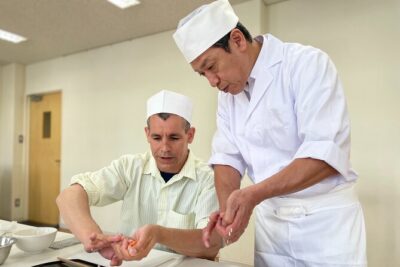
Tokyo Sushi Making Class in Tsukiji with Professional Chef
Read our review →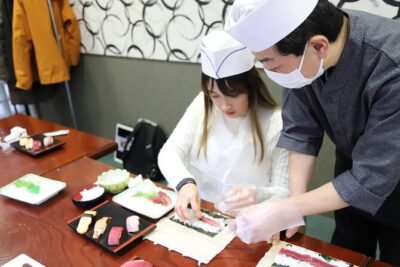
Tsukiji Fish Market Guided Tour and Sushi Making with Pro Chef
Read our review →Tsukiji Fish Market Food and Culture Walking Tour
Read our review →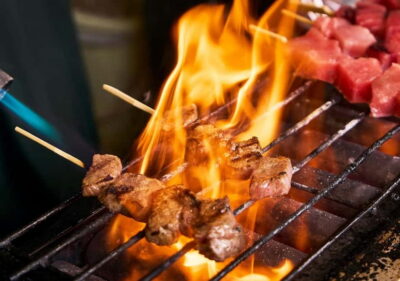
Tsukiji Fish Market: Street Food & Culture Walking Tour
Read our review →
Tsukiji Fish Market Small-Group Food Walking Tour
Read our review →Browse the lists this tour appears in