
Review · MARKET WALKING TOURS
Bengaluru Pete City Market Half-Day Walking Tour
Bengaluru’s KR Market flower hall is the star of this five-hour walk. You move from armfuls of blossoms and sacks of spices to Tipu Sultan’s painted palace, a Hindu temple, a dosa breakfast, and small silk and jewelry workshops. I like that the route links grand sights with ordinary working streets, rather than keeping you in a polished tourist bubble.
I also like the included South Indian brunch and the chance to see craft work in progress. Guides such as Gladys, Ajith, Midhu, Pallavi, and Pooja have been praised for their history, local contacts, and easy manner. The main drawback is simple: the market district is crowded, gritty, and not especially comfortable, while the silk workshop visit can feel brief.
Key points to know before you book
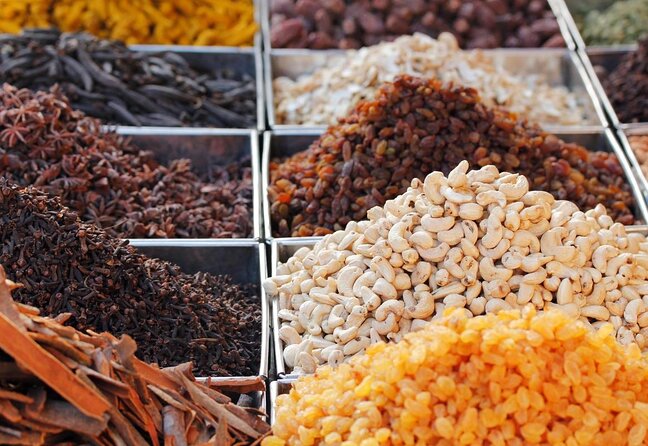
- KR Market is the visual high point: Expect flowers, fruit, spices, vendors, narrow lanes, and plenty of street activity.
- The tour connects old Bengaluru: Tipu Sultan’s Summer Palace, Kote Venkataramana Temple, and Bengaluru Fort all sit within a walkable historic area.
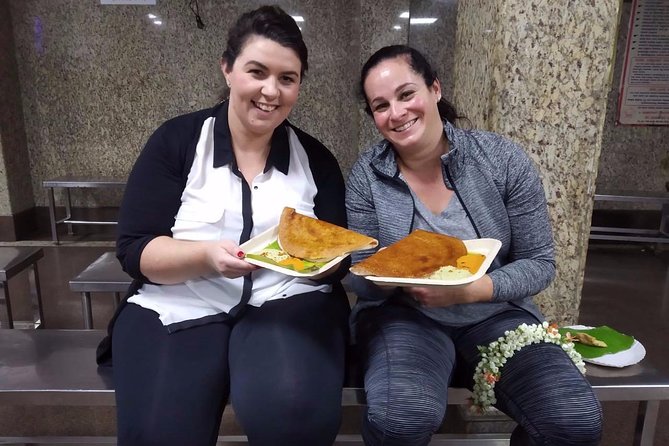
- Breakfast is part of the experience: You’ll stop for dosa, chutney, coffee or tea at a local eatery in Nagarathpete.
- Craft visits add local context: Small silk weaving and jewelry workshops show how traditional work supports the city’s economy.
- It is a real walking tour: The pace has been described as leisurely, but the route passes through crowded market streets and working neighborhoods.
- Dress with respect: Cover your knees and shoulders for the palace and temple visits.
Why this old market district makes a good first look at Bengaluru
Bengaluru is often introduced through its gardens, technology companies, and modern cafés. This tour gives you a different starting point. It focuses on the older Pete area, where trading, worship, food, and small-scale production still shape the day.
I like this approach because the sights make more sense together. Tipu Sultan’s palace introduces royal power and resistance to colonial rule. The temple shows living Hindu practice. The fort adds military history. Then KR Market brings you back to the city as it functions now, with flowers, fruit, spices, and people buying and selling goods.
The experience begins at 8:30 am at Tipu Sultan’s Summer Palace on Tippu Sultan Palace Road in Chamrajpet. It ends at the same meeting point, so you will not need to arrange a second pickup across town. The tour is capped at 16 people, with a maximum of 15 people per booking, which should keep the group small enough for questions and movement through tight lanes.
You pay $60 per person. That is not the cheapest way to see the area, but the price includes a local English-speaking host, brunch, coffee or tea, monument entry fees, and taxes. I see the value in the guiding rather than in transportation, since this is a walking route. You are paying for access to a complicated part of the city and for help making sense of what you see.
More Market Walking Tours in India
- Bangalore: Palace, Temples, Fort & Markets Walking Tour
★ 4.9 · 97 reviews - Bangalore: Walking Tour of Fort, Palaces, and Market
★ 5.0 · 58 reviews - Bangalore Walking Tour KR Flower Market,Fort,Tippu palace
★ 5.0 · 8 reviews
Tipu Sultan’s Summer Palace starts the morning
The first stop takes about an hour and includes admission. The palace is known for its Indo-Islamic design and its connection to Tipu Sultan, one of India’s early rulers to resist British colonial expansion.
The palace visit gives the morning a strong historical base. Your guide can explain Tipu Sultan’s role, the conflicts around his rule, and his interest in sericulture, the raising of silkworms for silk production. That last point is useful because silk appears again later in the workshop visit. The tour is not simply showing you a palace and then sending you to unrelated market stalls. It connects the historical figure with a craft that remains part of Bengaluru’s identity.
Do not expect a vast royal complex. The appeal is in the architecture, the stories, and the quiet contrast with the streets outside. A guide matters here because the building alone cannot tell you much. Guides named in past outings include Gladys, Ajith, Midhu, Pallavi, and Pooja, along with Preetam, Sandra, Abhishek, and Aarti.
The best guides on this route appear to do more than recite dates. They explain the city in plain language and adjust the pace when the group needs it. That matters at the start of the tour, when you are still learning how the different parts of Bengaluru fit together.
Kote Venkataramana Temple brings the route into the present
The next stop is Kote Venkataramana Temple, a 15th-century Hindu temple associated with one of the region’s powerful dynasties. You spend about 30 minutes here, with entry included.
The temple adds a different kind of history. At the palace, the focus is on a ruler and his political world. At the temple, your attention shifts to religious practice, deities, architecture, and ritual traditions. Your host explains the meaning of what you are seeing, which is especially helpful if you are unfamiliar with Hindu temples.
Dress is important. Cover your shoulders and knees, and choose clothing that is respectful and comfortable for walking. The tour information specifically recommends suitable attire for the cultural sites. That is good advice, not a minor formality.
This stop may feel short if you enjoy architecture or want time to observe quietly. Still, its place in the route works well. You see a living place of worship before entering the commercial energy of KR Market.
Bengaluru Fort adds a quick military chapter
Bengaluru Fort receives about 15 minutes. The fort dates from the 18th century and is linked to battles, expansion, and changing control of the city.
This is a brief stop, so treat it as a compact history lesson rather than a full fort tour. Your host points out the walls, bastions, and dungeons, then places them in the story of Bengaluru’s past. The short visit helps keep the walk moving toward the market, but it will not satisfy anyone hoping to spend an hour exploring military architecture.
I appreciate the stop because it breaks up the morning. Palace, temple, fort, and market each show a different side of the old city. In 15 minutes, you get the outline and then move on to the part of the tour where the city becomes most active.
More Market Market Walking Tours in Bangalore:
- Private Walking Tour into the Oldest Local Market in Bengaluru
★ 5.0 · 5 reviews - Bangkok: City Highlights Temple and Market Walking Tour
★ 4.5 · 3,990 reviews - Tokyo Tsukiji Fish Market Food and Culture Walking Tour
★ 5.0 · 3,184 reviews - Marrakech: Ben Youssef, Secret Garden, & Souks Walking Tour
★ 4.6 · 2,802 reviews
KR Market is the morning’s main event
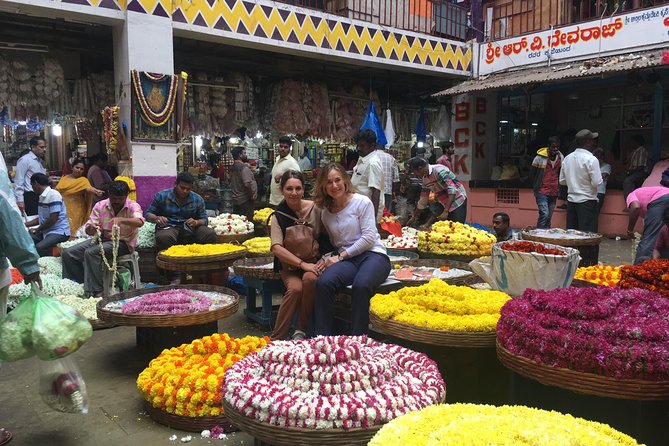
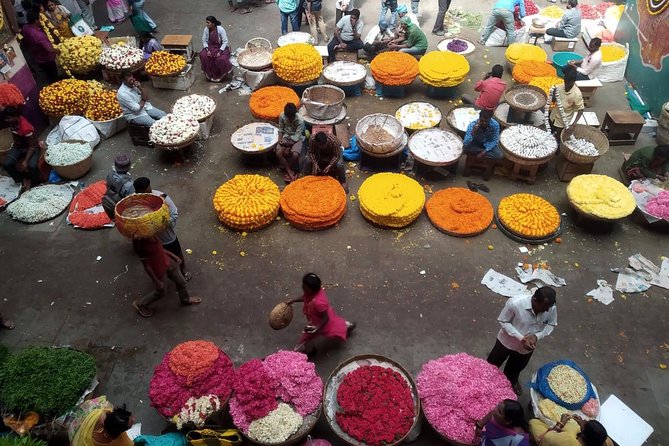
Set aside about an hour for KR Market, one of Asia’s largest flower and spice markets. This is where the tour feels most immediate. You may pass vendors handling bright flowers, fruit sellers, spice merchants, and people moving through the market on daily errands.
The flower section is the clearest highlight. The color, smell, and pace change quickly as you walk through the trading area. This is not a staged market display built for sightseeing. It is a working place, and that means the route can be crowded, noisy, and uneven.
I would keep your belongings secure and stay close to the group. The market is best enjoyed by looking up, watching the trade, and letting your guide explain what is being sold and how the area works. Your host may also take you beyond the most obvious flower stalls into fruit and spice sections, which adds more depth to the visit.
This part of Bengaluru can feel rough around the edges. The eating area later in the morning has been described as sparse, and the market itself is not designed for comfort. That is part of its value, but it is also the reason this tour is not for someone seeking a polished sightseeing route.
The tour works especially well for anyone who wants to see how a city feeds, decorates, and supplies itself. The flowers are memorable, but so are the small details: the sorting, carrying, bargaining, and constant movement of goods.
Dosa and coffee make a useful midmorning pause
After the market, you stop in Nagarathpete for a traditional South Indian breakfast or brunch. The meal includes food and coffee or tea, while alcohol and personal expenses are not included.
Expect a local eatery known for crisp dosas and tangy chutney. Several guides have steered groups toward excellent dosa, and the dish has been a high point for many people on this route. It is a practical meal for a walking tour: filling, quick, and closely tied to the neighborhood.
The setting may be plain. This is a local food stop, not a restaurant chosen for décor. You may find a sparse eating area, so keep your expectations focused on the food and the chance to eat where people in the district actually go.
If you have dietary restrictions, the supplied information does not explain how the meal can be adjusted. You should raise any concerns when booking or with the operator before the morning begins. The tour includes brunch, but it does not promise a particular menu beyond the dosa-focused description.
For me, this stop earns its place because food helps connect the historical sights to daily life. You have just walked through a market where ingredients are traded. Now you taste one of the city’s best-known breakfast foods in the same old commercial district.
Silk weaving and jewelry workshops show working traditions
The final 45-minute stop takes you to small jewelry and silk weaving workshops in Nagarathpete. Here you can watch artisans create designs and handle work that supports Bengaluru’s textile and jewelry economy.
The silk visit is especially meaningful after the palace discussion of Tipu Sultan and sericulture. You may see silk dyeing and weaving in action, though the exact amount of time spent at each workshop can vary. One useful caution is that the workshop portion may feel quick, particularly if you want a long technical explanation or a full demonstration.
Still, even a short visit can show you something that a museum cannot: craft as a job, not just as an old tradition. You get to see small-scale production in a real neighborhood setting. Some outings have also included small souvenirs, though that should not be treated as a guaranteed inclusion.
The jewelry stop adds another layer. Instead of seeing Bengaluru only through monuments, you see the hands and tools behind goods sold in the city. If you are interested in textiles, design, or traditional production, this part may be more valuable to you than the fort.
The guides shape how much you get from the walk
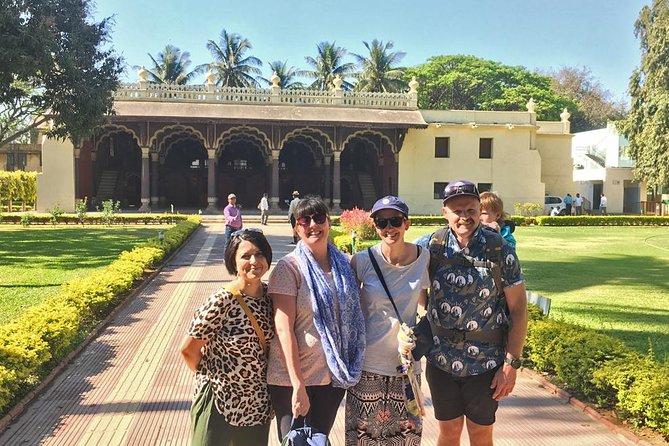
This route depends heavily on the host. The monuments are worthwhile, but the market and workshops need explanation. Without a guide, you could walk through KR Market and miss the social and commercial patterns that make it special.
The guides named in past experiences include Gladys, Ajith, Midhu, Pallavi, Pooja, Preetam, Sandra, Abhishek, and Aarti. The strongest qualities reported across the different outings are clear explanations, warmth, confidence, and the ability to answer questions. Midhu has been especially noted for explaining Bengaluru’s history, culture, and Hindu religion. Gladys has been praised for helping people move through the market and for tailoring a private outing to personal interests.
You should not assume that every group receives the same guide or identical workshop timing. The operator assigns an English-speaking local host, and the route has room for the guide’s personality. That is a benefit when the host is flexible, but it also means the experience can vary slightly from one departure to another.
The maximum group size is 16 people. That is small enough to hear the guide in most places, though market noise can still make it hard to stay with every explanation. If you want a private experience, the supplied information does not promise a private tour, but past departures have included solo participants and flexible adjustments.
Who will enjoy this Bengaluru walking tour
I would recommend this tour if you want a first look at old Bengaluru that combines history, food, religion, commerce, and craft. It suits curious people who are comfortable walking through crowded streets and prefer working neighborhoods to polished attractions.
It is also a good choice for a short stay. Five hours gives you a strong introduction without taking the whole day. The start at 8:30 am leaves time afterward for other plans, and returning to the meeting point makes the end simple.
Families can book for children aged six and older. Most people can take part, but you should be ready for walking, market crowds, and a less formal setting. Wear good walking shoes, dress modestly, and bring your own water. One outing specifically advised carrying water, and that is sensible for a five-hour morning outside cafés and hotel comforts.
I would choose another type of tour if you want air-conditioned transport, long museum visits, extensive shopping time, or detailed hands-on craft instruction. This is a street-level introduction, not a luxury sightseeing experience.
Practical value at $60 per person
The $60 price is fair if you value interpretation and access more than transportation. You receive entry to the palace, temple, and fort, a five-hour guided walk, brunch, coffee or tea, and tax. You do not pay separately for monument tickets, which keeps the morning straightforward.
The value is strongest for first-time visitors who might feel unsure about entering a crowded market or finding a traditional breakfast place. A local host also helps you connect the palace, temple, fort, food, and workshops into one story.
The value is weaker if you already know the Pete district or prefer to explore markets independently. The silk and jewelry visits may also feel short for the price if craft is your main interest. I would book it for the range of experiences, not for any one stop alone.
The tour is usually booked about eight days ahead, so early planning is sensible if your schedule is fixed. Confirmation is immediate unless you book within one day of departure, when it depends on availability. Free cancellation is available until 24 hours before the start time. Poor weather can lead to a new date or a full refund.
Should you book the Pete City Market walk?
Book this tour if you want to see Bengaluru through its older streets, eat a proper dosa, and understand how markets and craft workshops fit into the city. The flower market, local food, and strong guides are the main reasons to go.
Skip it if you dislike crowds, rougher market conditions, or walking without much downtime. Also skip it if you expect a long silk demonstration or a grand palace tour.
For most first visits, I would choose this as an opening morning. It gives you a useful base for exploring Bengaluru on your own afterward, with enough history to add meaning and enough everyday city life to keep the experience grounded.
FAQ
Where does the tour start?
It starts at Tipu Sultan’s Summer Palace, at XH5F+PFR, Tippu Sultan Palace Road, Chamrajpet, Bengaluru, Karnataka 560018, India.
What time does the tour begin?
The start time is 8:30 am.
Where does the tour end?
The activity ends back at the meeting point at Tipu Sultan’s Summer Palace.
How long does the tour last?
The walking experience lasts approximately five hours.
What is included in the price?
The price includes an English-speaking local host, brunch, coffee or tea, all entry fees to the monuments, and all fees and taxes.
Is the meal included?
Yes. Brunch is included, with a South Indian breakfast or brunch stop in Nagarathpete. Coffee or tea is also included.
How large is the group?
The activity allows a maximum of 16 people, and a single booking can include up to 15 people.
What should I wear?
You should wear clothing that covers your knees and shoulders, since the route includes culturally important attractions and a Hindu temple.
Can children join the tour?
The minimum age is six years.
Is public transportation available near the tour?
Yes. The meeting area is near public transportation.
What happens if the weather is poor?
The experience requires good weather. If it is canceled because of poor weather, you will be offered another date or a full refund.
Can I cancel for a full refund?
Yes. You can cancel at least 24 hours before the start time for a full refund. Cancellations or changes made less than 24 hours before the start time are not accepted for a refund.
More Half-Day Trips in Bangalore
- Half-Day Railway Market and Floating Market Tour in Thailand
★ 4.5 · 3,924 reviews - Dubai: Half-Day City Tour with Blue Mosque, Creek, and Souks
★ 4.8 · 3,059 reviews - Dubai Half-Day City Tour with Visit to Dubai Gold Souk
★ 4.0 · 1,741 reviews - Half-Day Chengdu Cooking Class with a Local Market Visit
★ 5.0 · 465 reviews
Just added around Bangalore
- Bangalore: Walk in Historic Ulsoor – Landmarks, Bazaar & Culture★ 5.0 · 9 reviews
- Experience Bangalore Evening City Walk Tour and Market Visit★ 5.0 · 9 reviews
- Shopping and Bazaar Trail in Bangalore★ 4.5 · 5 reviews
- Old Bangalore Historical Walk thro Palace, Temples, Fort & Market★ 5.0 · 60 reviews
- KR Market Photo Walk★ 5.0 · 12 reviews
- Lalbagh+Bull Temple+Tipu Palace+Market+Lunch=Bangalore City Tour★ 5.0 · 9 reviews
- Bangalore Evening Food Street Walk and Market Visit★ 5.0 · 32 reviews
- Private Walking Tour into the Oldest Local Market in Bengaluru★ 5.0 · 5 reviews
Market Walking Tours, compared.
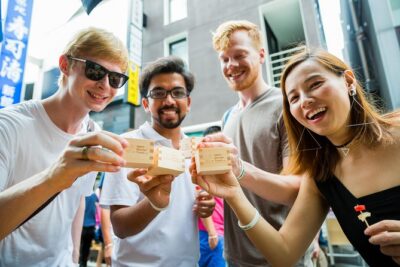
Tokyo Tsukiji Fish Market Food and Culture Walking Tour
Read our review →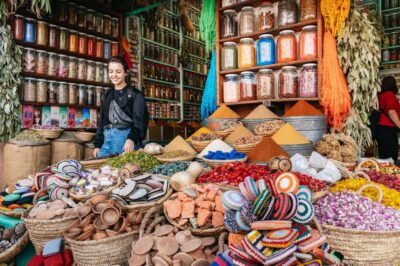

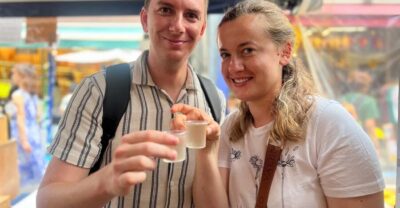
Nishiki Market Brunch Walking Tour (7 Tastings + Brunch)
Read our review →Tsukiji Fish Market Food and Culture Walking Tour
Read our review →
Tsukiji Fish Market: Street Food & Culture Walking Tour
Read our review →
Tsukiji Fish Market Small-Group Food Walking Tour
Read our review →Browse the lists this tour appears in