
Review · MARKET WALKING TOURS
Durban: Local Markets and Culture Guided Walking Tour
Durban’s best local experience may be its least polished: a walk through the city’s working markets, linked by local minibus taxis and led by Johnny, a guide who knows the stallholders by name. I like the honest look at everyday Durban, and I like that the tour ends with Bunny Chow beside the beach rather than in a standard sightseeing restaurant. Expect noise, crowds, strong smells, and about 8,000 steps.
The one drawback is the transport. Minibus taxis are part of the point, but they can feel cramped and confusing, especially in bad weather. If you want a smooth ride in a private vehicle, this is not the right tour. If you are willing to trade comfort for a closer look at local life, it offers unusual value.
What makes this Durban tour different
- Warwick’s markets in one morning: Visit the early morning market, bridge market, Indian markets, African market, Muti market, and Victoria Street Market.
- Johnny’s local connections: His long experience and relationships with stallholders help you feel welcome while browsing and taking photographs.
- A real ride across town: Local minibus combis are included, giving you a practical look at how many Durban residents get around.
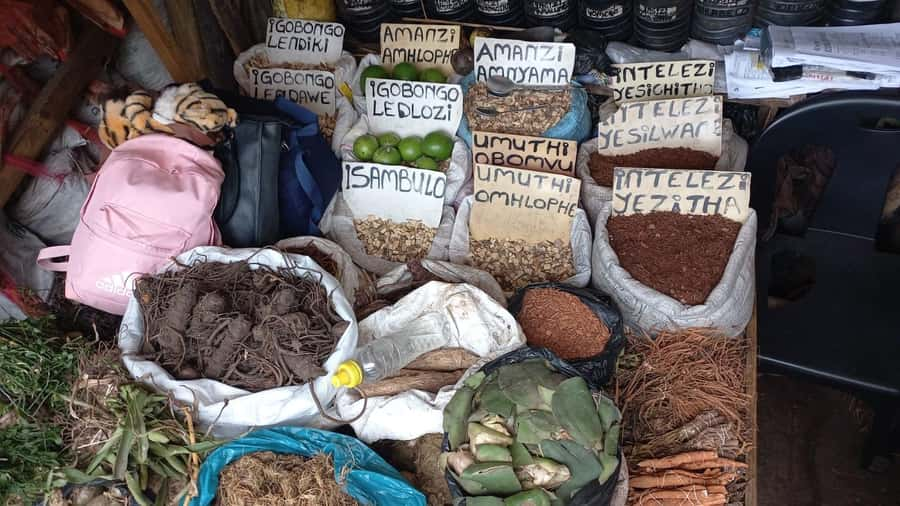
- Traditional medicine stalls: The Muti market offers a frank look at African healing traditions, herbs, oils, powders, and animal products.
- Shopping with useful guidance: Save spice, souvenir, and small gift purchases for the market section, where prices can be much lower than in tourist shops.
- Bunny Chow by North Beach: The tour finishes with Durban’s famous bread-and-curry meal on the beachfront promenade.
Starting near Florida Road with Johnny
You meet at Tekweni Backpackers, at 169 Ninth Avenue in Morningside, just off Florida Road. The guide waits inside the property, and safe parking is available if you arrive by car.
The setting is useful because it places you near the city center without beginning in the middle of the market traffic. After introductions, Johnny gives you an overview of Durban and KwaZulu-Natal. This early context matters. The markets are not simply rows of goods. They reflect Durban’s African, Indian, and colonial past, as well as the economic pressures of present-day city life.
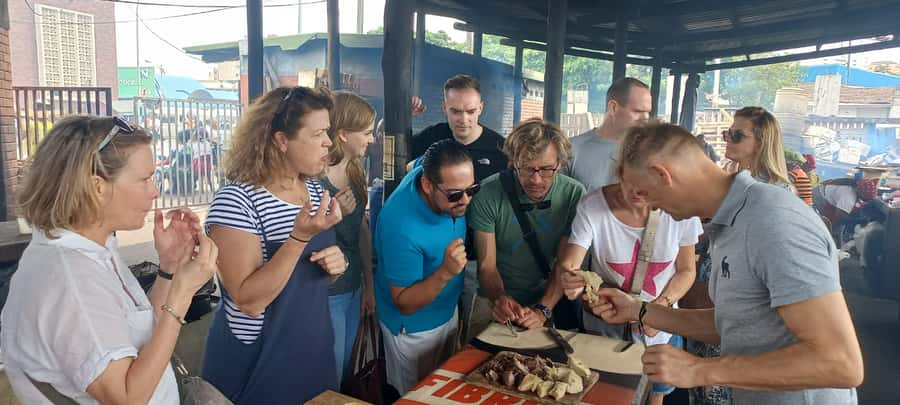
Johnny is the key to the experience. He has guided this type of tour for more than 14 years and is known around the markets. That does not turn the walk into a staged performance. It helps with the practical side of visiting busy commercial areas. You can ask questions, stop at stalls, and look more closely because you are not trying to work out the market’s rules alone.
His style also suits curious people. He explains food, politics, customs, religion, and city history, and he welcomes questions. Expect an active guide rather than a quiet escort.
More Market Market Walking Tours in the world:
- Bangkok: City Highlights Temple and Market Walking Tour
★ 4.5 · 3,990 reviews - Tokyo Tsukiji Fish Market Food and Culture Walking Tour
★ 5.0 · 3,184 reviews - Marrakech: Ben Youssef, Secret Garden, & Souks Walking Tour
★ 4.6 · 2,802 reviews
The viewpoint gives you your bearings
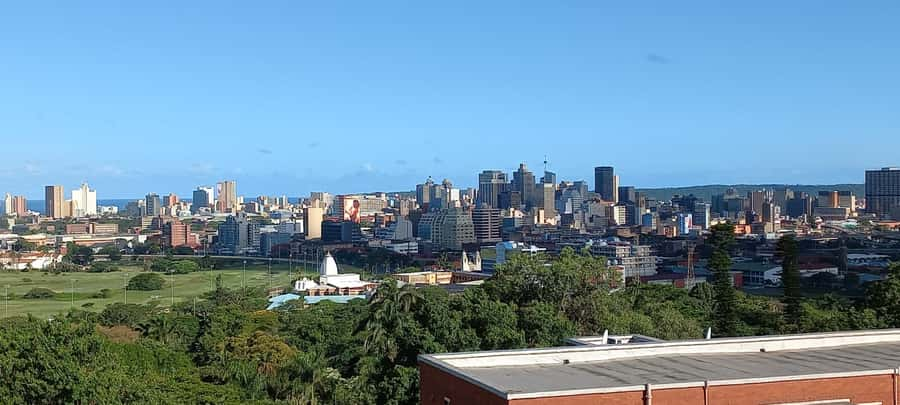
The tour includes a viewpoint and photo stop before the main market walk. The exact viewpoint is not specified, but it offers a look over Durban’s central area.
I like this pause because it gives the rest of the day a sense of place. Once you descend into the markets, you will be surrounded by stalls, people, signs, and sounds. From above, you can see how the market district relates to the wider city and beachfront.
Bring your camera, but also listen. The photo stop is not the main event. It is a short chance to understand Durban’s layout before you begin moving through it on foot and by minibus.
Riding a Durban minibus taxi
The local minibus, often called a combi, carries you between parts of the tour. One ride lasts about 15 minutes, and local transport is included both from the meeting point to the markets and from the market area to the beachfront.
This is one of the tour’s most useful features. Durban’s minibus system can be hard to understand if you are seeing it for the first time. Johnny explains how it works and handles the practical details, letting you pay attention to the city outside the window and the people sharing the ride.
You should know what you are signing up for. This is public transport, not a private shuttle. You may need to wait, sit close to others, or deal with delays. One particularly wet day made the transport less comfortable, and a private taxi would have been easier. Still, swapping the combi for an Uber would remove one of the most local parts of the day.
For many people, the ride becomes a small highlight. It puts you into ordinary city movement instead of keeping you inside a tourist vehicle.
Entering the Markets of Warwick
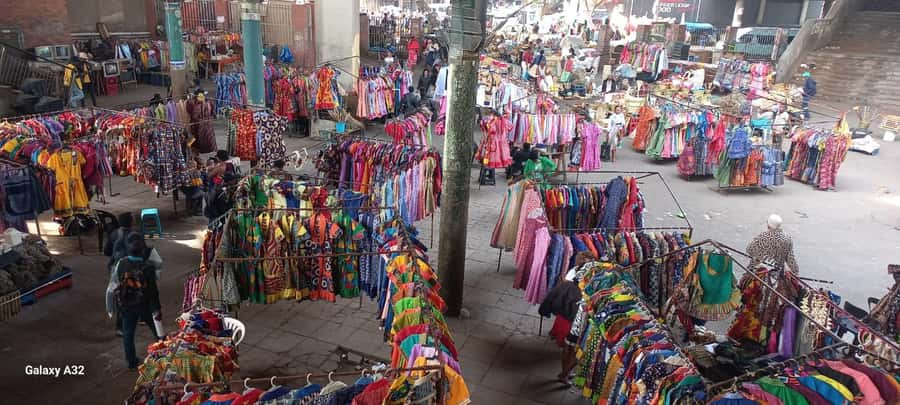
The main market visit takes place around Warwick Junction, an important trading area with several different sections. You move through the early morning market, bridge market, Indian markets, African market, Muti market, and Victoria Street Market.
Do not expect a tidy row of souvenir shops. These are working markets where people buy food, household goods, clothing, spices, remedies, and everyday supplies. The pace can be quick, and the surroundings may feel crowded or chaotic. That is precisely why a local guide helps.
More Guided Market Trips in the world:
- Dubai: Old Town, Souks, Street Food, Guided Tour & Abra Ride
★ 4.9 · 7,170 reviews - Dubai: Frame Tickets, Creek, Souks & Blue Mosque Guided Tour
★ 4.8 · 5,980 reviews - Chef Guided Food Tour of Pike Place Market
★ 5.0 · 3,733 reviews - Marrakech: Colorful Medina Souks Guided Walking Tour
★ 4.7 · 2,470 reviews
Early morning and bridge markets
The early market gives you a direct look at the city’s food trade. You might see produce, prepared foods, and goods being moved for sale. The bridge market adds another layer, with traders working in compact spaces and customers passing through on foot.
This is a good place to watch rather than rush. Notice how much business is done through conversation and recognition. Johnny’s relationships help make the visit feel less like a stranger walking through someone’s workplace.
Ask before taking close-up photographs. The guide can help you judge when a picture is welcome and when it is better to keep your camera down.
Indian and African markets
Durban’s Indian and African trading traditions meet across these market areas. You will find spices, food, clothing, craft items, and small goods, though the exact stalls open on the day can vary.
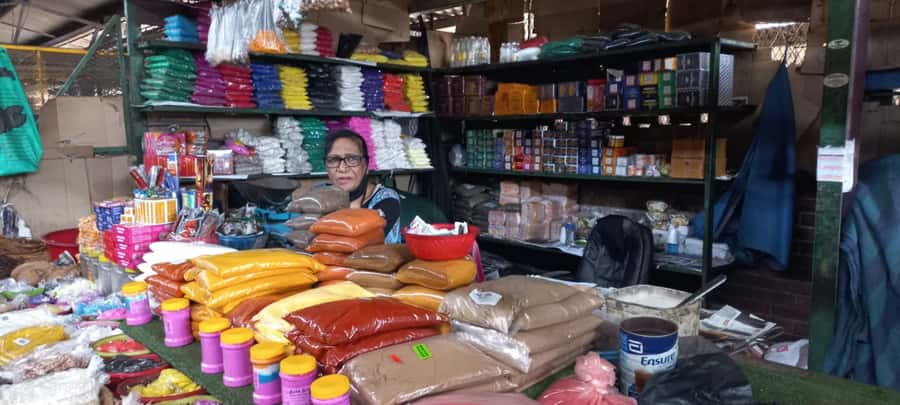
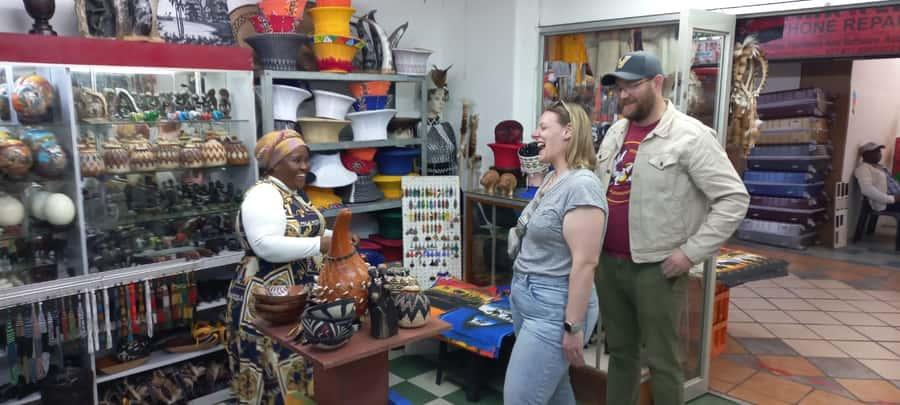
This is where you can shop well. Several parts of the market sell spices and souvenirs at prices that may be far below those in tourist-focused stores. Johnny can point out useful buys and help you understand what you are looking at. Bring cash and a strong shopping bag. It is easy to buy more than you planned once the browsing begins.
The shopping is not just a bonus. It gives you a reason to speak with vendors and notice what local people actually purchase. I would save your Durban spice and trinket shopping for this part of the day rather than buying everything near the beachfront.
The Muti market
The traditional medicine market is likely to be the most unfamiliar stop. Muti refers to African traditional medicine, and stalls may carry herbs, oils, powders, roots, and products connected with animal-based remedies.
Johnny provides the needed context without asking you to accept every claim as medical fact. You can learn how traditional healers view these materials and how such practices fit into local life. This is a place for respectful curiosity, not jokes or casual handling of goods.
Some people will find the animal products confronting. If you are sensitive to that subject, prepare yourself before booking. The point is not to turn the market into a spectacle. It is to show a part of Durban that most visitors would not find alone.
Victoria Street Market and the shopping hour
Victoria Street Market is the most familiar name on the route and may feel easier for first-time market shoppers. It has Indian and African influences, with spices, food, clothing, crafts, and souvenirs.
The attraction here is variety. You can browse at your own pace, compare goods, and ask Johnny which items are worth buying. He has seen the markets change over time and can offer a practical sense of quality and price.
Do not assume every bargain is a bargain. Check what you are buying, ask the price before agreeing, and keep your spending in cash manageable. Personal expenses are not included, so your shopping budget is separate from the tour price.
The market section can expand if the group wants to shop. The advertised duration is 330 minutes, or about five and a half hours, but one group spent closer to eight hours because of extra meals, rain, and extended stops. Plan for four to five hours as the normal expectation, but avoid scheduling a tight connection afterward.
Walking through central Durban

After the market visit, you continue through the city on foot and by local transport. The walking pace is slow, but the day covers about 8,000 steps.
That distance is manageable for most people who are comfortable walking, though it is more than the word walking tour may suggest. Wear proper shoes, light clothing, and sun protection. Durban can be hot, and the markets may feel warmer than the open beachfront.
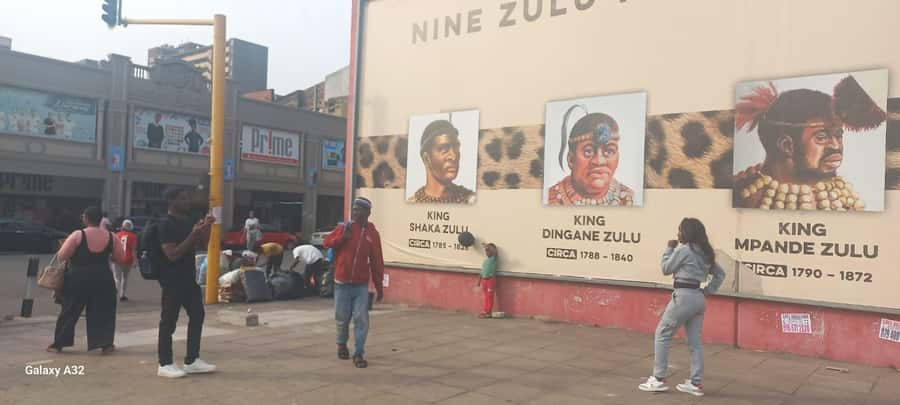
The city walk also gives Johnny room to explain how Durban developed and how different communities shaped it. He discusses local history, politics, food, traditions, and current social conditions. The tone is personal and direct rather than a string of dates.
You will not see every major Durban attraction on this route. The focus is the working city and its people, not a checklist of monuments. Choose this tour for local context, not for a formal architecture tour.
Bunny Chow at North Beach
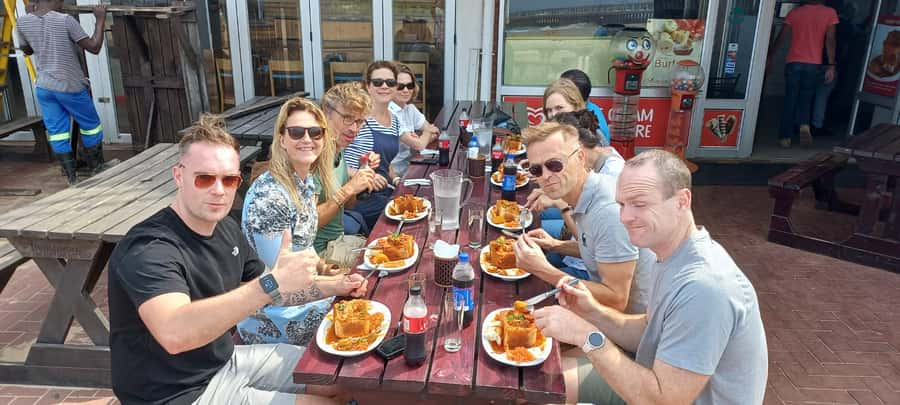
The final stop is lunch on the beachfront promenade near North Beach. The included meal is Bunny Chow, a Durban specialty made by filling part of a hollowed-out loaf of bread with curry and meat.
It is filling, informal, and closely tied to the city’s food culture. The meal gives the tour a satisfying finish after several hours of walking and market activity. It also shifts the setting from crowded trading streets to the open seafront.
Drinks are not included, so bring extra money for a beverage. If you are unsure about spicy food, ask about the meal before it arrives. Bunny Chow is the main food experience promised by the tour, and the format may be unfamiliar if you have never eaten curry from a loaf of bread.
The tour ends at North Beach rather than returning you to the original meeting point. That is handy if you plan to continue along the promenade, but you need to arrange your own way back to your hotel or starting area.
What $68 gets you
At $68 per person, the price is reasonable if you value access and explanation more than transport comfort. The fee includes Johnny’s guiding, the walking tour, both minibus journeys, and lunch.
You are paying for more than a market entrance. There are no separate entry fees listed, but the real value is Johnny’s local access and the time saved figuring out the market district yourself. His relationships also help you feel more at ease when browsing in places that can be intimidating on your own.
The price does not cover personal purchases or drinks. Set aside extra cash for spices, crafts, gifts, and anything you want with lunch.
A private taxi would cost more and would give you a simpler ride, but it would remove the local transport experience. If comfort is your priority, the comparison may favor a private tour. If your priority is seeing ordinary Durban life, the included transport and market access make the cost fair.
Who should book this experience
I would recommend it to first-time visitors who want more than the standard beachfront and hotel district. It suits people who ask questions, enjoy food and shopping, and are comfortable with changing surroundings.
It is also a good choice for solo visitors. Johnny’s local relationships and attentive guiding can make the market visit feel less uncertain, especially for someone traveling alone.
You should be reasonably mobile. The tour is not suitable for wheelchair users, and the long walk, uneven market conditions, stairs, and minibus rides may be tiring for anyone with limited mobility. The stated age restriction excludes people over 95.
Families with older children may enjoy the food and market discoveries, but parents should consider whether young children will cope with heat, crowds, smells, and a long day on foot. There is no promise of a child-specific route.
Practical advice before you go
Wear comfortable walking shoes and clothes that suit warm weather. Pack water, sunglasses, a sun hat, and sunscreen.
Bring cash for shopping and drinks. Keep your money secure and carry a bag that closes well. A larger reusable bag is useful if you plan to buy spices or several souvenirs.
Leave room in your schedule. The official duration is 330 minutes, but the day can run longer when the group wants extra shopping, another meal, or more conversation. Rain can also slow the transport and walking sections.
Most of all, arrive ready to observe respectfully. The markets are workplaces and community spaces, not a staged show. Ask before taking photographs, listen to explanations, and allow yourself time to notice how people trade, travel, eat, and care for one another.
Should you book Johnny’s market tour?
Book it if you want to see Durban through local markets, learn how the combis work, and finish with Bunny Chow by the sea. Johnny’s enthusiasm, local connections, and long experience are the main reasons this tour earns its strong 4.9 rating from 89 reviews.
Skip it if you need private transport, a short gentle walk, or a polished sightseeing route. The Muti market and crowded trading areas can challenge your comfort zone, and the day may last longer than expected.
For an open-minded visitor, this is one of the better ways to spend a day in Durban. Bring sensible shoes, cash, an appetite, and curiosity. You will come away with more than souvenirs.
FAQ
Where does the Durban markets tour begin?
It begins at Tekweni Backpackers, 169 Ninth Avenue in Morningside, just off Florida Road. The guide waits inside the property.
Where does the tour finish?
The tour finishes at North Beach on the beachfront promenade after lunch.
How long does the tour last?
The stated duration is 330 minutes. The normal tour is described as about 4 to 5 hours, though it can run longer depending on weather, shopping, and group interests.
Is public transport included?
Yes. Local minibus combi transport from the meeting point to the markets and from the markets to the beachfront is included.
What markets will I visit?
The route includes the early morning market, bridge market, Indian markets, African market, Muti traditional medicine market, and Victoria Street Market.
Is lunch included?
Yes. Lunch is Bunny Chow, a traditional meal of bread filled with meat and curry. Beverages are not included.
What should I bring?
Bring comfortable shoes, sunglasses, a sun hat, sunscreen, water, comfortable clothing, and cash.
How much walking is involved?
The tour covers about 8,000 steps at a slow pace. You should be comfortable walking for several hours.
Is the tour suitable for wheelchair users?
No. The experience is not suitable for wheelchair users. It also is not suitable for people over 95 years old.
Just added around the world
- 3-Hour Herbal Wholesale TCM Market and a Local Wet Market Tour★ 5.0 · 4 reviews
- Half-day Dandan Noodles Cooking Class with a Local Market Visit★ 5.0 · 8 reviews
- Chania Old Town, Public Market and Chrisopigi Monastery Tour★ 4.5 · 6 reviews
- Charleston International Sweet Treats & Historic City Market Tour★ 5.0 · 22 reviews
- Chania: Old Town, Public Market, Hill of Prophet Elias, Agia Triada★ 5.0 · 35 reviews
- Food Tasting & Market Shopping: Private Guided Tour in PORT LOUIS★ 4.5 · 9 reviews
- Moroccan Cooking Class with a Local Family & Market Visit★ 5.0 · 16 reviews
- Private Market Tour & Cooking Class in Casablanca with Transfers★ 5.0 · 20 reviews
Market Walking Tours, compared.

Tokyo Tsukiji Fish Market Food and Culture Walking Tour
Read our review →


Nishiki Market Brunch Walking Tour (7 Tastings + Brunch)
Read our review →Tsukiji Fish Market Food and Culture Walking Tour
Read our review →
Tsukiji Fish Market: Street Food & Culture Walking Tour
Read our review →
Tsukiji Fish Market Small-Group Food Walking Tour
Read our review →Browse the lists this tour appears in