
Review · COFFEE & TEA MARKET TOURS
Three-Hour Private Chengdu Tea Wholesale Market Tour
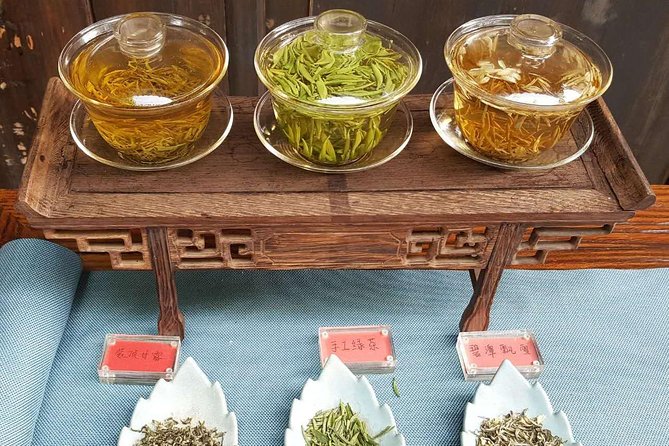
Chengdu’s tea wholesale market is less about sightseeing from a distance and more about seeing tea as a working trade. You’ll walk among thousands of tea shops, watch how leaves are dried and packaged, and sit down to taste before buying. The sheer scale is the main attraction.
I like two things here: you get practical tea guidance, not just a quick look at shelves, and you can shop at wholesale-market prices without being pushed into a purchase. The possible drawback is simple: if you do not care about tea, two hours among tea shops may feel repetitive, and the market’s wholesale focus may be more useful to shoppers than casual sightseers.
Key points at a glance
- Thousands of tea shops: This is a large working market, not a single boutique with a few display tins.
- Five major tea types: Learn to distinguish green, oolong, black, white, and Pu-er tea.
- Taste before you buy: Sit down, try tea, and make a more informed choice.
- Processing insight: See how tea is dried, packaged, and handled in the shops.
- Tea gear at low prices: Tea sets and accessories are part of the shopping appeal.
- Private guide service: Your group visits with an English-speaking leader and returns to the meeting point.
Entering Chengdu’s large tea market
The experience begins at Wenshu Yuan Monastery, at 66 Wen Shu Yuan Jie in Qingyang District. This is both the meeting point and the return point, so you do not have to work out a second pickup location at the end.
From there, your English-speaking guide takes you into one of China’s largest tea wholesale markets. The important word is wholesale. You are not entering a polished museum or a single tea house built mainly for tourists. You are entering a broad collection of tea shops where leaves, packaging, tea equipment, and accessories are sold as part of a working business.
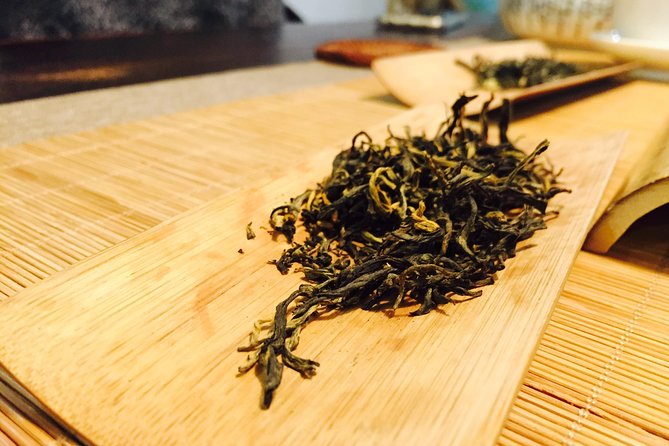
That setting gives the visit its character. You can compare shop displays, notice the different shapes and sizes of tea leaves, and see how much variety sits behind the simple word tea. For anyone who drinks tea regularly, this is a chance to connect familiar flavors with the raw product and the way it is prepared for sale.
The market is also a useful stop for first-time buyers. Tea labels and names can be confusing, especially when several kinds look similar at first glance. Having an English-speaking guide with you gives the visit structure and lets you ask questions as you go, instead of wandering through shop after shop without knowing what you are looking at.
More Private Market Tours in China
- Private Guangzhou Food Tour Michelin Restaurant&Local Food Market
★ 5.0 · 32 reviews - Old Guangzhou Backstreet Alley Local Market Walking Private Tour
★ 5.0 · 18 reviews - Private Beijing Markets Tour with Tea Tasting at Hongqiao Pearl Market
★ 5.0 · 18 reviews
Learning how green, oolong, black, white, and Pu-er tea differ
The central lesson covers five tea categories: green, oolong, black, white, and Pu-er. You will learn how to tell them apart and hear about the effects and functions commonly associated with drinking each type.
That explanation matters because tea shopping can quickly become a guessing game. Color alone does not tell you everything. The shape of the leaves, the processing method, and the way the tea is packaged all affect what you are buying. The tour gives you a basic framework for making sense of those differences.
You should expect a practical introduction rather than a formal tea certification course. The available time is about two to three hours, with roughly two hours focused on the market visit itself. That is enough time to build a useful foundation, ask questions, and sample tea, but not enough for an exhaustive study of Chinese tea production.
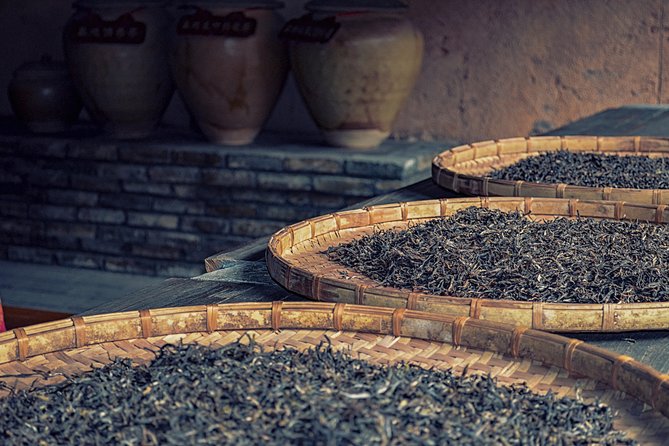
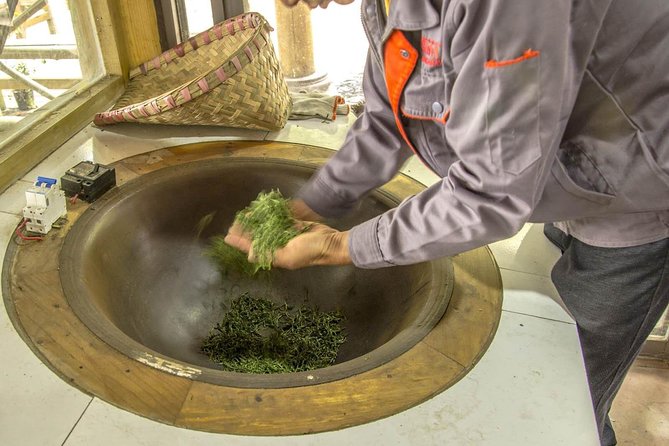
The focus on processing is one of the more interesting parts. You can learn how tea shops dry, process, and package leaves of different shapes and sizes. Seeing those steps in a market setting makes the lesson easier to remember than a list of definitions. You are looking at actual tea products as they move from leaf to something ready for sale.
Sitting down to taste before purchasing
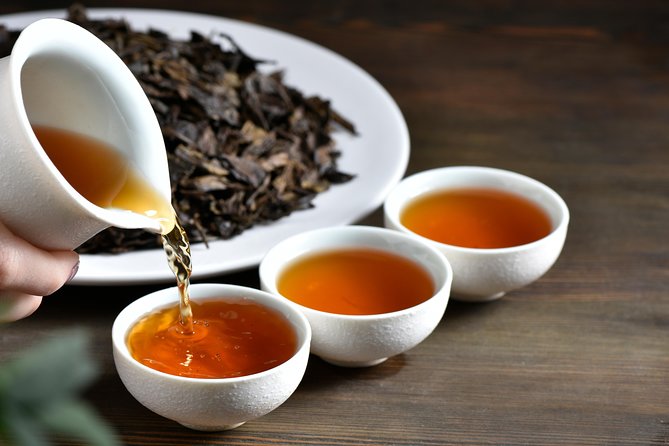
The shopping element works best when you treat it as a tasting session first and a buying trip second. If you find tea that interests you, you can sit down and sample it before making a deal.
That is a useful safeguard. Tea can look impressive in a large display and still not suit your taste. Sampling lets you compare options and decide what you actually like. It also gives your guide a chance to explain what you are drinking and how it fits into the larger tea categories.
I would not arrive with the idea that the cheapest tea is automatically the best buy. Wholesale markets can offer good value, but quality and personal taste still matter. Use the guide’s explanations, ask to taste before committing, and buy only what you genuinely want to carry home.
The tour’s private format helps here. Only your own group takes part, so you can spend more time on tea types that interest you and less time on subjects you already understand. A private visit can also make the tasting process feel more relaxed than joining a large group with a fixed script.
One guide associated with the experience is Jerry, who has led visitors through the market in English. If Jerry is assigned to your booking, you can expect the tour to center on learning how tea is graded, selected, and purchased rather than simply being shown around the stalls.
Tea sets and accessories at market prices
The market is not only about loose tea. It is also described as a good and inexpensive place to buy tea sets and accessories.
That makes the visit useful even if your tea cabinet is already full. You might find serving pieces, brewing equipment, or small gifts connected with Chinese tea culture. The wholesale setting can help you compare prices across several shops rather than buying the first attractive item you see.
Still, keep your purchase realistic. The tour lasts only a few hours, and the main point is to explore the market and learn how tea is sold. You do not need to leave with a large supply. A small amount of tea or one useful accessory may be a better choice than filling your luggage with products you have not had time to assess.
If you are buying tea as a gift, tasting is especially helpful. Preferences vary widely, and a tea that seems appealing in its dry form may taste quite different once prepared. The guide can help you understand the differences, but the final choice should be based on what you enjoy drinking.
More Coffee and Tea Market Tours in China:
- Active Volcano, Rice Field, Hot Spring, Fruit market, Tea Plantation with Lunch
★ 5.0 · 513 reviews - Da Nang Cooking Class with Coffee Tasting and Market Visit
★ 5.0 · 310 reviews - Kyoto: Nishiki Market Tea Ceremony with Koto Performance
★ 4.8 · 294 reviews - Hungry in Vienna? A Food Lover’s Coffee & Market Walk
★ 4.9 · 276 reviews
What the private format changes
This is a private activity, so only your group participates. That is a real advantage in a market where questions can come quickly and displays may be confusing.
You can ask for a clearer explanation of tea processing, spend more time tasting, or focus on tea sets instead of loose leaves. A private guide is also useful if members of your group have different levels of interest. One person can ask about Pu-er tea while another compares accessories, without the whole group needing to follow a rigid pace.
Pickup is offered, and the meeting information places the start at Wenshu Yuan Monastery. The experience ends back at that same meeting point. The tour is also near public transportation, which gives you a practical way to continue sightseeing afterward.
Because the advertised duration is two to three hours, it fits neatly into a Chengdu day. You could combine it with other plans around the monastery or schedule it during a free morning or afternoon. Just leave enough breathing room for the market visit, especially if you intend to taste and shop rather than rush through.
Is 46.16 dollars a fair price?
The listed price is $46.16 per person. For a private experience lasting roughly two to three hours, that price is most defensible if you want help understanding tea and making purchases.
You are paying for more than entry to a market, since admission to the market itself is free. The value comes from the English-speaking guide, private format, transportation assistance from the meeting point, explanations of tea types, and help during tastings and shopping.
If you only want to walk through the market and take a quick look, the price may feel high because you could visit the market without an admission charge. But that approach leaves you to handle the size of the market, the tea categories, and the buying process on your own. For a visitor who wants context and guidance, the fee is more reasonable.
Group discounts are available, which can improve the value if you are traveling with several people. The activity is commonly booked about 10 days ahead, so planning early is sensible if your Chengdu dates are fixed. You receive confirmation when booking, and free cancellation is available up to 24 hours before the start time. Canceling or changing the booking inside that window does not qualify for a refund.
Who will get the most from this visit?
I would recommend this experience to you if you fit one of these profiles:
- You drink tea and want to understand what you are buying.
- You hope to bring home tea, brewing pieces, or small gifts.
- You prefer a private guide who can answer questions at your pace.
- You want a local market experience rather than a formal cultural show.
- You have limited time but still want more than a quick shopping stop.
It is less suitable if you dislike shopping or have no interest in tasting tea. The market is large, and its appeal comes from comparing products, asking questions, and noticing the range of tea businesses. If that sounds like work rather than fun, you may be happier visiting a more focused Chengdu attraction.
The same is true if you expect a long historical lecture or a highly staged tea ceremony. The information provided points to processing, tasting, buying, and understanding tea categories. That is the heart of the activity.
Practical advice for a smoother market visit
Wear comfortable shoes. The visit is centered on walking through a large market, and the experience can last up to three hours.
Bring a little room in your luggage if you plan to buy tea sets or accessories. You do not need to purchase anything, but the market makes shopping part of the natural flow.
Think about what you want to learn before you arrive. You might ask about the difference between green and oolong tea, how Pu-er tea is handled, or which tea suits your usual taste. Specific questions will help you make better use of the guide’s time.
If you are sensitive to strong tea, take the tasting slowly. You can sample before buying, but there is no need to try everything offered. A measured approach will leave you with a clearer sense of what you actually prefer.
The experience is open to most participants, and mobile tickets are supported. Since the activity begins and ends at Wenshu Yuan Monastery, check that meeting point carefully before setting out.
Should you book the Chengdu tea market tour?
Book it if you want to understand tea while shopping, not simply browse shelves. The combination of a private English-speaking guide, tastings, processing explanations, and access to tea sets gives the visit a clear purpose.
I especially like it for tea drinkers who want to avoid blind buying. You can learn the basic categories, see how tea is prepared for sale, and taste before paying. Jerry has led this experience, and the guide’s role appears central to making a very large market manageable.
Skip it if tea is not part of your interests or if you want a fast, self-guided stop. The market itself is free to enter, so the $46.16 price makes sense mainly when you value the instruction and private help. For the right visitor, this is a practical Chengdu outing with something useful to take home, whether that is a new tea preference, a small tea set, or a better understanding of what sits in the cup.
FAQ
Where does the Chengdu tea market tour begin?
The tour begins at Wenshu Yuan Monastery, located at 66 Wen Shu Yuan Jie in Chengdu’s Qingyang District.
Where does the activity end?
The activity ends back at the meeting point at Wenshu Yuan Monastery.
How long does the tea market visit last?
The experience lasts approximately two to three hours, with the market portion listed at about two hours.
Is the tour private?
Yes. Only your group participates in this private activity.
Is an English-speaking guide included?
Yes. An English-speaking leader meets you at the centrally located meeting point and takes you into the tea market.
Can I taste tea before buying it?
Yes. If you want to purchase tea, you can sit down and taste options before making a deal.
Can I cancel for a full refund?
Yes. You can cancel at least 24 hours before the experience start time for a full refund. Cancellations or changes made less than 24 hours before the start time are not accepted for a refund.
More Three-Hour Tours in China
- 3-Hour Herbal Wholesale TCM Market and a Local Wet Market Tour
★ 5.0 · 4 reviews - 3-Hour Private Shopping Tour at Panjiayuan Market from Beijing
★ 5.0 · 2 reviews - Marrakech Monuments & Souks 3-Hour Tour
★ 3.8 · 1,540 reviews - Discover Palermo in 3 hours. Art, history, markets and street food
★ 5.0 · 352 reviews
Just added around China
- Half-Day Walking Tour with a Vegetarian Lunch at a Nunnery★ 5.0 · 6 reviews
- Half-Day Private Hot-Pot Cooking Class with a Local Market Visit★ 5.0 · 3 reviews
- 3-Hour Herbal Wholesale TCM Market and a Local Wet Market Tour★ 5.0 · 4 reviews
- Half-day Dandan Noodles Cooking Class with a Local Market Visit★ 5.0 · 8 reviews
- Small Group Beijing Temple of heaven and Summer Palace with Pearl market★ 5.0 · 3 reviews
- Private Distinctive Market Tour with Shaomai Lunch and Full Massage in Beijing★ 5.0 · 2 reviews
- Private Tour to Pearl Market Acrobatic Show & Peking Duck Dinner★ 5.0 · 5 reviews
- Half Day Tour:Market Shopping Acrobatic Show & Peking Duck dinner★ 5.0 · 2 reviews
Coffee & Tea Market Tours, compared.

Active Volcano, Rice Field, Hot Spring, Fruit market, Tea Plantation with Lunch
Read our review →
Da Nang Cooking Class with Coffee Tasting and Market Visit
Read our review →
Nishiki Market Tea Ceremony with Koto Performance
Read our review →
Hungry in Vienna? A Food Lover’s Coffee & Market Walk
Read our review →
Delicious Doughnuts & Tea: Small-Group Borough Market Experience
Read our review →
From rick’s coffee to local markets authentic casablanca
Read our review →
Vienna Eats: Private Foodie Walk with Coffee & Markets
Read our review →
Ethiopian Culinary Tour – Market, Food, Coffee Ceremony & more
Read our review →Browse the lists this tour appears in