
Review · COFFEE & TEA MARKET TOURS
Ethiopian Culinary Tour – Market, Food, Coffee Ceremony & more
The most memorable part of this Addis Ababa food tour is that it treats food as a doorway into daily life. You move from produce stalls and spice shops to an injera-making session, an old coffeehouse, a historic hotel, and a rural coffee ceremony. It is a lot to pack into one day, but the route gives you a useful first look at how the city eats, shops, works, and welcomes visitors.
I like the hands-on injera lesson, especially because you eat the bread you help make. I also like the mix of city and countryside: chaotic Merkato and Piassa give way to the cooler mountain setting of Sululta, where coffee is roasted in front of you and tej, Ethiopia’s honey wine, is poured.
The main consideration is pace. Markets can be crowded, traffic can stretch the day, and the experience may feel less polished than a standard sightseeing tour. The group can reach 30 people, although several guides, including Zerefa, have been praised for adjusting the day to suit individual interests.
Key points to know before booking
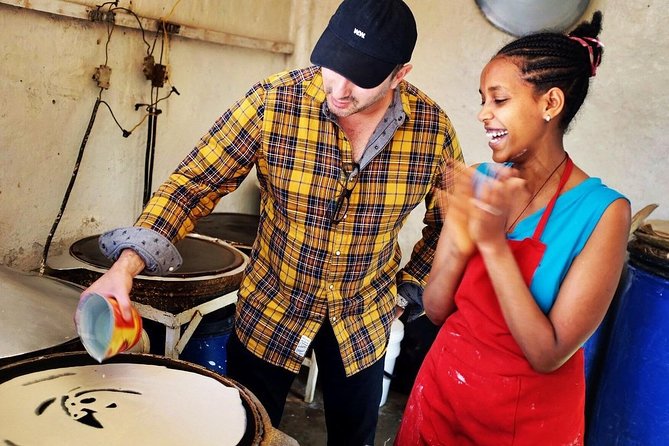
- Make your own injera: Learn the basic process from local women, then eat the bread you prepared.
- Walk through Merkato: Explore the spice area of Africa’s largest open-air market with a guide who can help with navigation and shopping.
- Taste coffee at Tomoca: Stop at one of Addis Ababa’s oldest coffee names for a brewed cup or macchiato and buy beans to take home.
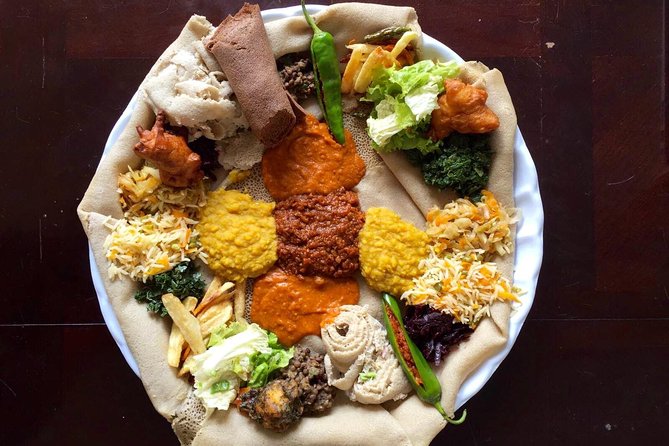
- Eat at Taitu Hotel: Lunch is served at Ethiopia’s oldest hotel, with assorted dishes arranged buffet-style.
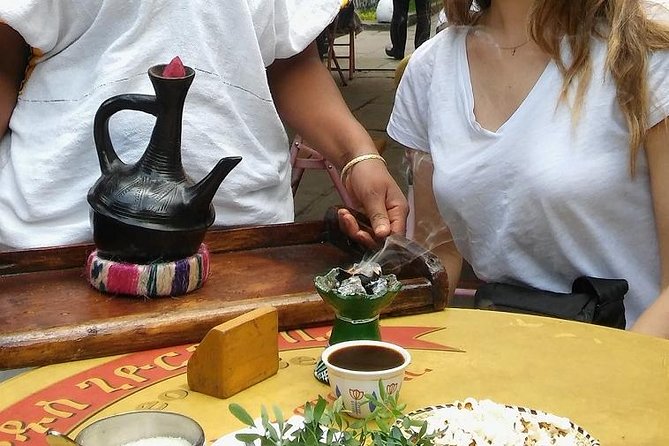
- Finish in Sululta: Watch a full coffee ceremony, from washing and roasting the beans to drinking the finished coffee, then taste honey wine.
- Value comes from the variety: At $85 per person, the price covers transport, guide services, lunch, drinks, and several cultural stops.
A food tour that explains Addis Ababa one bite at a time
This is not simply a restaurant crawl. Addis Ababa’s cooking depends on ingredients, trade, family methods, hospitality, and time. The tour connects those pieces in a logical way.
You begin with the raw materials at Atkilt Tera and Merkato. You then see how injera is made, eat Ethiopian dishes at Taitu Hotel, and finish with coffee and honey wine. That sequence gives you more context than a meal alone. You see where food comes from, how one staple is prepared, and how drinks shape social life.
The experience usually lasts about five to six hours, with pickup from a hotel, house, or airport location in Addis Ababa. A car, driver, fuel, English-speaking guide, and local guides are included. That matters here. Addis traffic can be slow, and Merkato is difficult to understand on your own during a short visit.
The tour is often led by guides such as Zerefa, Samuel, Emmanuel, Abiy, Desale, or Seya. The strongest guide feedback centers on clear English, good city knowledge, and flexibility. If you have already visited Tomoca or eaten at Taitu Hotel, tell your guide at the start. Zerefa, in particular, has adjusted the route for returning visitors and substituted other sights, including an art gallery.
More Coffee and Tea Market Tours in the world:
- Active Volcano, Rice Field, Hot Spring, Fruit market, Tea Plantation with Lunch
★ 5.0 · 513 reviews - Da Nang Cooking Class with Coffee Tasting and Market Visit
★ 5.0 · 310 reviews - Kyoto: Nishiki Market Tea Ceremony with Koto Performance
★ 4.8 · 294 reviews
Atkilt Tera and Merkato: start with the ingredients
The day begins at Atkilt Tera, Addis Ababa’s large fruit and vegetable market. The name is associated with vegetables, and this is where you get a practical look at the produce behind Ethiopian meals.
Expect color, movement, strong smells, and plenty to photograph. The point is not simply to admire the stalls. Your guide can explain what you are seeing and connect the produce to the food served later.
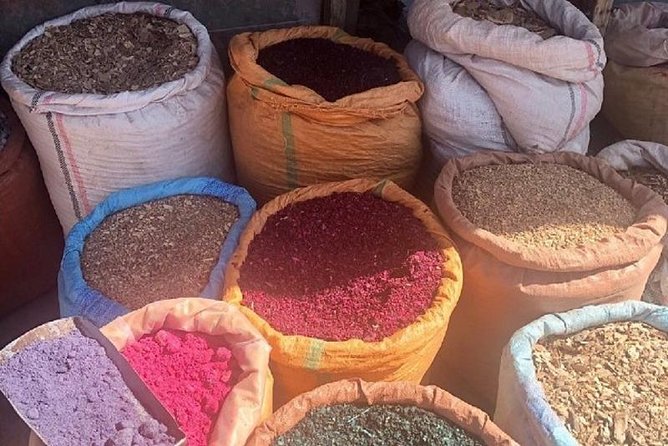
From there, you continue to Merkato, the city’s largest open-air market and one of the tour’s most useful stops. The spice section is especially important. Ethiopia’s food is not just about heat. Blends of spices, herbs, and seasonings give stews and sauces their character, and the market lets you see those ingredients before they reach the plate.
Merkato can be crowded and confusing. That is a real reason to take this tour rather than attempt the visit alone, especially if you want to shop. Desale has helped a participant choose souvenirs at a fair price, but you should still ask about costs before buying and keep your belongings secure in crowded areas.
The market walk lasts about an hour. It is not a quiet, carefully staged food display. It is a working market, and that is part of its value. You may find the experience noisy or intense, particularly if you prefer tidy attractions and fixed schedules. If you want to see the everyday commercial side of Addis Ababa, though, this is one of the strongest parts of the day.
Making injera with local cooks
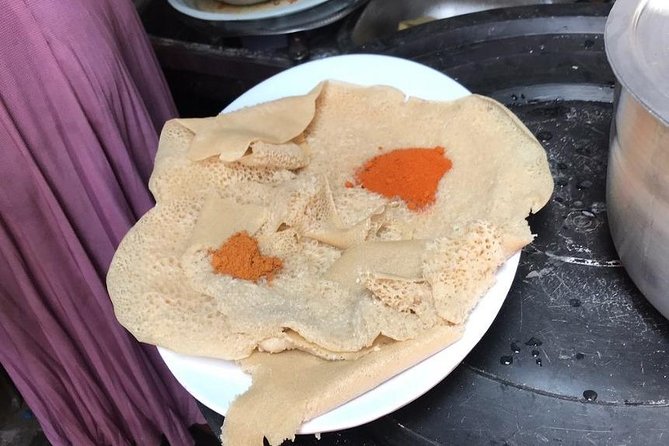
After the market, you meet women who demonstrate how injera is made. Injera is the soft, fermented flatbread used with many Ethiopian meals. It is both food and utensil, since diners commonly use pieces of it to scoop up stews and vegetables.
The activity is hands-on. You get to try preparing the batter or handling the bread-making process, depending on the setup that day. Do not expect your first attempt to look perfect. One participant described the attempt as hilariously bad, while still calling the activity enjoyable. That is the right attitude.
The best part is eating what you make. A cooking lesson can feel detached when you watch someone else do all the work. Here, even a clumsy result becomes part of lunch and gives you a better sense of the skill involved.
This is also where the tour feels most personal. You are not only hearing about Ethiopian food from a guide. You are meeting people who make a daily staple and seeing a technique that many home cooks know well.
One limitation is that the tour concentrates on injera rather than showing you how to prepare the stews and sauces served with it. A request for a demonstration of Ethiopian spice use and main dishes would be reasonable, but it is not part of the stated program. If cooking is your main goal, keep your expectations focused on injera.
Tomoca Coffee and lunch at Taitu Hotel
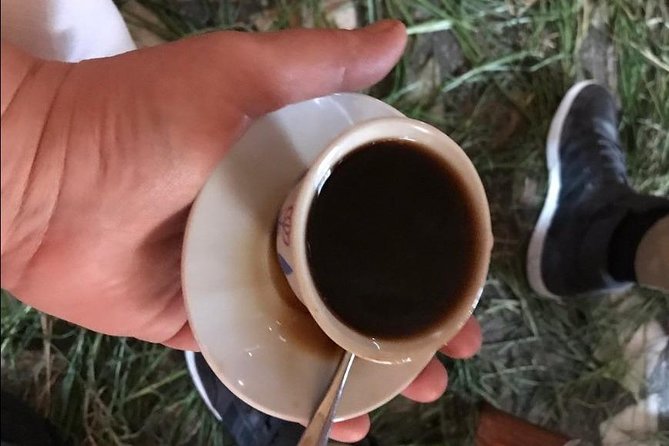
The route includes Tomoca Coffee, an old Addis Ababa coffee institution with more than half a century of coffee-making experience. You can order a cup of coffee or a macchiato, then buy roasted or ground coffee as a souvenir.
This stop works well because it shows a different side of Ethiopian coffee culture. Later, in Sululta, you watch a traditional ceremony. At Tomoca, you experience coffee in an established city café. The contrast helps you understand that Ethiopian coffee is both a daily drink and a formal social ritual.
The stop lasts about 30 minutes. That is enough for a taste and a purchase, but not a long café break. If you are particular about coffee souvenirs, ask whether you want whole roasted beans or ground coffee before buying.
Lunch takes place at Taitu Hotel in Piassa, described as Ethiopia’s oldest hotel. The meal is served buffet-style, with assorted Ethiopian dishes. Lunch, a bottle of water, and hot drinks are included.
Eating at Taitu adds a sense of place that a modern restaurant would not provide. You are having a proper meal in a historic setting, after seeing the ingredients and making injera yourself. Portions have been described as generous, and the variety gives you a chance to sample several flavors rather than committing to one dish.
The meal may not suit every eater. Ethiopian food often includes spice, legumes, vegetables, and meat dishes, and the exact buffet selection can vary. If you have dietary restrictions, ask the operator before booking because the supplied details do not promise a specific vegetarian, vegan, or allergy-friendly menu.
More Food and Drink Trips in the world:
- Dubai: Old Town, Creek, Museums, Souks, & Street Food Tour
★ 4.8 · 10,816 reviews - Dubai: Old Town, Souks, Street Food, Guided Tour & Abra Ride
★ 4.9 · 7,170 reviews - Bangkok by Night: Temples, Markets and Food Tuk-Tuk Tour
★ 5.0 · 3,752 reviews - Chef Guided Food Tour of Pike Place Market
★ 5.0 · 3,733 reviews
Piassa and the shift from city to mountain
After lunch, the tour includes sightseeing around Piassa before heading outside the city toward Sululta. Piassa gives the day another urban layer. You have seen the trading activity of Merkato, and now you see one of Addis Ababa’s older central districts around a historic hotel and established cafés.
The drive to Sululta is part of the experience rather than dead time. The city gradually gives way to a mountain setting, with cooler air and open views. One participant singled out the mountain views as a highlight, and the change of scene helps break up a long day of markets and traffic.
The route can take longer if Addis Ababa traffic is heavy. This is worth keeping in mind if you have an evening flight or another fixed appointment. The tour includes return transport, but you should allow extra time rather than planning a tight connection.
The Sululta coffee ceremony and honey wine

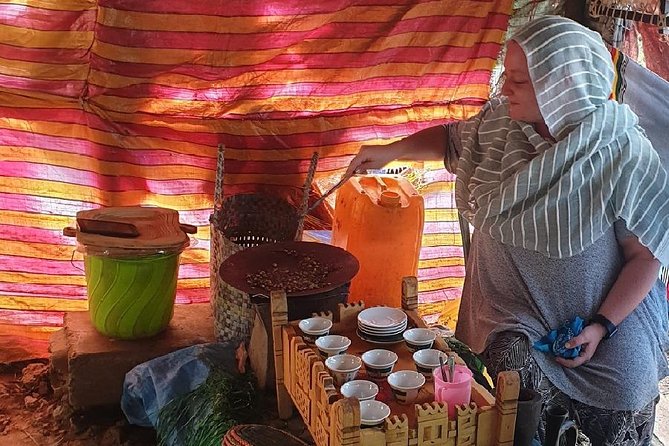
Sululta is where the tour reaches its most traditional and relaxed section. You watch a complete Ethiopian coffee ceremony, beginning with the washing and live roasting of the beans. The coffee is then ground and brewed before you receive a cup.
The ceremony is not just a method of making coffee. It is a social occasion built around patience, conversation, and hospitality. Seeing the beans change from raw to roasted makes the process easier to understand than simply drinking a finished cup.
You also taste tej, Ethiopia’s honey wine. The tour includes a glass and an explanation of how it is made. It is a distinctive local drink, and the tasting gives you something beyond the usual coffee-and-food circuit.
Some experiences have also included locally made vodka or beer, but alcoholic drinks other than honey wine are not included. Do not count on those extras, and budget separately if they are offered and you want them.
The Sululta stop lasts about two hours, making it the longest single part of the outing. That gives the coffee ceremony room to unfold rather than reducing it to a quick demonstration. It is also where the day feels least rushed, provided traffic has not delayed the earlier stops.
What $85 includes, and where the value lies
At $85 per person, this is not the cheapest way to eat in Addis Ababa. You could spend far less on a local meal and coffee. The value comes from the combination of transport, private guiding elements, market access, cooking, lunch, coffee, and the Sululta visit.
You are paying for a full route that would be difficult to organize efficiently in one day. The car and driver remove the need to negotiate city transport between distant stops. An English-speaking guide also adds value in Merkato, where language, navigation, and shopping can be challenging.
Lunch, hot drinks, water, and the included coffee experiences reduce extra costs. Pickup and drop-off anywhere in Addis Ababa, including an airport, are included according to the tour details. Confirm your pickup point clearly when booking, since one past booking problem involved a missed transfer and an unreachable phone line during an unusual period of conflict and communication disruption.
The advertised group limit is 30 people. A group that size can make market walking and cooking less intimate, though the tour may operate with different local guides. If you want a quieter experience, ask about the expected group size before paying.
Who will enjoy this Addis Ababa food tour
I would choose this experience if you have one free day in Addis Ababa and want more than museums, churches, or a standard city drive. It is especially useful on a first visit because it combines several neighborhoods and gives you a quick grounding in food and drink customs.
It also suits people who like guided market walks, street photography, local shopping, and short hands-on activities. The coffee ceremony is a strong match for anyone interested in the social side of Ethiopian coffee, not just the taste in the cup.
Families can participate if children are at least eight years old. Most people can take part, but you should be comfortable walking through crowded markets, spending several hours on the move, and eating a range of Ethiopian dishes.
This may not be the best pick if you want a slow cooking class focused on several recipes. It may also disappoint you if you dislike crowds, traffic, or flexible timing. The day works best when you treat it as a broad introduction to Addis Ababa rather than a precise culinary course.
The tour operates in all weather, so dress for the conditions. Pickup is offered, and the meeting point is listed at Edna Mall on Cameroon Street, with the activity ending back at the meeting point if you do not arrange another pickup location. Confirmation is provided at booking, and free cancellation is available up to 24 hours before the start time. Poor weather may lead to a new date or a full refund.
Should you book it?
Book this tour if you want a practical, food-centered introduction to Addis Ababa with strong cultural range. The best elements are the guided walk through Merkato, making and eating injera, lunch at Taitu Hotel, and the full coffee ceremony in Sululta.
I would be cautious only if your schedule is tight or you want an intimate cooking class. For most first-time visitors with five to six hours available, $85 is a fair price for the transport, meals, guide support, and variety. Ask for a flexible guide such as Zerefa if you have already covered part of the route, and tell the operator about food restrictions or pickup needs before the day begins.
FAQ
How long does the Ethiopian Culinary Tour last?
The tour lasts approximately five to six hours.
What is included in the tour price?
The price includes pickup and drop-off in Addis Ababa, ground transportation with a car and driver, an English-speaking guide, local guides, lunch, a bottle of water, and hot drinks.
Is pickup available from an Addis Ababa hotel?
Yes. Pickup and drop-off are offered from hotels, houses, or the airport in Addis Ababa.
What markets does the tour visit?
The route includes Atkilt Tera, Addis Ababa’s large fruit and vegetable market, and Merkato, including its spice market.
Do I get to make injera?
Yes. You take part in an injera-making activity led by local women, then eat the bread you helped prepare.
Is lunch included?
Yes. Lunch is served at Taitu Hotel in Piassa and includes assorted Ethiopian dishes in a buffet-style meal.
Is honey wine included?
Yes. The Sululta visit includes a taste of Ethiopian honey wine, also known as tej. Other alcoholic drinks are not included.
What is the cancellation policy?
You can cancel up to 24 hours before the start time for a full refund. Changes or cancellations made less than 24 hours before the start time are not accepted for a refund.
Just added around the world
- 3-Hour Herbal Wholesale TCM Market and a Local Wet Market Tour★ 5.0 · 4 reviews
- Half-day Dandan Noodles Cooking Class with a Local Market Visit★ 5.0 · 8 reviews
- Chania Old Town, Public Market and Chrisopigi Monastery Tour★ 4.5 · 6 reviews
- Charleston International Sweet Treats & Historic City Market Tour★ 5.0 · 22 reviews
- Chania: Old Town, Public Market, Hill of Prophet Elias, Agia Triada★ 5.0 · 35 reviews
- Food Tasting & Market Shopping: Private Guided Tour in PORT LOUIS★ 4.5 · 9 reviews
- Moroccan Cooking Class with a Local Family & Market Visit★ 5.0 · 16 reviews
- Private Market Tour & Cooking Class in Casablanca with Transfers★ 5.0 · 20 reviews
Coffee & Tea Market Tours, compared.

Active Volcano, Rice Field, Hot Spring, Fruit market, Tea Plantation with Lunch
Read our review →
Da Nang Cooking Class with Coffee Tasting and Market Visit
Read our review →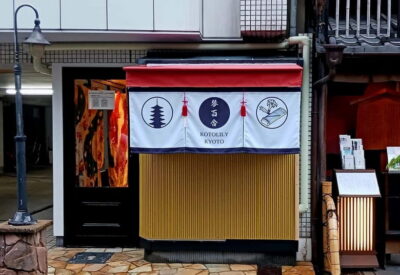
Nishiki Market Tea Ceremony with Koto Performance
Read our review →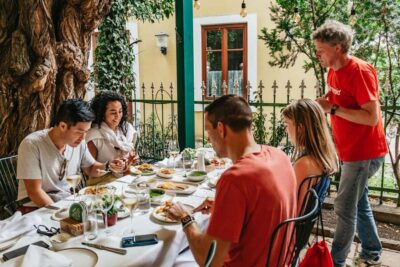
Hungry in Vienna? A Food Lover’s Coffee & Market Walk
Read our review →
Delicious Doughnuts & Tea: Small-Group Borough Market Experience
Read our review →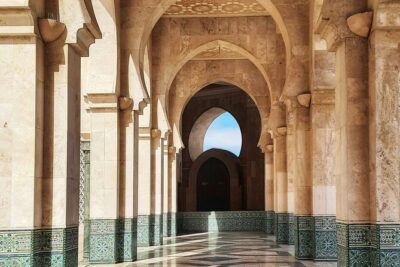
From rick’s coffee to local markets authentic casablanca
Read our review →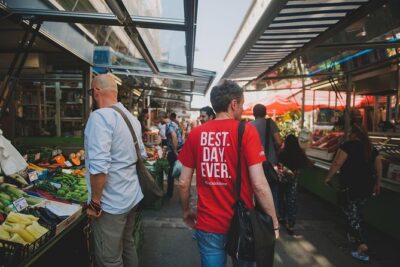
Vienna Eats: Private Foodie Walk with Coffee & Markets
Read our review →
Private Souks Tour with Tea and Traditional Snack
Read our review →Browse the lists this tour appears in