
Review · MARKET WALKING TOURS
Bologna: Small Group Food market Walking Tour with Tasting
Bologna’s best introduction may be found at a market counter, not behind a museum door. This small-group food walk brings you into the Quadrilatero, the old market quarter, where food shops, smells, colors, and centuries of trade still shape the center of town.
I like the way the tour joins local food with major sights, including San Petronio, the Two Towers, and the Loggia of Merchants. I also like the useful tastings: three food stops, a glass of local wine, and a voucher for something sweet. The main consideration is time. Two hours, or about 2.25 hours according to the detailed schedule, gives you a good first taste, but not a long, leisurely meal.
Key points to know before booking
- The Quadrilatero is the food heart of the walk, with market streets dating back to the Middle Ages.
- Three food tastings are included, along with a glass of local wine and a voucher for a sweet treat.
- The sightseeing is built into the food tour, with stops near San Petronio, the Two Towers, and the Loggia of Merchants.
- Guides Emilia and Elena receive especially warm praise, with Emilia noted for food explanations, local suggestions, and extra help after the tour.
- The tour is conducted in English, lasts about two hours, and is listed as wheelchair accessible.
- The meeting details need checking, since one part of the information names amemilia hotel while another begins the walk at Piazza del Nettuno.
Why Bologna makes a good food-walking city
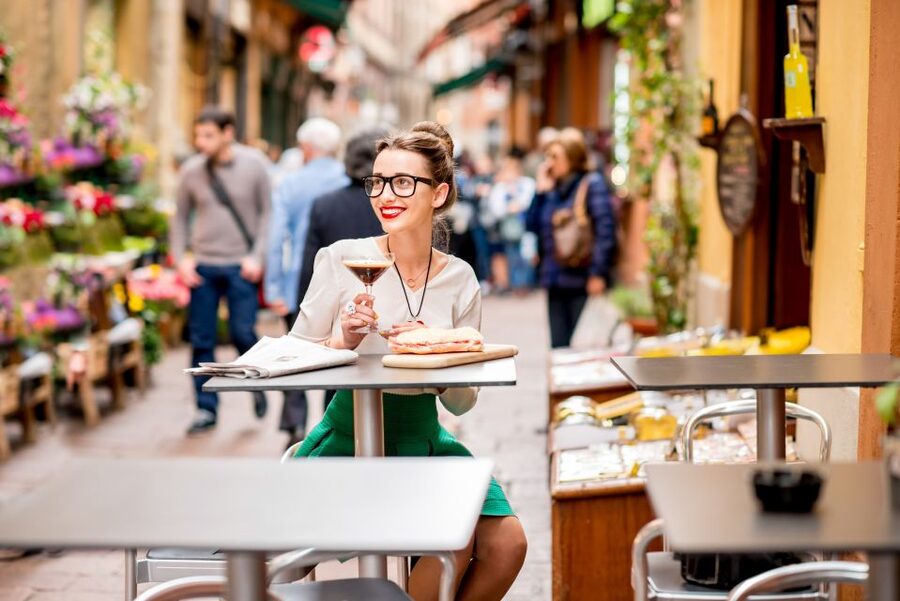
Bologna is not a city where food feels added on for tourists. It is part of the daily street scene. The old center is compact, and the market quarter sits close to major landmarks, so you can learn about the city while moving from one bite to the next.
That combination matters. A food tour that only moves between restaurants can leave you unsure where you are. A sightseeing tour that only points at façades can miss the habits that make Bologna feel like Bologna. This walk connects the two.
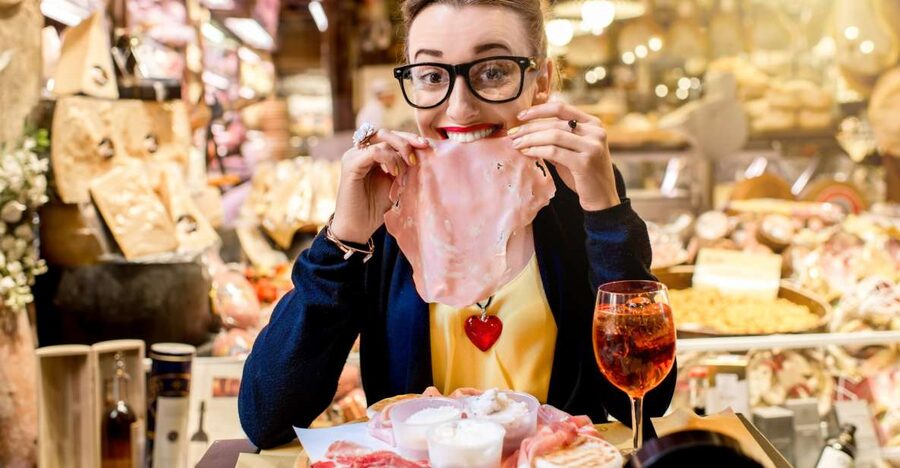
You begin with an English-speaking local guide who explains Bolognese culture and the role of food in the city. The tour then moves through central streets toward the market, with stops at three establishments for tastings. You are not simply handed samples. The food is used to explain production, local customs, and the city’s long relationship with trade.
The tour’s strongest educational detail is its attention to how food is made. You may hear how balsamic vinegar is produced, how different cuts are used in mortadella, and why tortellini has its familiar shape. Those details turn a quick tasting into something you can remember when you see the same foods later in your trip.
More Market Walking Tours in Italy
- Palermo: Walking Tour of Historic Markets and Monuments
★ 4.9 · 478 reviews - Palermo: Markets and Monuments City Center Walking Tour
★ 4.9 · 238 reviews - Markets and monuments: walking tour and street food in Palermo
★ 5.0 · 159 reviews
Meeting your guide and finding your way into the center
The supplied meeting information names amemilia hotel as the starting and ending point, while the tour description places the beginning at Piazza del Nettuno. That is worth confirming when you book or shortly before the start time. At the meeting point, look for a guide holding a Bologna Tour sign.
Piazza del Nettuno is a sensible place to begin a central Bologna walk. It puts you near the city’s major public buildings and gives the guide a natural setting for explaining the city before the food stops begin. If your confirmation directs you to amemilia hotel instead, follow that instruction and allow a little extra time to find the guide.
The meeting process sounds simple, but city-center tours are easier when you arrive prepared. Wear comfortable shoes, since the route is on foot and the old center is best experienced at walking pace. You do not need special equipment, and the activity is listed as wheelchair accessible.
The tour is sold as a small-group experience, but no exact group size is given. That means you should expect a more personal format than a large coach excursion, while avoiding assumptions about how many people will be present.
Piazza del Nettuno and Bologna’s civic center
The first central sight is Piazza del Nettuno, where your guide introduces Bolognese culture and helps set the tone for the walk. This opening is useful because the tour is not only about eating. You get an explanation of how the city’s public life, food trade, and historic center fit together.
From here, the route takes you past some of Bologna’s most important buildings. This is a good arrangement for first-time visitors. You get your bearings early, then enter the market streets with a clearer sense of the city around you.
The guide’s role matters most at this stage. A local guide can point out the connection between a building, a street, and the food economy without asking you to stop for a long formal lecture. Keep your questions ready, especially if you want advice about places to eat after the tour.
Emilia, one of the guides associated with this experience, is especially well suited to that kind of exchange. She has been praised for explaining Bologna’s past, answering questions, suggesting less obvious stops, and helping with directions afterward. Guides can change, so Emilia should not be treated as guaranteed, but her style gives you a useful idea of what the best version of the tour offers.
San Petronio, where the food walk meets architecture
The Basilica of San Petronio provides one of the tour’s main architecture stops. It is an excellent example of Italian Gothic design and gives the walk some visual weight between food tastings.
This is important for pacing. A food tour can begin to feel like a string of counters if there is no change of scene. San Petronio gives you time to look up, hear about Bologna’s public and religious identity, and understand why the surrounding square remains such a key part of the city.
The tour does not promise a full interior visit or an extended architectural lesson, so think of San Petronio as a guided exterior sight within a broader walk. If you want a detailed study of the basilica, you will need separate time. Here, the value is the connection between the landmark and the streets that lead toward the market.
I like this balance. You get a famous Bologna sight without losing the main purpose of the experience, which is to learn how the city eats.
More Market Market Walking Tours in Italy:
- Palermo : Historic Markets & monuments Walking Tour
★ 4.7 · 129 reviews - Florence Street Food Walking Tour with wine in Duomo Area
★ 5.0 · 68 reviews - Rome: Temples, Squares & Markets Guided Walking Tour
★ 4.8 · 26 reviews - Florence: Local Food, Wine & Market Walking Tour
★ 5.0 · 6 reviews
The Two Towers and the Loggia of Merchants
The Two Towers are another major landmark along the route. They are symbols of Bologna, and seeing them during a food walk helps prevent the market portion from feeling cut off from the rest of the city.
Your guide also points out the Loggia of Merchants, a place tied to commercial and trading activity in Bologna for hundreds of years. This stop adds useful context to the market. The food quarter is not merely a pleasant collection of shops. It grew from the practical business of buying, selling, and moving goods through the city.
The Two Towers and the Loggia are also good orientation points. Even if you are new to Bologna, these sights help you build a mental map of the center. After the tour, you can use them to find your way back toward the market or nearby streets.
Do not expect a dedicated tower climb or a long stop at every landmark. The route covers several sights in a short period, so the guide must keep moving. That is the tradeoff for combining architecture and tastings in one compact experience.
Entering the Quadrilatero Market
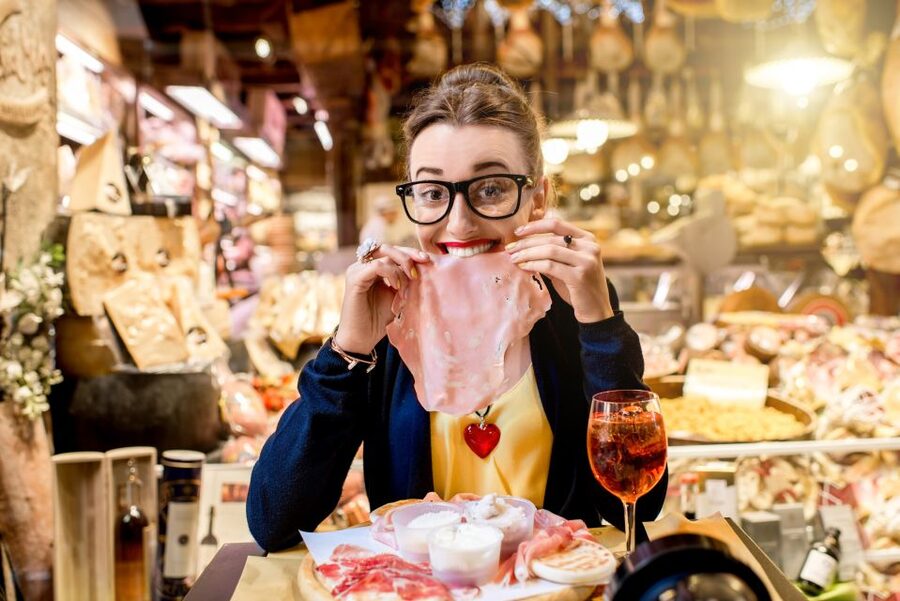
The Quadrilatero is the heart of the tour. This old market area has been active since the Middle Ages, and the experience focuses on its smells, colors, and food shops. The market is where the tour feels most specific to Bologna.
You will walk through streets lined with businesses connected to local eating and food production. The guide helps you notice more than the obvious displays. A good question to ask is how a product is made, used, or served in Bologna, since the food explanations are one of the tour’s strongest features.
The market also gives you a chance to see the difference between a food city and a city with a few famous dishes. Bologna’s food culture involves ingredients, cuts, shapes, methods, and habits. Mortadella is not just a sandwich filling. Balsamic vinegar is not simply a dark drizzle. Tortellini is not only a pasta order. The guide’s explanations give those familiar names more meaning.
The area can be active and crowded, particularly at popular times, though the exact conditions will depend on the day. Stay close to the guide and keep the Bologna Tour sign in mind if the group spreads out. Comfortable shoes matter here because the walk is continuous and the old center is not designed for hurried movement.
Three tastings, local wine, and a sweet finish
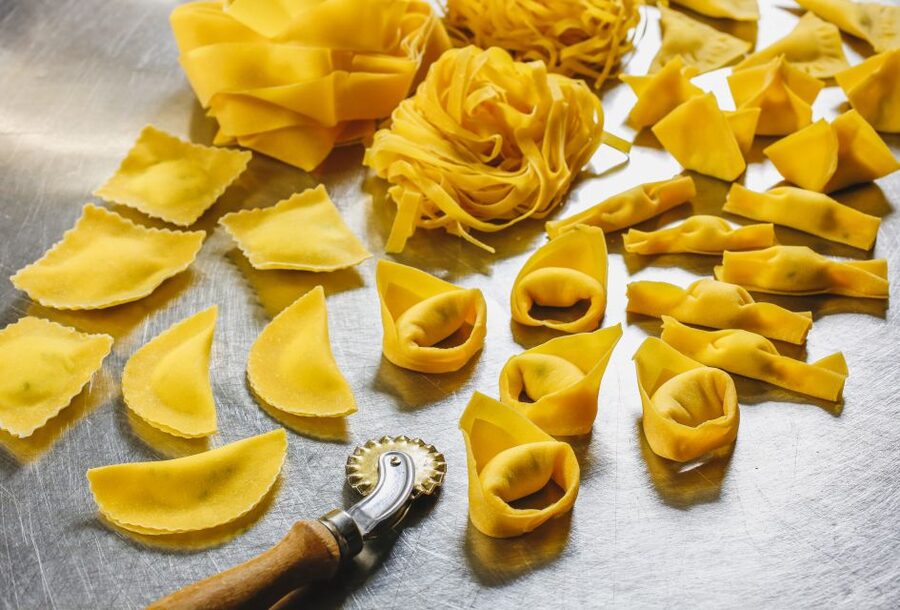
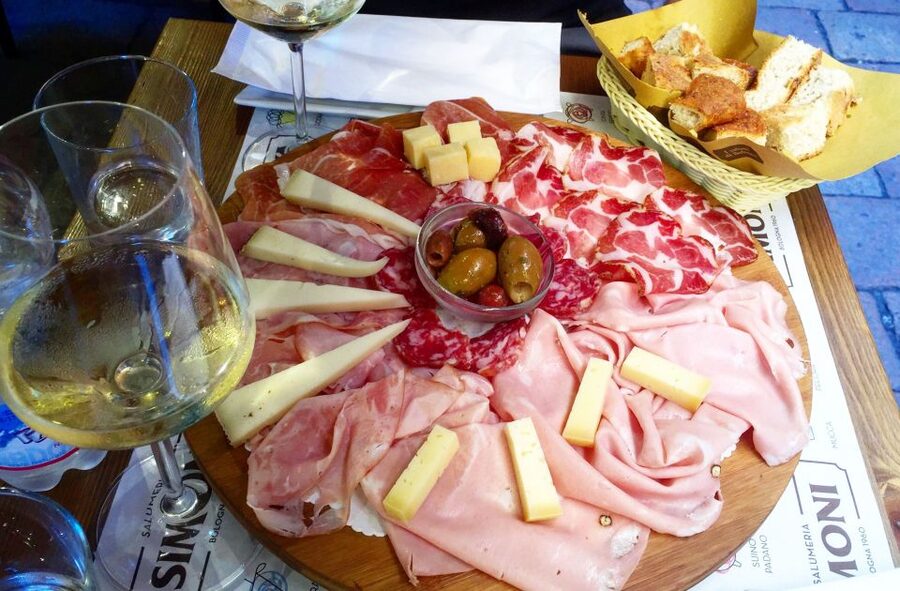
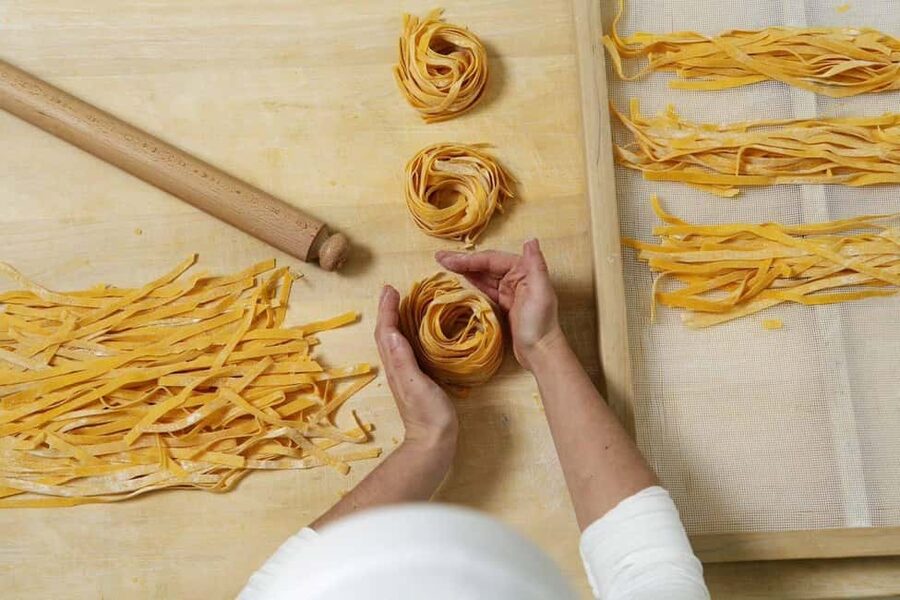
The tour includes tastings at three establishments. The exact food selection is not specified, so you should not book expecting a fixed menu of named dishes. What is clear is that the stops focus on traditional Bolognese specialties and explain how those foods are produced or understood locally.
The food lessons can include balsamic vinegar production, the different cuts found in mortadella, and the meaning behind tortellini’s shape. These details are more useful than a simple list of samples because they help you shop and order with greater confidence later.
A glass of local wine is also part of the experience. It gives the tasting a social pause and adds a drink associated with the region. If you do not drink alcohol, check the arrangements before booking, since the information provided does not state whether a replacement drink is available.
The final sweet treat comes through a voucher. That is a nice touch, especially if you want a small gelato or another sweet stop after the main tastings. The voucher is separate from the three food tastings, so the overall package gives you several chances to sample without turning the tour into a full lunch.
Still, do not treat the walk as a meal replacement without checking your own appetite. The tour is designed around tasting and explanation, not a long seated meal. If you need a substantial lunch, plan one afterward.
What the guides add to the experience
The guide is the difference between a pleasant snack walk and a useful introduction to Bologna. The strongest guide feedback centers on warmth, clear explanations, and practical help.
Emilia has been singled out for combining food with city history and for suggesting less obvious places to visit. She also took extra time to answer questions and walked with a participant to a later sightseeing stop. That sort of help is valuable when you are still getting your bearings, though no particular guide can be promised for your date.
Elena has also been praised for being friendly and well prepared. Again, guide assignments may vary, but these names indicate that the company has had guides who can handle both the cultural and food sides of the walk.
I would use the tour as a chance to ask direct questions. Ask where locals buy a product, how to recognize a traditional preparation, or which part of the market deserves a second visit. The guide’s answers may be the most useful souvenir you take away.
Is $60 a fair price?
At $60 per person, this is not the cheapest way to spend two hours in Bologna. You are paying for a certified guide, three food tastings, local wine, sightseeing, and a sweet-treat voucher.
The price makes the most sense if you value context. You could walk through the Quadrilatero on your own for free, but you would not automatically know which details matter, how the foods are made, or how the market connects to Bologna’s commercial past. You would also need to pay separately for anything you taste.
For a first visit, the package is reasonable if you want a structured introduction and do not want to plan each food stop yourself. It is less compelling for someone who already knows the market well or prefers to spend two hours eating a full meal at one or two places.
The small-group format helps the value, since you can ask questions more easily than on a large group outing. The exact group size is not stated, so I would judge the price mainly by your interest in the guide’s explanations rather than by expecting a private-tour feel.
Timing, access, and practical planning
The tour is described as lasting two hours, while the detailed route gives about 2.25 hours. Plan for roughly two to two and a quarter hours, and avoid scheduling a train, museum entry, or restaurant reservation immediately afterward.
The activity runs at set starting times, with availability shown during booking. It is conducted in English and led by a live guide. You should wear comfortable shoes and arrive ready to walk through the historic center.
Wheelchair access is listed, which is helpful, but the route’s exact street conditions and the arrangement at each food business are not described. If you use a wheelchair, confirm the meeting point and any specific access needs before booking.
Free cancellation is available up to 24 hours before the start for a full refund. You can also reserve and pay later, which helps if your Bologna plans are still shifting.
Who should book this Bologna food walk?
I would recommend it most strongly to a first-time visitor who wants food and sightseeing in one compact outing. It is also a good choice if you enjoy learning why a dish matters, not just tasting it.
Families and mixed-interest groups may appreciate the format because the route includes architecture, public squares, market streets, food, wine, and a sweet stop. Someone who does not want a long restaurant meal can sample several local specialties instead.
You may want another option if you are seeking a full lunch, a cooking class, a wine-focused excursion, or a detailed architectural tour. The route gives you an introduction, not an exhaustive study of Bologna’s cuisine or buildings.
Should you book it?
Book this tour if you want an efficient first look at Bologna and like having a local guide explain the food in front of you. The strongest reasons are the Quadrilatero setting, the three tastings, the wine, and the practical food knowledge connected to mortadella, balsamic vinegar, and tortellini.
Before paying, confirm the exact meeting point because the information names both amemilia hotel and Piazza del Nettuno. Also allow a little more than two hours and plan a proper meal later if you have a large appetite. For most first-time visitors, the $60 price is fair when the guide is as helpful as Emilia or Elena and when you value the stories behind what you eat.
FAQ
How long does the Bologna food tour last?
The activity is described as lasting two hours. The detailed schedule gives a guided tour of about 2.25 hours, so allow roughly two to two and a quarter hours.
What language is the tour conducted in?
The live tour guide speaks English.
Where does the tour meet?
The information names amemilia hotel as the starting and ending point. The tour description also places the beginning at Piazza del Nettuno. Confirm the exact meeting point with your booking details and look for a guide holding a Bologna Tour sign.
What landmarks are included?
The walk includes Piazza del Nettuno, the Basilica of San Petronio, the Two Towers, the Loggia of Merchants, and the Quadrilatero Market.
How many food tastings are included?
Three food tastings at three establishments are included.
Is wine included?
A glass of local wine is included in the experience.
Is a sweet treat included?
You receive a voucher for a sweet treat.
Is the tour wheelchair accessible?
Yes. The activity is listed as wheelchair accessible.
What should I bring?
Bring comfortable shoes because the experience is a walking tour through Bologna’s historic center.
Can I cancel for a refund?
You can cancel up to 24 hours in advance for a full refund. The activity also offers a reserve-now, pay-later option.
More Food and Drink Trips in Italy
- Small Group Cooking Class & Market Food Tour in Florence
★ 5.0 · 1,574 reviews - Bologna Food & Market Tour with 6 Tastings, Pasta, Wines & More
★ 5.0 · 1,328 reviews - Venice Street Food Tour with Local Guide with Local Food Market Visit
★ 5.0 · 822 reviews - Palermo: Street Food and Local Market Tasting Tour
★ 4.9 · 540 reviews
Just added around Italy
- Cesarine: Market Tour & Home Cooking Class in Catania★ 4.0 · 6 reviews
- Small Group Market tour and Dining Experience at a Cesarina’s home in Brindisi★ 4.5 · 6 reviews
- Small Group Market tour and Cooking class in Brindisi★ 4.5 · 8 reviews
- One day tour Christmas markets Innsbruck – Bressanone – Vipiteno★ 4.5 · 11 reviews
- Private Market Tour and Cooking Class in Bologna with Giovanna C★ 5.0 · 20 reviews
- Food markets tour with a local!★ 4.5 · 39 reviews
- Cesarine: Market Tour & Cooking Class at Local’s Home in Bologna★ 5.0 · 19 reviews
- Cesarine: Small Group Market tour and Dining in Altamura★ 3.0 · 2 reviews
Market Walking Tours, compared.
Tokyo Tsukiji Fish Market Food and Culture Walking Tour
Read our review →
Nishiki Market Brunch Walking Tour (7 Tastings + Brunch)
Read our review →Tsukiji Fish Market Food and Culture Walking Tour
Read our review →
Tsukiji Fish Market: Street Food & Culture Walking Tour
Read our review →
Tsukiji Fish Market Small-Group Food Walking Tour
Read our review →Browse the lists this tour appears in