
Review · FOOD & DRINK
Rome: The Vatican Market Experience Tasting and Class
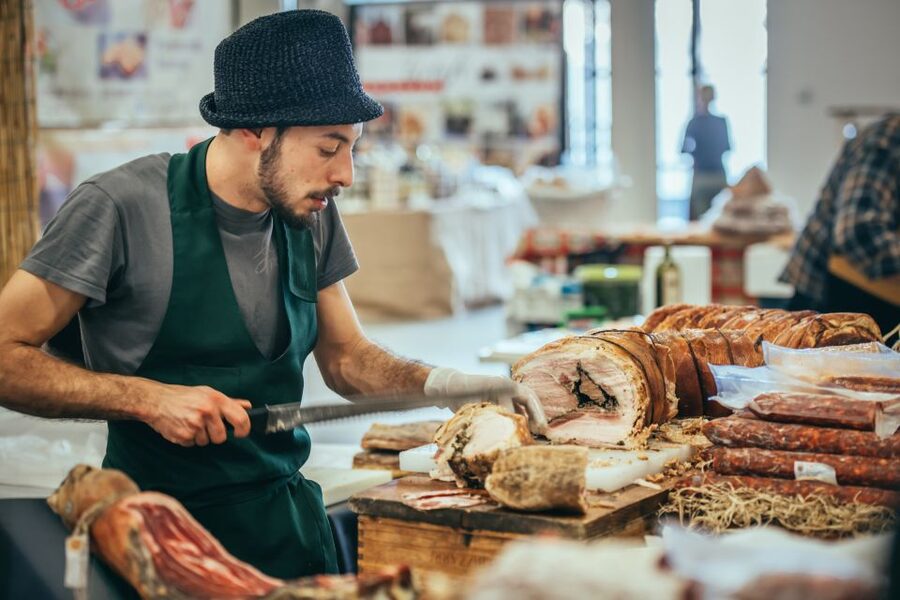
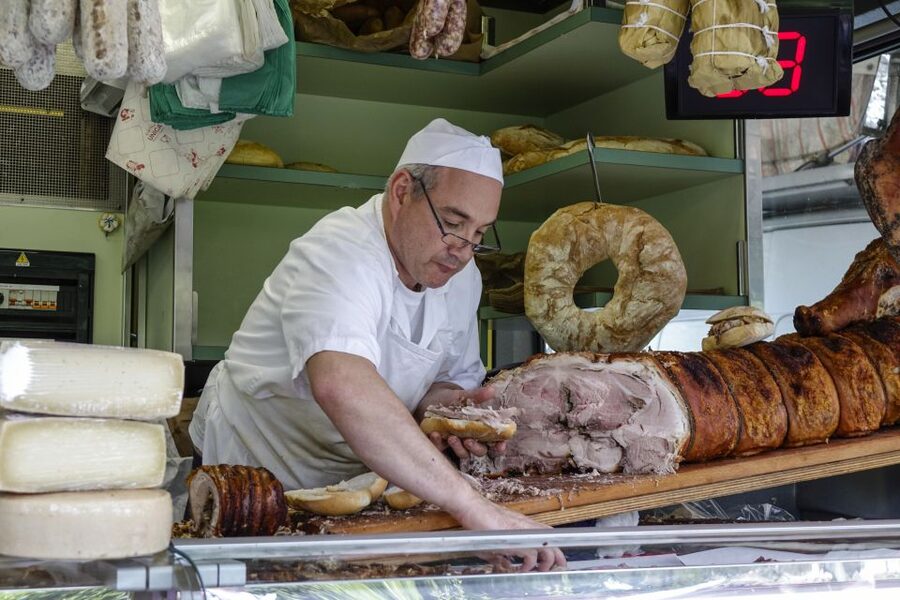
The best part of this experience is the Mercato Trionfale food route, where you sample Roman staples instead of simply walking past rows of produce and cheese. With nearly 300 stalls, the market gives you a practical look at where locals shop, while a Roman chef explains how good ingredients shape everyday cooking.
I like two things here. First, the food is not limited to one famous dish: you try pizza, supplì, porchetta, buffalo mozzarella, cheeses, bread, olive oil, truffle products, and more. Second, you cook pasta carbonara with ingredients bought at the market, so the meal has a clear connection to the place you have just explored.
The main consideration is the price, $155.20 per person. That is a serious outlay for a four-hour food experience, especially if you are not interested in wine or cooking. The value improves for a private group that wants personal attention, a full meal, and a local guide rather than a quick tasting walk.
Key points to know before booking
- Mercato Trionfale has nearly 300 stalls, giving you a real Roman market setting near the Vatican.
- Six market stops and more than 10 tastes make this a substantial food outing, not just a single snack.
- Three glasses of Roman wine are included, along with one non-alcoholic drink.
- Carbonara is cooked from fresh market ingredients during a private class with a local Roman chef.
- Elisabetta receives especially warm praise for combining food knowledge, Roman culture, and friendly contact with market vendors.
- Vegetarian, vegan, and celiac options can be arranged, and the private format makes dietary needs easier to discuss.
Mercato Trionfale: Rome beyond the museum queue
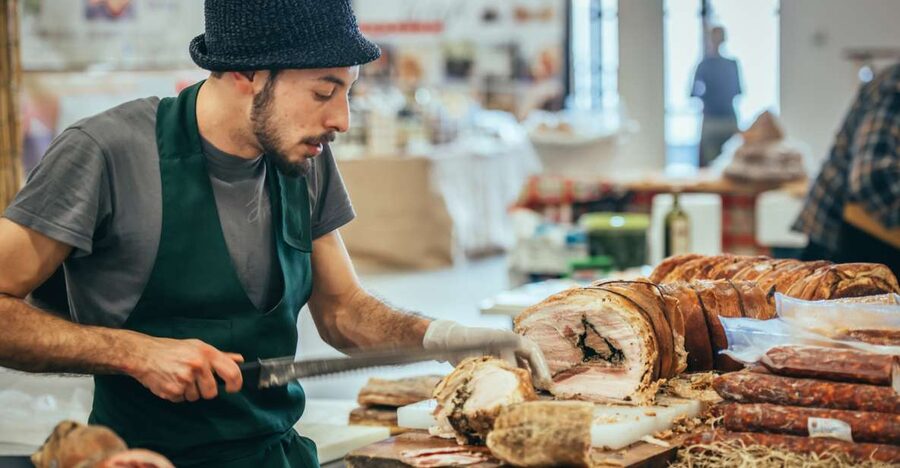
The tour begins in the Vatican quarter at Mercato Trionfale. This is a useful change of pace from St. Peter’s Basilica and the Vatican Museums, where much of your time is spent looking upward, waiting, or following a set route. Here, you focus on food and daily life.
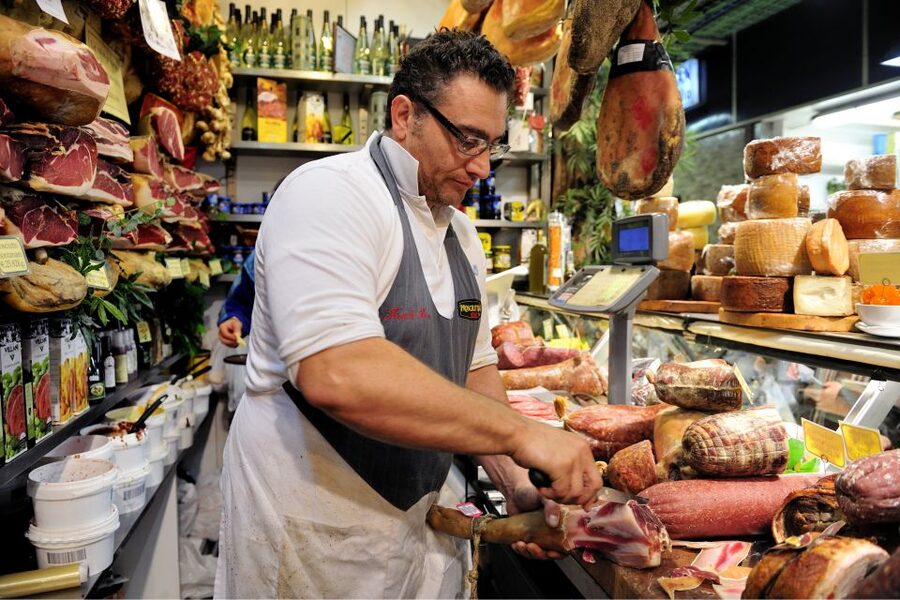
The market has almost 300 stalls. You can expect rows of vendors selling vegetables, fruit, spices, seafood, meat, wine, cheese, and other cooking supplies. The point is not only to taste. You also see the raw materials behind Roman meals and get a clearer sense of how local cooking starts.
I find market tours most useful when the guide helps you understand what you are seeing. Elisabetta, identified in the experience as a local Roman chef and guide, has friendly relationships with the vendors. That matters because a market can feel confusing if you do not know which stalls are worth your attention or how the products fit into Roman food culture.
The market is large, so six planned stops help keep the visit focused. You will not try every possible specialty. Instead, the route takes you through selected stands where the food can be tasted and explained without turning the morning into a long shopping expedition.
More Food and Drink Trips in Rome:
- Roman Food Tour with Visit to the Trionfale Food Market
★ 5.0 · 471 reviews - Trevi Fountain, Pantheon, and Campo Dei Fiori Market Food and Wine Tour
★ 5.0 · 320 reviews - Rome: Food Tour with Market Visit
★ 4.9 · 200 reviews
Six stops, ten tastes, and a lesson in Roman eating
The tasting route covers more than 10 Italian products. This is one of the strongest parts of the experience because it gives you variety. Rome is not just carbonara, and a good food tour should show you that.
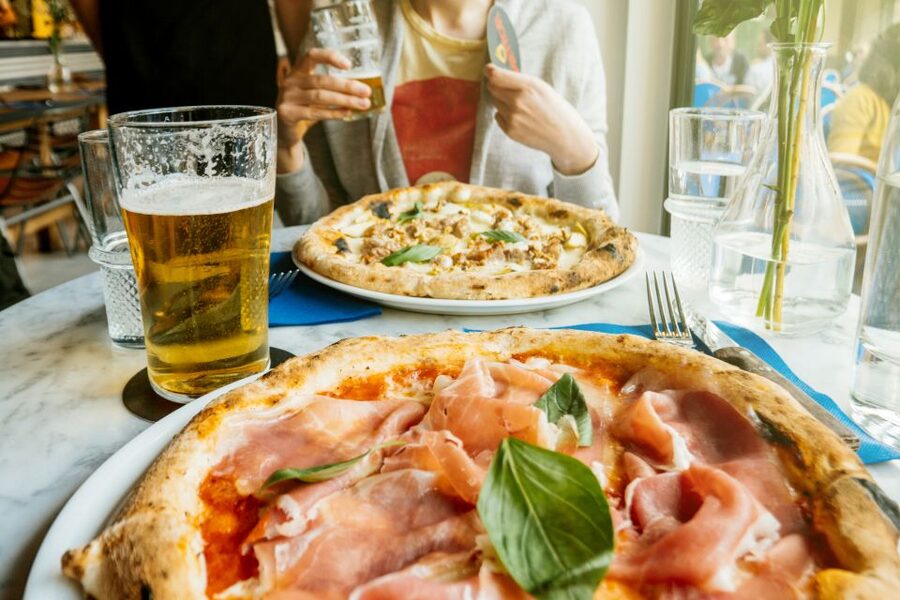
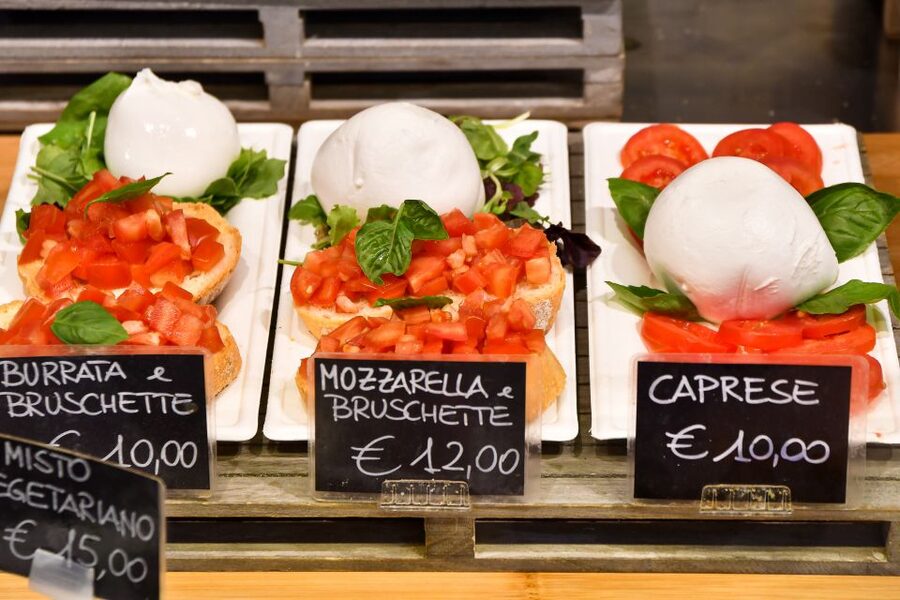
You begin with simple foods that reveal the importance of quality ingredients. Bruschetta brings together bread, olive oil, and toppings in a format that looks plain but depends on good produce. You also taste assorted slices of traditional Roman pizza. These slices make an easy market snack and let you compare several toppings without committing to one large meal.
The tour includes supplì, a Roman street-food classic. These are rice croquettes filled with peas and minced meat. They are hearty, crisp, and very different from the lighter breads and cheeses elsewhere in the route. If you want to understand Roman food beyond restaurant menus, this is a useful stop.
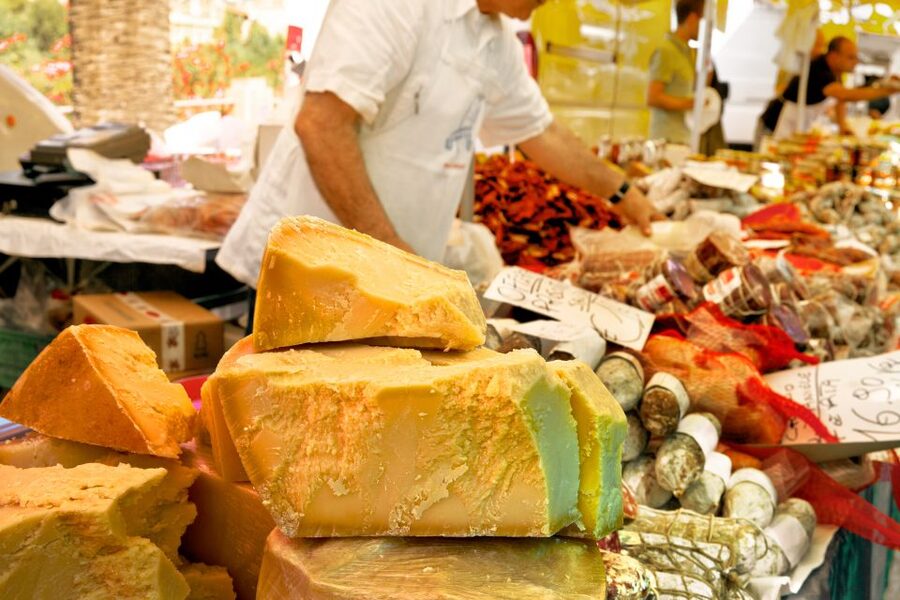
Porchetta adds another strong Roman flavor. The roast pork is served as a traditional specialty, while buffalo mozzarella brings a soft, milky contrast. You also try different goat cheeses, homemade bread, olive oil, and truffle products.
The selection is broad, but the exact products can vary because this is a working market rather than a fixed museum display. That is part of the appeal, though it also means you should not expect every tasting to be identical each day.
Three glasses of Roman wine are included. Wine pairing makes the route feel more like a long lunch than a series of disconnected bites. A non-alcoholic drink is also included, which helps if you do not want all three wine servings. Still, this tour is built partly around wine, so anyone avoiding alcohol should tell the guide ahead of time.
Why the market setting matters
A restaurant can serve you a polished plate, but it does not always show you how the ingredients enter Roman cooking. At Mercato Trionfale, you see vegetables, cheese, meat, seafood, bread, and wine in the setting where people buy them.
That context is valuable for first-time visitors. You learn that Italian cooking is not only about complicated recipes. It often begins with buying good products and treating them simply. The guide can point out the difference between a basic ingredient and one chosen for its freshness, texture, or regional character.
I also like the social side of the market. The guide’s conversations with vendors help make the route feel less like a food checklist. You get a look at the human side of buying food in Rome, even if you speak only a few Italian phrases yourself.
The trade-off is that this is not a quiet, private kitchen from the moment you arrive. Markets have movement, noise, and changing conditions. If you prefer a calm sit-down meal, the market section may feel energetic. If you want to see where Romans shop and eat small portions along the way, it fits well.
Cooking carbonara with ingredients from the market
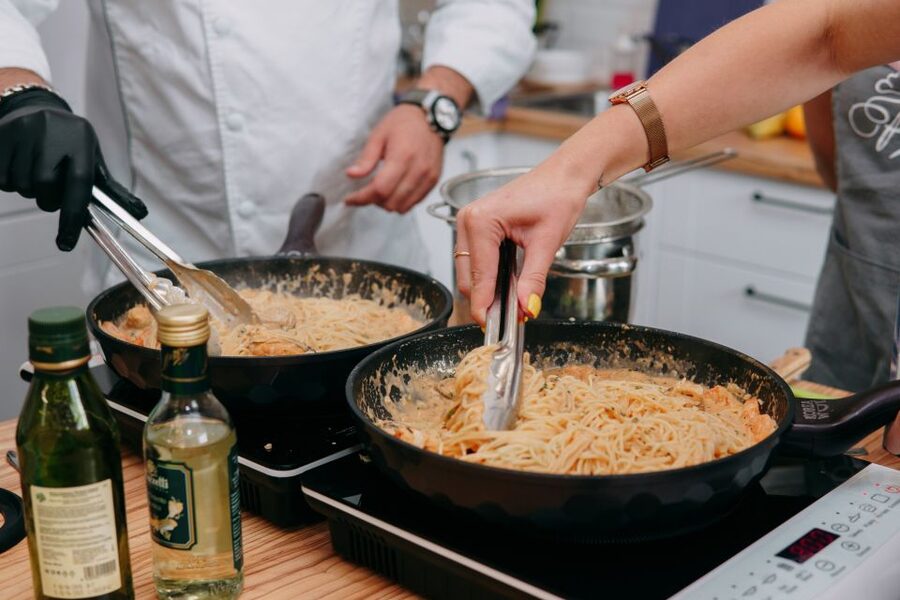
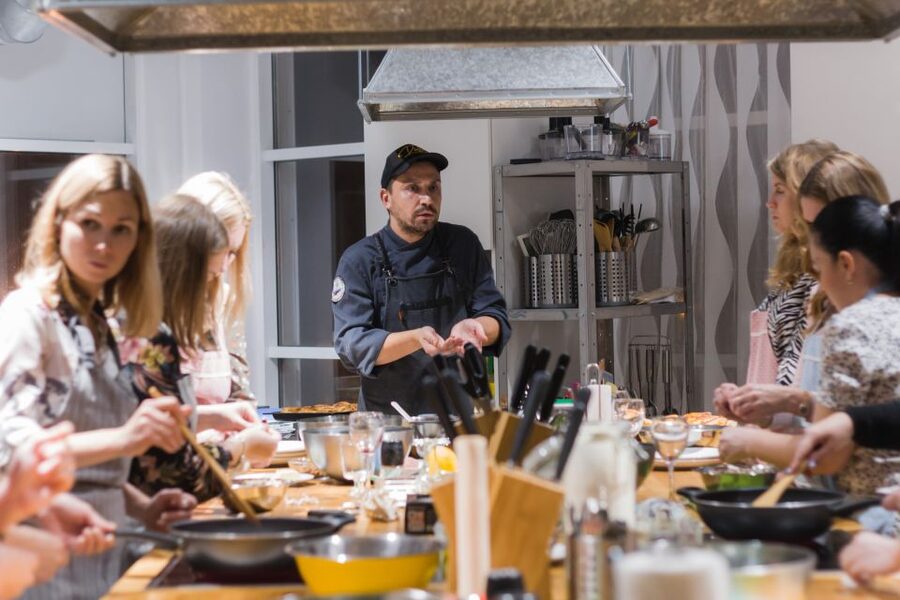
After the tastings, you move to a private cooking class in a cozy kitchen close to the market. The focus is traditional pasta carbonara, one of Rome’s best-known dishes.
This is where the experience becomes more hands-on. You do not simply eat carbonara in a restaurant and receive a short explanation. You prepare the dish with fresh products bought during the market visit, then eat one serving as part of the tour.
Carbonara is a smart choice for a class because it is familiar but easy to mishandle. The balance of pasta, egg, cheese, and other traditional ingredients depends on technique and timing. A local chef can show you how the elements come together, rather than leaving you with a recipe that looks simple on paper but behaves differently in a home kitchen.
The class is private, which is useful here. You can ask questions and adapt the pace to your group. The format also makes dietary communication easier. Vegetarian, vegan, and celiac options are available, but you should make your needs clear when booking so the class and tastings can be adjusted.
One particularly personal detail is that Elisabetta’s mother may also be part of the home cooking setting. A personal account describes meeting her and receiving help with cutting apricots and tomatoes. This is not a guaranteed part of every departure, so I would treat it as a possible family touch rather than a promised feature. It does show the kind of informal setting the class can offer.
The class includes one dish of pasta carbonara. Keep that in mind when judging the food quantity. The market tastings are substantial, and the carbonara completes the meal, but this is not a multi-course cooking workshop where you prepare several recipes.
A few more market tours around Rome worth a look
- Rome: Colosseum, Roman Forum & Trajan’s Market Exterior Tour
★ 4.3 · 2,038 reviews - Authentic Roman Cooking Class & Market Experience
★ 5.0 · 363 reviews - Rome: Pasta Cooking Class with Market Visit and Wine
★ 4.9 · 277 reviews - Devour Rome Testaccio Market Food Tour
★ 5.0 · 180 reviews
Gelato and the Vatican story
The final food stop is gelato from one of Rome’s most prestigious gelaterias. Gelato gives the tour a sweet finish after the savory market foods and pasta.
During this part of the walk, the guide explains the history of the Vatican, the Popes, and the area’s religious buildings. This adds a cultural layer without turning the experience into a full Vatican Museums tour. You see the Vatican district through its food and streets rather than through ticketed galleries alone.
That distinction matters. The experience does not include entry to the Vatican Museums or St. Peter’s Basilica. If you want the Sistine Chapel or an interior visit to the basilica, you need a separate booking. This tour is better for understanding the neighborhood around the Vatican and pairing that setting with Roman food.
I like the timing of the history talk because you have already spent hours learning about local ingredients and cooking. The buildings and religious landmarks become part of the neighborhood story, rather than a separate lecture disconnected from the food.
The guide and the private format
The guide is a local Roman chef and Foodie, with tours available in English or Italian. Elisabetta is the name most closely associated with the personal guide experience in the supplied information. She is described as combining food knowledge with Roman history and making conversation with market vendors part of the route.
That combination is important. A food guide does not need to be a formal historian, but it helps when the person can explain both what you are eating and where you are. The best moments here appear to come from that mix: food, local conversation, and stories about Rome.
This is a private group experience. You are not sharing the kitchen lesson with a large class, and the guide can respond to your pace and food preferences. Private tours cost more than group walks, but the extra expense makes more sense for families, couples, and small groups who want an informal day built around their own interests.
The experience is listed as four hours. One part of the description also refers to a three-hour private tour with the chef and cooking class, so allow the full four-hour window when planning your day. Starting times vary, and availability needs to be checked before booking.
Is $155.20 a fair price?
At $155.20 per person, this is not a budget snack tour. You are paying for a private guide, a market route, more than 10 tastings, three glasses of wine, a non-alcoholic drink, a cooking class, carbonara, and gelato.
The price makes better sense if you count the experience as a guided meal plus a class. The tastings can replace a substantial lunch, and you also get direct help navigating a large market. The private setting adds value if your group wants to ask questions or needs dietary changes.
The price is harder to justify for someone who only wants to sample Roman street food. You could spend less at the market and eat supplì, pizza, and gelato on your own. You would miss the guide’s vendor relationships, the organized route, the wine pairings, the carbonara lesson, and the Vatican-area stories.
I would also think about your appetite. The route includes many tastes before the pasta and gelato. If you have a small appetite, you may feel full before the cooking class. That is not a flaw, but it means the class is as much about learning and participation as it is about needing another meal.
Who should book this experience?
I would recommend it most strongly to food-focused visitors who want a personal introduction to Rome. It suits couples, families, and small private groups who prefer conversation and local contact over a large scheduled tour.
It is also a good choice if you are staying near the Vatican and want to pair sightseeing with lunch. The market, kitchen, and gelato route gives you a half-day plan without requiring a separate restaurant reservation.
Families may appreciate the variety. Pizza, supplì, cheese, porchetta, pasta, and gelato offer several chances for different tastes to find something appealing. The private format also makes it easier to discuss children’s preferences, although no specific child pricing or age policy is provided.
Vegetarians, vegans, and people with celiac needs can request adaptations. Because the route includes bread, pasta, cheese, meat, and wine, tell the provider about restrictions before the tour rather than waiting until you arrive.
I would be less likely to choose it if you want a formal cooking school, a serious wine course, or a detailed tour inside the Vatican Museums. This experience is more relaxed and personal. Its strength is the connection between market food, home cooking, and the neighborhood.
Should you book the Mercato Trionfale food tour?
Book it if you want to eat your way through the Vatican quarter, meet a local chef, and learn one classic Roman recipe in a private setting. The strongest reasons are the range of tastings, Elisabetta’s personal approach, and the way the market ingredients carry through to the carbonara class.
Skip it if the $155.20 price feels high for a meal, or if you would rather choose your own market snacks and restaurants. For everyone else, this is a useful four-hour introduction to Roman food that gives you more than a plate of pasta. You leave with a fuller sense of how the city shops, cooks, and eats.
FAQ
How long does the experience last?
The experience lasts four hours. Starting times vary, so you need to check availability for the date you want.
What food is included?
The route includes more than 10 tastes, including bruschetta, Roman pizza, supplì, porchetta, buffalo mozzarella, goat cheeses, homemade bread, olive oil, and truffle products. It also includes one serving of pasta carbonara and one gelato.
Is wine included?
Yes. The experience includes three glasses of Roman wine and one non-alcoholic drink.
Is the tour private?
Yes. It is a private group experience with a local guide and chef.
Can dietary requirements be accommodated?
Vegetarian, vegan, and celiac options are available. Share your needs when booking so the tour can be adapted.
What languages are available?
The live guide is available in English and Italian.
Just added around Rome
- Testaccio Experience: Street Food, Market and Traditions★ 5.0 · 4 reviews
- Rome: Testaccio Food & Market Tour with Pasta & Wine★ 5.0 · 38 reviews
- Rome: Temples, Squares & Markets Guided Walking Tour★ 4.8 · 26 reviews
- Rome: Taste of Testaccio Food & Market Tour★ 4.9 · 38 reviews
- Rome: Trajan Markets Experience with Multimedia Video★ 4.0 · 66 reviews
- Rome: Prati Food & Wine Market Tour with St. Peter Square★ 5.0 · 7 reviews
- Rome: Trajan’s Markets & Museum of The Imperial Fora Tour★ 4.8 · 4 reviews
- Rome: Market and Cooking Class at a Local’s Home★ 4.0 · 3 reviews
Food & Drink, compared.
Old Town, Creek, Museums, Souks, & Street Food Tour
Read our review →
Old Town, Souks, Street Food, Guided Tour & Abra Ride
Read our review →
Bangkok by Night: Temples, Markets and Food Tuk-Tuk Tour
Read our review →
Tokyo Tsukiji Fish Market Food and Culture Walking Tour
Read our review →
Markets, Temples and Food Night Tour by Tuk Tuk
Read our review →
Old Town, Souks, Street Food, Guided Tour & Abra Ride
Read our review →Browse the lists this tour appears in