
Review · STREET FOOD MARKET TOURS
Devour Rome Testaccio Market Food Tour
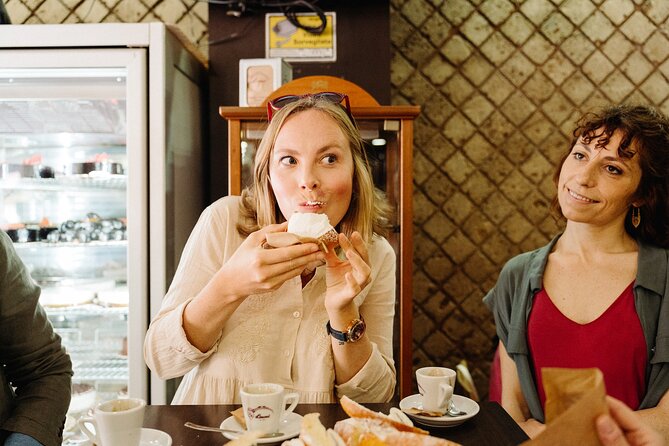
Testaccio is where Rome feeds itself without putting on a show. This 3½-hour walk takes you from a local bakery to the market, a family trattoria, and a historic gelateria, with enough food for breakfast and lunch along the way. The market, Roman street food, and pasta with oxtail sauce give you a tasty look at a working neighborhood that many sightseeing routes skip.
I like the small group of no more than 12, which gives you room to ask questions and hear your guide. I also like the way the food connects to the neighborhood: former slaughterhouse workers, market vendors, traditional recipes, and the old pottery hill all fit together. The main drawback is the meeting point. The tour starts at Piazza di S Maria Liberatrice at 10:30 am, and one booking experience went badly because the exact meeting spot was unclear, so check the fountain location carefully before you set out.
Key points to know before you book
- Fourteen tastings across eight family-run businesses make this a full meal, not a few token bites.
- Testaccio Market is the heart of the tour, with pizza, vegetables, cheese, cured meat, and a much-praised Roman sandwich.
- Come without breakfast. Coffee, pastries, maritozzo, pizza, panini, pasta, wine, and gelato add up quickly.
- The neighborhood story matters. The old slaughterhouse and Monte Testaccio explain why this area became a food center.
- English-speaking guides set the tone. Mattia, Fernanda, Julia, Chiara, Aurelio, Silvia, Manuela, and Denys are among the guides praised for warmth and local insight.
- Dietary limits need careful thought. The tour is not suitable for vegans or people with celiac disease, and serious allergies require a waiver.
Why Testaccio makes such a good food-tour setting
Rome has grand sights everywhere, but food often tells you more about daily life than a line outside the Colosseum. Testaccio gives you a close look at that daily life. It has traditionally been a working-class neighborhood, shaped by trade, the former slaughterhouse, market shopping, and recipes built around affordable cuts of meat.
That background gives the meal a clear thread. You are not simply moving from one restaurant to another. You are eating your way through the forces that shaped Testaccio: workers needed hearty food, vendors supplied fresh ingredients, and Roman cooks learned to turn less-fashionable cuts into dishes people still love.
The tour also keeps its focus narrow. Rather than racing across Rome to collect famous sights, you spend the morning in one area. I find that a real advantage. You have time to notice the streets, ask questions, and understand why local food developed as it did.
Your English-speaking guide handles the walking and food stops, with a maximum group size of 12. That is small enough for a personal feel without making the tour private. Past guides have included Mattia, Fernanda, Julia, Chiara, Aurelio, Silvia, Manuela, and Denys. The strongest feedback consistently centers on guides who explain food customs, answer questions, and make the neighborhood easy to understand.
More Street Food Market Tours in Italy
- Roman Food Tour with Visit to the Trionfale Food Market
★ 5.0 · 471 reviews - Rome: Food Tour with Market Visit
★ 4.9 · 200 reviews - Rome: Street Food, Local Market and Hidden Gems Tour
★ 5.0 · 57 reviews
Coffee, pastries, and maritozzo at Pasticceria Linari
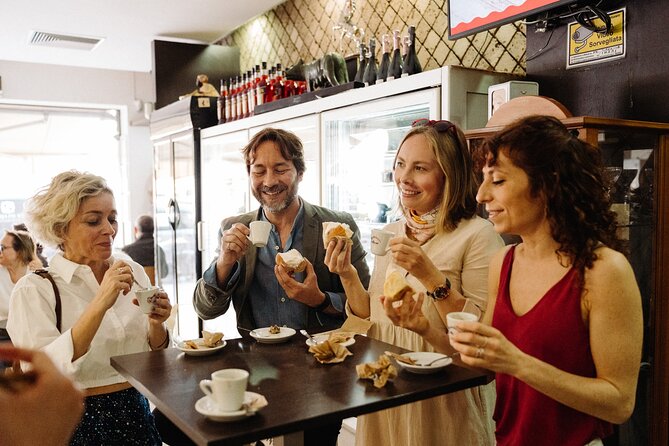
The tour begins at 10:30 am at Piazza di S Maria Liberatrice, then starts its food parade at Pasticceria Linari. This bakery serves as a local meeting point, making it a fitting place to learn the Italian rhythm of a morning coffee and pastry.
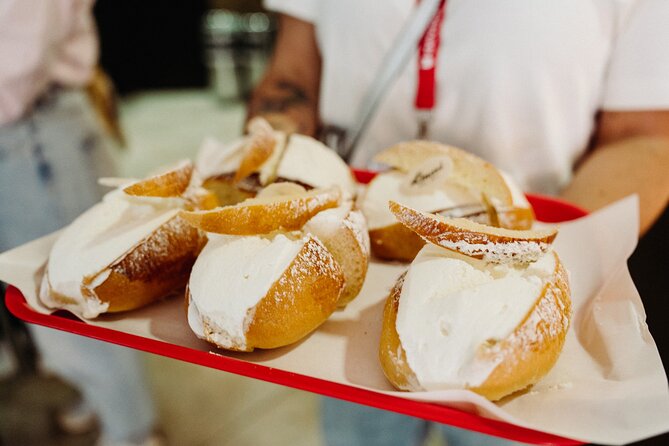
Expect espresso and a maritozzo, the soft Roman bun filled with cream. It is an excellent first bite because it feels specific to Rome rather than like a generic continental breakfast. You will also have pastries, and the stop lasts about 30 minutes.
This is where the warning about skipping breakfast becomes important. The food arrives in stages, and the pastry is only the opening move. If you eat a full meal before meeting the guide, you may spend the rest of the morning negotiating with your appetite.
The bakery stop also helps set expectations. This is not a formal tasting where you stand quietly while someone lists ingredients. Your guide uses the food to explain local habits and Italian mealtimes. You can ask how Romans eat in the morning, how lunch differs from dinner, and how certain dishes fit into everyday life.
Testaccio Market: pizza, cheese, cured meat, and a Roman sandwich
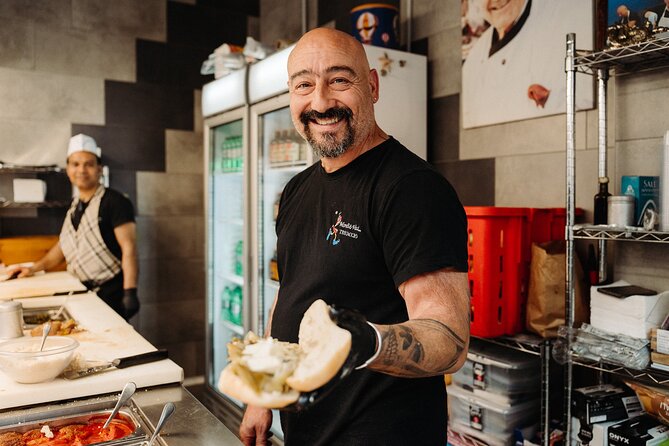
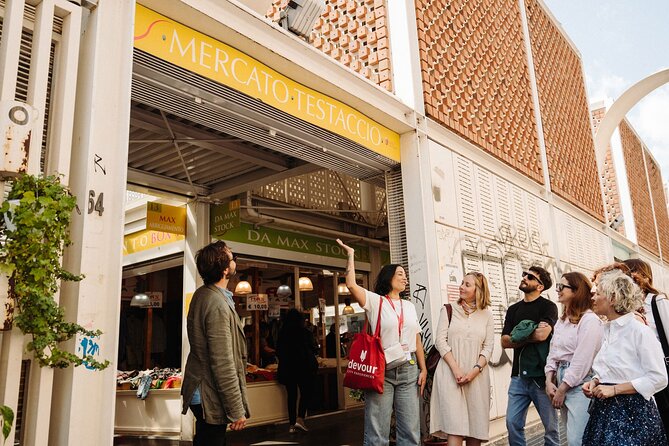
The market takes up about 1½ hours, making it the longest stop. That is the right choice. A market needs time. You can look around, meet vendors, and understand how people shop instead of grabbing one bite and moving on.
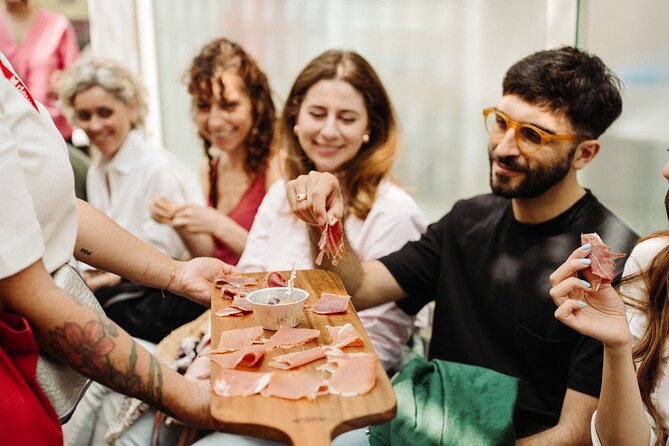
Some vendors have held their stalls for 40 years. That gives the market a sense of continuity, and your guide can introduce you to the people behind the food. The tour includes pizza, farm-fresh vegetables, artisanal cheeses, and cured meats, including two types of prosciutto, ricotta, mozzarella, and pecorino.
There is also a glass of wine with the cheese and cured meat tasting. The sample menu lists one glass here and another with the pasta course later, so plan on a modest but noticeable amount of alcohol during the morning. If you do not drink, check directly with the operator about alternatives before booking.
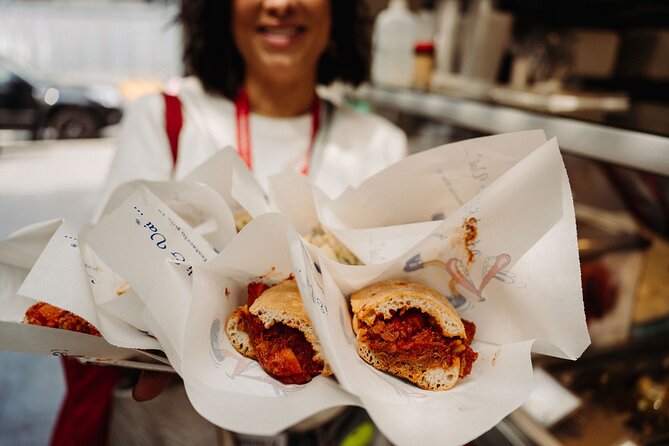
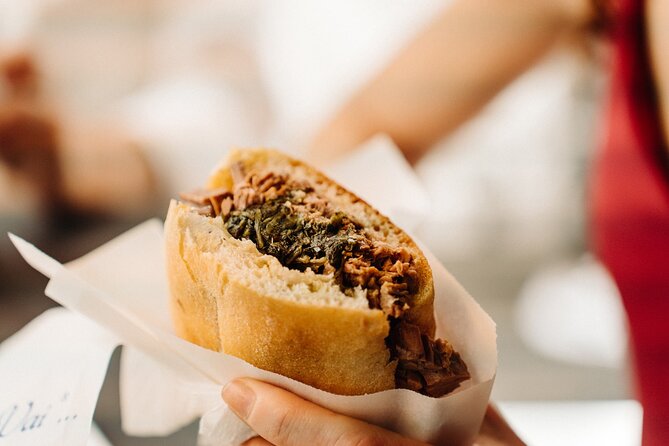
The market sandwich is another major stop. It features traditional Roman dishes in panino form, a practical way to taste food that might otherwise arrive as a full plate. This is the sort of bite I value on a food tour because it connects the market to ordinary eating. You are not only sampling polished restaurant dishes. You are getting food designed to be eaten, carried, and enjoyed without ceremony.
The market can also be your chance to shop a little. Chiara, one of the guides praised for this tour, made time for market browsing while keeping the group moving. That balance matters. You want enough structure to stay on schedule, but not so much that the market feels like a corridor between tastings.
A possible limitation is choice. The tour selects the stalls and dishes for you. That makes the morning efficient and removes the guesswork, but it also means you are not free to build your own tasting route. If you prefer wandering independently and choosing every bite, you may find the guided format restrictive.
From slaughterhouse to neighborhood kitchen
Between food stops, the guide points out Testaccio landmarks. One important piece of context is the 19th-century slaughterhouse, which employed many Romans and helped shape the modern neighborhood.
That detail gives meaning to the food on your plate. Roman cooking is not only about elegant pasta and famous sauces. It also grew from practical cooking, local labor, and the need to use ingredients carefully. The connection becomes especially clear later, when you eat pasta with oxtail sauce.
You also see Monte Testaccio, the ancient mound made from broken pottery. It reflects Rome’s commercial past and helps explain why this area became linked to the movement and storage of food goods. The mound is not just an odd hill in the city. It is a physical clue to the trade that helped make Testaccio what it is.
The walking portions are part of the value here. You get a short neighborhood tour folded into a meal, with your guide explaining landmarks as they appear. This works well if you want history in manageable portions rather than a long lecture.
Wear comfortable shoes. The experience lasts around 3½ hours and includes repeated walking between stops. No special fitness level is listed, and most people can participate, but you should still be comfortable on your feet for the morning.
More Street Food Market Tours in Rome
- Rome E-Bike Tour: Ultimate Street Food and Market Feast
★ 4.9 · 50 reviews - Tasty Trionfale Farmers Market Food Tour and Local Wines Tasting
★ 5.0 · 43 reviews - Rome: Vatican Street Food and Wine Tour with Farmers Market
★ 5.0 · 37 reviews - Rome: Testaccio Market Food Tour with Street Food & Wine
★ 5.0 · 8 reviews
A family trattoria and pasta with oxtail sauce
After the market, the group sits down for lunch at a family-run trattoria. The featured pasta comes with oxtail sauce, a dish with clear roots in Roman cooking, and it is served with Italian red wine.
This is the point where Testaccio’s story comes together. Oxtail is a traditional example of cucina povera, the practical cooking of less expensive ingredients. Slow cooking turns a tough cut into a rich sauce, and the result is the kind of dish that says more about Roman food culture than another plate of standard tomato pasta.
The trattoria also provides a chance to learn about Italian mealtimes. Your guide explains how meals are structured and how Romans think about breakfast, lunch, and dinner. Since you have already eaten a substantial amount by this point, the pasta works as a proper finish to the savory part of the tour rather than another quick nibble.
One appealing detail is the restaurant’s wine cellar. It adds a sense of place and makes the lunch feel connected to the family business rather than inserted into a generic dining room.
You should expect generous quantities overall. The tour includes 14 tastings across eight family-run establishments, and the food covers breakfast, lunch, wine, and dessert. That is a strong value if you would otherwise pay separately for coffee, pastries, market samples, a restaurant lunch, and gelato.
Gelato at Brivido Gelateria
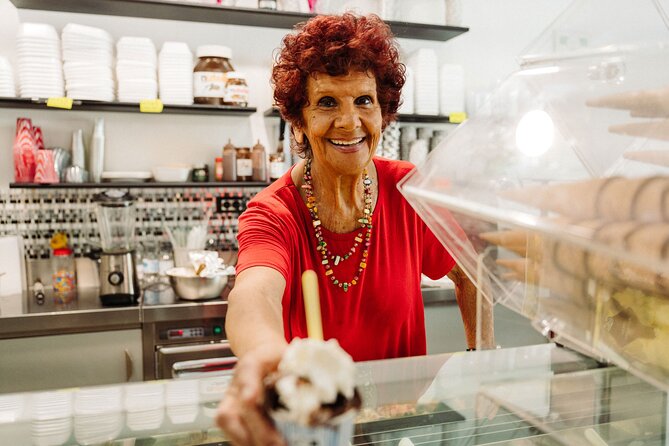
The final stop is Brivido Gelateria, a historic shop that makes its gelato on site each morning. You choose your flavors in a cup or cone, and the stop lasts about 15 minutes.
Gelato is a cheerful finish, but it also serves a practical purpose. After the market and pasta, you get one last taste without committing to another sit-down course. The choice of flavor lets you finish with something familiar or try something new, depending on how full you are.
The gelato stop is short, so do not expect a long lesson or a leisurely dessert session. It is a final portion of the food route, followed by the end of the tour at Piazza Testaccio.
What the $95.58 price really covers
At $95.58 per person, the tour is not cheap by casual sightseeing standards. The price makes more sense when you count what is included: a local English-speaking guide, a 3½-hour walking route, 14 food tastings, wine, a full pasta course, and gelato.
You are also paying for organization. Testaccio Market can be explored independently, and you can certainly buy food there on your own. The tour’s added value is the sequence, the introductions to vendors, the neighborhood context, and the certainty that you will taste a broad range of Roman specialties without having to choose every stop yourself.
I would compare the price with the cost of a meal rather than with the cost of a museum ticket. You get coffee and pastry, several market foods, two glasses of wine listed in the sample menu, a sandwich, pasta, and gelato. For a person who wants lunch and a guided introduction to Testaccio, that is a reasonable package.
The value is weaker if you are a very selective eater, avoid most animal products, or prefer to spend your money only on dishes you personally choose. The menu includes prosciutto, cheese, oxtail sauce, and other traditional foods. It is not designed around vegan or celiac-friendly eating.
Who will enjoy this tour most
I would recommend it to someone visiting Rome who wants food tied to local history rather than a parade of famous restaurants. It suits first-time visitors who want help getting into Testaccio, as well as repeat visitors who have already seen the major ancient sites.
It is especially good for people who enjoy asking questions. Guides such as Mattia, Fernanda, Julia, Chiara, and Silvia have been praised for making time for conversation and explaining local customs. A small group helps, but your own curiosity makes the experience better.
Come hungry, wear comfortable shoes, and leave room for a large lunch. You should also be ready for foods that are traditional rather than carefully tailored to modern dietary preferences.
The tour is not suitable for vegans. It is not adaptable for celiac disease because of gluten cross-contamination, and serious food allergies require an allergy waiver at the start. If you have any dietary restriction or allergy, contact the operator when booking instead of waiting until the morning of the tour.
One practical concern deserves attention: the meeting point instructions. The listed start is Piazza di S Maria Liberatrice, but one person arrived early and could not find the group because the map and written directions did not clearly identify the fountain. I would confirm the exact meeting spot with the operator, arrive early, and keep the phone number handy. The tour does not allow late arrivals to join after the group has left.
Should you book the Testaccio food tour?
Book it if you want a filling, organized introduction to Roman food in a neighborhood that feels more local than the city’s main sightseeing zone. The market, oxtail pasta, Roman sandwich, maritozzo, and gelato create a well-rounded morning, and the old slaughterhouse and pottery mound give the food a clear setting.
Skip it if you need a vegan or celiac-safe menu, dislike cured meat and offal-based dishes, or prefer complete freedom over where and what you eat. Also take the meeting instructions seriously.
For most food-minded visitors, the strongest reason to book is the combination of quantity and context. You finish with much more than a list of dishes. You understand how Testaccio’s work, trade, and kitchens fit together, and you will not need lunch afterward.
FAQ
How long does the Testaccio Market Food Tour last?
The tour lasts approximately 3 hours and 30 minutes, starting at 10:30 am.
Where does the tour begin and end?
It begins at Piazza di S Maria Liberatrice in Rome and ends at Piazza Testaccio.
What food is included?
The tastings include coffee, pastries, maritozzo, pizza, vegetables, cheeses, cured meats, a traditional Roman panino, pasta with oxtail sauce, wine, espresso, and gelato. The tour includes 14 tastings across eight family-run establishments.
Is the tour suitable for people with dietary restrictions?
You should contact the operator when booking if you have dietary restrictions or food allergies. The tour is not suitable for vegans and cannot accommodate celiac disease because of the risk of gluten cross-contamination. People with serious food allergies must sign a waiver at the start.
How many people are in the group?
The group has a maximum of 12 participants.
What happens if I need to cancel?
You can cancel at least 24 hours before the local start time for a full refund. Cancellations or changes made less than 24 hours before the tour are not refunded or accepted.
More Food and Drink Trips in Rome
- Trevi Fountain, Pantheon, and Campo Dei Fiori Market Food and Wine Tour
★ 5.0 · 320 reviews - Rome: Testaccio Food & Market Tour with Pasta & Wine
★ 5.0 · 38 reviews - Rome: Taste of Testaccio Food & Market Tour
★ 4.9 · 38 reviews - Rome: The Vatican Market Experience Tasting and Class
★ 4.7 · 10 reviews
Just added around Rome
- Testaccio Experience: Street Food, Market and Traditions★ 5.0 · 4 reviews
- Rome: Testaccio Food & Market Tour with Pasta & Wine★ 5.0 · 38 reviews
- Rome: Temples, Squares & Markets Guided Walking Tour★ 4.8 · 26 reviews
- Rome: Taste of Testaccio Food & Market Tour★ 4.9 · 38 reviews
- Rome: The Vatican Market Experience Tasting and Class★ 4.7 · 10 reviews
- Rome: Trajan Markets Experience with Multimedia Video★ 4.0 · 66 reviews
- Rome: Prati Food & Wine Market Tour with St. Peter Square★ 5.0 · 7 reviews
- Rome: Trajan’s Markets & Museum of The Imperial Fora Tour★ 4.8 · 4 reviews
Street Food Market Tours, compared.
Old Town, Creek, Museums, Souks, & Street Food Tour
Read our review →
Old Town, Souks, Street Food, Guided Tour & Abra Ride
Read our review →
Old Town, Souks, Street Food, Guided Tour & Abra Ride
Read our review →
Small Group Cooking Class & Market Food Tour in Florence
Read our review →
Old Town, Street Food, Creek, Souks, & Emirati House
Read our review →
Browse the lists this tour appears in