
Review · FOOD & DRINK
Rome: Taste of Testaccio Food & Market Tour
Testaccio is where Rome’s working-class food traditions still feel close to the surface. On this four-hour walk, you move from a family bakery and espresso bar to the local market, a traditional restaurant, and a 105-year-old gelateria. The food is the star, but the neighborhood’s story gives each bite more meaning.
I especially like the market access, where you can meet vendors and see the produce used in Roman cooking. I also like the unusual pairing of food with sights such as the Pyramid of Cestius and the Protestant Cemetery, where poet John Keats is buried. One consideration: the pace is built around shared tastings, so you may have limited time to browse the market independently or shop for extra food.
Key points to know before you book
- A four-hour food walk through Testaccio: Plan for several tastings, drinks, neighborhood stops, and a steady amount of walking.
- Roman food beyond pizza and gelato: Expect pasta, supplì, bruschetta, bakery food, cheeses, cured meats, wine, coffee, and gelato.
- A working local market: You meet vendors and see the ingredients that shape everyday Roman cooking.
- History between meals: The route includes the Pyramid of Cestius and the Protestant Cemetery, with John Keats’s grave.
- Guide quality matters: Guides including Fabio, Gabriel, Luca, Valentina, Rash, and Jean-Luca have led this experience, with particular praise for warmth, humor, and clear local recommendations.
- Come hungry and wear sensible shoes: Food portions add up, and the tour runs rain or shine.
Why Testaccio is the right neighborhood for a food tour
Rome has famous dishes, but Testaccio helps explain where much of that cooking comes from. This is a historic neighborhood with a strong local identity, and it is less centered on the major monuments than the city center. That makes the food feel tied to daily life rather than arranged only for sightseeing.
You begin at Piazza Testaccio, at the entrance to L’Oasi della Birra. Look for the guide carrying the Eating Europe logo. Starting in a neighborhood square gives you a useful sense of place before the eating begins, and the meeting point is easy to use as a reference because the tour also finishes there.
The route is not a quick tasting session with a few samples. It is a long morning or afternoon built around several stops. You should arrive ready to eat, but not so full that you cannot manage pasta, snacks, wine, and gelato later.
More Food and Drink Trips in Rome:
- Roman Food Tour with Visit to the Trionfale Food Market
★ 5.0 · 471 reviews - Trevi Fountain, Pantheon, and Campo Dei Fiori Market Food and Wine Tour
★ 5.0 · 320 reviews - Rome: Food Tour with Market Visit
★ 4.9 · 200 reviews
Bakery food, coffee, and the Roman morning ritual
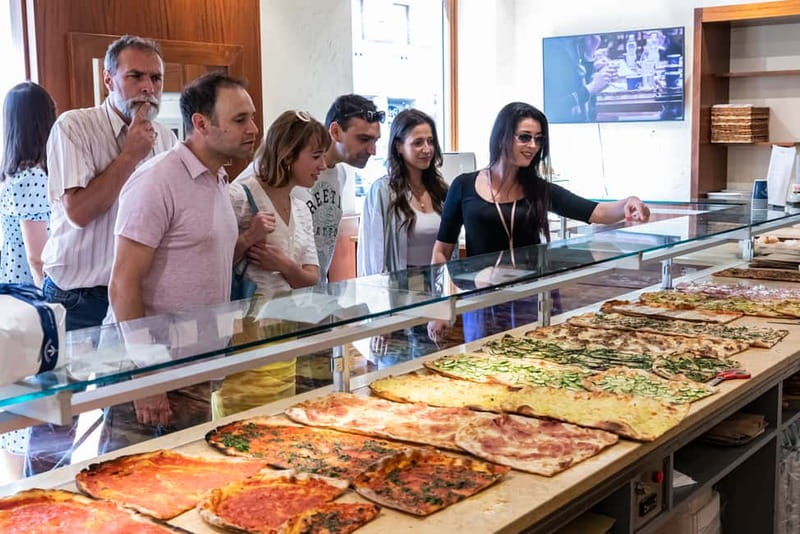
The first food stop is a long-standing, family-owned bakery. The exact tasting selection can vary, but the point is to begin with the kind of food Romans buy locally, not with a polished restaurant course. Bakery treats give you an early look at the simple, generous style that carries through the rest of the tour.
You also stop for espresso or cappuccino. This is a small detail, but it helps place the food in its Roman setting. Coffee in Italy is often quick and social, and your guide can show you how this everyday ritual fits into local life.
The coffee stop also gives your stomach time to settle before the heavier tastings. Four hours of food is a lot, and the tour works best when you treat each portion as part of a larger meal rather than eating every sample as if it were lunch by itself.
Cheeses, cured meats, and wine near Piazza Testaccio
Next come cheeses and cured meats, paired with wine. This is one of the more useful parts of the route for anyone who wants to understand Italian food beyond restaurant menus. You can compare textures and flavors while learning how simple ingredients are presented and enjoyed.
The wine pairing adds a social element. You are not only tasting food, you are sitting or standing with a group and talking through the stops with your guide. The included food and drinks make the price easier to judge, especially in Rome, where ordering several small tastings separately can become expensive.
Do not expect a formal wine class. The experience is aimed at eating well and learning local context, not at detailed technical instruction. If you want to buy particular cheeses or meats to take home, ask your guide how much time you will have and where shopping makes sense.
Testaccio Market and the value of local vendors
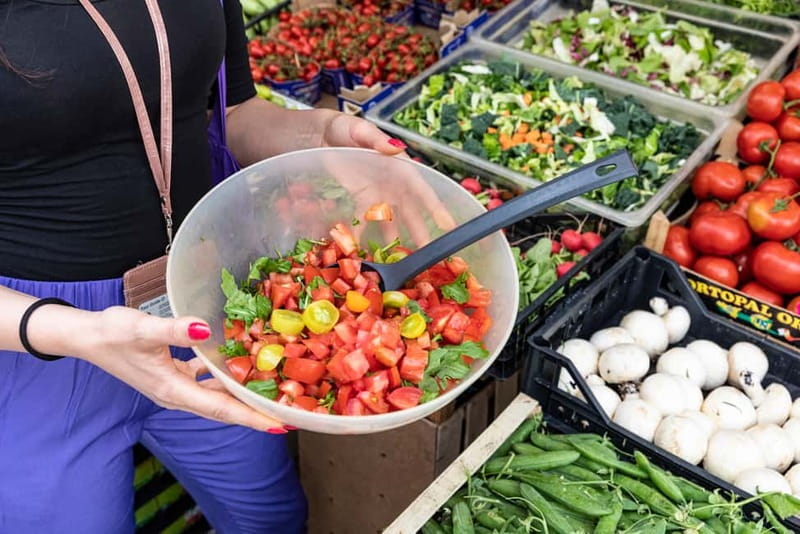
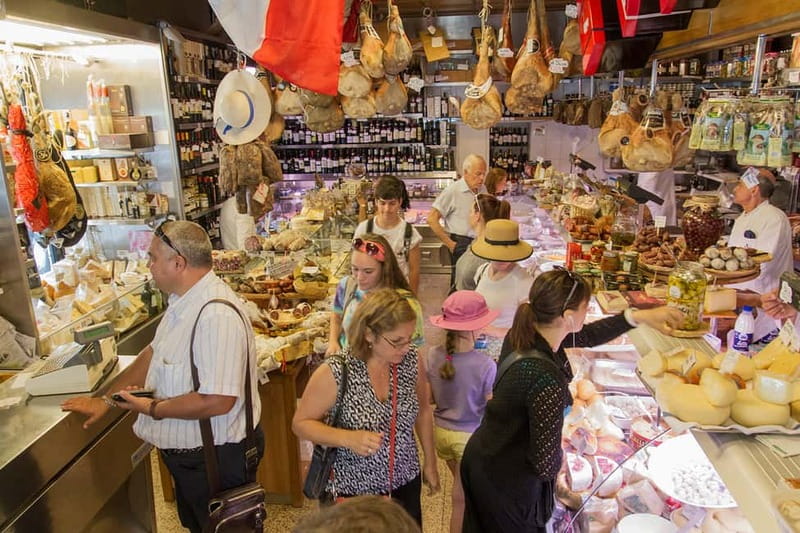
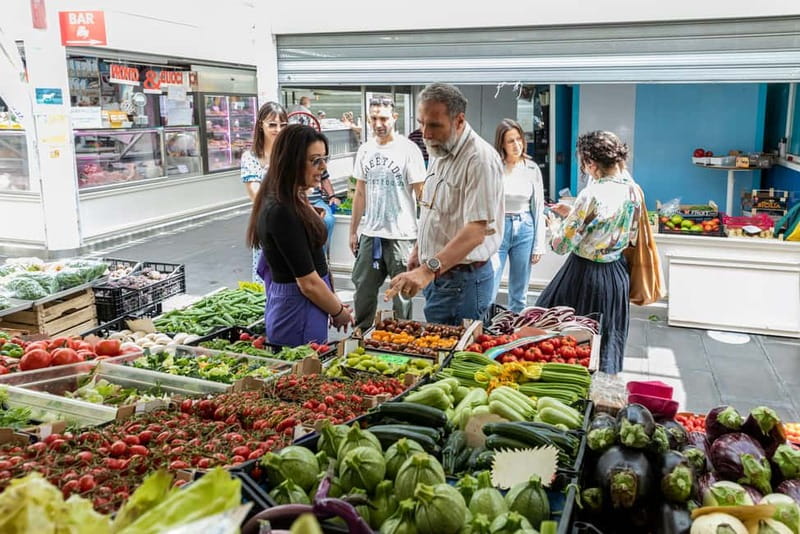
The central market is the core of the tour. You walk among stalls, see high-quality produce, and meet vendors who have worked there for generations. This is where Testaccio feels most connected to everyday Roman life.
A market stop matters because it shows the ingredients behind the dishes you are tasting. Fresh produce, cured products, and prepared food are not isolated restaurant concepts here. They are part of the neighborhood’s food chain.
You also make your own bruschetta at the market. This hands-on stop breaks up the guided tasting pattern and gives you a simple way to think about bread, toppings, and seasoning. It is not a complicated cooking class, but it lets you participate rather than simply receive another plate.
One practical point deserves attention: the tour’s schedule may not leave much independent time to wander through every stall. If you want to browse slowly, compare prices, or buy groceries, ask the guide when you can step aside. The market is a working stop within a larger route, not an open-ended shopping break.
A few more market tours around Rome worth a look
- Rome: Colosseum, Roman Forum & Trajan’s Market Exterior Tour
★ 4.3 · 2,038 reviews - Authentic Roman Cooking Class & Market Experience
★ 5.0 · 363 reviews - Rome: Pasta Cooking Class with Market Visit and Wine
★ 4.9 · 277 reviews - Devour Rome Testaccio Market Food Tour
★ 5.0 · 180 reviews
Fresh pasta, Roman comfort food, and supplì
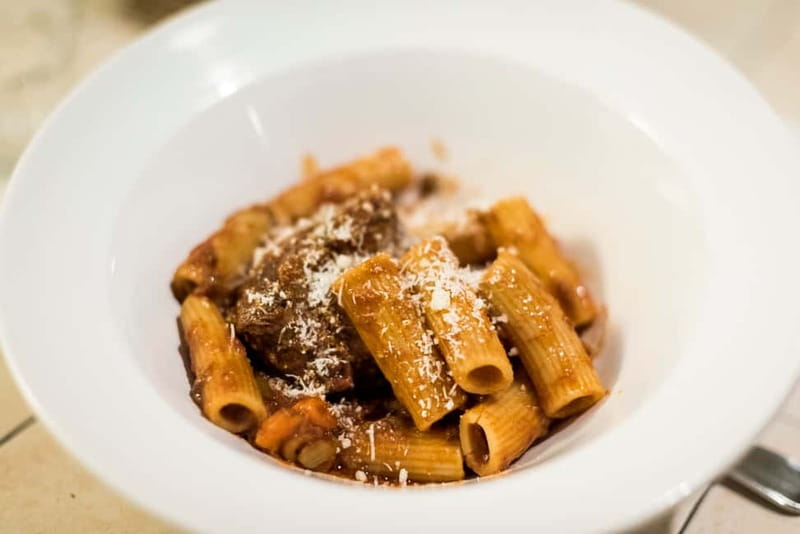
The main meal comes at a neighborhood restaurant known for traditional Roman cooking. Fresh pasta is one of the most anticipated stops, and it gives the tour a proper center of gravity after the earlier snacks and tastings.
Roman pasta is often direct and filling. The value here is not only the dish itself, but the chance to eat it in the neighborhood where these food traditions remain part of local life. You will likely want to slow down at this point, since the earlier bakery food, meats, cheese, wine, and bruschetta all add up.
Supplì also appears among the tastings. This Roman street food snack is a fried rice croquette, traditionally associated with a crisp exterior and a soft center. It is a good counterpoint to pasta because it shows another side of Roman comfort food, one designed for a quick bite rather than a seated meal.
One useful tip is to pace yourself. The food is repeatedly praised for quality, and it is easy to eat too quickly at the first few stops. Take small portions when possible, sip water between tastings, and save room for the gelateria.
Gelato at a 105-year-old neighborhood shop
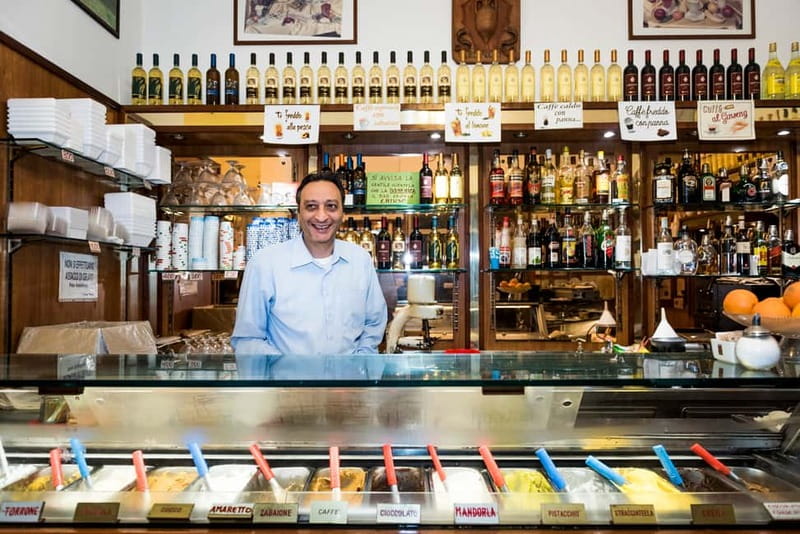
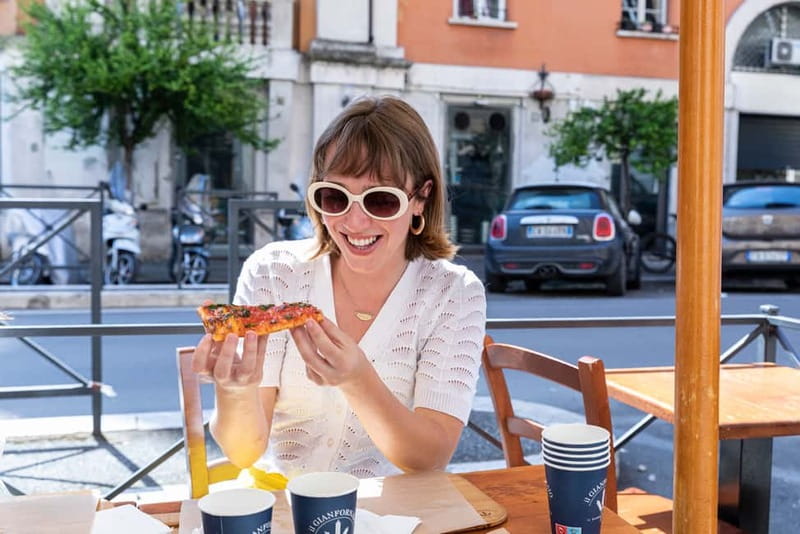
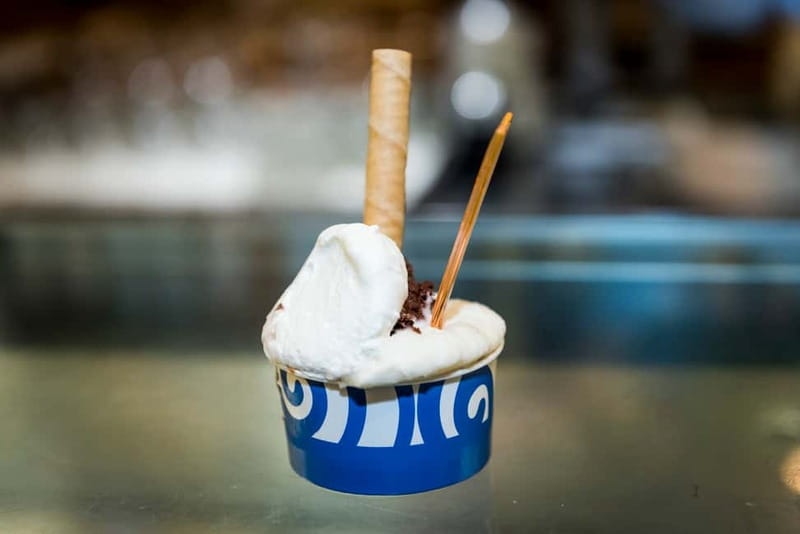
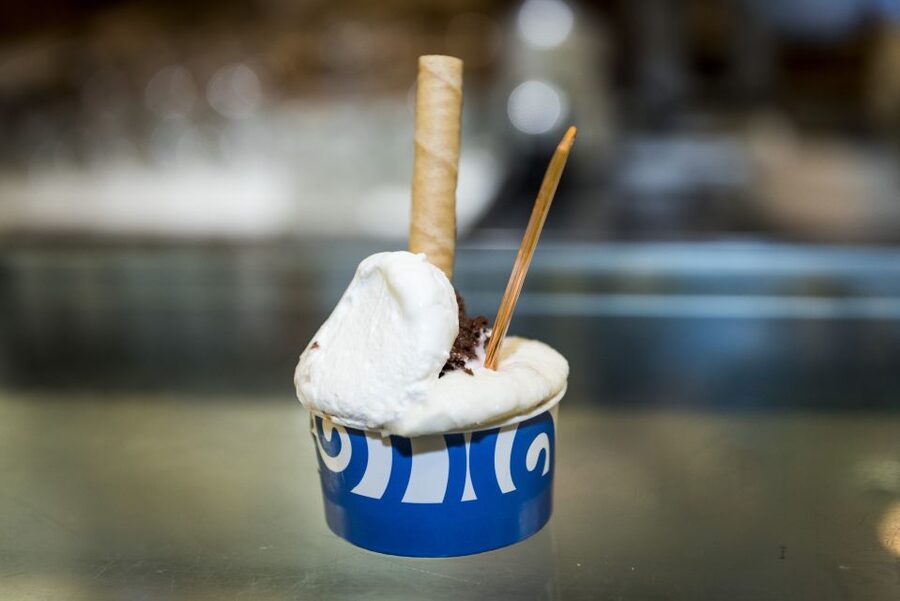
The final food stop is a 105-year-old gelateria. You choose from an assortment of flavors, which gives you a little more control after the fixed tastings earlier in the route.
The age of the shop adds context, but the real benefit is practical: gelato is a pleasant finish to a food walk, and the choice of flavor gives you a personal ending. If you have strong preferences, ask what the guide recommends. The tour information does not promise a particular flavor selection, so choices may change.
This stop also helps mark the shift from organized tasting to free time. After four hours, you can continue exploring Testaccio or head toward public transportation. The tour ends only a few blocks from where it begins, so you do not finish stranded across the city.
The Pyramid of Cestius and the Protestant Cemetery
Food is not the only reason to book this route. While walking between stops, your guide points out lesser-known Roman sights and explains parts of the city’s cultural history.
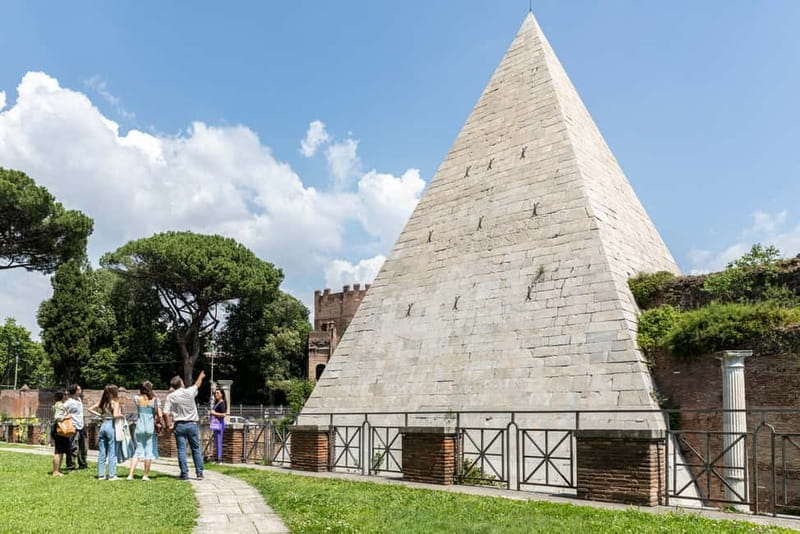
The Pyramid of Cestius is the most surprising landmark. Rome has an ancient Egyptian-style pyramid within the city, and this route includes access to an exclusive secret viewing spot. You do not need to give up a full sightseeing day for it, yet you still get an unusual photograph and a story to carry with you.
The Protestant Cemetery is nearby and adds a quieter note. It is the final resting place of John Keats, the English poet. This stop changes the tone of the tour. After the noise and appetite of the market and restaurants, a cemetery visit gives you a calmer look at Rome’s long connection with artists, writers, and foreigners.
The historical commentary depends partly on your guide. Fabio has been praised for making the sights and food especially interesting. Gabriel has been noted for offering extra local recommendations, while Luca has been praised for humor, enthusiasm, and attention to different preferences. Valentina has also received strong praise for guiding a fun, food-filled route. These details matter because a food tour can feel flat if the guide only moves the group from plate to plate.
How the guiding style affects the experience
The guide is the thread holding the day together. A strong guide explains what you are eating, tells you when to start, and helps the group feel comfortable at busy stops. The best moments come when the food, neighborhood, and story connect naturally.
Several guides associated with this experience have been praised for being entertaining and attentive. Luca, for example, is described as enthusiastic and generous with recommendations for other authentic Italian experiences. Gabriel has been praised for going out of his way to make the day work for the group.
You should also know that the guiding style may not be identical every time. One participant found the food and locations excellent but wanted clearer instructions about when to eat and what was happening next. That is a fair point. At shared market and restaurant stops, do not be afraid to ask the guide what to try first, what is included, or whether you may purchase something separately.
The tour is conducted in English. Children age four and younger are complimentary, but the food-heavy schedule and steady walking may suit older children better than very young ones.
What the $106.49 price includes
At $106.49 per person, this is not a cheap snack crawl. It is a substantial four-hour experience that includes food and drinks at multiple stops, an English-speaking guide, the market visit, restaurant tastings, gelato, and historical commentary.
I think the price makes sense if you want a meal-sized introduction to Roman food and prefer someone else to organize the route. You are paying for more than the individual bites. You are also paying for access to family-run food businesses, the guide’s local explanations, and the convenience of moving between several places without planning each stop yourself.
The value is weaker if you mainly want a market to explore at your own speed or if you already know Testaccio well. The tour follows a schedule, and your freedom to linger at each stall may be limited. It is also worth remembering that gratuity is not included, so plan for a tip if your guide gives you a good day.
Free cancellation is available up to 24 hours before the start, and you can reserve now while paying later. Those terms help if your Rome plans are still shifting, though they do not change the tour’s basic value.
Practical advice for a comfortable four hours
Wear comfortable walking shoes. The route moves through streets, market spaces, food shops, and restaurants, so this is not the time for hard-to-walk-in shoes.
Bring a bottle of water and an umbrella. The tour runs rain or shine, and weather can affect how pleasant the walking sections feel. Oversize luggage is not allowed, so arrive with only what you can carry comfortably.
Tell the operator about dietary restrictions before the tour. People with severe or life-threatening allergies cannot participate for safety reasons. This is important because the experience involves food from several businesses and shared tasting environments.
You should also tell the guide early in the day if you are unsure about a food or need help with pacing. The tastings include bread, dairy, cured meats, wine, fried food, pasta, and gelato, so clear communication helps the group move smoothly.
Who will enjoy this Testaccio food walk?
I would choose this tour for a first or second visit to Rome, especially if you want to eat local food while seeing a neighborhood outside the standard Colosseum and Vatican route. It suits people who like guided context, shared meals, and a full schedule.
It is also a smart choice for anyone who wants food recommendations for the rest of a Rome stay. Guides have offered additional suggestions for authentic Italian places, and the tour shows you how Testaccio works as a food neighborhood rather than simply naming famous dishes.
You may want something else if you need a slow, quiet lunch, have serious food allergies, dislike group tours, or want a long stretch of unplanned market time. The route is social and structured. That is part of its strength, but it is also the main limitation.
Should you book the Taste of Testaccio tour?
Book it if you want to eat your way through a real Roman neighborhood and prefer a guide to connect the food with local history. The combination of market vendors, bakery food, coffee, cheese, cured meats, wine, bruschetta, fresh pasta, supplì, gelato, the Pyramid of Cestius, and the Protestant Cemetery gives you far more than a standard restaurant meal.
I would book it early in a Rome visit so you can use the guide’s food advice for later meals. Arrive hungry, wear good shoes, and accept that the market portion is guided rather than fully independent. If that balance suits you, the $106.49 cost is reasonable for four hours of food, drinks, stories, and neighborhood access.
FAQ
Where does the Testaccio food tour begin?
Meet at the entrance of L’Oasi della Birra in Piazza Testaccio, Rome, 00153. Your guide will have an Eating Europe logo.
Where does the tour end?
The tour ends back at the meeting point, a few blocks from local public transportation.
How long does the tour last?
The experience lasts four hours. Starting times vary, so check availability for the date you want.
Is food and drink included?
Yes. Food and drinks are included, along with an English-speaking guide and a digital guide to the stops and tastings.
Can children join the tour?
Children age four and younger are complimentary. The tour information does not specify a separate child price for older children.
What should I bring and wear?
Wear comfortable walking shoes and bring a bottle of water. Bring an umbrella because the tour operates rain or shine. Oversize luggage is not allowed, and you should notify the operator about dietary restrictions before booking.
Just added around Rome
- Testaccio Experience: Street Food, Market and Traditions★ 5.0 · 4 reviews
- Rome: Testaccio Food & Market Tour with Pasta & Wine★ 5.0 · 38 reviews
- Rome: Temples, Squares & Markets Guided Walking Tour★ 4.8 · 26 reviews
- Rome: The Vatican Market Experience Tasting and Class★ 4.7 · 10 reviews
- Rome: Trajan’s Markets & Museum of The Imperial Fora Tour★ 4.8 · 4 reviews
- Rome: Trajan Markets Experience with Multimedia Video★ 4.0 · 66 reviews
- Rome: Prati Food & Wine Market Tour with St. Peter Square★ 5.0 · 7 reviews
- Rome: Market and Cooking Class at a Local’s Home★ 4.0 · 3 reviews
Food & Drink, compared.
Old Town, Creek, Museums, Souks, & Street Food Tour
Read our review →
Old Town, Souks, Street Food, Guided Tour & Abra Ride
Read our review →
Bangkok by Night: Temples, Markets and Food Tuk-Tuk Tour
Read our review →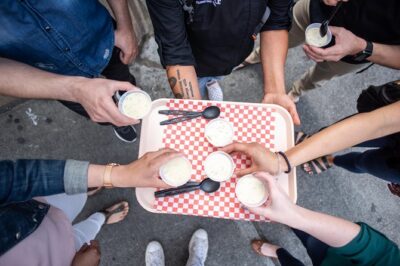
Tokyo Tsukiji Fish Market Food and Culture Walking Tour
Read our review →
Markets, Temples and Food Night Tour by Tuk Tuk
Read our review →
Old Town, Souks, Street Food, Guided Tour & Abra Ride
Read our review →Browse the lists this tour appears in