
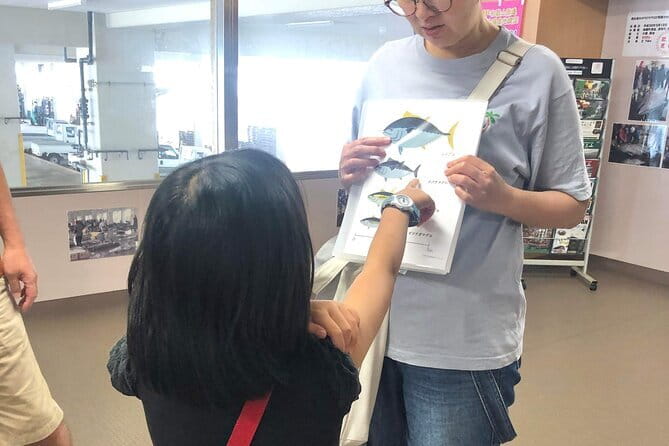
Review · PRIVATE MARKET TOURS
Tuna Auction Market Guided Private Tour in Nachi-Katsuura
The most interesting part of this Nachi-Katsuura tour is that it takes you past rows of tuna and explains what you are actually seeing. At the JF Katsuura Seafood Market, your guide connects the auction to fishing methods, grading, local jobs, and the town’s unusual social makeup. You learn why the tuna is sold fresh rather than frozen, and why long-line fishing matters.
I like two things here. First, Stella, also referred to as Chizuko-san, brings clear explanations and teaching aids instead of leaving you to guess at the action. Second, the private format lets you ask direct questions about the auction, commercial fishing, and local life. The main consideration is timing: the visit can be as short as 40 minutes, and breakfast is optional and costs extra.
Key points to know before you book
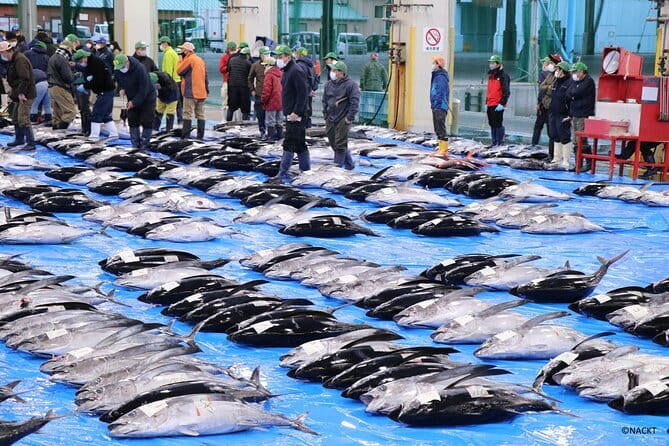
- Watch a working tuna auction at JF Katsuura Seafood Market: You see the port in use, not a staged museum display.
- Learn how buyers assess tuna: The guide explains the signs of quality and the order of the auction process.
- Hear the town’s less obvious story: The tour looks at the people and jobs connected to tuna, including the surprising fact that tuna fishermen do not live in the town.
- Understand long-line fishing: You learn how this lower-impact method supports the claim of fresh, never frozen tuna.
- Add a local tuna breakfast: The guide can lead you to a favored restaurant at Katsuura Nigiwai Market, but the meal is not included.
- Enjoy a private English-guided visit: Only your group takes part, and the guide can adapt the conversation to your questions.
Why the Nachi-Katsuura tuna auction is worth your time
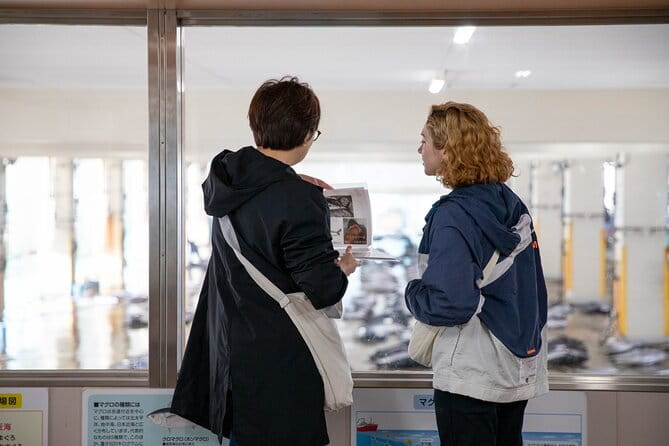
Nachi-Katsuura is known for fresh tuna landings, but a market visit can be hard to read on your own. You may see large fish lined up and people moving with purpose, yet miss the details that give the scene meaning. This tour fixes that problem with a guide who explains the work as it happens.
The auction is not presented as a show for tourists. It is a working part of the port. That gives the experience its value. You get a look at how seafood moves from fishing boats into the commercial system, and you can ask questions as the activity unfolds.
The guide also puts the tuna on your plate in a wider setting. You hear about the fishing method, the buyers, the people who support the trade, and the place of the market in town life. That makes this more than a quick photo stop.
The tour has received a top rating from 43 submitted ratings, with 100 percent recommending it. I would still treat the experience as a focused port visit rather than a full morning excursion. Its strength is the quality of the explanation, not a long list of attractions.
More Private Market Tours in Japan
- Private Toyosu & Tsukiji Market Adventure with Tuna Auction
★ 4.8 · 191 reviews - Private Market Tour and Cooking Class with Kanae, a Sapporo Local
★ 5.0 · 29 reviews - Tsukiji Fish Market Private Food Tour in Tokyo
★ 5.0 · 18 reviews
Stop 1: Reading the auction floor at JF Katsuura Seafood Market
The first part lasts about 40 minutes and takes place at the market. Admission to the market portion is included.
You’ll see the tuna auction area and the rows of fish prepared for sale. Your guide explains the different roles around the auction and helps you understand the sequence of activity. That context matters because the auction can look simple at first glance. In practice, buyers are judging quality, condition, size, and other factors that are easy to miss.
The tour focuses on the art of fresh tuna assessment. You learn what specialists look for and how those judgments affect the sale. The guide also explains the path from landing to auction, helping you connect the fish on the floor with the boats, buyers, and other work behind the scenes.
Photography and video are listed as part of the experience, but you should still follow any market rules and avoid getting in the way of workers. This is a working place, so a respectful approach is important. Your guide can help you understand where to stand and what deserves your attention.
I especially like the way this stop turns a familiar food into a subject you can study. Many people eat tuna without thinking about the chain that brings it to the table. Here, you can watch that chain begin at a major landing port.
The high-energy feel of an auction may appeal to you if you like working markets, food culture, or local industry. If you want a slow scenic walk, this is a different kind of experience. The focus is observation, explanation, and questions.
How long-line fishing shapes the tuna you eat
A central theme is long-line fishing. The guide explains this as a lower-impact method that helps protect the future of the ocean. The tour also links this method to the quality of Nachi-Katsuura tuna.
You’ll hear why the tuna is described as fresh, never frozen. That point is important because the handling method affects texture and taste. The tour does not simply ask you to admire the fish. It explains how fishing and post-catch handling help produce the food that later appears in local restaurants.
This is one of the stronger parts of the experience for anyone interested in sustainable seafood. You get a local example rather than a general lecture. The information is tied to the port in front of you and to the people who work within its trade.
The subject also adds balance. Tuna fishing raises questions about ocean resources and commercial pressure. The tour presents long-line fishing as a more environmentally friendly approach, but you should see this as an introduction to the topic rather than a complete course in fisheries management. The value is in learning what this port considers important and asking your guide for more detail.
The people behind the port, not only the fish
The tour asks a surprising question: if tuna is so central to Nachi-Katsuura, where do the tuna fishermen live? The answer given during the experience is that no tuna fishermen actually live in the town.
That detail opens a useful look at how a port community works. A market depends on more than people who go to sea. Buyers, sellers, market workers, restaurant staff, transport providers, and other local professions all play a part. Your guide explains these roles and shows how the tuna trade connects with town life.
This human side is one of the reasons I would choose a private guide instead of walking through the market alone. A display can show you fish. It cannot easily explain the local working relationships, the unusual population pattern, or the questions that come up when you look more closely.
Stella’s style, based on the information provided, is warm and conversational. She has been praised for excellent English, clear answers, and useful suggestions for the rest of a day in Katsuura. Chizuko-san is also named as a guide who can show the auction, exhibition room, and part of the port.
You should confirm the assigned guide when booking if that matters to you. The supplied information identifies Stella Locals Nachi-katsuura as the provider and names Stella and Chizuko-san in connection with the guiding.
Same place, a different set of stalls:
- Tokyo Tsukiji Fish Market Food and Culture Walking Tour
★ 5.0 · 3,184 reviews - Tokyo: Tsukiji Fish Market Food and Walking tour
★ 5.0 · 1,724 reviews - Tokyo: Tsukiji Fish Market Guided Walking Tour
★ 4.9 · 1,397 reviews - Nishiki Market Brunch Walking Tour (7 Tastings + Brunch)
★ 5.0 · 1,355 reviews
Stop 2: The exhibition room adds the missing context
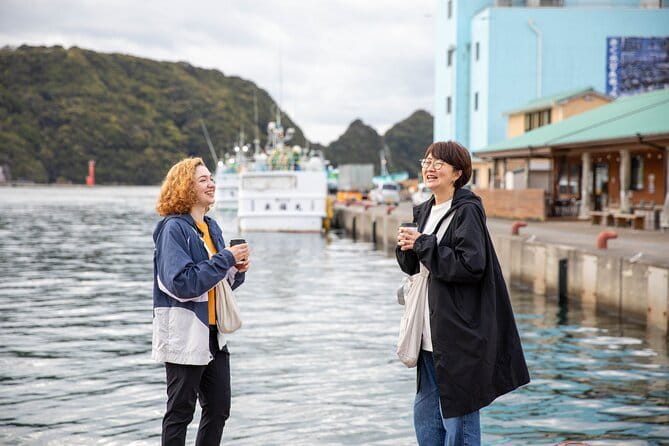
After the auction area, the tour moves to a specialized exhibition room for about 20 minutes. Admission is included.
Here, maps, illustrations, and videos help explain points that are difficult to cover while watching the market floor. The room gives the guide a calmer setting for the bigger story: where the tuna comes from, how the fishing industry functions, and why the port matters.
This stop is useful if the auction feels fast or crowded. You can pause, look at the visual material, and ask questions. It also gives the tour a better rhythm. The first stop shows the working market. The second organizes what you have seen.
The exhibition room may feel less exciting than the live auction, but it is where the facts are likely to become easier to remember. If you are traveling with children or with family members who do not know much about fishing, the maps and videos should make the subject easier to follow.
The 20-minute length keeps the visit focused. You will not spend hours inside an information center, and the room is not treated as a substitute for seeing the market itself.
Stop 3: A tuna breakfast at Katsuura Nigiwai Market
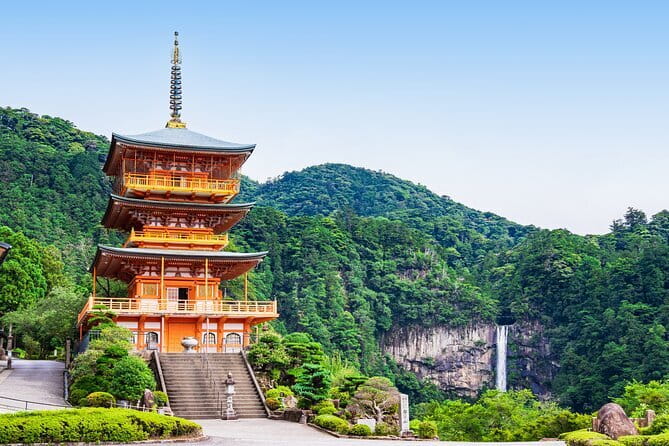
The final stop is an optional 15-minute visit to Katsuura Nigiwai Market. Your guide can take you to a local favorite for breakfast featuring fresh tuna.
This is not included in the tour price, so you pay for the meal separately. That is worth knowing before you agree to add it. The breakfast is also not required, so you can finish the tour at the seafood market if you have another plan.
I like the food option because it lets you connect the lesson to a real meal. You have just learned about grading, fishing, and freshness. Now you can taste the product in the town where it landed. That simple link gives the morning a satisfying finish.
The guide can also suggest places for coffee and other stops after the tour. That local advice is useful in Nachi-Katsuura, especially if you are passing through on the Kumano Kodō or planning the rest of a day around the port.
The listed itinerary gives the full experience an approximate duration of 40 minutes to 1 hour and 15 minutes. The shorter time reflects the market and exhibition portions. The longer version includes the optional breakfast guidance.
What the private format adds
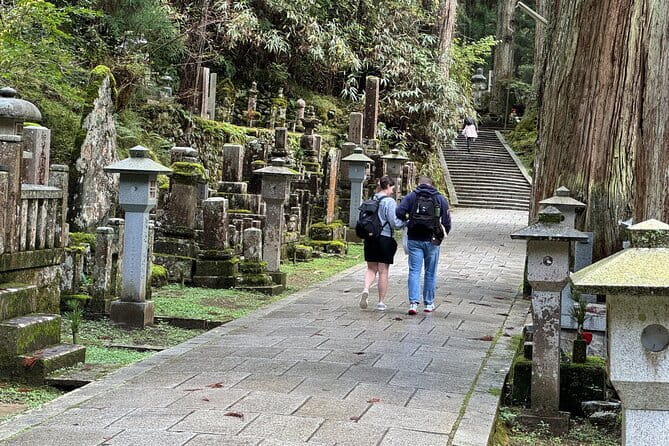
This is a private activity, so only your group takes part. That is a real advantage at this price, especially for families or small groups with specific interests.
At $42.93 per person, the value depends on how much you want to understand rather than how long you want to be occupied. You are paying for a guide who explains the auction, fishing practices, local jobs, and the exhibition material. You are not paying for a full-day tour or an included meal.
For a group of six, the private setup can work particularly well. One family described asking many questions and receiving patient explanations of the process. That is the sort of benefit a private format can provide. You can spend more time on tuna quality, sustainability, business, or local culture instead of following a fixed group pace.
Solo visitors and couples may also find the price fair if the auction is a priority. If you only want to take a few photographs and leave, the cost may feel high for a 40-minute visit. If you want to understand what you are looking at, the guide adds the part you cannot get from the market floor alone.
Getting there and meeting the guide
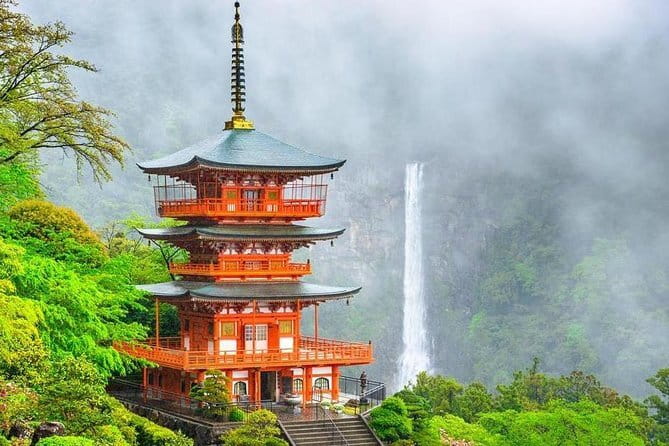
The meeting point is the JF Katsuura Seafood Market at 7-chōme-12-12 Tsukiji, Nachikatsuura, Higashimuro District, Wakayama 649-5335, Japan. The tour begins and ends at the same market.
Pickup and return from your accommodation are offered on foot. This is helpful if you are staying nearby and want someone to guide you to the market. Transportation costs such as taxis are not included if you do not walk.
The market is near public transportation, and the activity is listed as suitable for most participants. Service animals are allowed. The information does not provide detailed mobility guidance for the auction area, so if you have specific access needs, contact the provider before booking.
Confirmation is sent within 48 hours, subject to availability. The tour is popular enough that advance planning makes sense, with bookings averaging 78 days ahead. You can cancel for a full refund up to 24 hours before the start time. Changes or cancellations inside that window are not accepted, and the local time cutoff applies.
Who will enjoy this experience most
I would recommend this tour to you if you fit one or more of these descriptions:
- You enjoy working markets and local food culture.
- You want more than a quick photograph of a tuna auction.
- You are interested in sustainable fishing and seafood sourcing.
- You are visiting Kii-Katsuura or walking the Kumano Kodō.
- You prefer a private guide who can answer questions in English.
- You want a short activity that fits around other sightseeing.
Families should find the structure manageable. The live auction gives children something visual to watch, while the exhibition room supplies maps and videos. The private format also means you can ask for simpler explanations or spend more time on a subject that catches a child’s interest.
Food lovers will get the most from adding breakfast. The meal costs extra, but it completes the connection between port, market, and plate.
I would be less likely to recommend it if you dislike fish markets, have no interest in how food is produced, or need a long, leisurely sightseeing program. The tour is short and specific. Its appeal comes from access and explanation, not from a broad tour of Wakayama.
Should you book the Nachi-Katsuura tuna auction tour?
Book it if you want to see a real seafood market and understand the work behind fresh tuna. At $42.93, the price is reasonable for a private guide, especially when you value English explanations and the freedom to ask questions.
The best reason to book is the combination of live auction, exhibition material, and local context. You learn what buyers look for, how long-line fishing fits into the story, and why the port supports more jobs than you might expect.
Skip it if you only want an inexpensive market walk or if your schedule cannot accommodate the uncertain 40-minute to 1-hour-15-minute range. Also remember that breakfast and non-walking transport cost extra.
For most visitors spending time in Nachi-Katsuura, this is a focused and worthwhile addition. It gives you a better understanding of a local trade, then offers the chance to taste the result.
FAQ
Where does the tuna auction tour begin and end?
It begins and ends at the JF Katsuura Seafood Market, 7-chōme-12-12 Tsukiji, Nachikatsuura, Higashimuro District, Wakayama 649-5335, Japan.
How long does the experience last?
The tour lasts approximately 40 minutes to 1 hour and 15 minutes. The longer duration includes the optional local breakfast guidance.
Is this a private tour?
Yes. Only your group participates in the activity.
Is pickup available?
Pickup and return from your accommodation are offered on foot. Taxi costs are not included if you choose not to walk.
Is breakfast included?
No. Breakfast is not included in the tour price. The guide can take you to a local favorite restaurant for a fresh tuna breakfast, which you pay for separately.
What does the tour include?
The price includes one guide and transfers to and from your accommodation on foot. Market and exhibition-room admission are listed as free.
Can I cancel for a full refund?
Yes. You can cancel at least 24 hours before the experience start time for a full refund. Cancellations or changes made less than 24 hours before the start time are not accepted for a refund.
Is the tour suitable for most people?
The activity is listed as suitable for most participants, near public transportation, and open to service animals. Specific accessibility details for the market area are not provided, so contact Stella Locals Nachi-katsuura if you have particular needs.
Just added around Japan
- Nagoya Super Market Tour & Home Cooking Class with a Local, Akiko★ 5.0 · 10 reviews
- Tokyo: Tsukiji Market Guided Tour & Sushi-Making Experience★ 4.4 · 11 reviews
- Tokyo: Private Tsukiji Street Food & Sake with Local Guide★ 5.0 · 3 reviews
- Tokyo: Tsukiji Market and Hama-rikyu Gardens Guided Tour★ 4.8 · 73 reviews
- Tokyo: Tsukiji Fish Market Culture Tour with Sashimi Tasting★ 4.6 · 54 reviews
- Tokyo: Tsukiji Fish Market Foodie and Educational Tour★ 5.0 · 4 reviews
- Tokyo: Sushi Making with Pro Chef & Tsukiji Fish Market Tour★ 4.6 · 49 reviews
- Tokyo : Tsukiji Fish Market Food Walking & Shrine Visit Tour★ 5.0 · 3 reviews
Private Market Tours, compared.
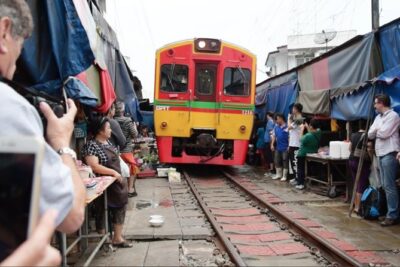
Private Excursion to Maeklong Railway and Floating Markets
Read our review →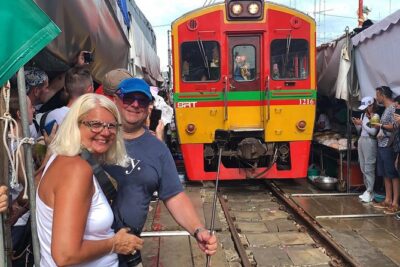
Floating and Railway Market (Optional Waterfall): Private Tour
Read our review →
Private Pyramids, Museum & Bazaar Tour with Lunch
Read our review →
Shopping in the Souks of Marrakech Private Tour
Read our review →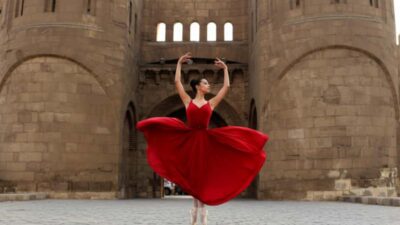
Local Markets & Khan el Khalili Private Shopping Tour
Read our review →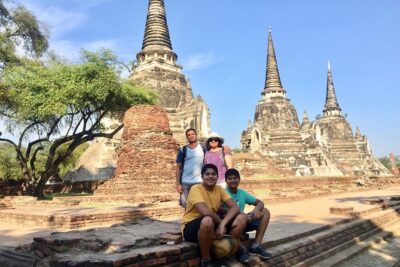
Private Excursion to Floating Market and Ayutthaya World Heritage
Read our review →
Private Heritage Walking Tour in Jaisalmer Fort and Old Bazaar
Read our review →Browse the lists this tour appears in