
Review · MARKET WALKING TOURS
Oaxaca City Walking Tour – Markets, Textile museum & Lunch
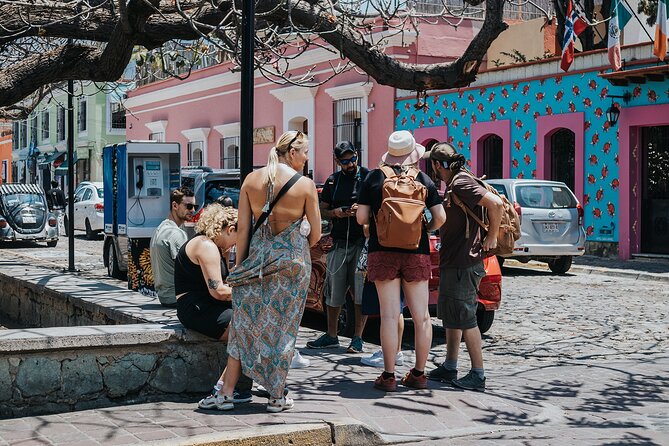
Oaxaca reveals itself best on foot, especially in the markets. This tour takes you from the Zócalo to Mercado 20 de Noviembre and Mercado Benito Juarez, then adds chocolate, mezcal, Santo Domingo Church, and the Textile Museum. The seven-hour option also includes food tastings, lunch, and the Ethnobotanical Garden.
I like the practical market guidance, since the layout can be confusing on your own, and I like the mix of everyday food culture with art and architecture. Jorge has been especially good at adjusting the pace for a small group and offering useful advice about where to eat and what to skip. The main consideration is that this is a walking tour with no hotel pickup, and the longer version makes for a full day on your feet.
Key points at a glance
- Two useful formats: Choose a two-hour morning or evening orientation, or a seven-hour route with meals, tastings, and the garden.
- Market know-how: Visit Mercado 20 de Noviembre and Mercado Benito Juarez while learning how to find food stalls, crafts, chocolate, mezcal, and the famous Pasillo de Humo.
- Small groups: The group is limited to 10 people, allowing the guide to answer questions and adjust the pace.
- Oaxaca culture in one route: The tour connects the Zócalo, Santo Domingo Church, regional textiles, market food, and native plants.
- Good first-day choice: Guides such as Jorge, Maria, and Paola have helped newcomers get their bearings and plan later meals and visits.
- Bring proper shoes: Expect steady walking through city streets and crowded market aisles.
Why this walking tour works well in Oaxaca
Oaxaca City is easy to explore in pieces, but a guide helps you understand how those pieces fit together. The central square, markets, church, museum, gardens, and food stalls all sit within a walkable area, yet each tells a different part of the city’s story.
I especially like the way this experience begins with ordinary city life rather than sending you straight to a polished attraction. You start in the Zócalo, move through working markets, taste local products, and only then settle into the quiet of the Ethnobotanical Garden and the Textile Museum.
The small-group limit of 10 matters here. Markets are noisy and crowded, and a large group would make it harder to hear explanations or move through narrow passages. With fewer people, your guide can stop to answer questions, explain an unfamiliar food, or adjust the walking speed.
The price is listed at $59 per person. For the two-hour version, that buys a focused city orientation with a certified guide and entrance fees. The seven-hour version offers stronger value if you plan to sample food, eat lunch, and visit the garden anyway, since activities, snacks, drinks, lunch, and admissions are included in that format.
More Market Market Walking Tours in Mexico:
- Mercado walking food tour
★ 5.0 · 141 reviews - Guadalajara: Culture, Architecture, and Market Walking Tour
★ 5.0 · 81 reviews - Cancun Walking Food Tour: Local Food, Markets, and Street Art.
★ 5.0 · 49 reviews
Starting in the Zócalo and reading Oaxaca’s center
The meeting point is in front of Café Bien Oaxaca. You need to make your own way there, since hotel pickup and drop-off are not provided. The shorter tour begins at either 9am or 5pm, while the longer version starts at 8am.
The Zócalo is a sensible place to begin. You will look at the main square, the cathedral, and the city’s colonial center while your guide explains how Oaxaca developed. The point is not simply to photograph a church or plaza. It is to give you a basic map of the city before you enter the markets.
I find this opening particularly useful on a first visit. Afterward, the center feels less like a collection of streets and more like a place you can navigate with purpose. One practical benefit is that guides can point out places to eat and places you may prefer to avoid later.
The early start on the seven-hour route also has a practical advantage. The markets are visited before they become too busy, which should make it easier to see the stalls and listen to the guide. The evening two-hour option suits you if your schedule is tight, though you will not receive the longer route’s lunch, garden visit, or full set of tastings.
Chocolate, mezcal, and the food markets
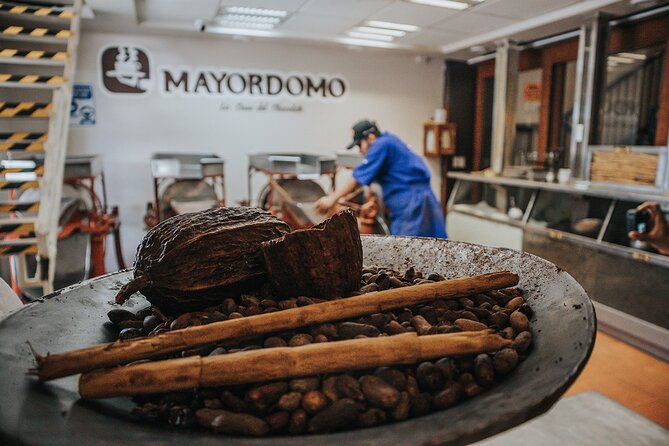
From the Zócalo, the tour heads toward a chocolate shop, including a stop at Chocolate Mayordomo on the longer route. You will see how chocolate is made and sample typical food and drinks. This is a useful introduction to Oaxaca because chocolate here is not just a sweet souvenir. It is part of the region’s food culture and daily routines.
The route also includes a mezcal superstore. The information provided does not promise a full tasting there, so think of this as a chance to learn about Oaxaca’s best-known spirit and see the range of products available. Your guide can help place mezcal in the context of the market rather than treating it as just another bottle to buy.
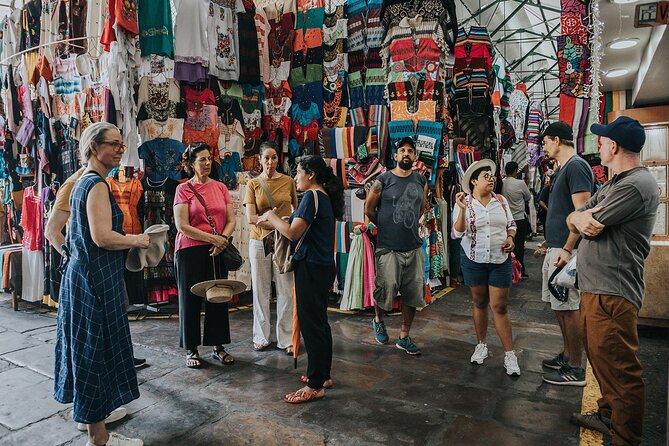
At Mercado 20 de Noviembre, expect a broad mix of food, crafts, and local products. The market is known for its Pasillo de Humo, or corridor of smoke, where cooking fires and grilled food create a strong, unmistakable atmosphere. It can be smoky, crowded, and intense. That is part of the experience, but it may not suit anyone sensitive to smoke or uncomfortable in packed indoor spaces.
Nearby Mercado Benito Juarez adds another side of local shopping. You may find produce, textiles, leather goods, shoes, ceramics, fried crickets, and food stalls. The route is valuable because your guide explains the market layout, helping you return later without feeling lost.
That practical help may be the best reason to take the tour early in your stay. You can ask how to approach a stall, where to browse for crafts, and how to compare the different market sections. The tour is not only about looking. It helps you use the markets with more confidence afterward.
Food tastings are included with the seven-hour option, along with snacks and drinks. The exact dishes are not fixed in the information provided, so you should expect a sampling of typical local food rather than a guaranteed menu. If food is one of your main reasons for booking, confirm the current tasting details when you reserve.
Lunch at La Cosecha Market
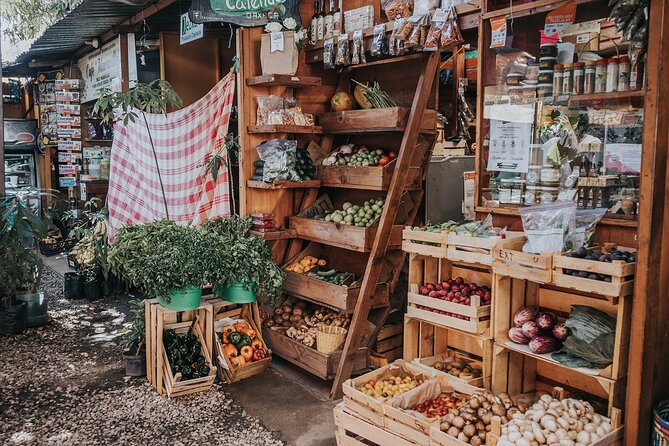
After the main markets, the seven-hour tour stops at Mercado La Cosecha for lunch. This is a smaller open-air market with a clean, orderly setup and vendors representing different regions of Oaxaca.
You choose food from the vendors around a shared eating area. That gives you more choice than a fixed restaurant meal and lets you see how different parts of the state are represented through food. It also provides a welcome pause after the noise and movement of the larger markets.
I like this stop as a change of pace. The main markets are useful for understanding everyday shopping, but La Cosecha offers a more relaxed meal in a setting designed to present regional dishes. Since lunch is included in the seven-hour option, the $59 price becomes easier to justify if you value having the meal built into the route.
Still, keep the format in mind. This is a market lunch, not a long restaurant sitting. You will have a common eating area and several vendor choices, but the experience is casual and tied to the walking schedule.
More Lunch Trips in Mexico:
- Cooking Class and Lunch at a Tuscan Farmhouse with Local Market Tour from Florence
★ 5.0 · 4,831 reviews - Paris Cooking Class and Lunch with Wine plus Market Visit Option
★ 5.0 · 1,024 reviews - Cairo: Private Pyramids, Museum & Bazaar Tour with Lunch
★ 4.6 · 744 reviews - Durres/Golem: Kruja Castle & Bazaar with Traditional Lunch
★ 5.0 · 632 reviews
The Ethnobotanical Garden’s cacti and agave
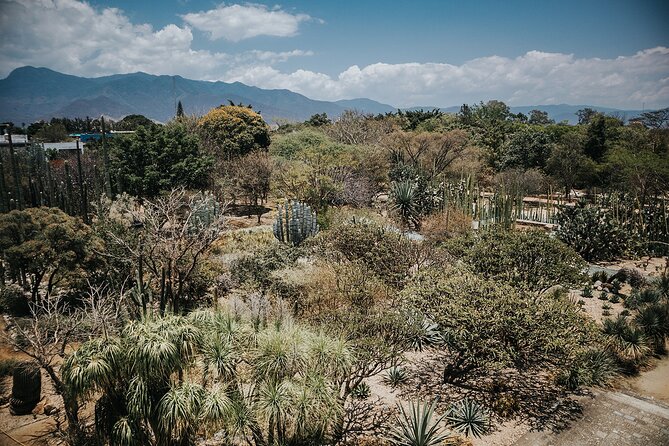
The Jardin Etnobotanico, or Ethnobotanical Garden, is included only on the seven-hour option. After the markets, it offers a marked shift in mood. You leave behind the smoke, voices, and tight aisles for a quiet garden centered on Oaxaca’s native plants.
The garden is relatively small, but it contains a large range of cacti and agave, including plants that are native to the region. Your guide helps connect the plants to Oaxaca’s culture and environment. This gives the stop more meaning than a simple walk among attractive greenery.
The garden is also one of the route’s best photo stops. Tall agave and unusual cacti create strong shapes and textures, and the change in setting gives you time to slow down. I would not book the two-hour tour expecting a quick substitute visit, since the garden is left out of that version.
Because this is a guided visit, the value depends partly on the explanation. Without context, you might see interesting plants and move on. With a guide, you get a clearer sense of why agave and other regional vegetation matter in Oaxaca.
Santo Domingo Church and the city’s grander side
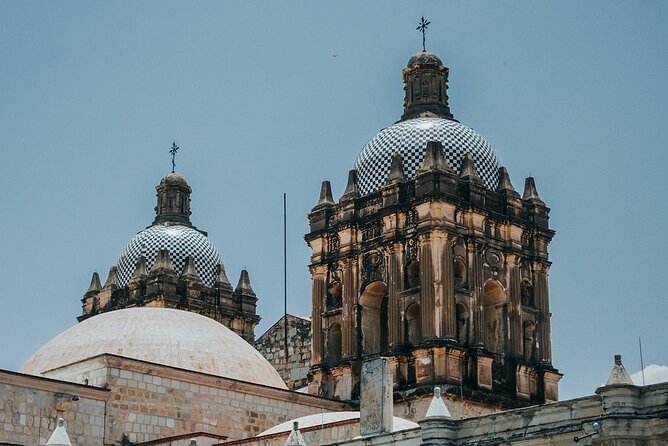
After lunch and the garden, the route reaches Santo Domingo Church. It is one of Oaxaca’s most celebrated churches, and its location near the garden makes it a natural part of the longer walking route.
The stop balances the markets nicely. You have already seen food being prepared, crafts being sold, and products moving through daily life. Santo Domingo brings you back to the city’s grand colonial architecture and religious traditions.
The tour focuses on seeing and understanding the church rather than promising a separate extended architectural visit. That distinction matters if you want a detailed art-history lecture or a long interior visit. This is a city walk, so the church is one important stop among several, not the entire purpose of the day.
The shorter route includes Santo Domingo after the markets, but without the garden and lunch. It can work well if you want a compact introduction to the city’s central sights before spending the rest of your day independently.
Regional design at the Textile Museum
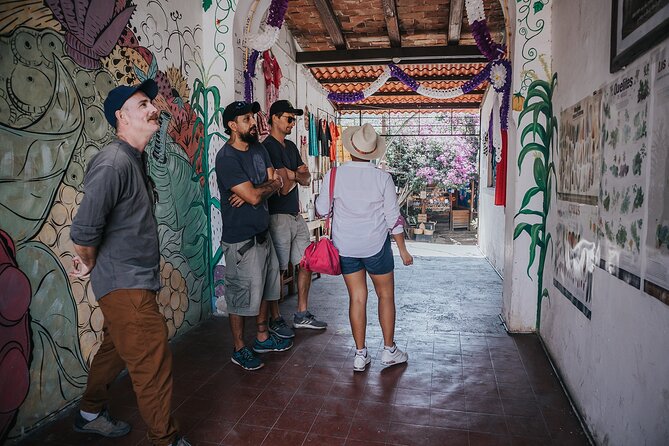
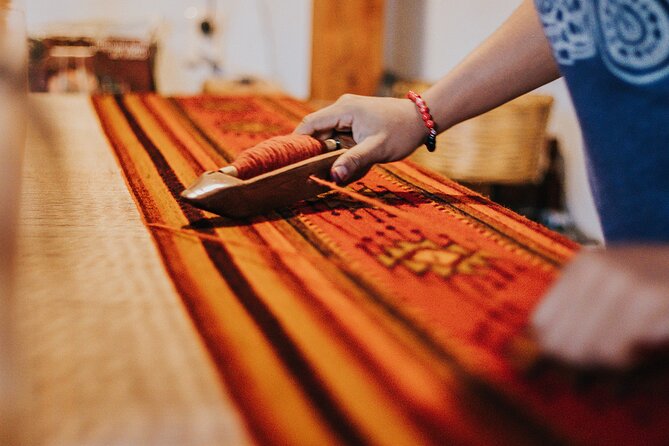
The final cultural stop is the Textile Museum, housed in a restored colonial mansion. Oaxaca is well known for its textiles, and the museum brings together examples from around the state.
This is a thoughtful ending because the markets may have already shown you woven goods, embroidery, leather, and other crafts. At the museum, you can look at textiles with more context. You begin to notice that a market purchase is connected to regional techniques, designs, and traditions rather than being just a colorful object on a shelf.
The museum is described as a smaller, less obvious attraction, which makes it a useful addition to the route. It gives you something beyond the usual church-and-market circuit. If you are interested in crafts, clothing, or buying textiles later, this stop can help you look more carefully at quality and regional style.
The two-hour tour ends around 11:30am when starting at 9am, or around 7:30pm when starting at 5pm. The seven-hour option begins at 8am and ends around 3pm. That longer schedule gives you a full overview, but it also requires stamina. Wear comfortable shoes and expect to walk through city streets, market aisles, and cultural sites for most of the day.
Guides, group size, and the pace of the walk
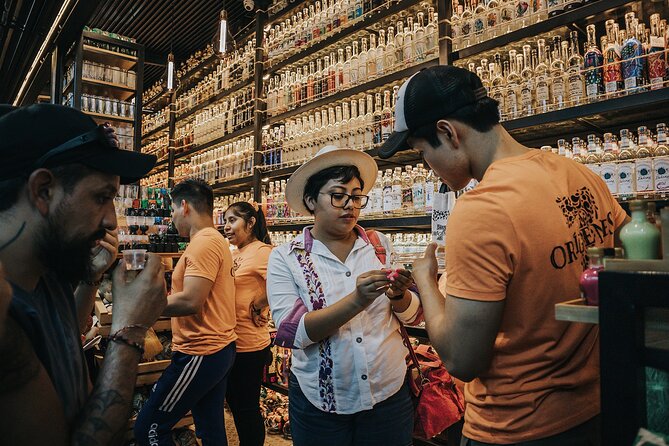
The tour is offered in English or Spanish with a certified live guide. Previous guides have included Jorge, Maria, and Paola. Jorge has been especially effective at adjusting the pace for a very small group, while Maria and Paola have led tours for first-time visitors.
You should not assume a specific guide will be assigned, but the examples point to an experience built around personal explanation rather than a recorded audio route. That matters in the markets, where your questions can shape what you see.
The small-group format also helps if you want advice for the rest of your stay. One useful approach is to arrive with a short list of questions about food, shopping, and sights. The guides have provided suggestions about where to eat, what to visit, and what to avoid, so the tour can function as a practical first-day briefing.
The pace will not be a fit for everyone. A seven-hour city walk with market stops, lunch, gardens, church visits, and a museum is a full outing. If you prefer slow mornings or long meals, choose the two-hour option. If you want a broad introduction and do not mind staying active, the longer route covers much more.
Who should choose the two-hour or seven-hour option?
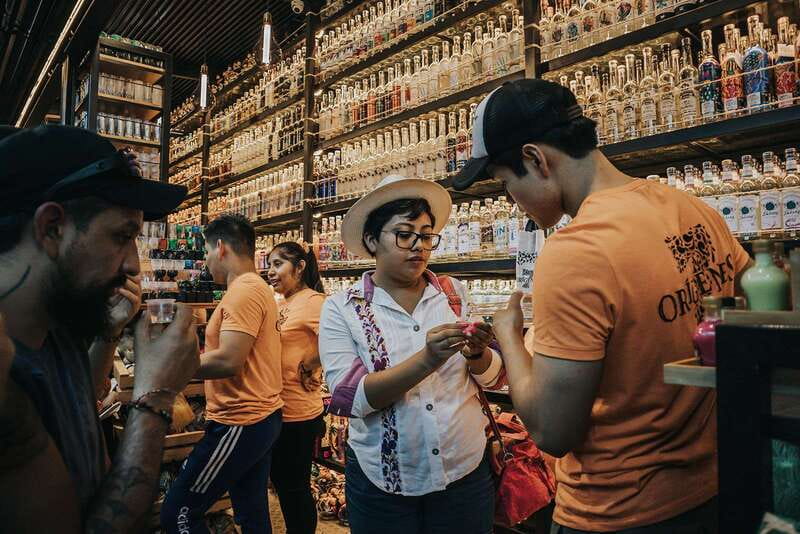
Choose the two-hour tour if you want a quick orientation, have limited time, or prefer to make your own plans for meals and museums. It covers the Zócalo, markets, chocolate, Santo Domingo Church, and the Textile Museum, then gives you tips for lunch rather than including lunch itself.
Choose the seven-hour tour if this is your first day in Oaxaca and you want the city explained in one connected route. The included tastings, snacks, drinks, lunch, garden visit, and entrance fees make it the better value for a fuller day.
Food-focused visitors should favor the longer option because it includes typical tastings, the Pasillo de Humo, Chocolate Mayordomo, the mezcal stop, and lunch at La Cosecha. Art and craft enthusiasts will also appreciate the Textile Museum and the chance to understand what you see in the markets.
You should think twice if you dislike smoke, crowds, or extended walking. The tour moves through working markets, not a quiet exhibition hall. Comfortable shoes are essential, and you must reach the café meeting point yourself.
Practical details before you book
The listed price is $59 per person. All entrance fees and the activities described are included, and the seven-hour version also includes lunch, snacks, and drinks. Hotel transportation is not included.
You can cancel up to 24 hours before the tour for a full refund, and you can reserve now and pay later. The tour runs with English- or Spanish-speaking guides, but you should check the available starting time for your chosen date.
The 5pm two-hour start is useful if you arrive late or prefer to explore the city during the day before joining the walk. The 9am option is better if you want the rest of the day free. For the seven-hour route, the 8am departure is the only listed start, so plan to be at Café Bien Oaxaca on time.
Should you book this Oaxaca walking tour?
I would choose the seven-hour version for a first visit, especially if you want food, markets, plants, architecture, and textiles in one well-planned day. The route gives you useful city orientation rather than just a string of photo stops, and the included meal and tastings make the $59 price sensible.
I would choose the two-hour version if you already have restaurant plans or want only a guided introduction. It still covers the central sights and gives you market advice, but you will need to arrange your own lunch and skip the garden.
Book this if you want an active, small-group introduction with practical local guidance. Skip it if you prefer private transport, a slow museum tour, or a tightly focused food walk. For most first-time visitors, it is a smart way to get your bearings early, then spend the rest of the trip returning to the places that caught your interest.
FAQ
Where does the Oaxaca walking tour meet?
The meeting point is in front of Café Bien Oaxaca in Oaxaca City. Hotel pickup and drop-off are not provided.
How long is the tour?
You can choose a two-hour option or a seven-hour option. The two-hour tours begin at 9am or 5pm, while the seven-hour tour begins at 8am and ends around 3pm.
What is included in the seven-hour option?
The seven-hour route includes a certified guide, entrance fees, food tastings, snacks, drinks, lunch at Mercado La Cosecha, and visits to the Ethnobotanical Garden, Santo Domingo Church, and the Textile Museum.
Is lunch included in both tour options?
No. Lunch is included only in the seven-hour option. The two-hour route ends with tips from the guide about where to eat.
What languages are available?
The tour is offered with a live guide in English or Spanish.
How large is the group?
The tour is limited to 10 participants.
More Museum Visits in Mexico
- Frida Kahlo VIP [Museum Tickets Included] Bike, Markets & Churros
★ 5.0 · 1,072 reviews - Frida Kahlo VIP [Museum Tickets Included] Walk, Markets & Churros
★ 5.0 · 982 reviews - Experience Cancun’s Hidden Gems, Mayan museum, cenote & Market 23
★ 5.0 · 49 reviews - Dubai: Old Town, Creek, Museums, Souks, & Street Food Tour
★ 4.8 · 10,816 reviews
Just added around Mexico
- Lucha Libre, Tacos, Margaritas,Tequila and Night Market Tour★ 5.0 · 64 reviews
- Cancun Street Food, Urban Art and Local Market Experience★ 4.0 · 4 reviews
- Experience Cancun’s Hidden Gems, Mayan museum, cenote & Market 23★ 5.0 · 49 reviews
- Taste of Cancun: Street Food, Local Market and Urban Murals Tour★ 5.0 · 6 reviews
- Flavors of Mexico: Cancun Cooking Class & Market Visit★ 4.5 · 5 reviews
- Cancun Taco & Beer Fiesta: Authentic Mexican Tasting Experience★ 5.0 · 3 reviews
- Cancun Walking Food Tour: Local Food, Markets, and Street Art.★ 5.0 · 49 reviews
- Cancun Private Foodies Market Tour and Street Food★ 5.0 · 3 reviews
Market Walking Tours, compared.

Tokyo Tsukiji Fish Market Food and Culture Walking Tour
Read our review →


Nishiki Market Brunch Walking Tour (7 Tastings + Brunch)
Read our review →Tsukiji Fish Market Food and Culture Walking Tour
Read our review →
Tsukiji Fish Market: Street Food & Culture Walking Tour
Read our review →
Tsukiji Fish Market Small-Group Food Walking Tour
Read our review →Browse the lists this tour appears in