
Review · MARKET WALKING TOURS
Old Delhi: Spices, Heritage and Bazaars Walking Tour
Old Delhi’s greatest attraction is not one monument. It is the way Jama Masjid, spice warehouses, goldsmith workshops and market lanes fit together in a living part of the city. This three-hour walk gives you a useful route through that maze, with guide Jai Singh explaining both Mughal-era stories and present-day Delhi life.
I like the small group, limited to seven people, and the low $13 price. I also like that the route reaches places you could easily miss alone, including Khari Baoli’s wholesale spice market and an old neighbourhood associated with goldsmith artisans. The main drawback is the setting itself: narrow lanes, traffic, crowds, uneven walking and strong smells can be tiring.
Key points at a glance
- Jama Masjid views: Begin near one of India’s most important mosques, with an optional visit inside and views across Old Delhi.
- Khari Baoli spices: See open sacks of spices in Asia’s biggest spice market and learn how Indian blends are put together.
- Mughal-era market lanes: Walk through Meena Bazaar, Chandni Chowk and old havelis that still serve working neighbourhoods.
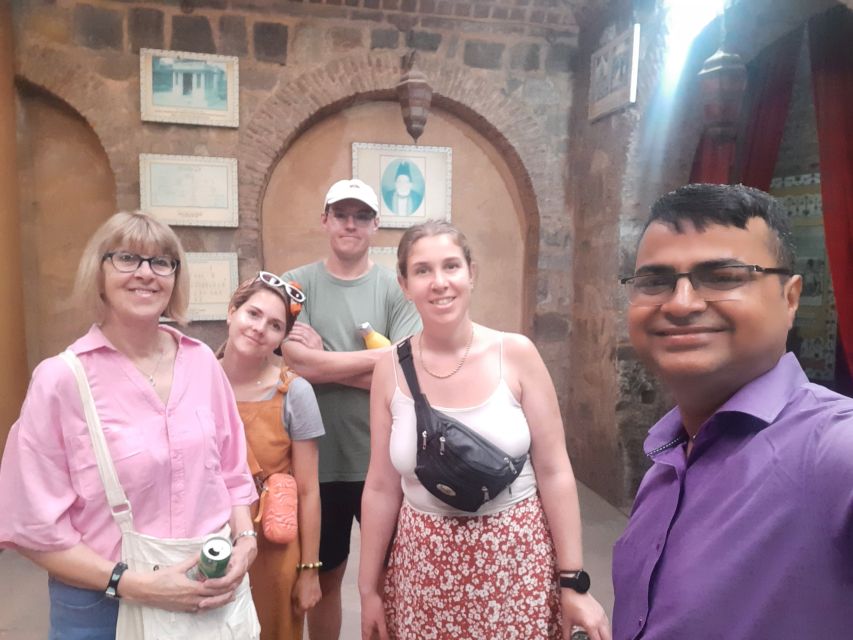
- Small-group guidance: Groups are limited to seven, giving Jai Singh room to answer questions and adjust the pace.
- Excellent value: The $13 fee includes the guide and one bottle of mineral water, though food, drinks and Jama Masjid entry cost extra.
- Practical help: Jai can assist with WhatsApp coordination, onward transport and, when available, local food or tea stops.
Why Old Delhi works best on foot
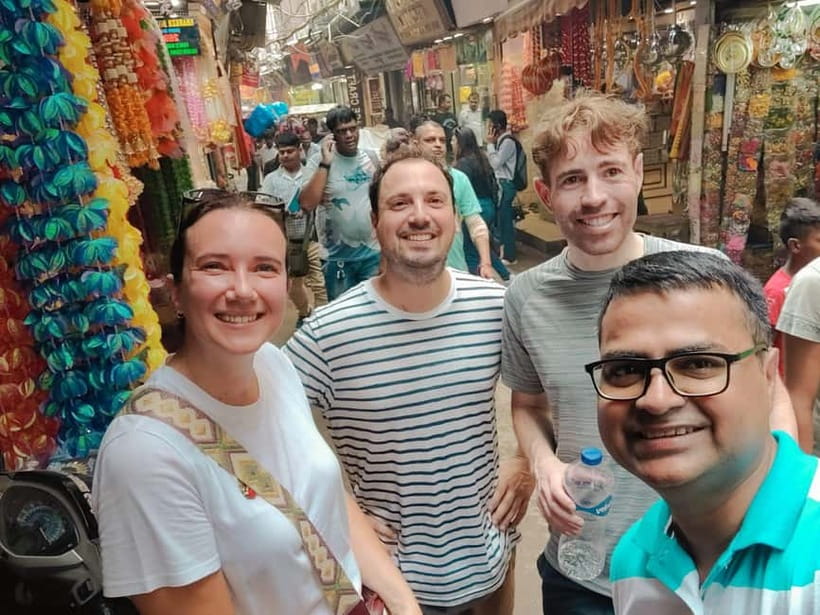
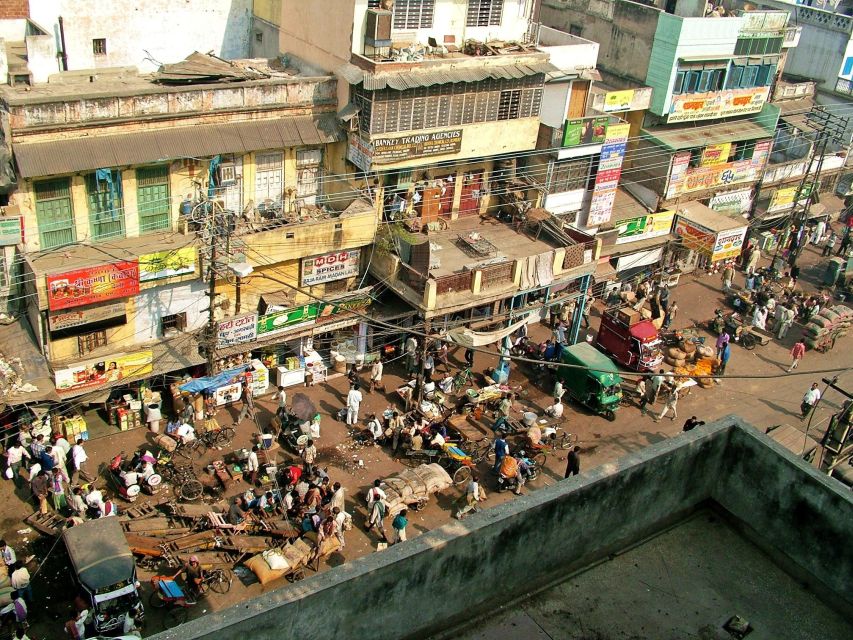
Old Delhi can feel like several cities packed into one. Grand stone buildings give way to tiny lanes. A wedding-fabric shop may sit beside a silverware seller, while spice merchants work from large, dusty warehouses nearby.
That contrast is the point of the tour. You are not simply moving between polished sights. You are watching an old commercial district carry on with ordinary work. The markets sell to local families, traders and shopkeepers, not only to sightseers.
Walking also lets you notice the small details. Look up for carved balconies and old haveli facades. Look down for handcarts, cables, shop thresholds and the constant need for pedestrians to make space. Jai Singh’s role matters here because the route is not always obvious, and the pace of the streets can be confusing if you are on your own.
The walk is conducted in English and normally lasts three hours. Some outings have run longer when the group wanted extra stops, but you should plan on three hours and treat any extension as a bonus rather than an expectation.
More Market Walking Tours in India
- Spice Knight (Cooking Class -> Meal -> Local Market walk)
★ 5.0 · 59 reviews - Private Heritage Walking Tour in Jaisalmer Fort and Old Bazaar
★ 5.0 · 306 reviews - Jaipur Bazaar & Food Walking Tour
★ 5.0 · 281 reviews
Meeting at Jama Masjid Metro Station
The meeting point is exit gate number 1 at Jama Masjid Metro Station. This is a practical starting place because it puts you beside the historic quarter, but you need to pay attention to the exact gate. Old Delhi has plenty of noise, traffic and people moving in every direction.
Give the provider your WhatsApp number or a local Indian number when booking. That makes it much easier for Jai to find you if you come out of the wrong exit or arrive a few metres away. If you use Uber, follow the supplied map pin rather than relying only on the words Jama Masjid.
The tour does not include hotel pickup as standard, although an optional pickup may be available from centrally located hotels. Ask about that option when booking. Large bags and luggage are not allowed, which makes sense on crowded streets and in tight lanes.
Meena Bazaar and the first look at Old Delhi
The walk begins around Meena Bazaar, a market linked to the Mughal imperial period. Its earlier association was with expensive goods and precious gems. Today, it serves a far broader local market, with vendors selling affordable everyday items.
That change gives you a useful lesson right away. Old Delhi is not a museum set aside for visitors. Its buildings and market names carry old stories, but the shops adapt to the people who live and work there now.
Jai’s explanations are particularly useful in this opening section. He is from Old Delhi and has a strong grasp of local customs, food, market practice and social life. You can ask about prices, shopping etiquette, religious traditions or how the different trades fit together.
Keep your expectations realistic. This is not a quiet heritage walk. You will need to share space with shoppers, delivery workers, rickshaws and shopkeepers. That is also why the guide is valuable. He helps you keep moving without missing the places worth pausing for.
Jama Masjid, Shah Jahan’s great mosque
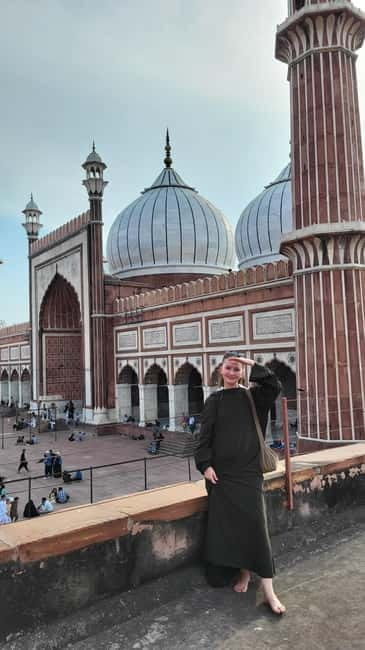
From Meena Bazaar, the route reaches the broad stone steps of Jama Masjid. The mosque was built by Shah Jahan, the Mughal emperor also associated with the Taj Mahal, and it remains one of the defining landmarks of Old Delhi.
The guided portion here lasts about 30 minutes. You can learn about the building, its place in Delhi and the role it plays in the neighbourhood. Several people have enjoyed the views from the mosque area, and some outings have included a rooftop or minaret visit when available.
Entry inside is optional, not required. The listed entrance fee is INR 450 per person, paid separately. If you prefer not to enter, you can stop outside for photographs and continue with the group.
Dress and behaviour matter at a religious site. Wear clothing that is respectful and practical, and follow the instructions given at the entrance. You may need to remove your shoes in certain areas. The mosque visit can add a memorable architectural element to the morning, but the rest of the walk remains worthwhile if you skip it.
The stairs, uneven surfaces and crowded approach are worth considering. This activity is not suitable for people with mobility impairments or for pregnant women, according to the tour information.
More Market Market Walking Tours in New Delhi:
- Bangkok: City Highlights Temple and Market Walking Tour
★ 4.5 · 3,990 reviews - Tokyo Tsukiji Fish Market Food and Culture Walking Tour
★ 5.0 · 3,184 reviews - Marrakech: Ben Youssef, Secret Garden, & Souks Walking Tour
★ 4.6 · 2,802 reviews - Marrakech: Colorful Medina Souks Guided Walking Tour
★ 4.7 · 2,470 reviews
Chandni Chowk and the maze of old lanes
The next section leads through Chandni Chowk and nearby lanes, with about 45 minutes of guided exploration. This is where the walk feels most like a street-level study of Delhi.
You will pass old havelis, narrow passages and markets that have operated in some form since the Mughal period. The route may include textile shops, jewellery sellers, silverware stores and lanes known for wedding fabrics. One stop described by the guide is an old neighbourhood where goldsmith families have lived and worked since the Mughal era.
This part rewards curiosity. Ask Jai to explain what you are seeing rather than rushing from one shop to another. He can add context about local work, family trades, religious communities and the way different markets developed beside one another.
The lanes can be crowded and confusing, especially around Chandni Chowk. Keep close to the group and watch your footing. A short rickshaw ride may sometimes be included or arranged, but it should not be treated as a guaranteed part of the basic package. The official inclusions are the guide and one bottle of mineral water.
Some groups have stopped for samosas, chai, local drinks or other small tastes. Food and drinks are not included, so carry some cash and ask before accepting anything. If you have allergies or a sensitive stomach, be clear with the guide before trying street food.
Khari Baoli and the smell of the spice trade
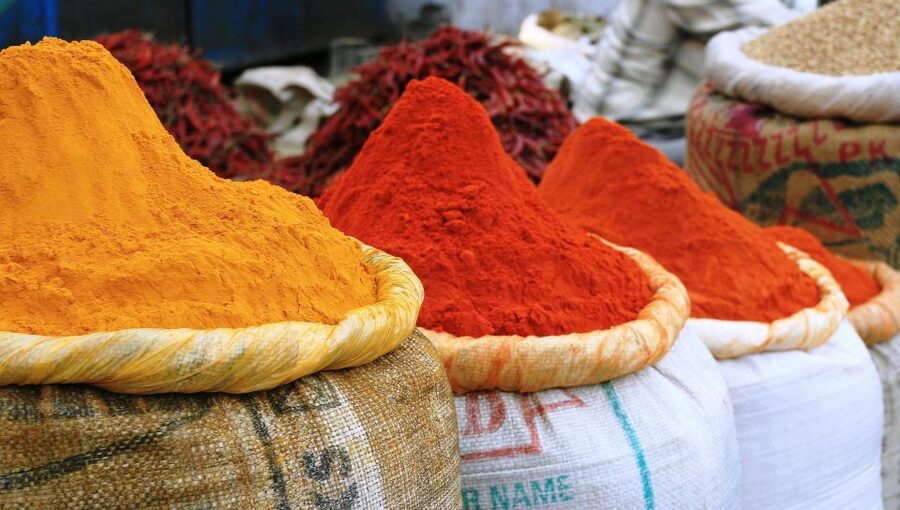
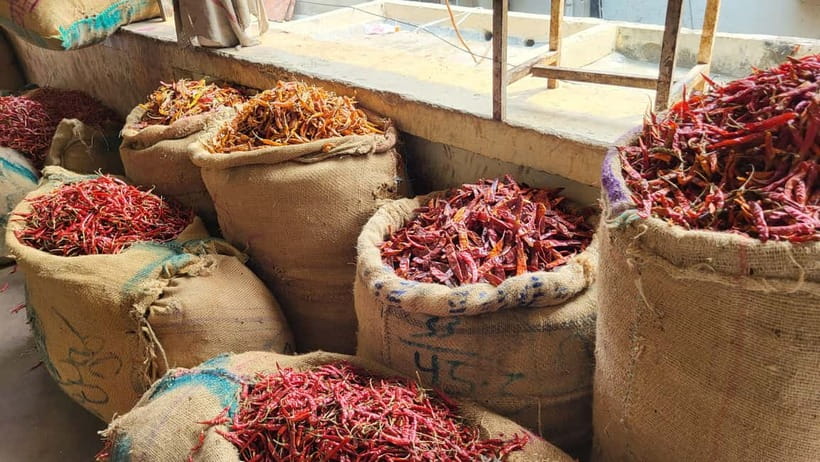
Khari Baoli is the sensory high point of the route. It is described as Asia’s biggest spice market, and the scale becomes clear when you reach the large warehouse area used by wholesale merchants.
Here, big sacks are opened for inspection and negotiation. You may see spices displayed in large quantities rather than neat packets made for tourists. The aromas can be powerful, especially in a warm warehouse or a tightly packed lane.
The guided stop lasts about 30 minutes, although the exact amount of time depends on the group and the market conditions. Jai can explain the uses of different spices, how curry blends are assembled and why some seasonings cost far more in overseas shops than they do close to their source.
This is also a good place to buy spices, tea or other food items, but do not feel pressured to shop. The value of the stop is in understanding how the wholesale trade works. If you do buy something, ask about packing, customs limits and how long the product will stay fresh.
The market is working territory, not a staged display. Shopkeepers are handling real orders, sacks and deliveries. Stay aware of where you stand, do not block doorways and ask before taking close photographs.
What Jai Singh adds to the walk
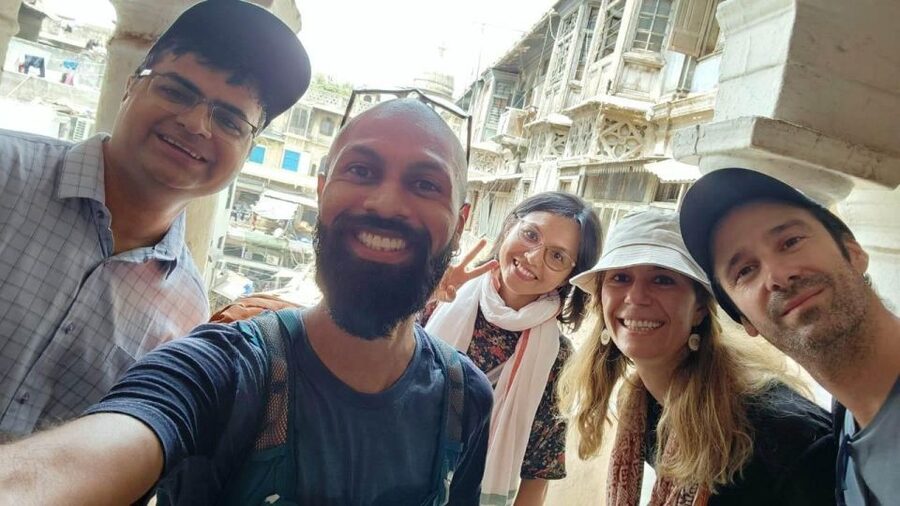
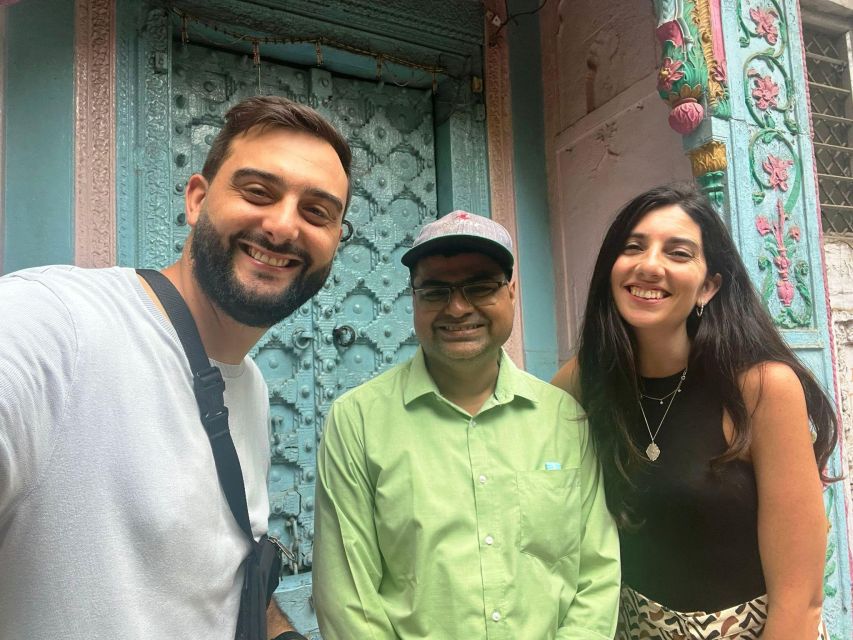
The strongest feature of this experience is Jai Singh’s guiding style. He explains history, but he also talks about modern habits, local prices, food culture and everyday behaviour. That combination helps you understand Old Delhi as a community rather than a set of monuments.
He is also used to working with different kinds of groups. Solo participants have felt comfortable joining, and he has adjusted the pace for older people. If you are late or have trouble finding the meeting point, staying in touch through WhatsApp is important.
A good guide makes a practical difference in Old Delhi. Jai can help you cross busy areas, find the correct lane, answer questions without rushing and arrange an Uber or other ride when the walk ends. Several outings have finished with help securing transport, which is useful if you are unfamiliar with Delhi’s traffic and pickup points.
The experience is not a formal lecture. You should expect conversation, questions and some flexibility. If you want to spend extra time shopping or tasting food, tell Jai early. The exact route can change with market activity, local conditions and the interests of the group.
Price, group size and overall value
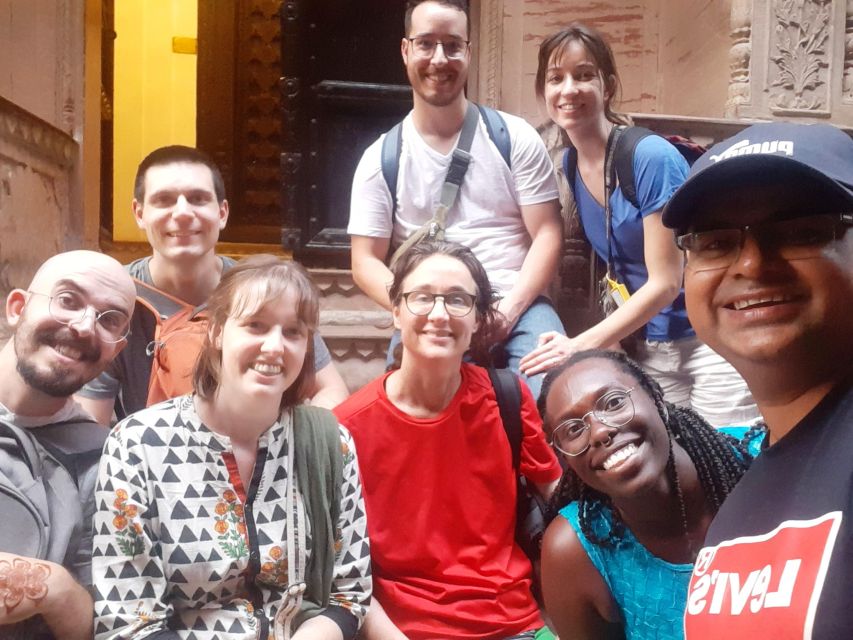
At $13 per person, this is unusually inexpensive for a three-hour guided walk in central Delhi. The price includes an English-speaking local guide and one mineral water bottle. It does not include hotel transport, food, drinks, tips or the INR 450 Jama Masjid entrance fee.
The value comes from access and orientation rather than included extras. You could walk through parts of Old Delhi independently, but finding the spice warehouses, artisan lanes and quieter passages would be harder. You would also miss much of the social and historical context.
The group limit of seven is another advantage. It is small enough for questions and easier movement through narrow streets, while still keeping the price low. A private tour may offer more control, but this small-group format should suit most people who want personal guidance without paying a private-tour rate.
The activity offers free cancellation up to 24 hours before the start, and you can reserve now and pay later. Check the available start times carefully because the walk’s comfort can vary with heat, traffic and market activity.
Who should book this Old Delhi walk
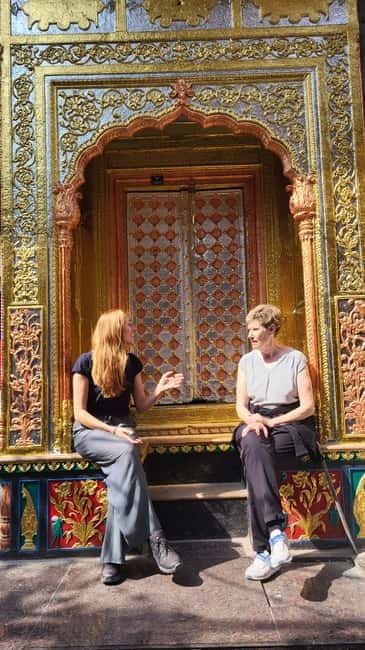
I would choose this tour if you want an introduction to Delhi that goes beyond the main monuments. It suits first-time visitors who want help finding their way, solo visitors who prefer company, and repeat visitors looking for working neighbourhoods rather than another standard sightseeing circuit.
It is especially good for people interested in food, trade, architecture, photography and local history. You do not need to be an expert. Curiosity and comfortable walking shoes matter more.
You should think twice if you dislike crowds, strong aromas, uneven streets or a flexible route. This is not a polished city tour with long periods in an air-conditioned vehicle. It is a busy walking experience through an active market district.
Wear comfortable shoes and bring only what you need. Keep your phone and wallet secure, carry some cash for optional purchases or food, and use sun protection. A small bottle of water is provided, but you may want additional water in hot weather.
The final call
Book this walk if your idea of seeing Delhi includes market workers, spice sacks, old family trades, crowded lanes and stories about how the city functions today. For $13, Jai Singh gives you a clear route through places that can be difficult to understand alone.
Skip it if you want a quiet tour focused only on major monuments. For most visitors willing to walk at a steady pace and accept some disorder, this is a strong-value introduction to Old Delhi, with Jama Masjid, Chandni Chowk and Khari Baoli tied together in one practical morning.
FAQ
Where does the Old Delhi walking tour meet?
Meet the guide at exit gate number 1 of Jama Masjid Metro Station. If you arrive by Uber, use the supplied Google Maps pin. Providing a WhatsApp or Indian mobile number helps the guide locate you if you come out in the wrong place.
How long does the tour last?
The scheduled duration is three hours. Some walks may last longer if the group wants additional stops, but you should plan your day around a three-hour experience.
Is entry to Jama Masjid included?
No. Visiting the mosque is optional, and the stated entrance fee is INR 450 per person. You can skip the interior visit and take photographs from outside.
What is included in the price?
The $13 price includes an English-speaking local guide and one mineral water bottle. Food, drinks, tips, hotel transfers and Jama Masjid entry are not included.
Is this tour suitable for people with mobility limitations?
No. The activity is listed as unsuitable for people with mobility impairments and pregnant women. The route includes substantial walking, steps, narrow lanes and uneven surfaces.
Can I cancel or pay later?
You can cancel up to 24 hours before the tour for a full refund. The booking option also allows you to reserve your place and pay later.
More History Tours in New Delhi
- Private Excursion to Floating Market and Ayutthaya World Heritage
★ 5.0 · 515 reviews - Palermo: Walking Tour of Historic Markets and Monuments
★ 4.9 · 478 reviews - Discover Palermo in 3 hours. Art, history, markets and street food
★ 5.0 · 352 reviews - 2 Hour Historic Market Food Tour and Hands-On Biscuit Class
★ 5.0 · 251 reviews
Just added around New Delhi
- Old Delhi: Khari Bawli – Asia’s Largest Spice Market★ 5.0 · 3 reviews
- Old Delhi Street Food and Spice Market Tour★ 5.0 · 12 reviews
- Old Delhi Temples and Spice Market Tour★ 5.0 · 5 reviews
- Delhi: Half-Day Old Delhi Private Guided Tour with Markets★ 5.0 · 2 reviews
- Delhi Markets: A Cultural Shopping Experience with an Expert★ 4.8 · 13 reviews
- Delhi: Old Delhi’s Street Food, Temples & Spice Market Tour★ 5.0 · 30 reviews
- Old Delhi & Spice Market Tour★ 5.0 · 98 reviews
- Old Delhi Odyssey: A Tour of Religion, Spice Market, & Best Food★ 5.0 · 284 reviews
Market Walking Tours, compared.

Tokyo Tsukiji Fish Market Food and Culture Walking Tour
Read our review →



Nishiki Market Brunch Walking Tour (7 Tastings + Brunch)
Read our review →Tsukiji Fish Market Food and Culture Walking Tour
Read our review →
Tsukiji Fish Market: Street Food & Culture Walking Tour
Read our review →
Tsukiji Fish Market Small-Group Food Walking Tour
Read our review →Browse the lists this tour appears in