
Review · MARKET SHOPPING TOURS
Nairobi: Explore Maasai Market for Unique Souvenirs
The best part of this Nairobi shopping walk is the local help. You are not simply pointed toward a stall and left to fend for yourself. Your guide takes you through central Nairobi craft shops, then into the Maasai Market, explaining prices, materials, and the people behind the goods. I especially like the bargaining guidance and the chance to meet artisans directly.
I also like that the route can bend to your interests. You can focus on gifts, look for wholesale prices, visit more craft centers, or add a short city-center walk. The main consideration is that this is a walking and shopping experience, not a formal museum tour. Crowds, persistent sales pitches, changing market locations, and cash-only vendors are part of the deal.
Key points to know before you book
- Meet at Hilton Arcade: The tour begins along Mama Ngina Street in central Nairobi, near the Hilton Arcade.
- Shop with local support: Your English-speaking guide helps with prices, translation, quality checks, and vendor conversations.
- Expect a changing market: The Maasai Market can move locations during the week, so the guide’s local contacts are useful.
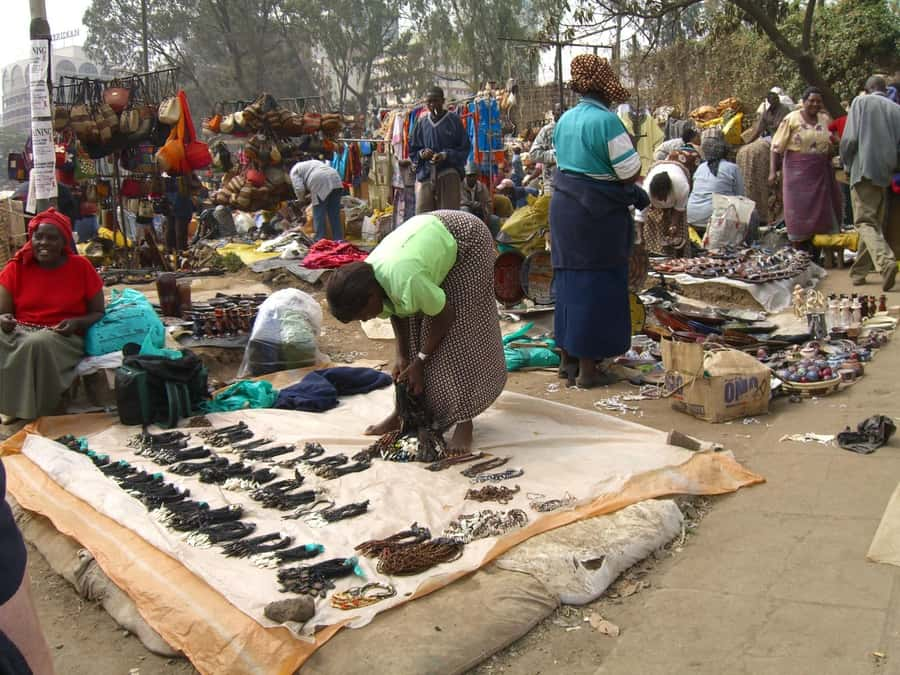
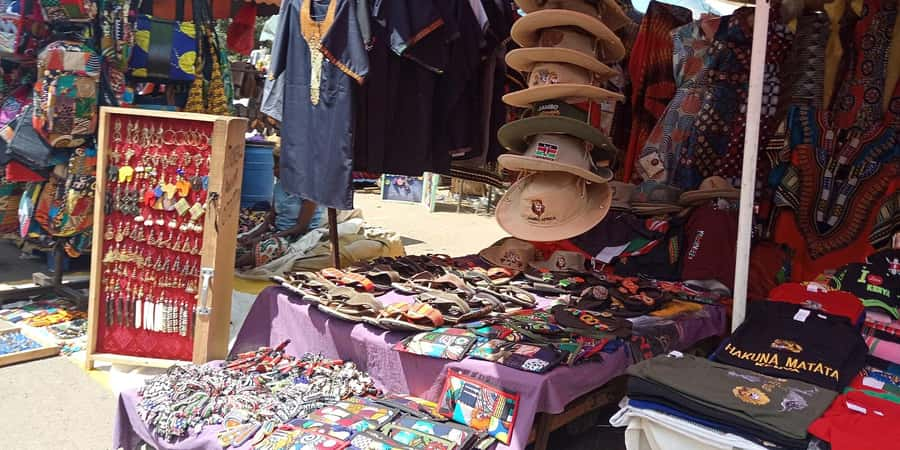
- Plan for handmade Kenyan goods: Look for jewelry, beadwork, textiles, carvings, paintings, and other crafts.
- Bring cash and comfortable shoes: You will walk, and not every seller accepts cards.
- The two-hour format is flexible: You can add gift shops, artisan workshops, errands, or a short sightseeing walk if time allows.
Why this Nairobi market walk works
A market is easy to visit on your own. It is harder to shop well there.
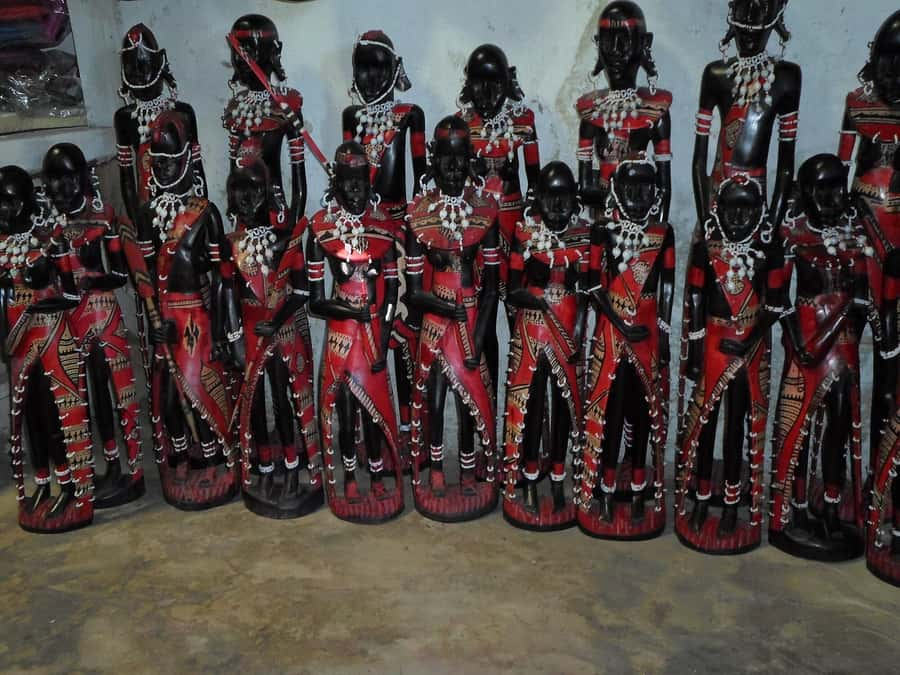
You may not know the fair price of a carved figure, which stalls work with local makers, or how much room you have to bargain. You may also find yourself agreeing to a price simply because a seller is friendly and persistent. This tour gives you a local person beside you who can explain the process before you spend.
That help is especially useful at the Maasai Market, where many sellers offer similar-looking goods at different prices. Your guide can help you compare workmanship, ask questions, and decide if an item is worth carrying home. You still make the final choice, but you do not have to make it alone.
The experience also has a social side. You meet people who make or sell handmade jewelry, textiles, paintings, carvings, and beadwork. That gives your shopping more meaning than picking up a generic airport souvenir. You can ask how an item was made and learn something about the cultural ideas behind it.
I like the balance between practical help and cultural contact. This is not a lecture with shopping added on. It is a hands-on introduction to Nairobi’s craft trade, with plenty of room for you to set the pace.
More Market Shopping Tours in Kenya:
- Maasai Market Souvenir Shopping
★ 5.0 · 2 reviews - Marrakesh: Guided Souk Shopping Tour with a Local Guide
★ 4.9 · 651 reviews - Shopping in the Souks of Marrakech Private Tour
★ 5.0 · 620 reviews
Starting at Hilton Arcade on Mama Ngina Street
You meet your guide at Hilton Arcade along Mama Ngina Street. From there, the tour begins on foot through central Nairobi.
The starting point makes sense for a short city shopping outing. You are already near gift shops, craft sellers, and other central sights, so the guide can adjust the route without wasting much time on transport. You might begin with a few smaller shops before reaching the main market, which gives you a useful first look at local products and prices.
The guide connected with this experience is identified as Eric, with one booking reference using the spelling Erick. He is described as attentive, reliable, and willing to adapt the walk to your interests. He also helps visitors feel prepared before entering the market, which matters if you are new to bargaining or slightly uneasy about crowded shopping areas.
Wear shoes you can comfortably walk in. The route is short in total duration, but shopping slows you down, and you may spend time standing, comparing items, or carrying bags. A hat and sunscreen help on sunny days, while a light jacket is sensible when the weather is cooler.
The first craft shops: a useful price check
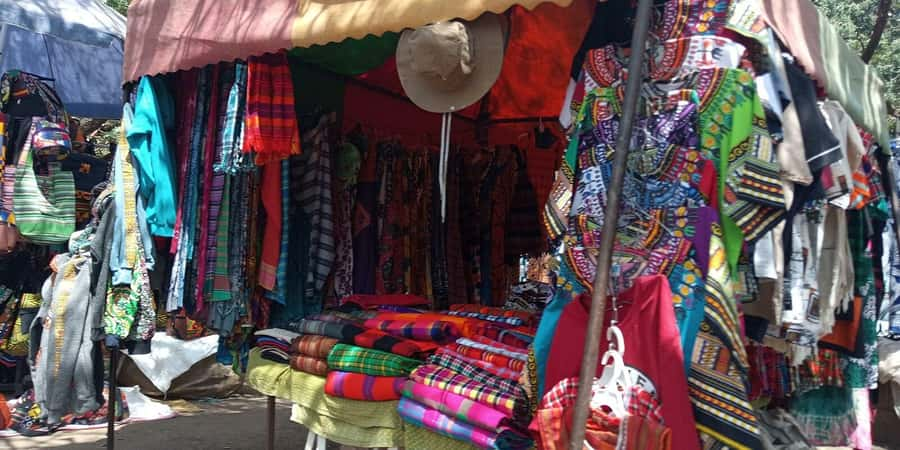
Before heading to the open-air market, you visit local gift and craft shops in the city center. These stops give you a calmer place to see the range of products and ask questions.
I see this opening section as a practical warm-up. You can examine the finish on beadwork, feel the difference between textiles, and get a rough sense of pricing before you begin negotiating in the market. If you already know what you want, tell your guide early. The route is described as flexible, so your time may be better spent looking for a specific type of gift rather than browsing every shop.
These shops may also include businesses connected to local artisans and social-impact entrepreneurs in the handmade trade. The key value is not just the chance to buy. You get a better idea of who is involved in making, selling, and distributing the goods.
This is also the point to explain practical limits. You can ask about materials and origin, but the tour does not promise that every item in every shop is made by the person selling it. Use your guide’s help to identify good workmanship and ask direct questions. A little care here can make the difference between a thoughtful purchase and an item you later wish you had inspected more closely.
Inside the Maasai Market
The Maasai Market is the main event: an open-air shopping area filled with vendors offering handmade goods. The market schedule and location can change during the week, while the market is more settled on weekends. That detail is important. If you plan to visit alone on another day, you may arrive at the wrong place or find a different setup than expected.
With a local guide, you can spend less time finding the market and more time shopping. You will likely see jewelry, beadwork, cloth items, carvings, paintings, and other decorative crafts. The exact selection changes, which is part of the appeal, but it also means you should not count on finding one precise item.
The mood is friendly but direct. Sellers may approach you and try to keep your attention. You do not need to buy from the first person you meet. A smile, polite answer, and continued movement are enough if you are not interested. Your guide can help you handle these exchanges in English and, when needed, through local language support.
The market is also a place where you should keep your belongings secure. Crowds can create opportunities for pickpockets, so use a closed bag and avoid displaying large amounts of cash. The tour information asks you to respect local culture and traditions, which is good advice when photographing people, asking about personal stories, or handling cultural objects.
A few more market tours around Kenya worth a look
- Traditional Kenyan Cooking Class & Local Market Tour
★ 5.0 · 129 reviews - Memorable Daily KIBERA Slums/Toi Market Tour with Locals (2 hours)
★ 5.0 · 29 reviews - Mombasa City Tour,Fortjesus,Oldtown,Tusks and Spice Market.
★ 4.8 · 19 reviews - Half-Day Nairobi National Park and Maasai Market with Pick up
★ 5.0 · 16 reviews
Learning to bargain without making it awkward
Bargaining is one of the tour’s clearest benefits. The aim is not to force the lowest possible price. It is to understand what is reasonable and negotiate in a way that respects the seller’s work.
Your guide can show you how to compare prices, when to make an offer, and when to walk away. That is useful because visitors often make one of two mistakes: they pay far too much, or they push so hard that the exchange stops being pleasant. A fair bargain should leave you pleased with the item and the seller paid properly for the effort involved.
The guide can also translate questions about materials, production, and availability. If you want several pieces, you can ask about a combined price. If an item is bulky, your guide can help you manage it and may assist with carrying heavier purchases during the walk.
I would still set a spending limit before you arrive. A market full of colorful goods can turn a $10 activity into a much more expensive afternoon. Decide what you want to buy, how many gifts you need, and how much space you have in your luggage.
Meeting makers and supporting direct trade
The human contact gives this outing its strongest cultural value. You are encouraged to speak with artisans and entrepreneurs involved in handmade production, rather than treating the market as a row of anonymous stalls.
Ask what an item is made from, how long it takes to produce, and where the design comes from. Those simple questions can help you understand what you are buying. They also show respect for the work behind the object.
Direct shopping does not mean every purchase is automatically ethical. You still need to ask questions and use judgment. The guide’s role is to point you toward genuine craftsmanship and help you recognize quality. If you care about supporting local makers, tell the guide that this is a priority so the route can reflect it.
The experience may also include visits to other production or selling centers if you want to continue shopping. One such option is a wholesale shop, where local small retailers buy goods. Prices there may be very low, but wholesale settings are not always as personal or relaxed as a small artisan shop. You may find good value, though you should inspect items carefully and ask about minimum quantities if you are buying several pieces.
A flexible route through central Nairobi
The advertised activity lasts two hours, but the route is not rigid. After the Maasai Market, you can continue to other craft centers if you still want to shop or explore. You can also add a brief walking tour and sightseeing in the city center, depending on time and interest.
This flexibility is useful for different kinds of visitors. If you have a short stop in Nairobi, you can focus tightly on souvenirs. If you have more time, you can add local shops and a little city orientation. You can also ask for help with an errand in town, although the available time will limit how much can be done.
The trade-off is that a personalized route may not feel identical for every booking. One person may spend most of the time comparing jewelry, while another may prefer paintings, textiles, or carvings. That is a strength if you know what you want. If you prefer a fixed sightseeing schedule with guaranteed stops, this may feel less predictable.
The walk ends back at Bata, according to the stated route, though your exact finish should be confirmed when you meet your guide. Since the experience is centered on central Nairobi, do not expect a full city tour or transport to distant areas.
Is $10 a good value?
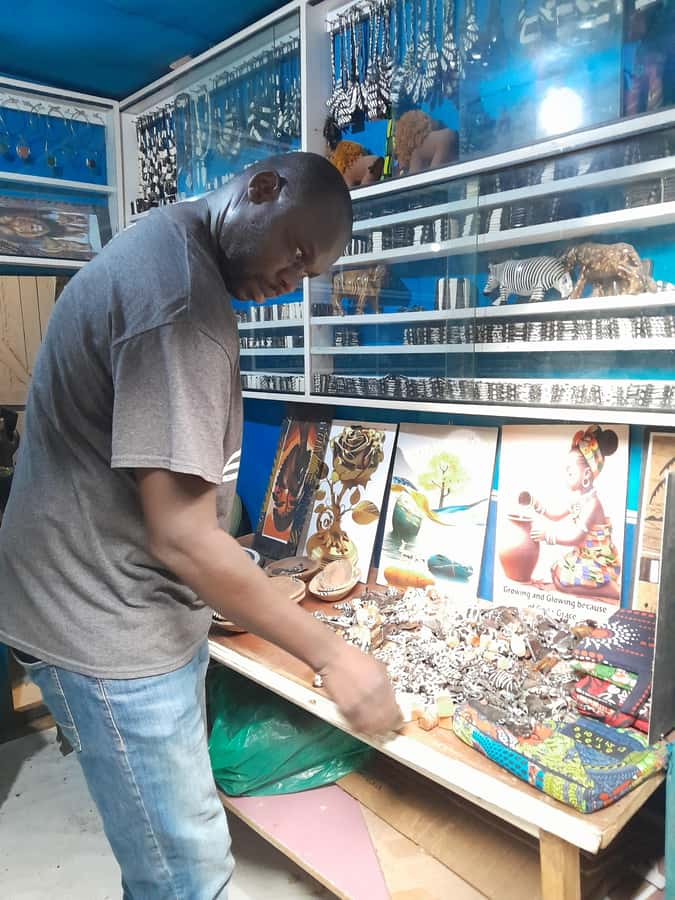
At $10 per person, this is inexpensive for a two-hour guided shopping walk. The real value is not admission to the market, since markets are generally open shopping spaces. You are paying for local guidance, translation help, bargaining support, quality advice, and a route that can save you time.
That can be money well spent if you are nervous about shopping alone. It can also help you avoid buying the first item you see at an inflated price. A single better-informed purchase may offset much of the activity cost.
The price does not include your souvenirs. Bring enough Kenyan cash for purchases, since card payment may not be available at every stall. Keep smaller notes handy if possible, and separate your shopping money from the rest of your belongings.
At this rate, I would not expect a private vehicle, a meal, or a long formal lecture. This is a simple walking experience with a practical purpose. Its strength is the guide beside you, not luxury.
Who will enjoy this experience most?
I would choose this tour if you want authentic gifts but dislike the guesswork of market shopping. It suits first-time visitors to Nairobi, solo shoppers, couples, and small groups who want help speaking with sellers and comparing prices.
It is also a good fit if you want to support local craft businesses but do not know how to judge quality. The guide can help you ask the right questions and find items that feel more personal than mass-produced souvenirs.
The tour may be less suitable if you dislike bargaining, crowded open-air markets, or being approached by vendors. You can remain polite and buy nothing, but the setting is still active and sales-focused. It is also not the right choice if you want a long historical tour, a food experience, or a fixed sightseeing program.
Women traveling together may appreciate the guide’s support in the market. Eric is described as attentive and reassuring with a two-woman group, which suggests that clear local guidance can make the outing feel more comfortable. Still, keep your belongings secure and stay aware of your surroundings.
Practical tips for a better shopping walk
- Decide your budget before the tour begins.
- Bring cash, since card payment may not be offered by every vendor.
- Wear comfortable walking shoes.
- Carry a hat and sunscreen for sunny weather.
- Bring a light jacket if the day may turn cool.
- Keep phones, wallets, and bags secure in crowded areas.
- Ask before taking photographs of artisans or sellers.
- Inspect stitching, beads, carving, paint, and fastenings before buying.
- Tell Eric or Erick what you want to find at the start.
- Ask for help with large or heavy purchases before you leave the market.
Cancellation is flexible up to 24 hours before the activity for a full refund, and you can reserve now and pay later. Check the available start times when booking, since the experience lasts two hours and the market’s location may vary by day.
Should you book this Maasai Market tour?
Book it if you want shopping help, direct contact with makers, and a fairer way to approach bargaining in Nairobi. The $10 fee is modest, and the flexible route lets you focus on the kinds of gifts you actually need.
Skip it if you already know Nairobi’s craft markets well or prefer to browse alone without vendor interaction. For most first-time visitors, though, the guide’s price advice, translation help, and local connections make this a smart way to shop with less stress and more understanding.
FAQ
Where does the tour begin?
The meeting point is Hilton Arcade along Mama Ngina Street in central Nairobi.
How long does the experience last?
The activity lasts two hours.
What language does the guide speak?
The live tour guide speaks English.
Is the Maasai Market in the same place every day?
No. The market may move during the week and is more settled on weekends, so confirm the day’s location with your guide.
Should I bring cash?
Yes. Cash is recommended because not all vendors may accept credit cards.
Can I change the shopping route?
Yes. The experience is flexible and can include local gift shops, other craft production or selling centers, a short city-center walk, sightseeing, or help with an errand if time allows.
Just added around Kenya
- Nairobi: Maasai Market and Nairobi City Tour★ 5.0 · 4 reviews
- Nairobi Traditional Cooking Classes and Local Market Visit★ 5.0 · 2 reviews
- Nairobi: Hop on Hop off and Maasai market Collections Visit★ 3.5 · 10 reviews
- Market Tour and Traditional Kenyan Cooking Class in Nairobi★ 4.8 · 6 reviews
- Maasai Market Souvenir Shopping★ 5.0 · 2 reviews
- Local Market Tour and Traditional Meal Cooking Class★ 5.0 · 4 reviews
- Diani: Market and Street Food Walking Tour★ 4.2 · 6 reviews
- Authentic Kenyan Cooking Class & Market Tour in Nairobi★ 5.0 · 12 reviews
Market Shopping Tours, compared.
Marrakesh: Guided Souk Shopping Tour with a Local Guide
Read our review →
Shopping in the Souks of Marrakech Private Tour
Read our review →
Local Markets & Khan el Khalili Private Shopping Tour
Read our review →

Pierogi Cooking Class with Market Shopping and Local Snacks
Read our review →
Exclusive Private Shopping Adventure in The souks
Read our review →
Lanzarote: Teguise Handicraft Market and La Graciosa Island
Read our review →Browse the lists this tour appears in