
Review · MARKET AND COOKING CLASS TOURS
Nairobi Traditional Cooking Classes and Local Market Visit
The best part of this experience is the move from market stall to family kitchen. You shop for fresh ingredients, then take them to a local home and help prepare a Kenyan meal. I like that the food lesson comes with stories about heritage and daily life, not just a list of recipes. I also like the chance to taste street food such as smocha, roasted maize, and sugarcane afterward.
The main consideration is the cooking setup. This is a modest home kitchen, and the host does most of the cooking while you lend a hand when possible. That feels personal and relaxed, but it may not suit you if you want a formal, chef-led class where you prepare every dish yourself. Also, the home is not easy to reach by public transport.
Key points to know before booking
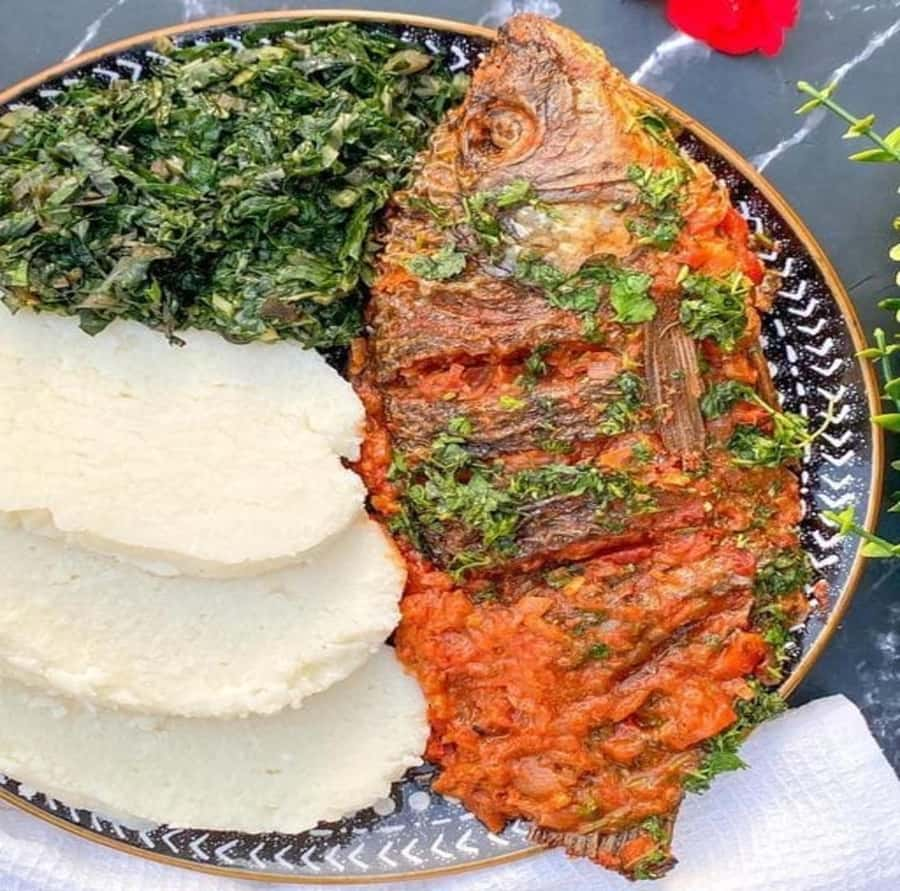
- Tasha leads a friendly, hands-on cooking session, with beef stew and ugali among the possible dishes.
- The one-hour market visit comes first, so you see and shop for ingredients before cooking them.
- The menu can be broad, from pilau, mukimo, and chapati to mandazi, githeri, fish, and matoke.
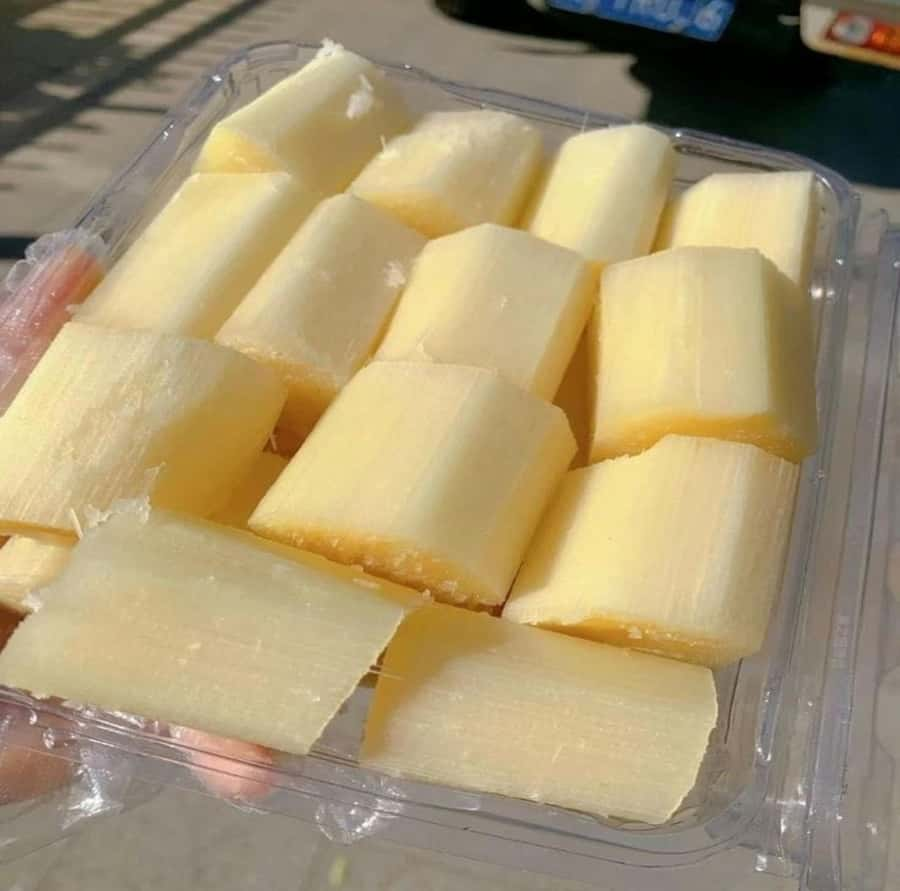
- A full hour of Kenyan street food follows the meal, including smocha, smokie, boiled eggs, roasted maize, and sugarcane.
- Private transport is included from pickup points in Westlands, Karen, or Parklands and back.
- The $100 price covers five hours, food, transport, market visits, the cooking session, and bottled water.
From Nairobi pickup to the farmers market
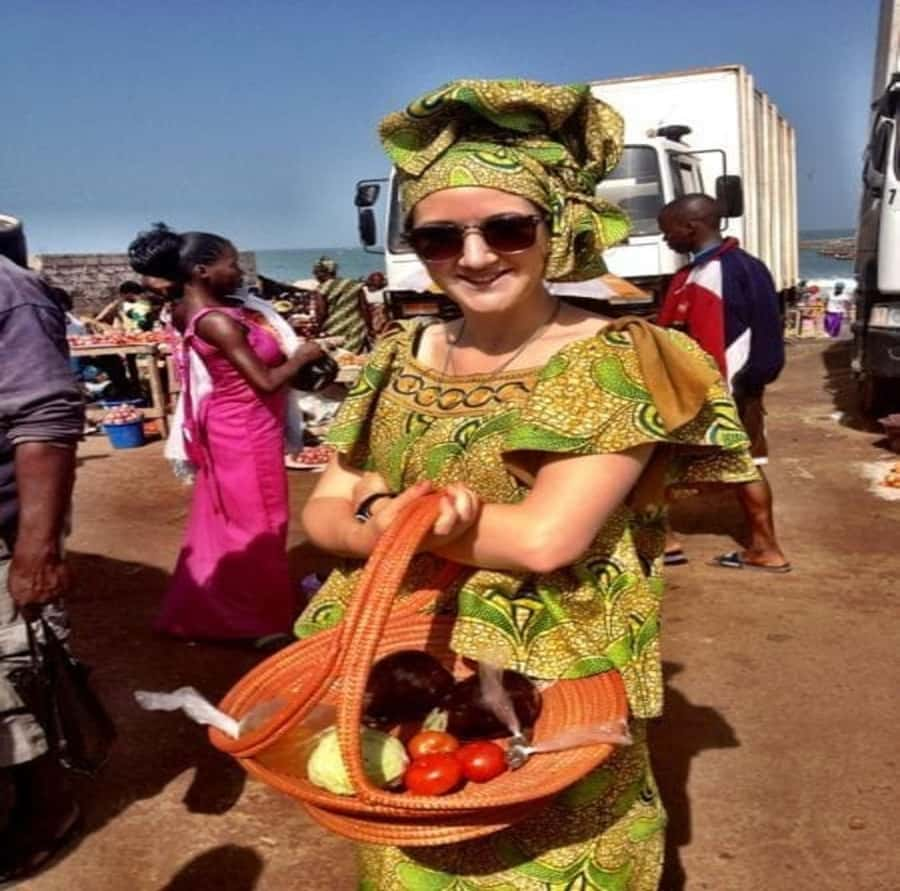
This five-hour experience begins with pickup in Westlands, Karen, or Parklands. The private transport matters here because the day includes several stops, and the cooking location outside the city is not easy to reach by public transport. You do not need to arrange separate transport to the market or the host’s home.
The first stop is a local farmer’s market in Nairobi. Plan on about an hour here. You shop with your host for fresh fruits, vegetables, and other ingredients needed for the meal. This gives you a useful introduction to Kenyan food before you sit down at the kitchen table.
A market visit can be more revealing than a restaurant menu. You get to see what is bought for an ordinary home meal, ask about unfamiliar produce, and connect the cooking lesson to food people actually use. The description does not promise a fixed market or a specific list of products, so expect the shopping to depend on the menu selected that day.
You should wear comfortable shoes and clothes. Markets and cooking spaces call for practical clothing, not anything precious. The supplied information also says to bring ingredients, which is worth clarifying when you book, since the group shops for fresh ingredients during the tour.
More Farmers Market Tours in Kenya:
- Traditional Kenyan Cooking Class & Local Market Tour
★ 5.0 · 129 reviews - Local Market Tour and Traditional Meal Cooking Class
★ 5.0 · 4 reviews - Hanoi Cooking Class: Culture, Local Market & Meaning CSR Impact
★ 5.0 · 5,147 reviews
Choosing your Kenyan dishes with Tasha
After shopping, you travel to the host’s home just outside Nairobi. The cooking session and meal take about three hours. The kitchen is modest in size, which is part of the point: you are seeing how food is prepared in a real household rather than in a polished cooking school.
Tasha is the cook named in the experience details. She offers a few choices, and one recent booking centered on beef stew with ugali. That is useful to know because the meal may have some flexibility instead of following one rigid menu. Tasha is also described as funny, proactive, and a good cook, qualities that matter in a small kitchen where the host guides the pace.
You should expect a participatory session, but not necessarily a class in which you personally cook every course from start to finish. The host primarily handles the cooking, while you help whenever possible. You might chop, mix, shape, or assist with other tasks, but the exact role depends on the kitchen and the meal chosen.
That arrangement has both an upside and a limit. You can pay attention to how the host organizes a Kenyan meal and ask questions without worrying about getting every step right. On the other hand, serious cooking students may want more direct control over each dish. If that is important to you, ask in advance how much hands-on work will be available.
What you may eat: ugali, pilau, mukimo, and more
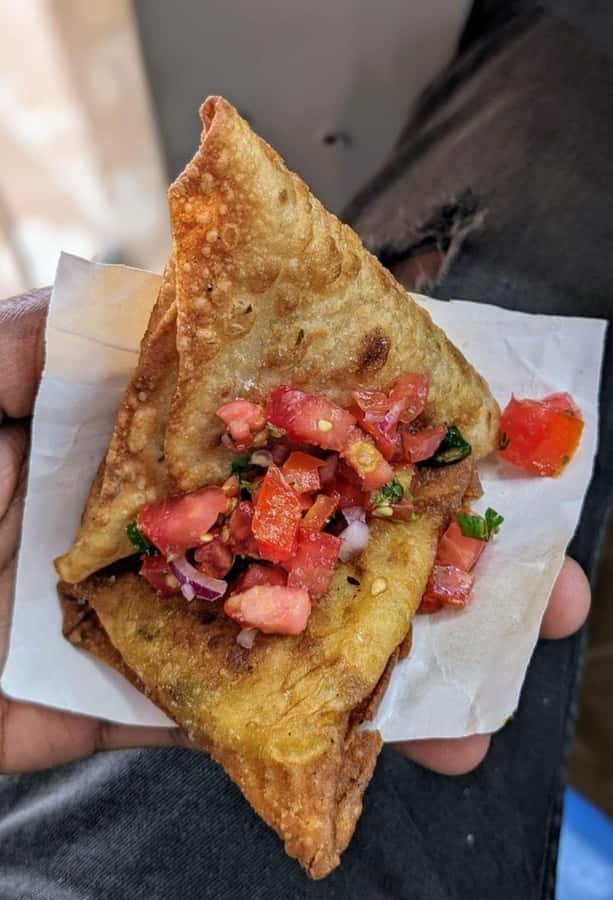
The menu can include a large range of Kenyan staples. Possible dishes include:
- Ugali
- Kenyan pilau
- Mukimo
- Chapati
- Githeri
- Boiled potatoes
- Sweet potatoes
- Fish
- Matoke
- Fresh corn
- Mandazi
You may not receive every item in that list. It is better to treat it as a selection of possible foods rather than a guaranteed feast containing all of them. The final meal depends on the choices made with the host and the ingredients bought at the market.
Ugali is a firm maize meal often served alongside stews and other savory foods. Pilau is a seasoned rice dish, while mukimo combines mashed ingredients into a hearty side. Chapati brings a flatbread element to the table, and mandazi provides a sweet finish. Githeri, made from beans and maize, is another familiar Kenyan staple.
The food matters because it gives you a way into local life. You are not only tasting finished dishes. You are seeing what goes into them, how the ingredients are handled, and how a host explains the role of each food. If you enjoy asking questions about meals, family habits, and heritage, this part should be rewarding.
Dietary needs are not addressed in the supplied information. If you have allergies, follow a special diet, or do not eat meat or fish, contact the provider before booking and ask what substitutions are possible.
A meal in a local home, not a restaurant
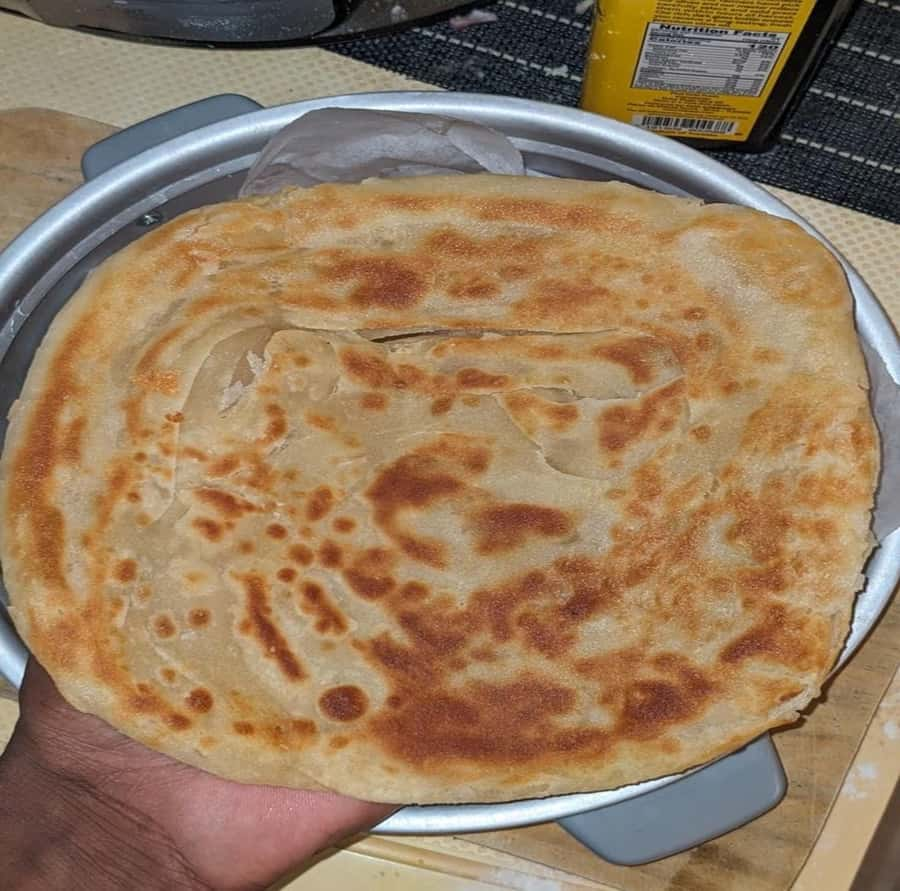
Once the food is ready, you eat the meal you helped prepare. Lunch is included in the $100 price, along with the market visit, cooking experience, local transport, street food, and bottled water. Alcohol and other drinks are not included.
Eating in a local home changes the tone of the day. A restaurant can show you what Kenyan food tastes like, but a home setting gives you a look at how food is prepared and shared in a household. You also have time to hear stories about local heritage and everyday life, which adds context to the dishes.
The host’s home is described as modestly sized, so do not expect a large professional kitchen or a restaurant-style service area. The setting may feel close and informal. For me, that is a strength if you want personal contact and a less packaged experience. It is less suitable if you prefer polished facilities, a set timetable for each cooking step, or a quiet dining room.
The experience is offered as a private group option. That is useful for families, couples, or friends who want to ask questions freely and set a comfortable pace. The provided information does not state the maximum group size, so you should confirm that detail before booking if space is important to you.
More Market and Cooking Class Tours in Kenya:
- Authentic Kenyan Cooking Class & Market Tour in Nairobi
★ 5.0 · 12 reviews - Market Tour and Traditional Kenyan Cooking Class in Nairobi
★ 4.8 · 6 reviews - 5 Traditional Dishes Hanoi Cooking Class with Market Trip
★ 5.0 · 4,890 reviews - Cooking Class and Lunch at a Tuscan Farmhouse with Local Market Tour from Florence
★ 5.0 · 4,831 reviews
One more hour of Nairobi street food
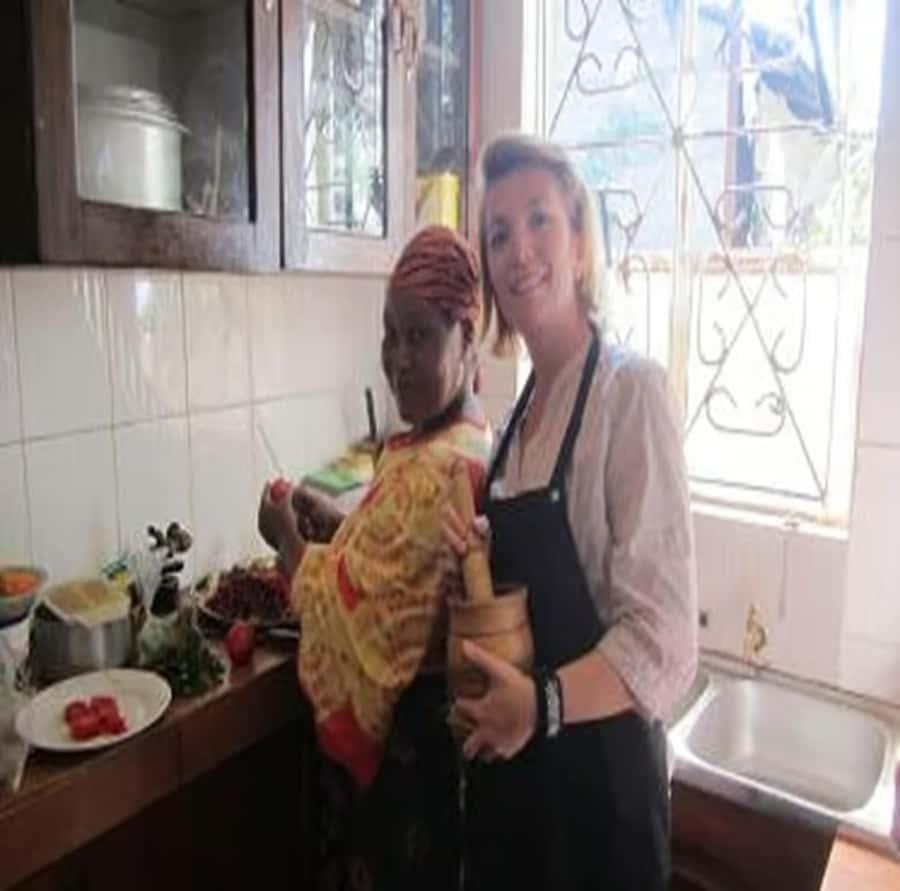
The final hour is devoted to Kenyan street food as you head toward your drop-off location. This is a nice contrast to the home-cooked meal. Instead of sitting down for another formal course, you sample small, familiar foods along the way.
The listed street foods include smocha, smokie, boiled eggs, roasted maize, and sweet sugarcane. These are the kinds of tastes that help you compare a home meal with quick food eaten on the move. The stop also gives you another reason to keep your schedule open at the end of the tour.
The street food is included, but alcohol and drinks are not. Bottled water is provided. If you have a sensitive stomach or food restrictions, ask what you will be offered before sampling everything. No special food guidance is provided, so personal caution is sensible.
Your day ends with drop-off in Karen, Westlands, or Parklands. Because the route begins and ends at listed pickup areas, check that one of these locations works for your plans. Uber and taxis are also available, and the host can arrange transport to the home for an additional cost if needed.
Is $100 a fair price for five hours?

At $100 per person, this is not a budget market visit. The value comes from the amount packed into the five hours. You receive private transport, a market tour, ingredients and food for the meal, a cooking session, lunch, street food, bottled water, and time with a local host.
The price makes more sense if you would otherwise pay separately for a Nairobi food tour, a cooking class, transport, and several meals. It also saves you from figuring out how to reach a home outside the city. For a solo visitor, the cost may feel high. For a couple or private group that values convenience and personal attention, it may be easier to justify.
The experience is strongest for people who care about contact and context, not simply the number of dishes served. You are paying for the route through the market, the time in the home, and the chance to connect the food with Kenyan life. If you only want to eat a large lunch, a restaurant will cost less and may offer a wider menu.
Free cancellation is available up to 24 hours before the start time, and you can reserve now and pay later. Starting times depend on availability. The tour is offered in English, and wheelchair access is listed, though you should confirm how the market, transport, and home setup affect accessibility as one complete route.
Who will enjoy this cooking experience most?

I would recommend this to food-focused visitors who like to meet local people and do more than take photographs of a menu. It should suit couples, families, and small private groups looking for a relaxed cultural activity during a Nairobi stay.
It is also a good choice if you want an introduction to Kenyan staples but do not know where to begin. The host can guide you through foods such as ugali, pilau, chapati, and mukimo, while the market visit gives you a practical sense of the ingredients.
Families should consider the five-hour length and the small kitchen. Children may enjoy the shopping and street food, but the pace and available tasks will depend on the host. Since the experience is private, you can ask about the best arrangement for your group before confirming.
I would be more cautious about booking if you want a technical cooking course. The host does most of the preparation, and the activity is built around cultural exchange as much as cooking technique. It is also less convenient if your schedule is tight or your accommodation is far from the listed pickup points.
Practical details that can shape your day
Choose comfortable shoes and clothing. You will visit a market, travel between several locations, spend time in a home kitchen, eat lunch, and then sample street food. Bottled water is supplied, but other drinks are not.
The guide speaks English. Pickup and drop-off are available in Westlands, Karen, and Parklands. Private transport to and from the local market is included, but Uber charges are not. The host’s home is difficult to reach by public transport, so confirm the transport plan if you are not staying near one of the pickup areas.
Bring any ingredients requested by the host, and ask for clarification before the tour. Since the market shopping is part of the experience, you may need to know whether the requested items are for your chosen dish, a dietary need, or a shared meal.
Only two ratings are available, both giving the experience five stars. I would not treat that small number as proof that every day will be identical, but the specific praise is useful: the market visit worked well, the food was enjoyable, and Tasha made the class fun and active. Beef stew with ugali was especially successful for one booking.
Should you book this Nairobi food tour?
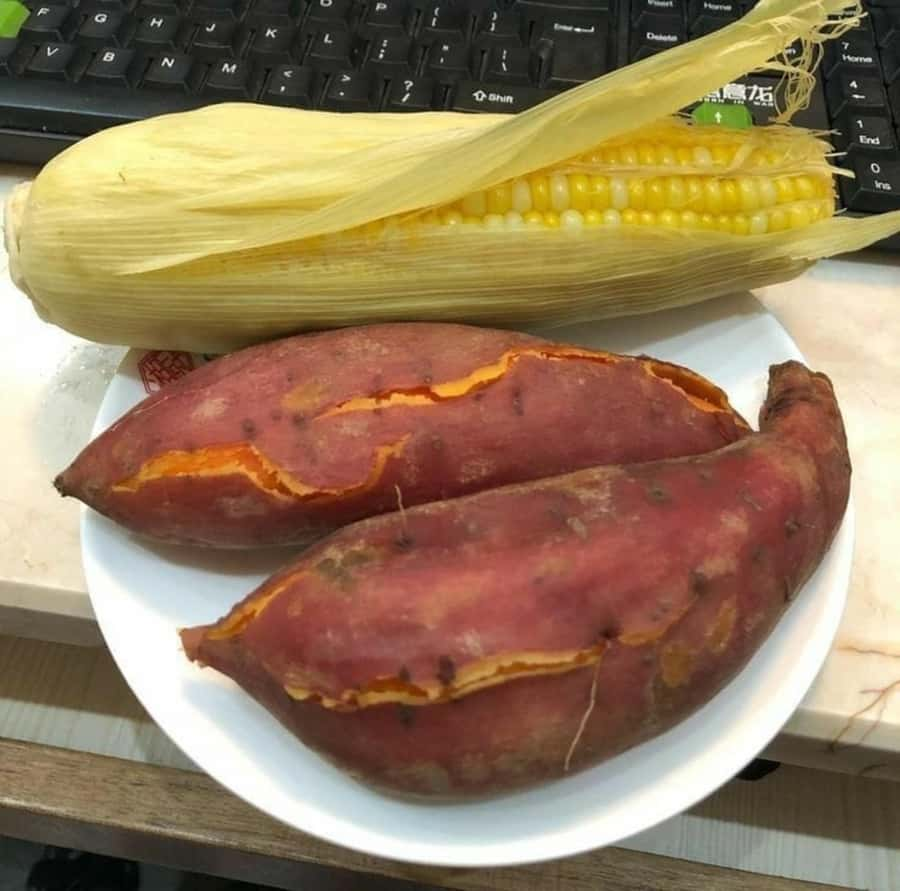
Book it if you want a personal food day rather than a standard sightseeing stop. The market, home kitchen, Kenyan meal, and street food create a clear progression, and the private transport removes much of the practical hassle.
Go in with the right expectations. This is not a large chef’s school, and you may not prepare every dish yourself. It is a guided visit to a local household where Tasha and the host lead the cooking, explain the food, and let you assist along the way.
For me, the strongest reasons to book are the home setting, the broad choice of Kenyan dishes, and the chance to taste both a cooked meal and street food in one outing. Ask about the menu, your hands-on role, ingredients, accessibility, and transport before paying. If those details fit your needs, the five-hour format offers a useful and enjoyable way to connect Nairobi food with everyday Kenyan life.
FAQ
How long does the Nairobi cooking experience last?
The experience lasts five hours. About one hour is spent at a food market, three hours at the host’s home for cooking and lunch, and one hour sampling street food.
Where can pickup and drop-off take place?
Pickup and drop-off are available in Karen, Westlands, and Parklands.
Is transport included?
Private transport from your pickup location and back is included, as is transport to and from the local market. Uber charges are not included. The host can arrange additional transport to the home if needed.
What food might I prepare?
Possible foods include ugali, Kenyan pilau, mukimo, chapati, githeri, boiled potatoes, sweet potatoes, mandazi, fish, fresh corn, and matoke. The exact menu can depend on the choices made with the host.
Who leads the cooking session?
The named cook is Tasha. The host primarily handles the cooking, and you can help with preparation when possible.
Is lunch included?
Yes. Lunch made during the cooking experience is included, along with the market visit, street food, private transport, and bottled water.
Is the activity offered in English?
Yes. The live tour guide and the experience are offered in English.
Can I cancel or pay later?
You can cancel up to 24 hours before the experience for a full refund. Reserve now and pay later is also available.
Just added around Kenya
- Nairobi: Maasai Market and Nairobi City Tour★ 5.0 · 4 reviews
- Nairobi: Hop on Hop off and Maasai market Collections Visit★ 3.5 · 10 reviews
- Nairobi: Explore Maasai Market for Unique Souvenirs★ 5.0 · 5 reviews
- Market Tour and Traditional Kenyan Cooking Class in Nairobi★ 4.8 · 6 reviews
- Maasai Market Souvenir Shopping★ 5.0 · 2 reviews
- Local Market Tour and Traditional Meal Cooking Class★ 5.0 · 4 reviews
- Diani: Market and Street Food Walking Tour★ 4.2 · 6 reviews
- Authentic Kenyan Cooking Class & Market Tour in Nairobi★ 5.0 · 12 reviews
Market and Cooking Class Tours, compared.

Hanoi Cooking Class: Culture, Local Market & Meaning CSR Impact
Read our review →
5 Traditional Dishes Hanoi Cooking Class with Market Trip
Read our review →
Cooking Class and Lunch at a Tuscan Farmhouse with Local Market Tour from Florence
Read our review →
Cooking Class, Market & Thai Herbs Garden Tour
Read our review →
Authentic Cooking Class with Market & Farm Visit
Read our review →
Paella Cooking Experience & Boqueria Market Tour
Read our review →
Cooking Class Hoi An:Local Market, Basket Boat, Fishing & Cooking
Read our review →
Hoi An Cooking Class(Market,BasketBoat Crabfishing&Cooking Class)
Read our review →Browse the lists this tour appears in