
Review · NAIROBI MARKET TOURS
Nairobi: Maasai Market and Nairobi City Tour
Nairobi’s story comes into focus when you walk from its older civic landmarks to its newer city streets, then finish among Maasai crafts and market stalls. This tour gives you that broad view in four to five hours, with hotel pickup and an English-speaking guide to connect the places.
I like the mix of monuments and everyday markets, since you get both public history and local food in one outing. I also like the chance to learn a few Swahili words and choose a snack at a traditional Nairobi restaurant. The main drawback is practical: there is plenty of walking, and the tour is not suitable for wheelchair users or people with mobility impairments.
Key points to know before you book

- Private walking tour: You receive an English-speaking guide for your own group rather than joining a large shared party.
- A useful city overview: The route combines Uhuru Gardens, central Nairobi monuments, civic buildings, markets, and the modern skyline.
- Maasai crafts at the center: The market visit focuses on decorative arts and the symbols connected with Maasai culture.
- Local flavor included: You can choose a snack at a traditional Nairobi restaurant, although food and drinks are not included in the price.
- Pickup makes the timing easier: Hotel pickup, hotel drop-off, and a 500-milliliter bottle of mineral water are included.
- Ask for the local bus option: One guest was offered the choice of taking a local bus into the center, so ask your guide if that interests you.
Why this Nairobi tour works as a first look
At $35 per person, this is priced as a short private city orientation rather than a full-day cultural program. The value comes from combining transport, a guide, several central landmarks, a market visit, and a little food sampling without requiring you to arrange each piece yourself.
That matters in Nairobi, where a first visit can feel scattered. One stop may explain national politics, another may show public memory, and a market may reveal what people buy, eat, and sell today. A guide helps turn those separate sights into a readable route.
The tour lasts four to five hours, though the listed guided city portion is about three hours, with roughly 30 minutes set aside for Uhuru Gardens and 30 minutes for the Maasai Market. The remaining time allows for pickup, drop-off, walking between stops, and the food break.
You should think of this as a compact city introduction, not a museum-heavy day. The attractions are viewed as part of the streetscape, and the appeal lies in moving between them with explanations along the way.
The group is private, which is a useful advantage. You can ask about a building, pause for a photograph, or spend a little more time at a market stall without trying to keep pace with a large crowd. The exact pickup point depends on the option you select, so check that detail carefully when booking.
A few more market tours around Kenya worth a look
- Traditional Kenyan Cooking Class & Local Market Tour
★ 5.0 · 129 reviews - Memorable Daily KIBERA Slums/Toi Market Tour with Locals (2 hours)
★ 5.0 · 29 reviews - Mombasa City Tour,Fortjesus,Oldtown,Tusks and Spice Market.
★ 4.8 · 19 reviews
Starting with Nairobi’s old and new faces
Your guide picks you up at your hotel and leads you into central Nairobi. The tour is designed to show the contrast between older public institutions and the modern city around them.
This approach gives you more than a list of landmarks. You can ask how a site is used today, what a monument represents, or why a particular building matters. One guest described guide Paul as calm and informative, explaining the history of buildings and monuments while helping the group feel safe in the city center.
That calm manner is worth noting. A city tour works best when you can pay attention to your surroundings instead of worrying about where to go next. Another guest was offered a local bus ride into the center, so you can ask whether that option is available for your visit if you want a more everyday form of transport.
The tour includes walking, so wear comfortable shoes and expect city pavement, market surfaces, and stops where you will be standing. Since the experience is not suitable for wheelchair users or people with mobility impairments, anyone with limited walking ability should consider a different format.
Uhuru Gardens and Nairobi’s public story

Uhuru Gardens is one of the planned stops, with about 30 minutes set aside for a visit. Your guide gives the place context and explains its relevance to Kenya’s public story.
This stop helps break up the city-center walking. It offers a chance to pause, listen, and take in a more open civic setting before returning to the denser streets and commercial areas.
The short visit means you should not expect an extended garden outing. Instead, treat it as a focused stop within a wider route. The guide’s explanation is the key part, since the tour emphasizes what each place means rather than simply allowing you to pass through.
Monuments that put names to Nairobi’s past
The route includes the Dedan Kimathi Monument and the Tom Mboya Monument. These are important stops for understanding how Kenya remembers political figures and national change.
Your guide explains the modern relevance of each monument, not just the date or name attached to it. That makes the visit more useful than a quick photograph from a passing vehicle. You can look closely, ask questions, and connect the figures to the wider civic setting.
The tour also includes the Kenya Archives and Parliament Buildings. Together, these sites shift the focus from individual memorials to the institutions that preserve records and shape public life.
The Parliament Buildings are viewed from the city route, and the same applies to several other landmarks. You should expect an interpretive walking tour rather than a formal indoor visit to every building. The information provided does not promise admission inside the Parliament Buildings or Kenya Archives, so book this for exterior context unless your guide tells you otherwise.
The McMillan Memorial Library and Kipande House add another layer to the route. They help show the range of Nairobi’s built environment, from civic and political places to buildings connected with the city’s earlier development.
Same place, a different set of stalls:
- Half-Day Nairobi National Park and Maasai Market with Pick up
★ 5.0 · 16 reviews - Authentic Kenyan Cooking Class & Market Tour in Nairobi
★ 5.0 · 12 reviews - Nairobi: Hop on Hop off and Maasai market Collections Visit
★ 3.5 · 10 reviews - Market Tour and Traditional Kenyan Cooking Class in Nairobi
★ 4.8 · 6 reviews
Nairobi City Market: a small taste of daily life
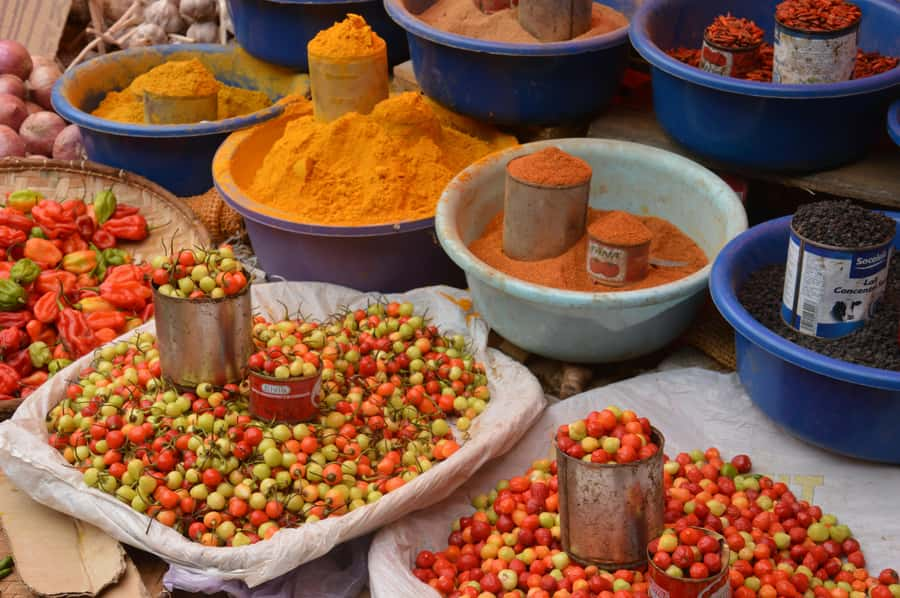
Nairobi City Market is where the tour turns from public monuments to food and commerce. You can see local trade in action and choose a snack at a traditional Nairobi restaurant.
Food and drinks are not included in the $35 price, so bring some money if you want to eat or buy anything. The tour does include the opportunity to try a snack, but it does not specify a fixed dish. That gives you some choice, though you should ask about the price before ordering if you are watching your budget.
I like this part because food makes a city easier to understand. A monument tells you what a nation chooses to remember. A market shows you what people buy, prepare, and share on an ordinary day.
Your guide can also teach you some Swahili words during the outing. This is a modest detail, but it gives you a more direct way to greet people and take part in the setting. Do not expect a language class. Think of it as a handful of useful phrases tied to the places you are seeing.
The Maasai Market and the meaning of the crafts
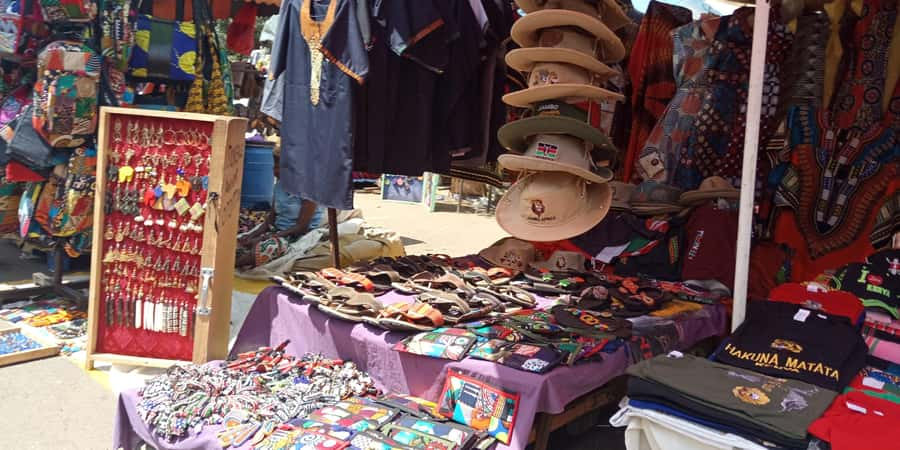
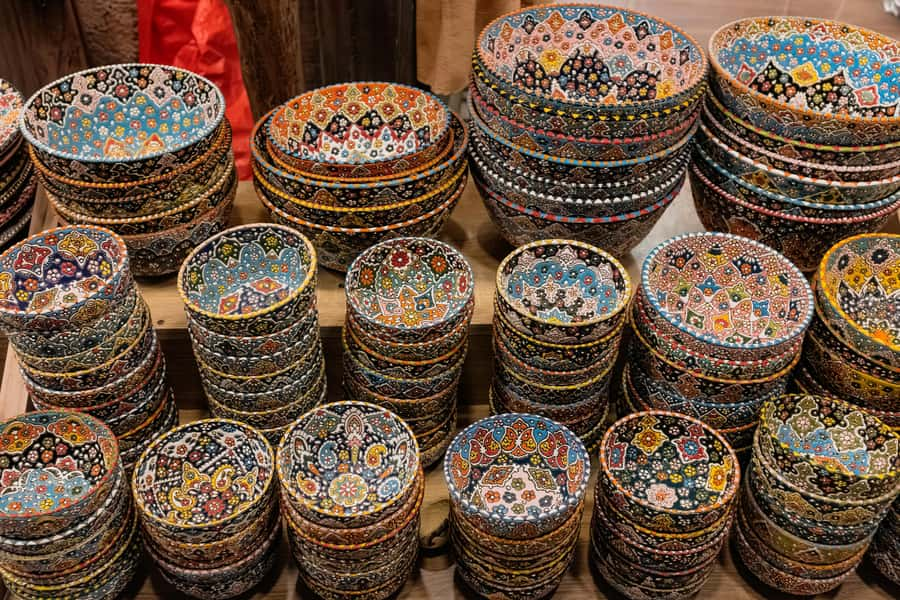
The Maasai Market is the tour’s clearest connection to decorative arts. You will have about 30 minutes for a guided visit, with time to look at crafts and learn about the symbols associated with Maasai culture.
The market is not just a shopping stop. Your guide explains the cultural ideas behind the decorative work, helping you see more than color and pattern. The information supplied describes the market as a place to learn about Maasai decorative arts and symbols connected with Maasai life.
Thirty minutes is enough for an introduction, but it is not a long browsing session. If you want to compare many items, ask questions about materials, or shop slowly, you may feel pressed for time. On the other hand, the short visit keeps the tour moving and leaves room for the city landmarks.
The price of purchases is not included. If you are interested in buying something, treat the market as a place to browse and ask questions first. The guide can help explain what you are seeing, but the available details do not promise assistance with bargaining or a set shopping list.
The modern city and the Nairobi skyline
The route includes a stroll through the modern part of Nairobi, where you can take in the skyline and see how the city continues beyond its older landmarks. This is a helpful contrast with Uhuru Gardens, the monuments, and the memorial library.
You will not spend the entire tour in museums or historic compounds. Instead, the city itself becomes the setting. Streets, office buildings, public institutions, and commercial areas show how Nairobi combines different periods in a compact central route.
This is one reason the tour suits a first day in the city. You get a basic sense of direction and a clearer idea of where central landmarks sit in relation to markets and civic buildings. You can then decide which places deserve a longer return visit.
The tour ends with drop-off in Nairobi, with International House also listed as a drop-off point. Confirm your preferred ending point when arranging the booking, especially if you have another appointment afterward.
What the guide adds to the experience
The strongest part of this experience is the guide-led explanation. The stops themselves are useful, but the tour depends on someone linking them together and answering questions.
The guides speak English. Paul is the only guide named in the available information, and he is described as calm, informative, and careful about explaining buildings and monuments. Another booking described the guide as helpful and well prepared, while a separate account praised the clear explanations and sense of safety.
Those comments point to the qualities you want on a city walk: clear speech, steady pacing, and practical help. You should still feel free to tell the guide if you want more time at the market, a slower walk, or extra explanation at a monument.
Because this is a private group, the experience can be more flexible than a fixed large-group route. The available information does not state the maximum group size, so do not assume the tour is limited to one or two people. It does confirm that the booking is for a private group rather than a shared public tour.
What is included, and what will cost extra
The tour includes hotel pickup and drop-off, an English-speaking guide, and one 500-milliliter bottle of mineral water. Those inclusions make the $35 cost easier to judge, especially if you are staying within the listed pickup area.
Food and drinks are not included. You may choose a snack at the traditional restaurant, but you pay for it separately. Market purchases also cost extra.
There is no stated entrance fee for a museum or indoor attraction, and the description does not promise interior access to the Parliament Buildings, Kenya Archives, or McMillan Memorial Library. In practical terms, you are paying for guiding, transport, walking, explanations, and the chance to visit the listed places from the outside or within their publicly accessible areas.
Free cancellation is available up to 24 hours before the tour for a full refund. You can also reserve and pay later, which helps if your Nairobi plans are still shifting.
Who should book this experience
I would choose this tour if you have only part of a day in Nairobi and want a guided introduction to central landmarks, public monuments, markets, and local culture. It also suits you if hotel pickup matters or if you prefer a private group with room for questions.
It is a good fit for first-time visitors who want context without spending a full day on a single museum or attraction. The mix of city walking, a snack stop, Swahili words, and Maasai crafts keeps the pace varied.
I would be more cautious if you dislike walking, want a long shopping session, or need step-free access. The route covers several places in a limited time, and the market visit is brief. It is also not the right choice if you expect food, drinks, or shopping costs to be covered.
Should you book the Nairobi city and Maasai Market tour?
Book it if you want a practical half-day orientation with a human guide, hotel transport, and a clear mix of Nairobi’s civic landmarks and everyday markets. The $35 price is reasonable for a private four to five hour outing that includes pickup, drop-off, guiding, and bottled water, though you should budget separately for your snack and any crafts.
The best reason to choose it is the combination of monuments and ordinary city life. You will not only look at Nairobi from a vehicle window. You will walk, ask questions, learn a few Swahili words, taste a local snack if you wish, and spend time with the decorative arts of the Maasai Market.
Skip it if you need an accessible route or prefer a slow, specialist visit to one attraction. For most able-bodied visitors with a free morning or afternoon, this is a sensible way to get your bearings fast.
FAQ
How long does the Nairobi city and Maasai Market tour last?
The experience lasts about four to five hours. The guided city portion is listed as approximately three hours, with separate visits of around 30 minutes at Uhuru Gardens and the Maasai Market.
What language does the guide speak?
The live tour guide speaks English.
Is hotel pickup included?
Yes. Hotel pickup and drop-off are included, though the starting location depends on the option selected.
Is this a private or shared tour?
It is a private group experience.
Is food included in the price?
No. Food and drinks are not included. You can choose a snack at a traditional Nairobi restaurant and pay for it separately.
What landmarks are included?
The route includes Uhuru Gardens, the Maasai Market, Nairobi City Market, McMillan Memorial Library, the Dedan Kimathi Monument, the Tom Mboya Monument, Kipande House, Kenya Archives, the Parliament Buildings, and All Saints Cathedral.
Is the tour suitable for wheelchair users?
No. The experience is not suitable for wheelchair users or people with mobility impairments.
Just added around Kenya
- Nairobi Traditional Cooking Classes and Local Market Visit★ 5.0 · 2 reviews
- Nairobi: Hop on Hop off and Maasai market Collections Visit★ 3.5 · 10 reviews
- Nairobi: Explore Maasai Market for Unique Souvenirs★ 5.0 · 5 reviews
- Market Tour and Traditional Kenyan Cooking Class in Nairobi★ 4.8 · 6 reviews
- Maasai Market Souvenir Shopping★ 5.0 · 2 reviews
- Local Market Tour and Traditional Meal Cooking Class★ 5.0 · 4 reviews
- Diani: Market and Street Food Walking Tour★ 4.2 · 6 reviews
- Authentic Kenyan Cooking Class & Market Tour in Nairobi★ 5.0 · 12 reviews
Nairobi Market Tours, compared.

Traditional Kenyan Cooking Class & Local Market Tour
Read our review →
Memorable Daily KIBERA Slums/Toi Market Tour with Locals (2 hours)
Read our review →
Half-Day Nairobi National Park and Maasai Market with Pick up
Read our review →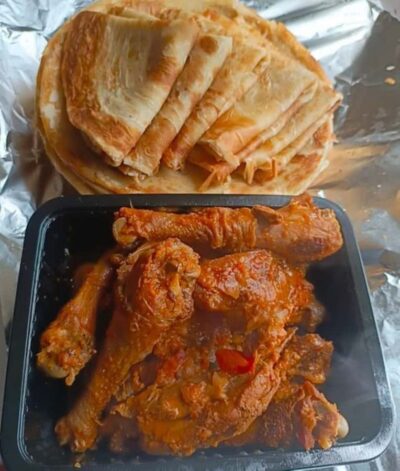
Authentic Kenyan Cooking Class & Market Tour in Nairobi
Read our review →
Nairobi: Hop on Hop off and Maasai market Collections Visit
Read our review →
Market Tour and Traditional Kenyan Cooking Class in Nairobi
Read our review →
Nairobi: Explore Maasai Market for Unique Souvenirs
Read our review →
Local Market Tour and Traditional Meal Cooking Class
Read our review →Browse the lists this tour appears in