
Review · MARKET AND COOKING CLASS TOURS
Traditional Kenyan Cooking Class & Local Market Tour
Nairobi’s food culture comes into focus when you shop for dinner in a local farmers market, ride a matatu through the city, and then cook the meal in Nimoh’s home. This is more than a cooking lesson. It gives you a close look at ordinary shopping, public transport, family food, and conversation around the table.
I especially like the market stop, where you can learn how local produce is chosen, and the matatu ride, which adds a real slice of Nairobi life. The main consideration is that public transport and a local market are active, informal settings, so you should be comfortable with a little noise, movement, and unpredictability.
Key points at a glance
- Shop for the meal in a farmers market: See the produce used in Kenyan home cooking and learn how to select it.
- Ride a matatu with a local guide: The public transport leg adds a cultural experience that a standard cooking class cannot offer.
- Cook at Nimoh’s home: Prepare a complete Kenyan meal, not just one sample dish.
- Choose your level of participation: Get your hands dirty, watch the cooking, or combine both approaches.
- Take prepared food with you: You can carry the food you make after the session.
- Small enough for conversation: The group maximum is 15, with the experience lasting about three to three and a half hours.
A Kenyan food experience that begins before the kitchen

Most cooking classes start with ingredients already measured and waiting. This one starts with the buying. That simple change matters. You see the produce in its everyday setting, learn what people look for, and begin to understand how a Kenyan meal comes together before a pot reaches the stove.
Nimoh has worked as a local food guide and writer for several years, and her role is not limited to explaining recipes. She helps you make sense of the market, the food, and the city around you. The experience is designed for conversation, so you can ask about ingredients, customs, Nairobi, and daily life as you go.
The food is tied to the host’s own Kenyan background. You prepare a main dish with a side and vegetables, then sit down to eat what you made. Depending on the meal selected, the food may include dishes such as chapati, stewed goat, or other traditional options. The exact menu is shared after booking, so check it if you have a particular dish in mind.
More Farmers Market Tours in Kenya:
- Local Market Tour and Traditional Meal Cooking Class
★ 5.0 · 4 reviews - Nairobi Traditional Cooking Classes and Local Market Visit
★ 5.0 · 2 reviews - Hanoi Cooking Class: Culture, Local Market & Meaning CSR Impact
★ 5.0 · 5,147 reviews
Meeting in Westlands and finding the market
The meeting point is Westlands Square on Ring Road in Parklands. From there, you visit a local farmers market and shop for the ingredients. The grocery stop is included in the $50 price, so you are not expected to pay separately for the food used in class.
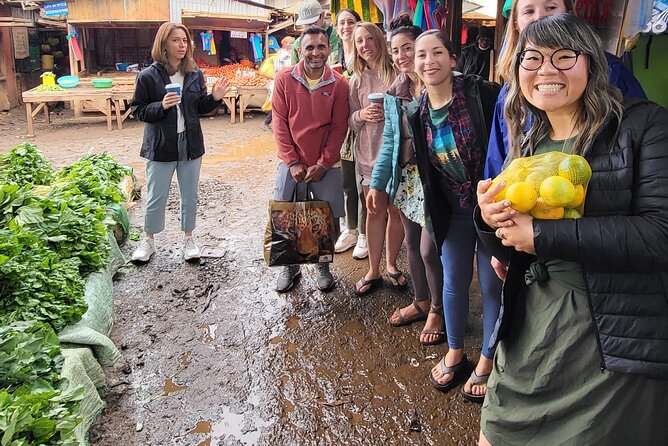
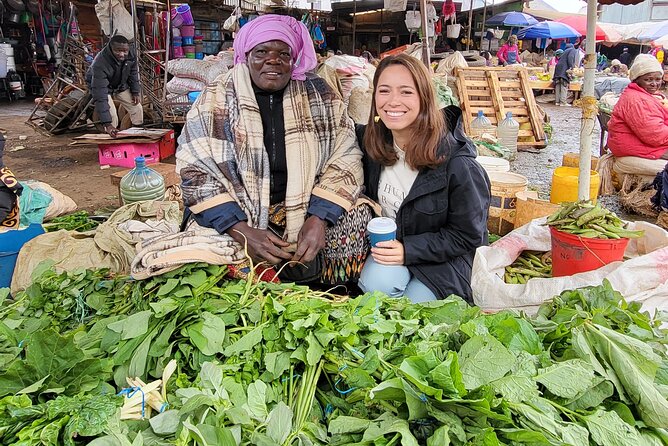
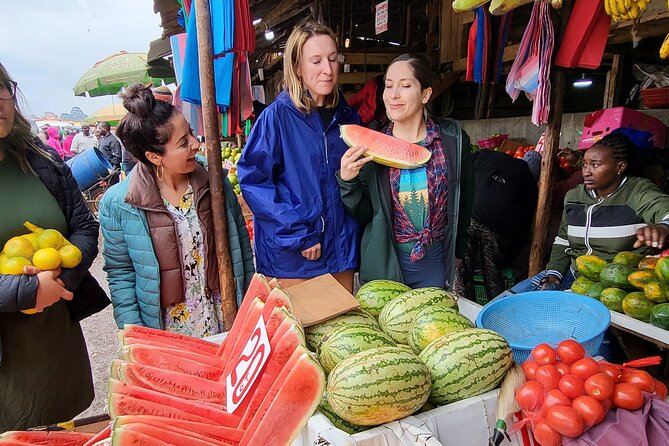
This part can be the most revealing section for anyone who wants more than a polished tourist setting. You see fresh produce, meats, spices, and street-food choices in the place where people actually shop. Nimoh explains how to judge produce and points out ingredients that may be unfamiliar if you are used to supermarkets.
I would give this section your full attention. Ask what each item is used for, how it is cooked, and what makes one piece better than another. A market is not just a place to gather supplies. It is where you start to learn which foods matter in Kenyan homes and how meals are planned.
You can also skip the market if you are not feeling up to it. That flexibility is useful after a long flight, during a busy day, or if mobility makes market shopping difficult. If you skip it, you miss some of the strongest cultural context, but you can still take part in the cooking and meal.
The matatu ride adds real Nairobi context
After shopping, you travel to Nimoh’s home by matatu, Kenya’s familiar public minibus system. For many visitors, this is the most unusual part of the experience. The ride is not presented as a sightseeing route. It is a chance to use a form of transport that many Nairobi residents rely on.
Matatus can be colorful and lively, and the music may be turned up during the ride. That makes the trip fun, but it also means you should not expect the quiet, controlled feel of a private vehicle. Nimoh accompanies you, which helps you handle the route and makes the experience feel more approachable.
I like this addition because it connects the market and the kitchen. You are not simply moved between two scheduled activities. You see how a local shopping trip fits into the wider city, then continue to a home setting by public transport.
Still, the matatu portion is worth considering carefully. If you dislike crowded public transport or need a highly predictable journey, this may not be your ideal activity. The experience is built around ordinary Nairobi life, not a private transfer. If you want the cooking class without the transport element, ask about the arrangements before booking.
Cooking a full Kenyan meal from scratch
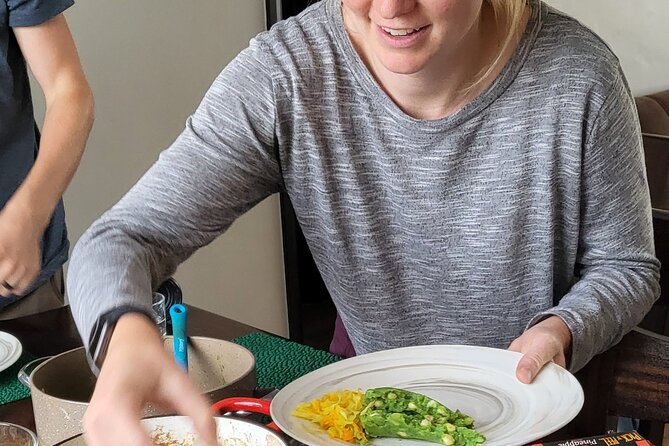
At Nimoh’s home, the market purchases become lunch or dinner. You prepare a complete meal with a main dish, side dish, and vegetables. This gives the class more substance than making one small sample and leaving hungry.
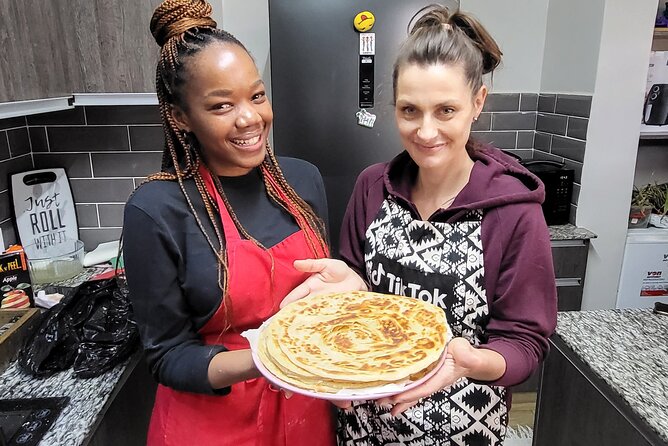
The format is hands-on, but you decide how much work you want to do. You can chop, mix, shape, stir, and help with the cooking, or watch while Nimoh leads the process. If you enjoy learning by doing, wear something comfortable and be ready to get your hands dirty.
The class also works for people who are more interested in food culture than kitchen technique. Nimoh explains what you are doing while sharing information about Kenyan traditions and local customs. The conversation is a major part of the value. You are learning why the food is prepared this way, not only copying a list of steps.
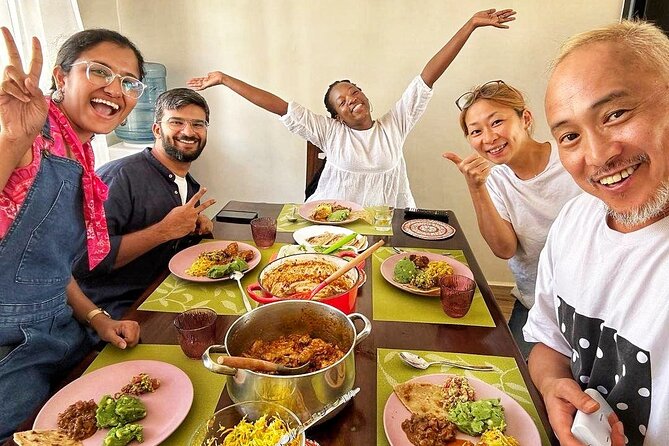
The meal is eaten together at the end. That shared table time gives the class a relaxed finish, more like being welcomed into someone’s home than attending a formal demonstration. You can also take the food you prepared with you after the experience.
Vegetarian, pescatarian, and gluten-free options are available if you give notice when booking. I would not wait until the day of the class to mention dietary needs. The menu depends on the ingredients purchased, so advance notice gives the host time to plan a suitable meal.
More Market and Cooking Class Tours in Kenya:
- Authentic Kenyan Cooking Class & Market Tour in Nairobi
★ 5.0 · 12 reviews - Market Tour and Traditional Kenyan Cooking Class in Nairobi
★ 4.8 · 6 reviews - 5 Traditional Dishes Hanoi Cooking Class with Market Trip
★ 5.0 · 4,890 reviews - Cooking Class and Lunch at a Tuscan Farmhouse with Local Market Tour from Florence
★ 5.0 · 4,831 reviews
What the food and conversation add
The strongest part of a home cooking class is often the discussion around the recipe. Food opens doors to family habits, regional customs, celebrations, and everyday routines. Nimoh uses the meal as a way to explain Kenyan culture, and that makes the class useful even if you are not an experienced cook.
You may learn practical tips that carry beyond this one meal, including how to select produce and how local ingredients are handled. The market visit gives those tips a real setting. You are not looking at a photograph of an unfamiliar vegetable. You are seeing it for sale and then using it in your meal.
The cooking also gives you a better sense of portion, texture, and timing. Chapati, for example, is not just something placed on a plate at a restaurant. Preparing it helps you understand the work behind it. A stew or vegetable side likewise becomes easier to appreciate when you have helped build its flavor.
The exact menu is not fixed in the information provided, so I would treat the experience as a lesson in Kenyan home cooking rather than a guarantee of one particular recipe. If there is a dish you especially want to learn, contact the provider before you book.
Is $50 a fair price?
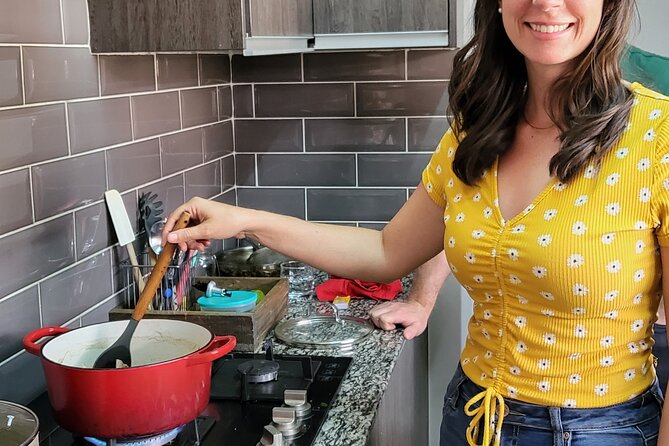
At $50 per person, this is a good value if you want several connected activities rather than a short kitchen demonstration. The price covers the market visit, grocery shopping, matatu experience, cooking class, and meal. Grocery shopping is included, which removes one common extra cost.
You are also paying for a local guide who leads you through settings that can be harder to approach alone. A market visit by yourself can be interesting, but you may not know what you are seeing or how to ask about it. A matatu ride by yourself can be manageable, but it may feel less comfortable if you do not know the route or local habits.
The value is lower if you only want a polished cooking studio, a fixed menu, or private transportation. This activity asks you to value contact with daily life. You pay for context and access as much as for the food.
With an average booking lead time of about 30 days, it is sensible to reserve ahead if your Nairobi dates are fixed. The maximum group size is 15, though the experience may feel more personal with fewer people. If you are comparing cooking classes, check the group size and confirm the menu before deciding.
Who will enjoy this experience most?
I would recommend it to first-time visitors who want to understand Nairobi through food. It is also a good match for couples, solo visitors, and small groups who like conversation and do not need every moment planned around a formal attraction.
Food writers, keen home cooks, and curious eaters will find plenty to ask about. You do not need advanced cooking skills. The option to watch instead of taking part makes the class approachable for anyone who would rather focus on the social and cultural side.
This is less suitable for someone who wants a quiet, private, or highly polished setting. The market may be busy, the matatu is public transport, and the experience takes place in a home rather than a commercial cooking school. That is precisely what makes it personal, but it may not suit every style of holiday.
The activity is also a practical choice for visitors who want local orientation early in their stay. Nimoh can give you suggestions for the rest of your time in Nairobi, and the market and transport sections help you understand the city beyond the main tourist stops.
Timing, access, and practical details
Plan on three to three and a half hours from start to finish. The activity begins and ends at the meeting point in the Westlands area, with the market and home visit taking place during that window.
The cooking location has lifts and is wheelchair accessible. Service animals are allowed, and the meeting point is near public transportation. The activity uses a mobile ticket, and confirmation is sent at the time of booking.
Good weather is required. If poor weather causes a cancellation, you are offered another date or a full refund. The experience also requires a minimum number of participants. If that minimum is not reached, you are offered another date or experience, or a full refund.
You can cancel for a full refund up to 24 hours before the start time. Cancellations or changes made less than 24 hours ahead are not accepted for a refund, and the cut-off is based on Nairobi local time.
Should you book the Nairobi cooking class?
Book this if you want food, transport, and local conversation in one compact Nairobi experience. The market shopping and matatu ride make it more distinctive than a standard cooking lesson, while the home meal gives the afternoon a warm, personal finish.
I would choose it early in a Nairobi visit, especially if you want practical food and city advice from someone who lives close to the culture being explained. Skip it if you need private transport, a fixed menu, or a formal kitchen setting.
For most curious eaters, the $50 price is justified by the range of experiences included. The main question is not whether you like Kenyan food. It is whether you want to meet the city through ordinary places, public transport, and a meal prepared with your own hands.
FAQ
Where does the experience begin?
It begins at Westlands Square on Ring Road in Parklands, Nairobi.
Where does the experience end?
The activity ends back at the meeting point.
How long does the experience last?
It lasts approximately three to three and a half hours.
What is included in the price?
The $50 price includes the market visit, grocery shopping, matatu experience, cooking class, and prepared meal.
Do I have to visit the market?
No. You can skip the market visit if you are not feeling up to it and join the cooking experience instead.
What will I cook?
You will prepare a complete Kenyan meal with a main dish, a side dish, and vegetables. The full itinerary and menu details are shared after booking.
Can I take part if I have dietary restrictions?
Vegetarian, pescatarian, and gluten-free options are available when requested in advance.
Do I have to cook?
No. You can take part hands-on or watch the cooking.
Is the cooking location accessible?
Yes. The building has lifts and the cooking location is wheelchair accessible.
What is the cancellation policy?
You can cancel up to 24 hours before the start time for a full refund. Cancellations or changes made less than 24 hours before the experience are not accepted for a refund.
Just added around Kenya
- Nairobi: Maasai Market and Nairobi City Tour★ 5.0 · 4 reviews
- Nairobi Traditional Cooking Classes and Local Market Visit★ 5.0 · 2 reviews
- Nairobi: Hop on Hop off and Maasai market Collections Visit★ 3.5 · 10 reviews
- Nairobi: Explore Maasai Market for Unique Souvenirs★ 5.0 · 5 reviews
- Market Tour and Traditional Kenyan Cooking Class in Nairobi★ 4.8 · 6 reviews
- Maasai Market Souvenir Shopping★ 5.0 · 2 reviews
- Local Market Tour and Traditional Meal Cooking Class★ 5.0 · 4 reviews
- Diani: Market and Street Food Walking Tour★ 4.2 · 6 reviews
Market and Cooking Class Tours, compared.

Hanoi Cooking Class: Culture, Local Market & Meaning CSR Impact
Read our review →
5 Traditional Dishes Hanoi Cooking Class with Market Trip
Read our review →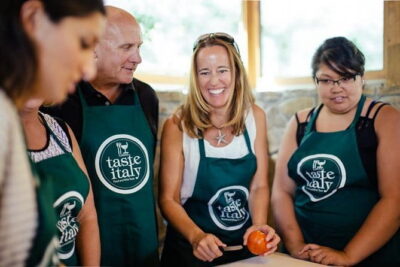
Cooking Class and Lunch at a Tuscan Farmhouse with Local Market Tour from Florence
Read our review →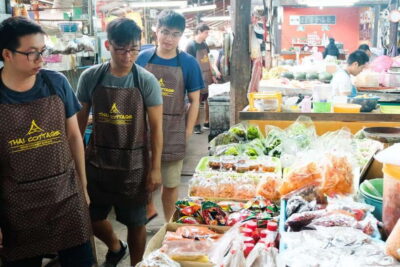
Cooking Class, Market & Thai Herbs Garden Tour
Read our review →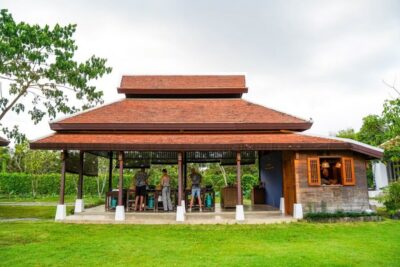
Authentic Cooking Class with Market & Farm Visit
Read our review →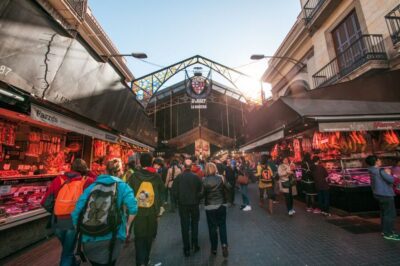
Paella Cooking Experience & Boqueria Market Tour
Read our review →
Cooking Class Hoi An:Local Market, Basket Boat, Fishing & Cooking
Read our review →
Hoi An Cooking Class(Market,BasketBoat Crabfishing&Cooking Class)
Read our review →Browse the lists this tour appears in