
Review · MARKET AND COOKING CLASS TOURS
Market Tour and Traditional Kenyan Cooking Class in Nairobi
A Nairobi market trip followed by a home-cooked meal gives you something many city tours miss: a look at daily food buying and the work behind a Kenyan table. You’ll shop for ingredients, then head to the host’s home to prepare dishes such as ugali, chapati and pilau.
I like the private format, which keeps the session personal, and I like the chance to see a real local market before sitting down to eat. The food, soda, fruit, water, and transport to and from the market are included in the $55 price.
The main thing to consider is the small kitchen. Because of limited space, the host does most of the cooking, so this is closer to a guided home-cooking demonstration with hands-on help than a full professional cooking class.
Key points to know before you book
- Market first, cooking second: You buy fresh ingredients at a local market before preparing the meal at the host’s home.
- Private for your party: You get one-to-one attention rather than joining a large class.
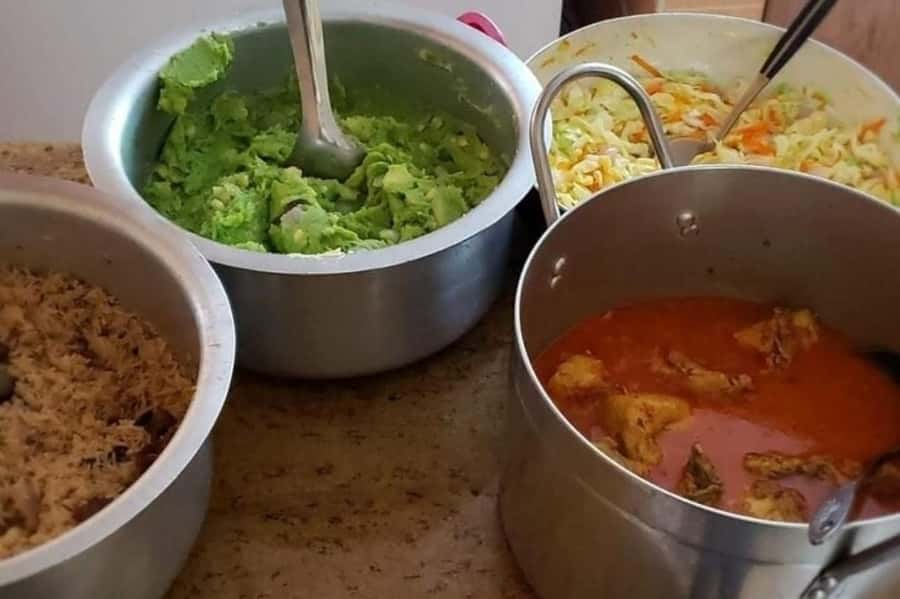
- Classic Kenyan dishes: Expect food such as ugali, chapati, pilau, and curries with Kenyan and Indian influences.
- A small home kitchen: You can help prepare the food, but the host handles most of the cooking because space is limited.
- English and Swahili guidance: The session is offered in both languages.
- Central meeting point: Meet at the K Mall Komarock parking lot, with market transport included. Uber costs are separate.
Why this Nairobi food experience feels different
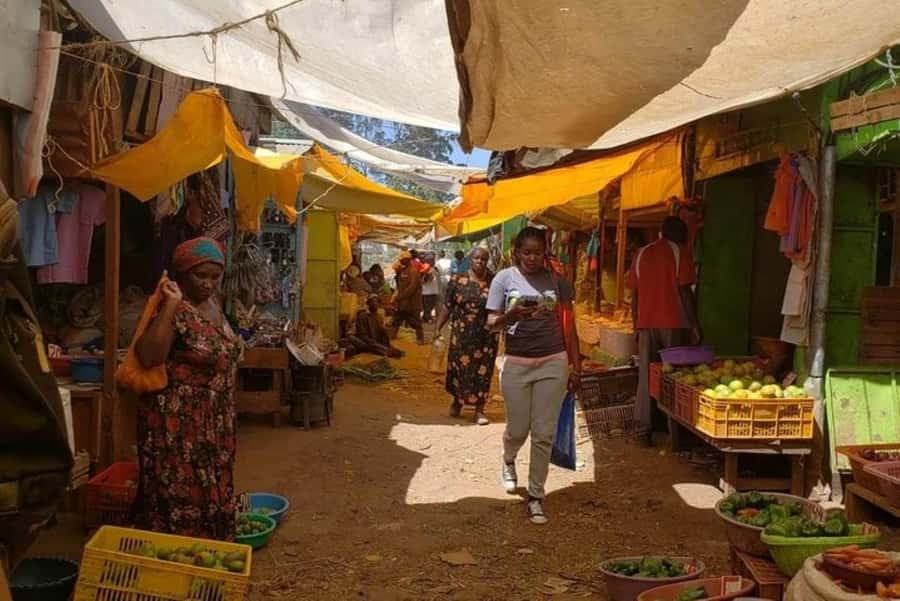
Many food activities keep you on the sidelines. This one begins with the ingredients. You meet at the K Mall Komarock parking lot and proceed to a local market, where the meal starts as a shopping trip rather than a list of finished dishes.
That matters because a market shows you how food enters an ordinary Kenyan home. You can see the produce and supplies being selected before they become lunch or dinner. The market portion also gives the cooking class a clear purpose: you are not simply watching someone prepare a fixed menu, you are helping gather what will be used.
The exact market is not named in the activity details, so you should not expect a formal tourist market with a set route. Think of it as a practical local shopping stop. The host guides you through the visit, and the time spent there may vary depending on the ingredients needed and the pace of your group.
The activity is listed as lasting four hours. That gives you enough time for the market, transport, preparation, cooking, and eating, though the schedule may not feel tightly scripted. If you prefer a relaxed visit with conversation and room for questions, that is a plus. If you want a fast class with exact start and finish times for every dish, this may feel less structured.
More Market and Cooking Class Tours in Kenya:
- Traditional Kenyan Cooking Class & Local Market Tour
★ 5.0 · 129 reviews - Authentic Kenyan Cooking Class & Market Tour in Nairobi
★ 5.0 · 12 reviews - Local Market Tour and Traditional Meal Cooking Class
★ 5.0 · 4 reviews
Shopping at the market before the meal
The market visit is the strongest part of the experience for anyone curious about everyday Nairobi life. You are not only shown local food. You are involved in choosing supplies for your own meal.
The details of the shopping can change with the dishes being prepared. The food may include ingredients for ugali, chapati, pilau, curries, fruit, and other home-style dishes. Kenyan cooking often depends on simple ingredients handled well, and buying them at the start helps you understand the meal in a practical way.
I would pay attention to how the host selects ingredients and ask questions as you go. You can learn more from that exchange than from a standard list of facts. Ask which ingredients are common in Kenyan homes, which are used for Indian-influenced dishes, and how the same food might be prepared differently from one household to another.
The market is also a useful place to get your bearings. You can see the food culture before entering a private home, which makes the rest of the session easier to understand. It connects the city outside with the meal inside.
You should also be ready for a local shopping trip rather than a polished culinary venue. The experience is about ordinary food buying, not display cooking or a restaurant setting. That is part of its appeal, but it means you should value contact with daily life more than comfort or presentation.
Cooking ugali, chapati, pilau and curry
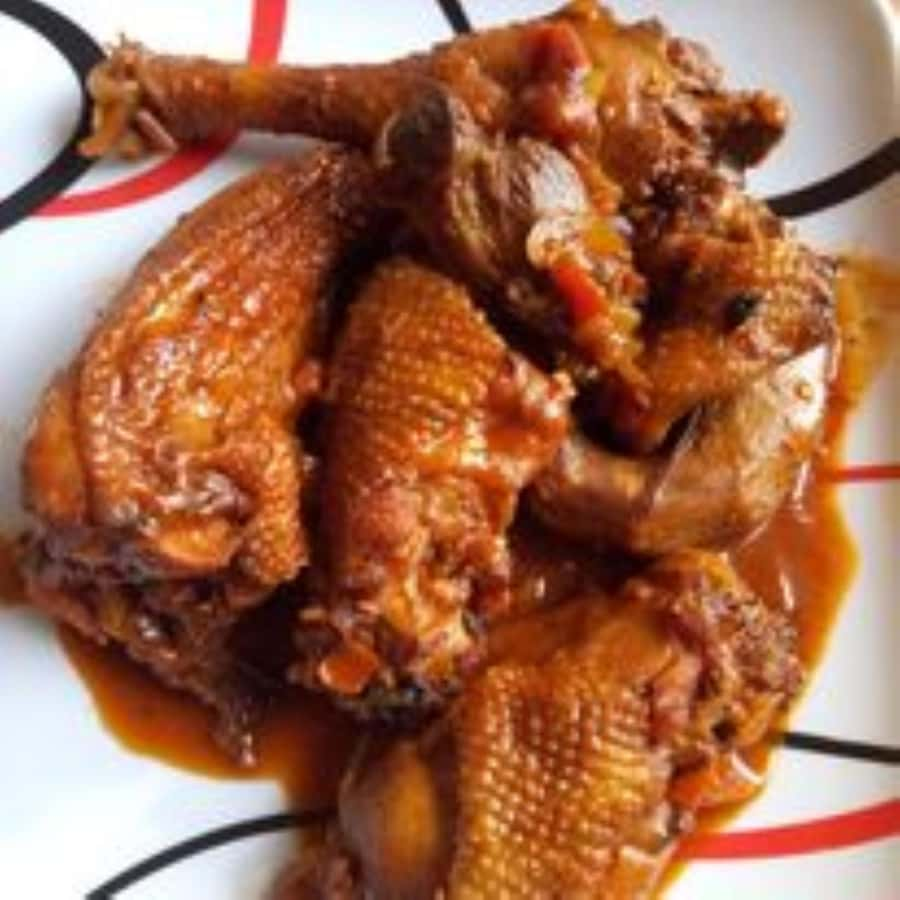
After the market, you go to the host’s home and begin preparing the meal from scratch. The menu combines Kenyan staples with Indian influences, including curries, ugali, and chapati. Pilau is also mentioned as one of the dishes prepared during the experience.
Ugali is a cornmeal staple and an important part of many Kenyan meals. It is simple in appearance, but its texture and consistency matter. Making it helps you see how a basic ingredient becomes the central part of a meal.
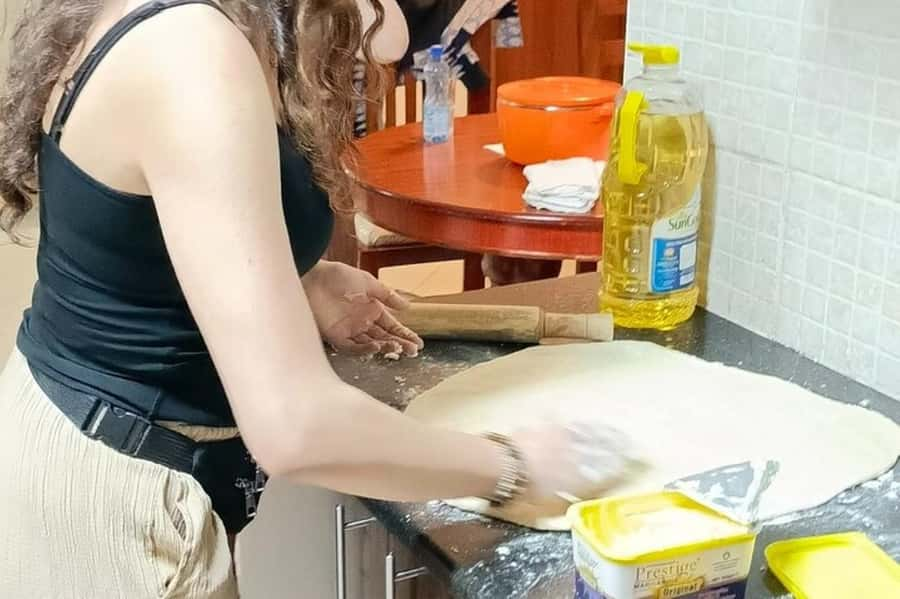
Chapati gives you a more hands-on task. You can help prepare the dough and learn how this familiar flatbread is made. The activity details specifically highlight learning to prepare chapati, making it one of the best parts for anyone who wants to do more than watch.
Pilau brings a different flavor profile to the table. Along with the curries, it shows the Kenyan and Indian influences built into the menu. The meal is not presented as one narrow version of Kenyan cooking. Instead, it gives you a small sample of the food traditions found in Nairobi homes.
Because the kitchen is small, the host handles most of the cooking. You still help with preparation and learn through one-to-one guidance, but you should not expect every participant to cook every dish from start to finish. This distinction is important. The class suits someone who enjoys learning by watching, assisting, asking questions, and then eating the result.
The small kitchen can also make the session feel more personal. You are seeing food prepared in a real home rather than in a large teaching kitchen designed for a group. The tradeoff is less individual cooking space. If you are booking mainly to practice professional knife work or take control of the stove, choose a different type of class.
A meal with conversation, not just a lesson
The meal is included, so the cooking leads directly to eating what you helped prepare. Food, soda, fruit, and water are part of the experience. You do not need to arrange a separate lunch or dinner around the class, unless you have special dietary needs that have not been discussed in advance.
The home setting gives the experience a social side. One account describes preparing food together and talking with the host, which points to the real value of the visit: it is not only a lesson in recipes. It is time spent with a Kenyan host in an ordinary domestic setting.
You should think of the meal as a chance to ask about food customs, family cooking, and daily routines. The host speaks English and Swahili, so communication is possible in either language. The quality of the conversation will depend partly on how much you choose to engage, but the private format gives you room to ask questions without competing with a large group.
The food itself is repeatedly praised in the supplied booking information, especially the ugali, chapati, and pilau. That makes the meal a clear reason to book, even if you are not a serious cook. You get to taste dishes in the setting where they are normally prepared, rather than sampling a restaurant version without context.
A few more market tours around Kenya worth a look
- Memorable Daily KIBERA Slums/Toi Market Tour with Locals (2 hours)
★ 5.0 · 29 reviews - Mombasa City Tour,Fortjesus,Oldtown,Tusks and Spice Market.
★ 4.8 · 19 reviews - Half-Day Nairobi National Park and Maasai Market with Pick up
★ 5.0 · 16 reviews - Nairobi: Hop on Hop off and Maasai market Collections Visit
★ 3.5 · 10 reviews
What the private format means for you
This is a private group activity. That makes a real difference for a food class in a home. You can move at your own pace, ask direct questions, and spend more time on dishes that interest you.
A private session is also useful if your group has mixed cooking experience. One person can help with chapati while another watches the preparation of ugali or asks about the market ingredients. The activity is not described as a large group lesson, so you should expect a quieter and more personal setting.
The private format does not mean you will have full control of the cooking. Space constraints mean the host does most of the work. The best approach is to treat the host’s home as the classroom and the cooking as a shared activity.
The experience provider is listed as Evaline Mbugua. Past booking details also refer to a host named Mary Evelyn, and to Mary. Since several names appear in the supplied information, I would confirm who will personally lead your session when you book. This is a small practical step, especially if meeting a particular host matters to you.
Is $55 a fair price?
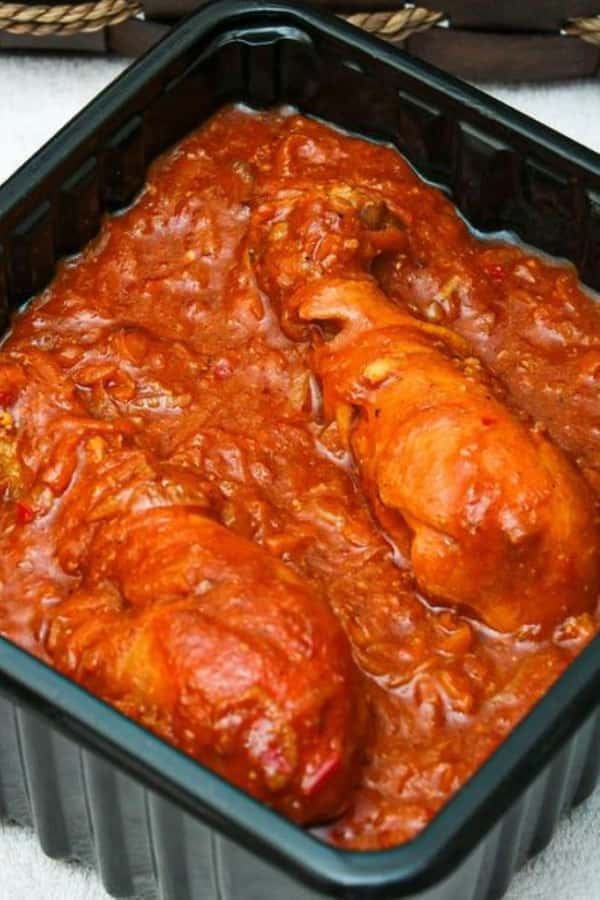
At $55 per person, the value depends on what you want from a food activity. You are paying for four hours, a market visit, transport to and from the market, food, drinks, fruit, a private group setting, and time with a local host.
That is a fair package for someone who wants a combined cultural and culinary activity rather than a short cooking demonstration. The market adds a second part to the experience, and the meal is included at the end. You are also getting a personal session instead of being placed in a large class.
The value is weaker if you mainly want to cook independently. Since the host does most of the cooking, some of the price covers watching, conversation, guidance, and the home setting. That is not a flaw, but it should match your expectations.
You also need to account for Uber fees, which are not included. The meeting point is the K Mall Komarock parking lot, and transport to and from the market is included from there. Your cost may therefore be higher if you need an Uber to reach the meeting point or return afterward.
The food and drinks included in the price make budgeting easier. Soda, fruit, and water are provided, and you eat the meal you prepare. For a private four-hour experience in Nairobi, the price is reasonable if you value the personal contact and the market visit as much as the cooking.
Who will enjoy this experience most?
I would recommend it to you if you want a close look at Kenyan home cooking and prefer a small, personal setting. It is a good fit for couples, families, and private groups who want to share an activity rather than sit through a formal food presentation.
It also suits people who are curious about the link between shopping and cooking. The market gives you a practical introduction, while the home visit shows how the ingredients are turned into a meal.
You do not need to be an experienced cook. The host guides you, and the experience is designed around learning and helping. Someone who enjoys food, conversation, and cultural exchange may get more from this than someone seeking a technical chef-led course.
It may not suit you if you need a fully equipped kitchen, a precise recipe-based curriculum, or a chance to cook every part of the meal yourself. The small kitchen and host-led cooking style are central features, not minor details.
Practical details that matter
The meeting point is the K Mall Komarock parking lot. From there, you proceed to the market, then continue to the host’s home for preparation and eating.
The session lasts four hours, and starting times depend on availability. English and Swahili are the tour languages. The group is private, which means you are not sharing the cooking session with unrelated participants.
Free cancellation is available up to 24 hours before the activity for a full refund. You can also reserve now and pay later, which helps if your Nairobi plans are still shifting.
The activity information does not give details about dietary substitutions, kitchen accessibility, or a fixed menu. If you have allergies, follow a special diet, or need a particular level of physical access, ask before booking rather than assuming the standard meal can be changed.
Should you book this Nairobi market and cooking class?
Book it if you want food to be your way into Nairobi culture. The combination of a local market, a private home, Kenyan staples, and conversation gives you more context than a meal alone. The strongest reasons to go are the personal setting, the chance to help with chapati and other dishes, and the opportunity to see ingredients purchased before they reach the plate.
Skip it if you want a professional cooking studio or full control over every recipe. This is a host-led home session, with most cooking handled by the host because of limited space.
For most people who value authentic contact over polished presentation, the $55 price is sensible. Confirm the lead host’s name, ask about any dietary needs, and arrange your own transport to K Mall Komarock. Then come ready to shop, help, ask questions, and eat a Kenyan meal made in a real home.
FAQ
Where does the experience begin?
You meet at the K Mall Komarock parking lot before proceeding to the local market.
How long does the experience last?
The activity lasts four hours. Starting times depend on availability.
Is the activity private?
Yes. It is offered as a private group experience for your party.
Which languages are available?
The live tour guide speaks English and Swahili.
What food can I expect to prepare?
The meal can include Kenyan and Indian-influenced dishes such as curries, ugali, chapati, and pilau.
Can I cook the entire meal myself?
No. Due to limited kitchen space, the host does most of the cooking, while you help prepare the food and learn during the session.
Is food included in the price?
Yes. Food, soda, fruit, and water are included.
Is transportation included?
Transport to and from the market is included. Uber fees are not included.
Can I cancel for a refund?
Yes. You can cancel up to 24 hours in advance for a full refund. The activity also allows you to reserve now and pay later.
Just added around Kenya
- Nairobi: Maasai Market and Nairobi City Tour★ 5.0 · 4 reviews
- Nairobi Traditional Cooking Classes and Local Market Visit★ 5.0 · 2 reviews
- Nairobi: Hop on Hop off and Maasai market Collections Visit★ 3.5 · 10 reviews
- Nairobi: Explore Maasai Market for Unique Souvenirs★ 5.0 · 5 reviews
- Maasai Market Souvenir Shopping★ 5.0 · 2 reviews
- Local Market Tour and Traditional Meal Cooking Class★ 5.0 · 4 reviews
- Diani: Market and Street Food Walking Tour★ 4.2 · 6 reviews
- Authentic Kenyan Cooking Class & Market Tour in Nairobi★ 5.0 · 12 reviews
Market and Cooking Class Tours, compared.

Hanoi Cooking Class: Culture, Local Market & Meaning CSR Impact
Read our review →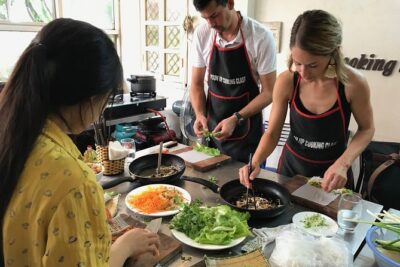
5 Traditional Dishes Hanoi Cooking Class with Market Trip
Read our review →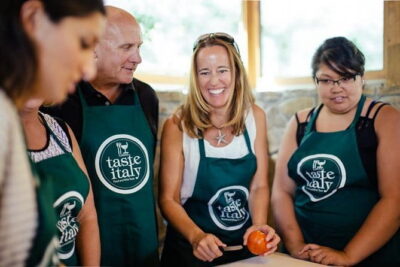
Cooking Class and Lunch at a Tuscan Farmhouse with Local Market Tour from Florence
Read our review →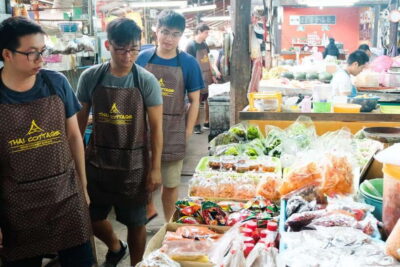
Cooking Class, Market & Thai Herbs Garden Tour
Read our review →
Authentic Cooking Class with Market & Farm Visit
Read our review →
Paella Cooking Experience & Boqueria Market Tour
Read our review →
Cooking Class Hoi An:Local Market, Basket Boat, Fishing & Cooking
Read our review →
Hoi An Cooking Class(Market,BasketBoat Crabfishing&Cooking Class)
Read our review →Browse the lists this tour appears in