
Review · MARKET AND COOKING CLASS TOURS
Authentic Kenyan Cooking Class & Market Tour in Nairobi
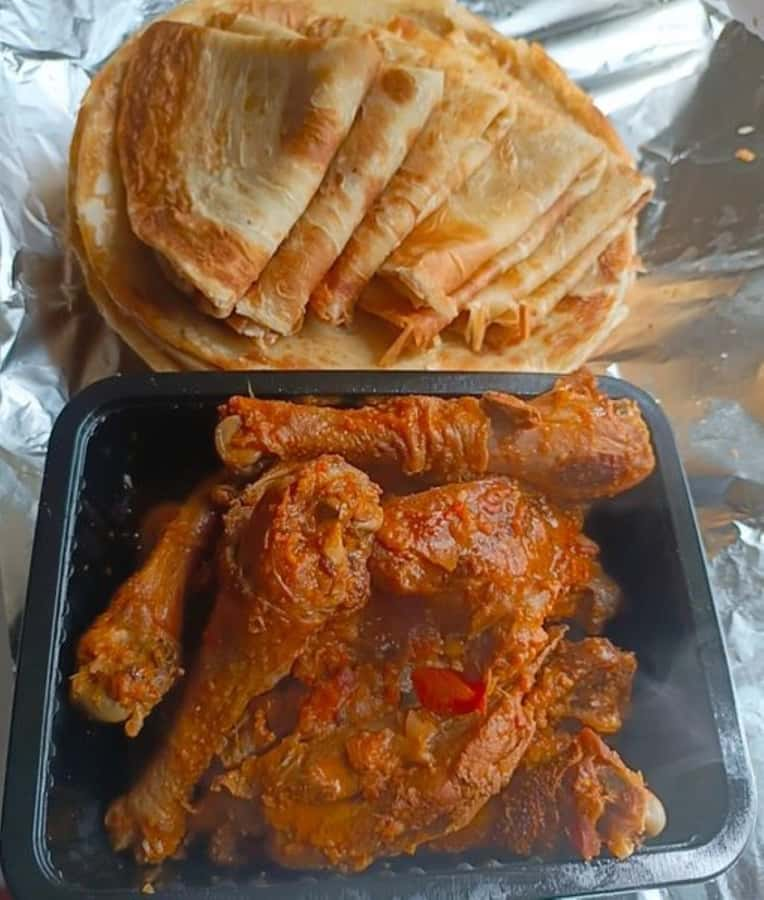
The best part of this four-hour experience is the move from local market to Tabitha’s home kitchen. You help choose fresh ingredients, then learn how they become Kenyan dishes such as ugali, pilau, chapati, sukuma wiki, kachumbari, and kuku kienyeji.
I like the personal scale and the honest cultural exchange. You are not only watching a demonstration: you help cook, taste as you go, and share a meal while talking with Tabitha and her husband. The main consideration is that this is a home-based class with limited space, not a polished cooking school, and people with food allergies should not book.
Key points at a glance
- Market first, cooking second: Begin at a local Nairobi market and help select the ingredients used later in the meal.
- Tabitha hosts at home: The class takes place in her home on the outskirts of Nairobi, creating a personal setting for food and conversation.
- Several Kenyan staples: Expect hands-on work with ugali, pilau, chapati, sukuma wiki, kachumbari, and possibly mukimo, githeri, or kuku kienyeji.
- Lunch is included: Eat the food you help prepare, with water, tea, and soda provided.
- Transport is practical: Meet at K-MALL Komarocks parking lot, with transport to and from the market included.
- A small, personal format: Limited kitchen space means a closer experience, but it may not suit anyone who wants a large, structured class.
From K-MALL Komarocks to a Nairobi market
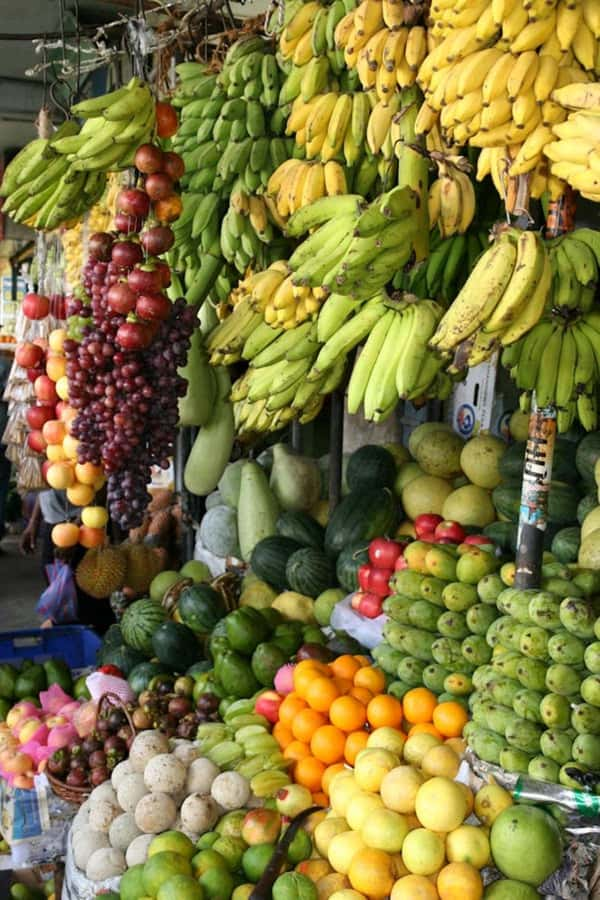
Your meeting point is the K-MALL Komarocks parking lot. From there, Tabitha takes you to a local market, where the day begins with shopping rather than a lecture.
That choice matters. Food makes more sense when you see the ingredients in their everyday setting. Instead of meeting a plate of pilau after all the work is finished, you can watch the shopping process and understand that the meal starts with choosing produce, herbs, spices, and other staples.
The market also gives you a quick look at ordinary life in Nairobi. You will have a chance to interact with local people, and the setting is described as a secure neighborhood. Bring comfortable shoes and clothes, since a market visit is more practical than formal. A camera is also suggested if you want to record the colors, ingredients, and street scenes.
The market stop is not a sightseeing tour with a long list of historic landmarks. Its value is the contact with daily life. One useful detail from the experience is that you help select the freshest ingredients for the cooking session. That makes the next part feel connected to the first, rather than like two unrelated activities.
Cash is recommended, so carry some for personal needs or market purchases. Do not bring weapons or sharp objects. That restriction is easy to follow, but it is worth checking your bag before leaving your hotel.
More Market and Cooking Class Tours in Kenya:
- Traditional Kenyan Cooking Class & Local Market Tour
★ 5.0 · 129 reviews - Market Tour and Traditional Kenyan Cooking Class in Nairobi
★ 4.8 · 6 reviews - Local Market Tour and Traditional Meal Cooking Class
★ 5.0 · 4 reviews
Cooking Kenyan food in Tabitha’s home
After the market, you go to Tabitha’s home on the outskirts of Nairobi. This is the heart of the experience. Tabitha, also called Tabby, leads the cooking and shares stories about Kenyan food and home life.
The kitchen has limited space, so you should expect a close, hands-on format. You will have opportunities to help prepare the food, taste it during the process, and ask questions. If you prefer to watch quietly from the back of a large classroom, this may feel too informal. If you want to take part, the small setting is a real advantage.
The menu centers on familiar Kenyan dishes:
- Ugali, a firm maize meal often served as a staple with other foods.
- Sukuma wiki, a cooked leafy green dish that is common in Kenyan home cooking.
- Kachumbari, a fresh salad that adds a crisp contrast to warm dishes.
- Chapati, a soft flatbread that takes patience and handwork.
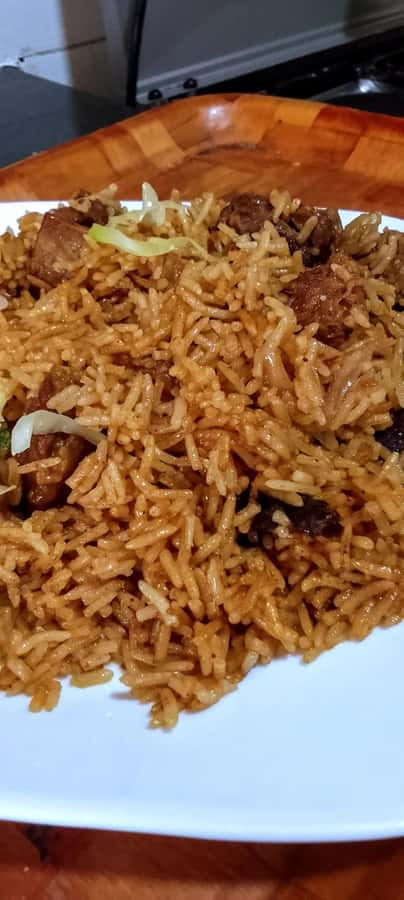
- Pilau, a seasoned rice dish with fragrant spices.
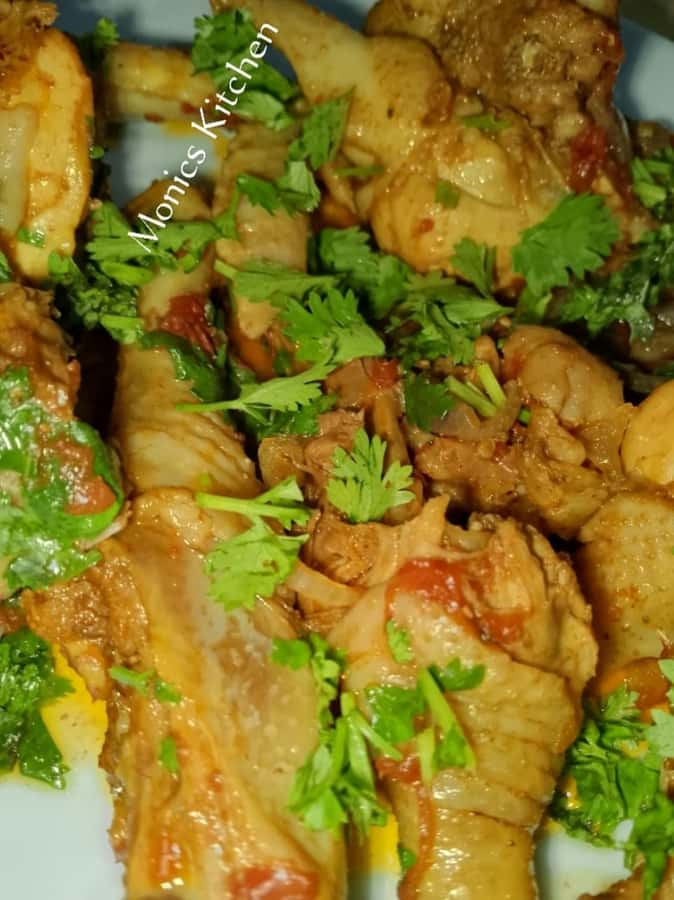
- Kuku kienyeji, traditionally prepared local chicken.
The plan may also include mukimo and githeri, two other Kenyan foods named in the activity details. Since the exact menu can vary, you should book for the cooking and cultural exchange rather than for a guaranteed list of every dish.
I especially like the mix of dishes. You are not preparing only one recipe, so you get a sense of different textures and cooking methods. Chapati requires a different kind of attention from ugali, while kachumbari and sukuma wiki show how fresh and cooked vegetables balance the meal.
The class is also about technique and habit. Tabitha explains ingredients and methods while you work, and you can taste as the food develops. That is more useful than simply eating a finished plate because you leave with a clearer idea of how Kenyan home meals come together.
Sharing lunch and conversation
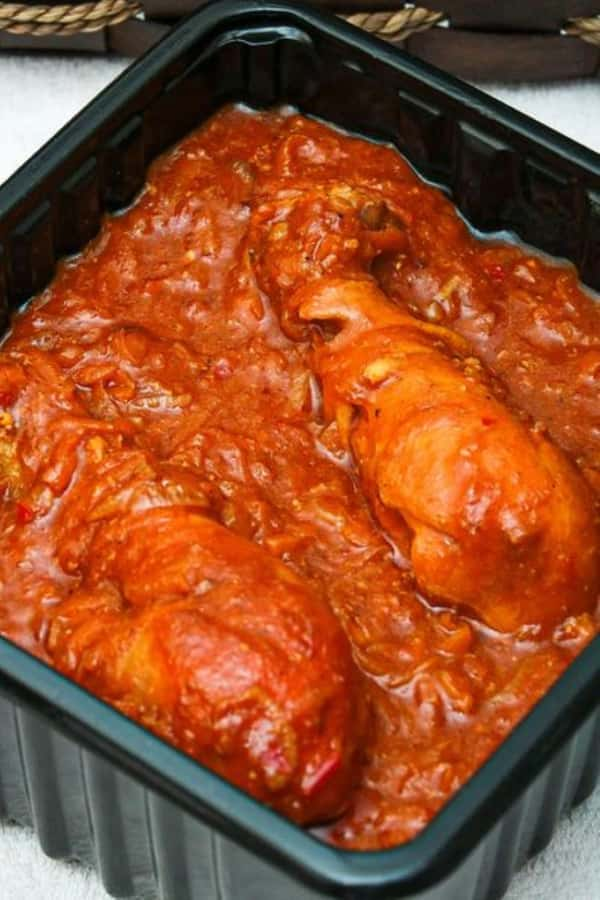
Lunch is included, and you eat what you have helped prepare. Beverages include water, tea, and soda. Alcoholic drinks are not included.
The shared meal is more than a convenient finish. Sitting down in a local home gives the food a social setting. Kenyan cooking is not just a collection of recipes, and the conversation helps place those dishes within family life and daily routines.
Time is set aside for storytelling and conversation with Tabitha and her husband. The tone is personal, and the experience can include discussion of ordinary joys, challenges, and life in Kenya. If you are looking for a quick class where you cook one dish and leave, this may feel longer and more personal than expected. That is also what makes it memorable for many people.
You should come hungry, but keep your expectations sensible. This is a home meal, not a restaurant tasting menu. The appeal lies in the preparation, the setting, and the chance to eat together.
What makes the home setting valuable
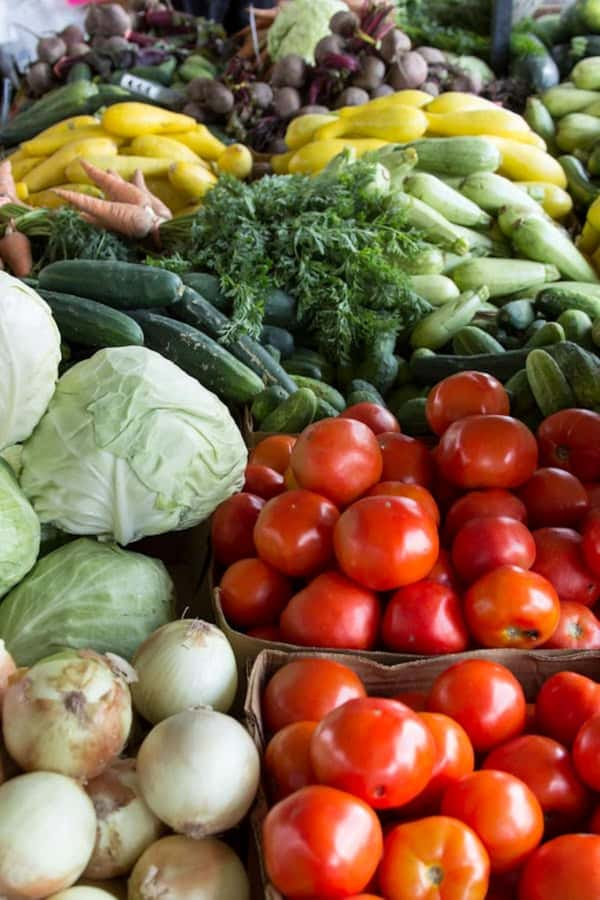
A home kitchen changes the tone of a food experience. You see where the cooking takes place, meet the host in her own space, and spend time talking outside the usual tourist route.
The activity is designed to show daily Kenyan life rather than present a staged cultural performance. That does not mean every moment will be perfectly organized. A home setting can be less predictable than a professional school, and the limited space may make it harder for everyone to work at once.
Still, the tradeoff is worthwhile if you value direct contact. Tabitha’s warm welcome is one of the strongest parts of the experience. She guides the market visit, teaches the cooking, and opens her home for lunch. Those three roles create continuity across the four hours.
The experience is also suitable for people who want conversation, not only food. English and Swahili are spoken, so you can communicate with the host in either language. You do not need to know Swahili to take part, but hearing both languages adds to the local character of the day.
A few more market tours around Kenya worth a look
- Memorable Daily KIBERA Slums/Toi Market Tour with Locals (2 hours)
★ 5.0 · 29 reviews - Mombasa City Tour,Fortjesus,Oldtown,Tusks and Spice Market.
★ 4.8 · 19 reviews - Half-Day Nairobi National Park and Maasai Market with Pick up
★ 5.0 · 16 reviews - Nairobi: Hop on Hop off and Maasai market Collections Visit
★ 3.5 · 10 reviews
Is $64 good value for four hours?
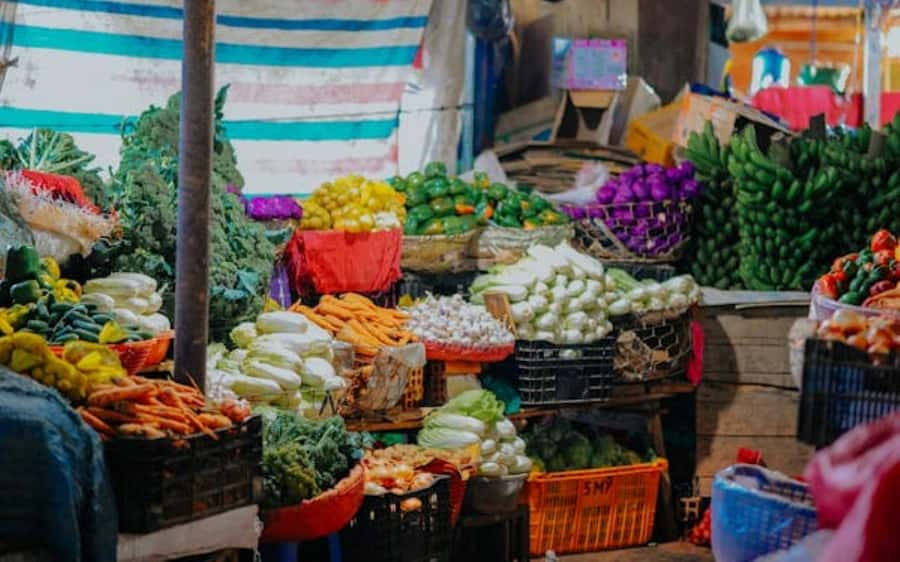
At $64 per person, this is not the cheapest way to eat in Nairobi. You could spend less on a restaurant meal or buy ingredients yourself. The price makes more sense when you count the market visit, transport to and from the market, cooking instruction, lunch, beverages, and the time spent with a local host.
You are paying for access and guidance as much as for food. Tabitha helps you navigate the market, explains the ingredients, teaches several dishes, and provides a private-home setting. Transportation can also be arranged for convenience, though Uber or other transportation fees are not included, so confirm exactly what you need before booking.
The value is strongest for a first visit to Nairobi or for anyone who wants a food experience tied to local life. It is weaker for a confident cook who wants advanced instruction, a large recipe packet, or a formal culinary curriculum. No such advanced program is promised.
Free cancellation is available up to 24 hours before the start for a full refund, and you can reserve now and pay later. Those terms are useful if your Nairobi plans are still changing.
Who should book this experience?
I would recommend it to solo visitors, couples, families with older children, and small groups who enjoy talking with people and trying unfamiliar food. It suits anyone who wants a break from standard sightseeing and is comfortable entering a private home.
Children below 10 years old receive free entrance, which can make the cost more manageable for families. Because the space is limited, ask about the arrangement if you are traveling with a larger family group.
The class is especially good for:
- People who want to learn several Kenyan dishes in one session.
- Visitors who prefer a local home to a restaurant or hotel kitchen.
- Anyone interested in shopping for ingredients and seeing how a meal begins.
- Couples or small groups who value personal conversation.
- Food-focused visitors who want lunch included in the activity.
It is not suitable for people with food allergies. The menu includes several dishes and ingredients, and the activity data specifically advises against booking if you have allergies. It is also not suitable for people over 95 years old.
Practical tips for a smooth visit
Meet at K-MALL Komarocks parking lot, and confirm the starting time before the day of the activity. The duration is four hours, but you should still leave some flexibility around it because the experience includes transport and a market visit.
Wear comfortable clothes and shoes. The day includes walking through a market and working in a kitchen, so this is not the place for formal clothing or delicate footwear.
Bring a camera if you want photos, but ask before photographing people. Market interaction is part of the experience, and basic courtesy matters. Bring cash as advised, even though lunch and listed beverages are included.
Transportation to and from the market is included. If you need an Uber or other separate transport to the meeting point, that cost is not included. Transportation can be arranged for convenience, so clarify the pickup plan when you book.
Do not expect a large professional kitchen. The limited space is part of the home-based format. Take turns, stay involved, and view the cooking as a shared activity rather than a private workstation.
Should you book the Kenyan cooking class?
Book this if you want to see a slice of everyday Nairobi through food, conversation, and a market visit. The strongest reasons are Tabitha’s personal hosting, the chance to help prepare several Kenyan staples, and the shared lunch in her home.
Skip it if you need a formal cooking school, have food allergies, dislike home-based activities, or want a tightly scripted tour with no variation. For everyone else, $64 is a fair price for four hours that combine transport, shopping, instruction, lunch, and human contact. Come ready to cook, talk, and eat a generous Kenyan meal.
FAQ
Where does the experience meet?
The meeting point is the K-MALL Komarocks parking lot. From there, you proceed to the local market.
How long does the experience last?
The activity lasts four hours. Starting times depend on availability.
What languages does the guide speak?
The live tour guide speaks English and Swahili.
Is transport included?
Transport to and from the market is included. Transportation fees such as Uber costs are not included, though transportation can be arranged for convenience.
What food will I prepare?
The cooking focuses on Kenyan dishes such as kachumbari, sukuma wiki, ugali, chapati, pilau, and kuku kienyeji. Mukimo and githeri are also named as possible dishes.
Is lunch included?
Yes. Lunch is included, along with water, tea, and soda. Alcoholic drinks are not included.
Can children join the activity?
Yes. Children below 10 years old receive free entrance.
What should I bring?
Bring comfortable shoes, comfortable clothes, a camera, and cash. Weapons and sharp objects are not allowed.
Just added around Kenya
- Nairobi: Maasai Market and Nairobi City Tour★ 5.0 · 4 reviews
- Nairobi Traditional Cooking Classes and Local Market Visit★ 5.0 · 2 reviews
- Nairobi: Hop on Hop off and Maasai market Collections Visit★ 3.5 · 10 reviews
- Nairobi: Explore Maasai Market for Unique Souvenirs★ 5.0 · 5 reviews
- Market Tour and Traditional Kenyan Cooking Class in Nairobi★ 4.8 · 6 reviews
- Maasai Market Souvenir Shopping★ 5.0 · 2 reviews
- Local Market Tour and Traditional Meal Cooking Class★ 5.0 · 4 reviews
- Diani: Market and Street Food Walking Tour★ 4.2 · 6 reviews
Market and Cooking Class Tours, compared.

Hanoi Cooking Class: Culture, Local Market & Meaning CSR Impact
Read our review →
5 Traditional Dishes Hanoi Cooking Class with Market Trip
Read our review →
Cooking Class and Lunch at a Tuscan Farmhouse with Local Market Tour from Florence
Read our review →
Cooking Class, Market & Thai Herbs Garden Tour
Read our review →
Authentic Cooking Class with Market & Farm Visit
Read our review →
Paella Cooking Experience & Boqueria Market Tour
Read our review →
Cooking Class Hoi An:Local Market, Basket Boat, Fishing & Cooking
Read our review →
Hoi An Cooking Class(Market,BasketBoat Crabfishing&Cooking Class)
Read our review →Browse the lists this tour appears in