

Review · FOOD & DRINK
Seville: Tasting, History, Market visit and Tapas Tour
Seville’s food culture makes sense when you eat it in the order locals do. This four-hour walk starts with coffee, toast, and fresh orange juice, then moves through churros, olive oil, Triana Market, sherry, fried fish, and tapas. It is less a restaurant crawl than a morning lesson in how Seville eats.
I like the small group of no more than 10 and the way the route mixes food with ordinary city life. I also like the range: breakfast, sweets, market samples, regional products, and a proper tapas lunch give you useful ordering confidence for the rest of your stay. The main consideration is pace. You will eat several times in four hours, so this may not suit anyone wanting a slow, sit-down meal at every stop.
Key points to know before booking
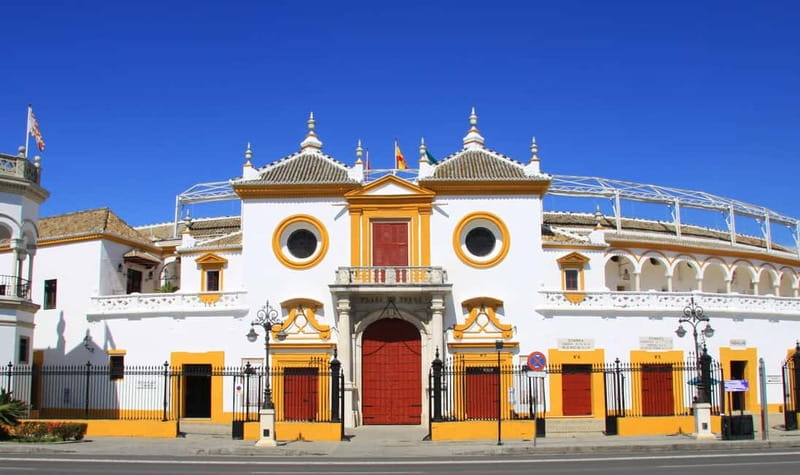
- Start with a typical Sevillian breakfast: Coffee, toast, and freshly pressed orange juice introduce the everyday meal eaten by most locals.
- Taste churros at a small stall: This is a quick street-food stop while the city is waking up, not a long café sitting.
- Compare olive oils by flavor: A local shop explains the different oils as you taste them.
- Cross into Triana for its market: You will see stalls selling fruit, vegetables, meat, fish, cured foods, olives, and pickles.
- Finish with tapas and wine: The final meal takes place in one of Seville’s older tapas bars, with traditional food, drinks, and old earthenware wine vats.
A four-hour introduction to how Seville eats
This tour works best as a morning walking route with food built into it. You meet in front of the main entrance of Seville’s Town Hall at Plaza Nueva, a central point that is easy to use as your starting marker. From there, the guide leads you on foot through several food stops and back to the same meeting point.
The route has a useful rhythm. You do not simply sit in one restaurant while someone lists ingredients. You watch Seville wake up, stop at small food businesses, cross the Triana Bridge, browse a market, and finish with tapas. That movement gives the meal a sense of place.
The guide is Gunvor Guttormsen, and the experience is offered in English, Spanish, or Norwegian. The small group size matters here. Ten people or fewer makes it easier to hear explanations in a market and easier to ask questions about what you are tasting.
More Food and Drink Trips in Spain:
- Paella Cooking Class, Wine Tasting & Central Market in Valencia
★ 5.0 · 1,150 reviews - San Sebastian Pintxo Food, Wine & Market Foodie Tour(Small Group)
★ 5.0 · 621 reviews - Ultimate Barcelona Food Tour with visit to a Local Market
★ 5.0 · 507 reviews
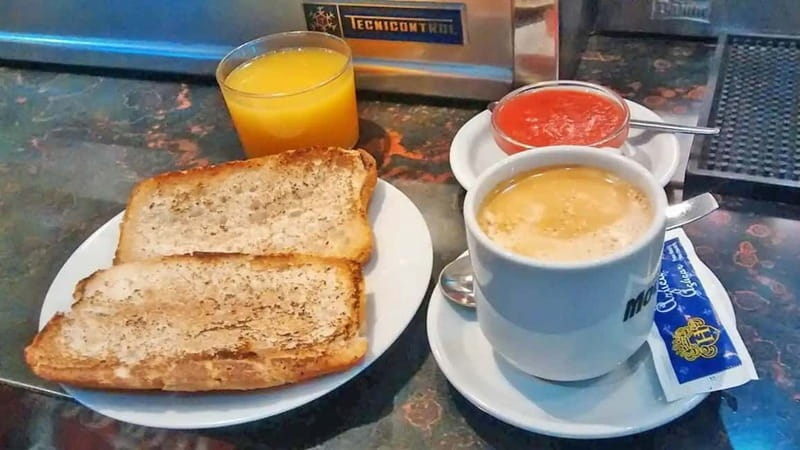
Breakfast with coffee, toast, and orange juice
The first food stop covers the everyday Spanish breakfast that many visitors overlook. You will have coffee, toast, and fresh pressed orange juice. It is simple food, but it gives you a practical starting point for ordering breakfast on your own.
The toast is part of the lesson. Breakfast in Spain is often lighter than a full American or Northern European morning meal, and this opening course shows you the pattern without dressing it up for tourists. The orange juice adds a fresh note, while the coffee and toast keep the meal familiar and quick.
I like starting here because it sets a local scale for the rest of the tour. You are not beginning with a special feast. You are beginning with what people in Seville may eat before work, then building outward into treats, market foods, and tapas.
This is also a useful stop for anyone unsure about Spanish food customs. The guide can explain what you are eating and how the pieces fit together. One of the most helpful effects of this kind of introduction is that you leave with more confidence about what to order later.
Churros at a small local stall
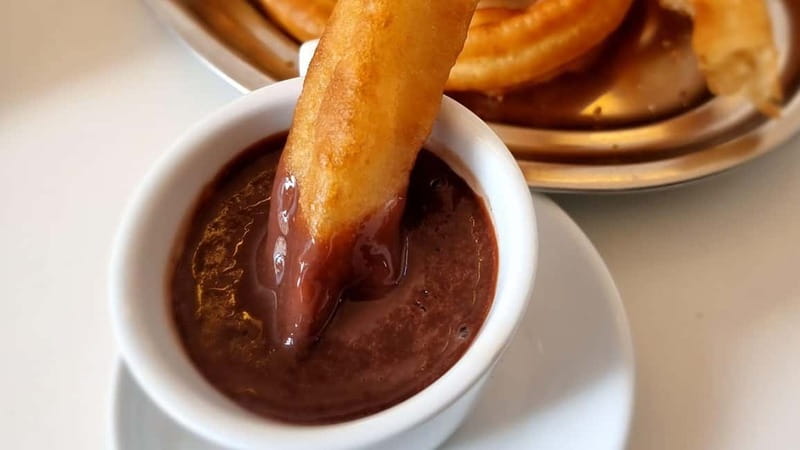
After breakfast, the walk continues to a small churro stall. You taste churros as you go, which keeps this stop quick and informal. Churros with chocolate are one of Spain’s best-known treats, but eating them in the middle of a walking route gives them a different feel from ordering a dessert after dinner.
The contrast with breakfast is part of the fun. First comes toast and coffee, then fried dough and chocolate. The tour does not pretend that every stop is a health lesson, although the fresh orange juice gives you at least one virtuous note.
You should arrive ready to sample rather than fill up at each stop. The churros are only one part of a morning that also includes ham, cheese, olives, fried fish, tapas, and drinks. If you have a small appetite, pace yourself early.
Olive oil tasting with a local shop owner
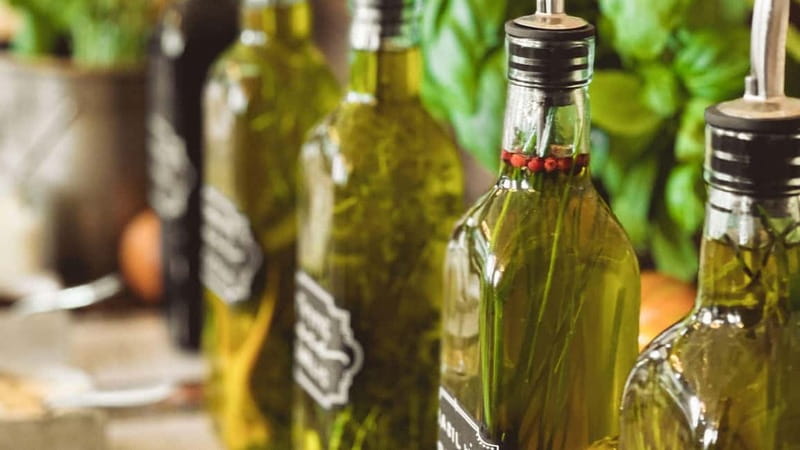
The next stop is a local olive oil shop, where you taste different oils with different flavors. The owner explains the varieties as you sample them, giving this part of the tour a more focused food lesson than the breakfast and churro stops.
Olive oil is central to Spanish cooking, but many people use it without thinking about its differences. A tasting lets you compare oils directly instead of treating them all as the same bottle of cooking fat. The value is practical: you can ask questions, notice flavor changes, and better understand why a shop might carry several types.
This is also a good place to learn what you like before buying food gifts. The information provided does not promise a shopping stop or a bottle included in the price, so think of the shop primarily as a tasting and explanation stop. You will have the chance to sample the oils and hear about the varieties from the person who sells them.
More History Tours in Spain:
- Barcelona: La Boqueria Food, Wine & History Walking Tour
★ 5.0 · 126 reviews - Barcelona: Market, Tasty Tapas/Food and Gothic History Tour
★ 4.7 · 48 reviews - Taste of Barcelona: Boqueria Market, Tapas & History Tour
★ 4.5 · 22 reviews - Private Excursion to Floating Market and Ayutthaya World Heritage
★ 5.0 · 515 reviews
Across Triana Bridge to the market
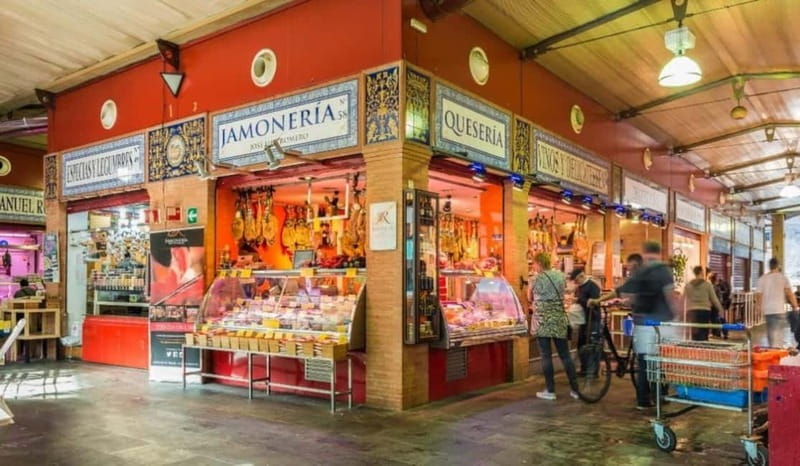
After the olive oil tasting, you cross Triana Bridge on foot. The bridge connects the central part of Seville with the Triana district, and the crossing gives the tour a clear change of setting before you reach the market.
The destination is Triana Market, one of Seville’s important places for buying fresh food. Inside, you can expect stalls with fruit and vegetables, meat, fish, and other products from the region. The guide first walks you around so you can take in the range of stalls before stopping for tastings.
That order is smart. You get a look at the market as a working food place before the tasting begins. It helps you see where ingredients come from rather than encountering each item only after it has been prepared and placed on a plate.
Markets can be visually and socially busy, so the small group is useful. You can stay close to the guide and still have room to look at the stalls. Since the route is on foot and includes a bridge crossing, wear comfortable shoes.
Cured ham, cheese, sherry, olives, and capers
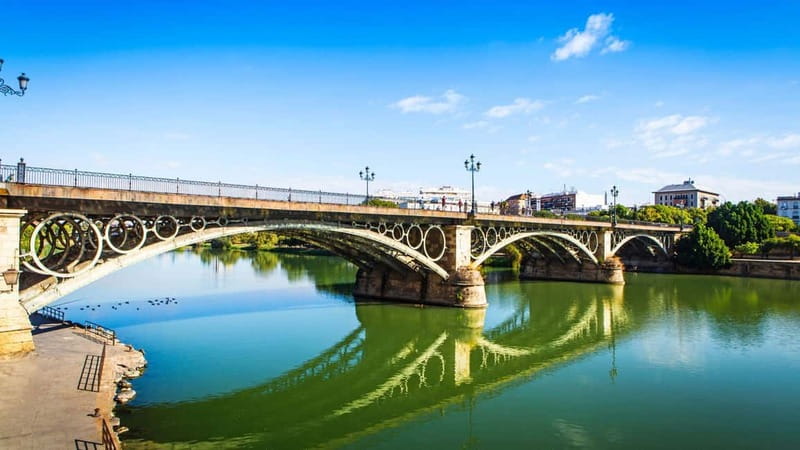
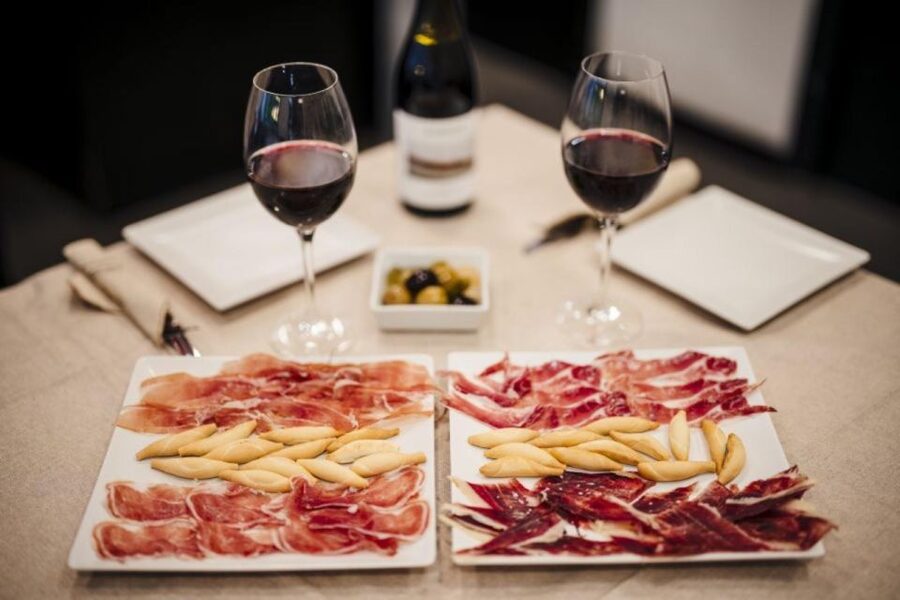
The market tasting brings together several classic Spanish foods. You will sample cured ham and cheese, with sherry wine from Jerez de la Frontera as an accompaniment. This pairing gives you a clear introduction to the salty, savory side of Andalusian eating.
Sherry is especially relevant here because it comes from nearby Jerez, a city known for its wine tradition. You do not need to be a wine expert to enjoy this stop. The point is to taste the combination and understand how a local drink fits with cured foods.
The route then reaches a stall selling olives and pickles. You taste a selection that includes olives and capers. This is a small detail, but it helps show how Spanish meals are often built from simple preserved foods placed alongside drinks and larger dishes.
I like this section because it gives you foods you can recognize later in tapas bars and shops. You are not only eating. You are building a short vocabulary of Spanish ingredients: cured ham, cheese, olives, capers, sherry, and olive oil.
Fried fish and vegetables before the final bar
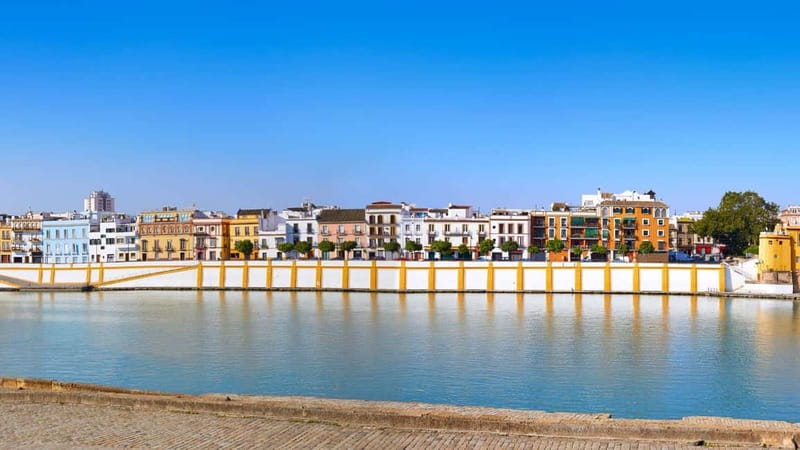
After leaving the market, the route passes a typical bar where you taste freshly fried fish and vegetables with a local beer. This is another shift in texture and setting. The market foods are mostly cured, pickled, or sampled cold. Here, you get something hot and crisp.
The beer pairing keeps the stop casual. It is not described as a full meal, so consider it part of the steady series of tastings that leads into lunch. The tour includes several drinks, and you should keep that in mind if you do not drink alcohol. The supplied details specify wine and beer at different points, but do not state whether nonalcoholic replacements are available, so ask when booking if that matters to you.
This bar stop also gives you a look at a common Seville habit: a quick drink with a small plate rather than a long formal meal. You get a taste of the local bar rhythm before the more substantial tapas ending.
Tapas in one of Seville’s older bars
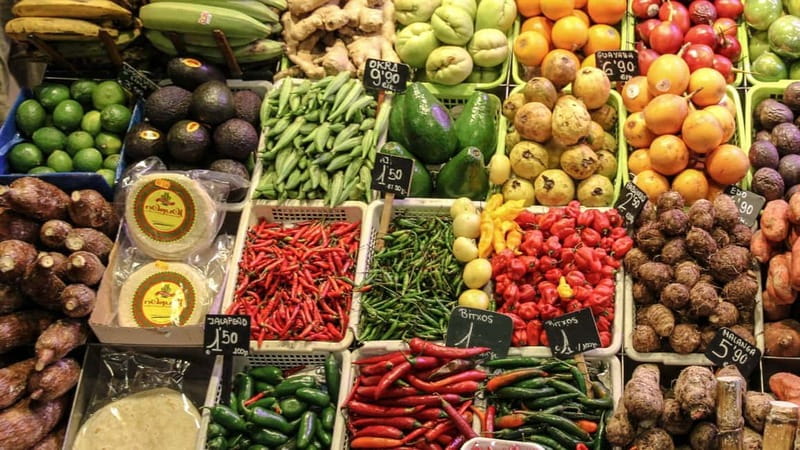
The final stop is one of Seville’s oldest tapas bars, a place described as full of character and still preserving old earthenware wine vats. Here you have original tapas with drinks, including wine as part of the included tapas lunch.
The old vats are an unusual detail and give the stop a strong sense of place. They are not simply decoration in a modern restaurant. They connect the room with older methods of storing and serving wine, at least in the way the bar preserves them.
This is the point where the earlier tastings come together. You have already tried breakfast food, sweets, olive oil, market products, pickles, fried food, beer, and sherry. Now you sit down to tapas, which are one of the most useful foods to understand when eating in Seville.
The final meal may be the best part for someone who wants to order confidently during the rest of a trip. The route includes a broad range of foods, and the guide can explain what you are tasting as you go. One couple on a first visit to Seville found the food explanations and ordering advice especially useful, and that is exactly the practical benefit to look for here.
What the guide adds to the food
A food tour is only as useful as the explanations between bites. Gunvor Guttormsen is identified as the guide for this experience, and the tour is designed around both cultural and gastronomic sightseeing. That means you are not left to guess why a food matters or how it is normally eaten.
The strongest part of this format is the chance to ask questions in real time. You can ask about an olive oil while tasting it, ask about sherry while drinking it with ham and cheese, and ask about market products while standing in front of the stalls.
The experience is available in English, Spanish, and Norwegian. For anyone with limited Spanish, that matters. One practical benefit is learning not only what foods are called, but also how to order them with less hesitation later in the trip.
The food guide role also keeps the tour grounded in local businesses: a churro stall, an olive oil shop, Triana Market, a neighborhood bar, and an older tapas bar. The route is not limited to one polished dining room.
Price and value at $90
At $90 per person, this is not the cheapest way to have breakfast and lunch in Seville. It is also more than the cost of buying a few tapas on your own. The value depends on how much you want from the explanations, tastings, and route.
You are paying for four hours, a qualified food guide, several food stops, drinks, market tastings, cultural sightseeing, and a tapas lunch. The included food covers a complete Spanish breakfast, churros, olive oil, cured ham, cheese, sherry, olives, capers, fried fish, vegetables, beer, and tapas with wine.
That is a substantial amount of food and drink for one morning. You also avoid spending time choosing where to go and wondering which market stalls or bars are worth your attention. For a first visit, that guidance can make the price easier to justify.
The value is lower if you already know Seville’s food scene well or prefer to explore alone. It is also less suitable if you want one long meal instead of several small samples. Think of this as an orientation to local eating, with lunch included, rather than a luxury tasting menu.
Who will enjoy this Seville food walk
I would recommend this tour to first-time visitors who want a clear introduction to Seville’s food habits. It is especially useful if you have limited Spanish and want help recognizing foods and ordering them later.
It also suits people who enjoy walking between stops and prefer local businesses to a single formal venue. The route includes central Seville, the Triana Bridge, and Triana Market, so food and city sightseeing are tied together.
Small groups make it a good choice for solo visitors, couples, and friends who want a more personal guide experience. It can also work for families, but the amount of food and the presence of alcoholic drinks mean you should check that the format fits everyone in your party.
The tour is wheelchair accessible, an important practical point. The activity lasts four hours, so plan around that full block of time rather than treating it as a quick breakfast outing.
Practical details that affect your morning
Meet the guide in front of the main entrance of the Town Hall at Plaza Nueva. The activity ends back at the same meeting point, which makes it easier to plan another central Seville activity afterward.
Starting times vary, so check availability for the date you want. The description identifies it as a morning experience, and the food sequence is built around breakfast first and tapas lunch later.
Tell the provider about any allergies when booking. This matters because the route includes multiple foods and several market tastings. The available information does not spell out substitutions, so provide clear details before the tour rather than waiting until the first stop.
The tour allows free cancellation up to 24 hours before departure for a full refund, and you can reserve now and pay later. These policies are useful if your Seville schedule is still changing.
Should you book it?
Book this tour if you want a broad, guided introduction to Seville’s everyday food, not just a list of tapas dishes. The mix of breakfast, churros, olive oil, Triana Market, sherry, fried food, and a traditional bar gives you a strong first taste of the city.
I would be more cautious if you have a very small appetite, dislike walking between stops, or prefer to choose every dish yourself. For most first-time visitors, the $90 price is reasonable because it includes several tastings, drinks, lunch, and the guide’s help with local food customs.
The best reason to book is practical: you leave knowing more about what you are seeing, tasting, and ordering. If that is what you want from a food tour, this is a well-focused four-hour choice.
FAQ
How long does the Seville food tour last?
The tour lasts four hours.
Where does the tour start?
Meet the guide in front of the main entrance of the Town Hall at Plaza Nueva.
Where does the activity finish?
The tour ends back at the meeting point at Plaza Nueva.
What food is included?
The experience includes a complete Spanish breakfast, churros, olive oil tastings, market tastings, fried fish and vegetables, and a tapas lunch.
What drinks are included?
The route includes fresh pressed orange juice, coffee, sherry wine from Jerez de la Frontera, local beer, and wine with the tapas lunch.
Does the tour visit Triana Market?
Yes. The route crosses the Triana Bridge and visits Triana Market, where you can see stalls selling fruit, vegetables, meat, fish, and other regional foods.
Is the tour offered in English?
Yes. The available languages are English, Spanish, and Norwegian.
How large is the group?
The tour is a small-group activity limited to 10 participants.
Is the tour wheelchair accessible?
Yes, the activity is listed as wheelchair accessible.
What should I do if I have a food allergy?
Inform the provider about any allergies when you book.
Just added around Spain
- CERTAL Exclusive Tour: LA RIBERA Market + GASTROBARS Bilbao (3h)★ 4.5 · 12 reviews
- Explore Bilbao’s Flavors Mercado de la Ribera and Old Town★ 4.5 · 3 reviews
- Spanish Oysters, Cava and Ibérico Ham at Barcelona’s La Boqueria Market★ 5.0 · 8 reviews
- Taste of Barcelona: Boqueria Market, Tapas & History Tour★ 4.5 · 22 reviews
- Private Barcelona Market Tour & Paella Cooking Class with Josh★ 5.0 · 4 reviews
- Barcelona La Boqueria & Sant Antoni Private Food Experience★ 5.0 · 7 reviews
- Cook Paella & Tapas + Market Tour in Barcelona (4-Course Meal)★ 5.0 · 2 reviews
- Market Gourmet Visit and Spanish Culinary Experience in Barcelona★ 5.0 · 34 reviews
Food & Drink, compared.
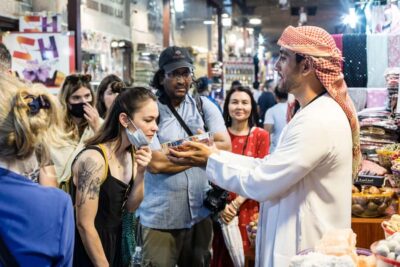
Old Town, Creek, Museums, Souks, & Street Food Tour
Read our review →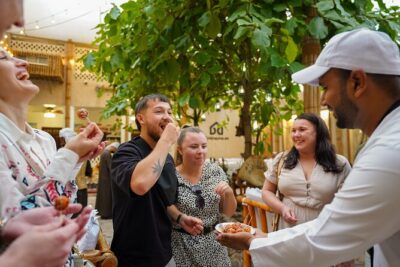
Old Town, Souks, Street Food, Guided Tour & Abra Ride
Read our review →
Bangkok by Night: Temples, Markets and Food Tuk-Tuk Tour
Read our review →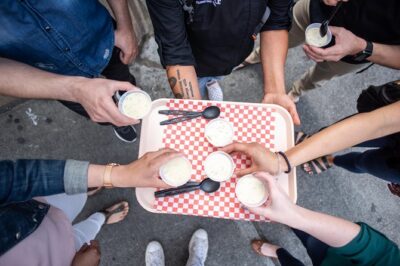
Tokyo Tsukiji Fish Market Food and Culture Walking Tour
Read our review →
Markets, Temples and Food Night Tour by Tuk Tuk
Read our review →
Old Town, Souks, Street Food, Guided Tour & Abra Ride
Read our review →Browse the lists this tour appears in